





![[LECTURE 7A] - Fluid Flow in Porous Media](https://i.ytimg.com/vi/1kdgM77mk3s/maxresdefault.jpg)





![[CEP451] - Water and Wastewater Treatment - Lecture 6 - Dr. Nesma El-Toukhy - Fall 2024](https://i.ytimg.com/vi/CDlerczvu2g/maxresdefault.jpg)




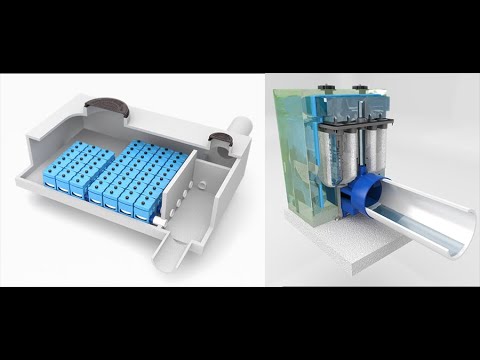

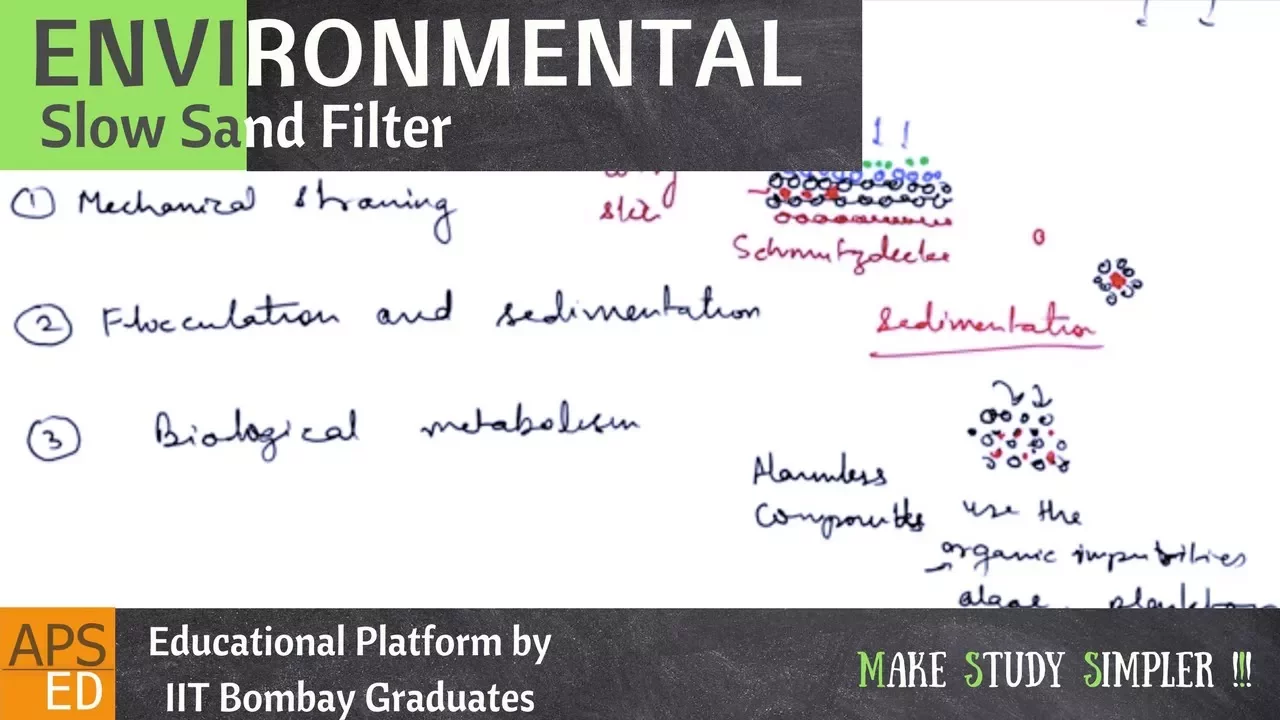
Slow sand filtration is a water treatment process where water passes through a thick layer of porous sand media, achieving 98-99% removal efficiency of colloidal particles through three mechanisms: physical sedimentation where particles settle between sand grains, biological metabolism where bacteria consume plankton and form a 'schmutzdecke' (biological layer) that traps impurities, and chemical neutralization where particles with opposite electric charges neutralize each other and form new compounds.
Water Treatment: Slow Sand Filter Theory Explained for Civil Engineers (Unit 6) | Prashant YT | BE Civil | PU
Added:Fundamentals of Water Quality: Understanding physical, chemical, and biological impurities in raw water, particularly turbidity, suspended solids, and pathogens.
Introduction to Water Treatment Processes: Familiarity with the standard sequential stages of municipal water treatment, specifically screening and sedimentation.
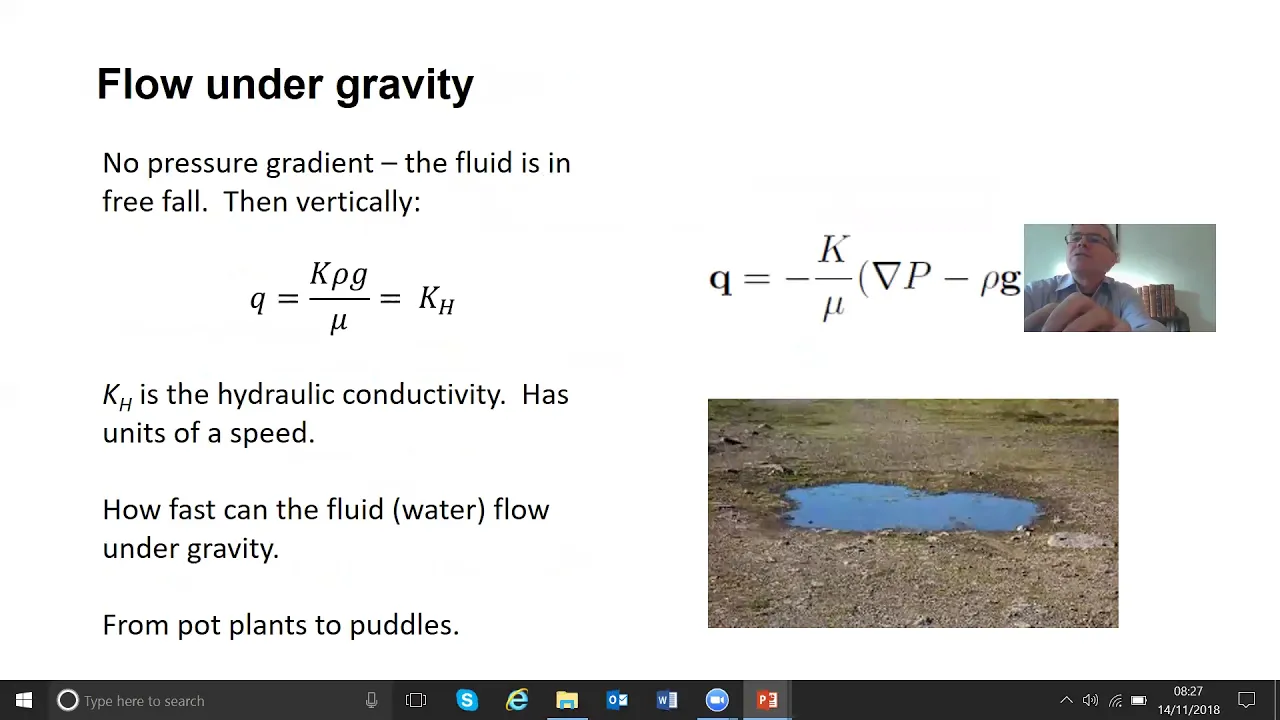
Fluid Mechanics in Porous Media: Basic principles of fluid flow through granular materials, including hydraulic conductivity and head loss.
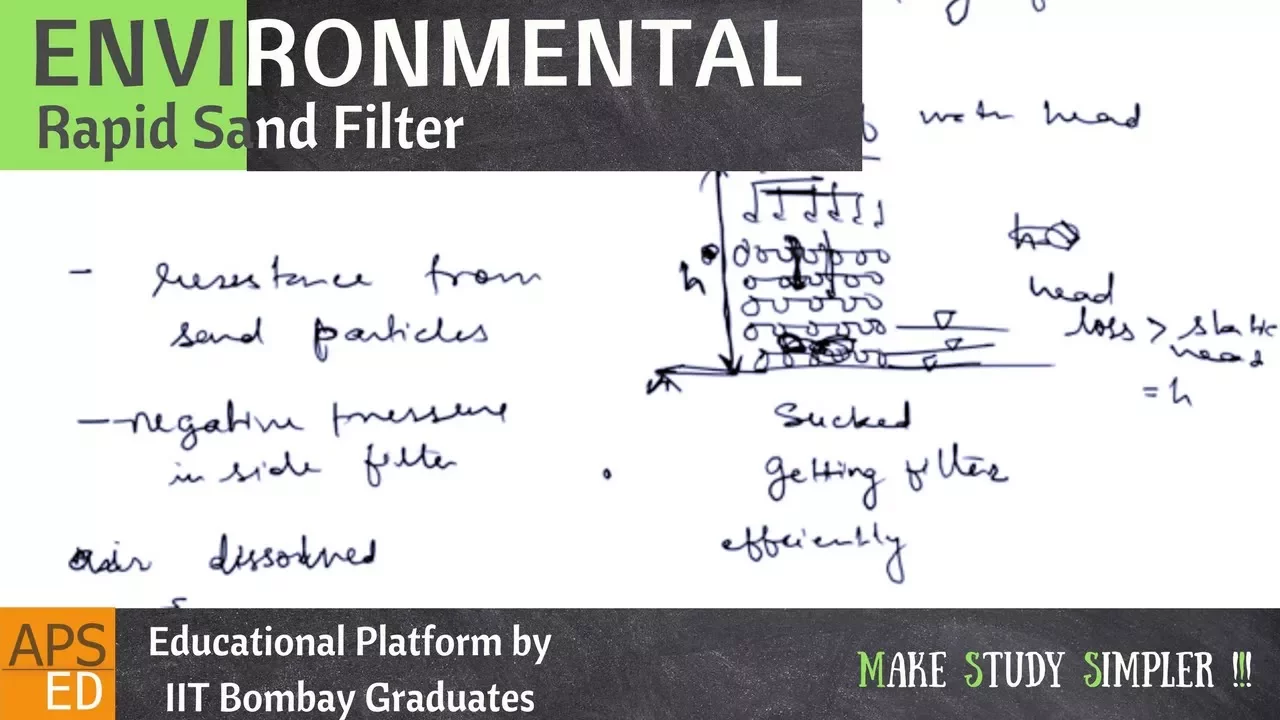
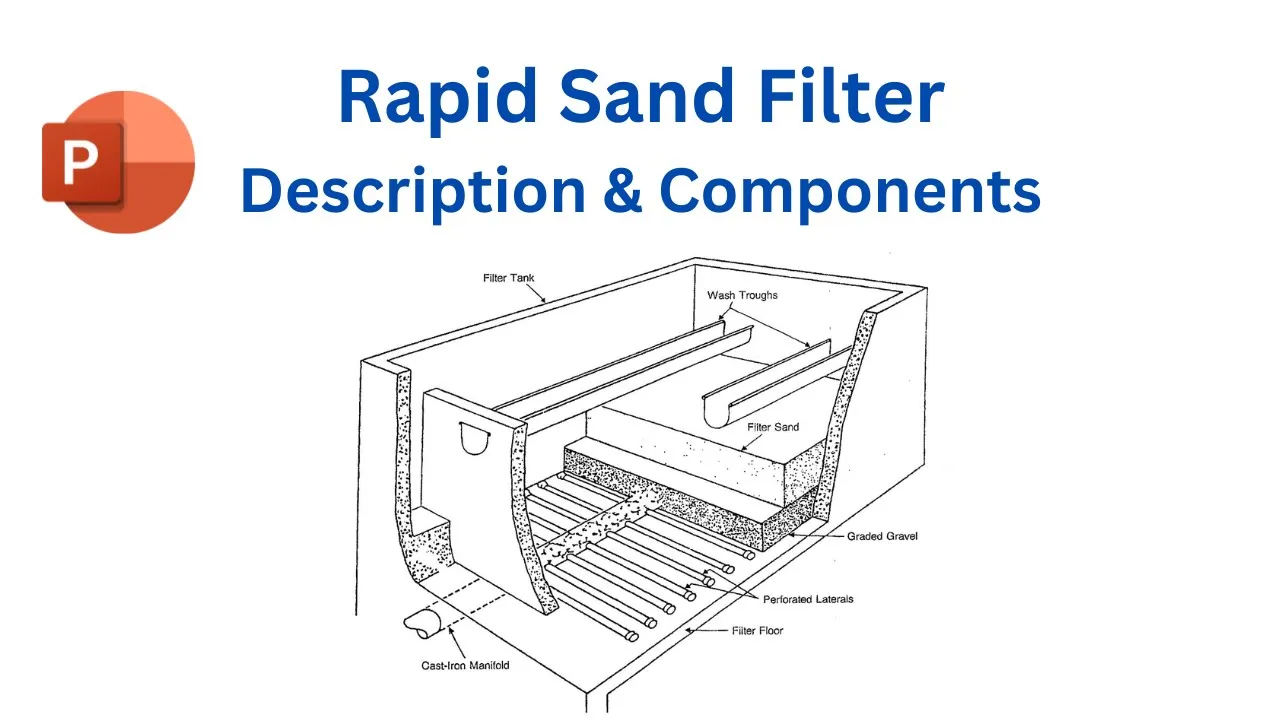
Rapid Sand Filtration (RSF): Studying the mechanics, design differences, backwashing processes, and higher loading rates of rapid filters compared to slow sand filters.
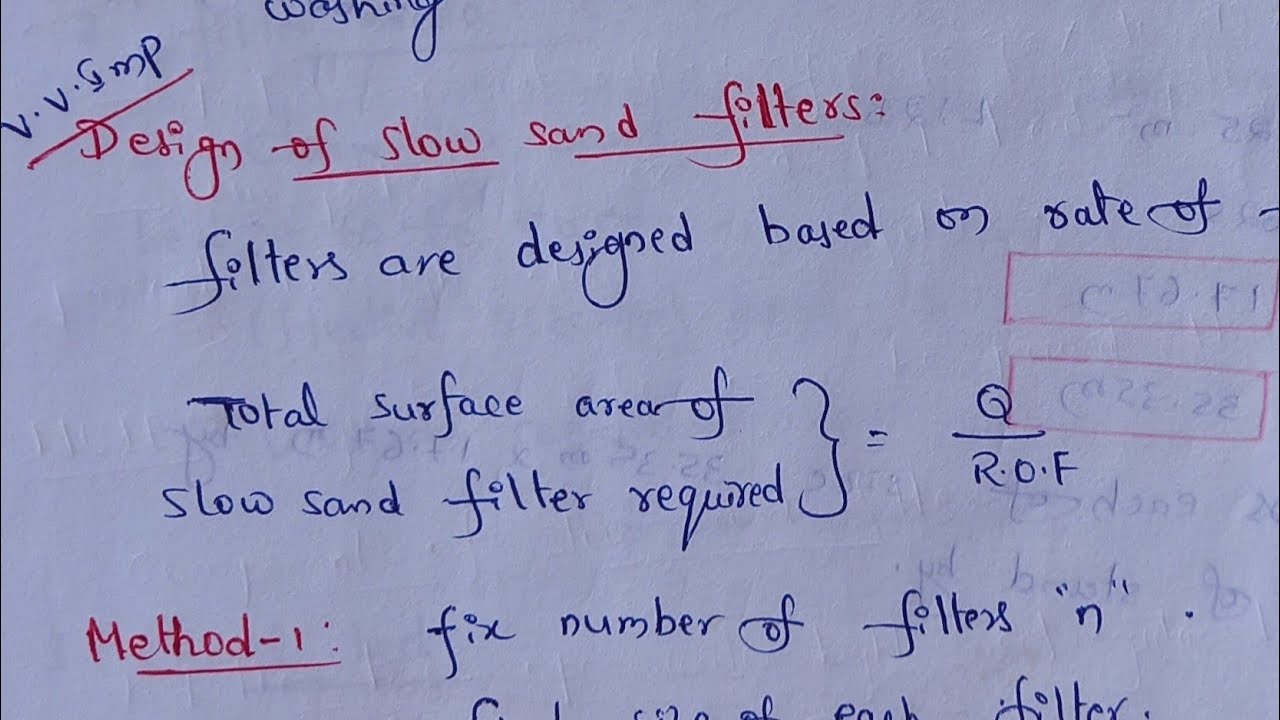
Engineering Design of Slow Sand Filters: Applying mathematical formulas to calculate surface area, filtration rates, media depth, and underdrain system specifications.
Biological Action and the Schmutzdecke Layer: An in-depth exploration of the biochemical processes and microorganisms responsible for impurity removal within the filter's ripening layer.
Filter Operation, Maintenance, and Troubleshooting: Learning cleaning protocols, sand scraping techniques, re-sanding procedures, and managing filter ripening periods.
9K views73likes21:21Original Release: 2024-01-19
speech for speech forch foreign speech speech IGN speech ] speech ] foreign speech foreign speech ] fore speech spech ] for speech speech speech ] fore speech ] for speech ] for speech ] for speech IGN speech ] for speech ] for speech IGN speech ] foreign speech ] spe for IGN speeech speech speeech foreign speech speech speech speech speech speech fore filtration the process of passing water through thick layer of porus media which which in most cases is a layer of filtration media s speeech spee spee speech ] mechanicing sedimentation and absorption biological metabolism elroe remove by trap them between of the filter Med that fore speech IGN speech speech [Music] speeech for speech fore speech spee foreign speech IGN speech ] for [ spee speech for speech for between the sand act as a sedimentation tank which speech for speech speech [ foreign spech speech ] for speech due to the physical attraction between the ande [Music] speeech speech speee speeech speeech speech this AC can remove finp parles andee fore speech speech speech speech speech ] speech IGN speech IGN spe fore spee speee speech IGN speech ] speech ] foreign speech speech speech ] IGN speech [ for speech IGN speech ] spee speeech for speech speech for speech ] forign speech ] forch spech Plankton which are cut in VES of sand grains is utilized by the bacteria as food for the their survivals hence bacteria is responsible for converting them into armless compound the armless compound so formed are deposited at the surface of the sand in the form of layer which contains a geological jelly called Dirty skin which further support in the standing out the Imp foreign speech ] fore speech for speech for speech ] for speech speech forch fore speech ] speech ] [ foree speee speeech foreign for speech for speech speech speech foreign speech for speech ] fore fore for speech speech for speech ] foree speech speeech that when two particles with opposite electric charge come in contact with each other the electric charge are neutralized and in doing so new chemical substance are formed in filter filter media also have ACH fore speech speech spee fore speech spech speech fore speech ] fore speech IGN speech ] speech speech ] speech ] inil also have some poity and particles of suspended metal having poity when comes in contact they neutralize each other and results in changing of thech speech fore [ foreign speech IGN speech [ foree speech ] foreign speech fore speee speech IGN speech ] fore speech speeech IGN speech for spee speech speech speech speeech forign speech IGN speech cleaning of filter is done by the surface speech for speech [ speech for speech ] speech ] forch IGN spee speech ] forign speech ] speech IGN spech speech [ fore speech ] speech foreign speech ] speech ] speech ] forign speech fore for speech IGN speech ] fore [ for speech [ foreign speech [ for speech ] for speech ] forch [ foreign speech IGN speech ] speech ] fore speeech speech ] for speech [ foreign speech ] foreign IGN speeech ] foreign fore speech for speech ] for speech forign spech speech ] speech IGN fore speeech ] for speech speech ] spee for speech speech speech speech speech for speech ] forch speech [ forign speech speech IGN speech spee for speech foree speech for speech speech [ foreign speech ] speech ] speech for speech [ speech speech ] fore speech IGN speech [ foreign speech IGN speeech speech figure show a section of solution filters and consist of the forch speech foree speeech [ fore speech spee speech for speech ] speech fore speech forign speech ] for speeech speech speech ] spee foree speech IGN [ speech foreign IGN speech spee [ foreign speech speech speech IGN speech forch foree speech speech ] spe [ for spe speech [ speeech speech speech speech [ for spee ] speeech speech forign speech IGN speech forign speech IGN speech ] fore speech ] for speech fore speech spee foree forign speech foreign speeech ] speech speech spee fore speech spee speee speech [ for speech ] fore speech [ for speech speech for speeech speech for spee fore speech speeech IGN speech ] working and cleaning of Sol filter water from SIM tank is permitted to enter the filter through the inlet the depth of water over filter media is generally kept equal to the thickness of filter media spee forch speech [ for speech IGN speech speech speech foreign spech ] for speech fore speech spe spe2 [ speech [ spech fore speech through the filter media and during the water get pufi in the beginning of water equal to the of speech forch the beginch for speech [ for speech [ foreign speech speech ] speech foreign IGN speech speech spee foreign speech speech IGN speech speech [ forch speech spee speech speech IGN speech speech ] foreign speech speech ] fore for speech for speech speech ] of slow sand filter is above 98 to 99e Fore efficienc of solu filter is above 98 to 99% from which collidal particles can be remov spech for speech for speeech speech for spee speech speech ] speech [ speech speech foree ] speeech speech IGN speech ] forign speeech take
Up Next

39:15
Survival Skills: DIY Compass & Water Filter Tutorial
@OnlineBushcraft
1.9K views•2021-01-13

12:54
Triumph of Orthodoxy Icon: Byzantine Art & History Explained
@BenCallan
2.1K views•2024-08-06

9:49
FastAPI vs Flask vs Django: Choosing the Right Python Web Framework
@TechWithTim
302.5K views•2024-05-26

1:42
Game of Thrones Opening Credits: A Cinematic Analysis
@gameofthrones
46.3M views•2011-04-18
Related Study Plans & Knowledge Roadmaps
Structured learning paths in General & Interdisciplinary Studies
general-studies
Elevator Engineering: History, Physics & Cities
01From Hoists to Safety Brakes: The Dawn of Vertical Lift
02Hydraulic vs. Traction: The Engineering Physics of Elevators
03Modern Speed, Safety, and Algorithms
+ 2 more learning modules
12h5 modules
Explore Roadmap
general-studies
Rubber: Material Science, History & Geopolitics
01Origins of Natural Rubber & Mesoamerican History
02The Chemistry of Natural Rubber & Vulcanization
03The Geopolitics of the Rubber Boom & Colonization
+ 2 more learning modules
12h5 modules
Explore Roadmap
general-studies
Containerization: Evolution, Logistics & Trade
01Ancient Trade & Bulk Cargo: Amphorae to Barrels
02The Industrial Revolution & Cardboard Packaging
03The Containerization Revolution: Malcom McLean
+ 2 more learning modules
12h5 modules
Explore Roadmap
general-studies
Textile Tech: Evolution, Labor & Global Impact
01Pre-Industrial Textiles: Handloom & Cottage Industry
02Mechanization: The Spinning Jenny to the Power Loom
03The Factory System & Global Labor Transformation
+ 2 more learning modules
10h5 modules
Explore Roadmap