



















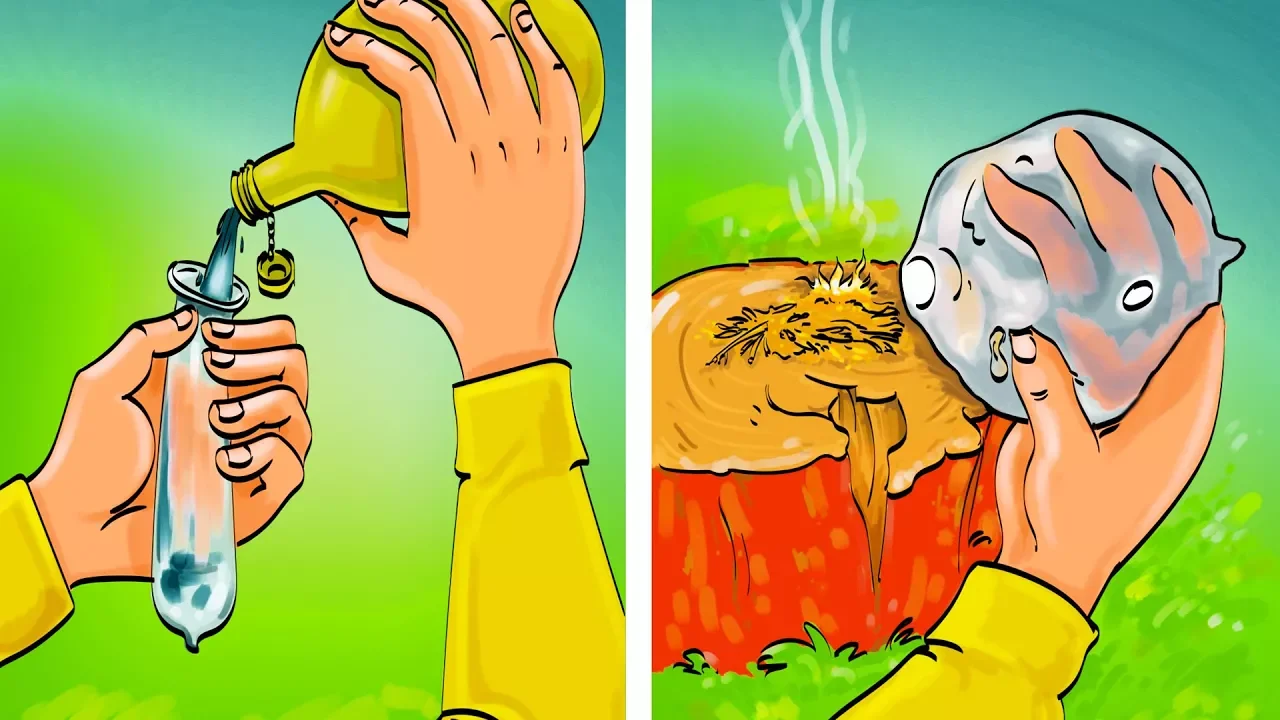
A homemade compass can be created by magnetizing a sewing needle with a magnet, then floating it on a leaf in a bucket of water; the needle will align with Earth's magnetic field and point toward magnetic north, allowing you to orient yourself without a commercial compass. This survival hack demonstrates how basic materials can be combined to create essential navigation tools, fostering a practical 'can-do' attitude for outdoor situations.
Survival Skills: DIY Compass & Water Filter Tutorial
Added:Understanding Earth's magnetic field and the principles of magnetic polarity and attraction.
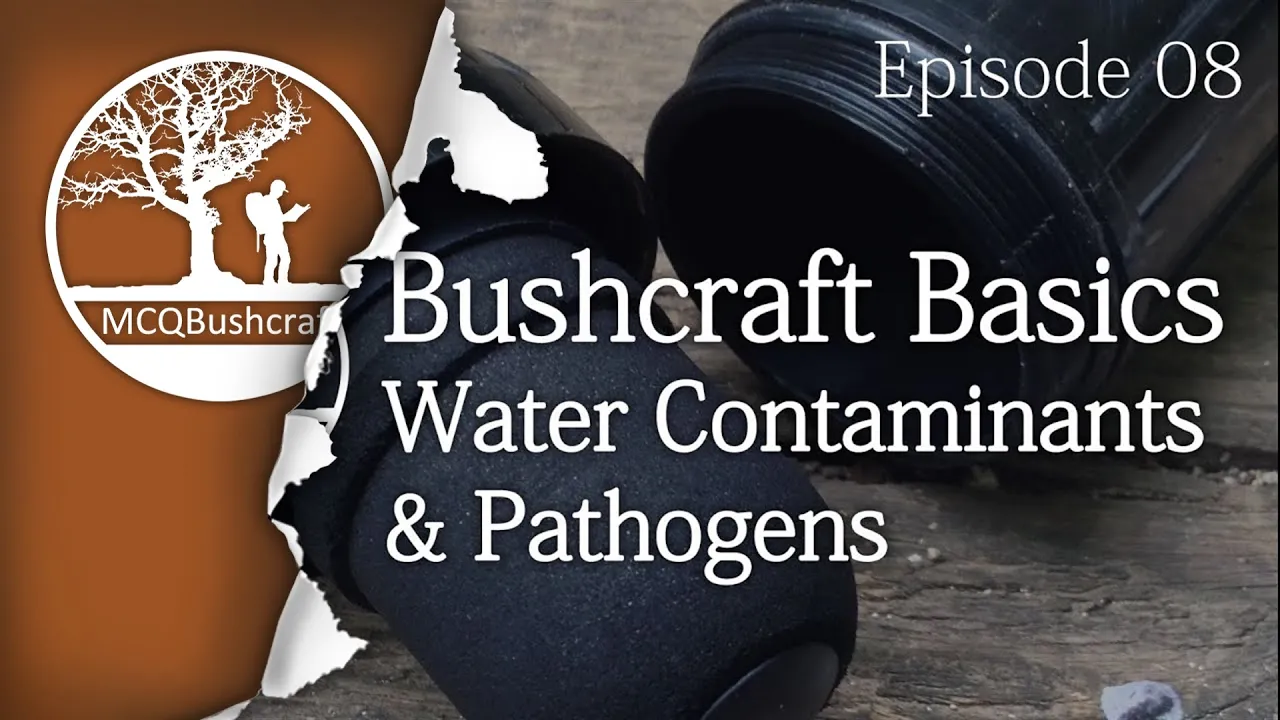
Basic principles of water contamination, specifically distinguishing between suspended particulates, dissolved solids, and biological pathogens.
The concept of surface tension, which is essential for understanding how a lightweight, magnetized object floats on water.
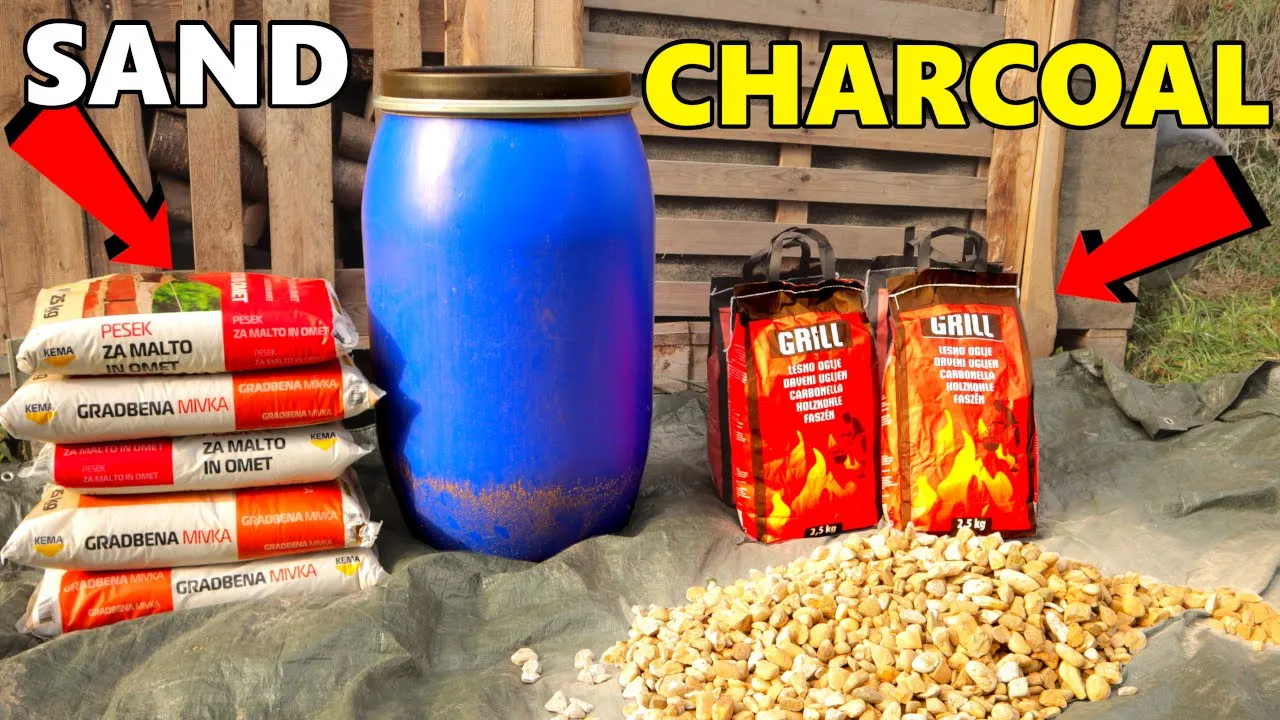
The mechanical theory of gravity-fed filtration, where layers of varying density (sand, charcoal, gravel) trap debris of different sizes.
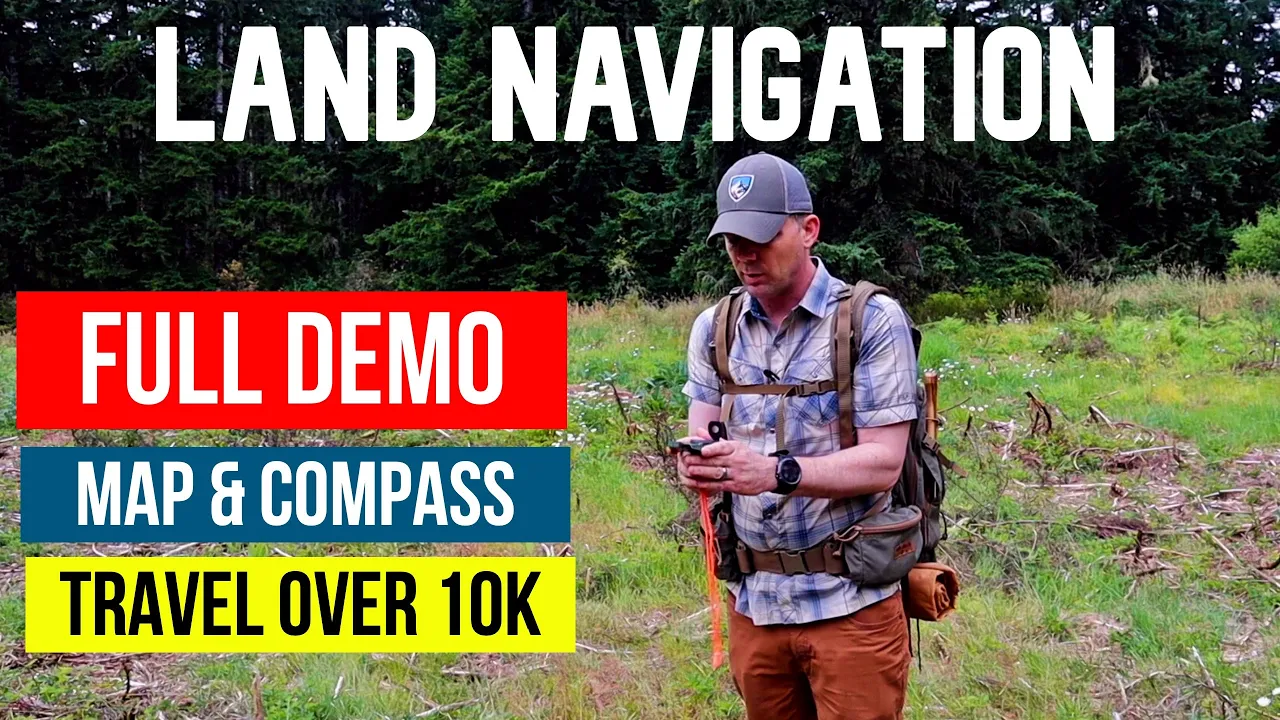
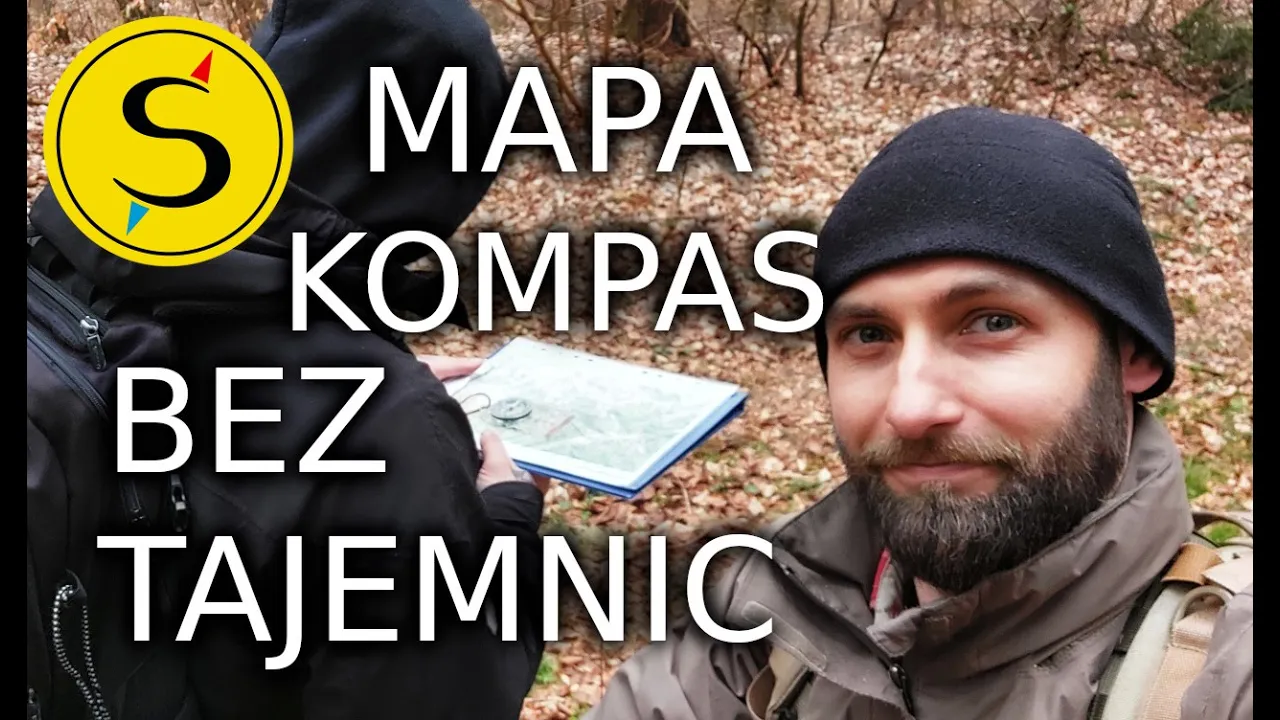
Advanced land navigation techniques, including the use of topographic maps, orienteering compasses, and calculating magnetic declination.
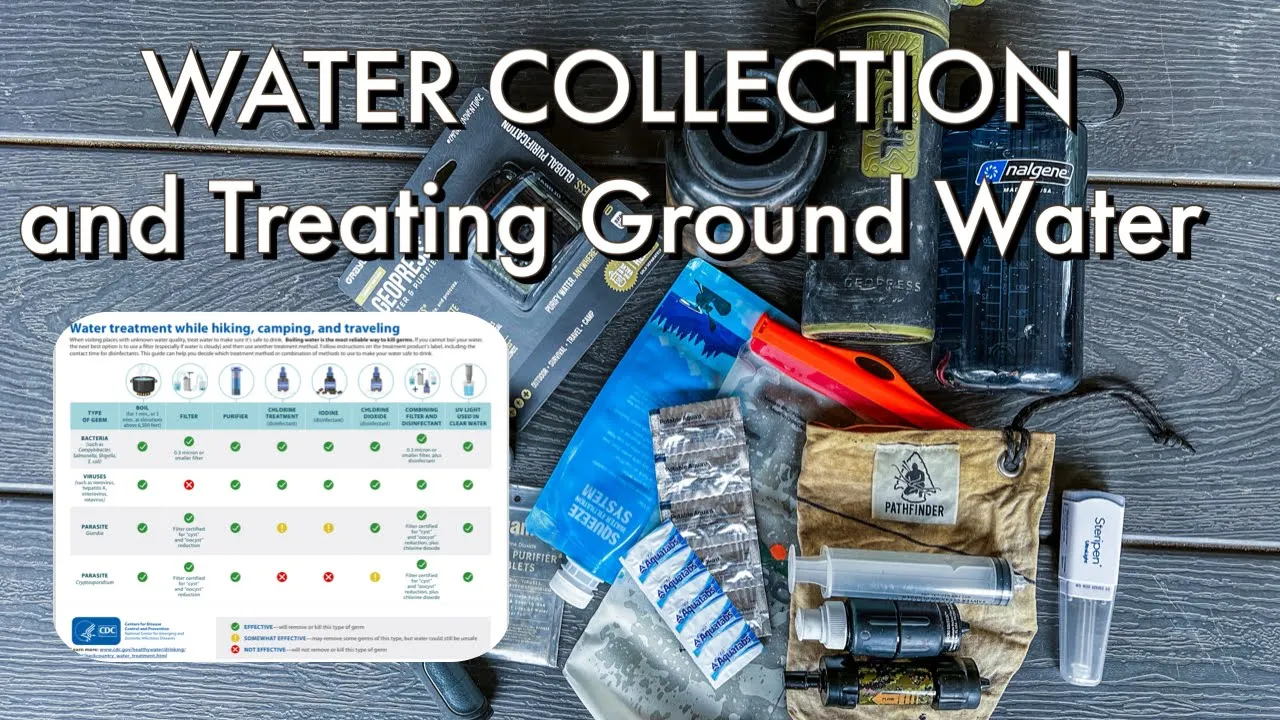
Methods of biological water purification, such as thermal sterilization (boiling), chemical treatments (iodine/chlorine), and UV disinfection to eliminate microscopic pathogens.
The study of waterborne diseases, such as Giardiasis and Cryptosporidiosis, and emergency wilderness medicine protocols.
How to source and construct survival tools using purely natural, raw wilderness materials instead of modern household items.
1.9K views83likes39:15Original Release: 2021-01-13
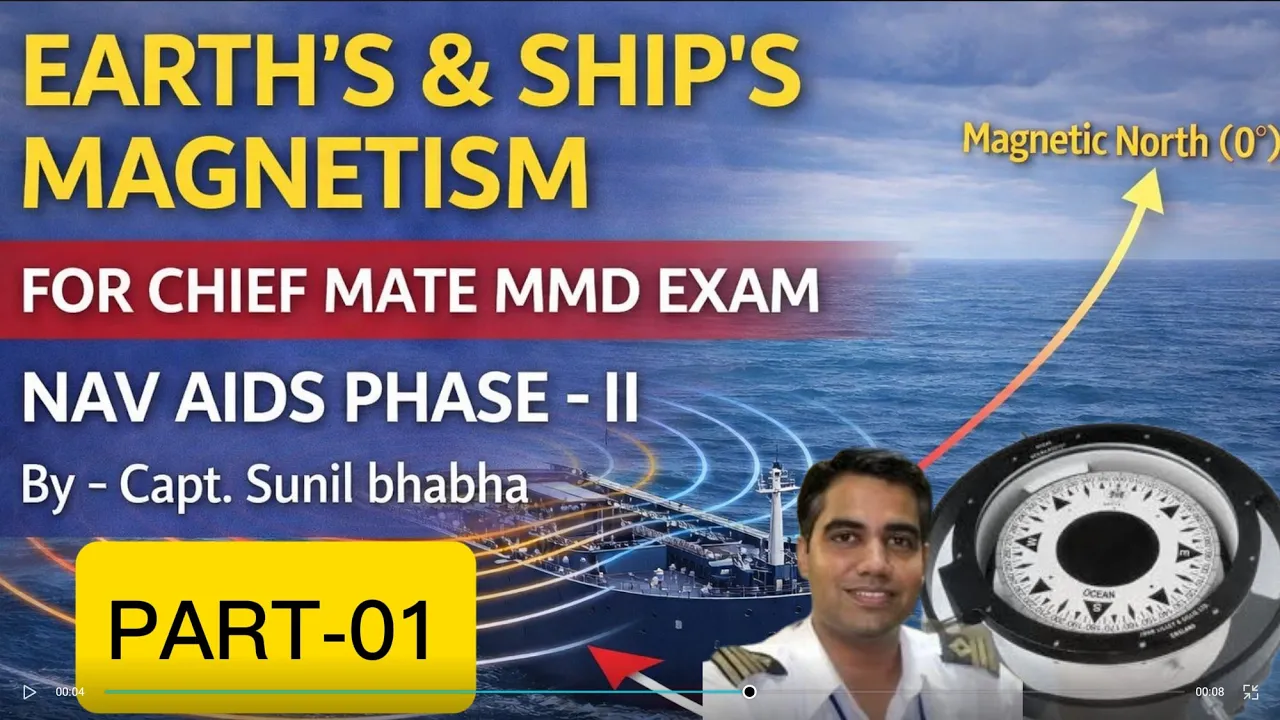
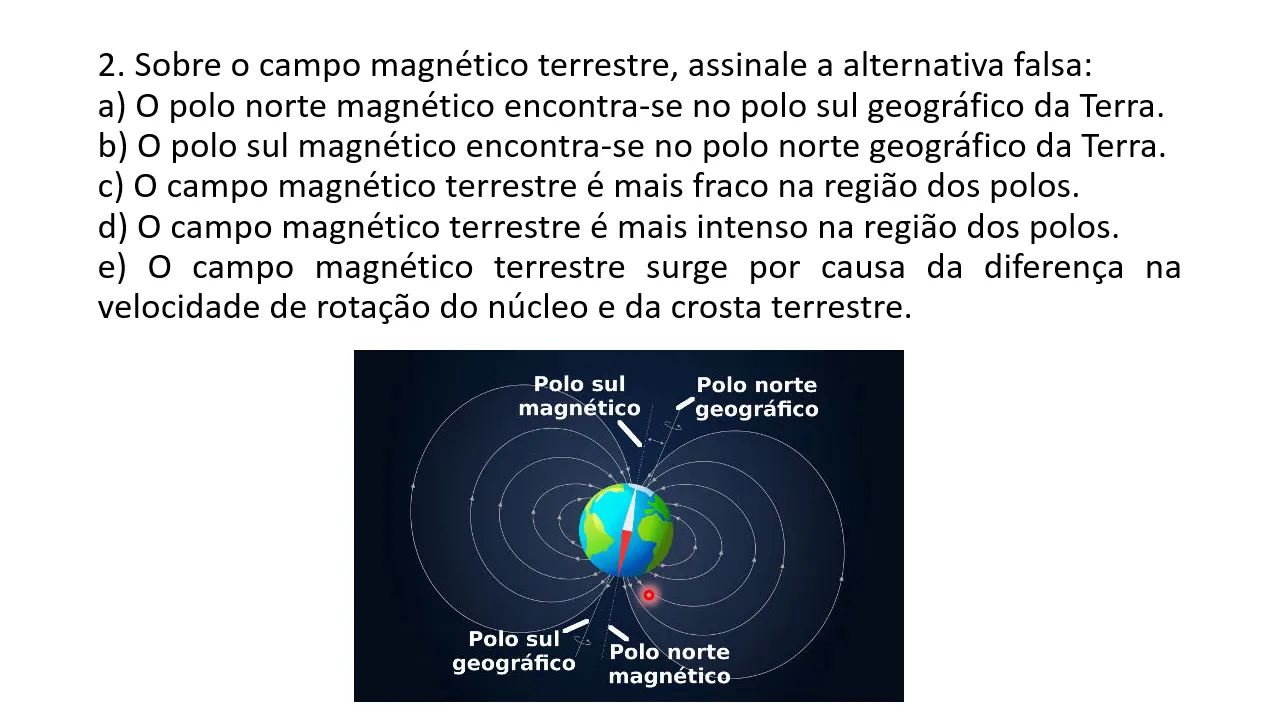
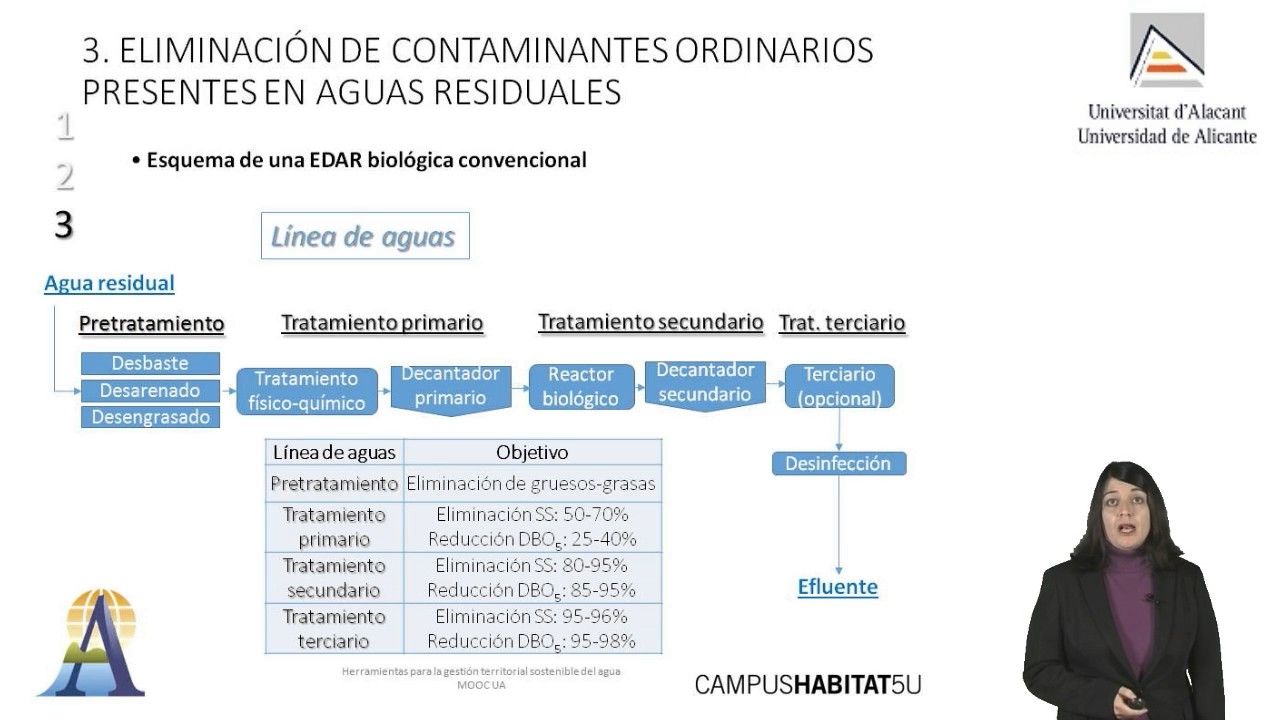
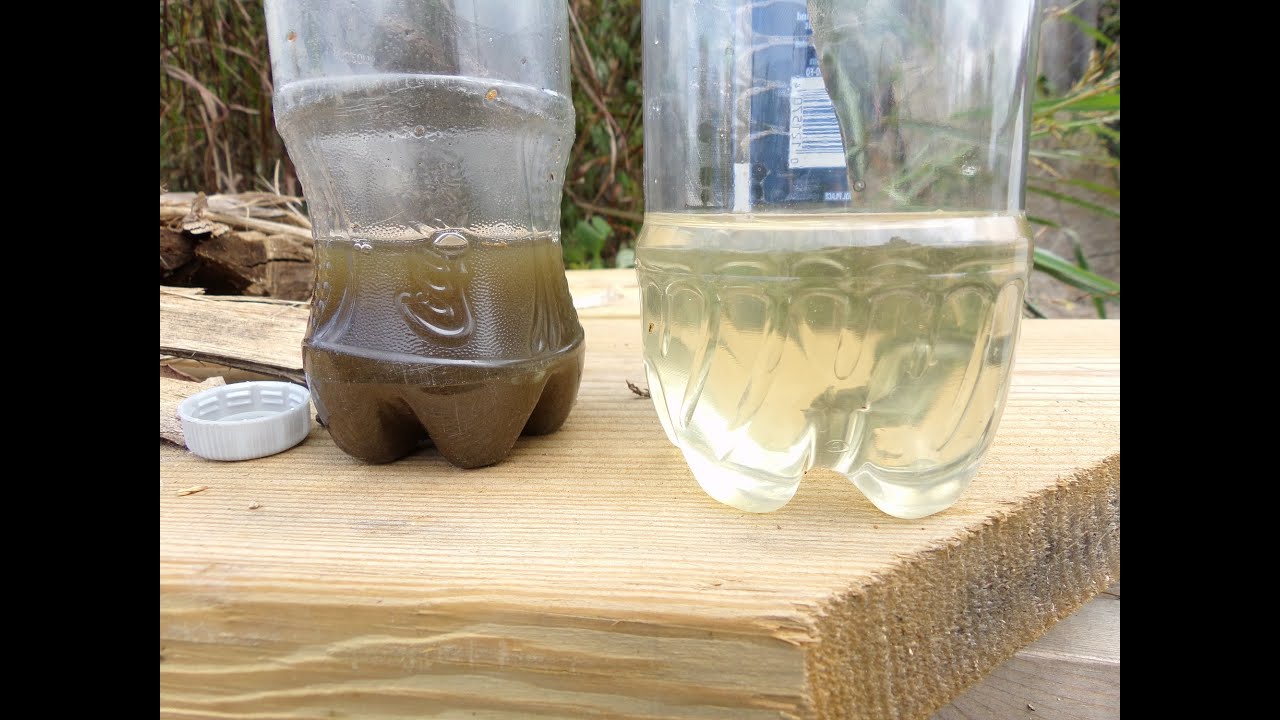
okay we are live good morning everyone my name is ed stafford and welcome to the third um session of forest skills um today i'm going to be going through some survival hacks from my basement and i really want you to get involved in this lesson so just at the top of the show i'm going to remind you what you need for the first survival hack so if you haven't got all your stuff together then you can go and get it we're going to be making a working compass using various items that hopefully you've got in the house and the so the things that you're going to need to make this compass are a sewing needle a magnet if you haven't got a magnet lying around just think ah maybe i've got a fridge magnet that's where i managed to get mine from so but a strong one if you've got a really really strong um fridge magnet that would be amazing um you're gonna need a leaf you're gonna need a bucket and you're going to need some water in the bucket so fill the water up into the bucket and then if you want to as a comparison just so that you can check that your working compass is working then get yourself a compass i'm going to leave you a little while for two or three minutes to get all of that sorted and um and i'm going to do some shout outs so loads of people come tuning in this morning um weight loss panda says good morning to everyone um hi to molly and aiden uh benjamin cole says good morning steve ed all thank you very much mate good morning to you um lots of people saying good morning and hello from allen in fleet hello alan how you doing mate good morning from rainy scotland maria is so excited to be back nice one maria we're getting loads of support from scotland which is a really fantastic um again a bud says hello from scotland hello mate preacher bear says hi from cornwall hope you're all having a brighter day i hope you're having a brighter day i hope you enjoyed steven's session yesterday i really did it was a really nice introduction to using a knife safely and it's one of those subjects where you think crikey can i really introduce my children to knives and he was explaining how from probably seven years onwards yes you can under close supervision obviously but and with the right kind of training techniques supervision but you can um this morning um we're going to be going into survival hacks now what is a survival hack and why would i want to have a survival hack i'm never going to be in a survival situation fingers crossed and for me survival hacks um a really nice way of putting yourself in a situation where you don't have all the answers you don't have potentially all of the kit and it isn't just for if you have a plane crash or something like that and you actually have to do it for real it's a really good um mechanism i think for for training and for teaching as it encourages a sort of can-do attitude okay yeah i don't have a compass for example but i do have a needle and a magnet i could make one i could find i could orientate myself i could find north just by making one so that's why we're doing all of this it's not necessarily because we're doomsday preppers or anything like that it is because i think it's a really fun and healthy thing to do and it develops a um a really positive um can do attitude where you can make do with what you've got okay from evan and evan and devin that's a bit of a mouthful aged eight hello mate how are you thank you for tuning in good morning shout out to casper who's 10 years old hello casper hope you're having a good morning mate morning ed from kim and moss hi guys southern finland stone uh snowstorm 0.5 meters of snow in finland well um you guys are going to need some survival hacks not that a a british person is going to teach someone from finland anything about the outdoors i fully recognize you guys are far more competent than me fingers crossed things are going to go a little bit more smoothly than monday i have got um i'm not cooking which is a a bruisy bonus i think um can matthew from norwich get a hello um yes you can hello mate um mr sweet and the woodland boys from forest school in horsham also i wanted a big shout out for them they emailed in asking uh to have a little mention hi from elijah and jonah loads of messages coming in and primrose age four in norfolk isabel and harry and devon someone else in devon really excited to join this morning brilliant guys right okay obviously i can't do them all particularly absolutely tons of them coming through but um this is an exciting session and i'm doing it indoors because a lot of you will be um i think following this indoors so it's good to not always be outdoors plus today it's rainy and although these are outdoor skills you don't necessarily have to be outdoors to do them i think it's a really good um really good idea to have stuff that you can do on days which are a bit more miserable and cold outside not discouraging you from getting outside at all and put on some warm clothes and go outside and that is also obviously a really nice thing to do um today i've got a few things in here i've got my scout's neck addressing the um blender i will explain why i've got a blender in a minute but that's for survival hack number two got my old work set i've got um this roll mat here if you can see this it's got two um two rather distinct shapes get out the bottom that was a survival hat when i was um when i was actually on the streets when i did 60 days um sleeping rough on the streets um for channel four um i wear barefoot shoes and i was getting cold through the bottom of my shoes and so that was my little survival hack to stop me getting cold was to literally cut out a bit of foam and i literally just drew around drew around the shoots and their shoes and then trimmed them off a bit but that kept my feet snug and warm and actually it was back to the days of wearing um air cushioned soles it was super comfy as well so that was a little survival hack that i did and again one bit was just practical and and served a purpose um okay we are going to start with a compass right so you're going to need your bucket of water first of all and let's see if we can do this without it all going everywhere right you're going to need a bucket of water you're going to need let's take that leaf out for the moment you're going to need a a magnet and a needle right set this off to the side right so fingers crossed you've got everything ready now a normal compass works because um the earth is magnetized so you've got the magnetic north pole at the top of the world and you've got obviously the south pole at the bottom of the world and therefore anything that's metal um can be magnetized and a normal compass works because the north needle is attracted to the magnetic north pole and therefore it points to north and therefore when you're navigating when you're out in the wild is often very easy to get lost but if you know which way is north then you can start in your mind coming up with a bit of a solution to okay right if north is that way and i need to go west then i should be heading in that direction and it's obviously a very very valuable tool in the wild but you might not have a compass um you might be stuck in the middle of the wild with a fridge magnet and a needle i think well that's a lucky combination of random items to be um to be carrying with me now the important thing what you're going to do with the needle you're going to magnetize the needle with the compass and and what you're going to do with that is you're going to drag the compass from one end of the needle to the other so if you can see that i've come a little bit closer to the camera you're just going to literally keep running it over the length of the needle okay so that is um it's quite simple but you need to keep going in one direction that's the key thing okay so the leaf what do we need the leaf for well in order for the in order for the needle to spin we need to put it in an environment where it's got the ability to move so i'm just taking one of laura's house plant needles and i'm going to plonk it in the middle there and and that's just going to allow me to put the needle on top of it because of the surface tension of the water it's going to sit on the top there in and it's going to be quite buoyant so fingers crossed your knee your leaf is floating and if your leaf is floating then you're ready to magnetize your needle um okay i'm now going to zoom the camera in because i haven't got a camera assistant i'm going to come around the back of the camera and i'm gonna zoom in like so okay so then super close far too close to me for comfort that is so you're going to take your needle and your um and your magnet and you're just going to drag it along the length and keep going in one direction that's really important so you keep going in one direction not a plug for the band if they exist anymore they probably don't i don't think and do this about 20 or 30 times to magnetize the needle and keep going and the more you do it the more magnetized it will be important to try and get the full length of the needle okay put that down and i'm gonna pop this onto the leaf and you can see that starting to spin round and it is now pointing in that direction if i if i put it off for a second it should return to the needle pointing over there and if it does so then i know that it's magnetized and it does and so okay so we've got a needle pointing in that direction and then if you look at the compass i don't know whether you can see that it's exactly mirroring that needle so if you're doing this at home sometimes if you're if your leaf isn't um isn't buoyant enough the needle can fall off um so if you are doing this at home and you're having any problems then please write in um but you can see that and i'll put it off again and hopefully it should spin back round and point over there which is north that south garden uh facing onto the back of my garden goes south and that is staying magnetized actually for a decent length of time so that is a brilliant way of finding north because i don't have a glorious glamorous assistant then i will zoom myself back out put the bucket down and there we have it that's how to make a um how to make a compass using just a sewing needle and a leaf and a bucket of water which is amazingly simple isn't it um how have you been getting on at this let's have a look at the comments um how do you know which end is north or south you know what that's a really good question and i'm not going to bluff you i don't know i i think in most situations you can use the sun and you can be um you can be fairly sure you know where north is and certainly because i'm in my house i know that that weighs north and that way south so when it span round i knew that that wave was north but even if that you've got a cloud cover it's quite often a a brighter area of the sky where the sun is trying to come through through the clouds and you need to be aware obviously that the sun rises in the east and sets in the west and um and that if you're using the sun and you're roughly orientated then you know um which way and actually and i don't know whether this happens all the time i've found that when i've been practicing have been holding the eye of the needle and stroking towards the tip and towards the sharp end of the needle that sharp end has always been pointing north whether that is the same for everyone i'm not i'm sure barney is saying my leaf has a hole in it disaster um maybe you can patch your leaf with a bit of duct tape um fiona no fiontar says wow um and oleg says yeah it worked well well done oleg that's amazing mate um i'm glad it's worked um the swift's class in buick bridge are tuned in nice one has anyone had a disaster with this has anyone has anyone found that it hasn't worked for them at all um quampke says um good job thanks um does it matter which side of the magnet you use um a trackside repel side um let me have a look i've just been it's i suppose it's the attraction yeah i've been using the attraction so it does it does magnetize the needle so it does stick to the um the cam and you can see this is a rubbish little magnet it's a tiny little magnet for holding um postcards onto onto fridges but you can obviously do the bigger the magnet i think the stronger it would work and if you're doing this at home and you haven't got a big magnet then yeah fridge magnets seem to work fine and the magnetized side i would say is the one to use um max and sam are amazed by this we've been watching in somerset hi guys um theo 8 in newark worked perfectly nice one theo i'm glad it worked for you this is all brilliant um a bird says he's going to try when it stops when when he stops working which is fair enough mate aiden's worked but molly's didn't molly what were you doing wrong did you uh i think one of the keys is 20 to 30 strokes don't don't don't shortcut the amount of strokes you do but it's always in one direction and it will allow the um needle to spin around and point to north amazing okay so that's just the first survival hack fingers crossed it worked for you if it doesn't don't worry try again um it is a pretty full proof method but maybe your leaf wasn't buoyant enough um maybe your needle was was uh too small i don't know um because i i've just found that with all of these things it's trial and error and half the things i think one of the reasons i've made relatively successful survival programs on discovery channel is half the time it goes wrong but it doesn't matter if it goes wrong does it because you're just using half a brain and two hands to make best do of the current situation right let's tell you what you're going to need for your second survival hack fingers crossed you've got these things ready but if you haven't i'm going to read them out now i'm going to give you a couple of minutes to go around gather them real quickly and then come back and i'll do some shout outs while you're away so the second thing we're going to make is a water filter and so you might be in a situation where you've got muddy water or or contaminated water but you want to obviously have a drink we're going to make a water filter and we're going to use a um a plastic bottle so if you've got a bottle like this old frizzy drinks bottle that is absolutely fine i put on the kit list you need an elastic band my version doesn't need an elastic band actually you're gonna need some cloth or rag um like this just any old stuff don't use your mum's best blouse that would be a disaster what we'll do actually and then run fast um you're gonna need some um gravel or some some some uh fairly small stones basically you're gonna need some sand um and again um it doesn't really matter what sand but a relatively coarse sound would would work well you're gonna need some charcoal and charcoal can just be um the stuff that you were um you're using for uh the barbecues in the summer so you're gonna need some of that and um just to smash up the charcoal i've got a um um a little sack that i'm gonna put the charcoal in and i'm just gonna bash it with a rolling pin okay so you need sand charcoal gravel a bit of rag and a um and a plastic bottle you're also going to need some scissors or a knife to cut that and obviously only do that if you're under supervision and you're going to need some water obviously to pour and then a couple of glasses one to um want to pull from and one to pour into does that make sense fingers crossed you've got all those lying around the house um i had to go out this morning and get some charcoal um because i didn't have any in the house and i was obviously very well prepared let's um do some shout outs while you're grabbing all of that stuff malik and milo are joining from bridge end hi guys hope you're enjoying the lesson um the last the compass worked well for year three at monk's cop and hauling crew great session thank you guys and lots of people saying it worked nice one i'm really pleased to see that hi from india that's from raj rajkumar raj kumar not sure how you pronounce your name mate but hello to everyone in india who is watching thanks sir for the activities and lockdown from oleg my needle keeps going around in a circle what have i done wrong um i don't know maybe try maybe your magnet might be too weak um that could be a problem i think if you were using a fridge magnet without much magnetism um then that might be an issue um but otherwise just make sure you you're always doing the strokes in the same direction i'm not rubbing the magnet up and down the needle i'm going i'm i'm attaching at one end traveling down the length of the needle and then then detaching so a bit like you're stroking a cat i suppose you wouldn't want to go against the against the uh fur because that would be uncomfortable for the cat nice analogy ed um wilson four ours worked isla was mega excited the highlight of the week so far thank you guys having a fun time this week then obviously uh morning ed ready for today's lesson great from bhutan hillary um lj that was great we don't have the things prepared but miles age 10 is really keen to join you on your next live show nice one guys um so if you have got the ability to go and get those items that i've just listed for the water filter that will be brilliant um alexander from the netherlands is joining us which is fantastic hello to everyone in the netherlands and alexander hayes haslington primary school um one of our classes has been learning about you and your expedition through the amazon last term through blah blah blah um year two i love in the hacks nice one guys shall we get into the next survival hack which is making a water filter um out of a bottle um and various items which you should have collected by now now again if you are i'm gonna make my muddy water in the blender just because i can if you are going to be using a knife you need to basically cut this bottle so that the bottom comes off um if you are not used to using a knife or if you're under the age of about 14 then please get an adult to assist you doing this you can obviously do it with a pair of scissors you might need to use quite a sharp pair of scissors to cut through initially but do it onto a safe surface and you're just going to take the bottom off and this plastic we're having a disaster with plastic on me on this planet but um while there is still plastic about and while we're using it on a regular basis then um it's a it's a good thing in survival situations when i was on alarua which was the island that i was isolated on for um 60 days in a survival experiment the sad and yet incredibly useful thing from a survival perspective is that there were so many plastic bottles and at one point i collected 40 liters of um rainwater and was able to put them in plastic bottles that had lids on obviously most of them did have lids on because the ones that float two islands tend to be buoyant because they've they've got lids on them so that was a bit of a a bit of a double-edged sword really i mean it was incredibly sad that it was polluted but plastic actually um in a survival situation is surprisingly available um especially if you're in a maritime environment um and actually quite useful as well okay so in a very um ed stafford fashion because i didn't prepare this um i haven't done this in the last couple of days i'm just going to kind of wing it and the first thing i'm going to put in the bottom of the bottle is my rag now partly because um material is a filter in itself but partly because it's um it's going to stop all of the other ingredients falling out of the bottom okay so i've still got my lid the bottom one for the moment but we're going to take that off in a sec the next thing i'm going to put in to keep my rag clean actually i'm going to do a couple of layers of sand is sand so i'm going to take a few handfuls and i'm going to cover the um the rag completely and put about a couple of centimeters of sand into the bottom like that okay and again don't need to be very precise about this but um that is what i'm going to do my next layer that i want put that to one side is charcoal now this is actually the most important part of charcoal in the wild you do often find um charred wood old fires um former lightning strikes and so this kind of material is surprisingly um available i'm putting it in a bag just so that it doesn't go everywhere and then i'm gonna smash it with the rolling pin so why does charcoal work really well basically it's um charcoal used to be wood i suppose and what is left in the charcoal is a sort of network of um fibers which used to be wood fibers and they act as a filter and it's a very porous material so it allows the um water to come in i need to smudge that a little bit more actually okay now i'm gonna put my charcoal and um now we're going to tip all that in and we've got a nice thick charcoal layer there okay the last thing i'm going to put in is my gravel um to the top and again streams are one of the the best ways of filtering water and obviously the gravel in the base of streams charcoal does i really hope you're doing this in an area where you can um clear up okay so now we're gonna take the bottom off r5 filter and we've got different layers there you can't see the jugular in the middle because the sand kind of covered it on the outside but you've got you've got cloth you've got sand you've got charcoal you've got sand you've got charcoal again and then you've got gravel on top if you go online there's a million different variants of what layers you need but sand cloth and charcoal and um and the the coarser gravel on top generally tends to be um the consensus you then right i'm going to make myself some muddy water so you don't have to blend this up but i'm just going to go slightly over the top make sure your mud is in a nice um nice uh pot that's super important it's not at all i'm just talking rubbish um and then get a bit of handful of mud and pop it into you into your water you can just mix this with a spoon but i thought let's go to town on it right we now have properly muddy water so just for some comparison's sake i'm gonna pour that water into the same glasses down there and we're just gonna be able to see how much of these impurities i'm going to be able to get out using my new filter so we're going to pour this into the top and it's starting to seep down through the materials and it should then drip out the bottom all going well [Music] and it's starting to come through the bottom now and i don't know whether you can see it but it is already so much clearer let's zoom in on that you can see the um the water coming through and it's so much clearer you can of course do it again and you can see the massive difference between the brown water and what i've got there but the beautiful thing about filtering water in this method is that you can do it again so your secondary um filter should get even clearer than your first and already that's coming through beautifully clear i'm gonna say don't drink it just look at the difference in the um in the color the understanding of the method and of the taking the purities out but um don't actually drink the water and boil it first but um in the amazon i would use um there would be times when i set up camp and i didn't um there wasn't a stream um and when it wasn't raining and there wasn't a stream and i needed water sometimes could literally just excavate if i stepped over ground that was squidgy and when i took my footprint out it left a residual amount of water in there i'd actually excavate out a well i'd then then let the water settle and i'd have a big dry bag and i put the joint i put stick four sticks into the ground and then fold the dry bag over the four sticks and then just carefully take the surface water off and pour it into into my bag i then let that settle as well and then take the water off the top of that and then and then we would purify that and then drink it and obviously if you if you're in a survival situation you've got to find fresh water then then the most important thing to do and i can't stress this enough is to boil it if you boil it you've got absolutely no dramas whatsoever cool we are now 33 minutes so we're pretty much over over time have i got time to show you any more little survival hacks um i'm going to show you a fufu bag actually um this is a really nice um little tip that i learned from the military um if you are um if you're in the jungle trench foot is a real problem um immersion foot we call it um officially um and if you're wanting to powder your feet at night um but you've normally you've got a talcum powder thing say you're in your hammock you've got taco powder it gets all over your hammock gets all over everything and you waste a lot of towel the fufu bag essentially it's just a bag full of talc and the thing that you do to move my chair back is put your foot in the fufu bag okay so you put your foot in the bag you massage it between your toes and get it all into all the cracks and then you can shake it off and you've got a beautifully powdered foot and you've not wasted any um talcum powder and then a small little tub of medicated towel can last for ages and that's a really really nice way of of looking after your feet especially if they've been wet all day long okay so comments coming in didn't have any sand it's still muddy yeah it sounds quite important as a sort of filter again if you're working on the premise of of um just the ground basically so riverbeds sand is acts as a brilliant filter so um yeah sand is is is kumit 10 minutes to boil they used to say 10 minutes to boil um bringing it to a rolling ball is enough to kill all of the pathogens so i think 10 minutes used to be a sort of belt on braces as long as it's bubbling um as long as it's a rolling ball then then you're safe um theos is coming through crystal clear nice one theo well done mate what's the longest you've gone having no water um the biggest catastrophe i've had having no water was being dropped off on olurua and which was the island between fiji and tonga and they'd wrecked the island uh during wet season so in wet season there'd been a little stream that we're flowing down to the beach um but that had gone because it was dry season it hadn't rained for ages and they hadn't been back to the island so i was dropped off and and um my savior was coconuts i was able to crack into a coconut um and get the fluid out of the middle and drink coconut water which which can give you the i've got to be honest um if you drink too much of it so that happens quite a lot in the first few days which was really pleasant with no lure or clothes um so i had to wash in the sea quite a lot but eventually i found a wet rock face and basically the only way i could get water was to use a old bit of cordage and put it against the wet rock face and then wick the water off it into a another plastic bottle that i found on the beach and in the morning i could collect about um i think about 800 milliliters of water basically about one drip every 40 seconds that's how slow the water source that was my only fresh water supply on the island so people take water for granted it comes out the tap you know it is one of the resources that is so important and yet it's the one we we um regard probably the lowest and so yeah water's so so so important and i think um it rained on about day 13 and i put loads of giant clam shells out onto the beach and collected as much rain water as possible and then again i had a drinking straw that had been in one of these plastic bottles and i sucked all the water out of the clam shells and blew it into the into the plastic bottles and then bought it built up a bit of a reservoir of water of fresh water and which was obviously perfectly safe to drink because it was rain water um nice foo food bag thanks mate gas lloyd says show some luck for the trek force team does trevor still exist and trek force was used to be a wonderful charity um subsequently company that um took um gaby kids into the jungle um really really good but we're not meant to be plugging anyone but i don't think they still exist so i probably couldn't plug an old former charity um what should i do if i find no food at all um i think food is the one of the things that's um over-egged in terms of a survival situation if you're in a survival situation you and like it's day one you're not gonna start making a pig trap or something like that you know you're not you're not going to need food water is the most important survival priority it's water food fire and shelter if you haven't got water you're not going to last very long and so that's that's the absolute priority unless you're in a particularly cold environment and i've been in norway and for the first time and it was snowy for the first time water wasn't my survival priority because there was snow everywhere and there were streams um it was actually fire fire became my first survival priority because i didn't know whether i could get through the first night in the end i didn't even get a far going and i just had to keep doing press-ups um throughout the whole night and stayed awake the whole night in order to stay warm enough and not get hypothermia so um yeah all super important these are great tips thanks for sharing ed no worries that's from laura laura diana nicola brown thanks ed uh molly and aiden had a great time today stephen hansen um good question from cheeky chimp to make water safe you need to bring water to a rolling board providing it's clear that's kind of for survival situations only it always boils yes i've made that clear i think yeah but um if you are drinking water in this fiber situation always boil it okay i'm gonna wind up now hi to amanda um esner clan says thank you this was really good fun um zoo from china again saying hello hello to everyone in china who's watching this is amazing how many people from all different countries are watching shout out to fred mj nine years old from northumberland from from mj love it ed um okay great stuff my boy alex is loving it i'm gonna wrap this up for the day um if you've enjoyed it then fantastic survival hacks as i said it's not it's not because we're doomsday preppers it's not because we think the world's going to end and everyone's going to need to have all of these skills but i think the more competent you are with the less equipment in the world then the more you're going to enjoy being outdoors um one of the really freeing things for me i used to take the mickey out of people who could light fires with two sticks i used to take the pic i used to think there were sort of geeks who you know practiced lighting fires on a tray in front of star trek but once i had learned to do it you go out into the world and you realize i'm not as reliant on a lighter anymore you know i know that if i have to i can make some make a fire by friction set and get a fire going and that's incredibly freeing it just allows you to be comfortable in nature for longer and so you're not reliant on your gore-tex jacket you're not relying on your lighter you're not relying on a tent because you can do all of these things using natural materials or what you find lying around and i think that's what is super important and that's why we're doing these lessons isn't it because it's all about spending more time outdoors when we're outdoors we're better versions of ourselves i firmly believe that it's a reset and it's the opposite of the craziness that's going on in our world today and so as far as i'm concerned big outsource is amazing okay let's what to look forward to tomorrow stephen session again tomorrow we're going to alternate days um he is doing how to make a bow and arrow so that's from materials collection all the way through to physically firing it and um hisser merlin is four years old and um he makes it with them so it's accessible to all ages um and then on friday i'm going to be running through fire lighting um so we're going to be doing everything from magnesium strikers in order to um to get a little fire going to a demonstration of bow drill at the end of the lesson i hope you've really enjoyed that um we we are enjoying giving these uh these lessons with it's just something we thought was a a very um pertinent thing to do at the time so if you're at home if if you're um struggling during lockdown the fingers crossed these are something to do each day which is a little bit positive and a little bit of fun thank you very much everyone for tuning in um and i will see you on friday but please tune in at 10 a.m um tomorrow um for stephen's session [Music] we've got a bongir from portugal matthew and christina from the gambia west africa this is extraordinary um yik sang zhu from china again saying you're fantastic thanks mate max murray john so-called great fun learn loads you still do your survival programs in the wilderness and discovery channel yes i do mate but covet isn't allowing that much filming at the moment hi from the flynns and limerick island steven's on tomorrow yes a couple of people looking forward to the fight
Up Next

23:48
DIY Gravity-Fed Water Filtration System: Step-by-Step Build Guide
@DIYPrimitive
30.4K views•2023-02-20
20:08
Hollywood Fantasy Orchestrator RPG Expansion Pack Tutorial Walkthrough
@HighResolutionJapan
1.1K views•2024-03-08

9:49
FastAPI vs Flask vs Django: Choosing the Right Python Web Framework
@TechWithTim
302.5K views•2024-05-26

1:42
Game of Thrones Opening Credits: A Cinematic Analysis
@gameofthrones
46.3M views•2011-04-18
Related Study Plans & Knowledge Roadmaps
Structured learning paths in General & Interdisciplinary Studies
general-studies
Containerization: Evolution, Logistics & Trade
01Ancient Trade & Bulk Cargo: Amphorae to Barrels
02The Industrial Revolution & Cardboard Packaging
03The Containerization Revolution: Malcom McLean
+ 2 more learning modules
12h5 modules
Explore Roadmap
general-studies
Textile Tech: Evolution, Labor & Global Impact
01Pre-Industrial Textiles: Handloom & Cottage Industry
02Mechanization: The Spinning Jenny to the Power Loom
03The Factory System & Global Labor Transformation
+ 2 more learning modules
10h5 modules
Explore Roadmap
general-studies
Pharmacology: Botany, Patents & Biopiracy
01Foundations of Ethnobotany & Traditional Medicine
02The Birth of Synthetic Chemistry: Aspirin & Penicillin
03The Battle Against Malaria: Quinine to Artemisinin
+ 3 more learning modules
12h6 modules
Explore Roadmap
general-studies
Writing Surfaces: Papyrus, Parchment & Paper
01Ancient Foundations: Clay, Stone, and Egyptian Papyrus
02Parchment, Vellum, and the Rise of the Codex
03The Chinese Rag Paper Revolution and the Silk Road
+ 3 more learning modules
9h6 modules
Explore Roadmap