

![[Eng Sub] TIM (Thermal Interface Material)](https://i.ytimg.com/vi/rKCpMte7ll4/maxresdefault.jpg)



















The Porsche Taycan battery pack features a unique integrated power distribution unit mounted externally on top of the pack, containing contactors, bus bars, and high-voltage connections for front and rear drive units; the pack uses a modular design with extruded aluminum housings containing pouch-type cells, where the Performance variant (79.2 kWh, 520V) contains 28 modules (336 cells) in a 168S2P configuration, while the Performance Plus variant (93.4 kWh, 720V) adds 5 additional modules in a penthouse configuration for a total of 39 modules (396 cells) in a 198S2P configuration, with thermal management achieved through micro-extruded aluminum coolant channels glued to the bottom bulkhead.
Porsche Taycan High-Voltage Battery Pack Engineering Teardown
Added:Basic electrochemistry of lithium-ion cells, including voltage, capacity, and the physical differences between cylindrical, prismatic, and pouch cell formats.
Fundamentals of thermal management, specifically how heat is generated during rapid charging/discharging and the role of thermal interface materials (TIM).
DC electrical circuits, specifically series and parallel configurations used to scale battery system voltage and capacity, alongside basic power distribution principles.
High-voltage safety concepts in electric vehicles, including isolation monitoring, manual service disconnects, and the purpose of high-voltage contactors.
In-depth analysis of 800V charging architectures versus traditional 400V systems, exploring the trade-offs in charging speed, heat generation, and component weight.
Advanced Battery Management System (BMS) software design, focusing on state-of-charge (SoC) estimation, state-of-health (SoH) metrics, and active cell-balancing algorithms.
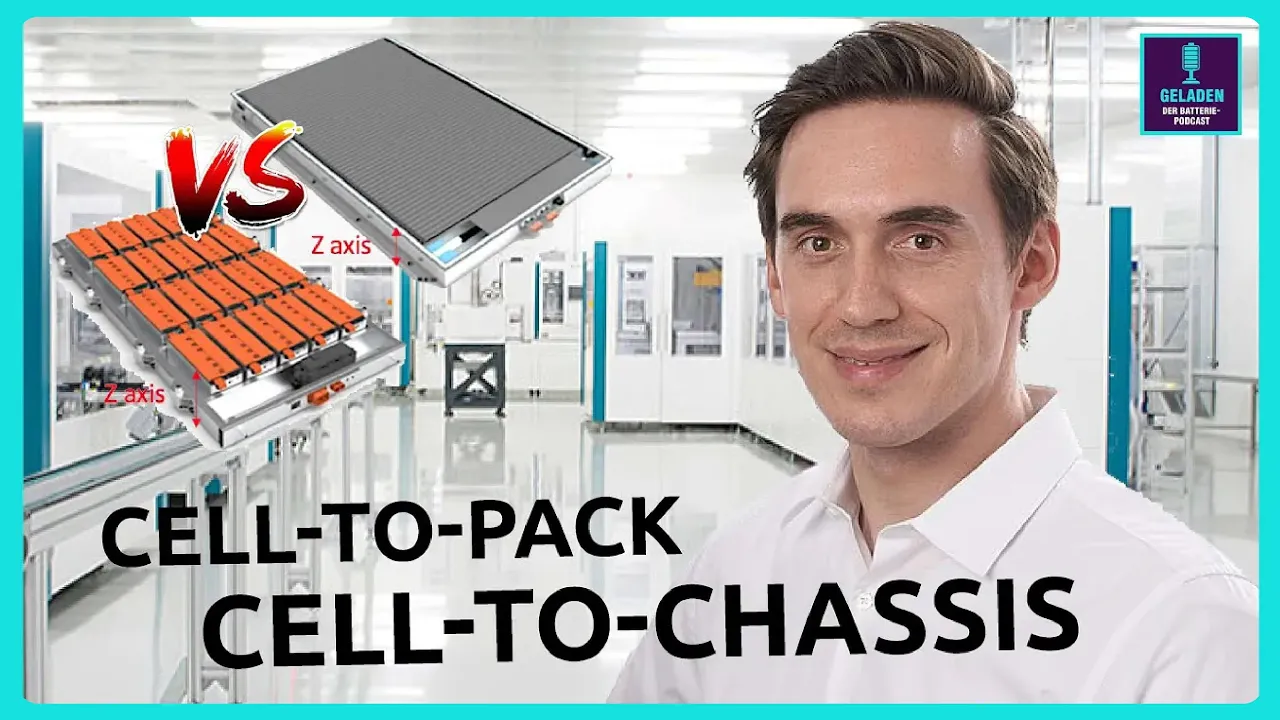
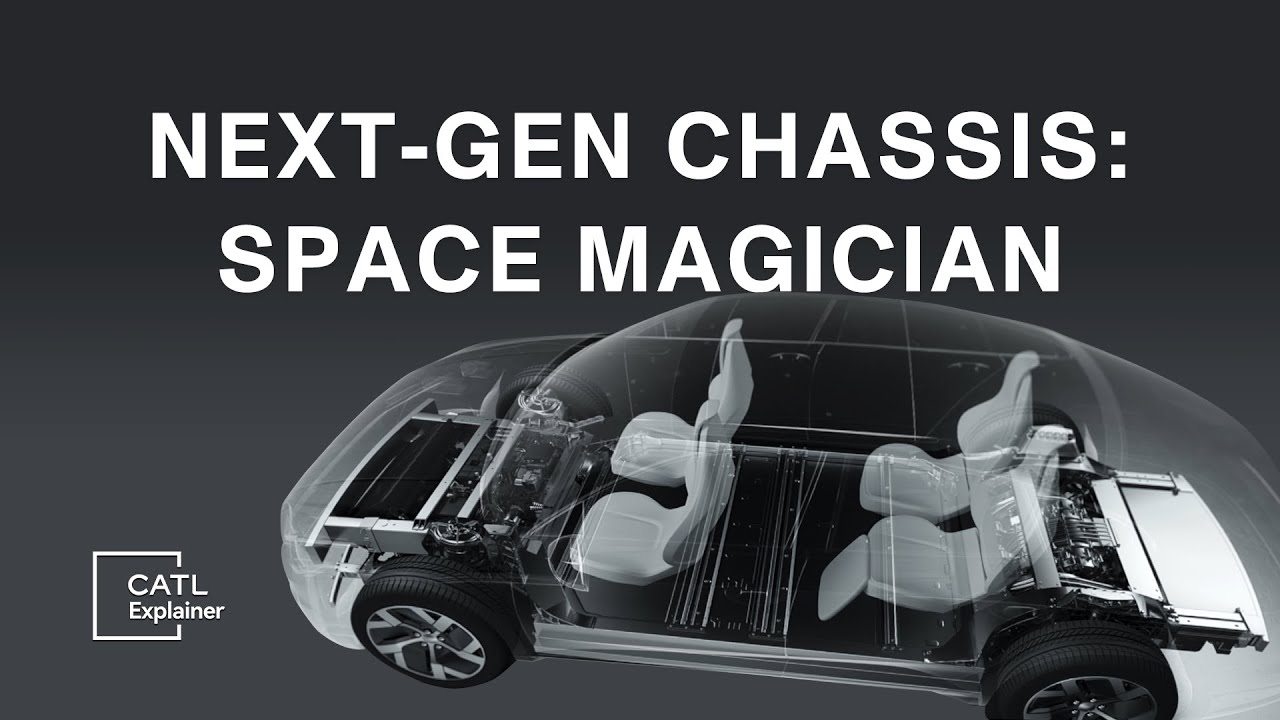
A comparative study of module-based battery pack engineering versus emerging Cell-to-Pack (CTP) and Cell-to-Chassis (CTC) structural battery integrations.
Sustainable end-of-life processing, including automated pack disassembly, hydrometallurgical recycling of active materials, and second-life grid storage applications.
103.1K views2.3Klikes17:41Original Release: 2023-11-13
[Music] we all good okay hi everyone welcome back to another episode of Monro live I'm Julian eight I'm an associate engineer here at Monon Associates uh for those of you who don't know Monon Associates is an engineering consulting firm uh we specialize in competitive benchmarking uh costing uh Vehicles as well as tear Downs today we'll be looking at one of those tear Downs uh which is the high voltage battery pack from a Porsche tyan uh so we're going to start with uh some of the exterior uh go into the pack itself look at some highle construction uh details talk about the configuration between the variants of the pack and then also look a little bit at how they've constructed their module so at a high level the tyam battery pack has a a a fair bit of unique features uh relative to the other battery packs that we've torn down here uh for instance what we're going to start by talking about is this uh integrated power distribution unit that actually what we're looking at here is at the bottom of this it's a two-piece uh cast aluminum enclosure uh which contains all of the components uh that like with a uh Tesla or a lucid or most other battery packs are integrated into the uh battery box itself so we've got a set of contactors our main positive and negative terminal coming from the bus bars for on the on the modules inside the pack and then we have some distribution inside here for uh our uh front and rear uh Drive Unit uh high voltage connection so this in itself is a separate unit that is enclosed built up offline and it is then installed and bolted to the top of the pack the primary interface between this and the battery modules themselves is through this sealed interface where we have a low voltage connection for communication with the battery management system inside this unit as well as the two terminals which uh again these are going to tap right into the main positive and negative terminals from the bus bars inside of the battery pack at the front and rear of this unit this being the front this actually sits right at the Leading Edge of the front of the battery pack so we have the Pack here and so if this were in vehicle that end of the unit would sit right around here that is actually the location of the only uh CPA or connector positive Assurance uh cam lock high voltage connector uh to the battery pack that's featured on this vehicle uh so that connects to the front Drive Unit as well as the uh dcdc converter and some of the other high voltage monuments for the rear uh you can see that there's actually no connector interface it is strictly to terminals with uh Fasteners some tapped holes for Fasteners so what is interesting about the way that this battery pack is constructed is we have uh high voltage cables that are fastened on with Threaded Fasteners and then that cable is run along the length of the battery pack to the rear and then it would extend upward toward the right end the vehicle here and in order to remove the battery pack from the vehicle uh with some packs we need to remove uh some carpet or some Soft Trim to gain access to Fasteners on the cabin side uh there were no uh such Fasteners with this pack however in order to fully drop it uh the cable that runs along the top of the battery pack and connects to the rear drive unit needs to be accessed through a port or a Hole uh essentially in the beneath the load floor of the trunk that's about y big you have just enough access to get uh an allen key in there and undo the three Fasteners that are needed to disengage that connector from the Drive Unit and it's then able to snake through the rear suspension as the pack is dropped so relative to some others like we see on a lot of Tesla packs or even Lucid the ionic um some other recent ones that we've done uh removing this from the vehicle presented its own uh challenges simply because of the way that some of these are done uh this is a lower volume vehicle so uh that's somewhat reflected in the way that it's installed and some of assembly or decking processes that need to be taken such as uh in a higher volume application uh we wouldn't see something that would require an operator to you know climbing through the load floor attach the the cable that way there would be a much uh quicker way to disconnect that right at the battery pack for uh ease of installation or uh serviceability for removing with the uh high voltage distribution out of the way um what we have here is the battery box itself uh so we have all the covers removed and I believe I misspoke before actually what we're uh looking at here is actually toward the rear and then up toward the front here uh is where we're going to uh actually be uh forward in vehicle so we have the two exterior coolant ports um which is uh fairly typical uh something that the tyan has done here is they've taken a more integrated approach with their thermal management for the battery so if we take a look inside the this uh sort of front corner area here we can see we have one of the coolants um lines either Supply or return and it uh necks down and you can see that we have sort of a uh a manifold that branches out into two micro extruded aluminum channels that are then glued to the bottom uh sort of bulk head for the battery enclosure here and so they've got a distribution of what we're going to see is one end say if this is our supply we're going to flow the coolant in it flows uh it has a main uh hose or line that will carry the coolant down the length of the pack it will send the coolant across and it will be collected and flow out of the return so we have a fairly straightforward um integrated approach here uh I know when we've taken a look previously uh we had the Volkswagen id4 had a pretty they had an integrated cooling plate however it was much more uh uh complex in the way that that uh torturous path was designed with a two-part stamped and brazed aluminum coal plate assembly similar with the ionic we saw a more uh simplified path for that coolant to flow but we were still looking at a two-part stamped and brazed assembly that formed the bottom of the pack uh here we've got a combination of a more standard battery pack um design with uh you know fairly you know inexpensive and relatively simple uh extrusions to carry that fluid in a pretty linear path just from one side of the pack to the other and so we can also see uh around the top of this before we're able to actually get into the pack what we have along the edge is uh here's a good place to take a look at it there is a uh fairly thick bead of adhesive that's used to seal the pack right next to a series of thermal flow screws in order to open this pack we actually use used a uh oscillating tool with bits that were specifically designed for uh EV battery pack tear downs from uh fine tools uh so that made pretty quick work of this and we were able to maintain the Integrity of the lids as we remove them the typical process for this is prying it up uh which in itself can have some hazards because there's uh issues with controlling the depth and obviously when you're unfamiliar with the layout of the battery pack or even if you do you want to prevent your tools especially if they're metallic which is often needed to breach the seals on these Lids you want to make sure that doesn't extend too far into the pack so using the oscillating tool with uh sort of a set depth to enable some some safer but also swifter uh uh openings of these Lids um that was uh very very helpful to to use on on this pack in particular so thank you again to to find tools for Lending that uh to us so on the subject of the lid uh we can see from the top down we've got the blue that's uh visible and that's all our thermal interface material from underneath the uh the modules but we can see in between uh sort of the the front and rear halves of the pack we have uh these two vacant areas right here and if uh you remember from the Lucid uh either from the tech talks they've published on YouTube or from our teardowns there was uh uh in the differences of trim levels for the Lucid battery packs whether it was the extended or standard range they would DEC content certain areas of the pack and uh by DEC contenting and removing modules from roughly the same area toward the rear of the pack Lucid was able to afford additional uh second row uh footwell space or what they refer to as a foot garage Porsche uses similar uh nomenclature to describe this area however uh one fundamental difference between how Lucid accomplishes this and how Porsche does this is this is standard on every variant of the pack you can see that this bead that we're looking at for the lid goes all the way around and leaves this space open uh to the floor of the body and white will dip down inside here and this there are no mounting features there are no cross members in here so there is no version of this where modules live in this space uh so this is carried by every version of the pack and as a result of that they need to make concessions by routing between similar to how uh Lucid has in some of theirs uh running between two uh separate ch Chambers or sections of the pack that have a discontinuity between them to that point so just more some high level details that we've glossed over in terms of technical aspects of this uh what we have in front of us here is the performance battery pack for the tyan this is the 79.2 KW hour uh version with a nominal voltage of 520 volts uh there are 28 modules inside of this uh with about 12 cells uh per module uh so this pack in total will have 336 cells linked together in a 168 series to parallel configuration the Performance Plus which is uh their extended range has a nominal voltage of 720 volts with uh 9 or 93.4 kwatt hours um that is going to have additional modules uh both in a vacant space in this base which we'll talk about a little bit later but they also add some additional modules in sort of a uh a penthouse or second layer on top so that's got 33 modules so five more than what we have here uh 396 cells total for that battery pack and 198 series and two parallel configuration so we're looking at the smaller variant of the pack and one thing that stood out to us uh relative to how we've seen packaging space leveraged in other applications is the fact that in this corner here you can see that there's an absence of thermal interface material and that's not from us scraping it off after removing one of the modules uh there actually was no module in this space so if we're looking at how this is laid out this is all going to be enclosed under the lid anyhow this module was intentionally uh it's um essentially wasted uh space if you want to talk about this pack from a volumetric and a gravimetric efficiency standpoint um if you're going to have two different variants of the pack that will have uh give or take a few moduals we haven't typically seen uh oems willing to just give up space like that typically any bit of additional capacity or voltage they can squeeze into a given area they will however this is an intentional dec contenting of available space that's already present on this version of the pack it wouldn't require um uh any additional space or that Penthouse like they would use for the four modules that don't live in this main primary base layer of modules so that's one uh one unique aspect of this pack design that we don't typically see uh but again this is a lower volume application and it is for more of a luxury uh performance uh um EV so uh there can be some Liberties taken there but again for high volume applications we're typically going to see uh uh EV manufacturers try and squeeze every bit of both volumetric and gravimetric efficiency they can uh again going back to comparing with Lucid because there are some architectural similarities here that was an incredibly well uh packed um you know well nested very densely fitted battery pack on the interior and in the certain instances where they did omit modules they even uh reshaped the lids to uh uh form around what was still present on the pack uh and then leaving that space open for the second row uh foot garage so um that was that was just something that uh stuck out to us as uh slightly abnormal but uh in terms of the modules uh themselves we do have one that we've uh sort of opened up and we can take a look over here and um again we have uh taken a look at an id4 battery pack before and this is going to look uh fairly similar for anybody who's familiar with that battery pack and what we have here is an extruded aluminum housing with a square profile with what we've removed since are two cast aluminum endcaps that are welded To The Ends uh so we've removed those end caps and we can see on the inside we have the 12 pouch type cells on the inside wired two in parallel so we have uh six series here with 12 cells total so that's how we get up to our 168 uh cells in series with the the two in parallel um so that's how those are correlated we have a small battery management system board right here that's attached to uh the cells for the cell Taps uh via Flex cable and we haven't torn this down any further because with this type of module construction uh you're going to want to make sure that you have the pouch cells situated very firmly uh inside of this enclosure one advantage to this is because you have such a rigid structure to enclose your module well extrusions uh first off relative to other pouch cell module housings it's this is a three-piece module enclosure you have the primary enclosure in then the two end caps uh we've seen others which have end caps a two-piece clam shell which is a stamped aluminum various other ways of accomplishing that the just have a much higher component count and extrusions too uh by weight are relatively inexpensive and the tooling is inexpensive as well relative to again something like a stamping which uh we'd see with um something that's got a slightly higher volume this being lower volume it makes sense that we'd see uh an extrusion um likewise with the rest of the pack uh used in the module construction here so with the pouch cell situated on the inside one of the differences and I would say um from my perspective the disadvantages to a pouch type cell relative to a cylindrical or a prismatic is that they are uh fairly delicate uh they can't take as much physical abuse as a prismatic or a cylindrical because they simply don't have the innate structure on their own that's why we typically see beefier modules when we have a pouch cell because they can't provide that structure on their own in the way that a prismatic or a cylindrical can and so they are secured very well inside here and so is to prevent the uh the pouch film from actually tearing we've left them inside uh because that was one of the observations we had made with the id4 previously is that this type of module construction which is very similar to how the id4 accomplished theirs it's uh innately a little bit uh difficult to remove the cells from from something like this so we've left it as is um but it it's uh you know good to be able to speak to it uh as a uh a constructed component here um all in all uh it's it's it's an interesting data point to have um there's some uh definitely uh bespoke stuff going on with this pack from the dec contenting of certain module areas uh for the different uh trim levels of the pack uh along with the integrated and externally mounted uh power distribution unit system that we've got so um this was a a very interesting tear down to do um definitely uh a lot of good stuff to see here and uh we have done other battery pack tear Downs you can actually see behind me me both a lucid air and a Hyundai ionic 5 um we've also done various Teslas so if you have any interest in any of the data that we've collected we do fully costed reports we do tear down analyses if any of that's of interest to you or your organization uh please feel free to reach out to sales lean design.com and we'd be happy to speak with you and get you set up with uh any of the uh reports that you'd be interested in so uh thanks for watching and tune in next time [Music]
Up Next

137:05
Satellite Building Workshop: Remote Sensing & ISRO Launch Vehicles Explained
@indoscienceeducationpune5993
262 views•2022-02-23

30:32
Ultrasonic Transducers: Resonant Frequency Measurement and Horn Design
@imajeenyus42
229.9K views•2017-02-22
9:56
EV Battery Tech: Cylindrical, Prismatic & Pouch Cell Comparison
@MunroLive
215.4K views•2020-05-04

33:39
How a Student's Question Saved a NYC Skyscraper from Collapse
@veritasium
22.8M views•2025-04-26
Related Study Plans & Knowledge Roadmaps
Structured learning paths in Engineering
engineering
Building Acoustic Levitators: Physics & Arduino
01The Physics of Sound and Standing Waves
02Piezoelectric Transducers and H-Bridge Drivers
03Arduino Programming: Generating 40 kHz Signals
+ 2 more learning modules
14h5 modules
Explore Roadmap
engineering
Building Peltier Cloud Chambers: Particle Tracks
01Cosmic Rays & Cloud Chamber Physics
02Thermoelectric Cooling (TEC) Fundamentals
03Custom Liquid-Cooling Loop Design
+ 2 more learning modules
18h5 modules
Explore Roadmap
engineering
Yagi-Uda Antennas: Modeling, Build & VNA Test
01Introduction to RF and Antenna Fundamentals
02Yagi-Uda Antenna Design Principles
03Antenna Modeling and Simulation in 4NEC2
+ 2 more learning modules
18h5 modules
Explore Roadmap
engineering
ECG Monitor Design: Op-Amps, Filters & Noise
01Electronics & Breadboard Basics
02Op-Amps and Instrumentation Amplifiers
03Bioelectricity and ECG Fundamentals
+ 2 more learning modules
18h5 modules
Explore Roadmap