






![How to WRITE Harmonies! [Vocal Harmony Tutorial]](https://i.ytimg.com/vi_webp/5Q0nOTqDxkE/maxresdefault.webp)








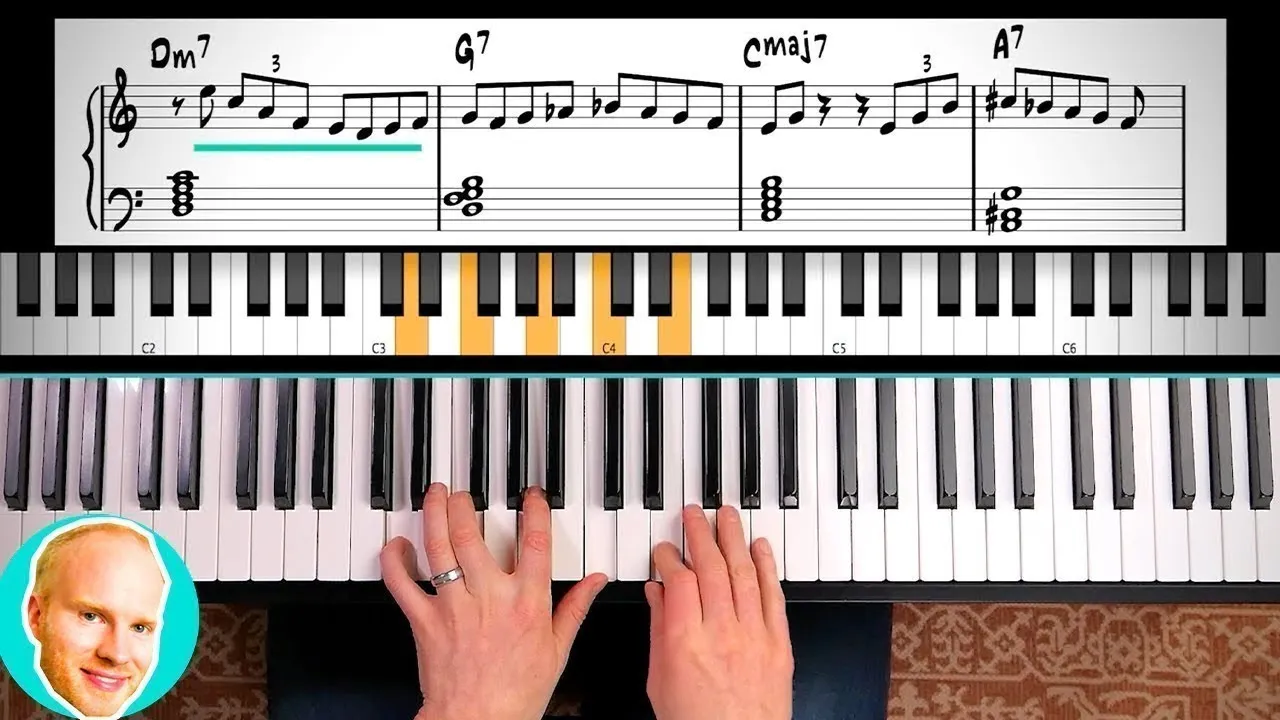




This tutorial teaches a simple yet effective technique for creating epic and atmospheric minimalist piano music by breaking chords in contrary motion (moving from outside inwards) while maintaining the same chord shape in both hands, using chord progressions like E minor to C major to D major, and varying inversions and octaves to create hypnotic, dream-like compositions.
Minimalist Piano Composition: The Contrary Motion Exercise for Beginners
Added:Basic piano keyboard geography and fundamental hand independence (playing different patterns with the left and right hands simultaneously).
Understanding of basic chord structures, specifically how major and minor triads are constructed.
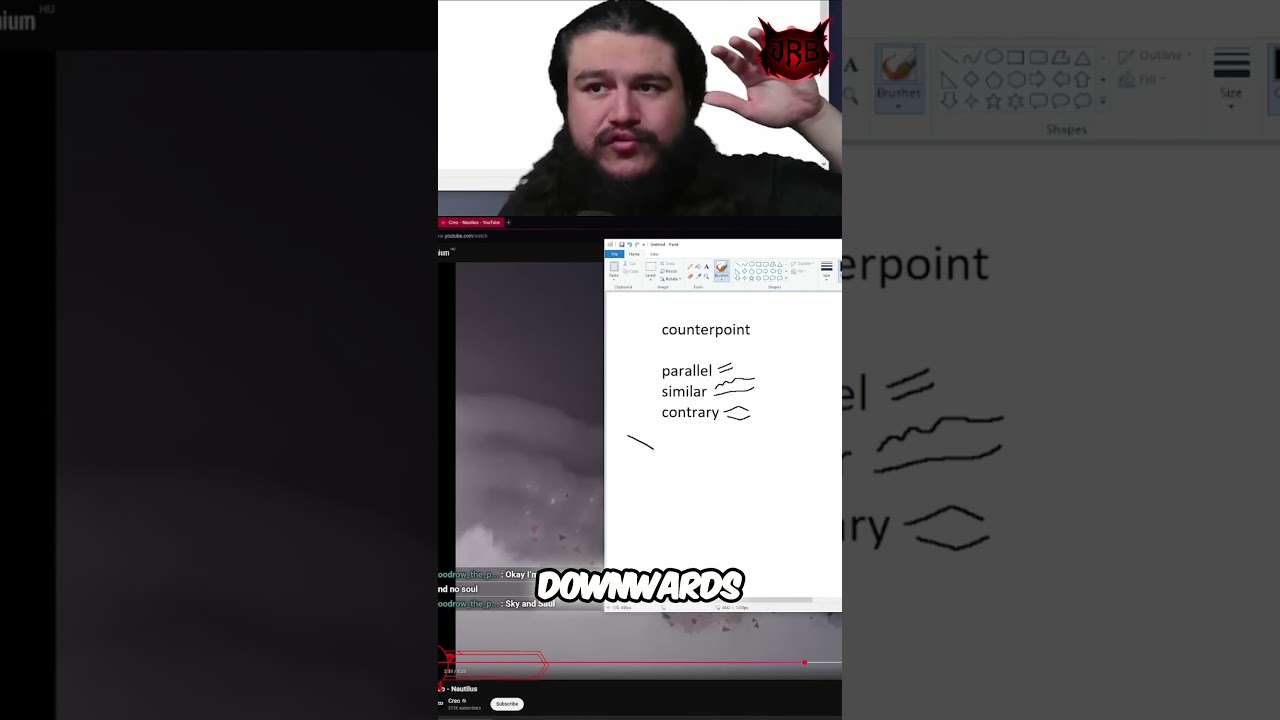
A foundational concept of melodic motion, identifying the difference between parallel, similar, and contrary voice movements.
Familiarity with the core aesthetic of minimalist music, such as the use of repetitive patterns, steady pulse, and gradual evolution.
Applying advanced voice-leading principles and species counterpoint to create more complex, independent melodic lines.
Exploring Impressionistic harmonic palettes, such as modal scales (Dorian, Lydian), pentatonic scales, and extended chords (9ths and 11ths).
Incorporating rhythmic minimalist techniques like phase shifting, additive rhythms, and polymetric structures into keyboard writing.
Developing larger-scale structural forms in composition, moving from short exercises to fully-realized minimalist pieces with dynamic layering.
41.3K views1.9Klikes14:32Original Release: 2021-05-21
[Music] hi there welcome to bite size piano in this video i'm gonna give you a very simple idea that you could use to create your own interesting minimalist inspired compositions or piano piece and if you've never written a piece of music before and this might be a good place to start so i'm just going to give you some inspiration so you may have heard of composers such as ludovico inaudible philip glass michael nyman and these composers use more or less the same technique in many of their pieces of music and it's not so much a technique it's just simple idea that sounds really effective so minimalist music has come on in the last sort of several decades and it's used all over tv it's some of the most popular music that my own students really enjoy playing prefer to play and it can sound really pretty really atmospherical like good background music and some of it can sound quite hypnotic and almost like dream like because of the repetition so we're gonna go to the piano now and i'm gonna demonstrate or teach you this idea and if you like the music that is being played in the background right now this is exactly what i'll be teaching you so the idea is that we have both hands in a chord shape so i'm going to give you a couple of different chord progressions that you could experiment and play around with and then we'll do a more abstract one at the very end let's take this e minor position so both of my hands need to be in e minor so e g b here's middle c by the way and all i'm going to do is i'm going to break up those chords in contrary motion i prefer it going from outside inwards like this and i have the sustain pedal down as well so that is the idea it's very simple idea but it can make a very effective minimalist piece of music and all you need is a good chord progression so so there all i did was i changed the b's to a c and now we have c major first inversion do the same movement i'll go to a different chord so we're going to go to d major so d f sharp and a so we have and you can play it for as many beats as you want to and then go go back to e minor and you can play around with different inversions as well but the idea is that you keep your hands in the exact same shape from the notes going from left to right so let's try that again so the chord progression i've used there is on the screen so we have e minor i'm going to do them all for four beats each major d major e minor so that's one that's one example and you can again play around with different inversions so e minor you could start with second inversion of e minor and now root position of c major so bringing the b's into c's and then we can do second inversion of d major back to second version of e minor you could have a go at playing them two octaves apart [Music] so now i've had a look at one chord progression let's have a look at a different one again using the same contrary motion idea and playing around with different inversions playing around with different octaves on the piano and coming up with some sort of structure of a short but effective and interesting piano piece this chord progression so we've got g minor so i'm playing it in second inversion so that's d g and b flat and you can alternate if you want to the pattern so instead of going out and in then out and in you could have a go at playing out so coming in halfway and then you can have a girl alternating the pattern so we've got g minor so this time the next chord i want to go to is an e flat major seven but i'm not going to play it in the same shape in each hand so i'm going to play an e flat major in my left hand e flat g and b flat and in my right hand i'm just going to play d g and d i'm going to do the same pattern [Music] and i'll go back to g minor and then what i think was something really nice is c major so just in room position so let's do that again so just to hold the chords down you have g minor e major e flat major 7 back to g minor and again you can break these up in any way and i think this is a nice chord progression as well just a short one just to give you some inspiration some ideas [Music] again do something subtle and alternate the inversions that you play the chords so it just gives you slightly different voicings and different upper melodies appearing you could take it down in your left hand you could do the same pattern contra motion pattern but bringing the left hand down so you can play g d g and then we could play e flat b flat e fight in the left hand back to g minor and then so you're playing in fifths playing a wider stance in your left hand so playing in fifths with octaves don't need to be able to play the octaves at the same time just move between them so i'll do that [Music] again [Music] it's a little flourish at the end so in terms of composition you could start playing the chord progression [Music] just with all the notes held together at the same time and then bring it down here and then the left hand could start to bring like come lower down it starts to add more depth starts to [Music] develop you can go back up and play the first play again and the root now i guess would be g so just an example of how such a simple idea you can develop it so varying the octaves that you play playing around with different inversions and having a go at playing keeping the chords the same but changing the notes in each hand but the overall idea is exactly the same so it's this contra motion pattern so this last one we're going to do something a little bit different i'm going to give you a shape that you're going to maintain on the piano we're not going to talk so much about what the chords are called it's really just playing around with sounds and this one is the one that sounds most impressionistic hypnotic sounding and interesting it almost sounds a tonal so let's go back to the piano and i'll show you this last one so it's a very distinct shape so it's note then you're missing a note then we have two notes then you're missing a note and then adding that once it's four notes using four fingers you want so keeping the shape the same in each hand and then again using the same idea so going outwards inwards outwards and contra motion [Music] it [Music] you can have a go and turn the outer notes into sharps and flats and you can just play around with starting the pattern on different notes different areas of the piano but again keeping it the same from right to left but playing it in [Music] contribution and you get this nice sort of blurred like impressionistic effect so you get the same sort of chords that like someone like claude debussy might use so always maintaining this shape playing around with different sounds so you could flatten one of the notes [Music] and it's quite difficult to make it sound bad [Music] so i hope you have in enjoyed this i have left my whole compositions playlist below so go and check that out in the comment section and in the description if you want more inspiration and more conversational tutorials and ideas i do enjoy making these tutorials to let me know if you would like more let me know if you have used this idea to create your own composition and whether you have used any of the core progressions i've given you and go ahead and follow me on instagram and tag me over there and love it when people tag me on instagram and i watch every single performance and i'll often share it in my insta stories as well so i hope you're well and i will see you in the next video so that's the end of the video i hope you enjoyed it and that it's useful if you'd like to leave a piano tutorial request you need to click on this video which takes you through to my official request space you do need to be subscribed all requests are noted and considered so i look forward to seeing you over there
Up Next
7:13
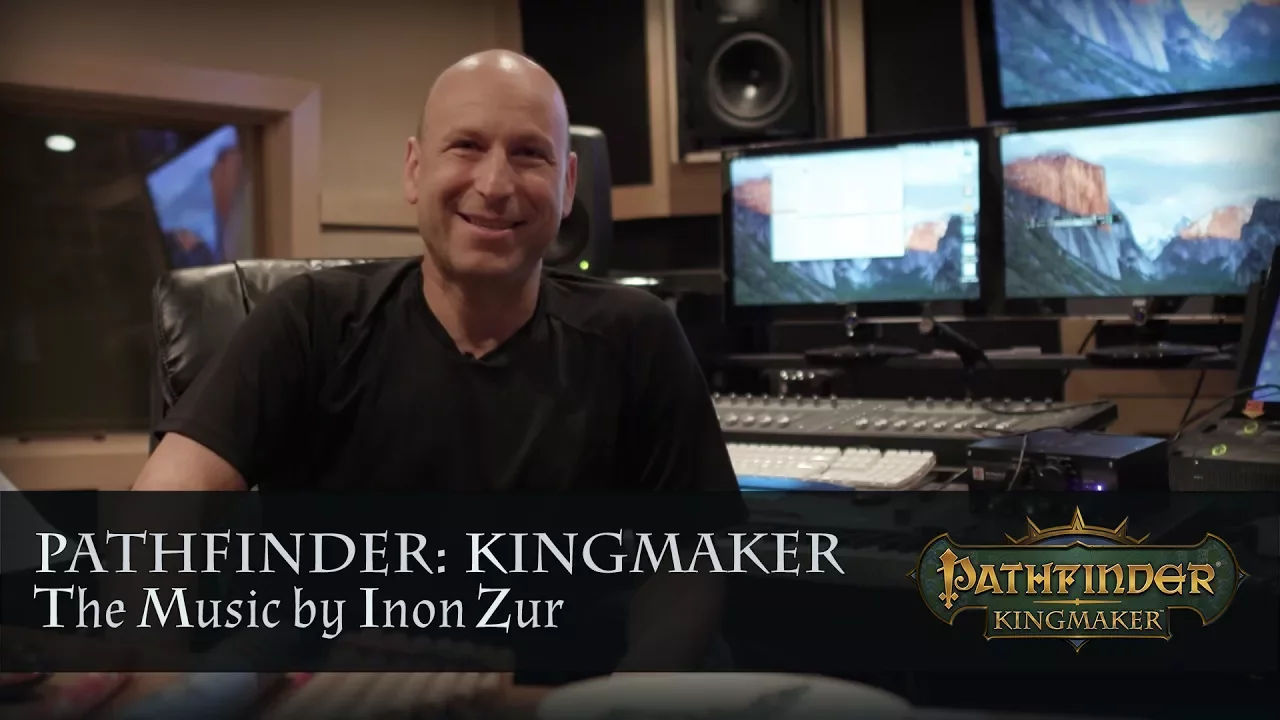
Composing Music for Pathfinder: Kingmaker | Inon Zur Interview
@OwlcatGames
8.5K views•2017-06-29

105:00
The Internet's Own Boy: Aaron Swartz Documentary (2014) | Digital Rights & Activism
@moviemaniacs
2.4M views•2014-07-01

9:49
FastAPI vs Flask vs Django: Choosing the Right Python Web Framework
@TechWithTim
302.5K views•2024-05-26

1:42
Game of Thrones Opening Credits: A Cinematic Analysis
@gameofthrones
46.3M views•2011-04-18
Related Study Plans & Knowledge Roadmaps
Structured learning paths in General & Interdisciplinary Studies
general-studies
Elevator Engineering: History, Physics & Cities
01From Hoists to Safety Brakes: The Dawn of Vertical Lift
02Hydraulic vs. Traction: The Engineering Physics of Elevators
03Modern Speed, Safety, and Algorithms
+ 2 more learning modules
12h5 modules
Explore Roadmap
general-studies
Rubber: Material Science, History & Geopolitics
01Origins of Natural Rubber & Mesoamerican History
02The Chemistry of Natural Rubber & Vulcanization
03The Geopolitics of the Rubber Boom & Colonization
+ 2 more learning modules
12h5 modules
Explore Roadmap
general-studies
Containerization: Evolution, Logistics & Trade
01Ancient Trade & Bulk Cargo: Amphorae to Barrels
02The Industrial Revolution & Cardboard Packaging
03The Containerization Revolution: Malcom McLean
+ 2 more learning modules
12h5 modules
Explore Roadmap
general-studies
Textile Tech: Evolution, Labor & Global Impact
01Pre-Industrial Textiles: Handloom & Cottage Industry
02Mechanization: The Spinning Jenny to the Power Loom
03The Factory System & Global Labor Transformation
+ 2 more learning modules
10h5 modules
Explore Roadmap