





![The Worst Villain Team-ups | Zach Varmitech, Donita Donata and Gourmand [Full Episodes] Wild Kratts](https://i.ytimg.com/vi/teiKHOormag/maxresdefault.jpg)



![광합성 [photosynthesis] (Prod. CyA) by SUNWOO](https://i.ytimg.com/vi/9hH-JAtQ7I0/maxresdefault.jpg)





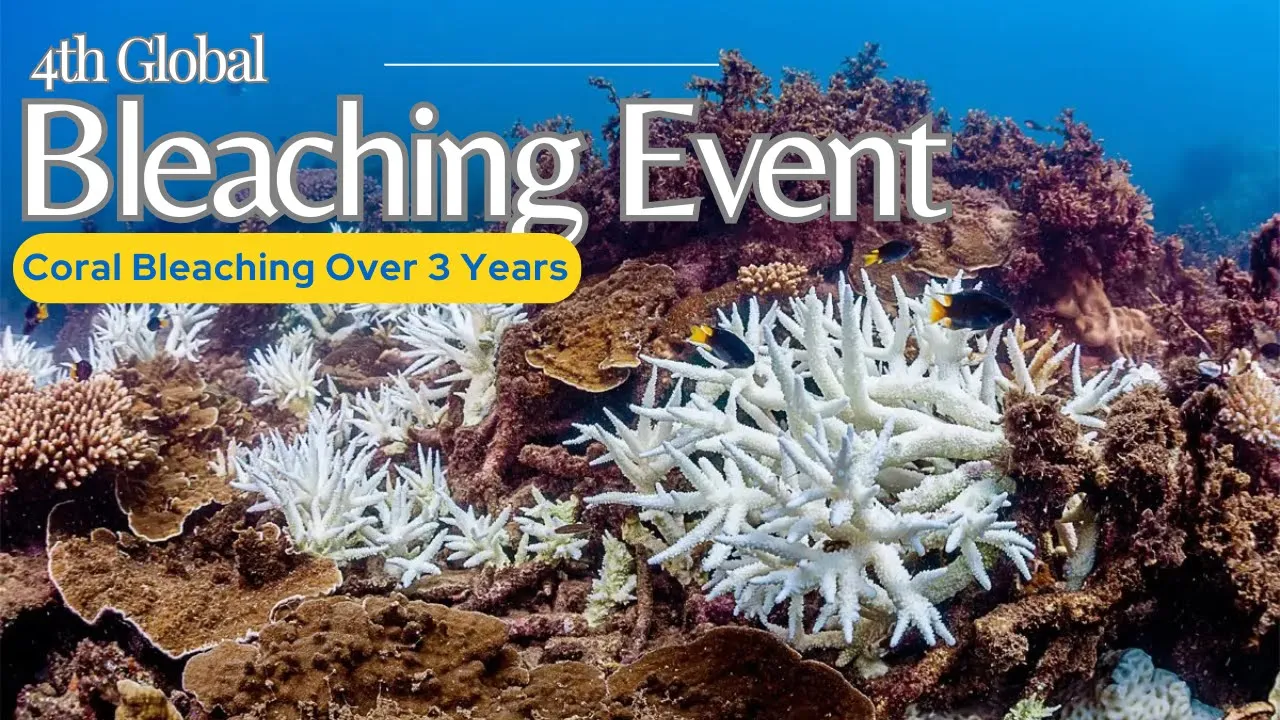








Symbiodinium (zooxanthellae) are dinoflagellate microalgae that form photosymbiotic relationships with corals and other marine organisms, enabling hosts to thrive in nutrient-poor waters through mutualistic exchange of nutrients and photosynthates; their complex life cycle includes two primary forms—the motile gymnodinium cell for dispersal and the non-motile coccolith cell for mitosis—and they are transmitted horizontally through coral larvae acquiring symbionts from sediments, though coral bleaching caused by high temperatures and light intensity can disrupt this relationship by triggering host expulsion of the symbionts.
Symbiodinium Life Cycle and Coral Symbiosis
Added:Basic ecological concepts of symbiosis, specifically mutualism where two different organisms benefit from each other.
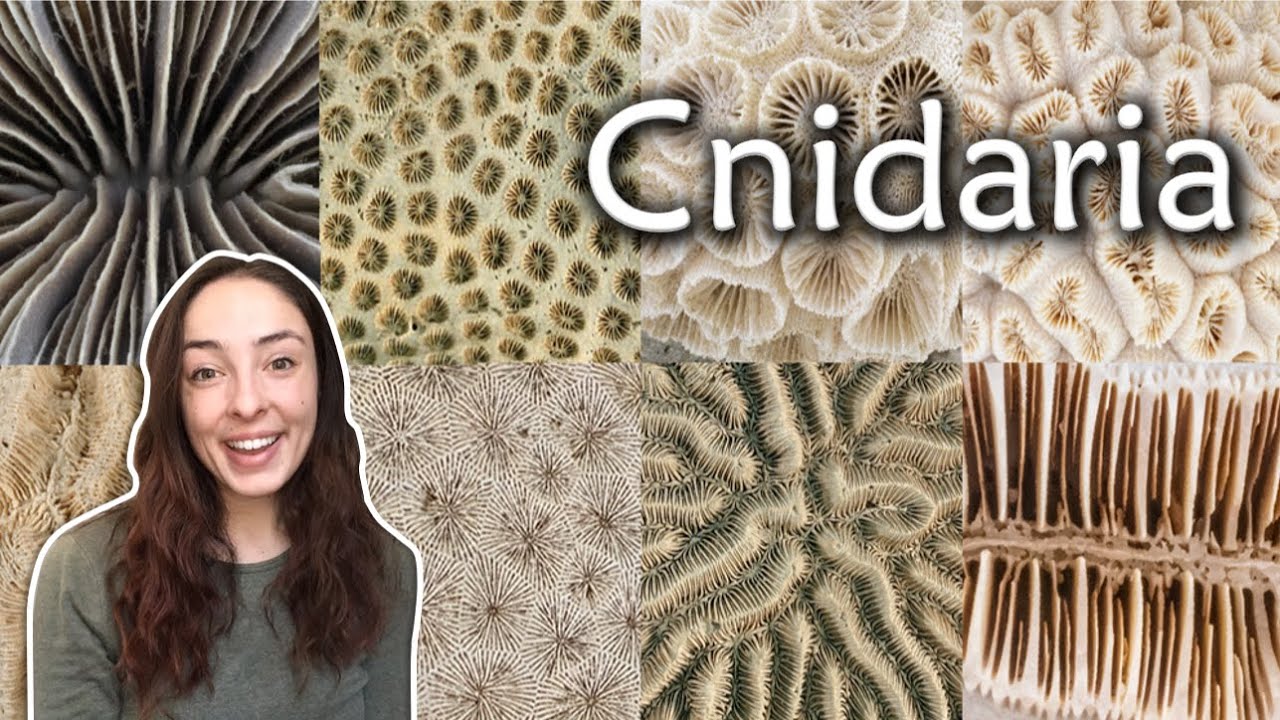
Fundamental coral biology, including the anatomy of coral polyps as marine invertebrates in the phylum Cnidaria.
The process of photosynthesis, by which plants and algae convert light energy into chemical energy (sugars).
An introduction to dinoflagellates, the group of single-celled eukaryotic algae to which Symbiodinium belongs.
The ecological and socio-economic impacts of global coral bleaching events driven by climate change and marine heatwaves.
The taxonomic diversity and genetic clades of Symbiodiniaceae, and how different strains influence coral thermal tolerance.
Active coral restoration strategies, such as coral farming, microfragmentation, and assisted evolution of heat-tolerant algal symbionts.
The compounding effects of ocean acidification and pollution on the stability of reef ecosystems.
2.1K views50likes11:55Original Release: 2016-04-16
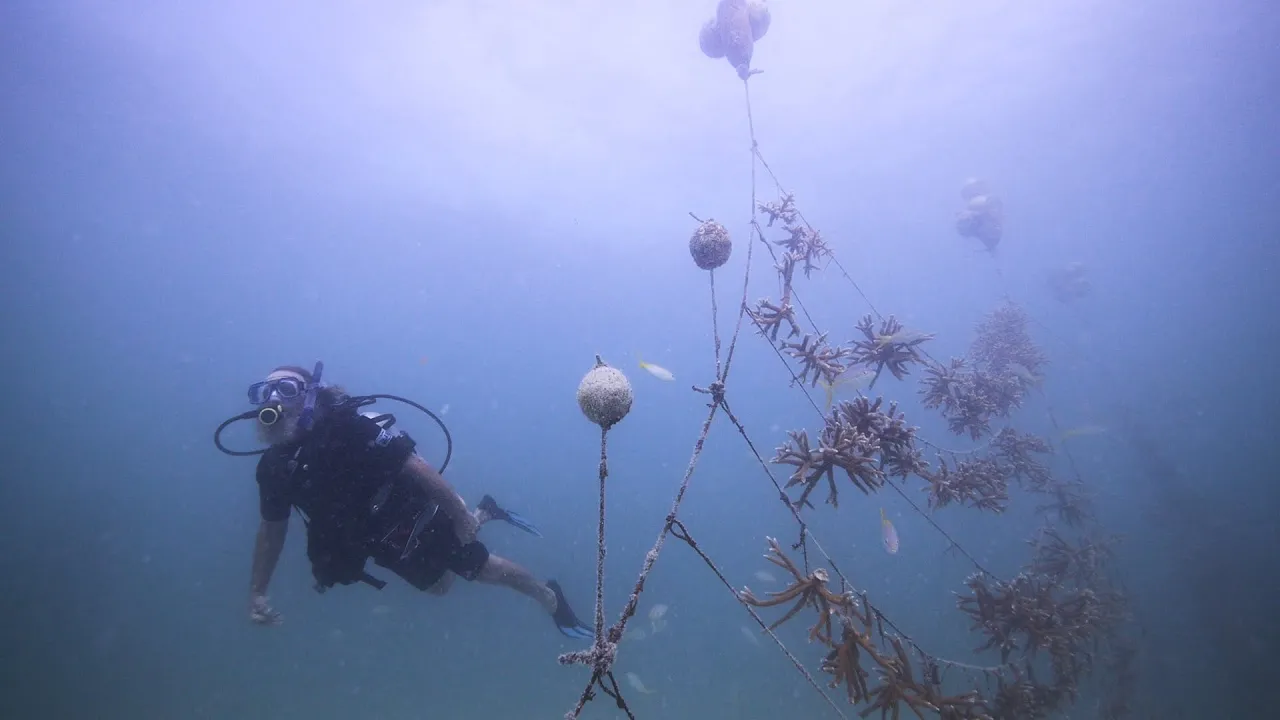
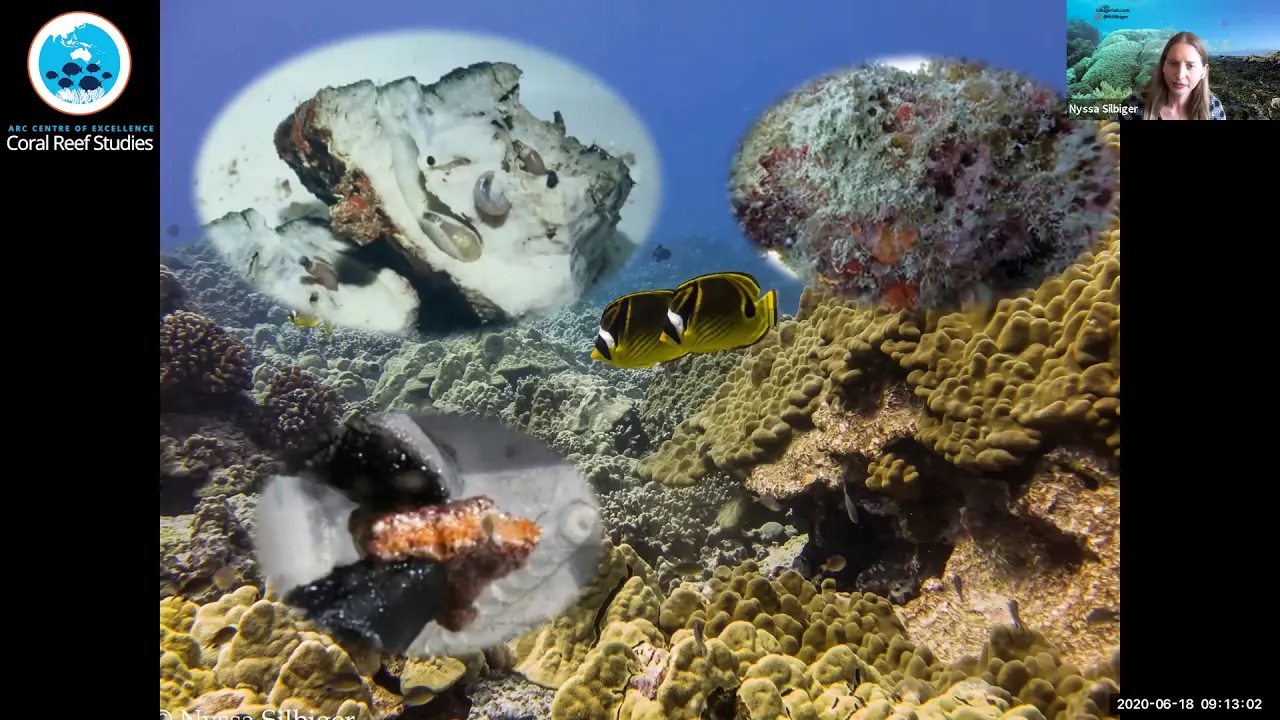
symbiodinium is the genus of ubiquitous dinoflagellates commonly referred to as zanelli which is just a general term for brown round cells in the tissues of marine organisms I'm going to delve a little deeper into the life cycle of this algal genus and the role it plays in The Aquatic environment symbiodinium is a Hot Topic in the global warming discussion because the loss of these symbiotic organisms in Coral tissues leads to Coral bleaching and potentially Coral death let's get started first I think it's important to discuss what symbiosis means it can include anything from parasitic to mutualistic relationships meaning it doesn't necessarily have to be a positive interaction for both organisms the interaction also has to be between two different species that survive together for long long periods of time the majority of what I'll be discussing is called photosymbiosis and that's the use of microalgal cells as solar panels for collecting light this type of symbiosis is what is theorized to give rise to the chloroplast and is found widely in both Aquatic and terrestrial environments the host organisms generally makes use of the photosynthate produced by the micro algae and the algal cells live comfortably in a nice nutrient Rich home so it's considered mutualistic for both species these alal symbiance were first studied in lyans a fungal and algae composite organism and nid Aras like corals with their symbiodinium which I'll be discussing now what are some of the advantages of this symbiotic relationship between symbiodinium in their host the major advantage for the host is that this photosymbiosis allows them to live in aligot trophic Waters and reach large size that would not be possible without the energy input from their simion this allows for beautiful large species like the giant clam and extensive coral reefs that tourists enjoy looking at while they're swimming in the crystal clear nutrient po water however symbiodinium has the advantage of living out its life in an organism protected from microalgal predators having their dreams of sedentary life met with nutrient transport from the host initially it was thought to be a single worldwide species because they're mostly nondescript Brown covid circular cells as seen here they receive their brown color from their accessory pigments doodo zanthin and peridinin they range from 5 to 15 microns and have both free living and ins Symbio non-modal forms I'll go into a little more detail about this later symbiodinium was first described in the jellyfish copia zamana by Dr frud enthal and this is the genus of upside down jellyfish as seen here as you can see there's a dense population of symbiodinium in the tissues given the brown color and it's quite beautiful it is worth noting that even though a lot of symbiodinium species can look similar they are quite diverse and create symbiotic relationships with with a variety of different organisms this includes mollis jellyfish flatworms corals and anemones this figure shows the Fila that the different clades of symbiodinium form Partnerships with the earliest clade clade a seen here appeared 65 to 50 million years ago and is distributed widely through many different species however some of the branches can specialize to certain philm as seen in clay I which is only in forum nifra it's worth noting that are there are many subclades and species in these CLA groupings on the species level they can be very specific to certain host these hosts represent different niches to which the symbiodinium can evolve and specialize since they are since they are unique for each organism for the purposes of our discussion a lot of the examples will be from the symbiodinium relationship with coral since this relationship is is widely studied for its importance in Coral Reef ecosystems here's the geographic distribution of symbiodinium across the Earth as you can see the highest diversity is in the indopacific and Caribbean the temperate zones show less diversity most likely due to lack of host organisms in these areas observations of symbiodinium life cycle were mostly from cultured organisms taken out of their Coral host there are two primary forms and both are unarmored or aate there is a modal flagellated gymnodinium or Bob cell that is used for dispersal and quick infection of the host cell the primary form for mitosis and symbiosis is the cocko cell seen here and this cocko Cell results when the gynoid cell goes under a quick transformation and loses its flagella and then turns into this circular cell fun fact the non modal form is the only form that per performs mitosis which is quite different than most dagate species also symbiodinium does something really cool the mitotic stages are on a diil cycle where the cocko cell divides its nucleus in the dark then the cell divides soon after the Light reaches the cell releasing two of the modal cells during the daytime towards the end of the day these motal cells will transform into into the cocko cell as previously mentioned this is interesting because the symbiodinium full life cycle has a lot of uncertainties the genetic diversity suggests sexual reproduction SL recombination but has yet to be witnessed as well as tetrad cells made by meiosis but these are all inferred and haven't been empirically seen Coral arve have the capacity of obtaining symbiodinium before they settle as I won't go into the coral life stages but it's important to note that the Corals in their laral stage have fosic cells that are able to capture free living symbiodinium there is a higher diversity and density of symbiodinium in the sediments of Reese systems due to the negative buoyancy of symbiodinium so the larvae have have been shown to travel to the sediment to and have a higher chance of getting the best suited algae for the job th having a of symbiodinium initially can give them a competitive Advantage for the environment they live in this process is known as horizontal transmission as opposed to a vertical transmission which would be the transfer of the symbiot from the parent corals to their offspring upon contact with the fosic cells of the corals the Gans on the symbiodinium as seen here interact with the lectins on the cell of of of the coral and then they attach and the symbiodinium is engulfed as mentioned before numerous corals pick up a diverse array of symbiodinium so these glycans are probably high highly conserved among most symbiodinium species here's an example of where symbiodinium makes its home inside the pop of coral they reside inside the oral endoderm inside of vacul aptly named symbiosomes they are represented by these green little blobs here these symbiosomes are no luxury apartment but they have just enough room to house small dagates here is a picture of a freeze fractured sem of a coral poop I always think it's beneficial to see these electron micrographs to give a better perspective on what the actual system looks like the process of nutrient exchange is rather complex but it's the job of the cell to bring in CO2 into the cell from the external environment where it's primarily in the form of bicarbonate it's interesting because usually for Animals CO2 is transported out of the system as a product of respiration however research suggests that the host and symbiodinium control the pH around the membranes using H or hydrogen atpa to transform bicarbonate into carbonic acid then using Carbonic and hydrates around the membranes that can change this carbonic acid rapidly into CO2 where it can cross the cell membrane easily and then as it crosses the the membrane of the photos symbiot it can be taken up by rubisco that has a high affinity for CO2 besides CO2 transfer the host supplies the symbiodinium with phosphate nitrogen and other nutrients necessary so the little algae can produce essential amino acids glucose and other products that the coral can use the symbiodinium also produce micos sporin like amino acids that can protect the coral cells from UV radiation and although the process is still being studied it appears that the photos symbiance also help in the calcification process the breakup or Coral bleaching this process is the loss of photosynthetic pigments or of the symbiodinium themselves it is believed to be a combined effect of high light intensity and high temperatures that leads to this Dental effect this is because the highl intensity causes photo inhibition or damage to the photosystem 2 proteins however there are repair processes mediated by the protein D1 which is synthesized as a response to this photosystem damage and there's possibly other processes but but this is the most studied these processes keep the photosystem 2 working properly under low temperature conditions however under high temperature stressful conditions this repair process is inhibited by both the production of oxygen radicals by photosystem one and the temperature itself the host has to respond to these oxygen radicals and lack of carbon fixation from the symbiodinium so it releases it by a number of mechanisms including programmed cell death or apotosis necrosis exocytosis or just pinching off of the host cell whatever the mechanism the host must rid itself of the dysfunctional symbiot with hopes of acquiring more temperature resistant symbiance from the environment or the coral can also just wait until temperature decreases and they can re-uptake the symbiance and hopefully recover from from the environmental stress but this can take months or years so it's very detrimental there's still a lot of unanswered questions about these algal symbiance and how they may adapt to Global changes in temperature and O ocean acidification though more researchers can understand these complex relationships the better chance we have to help mitigate the damage to these illustrious ecosystems thank you
Up Next

47:29
Microbial Interactions: Symbiosis, Mutualism & Parasitism | BIOL 8470 Ch 27
@drqclemson
161 views•2026-03-25
50:12
Bacterial Communication: Quorum Sensing and Biofilm Formation Explained
@JHUAAP
12.6K views•2011-06-28

5:35
Enteric Nervous System Explained: The Gut's Brain | Neurobiology Lecture
@alumniu6029
438 views•2018-09-12
7:08
Bacteriophages: Earth's Deadliest Killers and Future Antibiotics
@kurzgesagt
34.6M views•2018-05-13
Related Study Plans & Knowledge Roadmaps
Structured learning paths in Biology
biology
RNAi: Biogenesis, RISC & Gene Silencing
01Molecular Biology Foundations: DNA to Protein
02Introduction to RNA Interference (RNAi)
03Molecular Biogenesis of miRNA and siRNA
+ 2 more learning modules
10h5 modules
Explore Roadmap
biology
Mycorrhizae: Signaling, Biophysics & Ecology
01Foundations of Mycorrhizal Symbiosis
02Molecular Signaling and Root Colonization
03Biophysics and Bioenergetics of Nutrient Exchange
+ 1 more learning modules
11h4 modules
Explore Roadmap
biology
Circadian Clocks: TTFL, SCN & Periphery
01Foundations of Molecular Biology & Gene Expression
02Introduction to Chronobiology and Actograms
03The Core TTFL: Molecular Architecture of the Clock
+ 3 more learning modules
14h6 modules
Explore Roadmap
biology
Population Genetics: Math, Drift & Selection
01Genetic & Probability Foundations
02The Hardy-Weinberg Principle and Baseline Models
03Mathematical Modeling of Natural Selection
+ 3 more learning modules
18h6 modules
Explore Roadmap