




![AV-2647 [Levantamiento carapintada: Alfonsín hablará al país desde el Congreso] (parte I)](https://i.ytimg.com/vi/nhpGUsmW48E/hqdefault.jpg)



![[DS] Is Going Broke | On The Fringe](https://i.ytimg.com/vi/tOqTezmv4fk/maxresdefault.jpg)




Conservatives and liberals have complementary temperaments that are essential for societal functioning: conservatives, who tend to be higher in conscientiousness and orderliness, excel at implementation and management, while liberals, who tend to be higher in openness and creativity, excel at generating new ideas and innovation. This biological and temperamental difference means that neither group can function optimally alone; conservatives need liberals to start companies and generate ideas, while liberals need conservatives to run and stabilize those ventures. The polarization of society occurs when people with characterological weaknesses turn to ideology or nihilism, and when media algorithms reinforce confirmation bias rather than exposing individuals to diverse viewpoints. Free speech and critical dialogue are essential for maintaining the balance between these complementary perspectives.
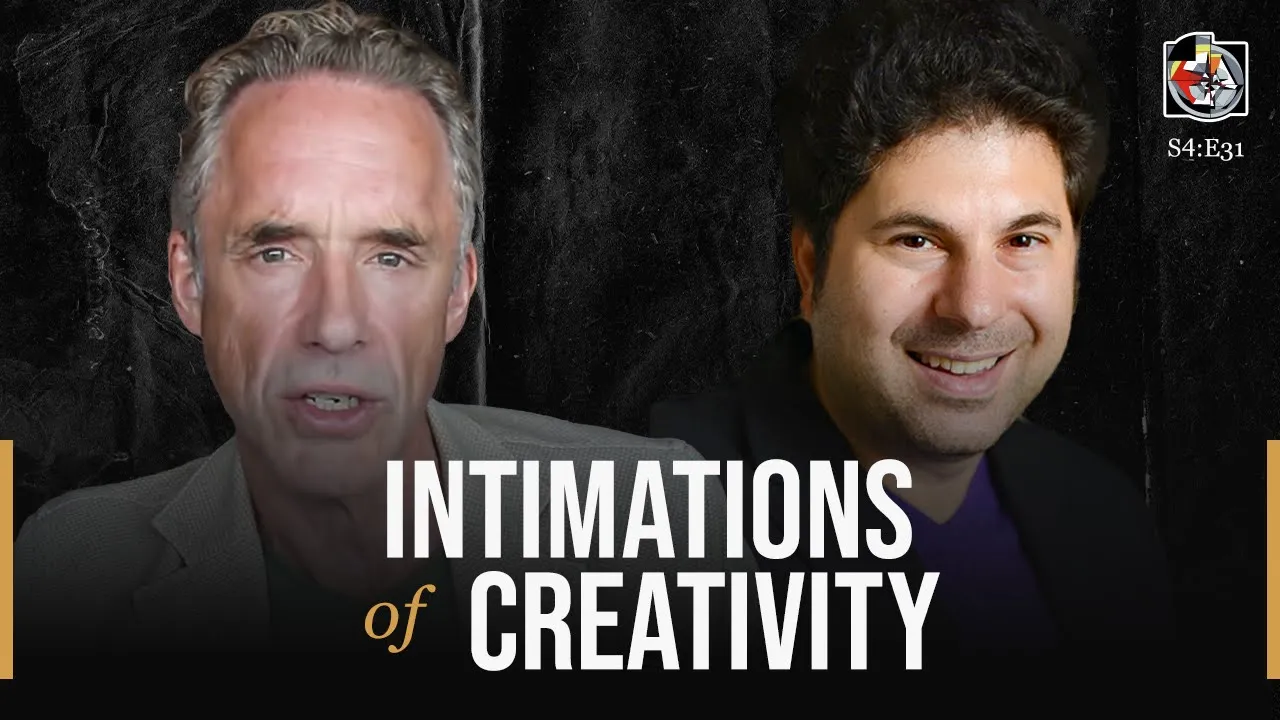
Jordan Peterson on the Necessity of Ideological Opposition
Added:i believe and i've believed this for a very long time is that the alternative is for people to learn about their civilization to incorporate its proper doctrines into their behavior and to grow up and live properly carefully awake and to speak carefully to act carefully and that i believe that if enough people do that then we'll avoid the polarization that's that's the inevitable consequence because the problem is is that people who are characterologically weak and i don't mean this in a judgmental sense i mean weak in that they can't withstand the onslaught of life and and they get hurt because of it they turn to nihilism or they turn to ideology and and when they do those things polarize even if they turn to ideology it's it's a toss-up whether it's the radical right or the radical left it depends on their character yeah and then that and that that requires very little effort on people's part you can learn the rules to those games very rapidly and then people polarize and then they have someone to hate and they don't have to take any responsibility and you know what's what's sort of funny about that statement is i have no problem with people having an ideological bias i have no problem with people seeing the world through a prism i think we all do my thing is if you're left or you're right just don't lie to me but ironically enough we were probably one of the most balanced shows on the primaries and on trump and i can't stand hillary clinton i couldn't stand the left but i certainly would criticize trump where i thought it was that would infuriate people but i have no problem saying i am a conservative i look through the world through that lens um one of the things that allows me to be somewhat objective because i'm aware of yes well that's about the best you could do i mean one of the things that our our research and other people's research has indicated that is that conservatives are conservative and liberals liberal because of their temperaments it's partly biological so for example conservatives tend to be higher in conscientiousness which is industriousness and orderliness particularly orderliness and lower in open does it sound like someone so and crucified him for not putting things away probably well and the orderliness seems to be the thing that's that's driving things on the conscientiousness side and so what that means is that conservatives roughly speaking make better managers and administrators okay now liberals are higher in openness which is both interest in ideas and interest in aesthetics and they're lower in conscientiousness and so and one of the consequences of that is that they tend to make better entrepreneurs and artists and so our society is basically set up and this is something people really need to think about is that but that's odd because nearly all business owners tend to be more conservative not the entrepreneurs go to silicon valley well come on you're talking about a limited amount of people and steve jobs beats the [ __ ] out of his kids well we look i i work i i do consulting work for this company called the founder institute and we've tested 40 000 would be entrepreneurs from all over the world 165 different cities it's the biggest early stage tech incubator in the world now uh the guy who runs it deoresi has created 2500 new businesses in four years doing this and we know what predicts entrepreneurial ability and the the so the liberals are really interested in how ideas relate to one another and they like to jump from one thing to another and it does make them more creative but they're not very good at implementation whereas the conservatives are very good at the implementation and at detail and so roughly speaking the conservatives need the liberals to start companies and to generate new ideas even though a lot of those ideas are going to be bad right okay but the liberals need the conservatives to run the damn companies now you can be temperamentally conservative and temperamentally liberal and and those are valid viewpoints because there's a place for those viewpoints in the world they can function as tools but what you have to do is exactly what you just said if you're conservative you need to listen to the liberals because they have some things to tell you and the liberals and i think they're far worse at this at the moment by the way the liberals have to learn to con listen to the conservatives because the conservatives hold things together and stabilize things right yeah well so the dialogue now the reason free speech is so important is because liberals and conservatives have to communicate in order to keep society going and and it's communication that's central to free speech you have to be able to talk to each other or you separate into armed camps and you either one becomes the other slave one becomes a tyrant right or there's conflict i think media is largely responsible we talked about this and then also new york times never when we're talking about this let me present to you two worlds as the layman that i am mom joins facebook she's pro-trump daughter joins facebook youtube she's pro hillary right oh donald trump's going to be a great president like donald trump has brilliant cabinet appointments like the daughter donald trump doesn't release his tax returns like donald trump as a rapist like so you go six months and you've liked these pages and you've consumed information that way well the facebook algorithm a youtube algorithm it's not hey you might really need to hear it's you might also like to the point where people entirely consume information that is nothing but confirmation bias and um and i wouldn't see what happens then is that amplifies their temperamental proclivities right and we we have research showing this too so conservatives do tend to j to to consume media that that fosters a conservative viewpoint and so do liberals and so one of the ways i mean this was the whole purpose of education at one point is to expose you it was expose you to views that contradicted your own and to help you find value in those alternative views yeah and so and the reason for that was to help you get out of your confirmation bias and the tendency of that to augur you into a narrow viewpoint that is no longer representative of the world right it's really a bad thing when that happens it's like it's like you're a celebrity that's completely surrounded by sycophants who only tell you what you want to hear exactly what happens is that because you're not getting any corrective information anymore your weaknesses don't get corrected and they start to take you over right now and that's i that's exactly what's happening in our polarized political landscape it's like the weaknesses of the radical left viewpoint are starting to predominate what's sort of ironic in all of this is that we've you we used to say the fringe sort of your left my right the fringe left there left so don't it's okay i know you're i know you're very educated man i'm doing it for them your left my right and then the fringe my left your right but really that's mainstream left and right now they aren't fringe and it seems like in the middle is what would once have been called the fringe i don't consider myself a moderate but i find much more common ground with you than i do many republicans certainly nearly all liberals in just being a critical thinker that seems like we're a shrinking minority to the point where we would really be considered more fringe than someone with a trump sign and a funny hat or a social justice warrior who has a snowflake t-shirt and is crying in the corner well that's a consequence of polarization because when things polarize then viewpoints become increasingly black and white and they become increasingly simple and the problem with that like i think it was einstein's who said that an explanation should be as simple as possible but no simpler and political beliefs should be like that too they should be simple as possible but no simpler and the thing about political beliefs is they're not beliefs about statements of fact about the world their beliefs about how to move forward to solve problems and the the real test of a political belief is can it specify a problem and then can it solve the problem and the way that we practice those political beliefs and their formulation is through is through dialogue and and critical dialogue and the critical dialogue is well here we've got a bad representation of this you have a bad representation of it a poor representation and so do i so let's keep that's what we're doing right now right let's keep talking about it until our model of the problem is more and more and more detailed and then maybe we can start to generate some solutions and then maybe we can start to agree on those solutions and implement them and test them watch good morning mug club live every monday through thursday at 10 15 eastern
Up Next
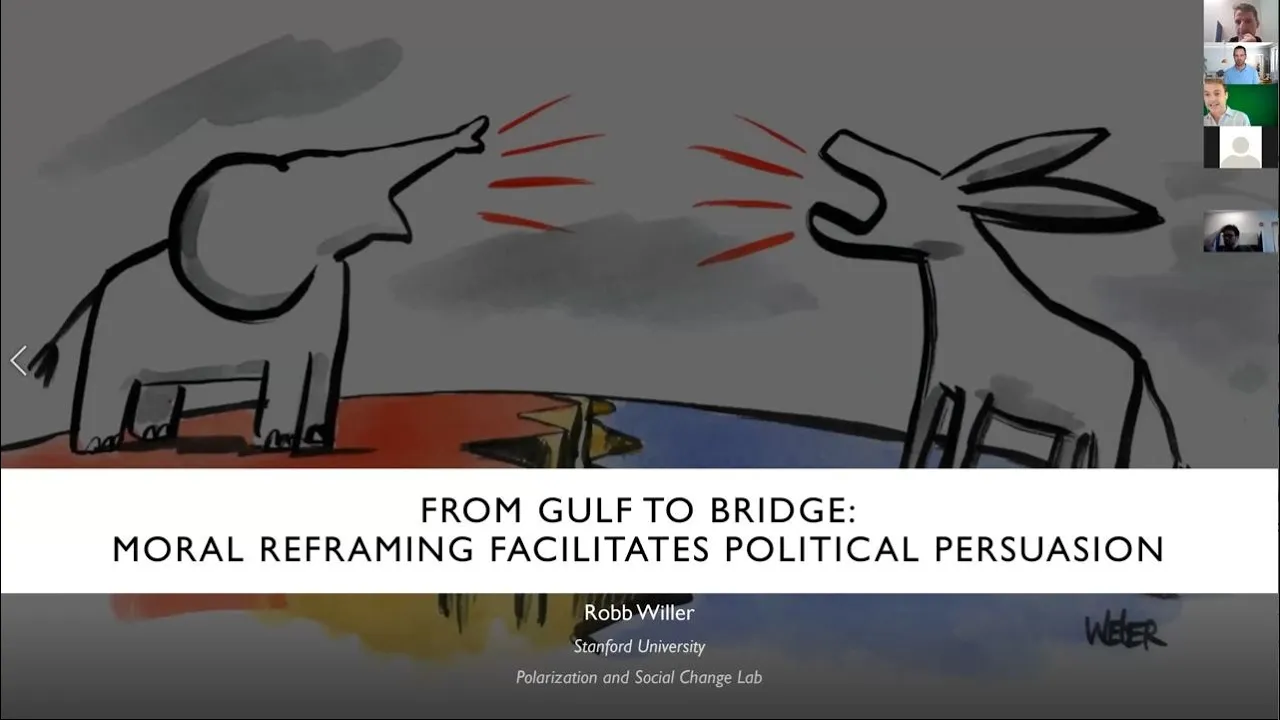
Moral Reframing: The Key to Political Persuasion | Robb Willer
@centerforthescienceofmoral3736
286 views•2021-06-21

BRICS Pay and de-dollarization: A New Financial Order Emerges? | 55 chars
@DannyHaiphongYT
164.6K views•2024-10-22
Government Surveillance Methods: 10 Ways You May Be Watched
@BeAmazed
1.6M views•2017-04-09
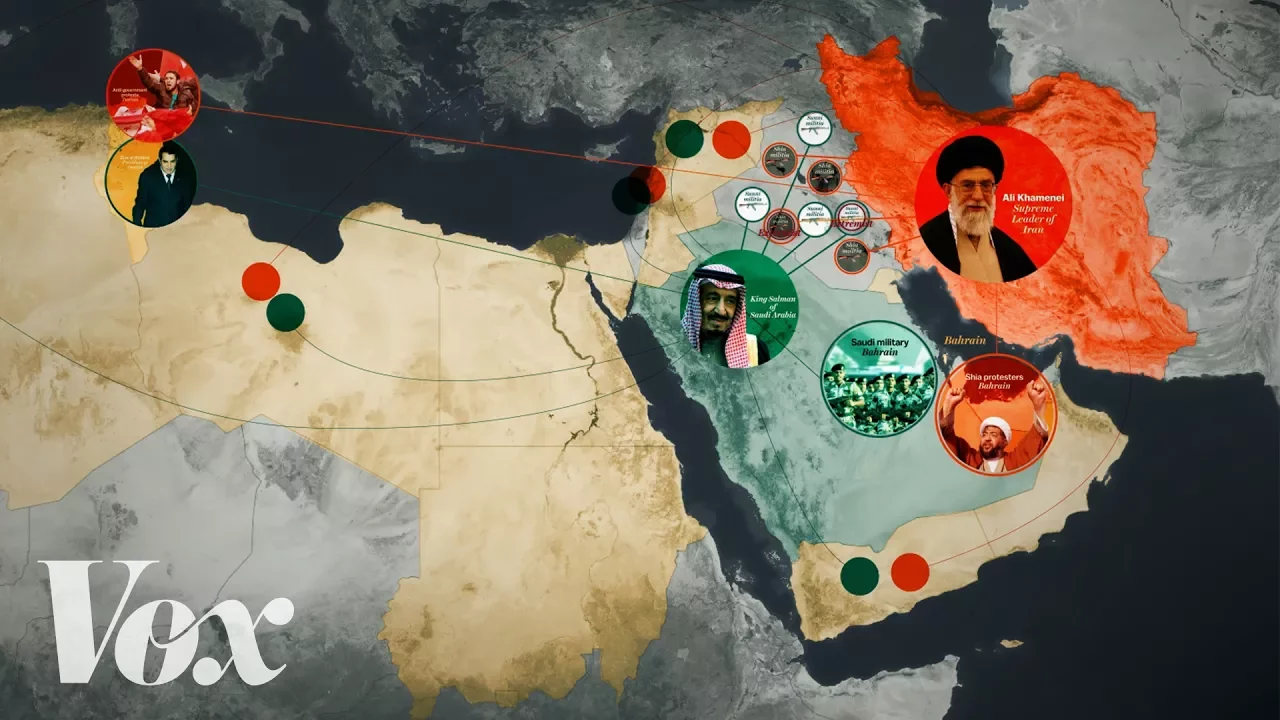
Explaining the Saudi-Iranian Proxy Conflict in the Middle East
@Vox
18.2M views•2017-07-17
Related Study Plans & Knowledge Roadmaps
Structured learning paths in Political Science