













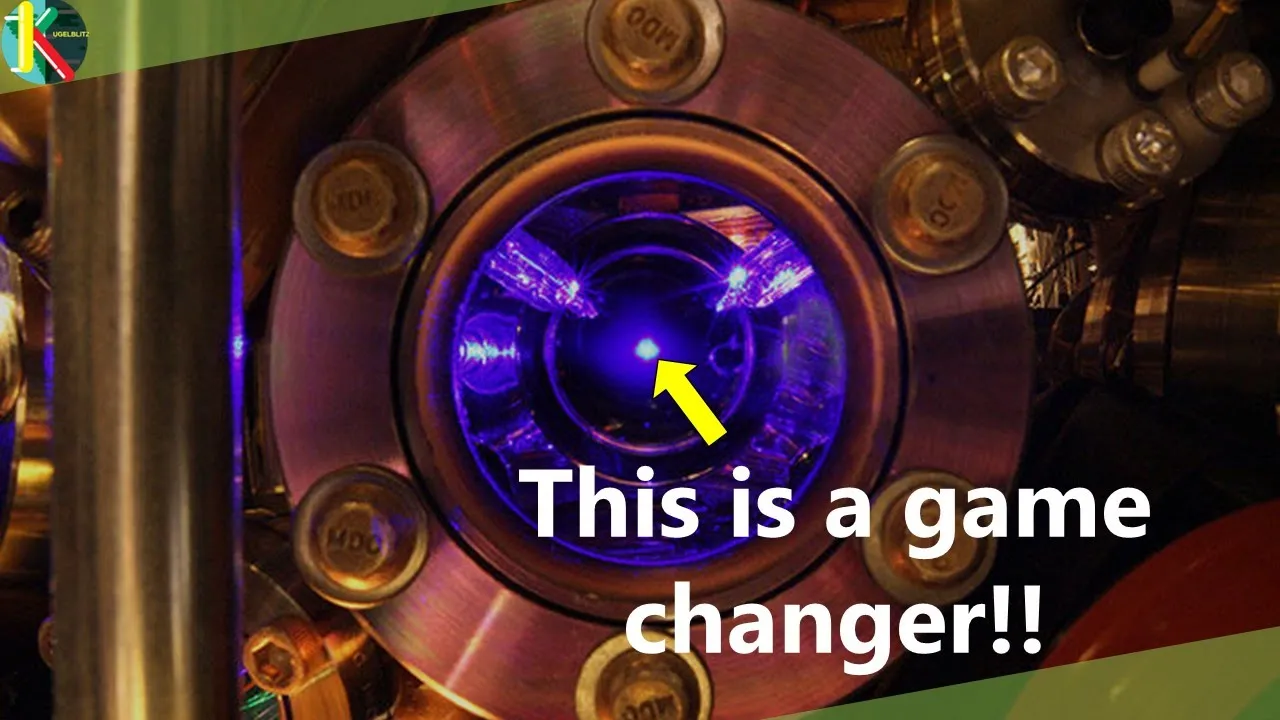





A cesium atomic clock works by measuring the precise frequency of the hyperfine transition in cesium atoms, where the outer electron's spin interacts with the nucleus's spin at exactly 9,192,631,770 Hz, which is defined as one second; the clock uses a cesium beam tube with magnetic fields to separate atoms by spin, microwave cavities to induce transitions, and feedback systems to lock a quartz oscillator to this atomic frequency, achieving extraordinary timekeeping precision.
How Atomic Clocks Work: Inside the HP 5061A Cesium Clock
Added:Hyperfine atomic transitions and the concept of quantization of energy levels in cesium-133.
Basic principles of electromagnetism, specifically microwave radiation and resonant cavities.
The fundamentals of Einstein's Special and General Relativity, particularly gravitational and velocity-based time dilation.
Concepts of electronic feedback control systems, such as quartz crystal oscillators and phase-locked loops.
Optical lattice clocks and the modern transition from microwave-based to optical frequency standards.
The architecture and synchronization algorithms of Global Navigation Satellite Systems (GNSS) like GPS.
The role of atomic timekeeping in international metrology and the SI definition of the second.
Applications of ultra-precise clocks in testing fundamental physics, including detecting gravitational waves and searching for dark matter.
446.5K views10.1Klikes25:09Original Release: 2020-03-20
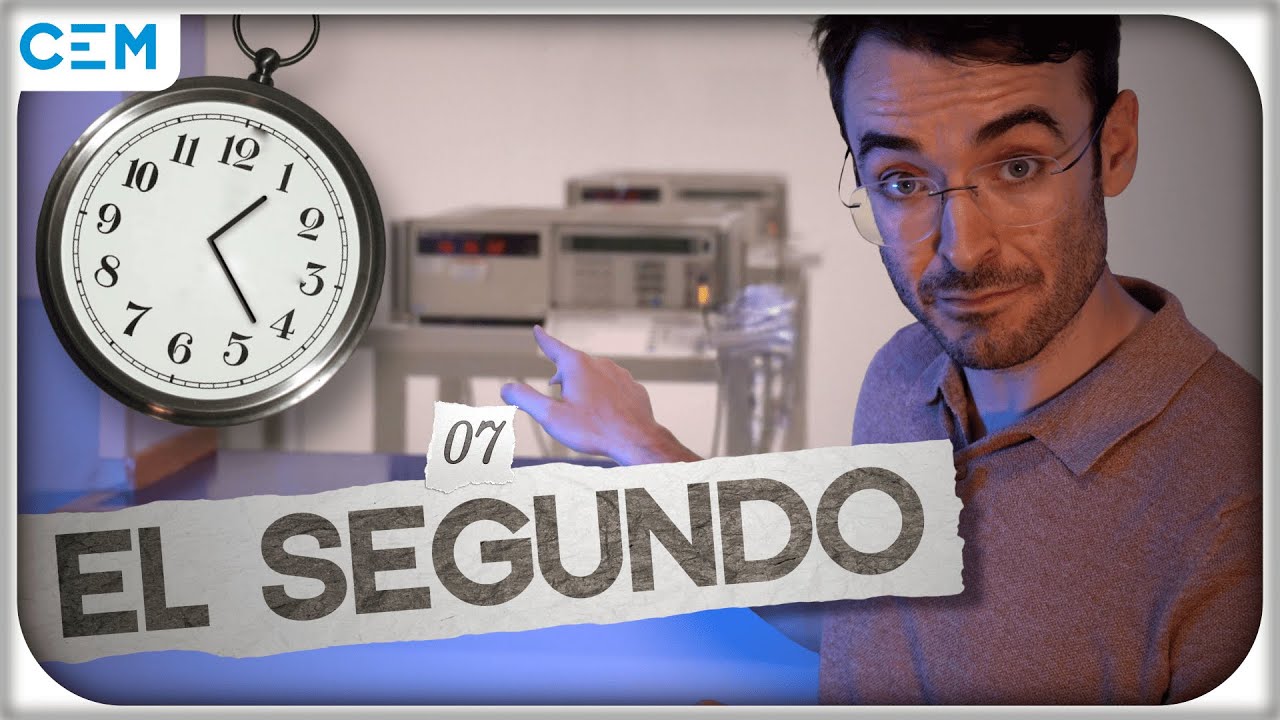
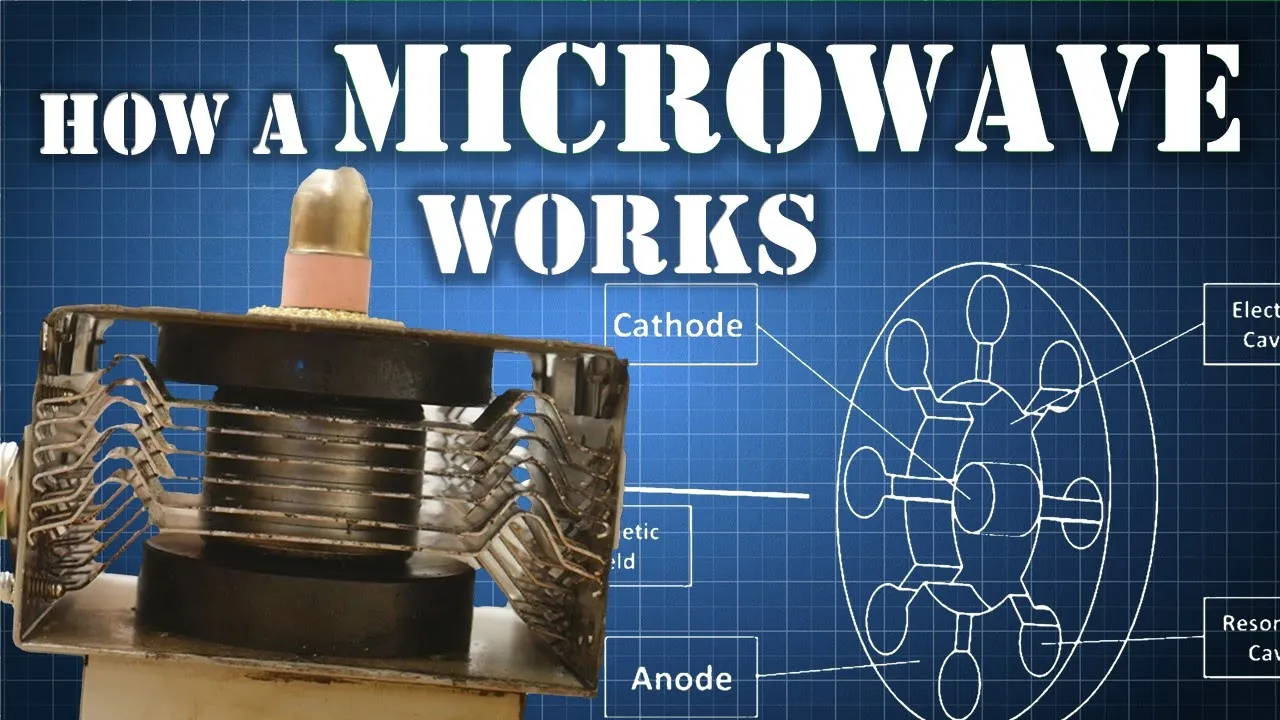
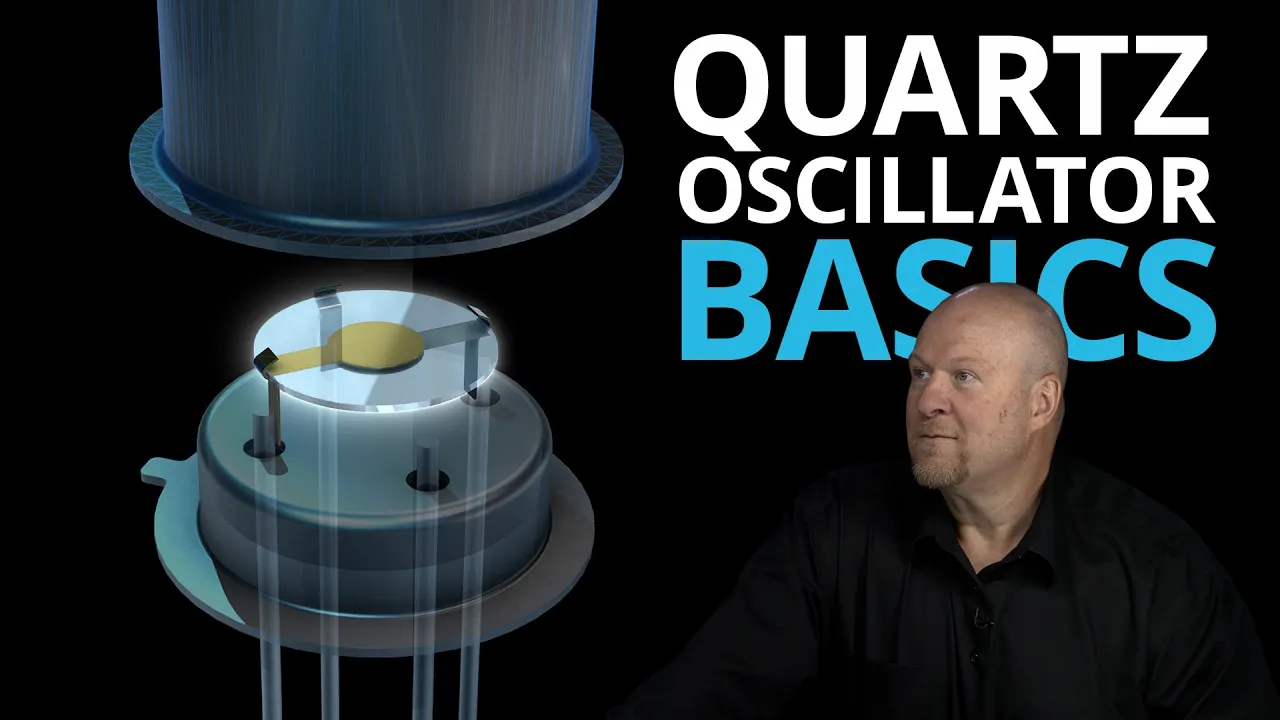
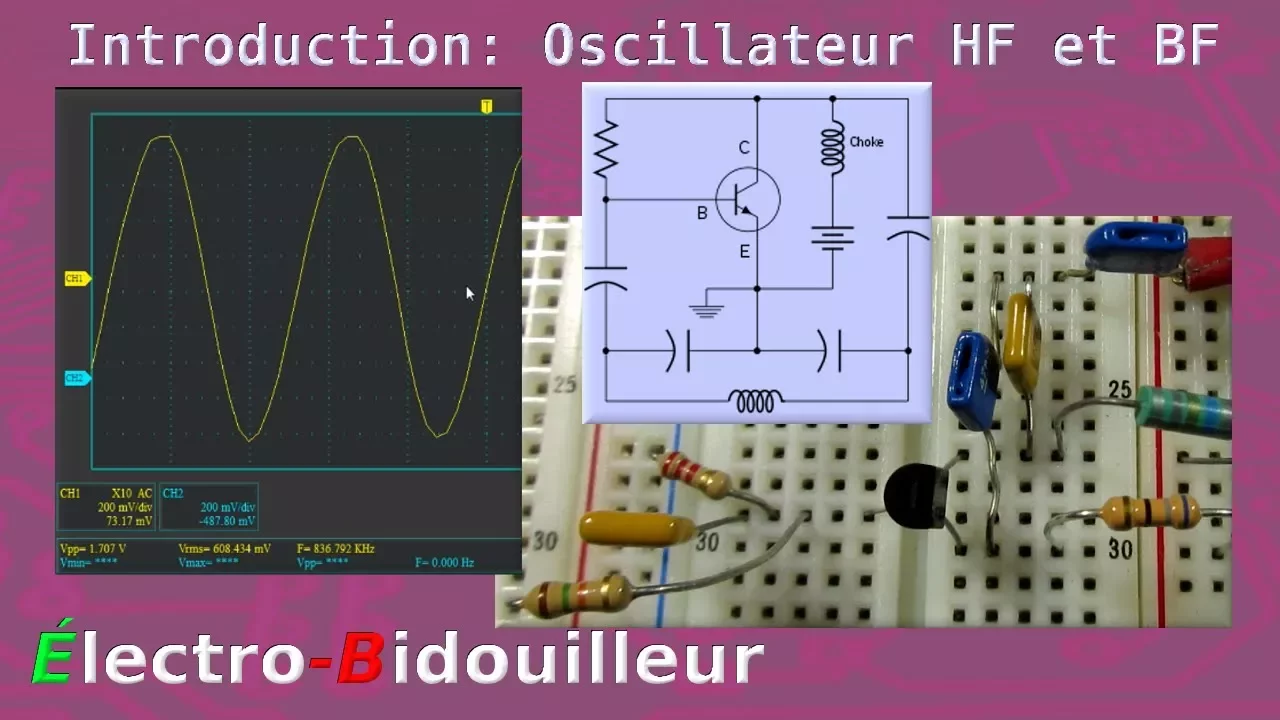
so the day keeps getting better what did you bring Marcel some more heavy things and we have here haha I was waiting for that one visitor from the 60s Oh lelou young a cesium clock from HP the one where they tried to measure relativity on it by having two planes going in different directions basically the second models of 50 60 20 twice the standard and special relativity numbers would be and they were few hundred nanoseconds they were within some relatively small percentage of that yes folks this is the famous clock that was used to check on Stein's relativity theory at the time where the NPS three cesium clock at NIST in Colorado was looking something like this making one this small and that could be bought out of a catalogue was nothing short of a miracle of Engineering since it was small enough to be transported and consumed only 44 watts it could be couple on a pallet with an uninterruptible power supply at the bottom here and an electronic clock and frequency divider at the top and loaded into a plane there were many flying clock experiments beginning by some between 1964 and 1966 conducted by HP with prototype clocks that were used to synchronize time between various laboratory clocks over the world and achieved their worldwide synchronization for the first time but none are as famous as the 1970s experiments conducted by heavily and Keating the scientists reasoned that the clock should be precise enough to directly measure the relativistic effects of time as predicted by Einstein's theory there are two main effects one related to speed that states that time slows down the faster you go and one related to gravity that states that time slows down under more gravity so the flu clocks around the world to check the speed effect and flew them in circles at high altitude to check the gravity effects both results were within a few percent of Einstein's prediction so here's the sixty catalog data 506 1a alright and at the end that's the one and at the end you tell you the price oh wow you do that all by yourself haha how much is the way the cesium doesn't weigh very much ah yes all that stuff can you can you turn it this way yeah there's some goodies under here it's very beautiful inside alright so cover up take a look inside really interesting power cable that you need for these things well it's very annoying if you don't have it you can't invent this so the atomic bombs on the left and the detonator is on the right and we clip the red wire the crypto thing is over a day yes so that's the cesium tube yeah so that I recognized an overdose later I just I just got raided mine in my period meter so that's that's one side does vco2 enough PLL whatever principle cesium clock in this vaporize there's a cesium beam that's created actually this this clump only works for a while because when I got up cesium you're out of luck right so it's rare to have one that actually works and then what do they do with the cesium D there must be a magnetic field and they must split some hyperfine level so and there's a resonance somewhere actually I remembered well and wasn't too far off this thing is literally a hole quantum physics lab in a box which brings us to the grand explanation of how the cesium clock works warning it's pretty heady and even the elevator music might not be able to soothe your brain enough you'll be forgiven if you skip to the 17 minute point where we'll turn it on but then you'll have missed on the incredible physics miracle that happens inside let's start with caesium it's a metal quite heavy that looks like gold and has a very low melting point at 28 C just above room temperature if you could hold it it would melt in your hands but you can't hold it it is the most reactive of all alkali metals which are all pretty nasty it will burn in air and explode in contact with water here's a video from Curry's lab showing what happens with a tiny drop our clock has 7 grams in it which would be enough to make quite an explosion an alkali metal is one that comes from the first column of the periodic table of elements like lithium or potassium cesium is the heaviest so it's all the way at the bottom column one means it has only one valence electron on its outer electron shell and that's the very one we are going to tackle in our atomic clock but before we get there we need to take a detour through spectroscopy and quantum mechanics scientists in the nineteenth century discovered that if you look at the flame of a burning element through a spectrophotometer like this one which spreads the light in a rainbow like a prism would do you get sharp lines in a spectrum which are different for each element astronomers routinely use this to find out what distant stars are made of and that's how caesium was first discovered it had two very characteristic blue lines which color in Latin gave the element its name it took the better part of a century to unravel the mystery of the spectral lines which eventually led to the discovery of quantum mechanics it turns out that our mysterious lines are due to our hot outer electron jumping through energy states that are not continuous but confined to quantified levels when the jump occurs the electron gives off a photon which color depends on the size of the energy step the higher the step the the light as the groundwork of quantum theory was being laid down people were soon able to explain the core structure of the line with good approximation but they were still puzzled by the finer details if you look closer you can observe that many of these lines come in pairs particularly visible in disodium lines this is called the fine structure this riddle was solved by the discovery of the electron spin as the electron rotates around the nucleus it has quantized orbital momentum given the broad structure but it also spins on itself like a planet and has its own spin momentum it turns out the electron spin is also quantized and even more really only two values are allowed these two values create two slightly different total energy levels within a single orbital quantum step hence the line splitting now let's go back to our cesium spectra now that you have learned about a century of physics in five minutes you can clearly recognize the split blue pair but the Dom that we are interested in is at the other end of the spectrum actually in the near infrared it's called a D line split into d1 and d2 by the electron spin but if your head is not hurting yet is going to pretty soon because it does not stop here if you were to magnify this you would see that each of the doublet lines is split even further this is behind fine and it is called the hyperfine structure here is the d2 line hyperfine structure in all of its glory this time in the form of an energy diagram as we have seen the d2 line transition the big energy jump shown on the left is at 852 nanometer in the infrared we are finally getting there our super stable second is hidden in the splitting of the ground state at the bottom this split is now caused by a quantized electromagnetic interaction between the spin of the electron and the spin of the nucleus note that this part of the picture is not to scale the splits are now miniscule so small in fact that they are not in the visible spectrum anymore but in the microwave spectrum do you see your second yet see is where it says nine point one nine two six three one seven seven zero gigahertz exact yes my friend this is what it is by definition not a fraction less or more over Hertz you don't measure the automa with your instrument the atom measures your instrument is just like what they say of our Soyuz clock in Russia you don't measure at home at all measures you I see my Croatian microwave guide right here okay now that we know that our second comes from measuring the frequency of the hyperfine transition of the d2 line ground state of a neutral cesium atom at rest all we need to do is to build a contraption to measure it piece of cake the cesium tube is the heart of the instrument so let's first look at what's inside so this is pretty much a generic view of what a classic cesium beam tube looks like first you have to generate a beam of neutral cesium atoms fortunately cesium melts at a very low temperature so at about 100 see it slowly boils off and I believe it is simply formed into a beam by collimation holes our tube has only six gram of cesium so after the cesium s all boiled off you need to change the tube at 40 K tube this is not for a faint hearted and also why most of the clocks you see on eBay have dead tubes then comes apart lifted out one of the most famous experiments in quantum physics that confirm the existence of spin the stern-gerlach experiment it consists of a magnet creating an inhomogeneous field depending on the outer electron spin the entire atom will be either pulled up or down but here the weirdness of the quantum world is in full display in quantum mechanics there is no middle or intermediate position not even sideways if you measure spin along the direction the electron has to decide from a choice of just to either up or down and always aligned with the direction of measurement so the magnet splits are beaming to each of the beams as only atoms with the same outer electron spin state one of the beams now with all its electrons in the same spin enters a microwave cavity this is fed by a microwave frequency close to the nine point one nine two gigahertz hyperfine transition we saw before that if an electron jumps from a quantum level to another it emits radiation of a precise frequency this also works in Reverse if the electron absorbs a radiation of a frequency close to the quantum level change it will change its quantum level in this case we are attuned to the hyperfine transition so we will change its spin moreover if you hit it right on the head at the perfect frequency you will flip a hundred percent of the atoms note that there is an additional trick used where there are actually two zones of interaction this takes care of the loss of precision caused by the dispersion of velocity of the cesium atoms the further apart the two zones to finer the resonance this is called the ramsey effect and is why the lab cesium clocks have such long tubes but the HP engineers managed to make a very small tube yet only lose about an order of magnitude of precision down from 10 to minus 12 to about 10 to minus 11 which was remarkable at the time there is one more wrinkle to this the C field but this is getting so complicated that this will probably be for another video finally you use another stern-gerlach magnet to select the flipped atoms and a detector to see how many you get and the HP tube uses yet even more wizardry the exit beam is directed toward a hot water ionizer finally getting rid of our precious outer electron now that our cesium is charged we can deflect it with an electromagnet using good ol classic mechanics this time to form a mass spectrometer a slit selects the atoms that have the weight corresponding just to cesium filtering out other stray ions then our ionized cesium atom finally hits a plate kicks off electrons that get multiplied in an electron multiplier and we get our current output phew oh this one is what Agilent that's why it works it still works because you got a recent one they would replace the two tubes prior replaced once or twice or line was reading an 81 Hertz temperature 129 so this one has been no upgraded in 86 is my guess so this is 1968 revised nature sit which is why it works and then you can see where they where they did the vacuum so what you get out of all of this you get an electrical current that varies depending on how close your microwave excitation is to the hyperfine resonance here is a plot of the signal you get out of the tube versus the excitation frequency the several Peaks are interference fringes due to the Ramsey dual cavity arrangement the whole idea of the clock is to servo a voltage control quartz oscillator to the center of the highest peak here is the complete block diagram of the clock an oven stabilized quartz oscillator generates 5 megahertz it is doubled and twice tripled to generate 19 megahertz the 19 megahertz is then fed into a harmonic generator this is a stepped recovery diode placed into a tuned microwave cavity filter the device is extremely nonlinear and creates very high harmonics the resonant cavity selects the 100 second harmonic which produces a signal at nine point one eight zero gigahertz in the meantime a digital PLL synthesizer generates a 12 point six three one seven seven zero megahertz signal it is also fed into the harmonic generator which because it is nonlinear is also a mixer and we finally get our cherished nine point one nine two six three one seven seven zero gigahertz hyperfine frequency approximation but it's not finished yet another circuit has a slight 107 Hertz modulation wobble to the whole thing so we can probe and lock to the peak of the caesium transition as shown here the interaction of the 137 wobble and the peak will generate an error signal in phase or out of phase depending on the side of the peak this is used to feed back to the five megahertz oscillator and bring it right on top of the peak right at the peak the error signal doubles the frequency to 274 Hertz if that happens you're golden you have successfully locked to the hyperfine cesium transition and a magic green lights finally illuminates on the front panel so what do we have synthesizer remote metronome woven controller amplifier sheriff has first movable my PA supplies remind us to more 5k supplies here I see you microwave cavity with an adjustment okay let's turn it on [Music] okay so there's different power procedures depending on how long it's been sitting around in this case we started it relatively recently so they can do the winter so we have the mod switch really that sets up on mode modulation we're gonna set it to open loop to start with okay so that's where the ghost layer just open new products just you over nineteen my other instrument we're gonna set the meter selection on pub one there so we're watch the city okay aha yet another wonderful thing to talk about the iron pump this is a big reason why this instrument is so small and portable it has an integrated ultra-high vacuum iron pump it is connected to the green and red leads here if the tube is not constantly pumped various impurities out gas and the vacuum is not good enough the iron pump has a key technology license from variant a company down the road from HP it's worth an entire video also but let's just simplify in describing it as a clever way to continuously sputter an iron getter inside the tube you can read how much it is pumping by measuring the current going through it here Marcel had been running it for a day so the meter is already close to zero so the first thing we got here is the alarm lights on wall it's heating up this is showing very little activity here right now maybe because we just ran it recently so supposed to let it sit for about a half hour 45 minutes what we should do is hook this up to our counter freerunning signal okay I can can do that so this one is smack at ten thousand thousand so it's it's um this is GPS my GPS clock moving from the outside because nowadays you of course should take advantage of the cesium clocks in orbit around the Earth and a simple $100 GPS discipline oscillator should give you a similar precision actually we better check as there are no specs on these eBay things but that may also be for another video so I'm going to put the output of the clock which is only five makers in out of ten to the counter and we go so freerunning in the oven you're low it's so warming up don't wait a bit right but it's not locked yet right so it's justice Ovilus later and it's probably not at temperature yet it takes twenty minutes or something so we let it sit for a while when we came back the next maneuver was to tune it manually over to Ramsey peek and see if we can bring it close to the highest one if you are not careful you can lock on one of the sight peaks and get the wrong frequency so right now we have some some beam current here huh huh and we're adjusting this course control and watching our meter and we're trying to find the piece oh and you an arm went off while you were passing through pretty happy and it got to five meters down here there looks pretty good actually we'll take those are and and look at look at the frequency it's put it almost at operate inside megahertz if we're lucky just slicing you out and this light should go on oh yeah went off going on yeah I sort of missed it but the green light came on and we are locked to atomic time and we have this slightly disagree well I think no I'm not on GPS anymore I'm driven by the oven so let's let's clock this one with GPS there you go now we agree so we can do a little accession curve they should show phase one right face stability okay here we go drift we're going to make cool he says shoot patterns and see if that works so I have two ten megahertz from the GPS over here and I have the five megahertz from the cesium clock over there and they should be in phase and not moving ah later oh yeah and then you should be able to see it on the researcher pattern and that notice here Wiesenthal time mode XY it's slightly slightly slightly drifting the I think the the the the last time it was centered yes see if it well he could go to dinner and see if it has moved any in face so they are totally independent clocks right and there at ten megahertz which is not perfectly slow well ten and five and they're all right now that we have Marcel cesium clock running in like a running real well and we can do a little bit finer calibration so here is the HP five three three four be with the oval quartz and it's showing five megahertz with all the zeros however when I do is Lisa shoe curve which is basically the clock on one axis coming from this and the clock on the other axis coming from that it's spinning a little bit so they are not I just met here maybe wait a second Oh interesting yes right now yes [Music] so that was a pretty good lesson the eBay GPS do was at least a few tons of hers off even though it showed the green locked light it progressively countdown after an error but now I don't trust it so much anymore yes [Music] there we go oh yeah we'll see for a fraction of a second I can have caesium cut precision with my counter all right so okay so all of our standards mostly agreed and we can test the the poor clock here which is completely odd shall we
Up Next

4:22
How GPS Works: The Role of Relativity and Time Dilation
@ScienceMundi
171 views•2025-11-08

12:53
21cm Hyperfine Transition in Neutral Hydrogen: Radio Astronomy Basics
@AaronRobertParsons
12.4K views•2011-10-13

32:32
NMR Spin Physics I: Zeeman Effect, Resonance Condition & Larmor Frequency
@nptel-indianinstituteofsci8064
2.3K views•2024-01-17

27:14
Entropy and the Second Law of Thermodynamics Explained
@veritasium
27.5M views•2023-07-01
Related Study Plans & Knowledge Roadmaps
Structured learning paths in Physics
physics
Nuclear Physics (Decay, Fission & Reactors)
01Atomic Structure and the Binding Force
02Radioactive Decay and Half-Life
03Nuclear Fission Mechanics and Chain Reactions
+ 2 more learning modules
12h5 modules
Explore Roadmap
physics
Soft Matter (Polymers, Colloids & Rheology)
01Foundations of Soft Matter & Thermal Forces
02Polymer Physics and Macromolecules
03Colloids, Surfactants, and Self-Assembly
+ 2 more learning modules
38h5 modules
Explore Roadmap
physics
Analytical Mechanics: Lagrangian & Hamiltonian
01Mathematical Foundations: Calculus of Variations
02From Newtonian Mechanics to Constraint Dynamics
03The Principle of Least Action & Lagrangian Mechanics
+ 3 more learning modules
28h6 modules
Explore Roadmap
physics
General Relativity (Spacetime & Cosmology)
01Foundations of Relativity: Special Relativity
02The Geometry of Spacetime: Equivalence Principle & Curvature
03Einstein's Field Equations: The Mathematics of Gravity
+ 2 more learning modules
55h5 modules
Explore Roadmap