

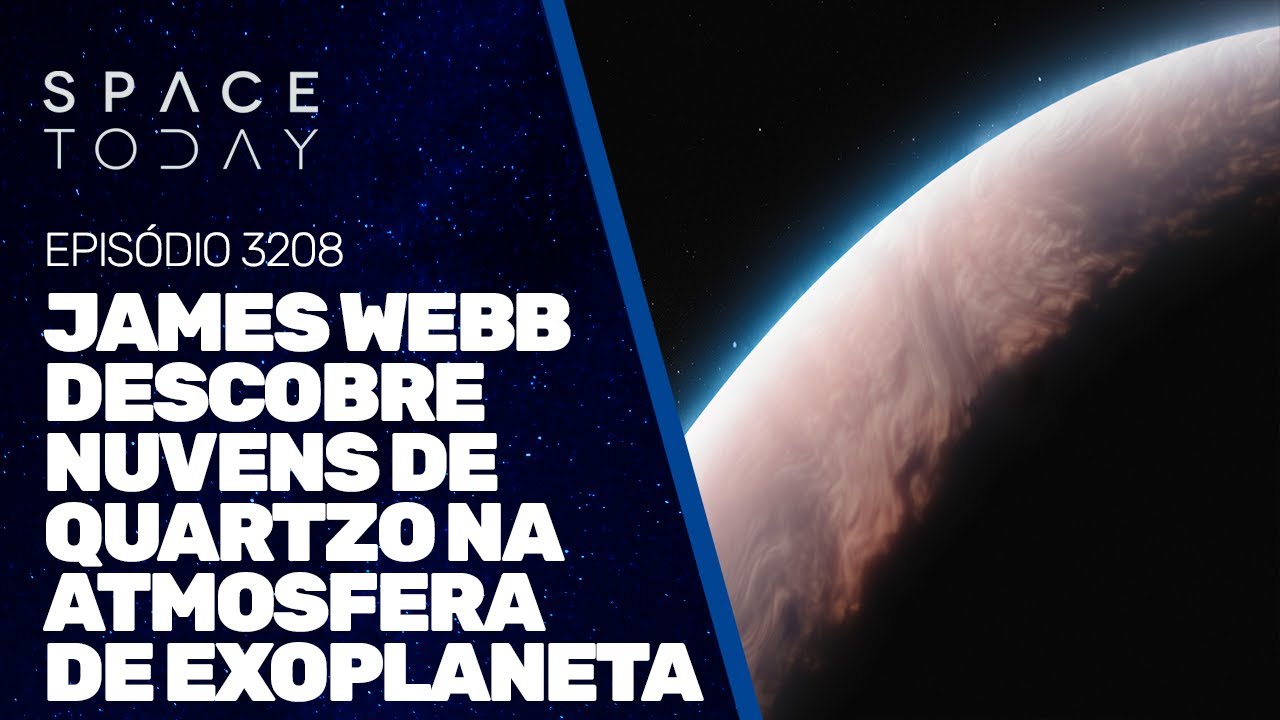




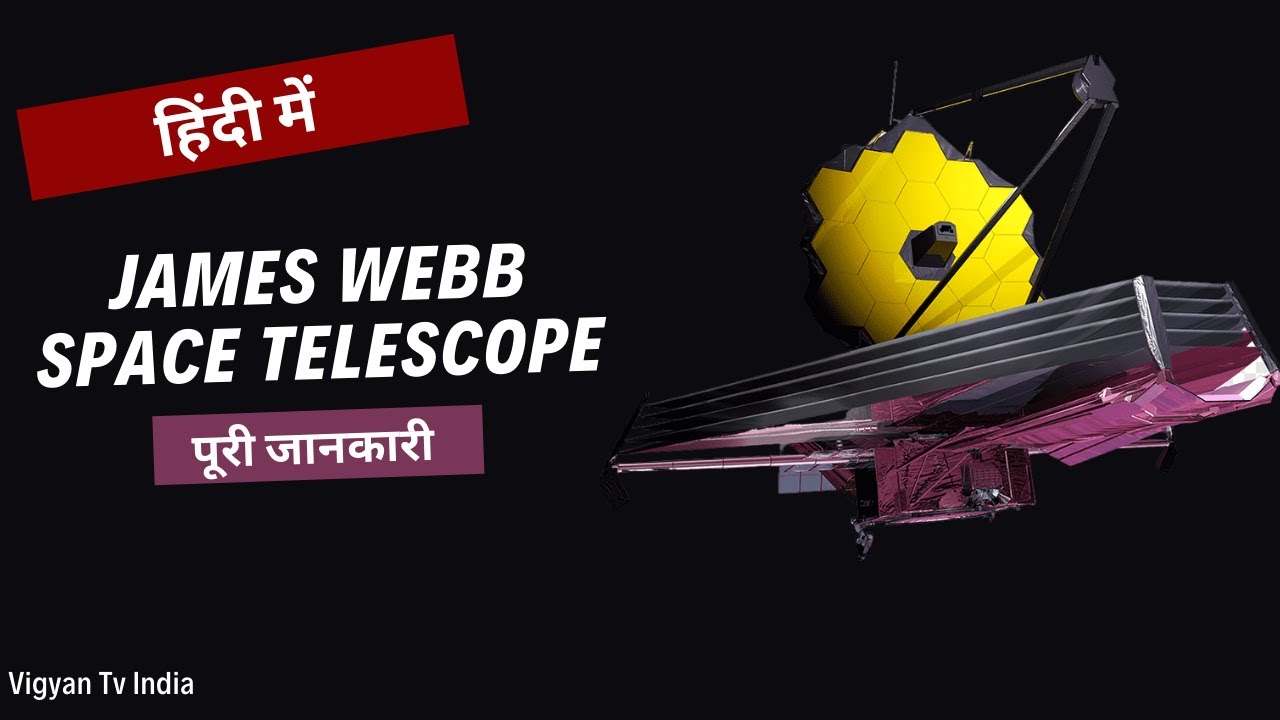














NASA's James Webb Space Telescope has detected the first evidence of photochemistry in an exoplanet's atmosphere, specifically sulfur dioxide (SO2) in the hot gas giant Wasp-39b. This discovery demonstrates that chemical reactions triggered by starlight can occur in alien atmospheres, similar to how ozone forms in Earth's atmosphere. The detection method involves analyzing starlight that passes through the planet's atmosphere during transits, where different molecules absorb light at specific wavelengths, creating a unique spectral fingerprint. This breakthrough proves that JWST can detect complex molecules formed through light-driven chemistry, paving the way for future searches for biosignatures like ozone on potentially habitable exoplanets.
JWST Reveals Photochemistry in Exoplanet Atmosphere | WASP-39b
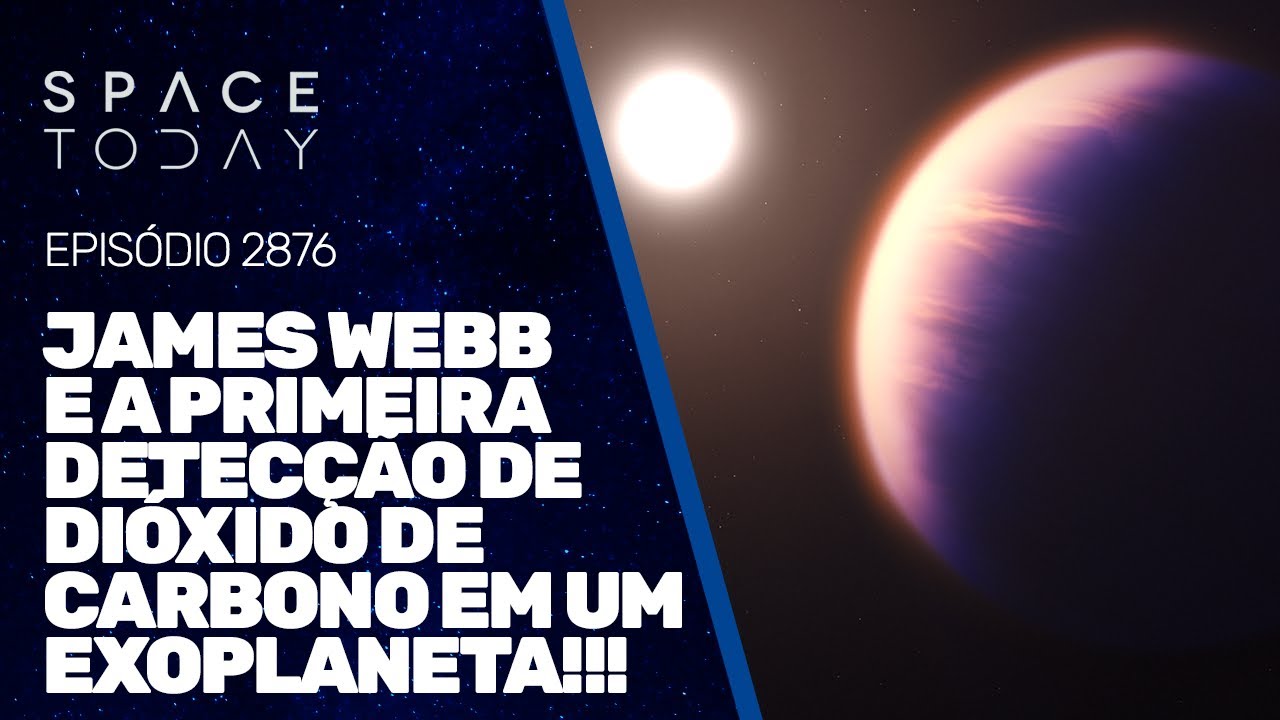
Added:this video is sponsored by Mal science there's been some big news this month with five research papers published and a huge big data dump from jwst on the exoplanet wasp 39b now this work was part of jwst's early release science program or ERS that was always designed to be like a proof of concept for what jwst was capable of in the varying different fields like exoplanets and high redshift Galaxy studies but in this work with wasp 39b we also got a surprise as well with the very first evidence of photochemistry in an exoplanet's atmosphere that's chemical reactions going on in a planet's atmosphere that are triggered by Starlight now we're going to chat about why that's exciting why this planet specifically was picked for the early release science program and yet to a scientist that's an author on all five of the papers published so let's go ahead and dive into this first of all the planet wasp 39b is a smidge bigger than Jupiter but has the mass of Saturn and it's orbiting around a sun-like star at only five percent of the earth sun distance so if we compare that to the solar system that would be well inside the orbit of mercury which orbits at 40 percent of the Earth's on distance not five percent like wasp 39b so as you can imagine this planet it's incredibly hot it's estimated temperatures around about 800 degrees Celsius now the star that it's orbiting around wasp 39 is about 700 light years away in the constellation of Virgo but if you were hoping to be able to you know go out into your back garden and look up and spot this star it is too faint to be able to see with the naked eye you would actually need a telescope with a mirror that's at least six inches or bigger to be able to spot this one and I was study by Hannah waitford and collaborators back in 2018 that was done with Hubble Space Telescope data and Spitzer Space Telescope data revealed that there was water vapor in the atmosphere of wasp 39b and this signal was very strong what they do to get at this data is they wait for the planet to pass in front of its star from our perspective here on Earth something known as a planet Transit and they isolate the tiny little bit of Starlight that's passed through the planet's atmosphere and they look to see where certain colors or wavelengths of light are missing in that light because molecules in the planet's atmosphere have absorbed them each molecule has its own specific fingerprint that it leaves on like its own specific wavelength that it absorbs light at so if you then plot how much light has been absorbed against the wavelength of light that you're receiving you get this Collective fingerprint of all the molecules in the atmosphere of that planet so for this study by weightfit in 2018 you can see the signature of water is very strong even with Spitzer data which is not as high resolution as jwst and this was actually one of the reasons why this planet wasp 39b was chosen for jwst's early release Science Program because it had this incredibly bright known water feature in its atmosphere that they could go and look for to test jbst one of the other reasons is because it's orbiting so close into its star which means that its year is only 4 Earth days long it takes four Earth days for it to fully go around its star now you probably get an idea of how close this really is and how fast it's moving as well what it means is that these transits where the planet passes in front of the star from our perspective occur more often so you've got a better chance of spotting one of these things you don't have to wait around for an entire year to be able to spot it again it's also a very puffy planet right its diameter is bigger than Jupiter's but its mass is much less than Jupiter it's only about the mass of Saturn which means it's much less dense its atmosphere is therefore much larger and you've got more chance of that light being absorbed by molecules as it passes through the atmosphere and therefore you get a much stronger signal another reason why it was chosen is because the star it's orbiting around wasp 39 is a fairly quiet stable star its brightness doesn't vary wildly in the same way that the sun's brightness is fair really constant that's not true of All Stars you can have a pulsating or a variable star where the brightness changes over time making picking out a Transit where you have a drop in brightness due to a planet not star variability that much more difficult so this is why what 39b was chosen as one of those first acts of Planet candidates for jwst to observe when it came online back in July it was a stable bright easy to identify planet with a known water absorption feature in the Spectrum this is what the ERS was all about right it was getting the data that could benefit the whole astronomy community so that they could very quickly learn you know how jwst instruments worked how they behaved what they were capable of and crucially what their limits were as well so that's what four of these science papers were wasp 39b observed with three of the detectors on board nearest near Cam and two different ways of using neospec to split the light into its component wavelengths each paper showcases what each of the instrument is capable of and what is not capable of to the community and it allows them to plan for future observations on trickier exoplanets where they're fainted perhaps the star is more variable but we also got some science surprises too from this day so one was the confirmation of detection of carbon dioxide for the first time in an X upon its atmosphere that was first announced back in August by NASA but we'd all been waiting for the the write-up of that data analysis to confirm that but then we also got the detection of sulfur dioxide which got people the most excited but before we get into the Gory details of why that detection of sulfur dioxide is exciting if there are any kids or parents watching I've got something for you so if you want to know more about planets and their atmospheres why not try recreating one at home with a Mel say science kit maoscience is a subscription box service that provides monthly physics and chemistry experiments for kids and the one I've been sent to play with this month because I'm a big kid is all about gas giant planets in it you get to recreate some of the swirl patterns we see in the atmospheres of Jupiter and Saturn with what's known as a gorilla scope and learn about convection and heat transfer in the atmosphere of the Sun and these planets all of these processes are likely to be going on in the atmosphere of wasp 39b as well plus you also get virtual reality content on top of the physical experiment in the male VR app you can even ditch the written instructions and get a real scientist to guide your kid through the experiment with interactive instructions with each subscription you get two to three new experiments delivered to your door every month with delivery to over 40 countries around the world so if you've got a kid in your life that you know would love a male science experiment kid check them out over at melscience.com or you can click on that link in the video description down below plus the code Dr Becky d r b e c k y will then get you 50 off the first month of your subscription a perfect Christmas present for any budding young scientist out there so thanks to mail science for sponsoring this video and now let's get back to wasp 39b here is that Fifth and final paper released this week detailing that first detection of sulfur dioxide in an exoplanet's atmosphere you can see here how there's an extra bump next to that big bump that's been labeled as carbon dioxide or CO2 showing there's just that little bit more absorption at this wavelength that's due to sulfur dioxide so the gray points here are the data that's been collected using the two different neospec modes and the colored lines are models of atmospheres containing all of the molecules detected but at different temperatures and mixing in different ways with altitude I think you can see it a little bit more clearly in this figure that if you remove say carbon dioxide from the model as in the yellow line there you don't reproduce that big absorption bump that you see in the data and then if you remove sulfur dioxide from the model of your atmosphere like you can see in the magenta line you don't reproduce that smaller bump next to it now sulfur dioxide on Earth or Venus or on iO one of Jupiter's moons comes from volcanoes the majority of sulfur-containing molecules do like hydrogen sulfide for example H2S that smells like rotten eggs if you've been to a volcano you'll know what I'm talking about now in the gas giant planets like Jupiter and Saturn and wasp 39b which are primarily made from hydrogen because hydrogen is the most abundant element in the universe the majority of the sulfur is found deep down in the atmosphere as hydrogen sulfide the eggy gas but if there's a lone hydrogen atom knocking around it can cause the hydrogen sulfide to split apart making sh and then that can also happen again to give you a lone sulfur atom and another molecule of H2 but where did these lone atoms of hydrogen come from because hydrogen in its most stable form is in H2 this molecule of two hydrogen atoms bound together well they were in H2O water vapor but a photon of light from the Star can collide with that H2O molecule and make it split apart into o h and alone atom of hydrogen the sulfur then reacts with the oh to make sulfur oxide and another lone hydrogen atom and then find finally reacts again with another loose o h molecule to make sulfur dioxide that splitting of the Water by a photon of light is called photochemistry chemistry triggered by light and it's the same process that goes on in the Earth's atmosphere to create ozone so not oxygen molecules O2 but o three three atoms of oxygen bonded together it's ozone that protects us from high energy radiation from the Sun and it's key for the survival of life here on Earth this is why the detection of sulfur dioxide a molecule that could not exist unless photochemistry was going on in the atmosphere of wash 39b is so exciting because it shows that it's possible to detect molecules that are made in this way with jwst and paves the way forward for detecting things like ozone in a smaller Rocky Earth-like planet's atmosphere in the future and of course assessing whether life could exist on that exoplanet or not now I find all of this incredibly exciting but it is not my field of expertise so I called up my colleague at Oxford Dr Jake Taylor who is a co-author on all five of the papers published this week to chat about the importance of these results so originally there's only going to be four papers so the four pages were supposed to be each instrument mode and how each mode um could best analyze an actual atmosphere but then we ended up seeing SO2 so we had to Chuck this fifth paper in there so originally each paper um we found different subsets of molecules because each instrument mode observes unique spectral um spectral ranges um but they also overlap so we could verify what we're finding with each instrument mode so for example with nires sauce which goes from 0.6 to 2.8 microns we can really capture part of the optical and then into the infrared and in the optical area we have sodium and potassium whereas an instrument such as near spec and g395 which focuses on three microns or five microns we can't see those molecules so we're really utilizing multiple instruments to find multiple different species was there like a Eureka Como slack possibly but the work was led by your colleague in Oxford right so were you around for that sort of oh my God that was what that is so we worked in the ERS community in a very collaborative way but one thing we did do is to not bias each other we didn't share the Spectrum with each other for about a week so each team individually works on the Spectrum themselves and tried to extract the information and what we found When comparing is every single person's reduction had this mysterious bump and that was the oh my God what is this moment and then all of the atmospheric modelers and chemists were throwing their models trying to figure out what can this be this is our models can't predict this bump what's going on and then so um my colleague in Oxford ran some of photochemistry models and realized that photochemistry is in play in this atmosphere it's producing this SO2 feature and that was just that was the Yuri commitment yeah previous work I've done on Hubble data has taken a year to go from start to finish but from this we've managed to write five papers in the span of two to three months we got off our first observations at the beginning of July we got our last observations end of July we're now end of November so really it's been we worked all through summer to try and get this done so everyone in the community can see how amazing the spectrum is and then they can plan for cycle too they can now plan their own proposals based on what we find why from an exoplanet scientist perspectives photochemistry is so important to you there are there are a few reasons um the first reason is more specific to exoplanets and basically by finding this photochemical product we can really get understanding of the interaction of molecules in the atmosphere and then we can understand how much of certain molecules there are and this can tell us if there's an enhancement in the atmosphere of certain molecules and this can then tell us how a gas giants form and what we understand these sort of processes we can then figure out how our own gas giants form because we don't know and so these are the first steps in understanding these things the second reason is similar to what happens in Earth um Ozone is formed from the same chemical processes photochemistry and so if we're now seeing in other planets outside the solar system this gives us really good hope that's happening in terrestrial planets that could have similar atmospheres to Earth itself and so it's a really good stepping stone for this it's it's incredible so what is the future do you think both I mean jwst in terms of the exoplanet Community but then also for yourself as well like what research are you hoping to do next I know everyone loves to say small planets treasure planets but I really love the Big Planets so I've tried to explain it in a few ways first of all these really big hot planets have clouds but the clouds are made of metals they're made of sand they're made of these materials that are solids on Earth but they're in like vapor and gaseous for the gaseous form in those planets and they condense so some planets could rain glass it's just these extreme Laboratories that we can study and understand really extreme physics I just I love that um one thing that I'm currently working on which is um really interesting is I'm part of a Geo program which is a guest Observer program and we're studying the phase curve of GTA 1214b so a phase curve is we observe the planet from its entire orbit around the star and gj1214b has been the most extensively studied planet um to date using HST Spitzer and other telescopes but all our results show um a flat Spectrum so basically it's either got a really heavy atmosphere or it's really covered in aerosols and clouds but the but there's sunlight so what happens is because the um the aerosols would be so lofted high in the atmosphere that it just blocks all the light completely so at every single wavelength um All of the Lights being brought equally and so it just Flats um but Mary lrs which is the mid infrared you can see through Haze because the particle size has become really small and so you can see through this Haze I mean can now look see what the atmosphere is like so we had this program and we're currently looking at it and it's really exciting so far so hopefully that should be out soon as well and then trappiest Trappist we're doing Trappist oh so you so you're involved with Trappist as well yeah so right now we're looking at trappiest 1B which is the innermost planet in the Trappist system so it's a little bit hotter than the other one so it's just outside the Goldilocks zone so we're not really expecting it to have life but it's still really interesting to characterize because if we can understand how different planets in the same system and how the atmospheres vary we can really understand how like the formation of these systems how they vary as a function of distance from its star gonna need a lot more PhD students to help exactly that was Dr Jake Taylor at the University of Oxford and I'm sure you'll join me in saying a big thank you to Jake for giving up his time to chat to us that was a heavily edited version of our chat if you want to catch leaf or 15 minute version of our chat I'll be posting that in the next couple of days on my channel so look out for it so as we heard from Jake there's so much more still to come from jdbst and it's exploration of other worlds and you can bet when those results drop I'll be explaining them here on my channel so make sure you subscribe so you don't miss out on those but for now you know this week's results are just one more step along a very exciting Road it also orbits really close into its star so it's all but it's really short it only takes about four Earth years to do one no not 40 years date and if you remove sulfur dioxide from your model of the exoplanet's atmosphere which you can see in that sort of pinky purpley pinky purple is that pink or purple line it's magenta magenta I can use fancy words so I called up my colleague at Oxford Dr Jake Taylor that is a motorbike outside all your mind [Music] we've had so many good weeks where you haven't been here how are you still how are you still making a noise how are you not gone by now he comes back crying in His Cadillac he says it's from photo chemistry but oh honey it's so 203.
like these weird little songs make me so happy
Up Next

JWST Captures the Most Detailed Spectrum of an Exoplanet
@DrBecky
281.7K views•2023-03-30
First Billion Years of the Universe with the Square Kilometre Array
@iaaudc
121 views•2022-05-26
JWST Finds Evidence for First Stars in Universe
@DrBecky
243.6K views•2024-04-04
Gamma-Ray Bursts: Cosmic Snipers Explained | Astronomy
@kurzgesagt
15M views•2016-07-31
Related Study Plans & Knowledge Roadmaps
Structured learning paths in Astronomy