

















The James Webb Space Telescope has captured the most detailed spectrum of an exoplanet ever taken, revealing silicates (sand-like particles) in the atmosphere of VHS 1256b, a massive object orbiting two stars that sits on the boundary between planets and brown dwarfs; this spectrum also shows variability caused by dusty clouds and storms, and will help scientists determine whether VHS 1256b is a planet or a failed star by searching for deuterium fusion signatures.
JWST Captures the Most Detailed Spectrum of an Exoplanet
Added:The fundamentals of astronomical spectroscopy, specifically how analyzing absorption and emission lines in electromagnetic spectra reveals the chemical composition of distant atmospheres.
The basic classification of substellar objects, including the distinction between giant gas planets and brown dwarfs (often termed 'failed stars').
The operational capabilities of the James Webb Space Telescope (JWST), particularly its optimization for high-resolution infrared astronomy.
Basic concepts of planetary atmospheres, such as pressure, temperature profiles, and how cloud formation differs from Earth's water-based meteorology.
The dynamics of exotic exoplanetary atmospheres, including the physical mechanisms driving silicate-based dust storms and atmospheric mixing on high-gravity bodies.
The methodology of searching for biosignatures and habitability indicators in the atmospheres of rocky exoplanets using transmission and emission spectroscopy.
Theoretical models of star and planet formation, specifically exploring the boundary conditions (such as the deuterium fusion limit) that separate planets from brown dwarfs.
Future space missions and advanced direct-imaging techniques designed to capture spectra of smaller, Earth-sized exoplanets orbiting in habitable zones.
281.7K views12Klikes10:31Original Release: 2023-03-30
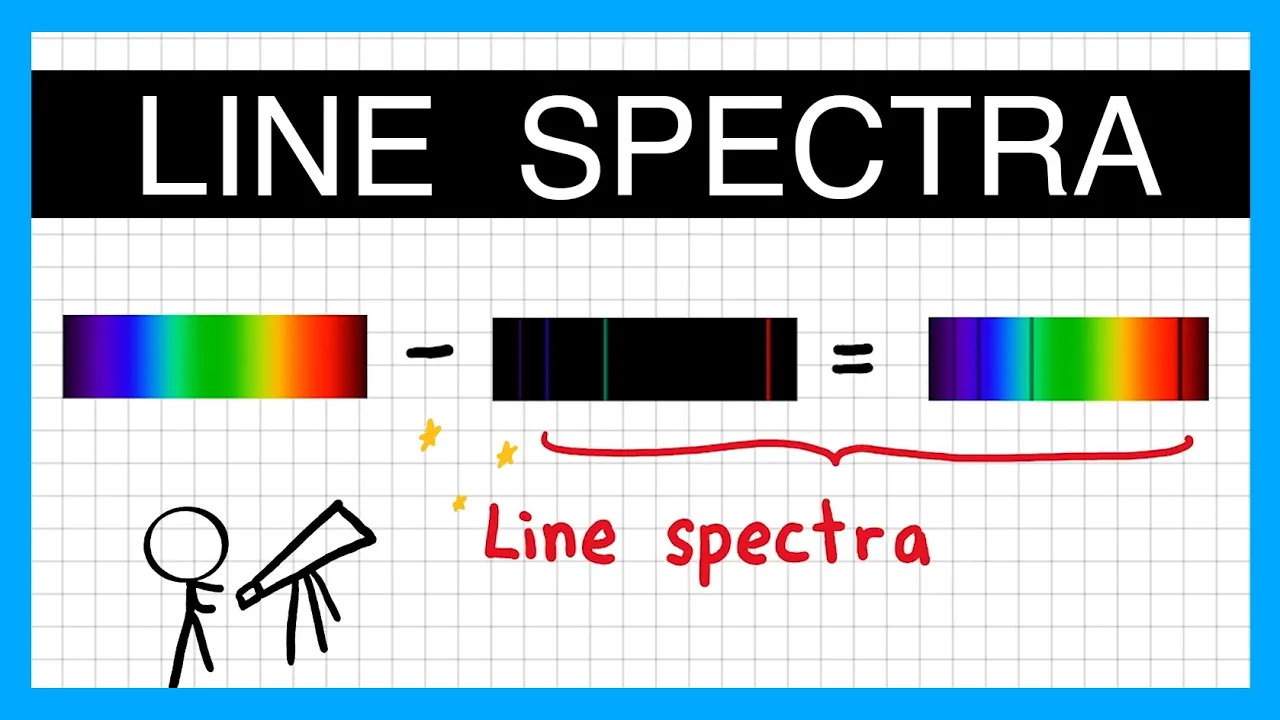
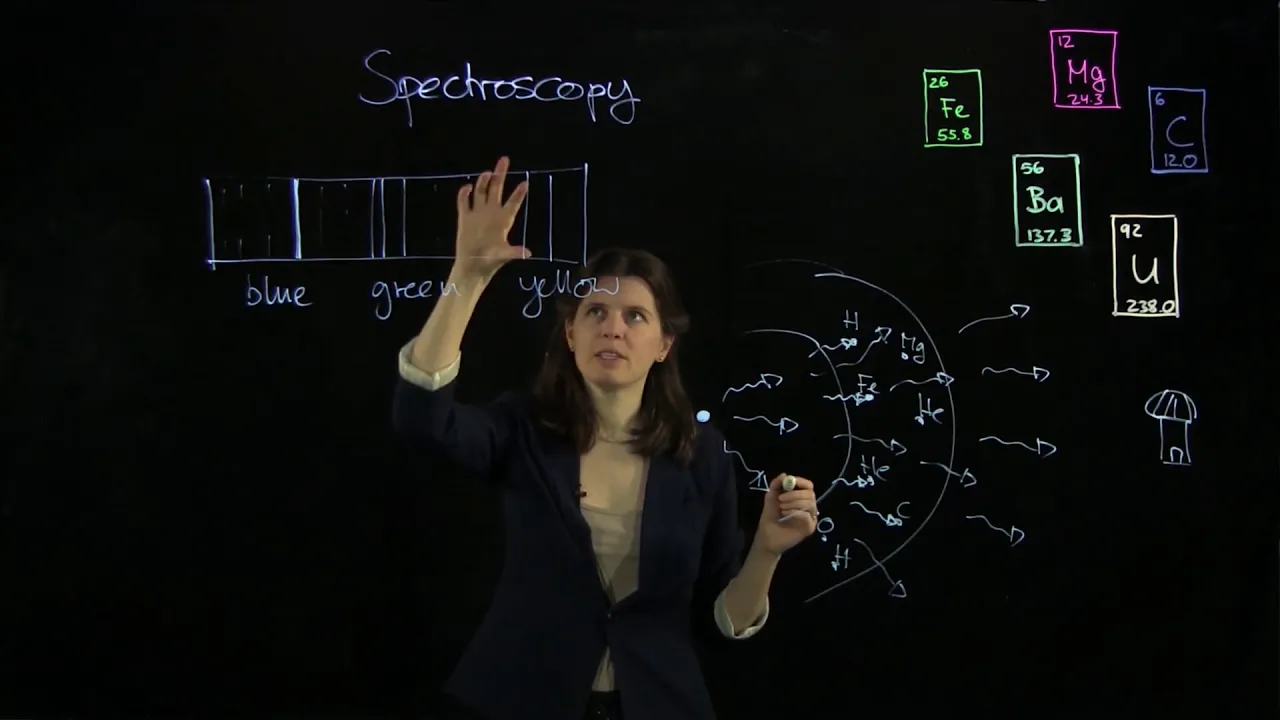
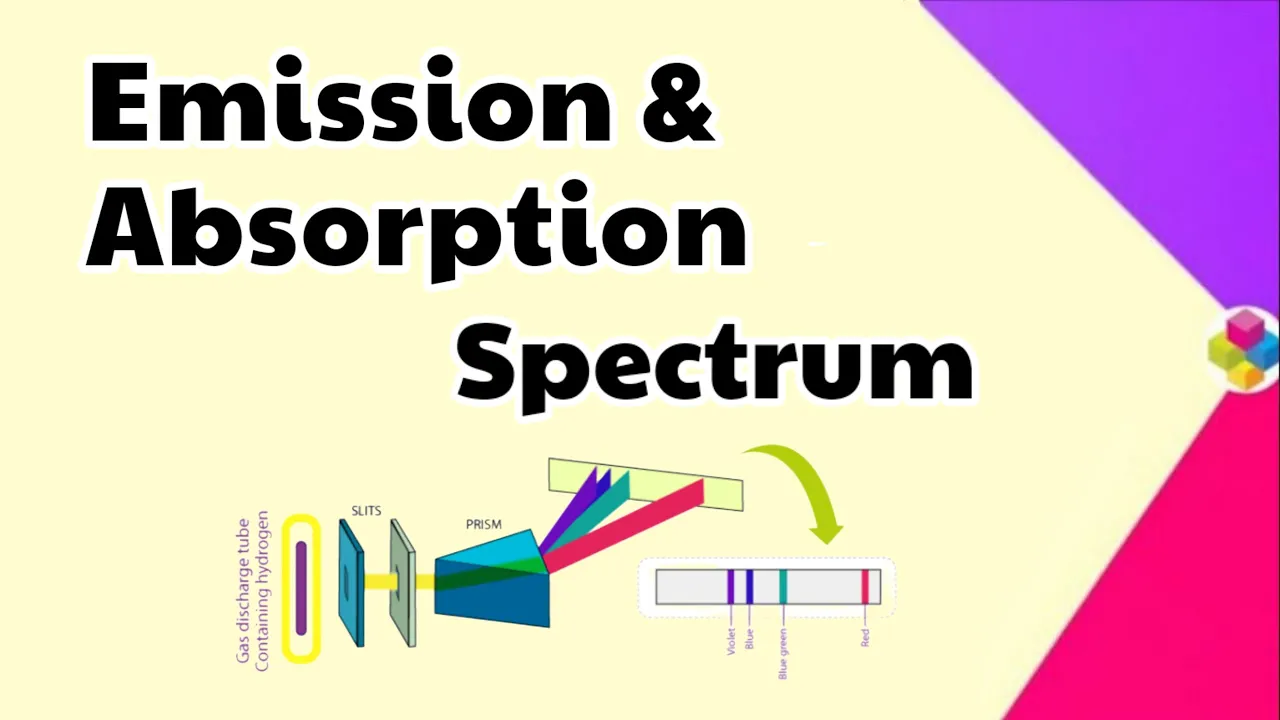
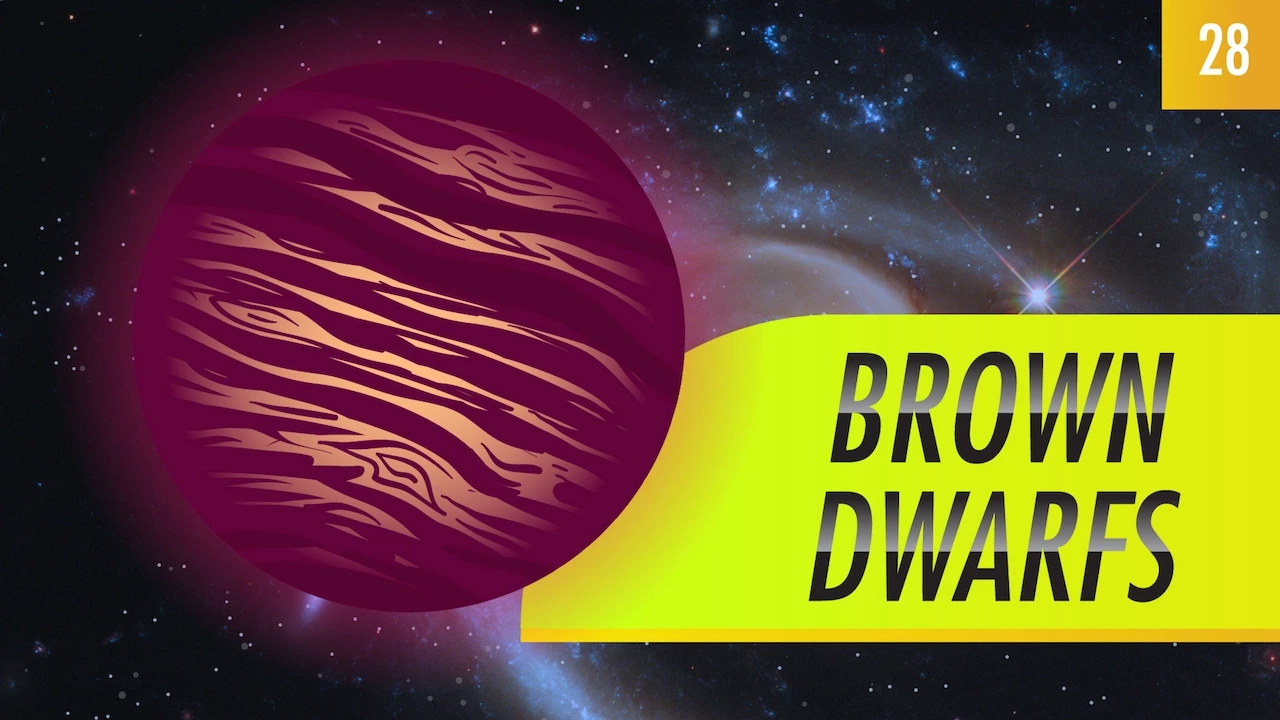
we've got new jwst exoplanet news it's not the trappist-1 data that we've all been impatiently waiting for to see if they have those bio signatures in their atmospheres but we have had the release of the most detailed spectrum of an exoplanet ever taken so let's chat about what this data is what it can tell us and why do we care so the object that's been observed is vhs1256 B which is around 10 to 20 times heavier than Jupiter and it's all between a binary system of stars so not one star like the sun in the center of the solar system but two stars in the middle of this star system and it orbits those Stars around about 150 times the Earth Sun distance now to put that into context that's about four times further out than Pluto orbits the sun and it takes 10 000 years for it to complete one orbit ten thousand years will give you such a crick in the neck now the stars that it orbits are around about 40 light years away and they're both the same kind of stars known as M dwarfs they're actually only around about 64 times the mass of Jupiter each or around about six percent of the Sun's mass so they're much smaller than the Sun and they're much cooler than the sun as well at around about 2 600 Kelvin the stars are actually so faint they were only discovered in 2015 when gaussian collaborators were searching for stars that wobble because they have planets orbiting them and they were spotted in data from the Vista hemisphere survey which is what gives the stars and the planet that VHS name it's nothing to do with video home systems unfortunately so this system's a really interesting one because the stars in the center are the smallest stars that you can get right on the edge of what you would classify as a star versus a failed star with no hydrogen Fusion going on known as brown dwarfs and then you've got a planet right on the edge of the mass of a planet and the mass of a brown dwarf which we think that threshold is around about 13 times the mass of Jupiter the way you distinguish between Planet fail star AKA brown dwarf and then the smallest of stars is that those brown dwarfs actually can have some deuterium Fusion going on in them so instead of hydrogen fusion into helium taking deuterium which is heavy hydrogen and fusing that into a lighter helium you don't quite need the same intense pressures and temperatures for deuterium Fusion like you do with normal hydrogen Fusion so it's a really interesting object to study BHS 1256b so that we can better understand that boundary of when does a planet become so massive that it becomes a failed star hence why an object like this was always going to be chosen for jwst's early release science observations so these are observations taken in the first six months of operation of jwst and after very quick analysis are released to the public essentially to show what jwst is capable of especially so the other astronomers wanting to study Brown dwarfs and very massive planets then have an idea of what they can do with the telescope VHS 1256b was also chosen specifically because it orbits so far out from its star so there's no contamination from the light of the star you can observe this without doing anything fancy like using a Corona graph where you block out the light from the Star completely or where you wait for the planet to pass in front of the star to get what's known as the transmission spec where Starlight passes through the planet's atmosphere since it's so far away from very faint Stars you can just point the telescope straight at it and observe the light from it just like you do with a planet in the solar system for example another reason why it was chosen is because it's also the most variable planetary Mass slash brown dwarf object that we know of with Zhu and collaborators in 2022 finding that its brightness is so variable that it changed by 38 percent in just two years that suggests that this object has a very turbulent atmosphere you know with storms and clouds the likes of which that we see on Jupiter or Saturn causing a change in how much light that object reflects back so Starlight that's reflected off it or how much of the infrared light interior to the planet because it is so hot and dense in there actually escapes through the atmosphere So the plan was to test what jdbst was capable of and observe it with both near spec JD West T's main spectroscopic instrument on board in shorter near infrared wavelengths and with jwc's Miri instrument at longer mid infrared wavelengths both of these instruments take the light from an object split it through a prism into the object's component wavelengths and make a trace of how much light at each wavelength you receive and by doing that you can get the most detailed Spectrum over the largest wavelength range we've ever taken of an exoplanet planet in orbit around another star and it really is just a thing just absurd people in the exoplanets research field are just absolutely raving about this spectrum and all of these lumps and bumps in the Spectrum are Fingerprints of molecules in the atmosphere of this planet that have absorbed or stolen away a bit of light at a given wavelength so once you have this full spectrum of the light that you're receiving from the planet or an object what you can then do is sort of build up like a recipe for what the atmosphere is made of so what combination of these elements and these molecules all absorbing light are these different wavelengths give you what you observe so you know a little bit of carbon dioxide a little bit of water vapor a little bit of methane may be as well so you can see that here in the yellow line in this plot this is like sort of the fingerprint of methane how much light it absorbs at each wavelength which is plotted along the x-axis there then in the black line you can see the data that's been recorded by jdboset or VHS 1256b and you can see those same absorption features that methane is responsible for imprinted on the light that you receive from this planet amongst all of the noise in the data the most exciting feature though is the detection of silicates in the Spectrum so molecules with silicon and oxygen in them which could be so small that they'd resemble you know just like smoke particles or just that little bit larger so they'd resemble more like sand or dust here on Earth which is why I've seen a lot of comparisons of this planet to Tatooine in Star Wars you know it's very Sandy it orbits two stars but Tatooine is supposedly an earth-sized Planet whereas VHS 1256b is anything but it's so big it might not even be a planet anymore but this silicate detection means it's very likely VHS 1256b does have these big Dusty clouds storms may be covering the planet explaining the variability that was seen previously by Jew and collaborators now the paper that's been published this month by Miles and collaborators that made this spectrum public it's just a preliminary study sort of like a first look at what jwst found because this spectrum is so detailed that there's going to be so much more that we're able to pick out of it and I think one thing that the jwst early release science team will be doing or any astronomers studying uh planets and brown dwarfs in that line between them is looking for deuterium or molecules that contain deuterium in the atmosphere of the planet and see if they can spot those fingerprints that give away that they're there because once you cross that Threshold at 13 times the mass of Jupiter ish from planet to brown dwarf AKA failed star you start fusing deuterium into light helium and what that means is that the ratio of deuterium to hydrogen in the atmosphere starts to drop as you start tearing that deuterium into something else and so by trying to work out okay do we have molecules of deuterium in the atmosphere how much of it do we have how does that compare how much hydrogen you have you can actually start to pinpoint okay where is that threshold you know 13 times the mass of Jupiter is just the current estimate that we have but how precise is that does it move around a little bit depending on the conditions you have or the properties of the planet this was something that was actually investigated by Morley and collaborators in 2019 who predicted you should be able to see these deuterium features with jwst so I'm going to be on the lookout for studies that are published trying to do just that with this data that's just been published on VHS 1256 B so make sure you subscribe so that you never miss a video if you want to hear more from the lead author on this paper miles I'll link an interview they did with the seti institute in the video description down below where they talk about about what they found and what they think next with jwst because with everything we've seen so far from jbst in just its first nine months of observations right there's not even that much time for all the projects that I've had proposed for data to actually analyze it and publish it yet even with everything we've seen so far there is no doubt that jwste is going to revolutionize every single area of astrophysics and I for one cannot wait in the switch to put that into context that's four times further out than the Pluto than the Pluto the Pluto hi Pluto and it takes 10 000 years for it to complete one orbit Ten Thousand Years tween Tatooine Tatooine Tatooine Tatooine Tatooine Tatooine have I remember that rightly there's only so many times you can say katowine before you just start doubting that it even exists as a word oh the rain is so heavy outside I really hope this doesn't come across in the microphone it's like hailing like the sound of it hitting the window is insane right now this is why I don't leave the house the planet is super Dusty and I'm gonna get squished
Up Next
8:54
Exoplanet Atmospheres: James Webb Telescope Discoveries
@degreesofscience
665 views•2023-04-25
61:17
First Billion Years of the Universe with the Square Kilometre Array
@iaaudc
121 views•2022-05-26
16:40
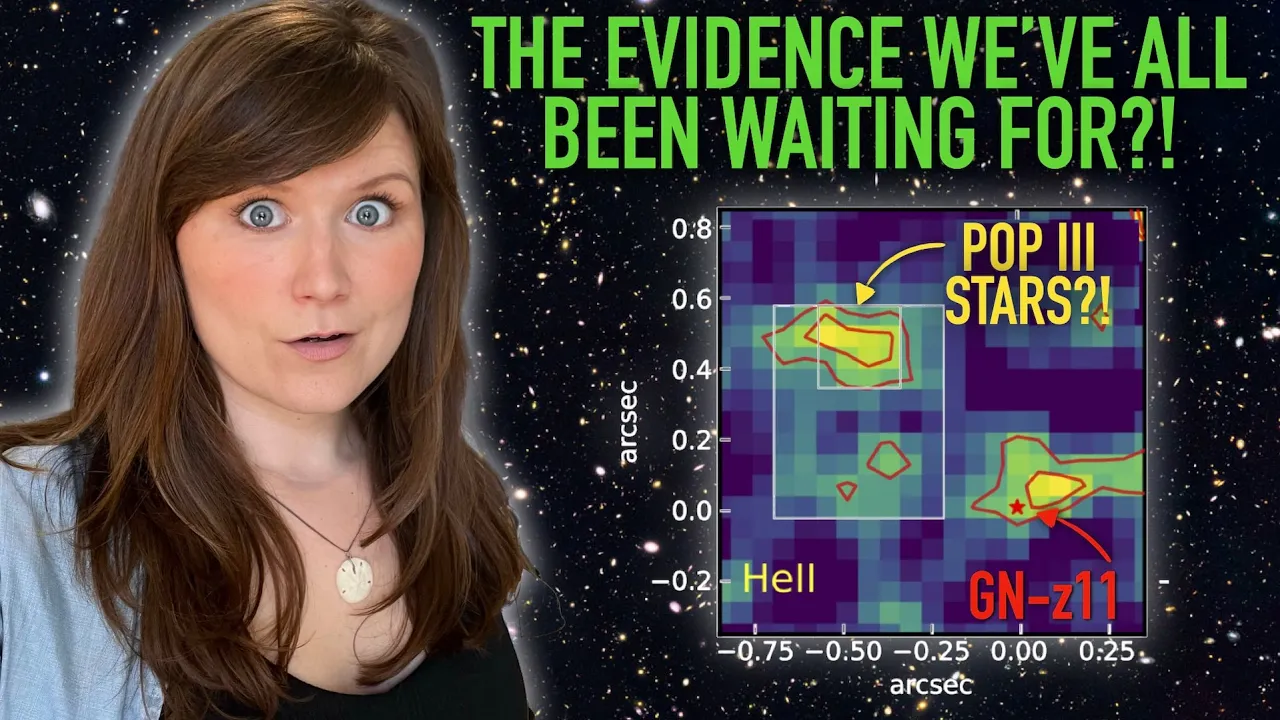
JWST Finds Evidence for First Stars in Universe
@DrBecky
243.6K views•2024-04-04
6:10
Gamma-Ray Bursts: Cosmic Snipers Explained | Astronomy
@kurzgesagt
15M views•2016-07-31
Related Study Plans & Knowledge Roadmaps
Structured learning paths in Astronomy
astronomy
Reionization: Pop III Stars, IGM & 21cm Line
01Foundations of Cosmology & the Early Universe
02Population III Stars & Cosmic Dawn
03Physical Mechanisms of Reionization
+ 2 more learning modules
17h5 modules
Explore Roadmap
astronomy
Planetary Rings: Dynamics, Roche & Resonances
01Foundations of Gravity and Orbital Mechanics
02Tidal Forces and the Roche Limit
03Structure, Composition, and Collisions
+ 2 more learning modules
10h5 modules
Explore Roadmap
astronomy
Asteroseismology: Stellar Waves, Ages & Cores
01Foundations of Stellar Astrophysics & Wave Mechanics
02Stellar Oscillation Modes: P-modes and G-modes
03Mathematical Framework of Asteroseismology
+ 2 more learning modules
35h5 modules
Explore Roadmap
astronomy
Adaptive Optics: Physics, Engineering & Control
01Foundations of Wave Optics and Wavefronts
02Atmospheric Turbulence & Optical Distortion
03Wavefront Sensing Technologies
+ 3 more learning modules
35h6 modules
Explore Roadmap