






![Почему телескоп Джеймса Уэбба превзойдёт Хаббл? [Инфракрасные наблюдения]](https://i.ytimg.com/vi/BpeRs-hJ2f8/maxresdefault.jpg)

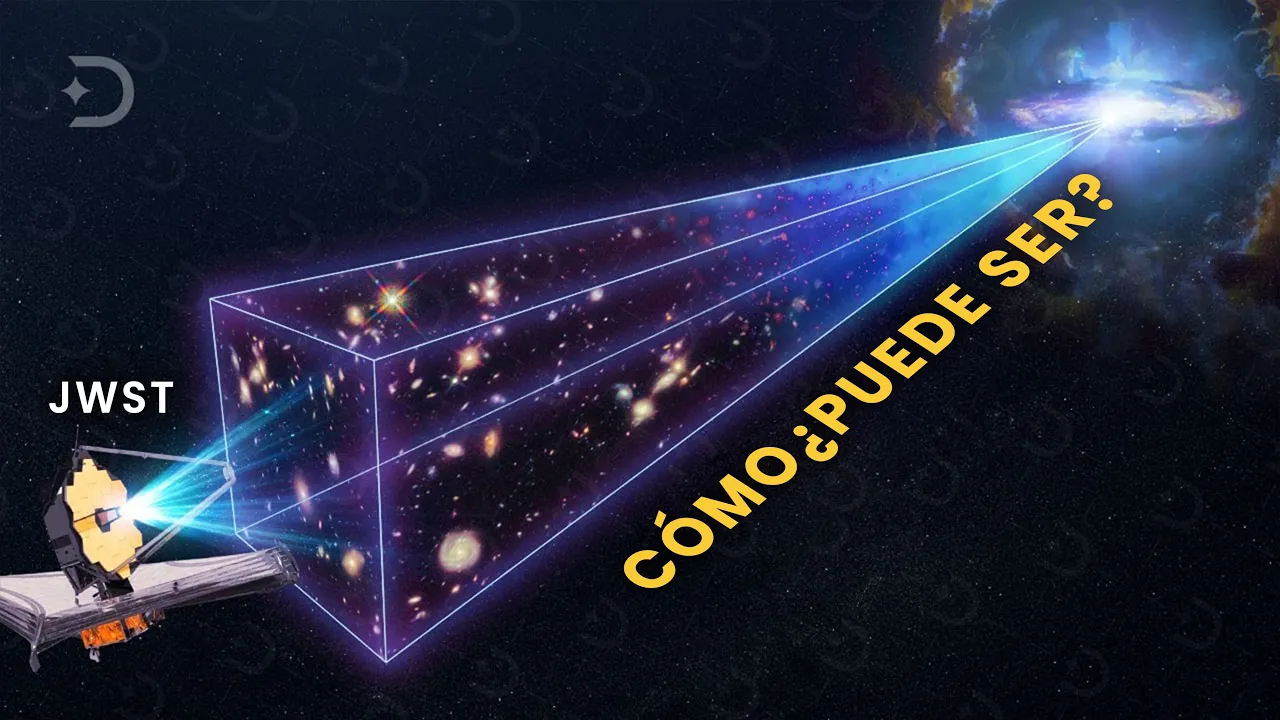






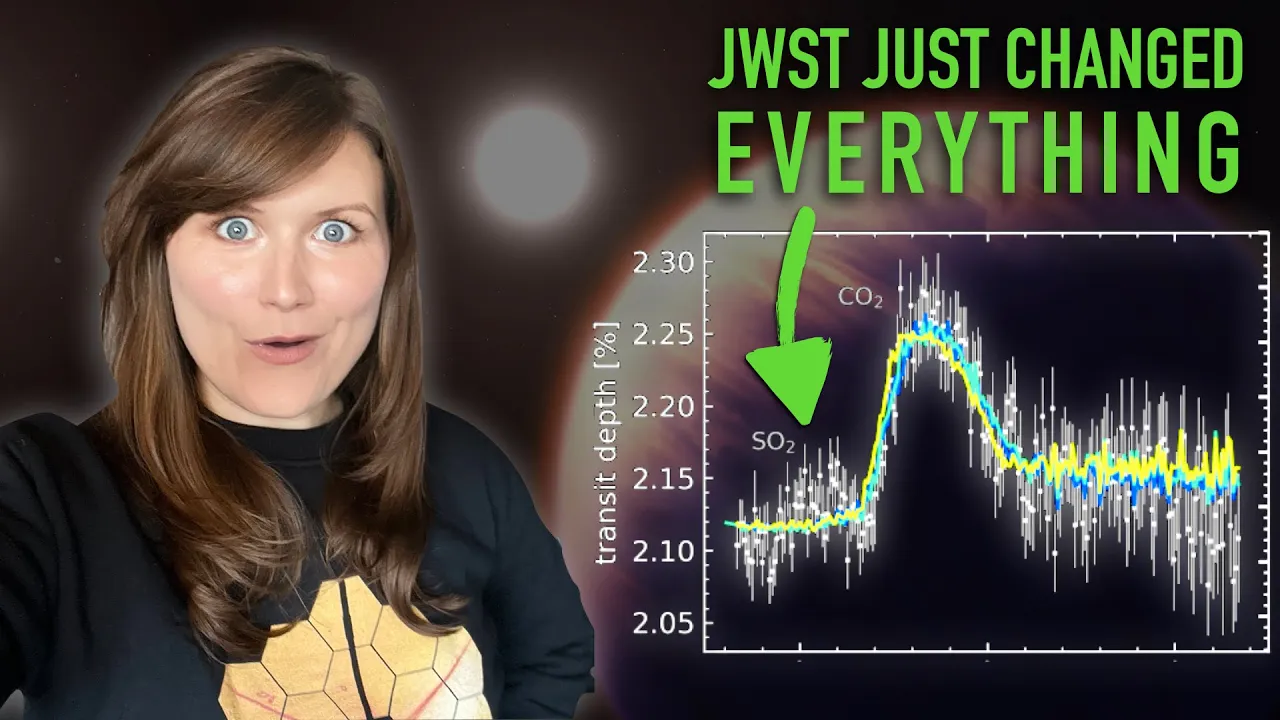


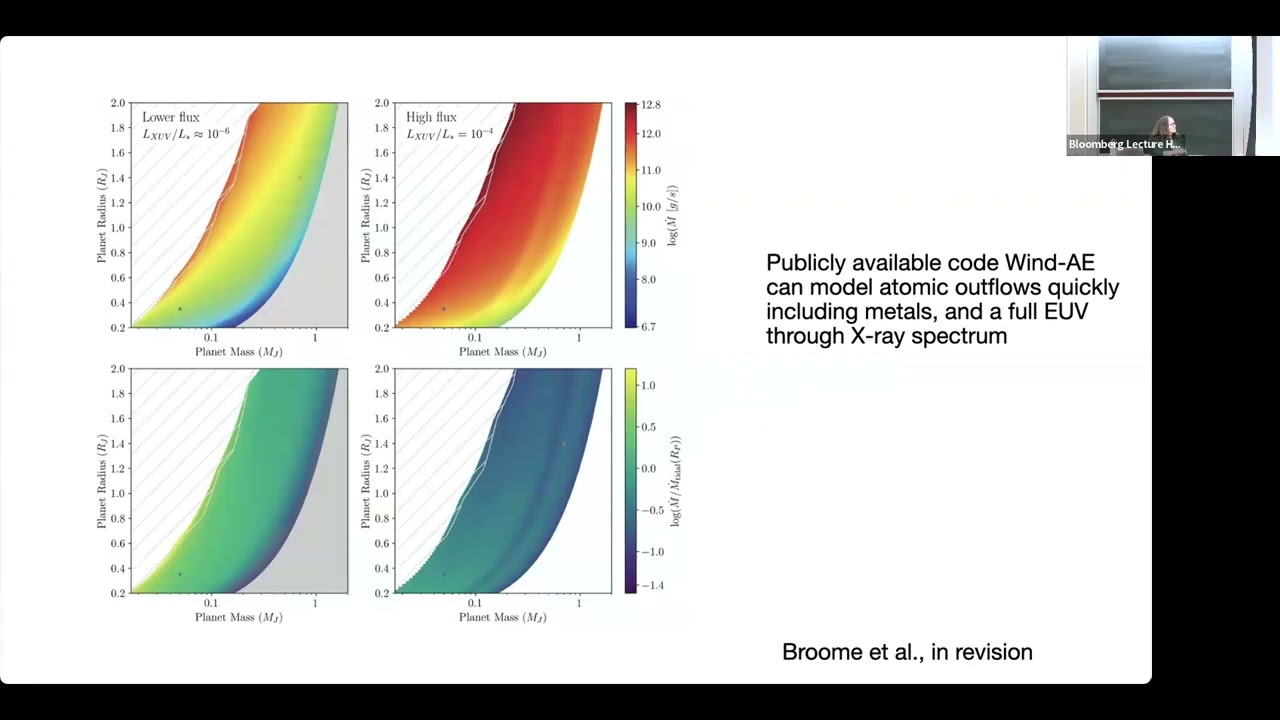





Scientists analyze exoplanet atmospheres by observing starlight that filters through the planet's atmosphere during transit, where different molecules like water, methane, and carbon dioxide absorb light at specific wavelengths, allowing researchers to determine atmospheric composition; the James Webb Space Telescope enables this analysis for planets tens of light years away, with the first rocky planet confirmed by JWST being Earth-like in composition but orbiting a smaller red dwarf star, requiring scientists to wait an entire year between observations due to the planet's short orbital period of 1-5 days.
Exoplanet Atmospheres: James Webb Telescope Discoveries
Added:The definition of an exoplanet and the primary detection methods, specifically the transit method where a planet passes in front of its host star.
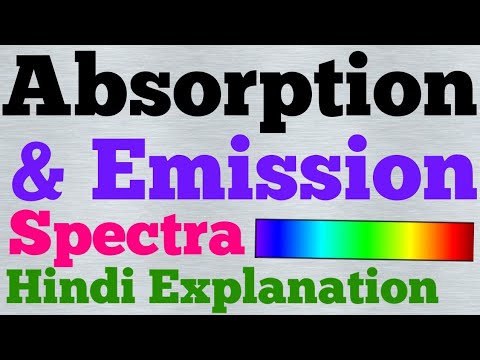
The fundamentals of spectroscopy, including how light is split into a spectrum and how elements/molecules leave distinct absorption fingerprints.
The basic properties of the electromagnetic spectrum, particularly infrared light, which is the primary wavelength band used by the James Webb Space Telescope.
The concept of the habitable zone (or Goldilocks zone) and the fundamental chemical ingredients associated with life, such as water vapor, carbon dioxide, and methane.
The study of biosignatures, learning how astrobiologists distinguish between biological and non-biological (geological/chemical) origins of atmospheric gases.
Detailed case studies of specific exoplanetary targets observed by JWST, such as the TRAPPIST-1 system or gas giants like WASP-39b.
Atmospheric dynamics and modeling, including how stellar winds, space weather, and planetary gravity affect atmospheric escape and climate.
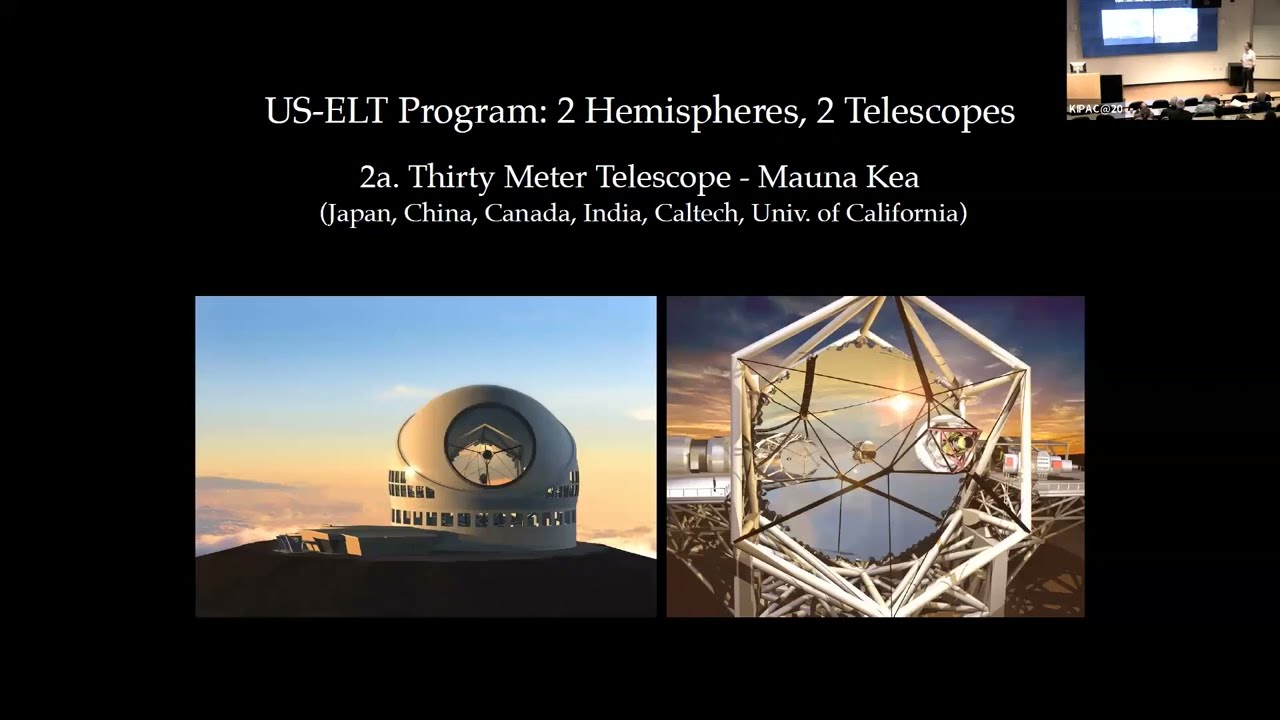
Future astronomical missions and ground-based facilities, such as the ESA's Ariel mission and Earth-based Extremely Large Telescopes (ELTs), designed to build on JWST's discoveries.
665 views5likes8:54Original Release: 2023-04-25
welcome into this week's degrees of science you know exoplanets have been in the news a lot with all the new discoveries with the test mission and the Forbidden Planet and the James Webb Telescope that has seen some of this but this week we're talking with Dr Aurora Kesley about the atmospheres of these exoplanets here's our interview now that that planet's been found what else can you all learn about that planet with the James Webb Telescope yeah so actually my um personal research interests are mostly um once these planets are found to look at them in more detail and really characterize them and so this is what I'm most excited about with the James Webb's Space Telescope so um the way that we characterize the planets with this telescope is kind of in a similar way that we find planets so we wait for the planet to pass in front of the star and some of the light from the star is blocked by the planet now to look at the atmosphere we can actually do the same thing wait for the planet to pass in front of the star and some of the light from the Star will actually filter through the atmosphere of the planet and um different um molecules like water or methane or carbon dioxide absorb light at different wavelengths so in Earth's atmosphere we have ozone and ozone is famous for absorbing a lot of UV light and so if we see that there's um not much UV light that's making it through the planet's atmosphere but a lot of visible light we might say oh there's ozone in this planet's atmosphere and so the James Webb Space Telescope is going to be really really good it's the best instrument we've ever had for doing this type of Science and so we've never really been able to look at the atmospheres of a lot of planets and with James Webb's face telescope we're going to be able to do this for the first time the first one that James Webb looked at was just here recently earlier this year but how far away are these planets that you're trying to tell about their atmosphere these are tons of light years away so we've discovered planets that are really far away um you know on the other side of the Galaxy but in order to see what's in these planets atmospheres we have to go with these semi-close uh planets and semi-close here is still tens of light years and so they're still really really far away but on the you know solar neighborhood grand scheme of things they're in our neighborhood-ish when you're you're studying these and like I said it goes in front of the star so you get the dip and then you're able to measure explain how long do you all have to wait till you get another chance to to see anything about that planet most of the planets that we've looked at the atmosphere so far are going to be Big Planets because they have larger atmospheres and make bigger signatures and they're going to be orbiting their star with a really short orbital period so I think a lot of the results that have come out so far with the James love Space Telescope these planets are orbiting their star every one to five days so a year on these planets is one to five days um so if we ever want to look at the atmosphere of an Earth-like planet we'll have to wait an entire year in between looking at observations if we need to look at the same planet in the same atmosphere twice you have to wait a year for the planet to go around the star and pass in front of the star a second time so we've kind of started with the easiest ones and are slowly making our way towards the more difficult and challenging planets so you're talking about the Earth-like one the first one that got confirmed by James Wood was a rocky planet that was somewhat like Earth what kind of comparisons or differences would that planet y'all found be compared to Earth-like like we have yeah so one of the um one of the my favorite things about um looking at these earth-like planets with James Lewis face telescope is we're really not going to look at a true Earth analog so Earth orbits our sun um and most of the rocky planets that we're going to look at with the James Webb Space Telescope are going to orbit these smaller red dwarf stars and we just at this point with our instruments we need to go for the most favorable conditions so a smaller star um the planet is going to block more of the light and so you get a larger signal and also we're going to go for the closer in planets so these are kind of going to be exotic worlds they're not really going to be 100 Earth-like worlds they're going to have rocky surfaces like the Earth um but they're going to get a completely different kind of light because the light from these smaller stars is redder it's cooler and the conditions on these planets are going to be really different so it's Earth-like because it's Rocky um but it's not Earth-like because the host star is going to be really different and they're going to be much closer into their parent star so if we were looking say us looking or somebody looking at our solar system so would you know Mars and Venus would that be considered Earth-like since they're somewhat close as well yeah so they're kind of all on the same rocky planet category but that's a great example of why it's really important to actually look at the atmospheres of these planets because if an alien was looking at the sun and they saw three rocky planets Venus and Earth are almost the exact same size and you would have no idea which planet has life on it um just by looking at the size of the planet you really need to look at the atmosphere and the atmospheres of Earth and Venus are completely different Venus is hot it has lots of carbon dioxide gas it doesn't have any biosignatures and oxygen but Earth has water it has all the signatures of Life as We Know It And so that's a really great question and a great reason why looking at the atmospheres is really important instead of just looking at the size distribution of the planets so in the ones that you've looked at with the atmospheres is there anything that's surprised you or stuff you've learned that you didn't expect from looking at these planets yeah everything has surprised us so far um uh the atmospheres of the planets that we've looked at have mostly been Jupiter like um but there's been some surprises already um we expected there to be methane on a lot of these planets and so far we haven't really seen any methane and we're not really exactly sure why there's some sort of process with the light from the Star interacting with the planet that doesn't seem to produce much methane in a lot of these planets I think the really exciting thing that we're going to see in the near future is the first Spectra of rocky planets and to actually see if any atmospheres can survive on these really close in rocky planets um so if they're bare rocks or if they have an atmosphere we'll learn that soon you were talking about Earth having water can you tell through the Spectrum stuff if there's water or some something on those planets as well yeah definitely that's um what we're looking for so um we've seen water on many exoplanets so far but we have not seen water on any Rocky exoplanets yet just because we haven't had the technology so in a lot of large jupiter-sized planets and even neptune-sized planets around other stars we've seen clear signatures of water so water has these really beautiful absorption bands in the infrared which James Webb is perfect for detecting and before James Webb we haven't had the instruments to look for water on planets smaller than Neptune and this is going to be the first time that we're going to look for water on rocky planets awesome well I appreciate you taking the time to talk with us it's really cool and like I said cool that I mean we're talking really about two planets that have really gotten news but this is just the tip of the iceberg of the cool stuff that y'all should be coming out with here for a while yes definitely stay tuned I think jwst is gonna have lots of more splashy headlines soon awesome well thank you for taking some time to talk with us thank you
Up Next

85:24
Exoplanets Journey: Discovering Strange New Worlds | NASA JPL Talk
@NASAJPL
222K views•2017-01-17
61:17
First Billion Years of the Universe with the Square Kilometre Array
@iaaudc
121 views•2022-05-26

6:25
Kepler's Laws of Planetary Motion Explained (Educational Astronomy Video)
@Peekaboo_Kidz
404.9K views•2023-02-17
6:10
Gamma-Ray Bursts: Cosmic Snipers Explained | Astronomy
@kurzgesagt
15M views•2016-07-31
Related Study Plans & Knowledge Roadmaps
Structured learning paths in Astronomy
astronomy
Reionization: Pop III Stars, IGM & 21cm Line
01Foundations of Cosmology & the Early Universe
02Population III Stars & Cosmic Dawn
03Physical Mechanisms of Reionization
+ 2 more learning modules
17h5 modules
Explore Roadmap
astronomy
Planetary Rings: Dynamics, Roche & Resonances
01Foundations of Gravity and Orbital Mechanics
02Tidal Forces and the Roche Limit
03Structure, Composition, and Collisions
+ 2 more learning modules
10h5 modules
Explore Roadmap
astronomy
Asteroseismology: Stellar Waves, Ages & Cores
01Foundations of Stellar Astrophysics & Wave Mechanics
02Stellar Oscillation Modes: P-modes and G-modes
03Mathematical Framework of Asteroseismology
+ 2 more learning modules
35h5 modules
Explore Roadmap
astronomy
Adaptive Optics: Physics, Engineering & Control
01Foundations of Wave Optics and Wavefronts
02Atmospheric Turbulence & Optical Distortion
03Wavefront Sensing Technologies
+ 3 more learning modules
35h6 modules
Explore Roadmap