









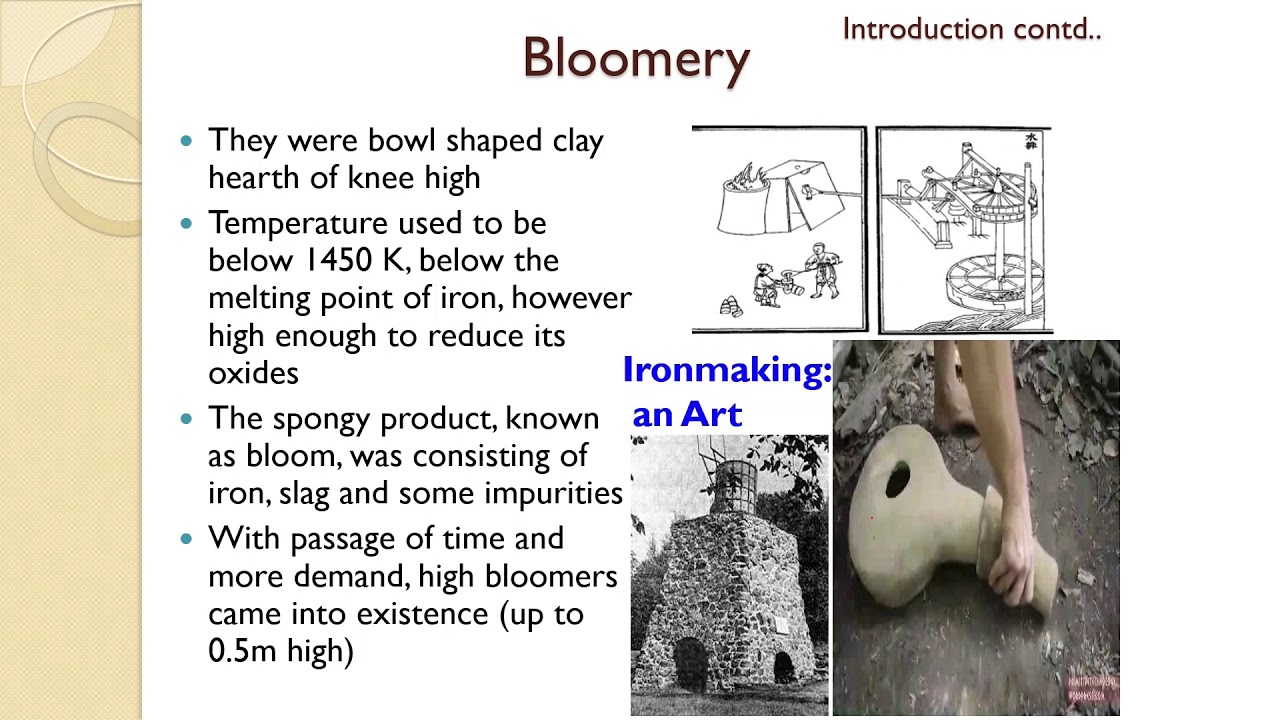










Bloomery iron smelting is an ancient technique dating back to around 1500 BC when the Hittites first developed it, involving the construction of a clay furnace with specific proportions of Tennessee ball clay, EPK, and sand, followed by a six-hour process where charcoal and iron ore are alternately charged into the furnace with forced air through a tuyere, using silica flux to remove impurities and create a porous iron bloom that can be compressed and worked into usable metal.
Iron Smelting from Sand: Ancient Bloomery Furnace Technique
Added:Understanding the basic chemical process of reduction, specifically how oxygen is removed from metal oxides to yield elemental iron.
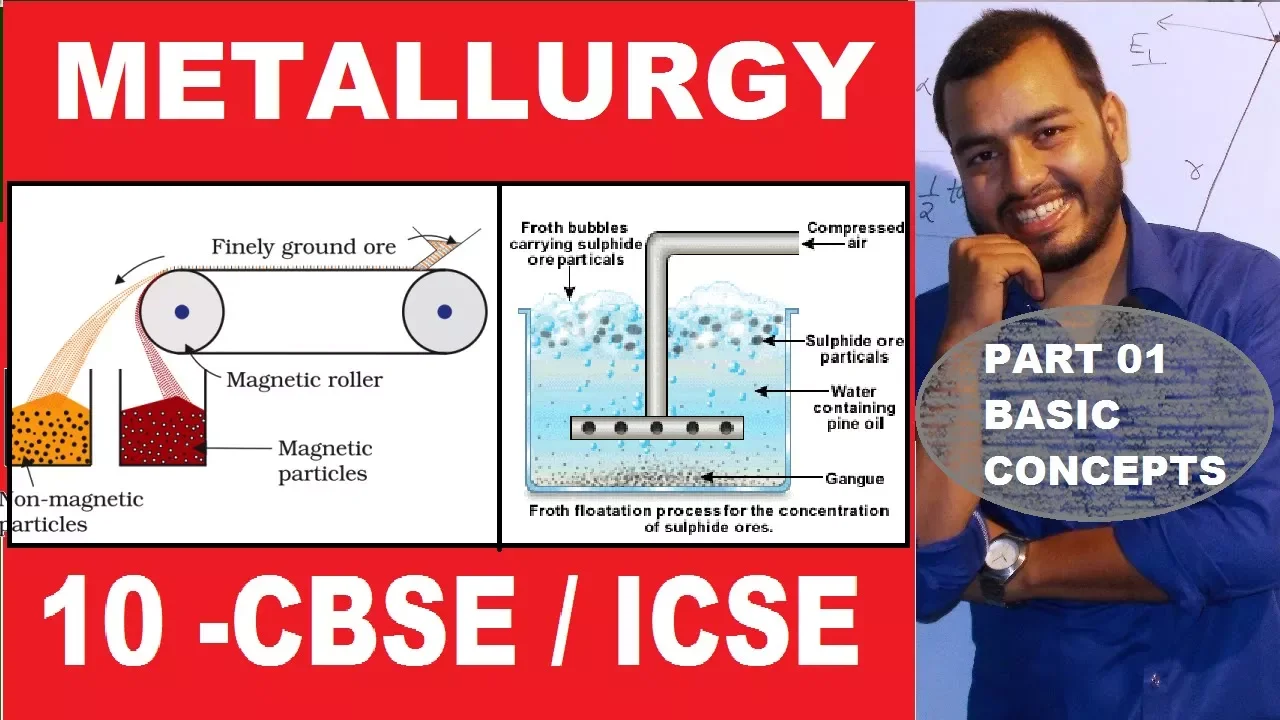
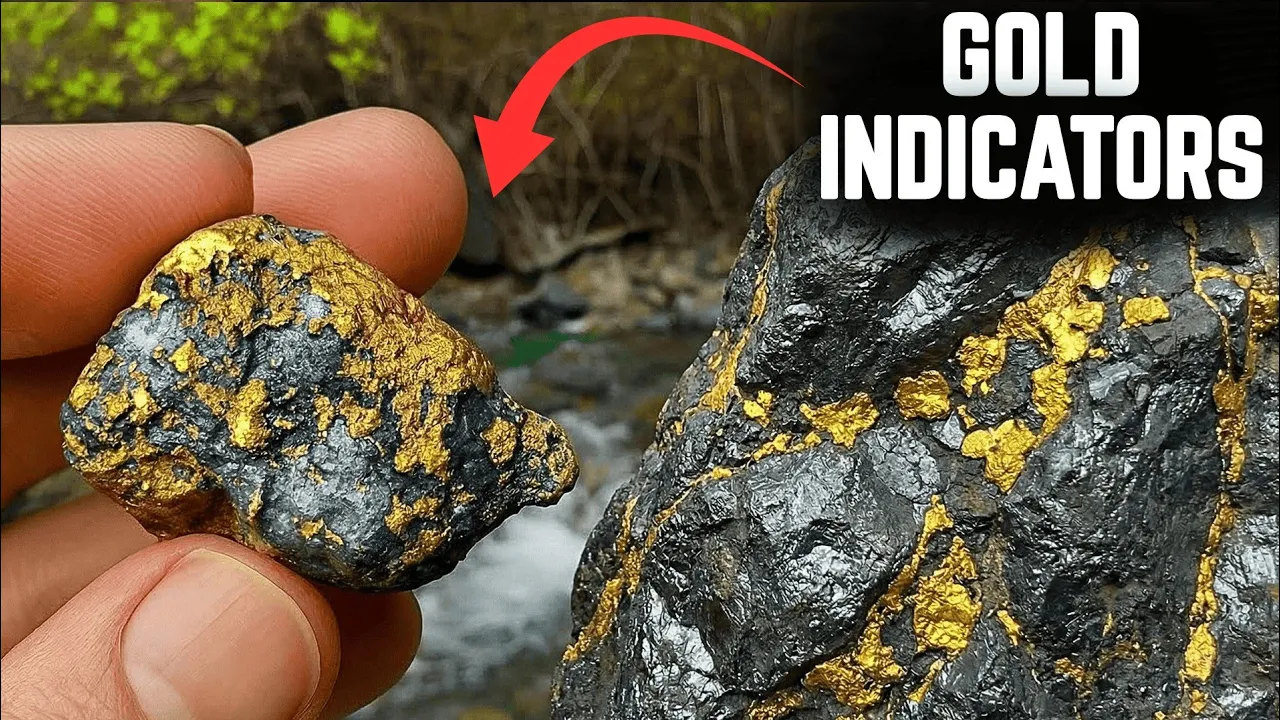
The geological composition and properties of 'black sand', which typically consists of heavy mineral concentrates like magnetite (Fe3O4).
The thermodynamics of charcoal combustion, focusing on how restricted airflow produces carbon monoxide as the primary reducing agent.
An introductory concept of early metallurgy, specifically the distinction between solid-state reduction in a bloomery and liquid-state reduction in a blast furnace.
The physical process of 'shingling' and blacksmithing to expel slag and consolidate the porous iron bloom into workable wrought iron.
The metallurgy of iron-carbon alloys, exploring how carbon absorption transforms soft iron into high-carbon steel.
The historical and technological evolution from ancient bloomery techniques to the development of medieval water-powered blast furnaces.
Archaeometallurgical analysis, including how scientists study ancient slag heaps to determine the efficiency and temperature of historical smelts.
998.4K views20.1Klikes11:01Original Release: 2019-06-13
The history of iron making started about 1500 BC it was the Hittites of Mesopotamia who first started smelting iron and they used a very similar process as we used. Before the Hittites were smelting iron the only iron you would find that had been forged was found on the ground and they would find it in the form of meteorites. In Egypt, in King Tut's tomb, they found an iron dagger that was found alongside a solid gold dagger and was believed that the iron dagger was valued just as highly as the solid gold dagger it was so rare.
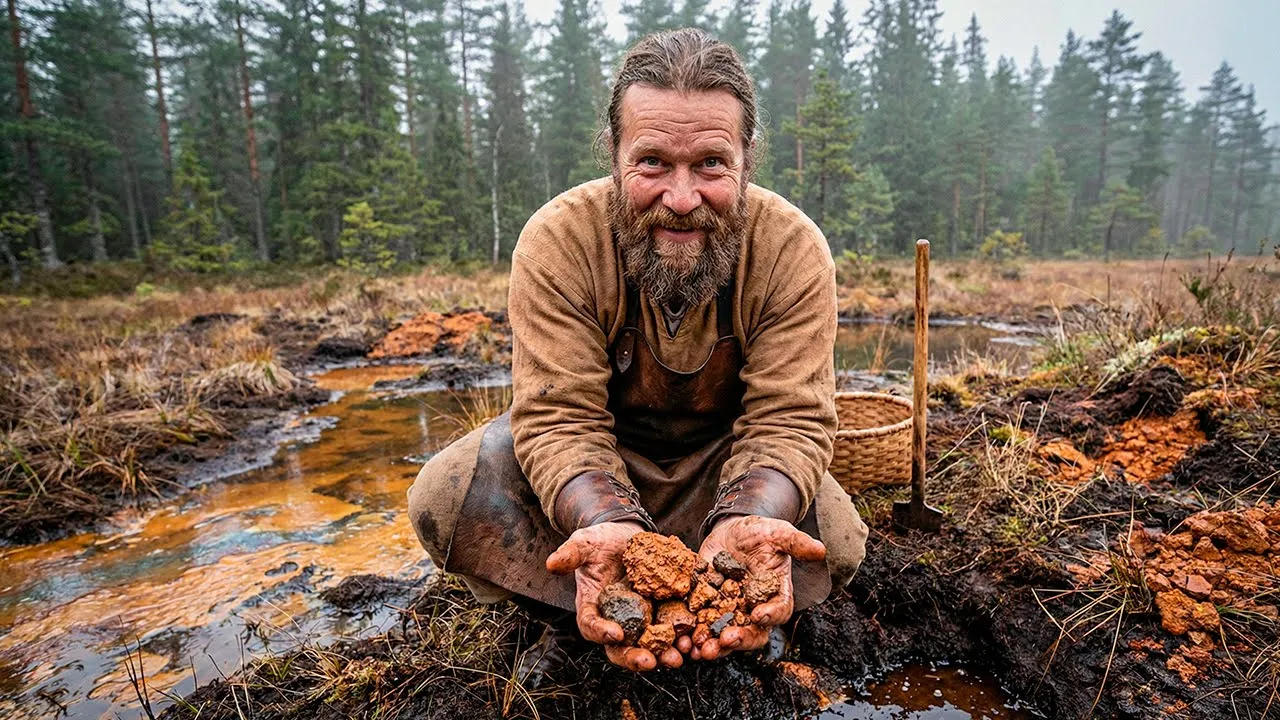
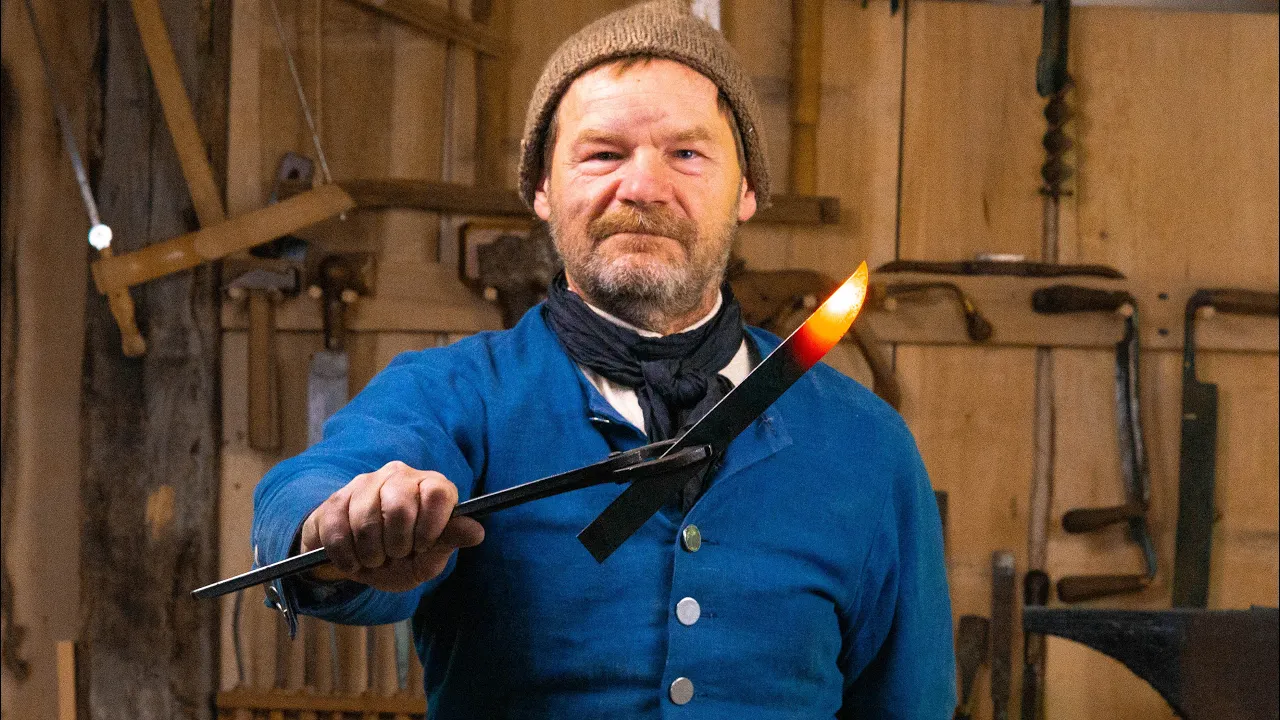
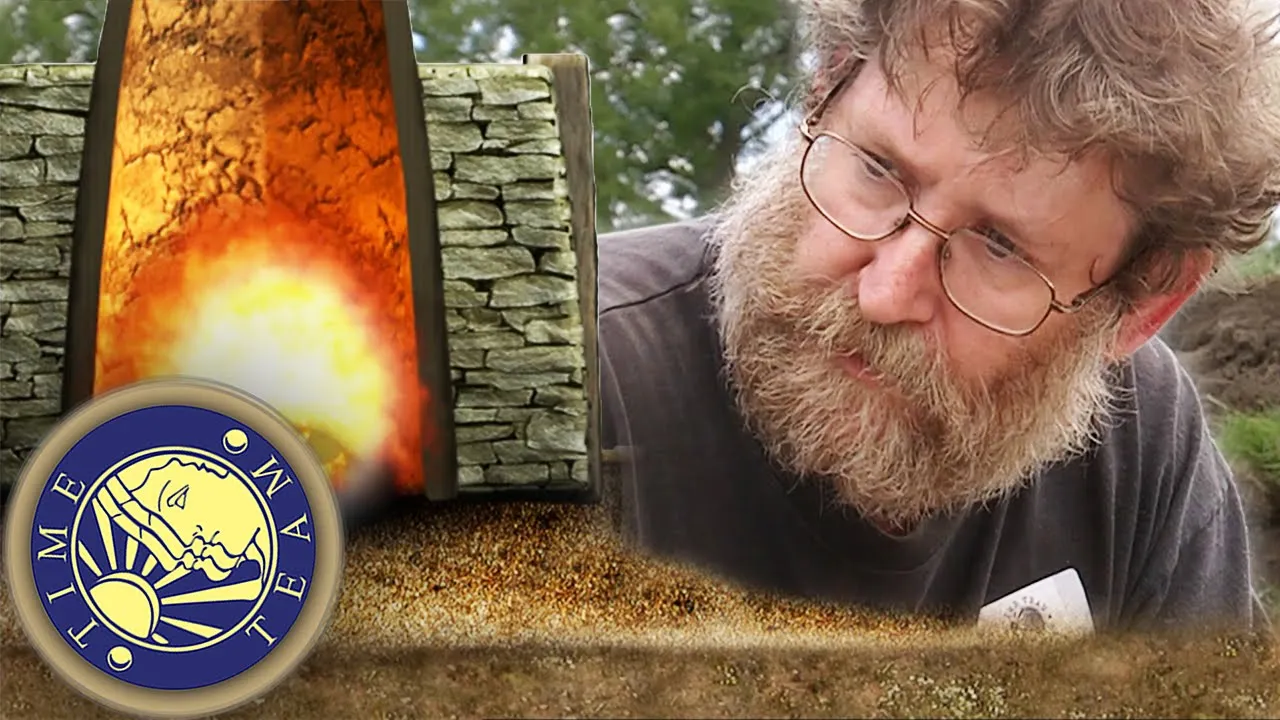
My name is Celeste Flores I'm an instructor at the crucible in black smithing and I have a business doing ornamental ironwork call clay and steel so when we embarked upon this project we thought we would take bloomery iron and mix it with bay bridge steel and make a big fire pit so we wanted to make a lot of iron but we aren't the best smelters to be honest with you and so each smelt we only got 10 to 20 pounds of iron so we had to do it many many times. We started out with about 100 pounds of Tennessee ball clay about 150 pounds of EPK and 150 pounds of sand we mix it all together with water and peat moss and kind of knead it together and then create coils so if any of you have done ceramics coil building is the exact same process we are going to make coils of clay we smooth it all together and we start at four inches and get smaller and smaller till we get to the top it's about one inch thick and the top of the furnace. So before we can use that furnace we have to drive out all the moisture out of the clay and so we're going we candle it for about ten hours we make a little small fire at the bottom to get most of the moisture out and then before we fire the first time we slowly run that furnace. The sand is the iron ore it is black sand we go out and we find it pick it up and then bring it back and we have to sort through it with a magnet so that we have the purest iron ore we can we can start with.
The reason this is so labor-intensive it's there's a lot of preparation that goes into it so before we can start the smelt we need a break of the charcoal and we have lots and lots of volunteers who have generously lent their time breaking up about 200 pounds of charcoal for every smelt that we did and we're looking for a very specific size I would say about one inch by two inch it is we call it like nugget size and so the extra fine stuff would clog up the tuyere, the blower and the big stuff wouldn't combust all the way and it would get into the middle of the bloom and the bloom wouldn't be usable.
We're ready to start the smelt, we turn on the blower we start a fire in the bottom and get it very very hot at the bottom because heat rises we want it very hot to start at the bottom so we put in a bunch of charcoal once it's hot enough we're going to start putting in charges of ore so we put in an equal charcoal, equal ore a little bit of silica which is our flux and we have to run that about every five minutes that's our goal and we're going to do this for six hours. So we have to watch the furnace very carefully we really do need it to run so that charge of charcoal burns down every five minutes so every time we put in charge in we note it on a notepad and we time it. If the furnace is running too high that's combusting too much we might pull back on that charcoal or you might pull back on the air so we'll do small adjustments to try and hit that five-minute mark So in the side of the furnace there is a hole, the hole goes out about a 20 degree angle and that is the tuyere and we use forced air to get it really nice and hot. In our case we're using a bouncy house blower historically it was probably bellows of some sort sometimes also wind So we force air into the furnace and we're really careful not to block that hole not to block the tuyere because if the tuyere is blocked then the smelt is over. The silica is a flux and the flux is very liquid helps us get rid of any impurities hopefully it helps us to get rid of anything that might potentially block the tuyere and so once the flux the silica it gets to a certain height it's going to start walking the tuyere so we have to tap the furnace and let that slag run out it's a really beautiful beautiful thing that happens and in the furnace we use jeff has created a way to look inside so that we can see when that flux is high enough and then we decide to tap the the slag. So as we're running this furnace occasionally you know particles of ore or pieces of charcoal or the the slag will build up in front of the tuyere blocking the flow of air into the furnace the flow of air is it's vital it used to be very very hot so we need that tuyere to be cleared so we have to remove it from the furnace and then we have to take a stick of metal and we have to break it out. There was one smelt where our blower was getting colder and colder and we just couldn't keep the furnace hot enough and so no matter how many times we cleared out that tuyere it just it was too cold and the bloom didn't work. So the next time we got a much larger bouncy house blower.
So we've put in 200 hours plus six at this point and the furnace has been running and it's time to break open the furnace and we're going to do it's called birthing the bloom. So we're ready to birth the bloom and we put all this effort and we have no idea at this point if it's worked at all. So sometimes you pull it out and you get a beautiful bloom and you can squish it together. It's so nice and sometimes you pull it out and hit it and it just breaks to pieces. So it's very very exciting it's very tense, and it's the moment of truth.
So at this point we pull out the door which is detachable and it's attached to the side of the tuyere so we break it off from the side and you pull out the bloom you birth that bloom and then we have a wooden stump and really gently hit it with sledgehammers it start to compress it. So we want it to to get it into kind of a workable form while it's nice and hot and also if it's gonna break apart this is kind of where we want it to break apart so we'll have some usable small pieces.
So sometimes we pull it out and you get the most lovely piece of iron and you squish it together and you get this block that feels really solid that because it has enough flux it's really nice and sticky and you could hammer it out fold it in on itself and get this you get iron! and sometimes what you get is did not have enough flux or maybe one time we had big pieces of charcoal that got in the way and so when we broken apart the quality wasn't there and just fell to pieces and then you have little pieces of iron that are kinda useful but nothing that you can really keep and so we just put all this time into it and it's just to be recycled, really.
It was a big community effort to make this happen. We called upon our community our blacksmithing community and a lot of people were interested in going through the process of making their own iron so we all came together and we brought different things Jeff Pringle who I'm sure you'll see a lot in this video was the most familiar with the metallurgy he's done little smelting of any of us so it was really new to us and so every process was an experiment and every time we would learn something from it revise the way we do it and try again.
We didn't get as much material as we would have hoped but I don't think that that was too much of a disappointment it's a really hard thing to do and our very smell was our biggest harvest so we ended up with about 20 pounds of iron in one smelt so we improved a lot over the process. It was so rewarding actually that we made the iron that we wanted to make. It was really nice to see that we had made that from the earth and to be able to forge that to be able to use it was it's very very rewarding The crucible is a nonprofit organization specializing in teaching Industrial Arts we have over 25 different departments teaching things like blacksmithing, welding bronze casting, glassblowing, leather working a whole mess of different things Anyone can come through our doors!
Up Next

15:49
The Complete History of Steel: From Ancient Iron to Modern Blades
@OverlySarcasticProductions
195.9K views•2019-04-12

30:32
Ultrasonic Transducers: Resonant Frequency Measurement and Horn Design
@imajeenyus42
229.9K views•2017-02-22

54:16
Polymer Environmental Degradation: Mechanisms & Stabilization
@iit
1.8K views•2012-07-10
33:39
How a Student's Question Saved a NYC Skyscraper from Collapse
@veritasium
22.8M views•2025-04-26
Related Study Plans & Knowledge Roadmaps
Structured learning paths in Engineering
engineering
Building Acoustic Levitators: Physics & Arduino
01The Physics of Sound and Standing Waves
02Piezoelectric Transducers and H-Bridge Drivers
03Arduino Programming: Generating 40 kHz Signals
+ 2 more learning modules
14h5 modules
Explore Roadmap
engineering
Building Peltier Cloud Chambers: Particle Tracks
01Cosmic Rays & Cloud Chamber Physics
02Thermoelectric Cooling (TEC) Fundamentals
03Custom Liquid-Cooling Loop Design
+ 2 more learning modules
18h5 modules
Explore Roadmap
engineering
Yagi-Uda Antennas: Modeling, Build & VNA Test
01Introduction to RF and Antenna Fundamentals
02Yagi-Uda Antenna Design Principles
03Antenna Modeling and Simulation in 4NEC2
+ 2 more learning modules
18h5 modules
Explore Roadmap
engineering
ECG Monitor Design: Op-Amps, Filters & Noise
01Electronics & Breadboard Basics
02Op-Amps and Instrumentation Amplifiers
03Bioelectricity and ECG Fundamentals
+ 2 more learning modules
18h5 modules
Explore Roadmap