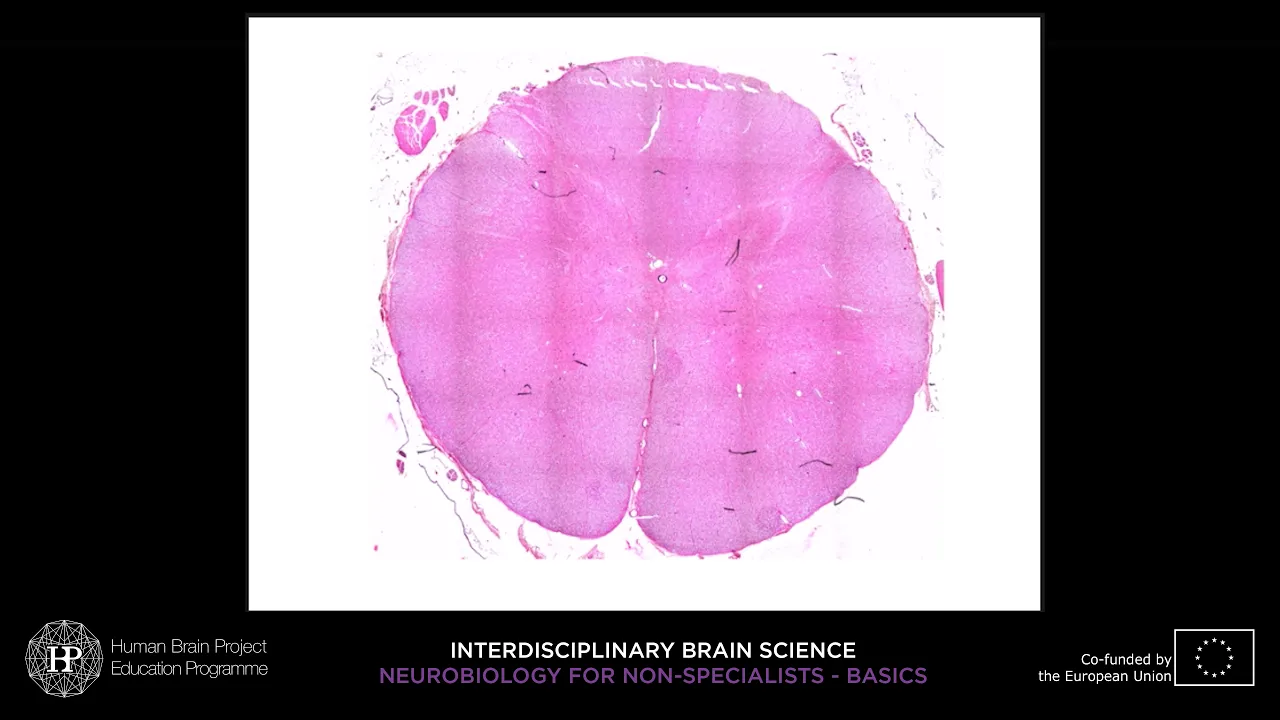


![[3] Нейробиология сознания. Нейроанатомический базис сознания. Подкорковые сети](https://i.ytimg.com/vi/bxMdHjqKH08/maxresdefault.jpg)




![TBSCNW 2022 - Til Ole Bergmann: Combining TMS with EEG and fMRI for state-dependent stimulation[...]](https://i.ytimg.com/vi/xXnL68AHKck/maxresdefault.jpg)








![Let's Play Prey (2017) Blind Part 54 - Walther Dahl [Prey 2017 PC Gameplay]](https://i.ytimg.com/vi_webp/KBdqrFv3TS4/maxresdefault.webp)
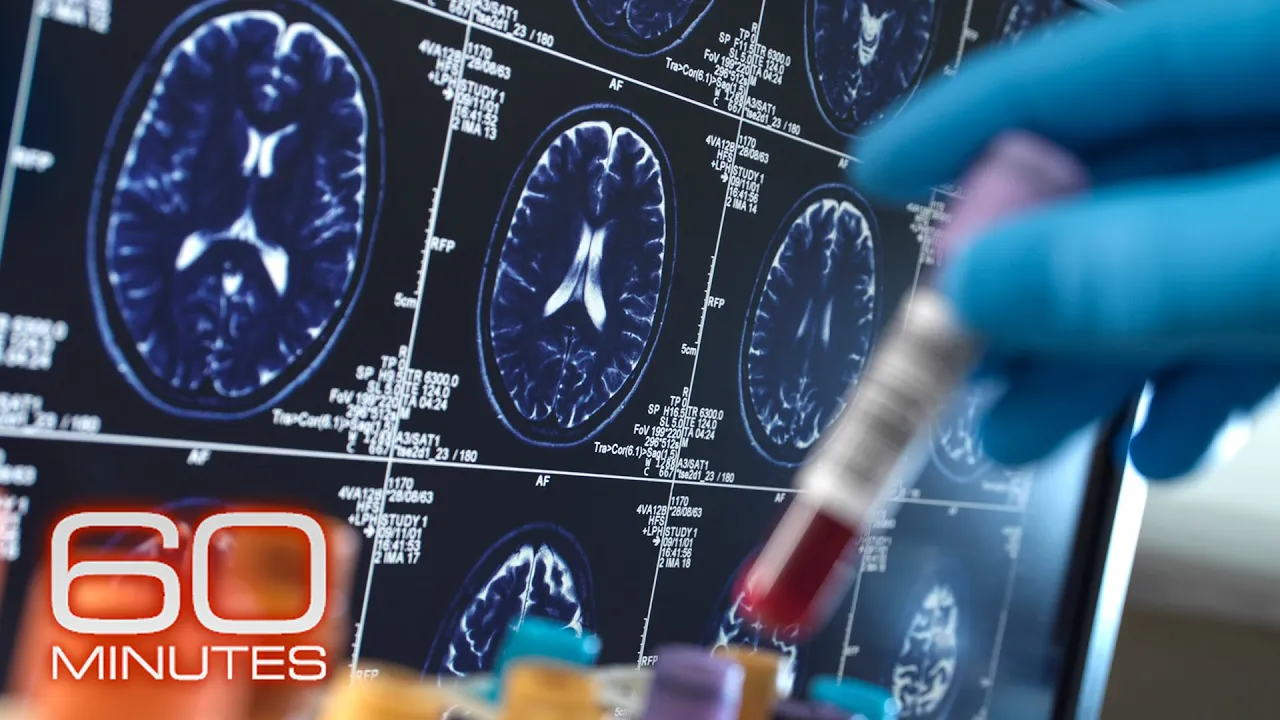


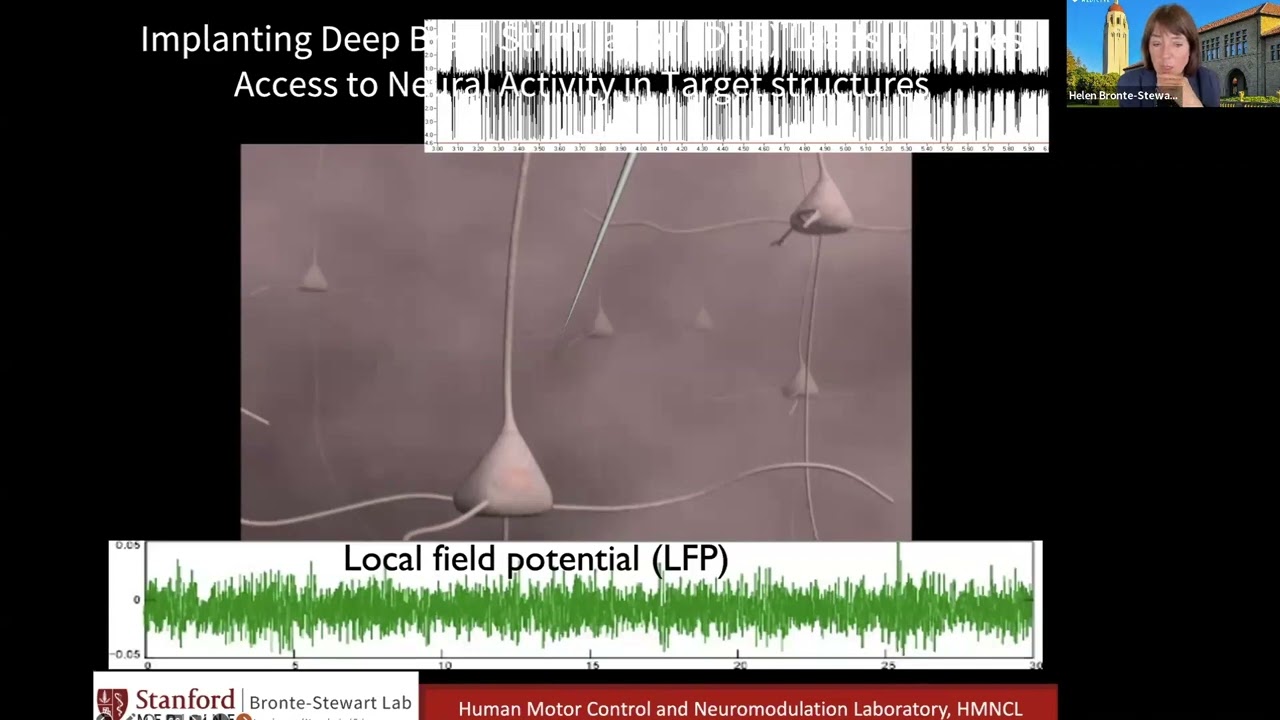
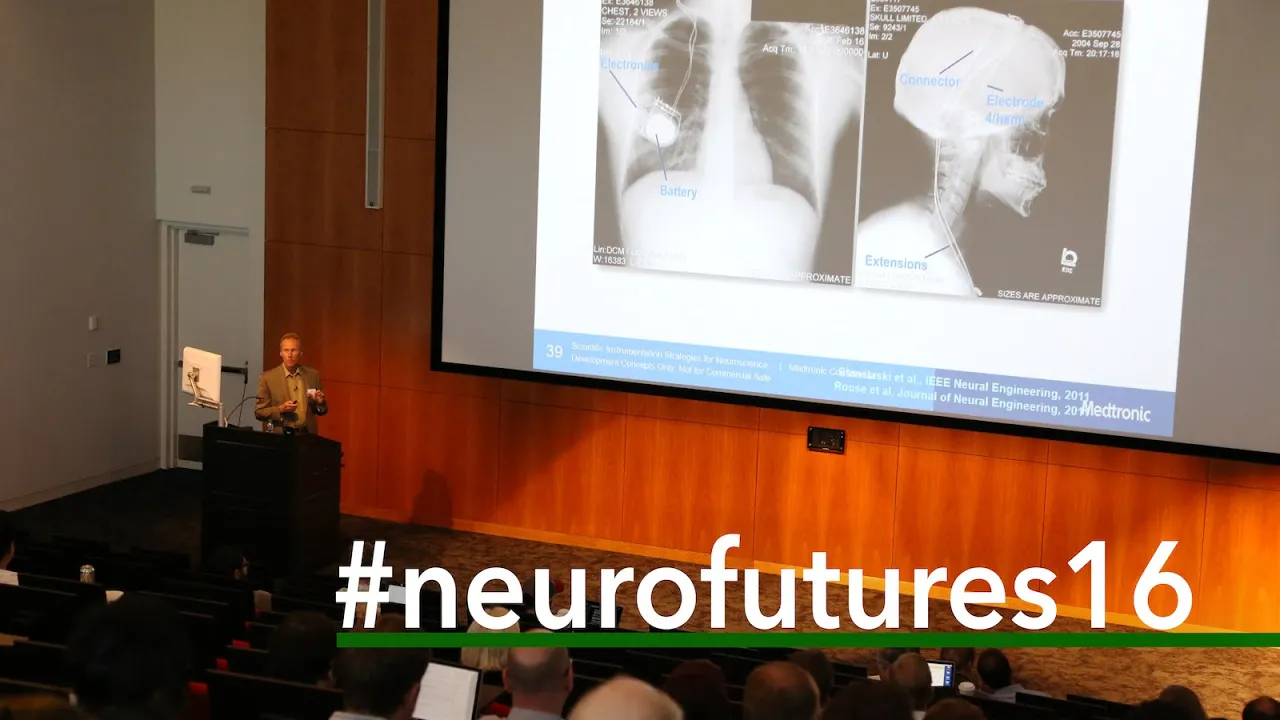
This video presents three cutting-edge neuromodulation approaches for treating cognitive impairments: (1) Cholinergic deep brain stimulation targeting the nucleus basalis of Meynert, which improves working memory by enhancing persistent neural activity in the prefrontal cortex through intermittent stimulation protocols; (2) Closed-loop neuromodulation of lateral temporal cortex that delivers stimulation only during poor memory states identified by real-time electrophysiological biomarkers, improving verbal memory in patients with traumatic brain injury; (3) Non-invasive 40Hz gamma entrainment using light and sound that reduces amyloid-beta and tau pathology in Alzheimer's mouse models and shows promise in human trials for preserving brain structure and improving memory function.
Neuromodulation for Memory: DBS, Closed-Loop, and 40Hz Gamma
Added:welcome to the first of the scientific sessions we just finished our diversity session which was really interesting and really fascinating now we're going to do three talks uh all on the broad theme of learning and memory the first talk is going to be Christa constantinitas from Vanderbilt University Christos um this is undergraduate in in Greece and then came to Johns Hopkins for his PhD then he moved to Yale where he was part of this really amazing generation of monkey physiologists the different really revolutionized the field people who came out of Frank Goldman accusations lab been following his work for a long time I uh I gotta say you know his papers are just really amazing every uh I'm also a monkey physiologist every time you read one of his papers you kind of learn something even just beyond what's in the title of the paper there's just a lot of creativity there uh but recently he's also started doing human stuff uh and so we're gonna I think we're gonna learn a little bit about that blending of ideas and how we can take monkey ideas and improve uh humans so welcome hello thank you very much ben for this uh wonderful introduction I'm not sure if I can live up to the expectations now after that and I want to thank the organizers for inviting me it was wonderful to meet uh so many uh friends and colleagues here and be exposed to the refreshing Minnesota weather makes you feel alive again so it's been mentioned my background is in uh neurophysiology using non-human primate models and today I want to talk to you about a series of experiments that we've done in the last few years relying on the non-tum environment as a moral developed deep brain stimulation targeting that cholinergic system as a way of improving cognitive functions with an eye into translational applications and eventually moving that into the in the clinic in the human applications of assisting the impairments of work of memory and cognition um so in the first part of my talk I'm going to talk about the mechanisms of action to some extent so in order to understand the action of this deep brain summation we use it's really essential to understand the mechanisms of cognitive factors and working memory and once we have at least some mechanistic understanding that then we can really appreciate and understand the effects of neurostimulation so I want to start by thinking uh support for these works of this work I will present today was supported by uh two brands from uh NIH National Institute of aging and NIMH and also by that generous support of Boston Scientific that provided to us the import the implantable policy narrators that I'm going to talk about in my thought uh in a little while so as I mentioned it is essential to understand the basic mechanisms the neural mechanisms that mediate cognitive functions and the one only function that we have relied in particular is working memory so bear with me then as I review just a general overview what are the mechanisms that allow neurons in the brain to maintain information and working memory so we can train animals to do working memory tasks here I'm going to show the simplest uh first order of working memory tasks that we've been trained and Mike disorder lab or Mouse to do which is a delayed response test so we asked subjects to fixate on the screen we sold a visual stimulus somewhere in the spring with the wide Square the the subject has to remember where in the screen that stimulus appeared over a period of a few seconds we would call that the delay period and then when the fixation uh Point comes off that's a cue for the subject to tell us where that stimulus appear and the subject communicate that to us by making an eye movement to wherever they think the stimulus appear so uh it's been known for for half a century that uh when you perform a task like that there are neurons in the Persona cortex in other areas of the brain that respond during the presentation of the visual stimulus here with an increased filing rate but they also continue to discharge and continue to generate Action potentials even during the delay interval when nothing is happening anymore just the application Point has come on and furthermore this activity in the delay period is selective for the location of the queue where the Q is presented so that provides a newer cool event of spatial working memory there's been some debate in the literature recently about uh whether this is the only mechanism or the predominant there are other mechanisms and I don't have time to go into must retail to that but suffice to say for this at least with this type of working memory uh pass that we're discussing individual spatial working memory there is very strong evidence that this persistent is what determines behavior and what subjects recall so the first question here is how do neurons generate persistent activity when nothing's happening there's no stimulus anymore in the screen and yet these neurons continue to discharge well it turns out this is not a super difficult engineering problem this is sort of a cartoon version of the the simplest circuit that could generate for system activity and here each triangle here is supposed to represent a single stimulus I'm sorry a single neuron which is uh excited by this apparent input again this neuron is connected with all the other neurons in the network and even when this afferent input the visual stimulus in this case is no longer present the neurons will continue to generate activity and this will continue to reverberate in the network so for this visual spatial working memory that we're discussing about we can take a step further basically and we describe this network as a ring so uh here in this ring the position of each neuron is such as to represent the location of the stimulus that this neuron is most selective for most sensitive for so this would then be a neuron that is uh maximally activated when a stimulus appears at the top of the screen at the 90 degrees basically in this circle and if we then design a circuit uh with the strength of connections between neurons do depends on their spatial preference in Europe they have very similar space of preference are strongly connected with each other neurons they have orthogonal preference are very weakly connected you know they have opposite a preference they're not connected with each other it just gets very simple Network like that can really capture the behavior of a real neuron that I described and I do not have a little lamination here if I can turn that on so uh this has been at this you know exactly this network now represented uh in this in this fashion I have taken this ring of neurons and spread it in the x-axis and the y-axis in this plot is the firing rate of each neuron so we see in real time what happens in the screen when a stimulus appears at this location location is zero then neurons that whose preferred location is there are activated neurons that are nearby I can lead to less extant but interestingly when the stimulus is no longer present this activity continues to be present continues to survive purely by uh by the verge of connections between yours that continue to be starting to Vitality so this very simple Network then captures what neurons are really uh doing in the performance again so this model also provides an explanation for the inaccuracies of memories that if a true stimulus appears right here at the after location then neurons that are prefer looking at these preferred location is at nine degrees will be activated but then this activity during the course of the delay period May drift just by random noise in the system they drift basically randomly from this original location and then what the subject will recall is is where this piece of activity is at the time that the subject has to make an argument and this then this model is called the bump a tractor model because this network of neurons uh behaves as an attractor and then there's a bump or peak of activity in the network basically that determines what is the best you know that we're called so this is a this is a model but there's strong evidence basically that this is this is true in space of working memory and a very simple illustration of that is shown here so suppose that in some trials this bump of activity drifts to the left relative to the rear location of the stimulus supposing other trials this bundle activity breaks to the right of uh this of the real location if that were true then the activity of neurons on Trials when the subject will call something left leftwards relative to the real stimulus and write words relative to the real stimulus they should have different levels of delay to relativity and this is sort of an experiment that we did a few years back now and in fact it was so that this is the case so if we look at the peak of activity you know individual neurons in trials that were separated they have clockwise deviations in counterclockwise deviations from real from the real location of the stimulus that tuning curves of uh these trials basically differ slightly but systematically okay very good so with arms then armed with this understanding of the basic mechanisms of working memory generation and maintenance in the population of neurons in the photographs we can now see can we improve working memory and can we use neuromodulation to alter the activities neurons and we're going to use this model then to interpret our results because that's the main mechanism that allows the maintenance of workman right so the neural modulation that we have looked at into using this targeting the nucleus basalus of Maynard the nucleus basalus is there an exclusive source of acetylcholine in the neocortex in primates and in humans therefore provide us with a Target to essentially to put our finger on the switch of acetylcholine release in the new cortex basically by means of electrical stimulation strategy about experiments is shown here so we implant one electrode these are different simulation method but at the same time we can record neural activity we can have a recording cylinder over the platonal cortex and record also activity and find out truly the the effects of this neural modulation on a prefrontal neurons these are histological slideshow Gap out of uh in a post-modern out of one research animals that we implemented just to verify that the electorate is in fact where it's supposed to be and these are neuron stains with sap in the vicinity of the records so we have verified that this is in fact our Target now critical of course parameter here a critical question is the stimulation parameters and this is with what we started and we're still in the second car we had to deviate a bit from this plan so we used 200 micro emulation uh duration of oppose 100 microseconds and we started with a frequency of 80 Hertz of continuous stimulation uh you know modeling the effect of static stimulation using established models in the field suggest that we are inducing a radius effective or a band replication about 0.9 millimeters to show that in scale with a monkey brain you know we're really exciting very small volume around the nucleus besides so that's the strength and the power of different simulation that allows us very specific targeting of the area that we want to stimulate all right so we started then these experiments we implanted monkeys we had them do a working memory test and we applied 80 Hertz continuous Dimension inspired by the movement disorder Protocols of stimulation the purposes uh disease stimulation and what we saw is much to our disappointment and so green to be 80 Hertz continuous stimulation not only did it not improve performance of this Microsoft but in fact very dramatically very systematically decreased performance so if you apply 80 her simulation of the nuclear of this allies we saw that the performance of the monkeys went out with the control condition systematically decrease so you know we're going to scratched our head basically and tried to sort of titrate and figure out maybe if we apply stimulation on different time intervals during the task we're going to see a different effect let's see which um part of the task is important but as it turned out it didn't even matter synchronizing the stimulation of the part of the task when we started playing with limiting the stimulation in time and using intermittent protocol stimulation so we used 20 seconds of stimulation and then just laid for 40 seconds then we saw very consistently and we replicated this result now in multiple animals in two different Laboratories or three different universities uh and we now saw that this work of intermittent stimulation improves working memory performance this is two different subjects this is the control performance in their task when reply to stimulation now in this fashion that the monkeys do match bear and consist to me across the entire range of delay intervals the stimulated animals with this protocol do better so we played with the parameters a little bit and uh these 60 hertz is not necessary so somewhere in the order of 60 to 80 Hertz would have found that the magic number is about 1200 pulses per minute so we can apply 60 hertz for 20 seconds or 80 Hertz for 15 seconds but it is inverted that we've done that continuously um and we don't know quite yet you know what what is the reason you know the why the producing machine doesn't work and you sort of conceptualize that as some kind of a depletion I'm a set of coin if you exhaust uh their resources you know you don't get quite an effect with this uh short birth of activity is what allows the system to continue to uh to to provide but we have ongoing experiments to really invest find out exactly what these houses the release of acetylcholine regulated all right so um having established this behavioral effect we went on now to understand what is it that this protocol of stimulation um what does it do in neural activity and we used a slight variation of this working memory task that I described to you we now use two two stimuli not just one we present one stimulus the monkey has to wait over delay and then a second stimulus and depending on the collar of the fixation point the subject has to remember either the first stimulus and make an eye movement to work the location of the first stimulus and and ignore the second stimulus or if the fixation point is blue and the subject has to ignore the first stimulus and has to remember where the second stimulus appears and then make an eye movement towards the location of the second stimulus so we'll call that there remember first or remember second task that we use uh to prove this higher level of working memory more and more complex tasks the fact that we employ this intermittent stimulation protocol actually worked very well integrated very well with our recordings each the entire trial here the fixation interval stimulus presentation delay second scheme representation second delay if that's the entire will last for 10 seconds we can present four or five trials basically over a period of one minute and then have a 15 second intertrial interval between uh laundering the problem between these trials apply our stimulation here and then continue so our stimulation is always applied in the integral level not when the the subject is doing a task at that exact moment but we're able to squeeze this stimulation basically without interfering with the performance of the task and of course we have Sam sessions where the stimulation is not applied so we always compare activity and performance in Cloud that are always structured in this faster so the the main so when we give this experience of the main effect that we saw is that the overall effect that we saw is that uh nucleus B cell simulation increases activity in the profound cortex so the blue line here represents firing rate of neurons in the control condition the yellow line here represents activity in the stimulation condition and we see that overall activity of this one neuron example when we applied a stimulation was elevated but quite surprisingly and quite unexpectedly for us when we plotted it in the across all the neurons in the trigonal projects that were recorded during stimulation we saw that yes this activity understanding the yellow curve here is higher than the activity in the blue curve however what we have done here is that we have brought them we have broadened the selectivity of neurons and we see higher activity now even for this location is that neurons were not very selective before this was through both when we looked at the stimulation period in North so for the delay period of the past and in the single in your example you can see here as well so we have this increased inactivity even for the non-preferred location of the year and that's what we're seeing over here so so for me personally it was very difficult for resolved you know to uh you know to deal with so as Ben mentioned I you know I did my postdoctoral training in the lab of Pat colemania big discoveries has been that D1 antagonist is called working memory so when you apply do you want to practice with perform a quick text that creates tuning out of neurons basically and that since then the these uh development of tuning by any kind of drugs is is interpreted as a sign that this drug improves Behavior you know you have some neurons that becomes selected for some information and the subject presumably becomes better at this task because the neurons signal better the information but here we see here the opposite so we see the neurons in some ways lose their tuning have more broad tuning academic style stimulation so you know to really understand what's happening here so we employed the Obama Tractor Model and these are work that we did in collaboration with Albert Conte which is a computational neuroscience group who is on the people who developed this model in the first bit uh in the first place and in fact we see how this effect of neural stimulation can account for the changes in behavioral performance that we saw and the the main result is Illustrated here on so we're seeing again one of these maps of neural activity uh across the network of the neurons the y-axis again represents different neurons that have different reference for different kind of stimuli the x-axis here is time so on on the left panel we see what would happen when you present a stimulus at a 50 degree location here the stimulus is no longer present there's a delay and then we have the second stimulus also that appears over here so during the course of the trial this pump productivity May drift so the the location that we recall at the end of this activity May slightly differ we have some slight error relative to the original location of the stimulus so now on the right we see how we would expect the network to behave when we have this broader peak of activity under cholinergic neuromodulation and what we saw very consistently in the stimulation is that when you have this broader Peaks we tend to have less drift the the peak of the Bumble here they will have more inertia if you will and you have less error then by virtue of this bigger and broader big basically that doesn't sit very much in time and it's less resistant to uh to distracting stimulate water the model however makes a very interesting prediction so in general that would be the case is broadening of receptive Fields with this kind of has to be beneficial however there are some special cases where this is detrimental and such a special case is shown over here so when if after the first and most presentation we have a second stimulus that is close enough to this bump of activity then the two bumps May merge with each other and the second stimulus main facts pull away from the original location and the subject is going to be confused when the second stimulus appears and therefore the activity is going to drift so that sort of explains and reconciles our findings that when you have broader kind of things and the neurons are less selective you do lose something if you lose these fine-grained stimulation this fine-grain ability to remember details very precise details of stimuli however for the most part the effects of stimulation are beneficial and this prediction of the model was born by an experimental result so this is that the moral predicted performance for stimuli that are far away from each other or close to each other and these we in fact show that the stimulation in general improves performance it improves Fidelity of memory however we lose some Precision with these very special cases another uh funny prediction of the model is that when you bring the excitation of the network at this higher level through neurostimulation and you have some expectation for stimuli this network with the stimulation on sometimes creates bumps of activity even when no stimulus is presented so we call those Phantom pumps of activity and in fact we saw that in experimental results the blue line here is responses of the neuron in the control condition that red line is responses of the same neuron during stimulation in a in a cats trial when we didn't show a stimulus and in fact the monkey was expecting for one exactly at this time point but the screen was never appeared so we saw perform a neurons fire when nothing was actually present industry so these results are saying that neuromodulation by means of stimulating that coordinary forebrain can improve performance we have some very clear understanding of how the times that happens mechanistically and there are some special cases that these may be detrimental but overall this increased level of activity is going to improve our quantity function it's going to improve working memory I should say these are all results that we obtain in young adult monkeys and presumably have plenty of a serial colony in God's only anonymously generated in the Persona cortex and we're still able to improve their performance but above those levels at the next I think that we want to say that what happens in aged monkeys that may in fact have more need of culinary stimulation and can we then improve working memory in these animals uh and can we use this no organ to translate into into human conditions and we have when the middle of doing these experiments now uh these are unpublished results that I'm going to show you so in order to prepare the ground for a potential clinical trial we implanted monkeys with human devices so those are FDA approved stimulators from Boston Scientific and these are implanted subcutaneously and the electrons are the Deep recent electrodes targeted in your business hours but then these are wireless devices that can control remotely the mic is performed the past in their cages so they have a fats panel that they operate and we use a working memory task a delayed Master sample task where might you have to remember a stimulus and then after delay period we saw two different choices we can do this experiments on a an Adaptive manner every day so we start with very short delay intervals and we increase so every day basically for different conditions we can find out that threshold you know what is the longest delay that the monkey consistently perform these tasks and these are the results then from the first two animals that completed our protocol of eight weeks of stimulation uh the y-axis here is performance uh the Y X is the longest delaying rule that the markets can do reliably this is the Baseline condition and this is the condition and the intermittent stimulation of the nucleus of this Alice as to say these are this Baseline was established over a period of a year so these animals will be doing this tasks for a very long time and then after the stimulation we saw a quadformatic increase in performance and I should say it didn't matter again if the stimulation was synchronous at the time that the monkey was performing this task or the stimulation was done at a different time of day over the eighth period of weeks applying this stimulation to nuclear Bissell improved the ability of these animals to do this task and improve their working memory performance and I should say this is a protocol one hour of stimulation every day over eight years at eight five weeks these are the same results here soon in more detail these are two subjects Baseline engine viral stimulation and for the second subject we have also moved from unilateral to bilateral stimulation and bilateral stimulation so far appears to contribute a further benefit than unilateral simulation of the nuclear disaster these are their the curves of performance over the entire delay interval and the reason that the unilaterally we started with unilateral simulation is that we wanted to have another measure of communication activation into brain activity which we obtained through pet and these are again are two subjects so we use the stimulated the unstimulated side as a control both of those animals are stimulated on the right side and you can see higher metabolic activity on the right side is both of those animals after eight weeks of stimulation uh and this is that Imaging that we obtain uh in at rest uh when the animal is unethodized so the stimulation just produced some enduring change in metabolic rate that it's uh it's visible on the stimulus side so this is where we stand now um to summarize our results the bump attraction model of pre-tronical critical persistent activity for Dick's working memory performance by using cholinergic deep brain stimulation targeting the nucleus missile so Maynard we can improve working memory and we do that by virtue of increased free phono cortical persistent activity which stabilizes the attractor and except for some special cases will generally make working memory better and we now have shown that performance of aged animals improves with nucleus-based stimulation and it also increases uh pad metabolic activity erase markers I'm going to stop here and thank the people who actually did this work these are my lab members highlighted those are everybody who participate in this project and I also want to thank our collaborators in this project of the country if we did the computational work uh David Blake who did some of the initial uh experiments the behavioral experiments with different simulations that are envelope in Sarah B where neurosurgeons at bgmc who have been part of this project from beginning since we started at Vanderbilt and we're now preparing we're laying the groundwork for some human trials in Alzheimer's patients using the same approach and finally showing and see if we did some of the newer physiological experiments at Wake Forest thank you very much [Applause] all right we're going to take some questions from the audience just raise your hand if you have a question while we're waiting okay here let me let's start here uh my question has to do with how subject specific responses did you do any maybe you mentioned it and I missed it did you do any Extinction studies within subject dose them down with a blocker to see what the effect of the stimulation was so this is uh I mean these are very good questions we've done a variety of experiments that we have more than we want to do uh the furthers we have done is by using simultaneous uh stimulation and drugs that might be so if we were to give uh YouTube simulation and the methazine at the same time we saw no further Improvement so either of these interventions to an episode itself or nucleus missile simulation itself improve performance but both they reached some kind of ceiling and we also were able to diminish this effect with musterenic blocker so so coronary bloggers as well so I mean ultimately we want to get through mesmerism is a little more difficult to do that in the market we have there are broaden experiments that do that but but by all accounts by indirect evidence at least we are increasing release of acetylcholine that's that's irrelevant for this I wonder if you could um talk a little bit about the relationship between working memory the kind of the classic Goldman McKees working memory Paradigm and Alzheimer's are those you know how how much of a leap is it to go from one to the other yeah so that's that's another very good question so we use working memory as a proxy of General cognitive ability um so Alzheimer's disease obviously the the biggest and more obvious impediment that patients have is the laws of um long-term memory or undergraded Amnesia I mean that's the the kind of thing that uh that strikes the most uh but we feel that improving working memory we're just going to improve the general common dysfunction you know across the domain basically a function you may not necessarily stop these progression uh uh that leads to degeneration um but it is a more effective treatment than we have available now uh relative to culinergic drugs for example see other changes in these monkeys when they after stimulation we've got nothing obvious and we've kind of to do you know narrow range of paths you know these monkeys look normal they look perfectly fine and the effect of simulation does not seem to attenuate with times you know these effects seem to be enduring lasting so we're trying to see here for how long this is affected so that's a question that is going to be also important for for translate that all right great let's see I think we have a question back here thank you for the presentation uh question so it sounds like you have kind of accumulative effects over the time when the memory is approving over the time do you think uh it is of interest to explore if you can scale down to even less than an hour per day simulation as you improve your memory over time you kind of achieve certain performance and now maybe you don't need as much that's also a very good question um the the primer space is obviously is vast you know I don't know if it's infinite but it's huge um the question here you know the core of the question is that by applying the stimulation can we change something permanently and can we take it off at some point or is it necessary to apply that continuously to see an effect and it seems that we do need it it seems that we have so far preliminaries all suggest that if you stop the stimulation then these animals performers are slightly slowly going to decline again so it seems that uh you know this continuous stimulation is essential for for maintaining this benefit all right let's do one last question it's a question from the chat room can you compare the stimulation protocol to that of patients use in human BBs yes so the protocol of stimulation of human BBs for movement disorders is essentially what we started at the beginning and we know that this does not work and I think the reason for that is quite clear now that DBS vertical for movement disorders yeah stimulates and you're in a so high level that they cannot keep up until we saw some results of that yesterday that eventually the the end result of this stimulation is inhibitory it inhibits the output of the basal ganglia so here uh we don't have an overactive color nervous system quite the opposite we have hyperactive coconut system so we need some protocol that will increase cholinergic release and will do so in a continuous fashion you know a long prolonged fashion without depleting that and without it being exhausting it so that's my understanding connectors all right thank you very much our second talk in this session is going to be by Dan Rizzuto who's coming from Neo Therapeutics kind of a representative of the idea that you can do really really great and really interesting science outside of the halls of Academia of course Dan has a really impressive academic resume he did his PhD at Brandeis with this kind of world leading learning and memory group there centered on John lisman and then he moved to Caltech and did some really exciting work there and uh got tangled up with Mike Kahana and they started this company he's the leader of the company he's going to talk about some of the work that they're doing and some of the really exciting directions that they're going thank you very much I'm excited to be here thanks to the organizers for inviting me and I'm looking forward to sharing our latest research on how to improve human verbal memory using closed-loop neurostimulation and uh how we're applying this to memory loss in traumatic brain injury so first up my disclosures I own more than five percent equity in neotherapeutics which is developing a closed-loop device for treating memory loss learning goals for this talk memory loss represents a large societal on that need I probably don't need to say that today it's pretty obvious and neuromodulation is really an emerging clinical treatment for memory loss a key part of our strategy relies on the fact that patterns of electrical activity across the brain predict verbal memory performance and this is a critical fact that we really base our therapy on and the effect of stimulation depends critically on these brain states that we've identified these whole brain activities and we've developed accordingly a closed-loop neuromodulation therapy based on stimulating lateral temporal cortex which has been shown to reliably improve verbal memory performance so first memory loss is a huge unmet need 27 million Americans 1 in 12 people currently suffer from some form of memory loss due to a number of underlying conditions from traumatic brain injury most people don't know but memory loss is actually the number one symptom of a moderate to severe traumatic brain injury it can also be caused by mild cognitive impairments which is kind of a halfway point between uh age-related memory loss and Alzheimer's disease is sometimes seen as an early form of Alzheimer's disease then there's Alzheimer's disease itself which is a huge Global burden on its own and finally age-related memory loss and this is you know normally seen and observed across the lifespan that memory performance declines in some people more than others and what are the symptoms of memory loss they can be subtle at first but it often involves forgetting appointments and events that these patients have trouble with finances cooking driving finding their way around town they often withdraw from social activities because of embarrassment about their condition and they ultimately end up unemployed as a result of the impairments in cognition which greatly disrupts quality of life and it's devastating not only to patients but to their families as well and currently no effective treatments are available yeah there's a few drugs available for Alzheimer's disease but if we're being honest with ourselves they don't actually work and so new approaches are needed new new modalities of treatment new theories for the underlying disorders and clinicians are increasingly using neurostimulation to treat a variety of neurological disorders Parkinson's epilepsy blindness deafness all of these things are have been approved by the FDA over the past 20 years as indications for neurostimulation and the global neurostim market is close to six billion dollars and growing very quickly so there we're really writing a huge market adoption wave today in neuromodulation and researchers have used electrocortical graphic direct recordings of the human brain to study human memory for decades epilepsy patients we've heard across many different talks today are used as a prep as it were for studying various neurological disorders and these patients are often implanted for one to two weeks with cortical and subcortical leads and for the purposes of diagnosing the foci of their epilepsy for potential Curative Surgical treatment and during the time that they're in the hospital researchers administer tests collect ecog electrocorticographic activity to uncover the neural basis of memory it's a it's actually pretty exciting and our team measures verbal memory function using the free recall task verbal memory is the form of memory most impacted in patients with memory loss to use to diagnose the transition from healthy aging to Alzheimer's disease it's used to diagnose mild cognitive impairment and to to measure verbal memory you typically present a word list but oftentimes there's some distractor period to distract them from rehearsing the word list and then you retrieve the patients instructed to retrieve as many words as they can from that word list in our case we present 12 words one at a time on a computer monitor they then do some math problems to distract them from rehearsing the list and about you know in this whole and then they retrieve as many words as they can in a 30 second period a whole list takes about a minute and a half to two minutes to uh to conduct and you have to repeat that because memory performance is so variable you need to repeat that process many times in our case we repeated 25 different lists are presented in a session to get an accurate assessment and measurement of that patient's memory performance at that point in time in time and so what we found a kind of a foundational approach and I want to make sure everybody understands you know this key graph because the rest of the talk really relies on this is that human met verbal memory performance is predicted by changes in spectral power across the brain and so I'm presenting here data from 98 patients uh that were collected as part of our studies during the free recall tasks and what I'm doing is I'm comparing spectral power at frequencies from two Hertz all the way up to 95 Hertz on the x-axis here and I'm comparing it for words at encoding while words are presented but we're sorting words and comparing them for words that are later recalled versus words that are forgotten so there's an inherent control condition in the free recall task some words are remembered and some aren't and so we compare at encoding when you don't necessarily know which words are going to be recalled or not and this is what you find there's an increase in high frequency activity that predicts or is correlated with recall of items later and a decrease in low frequency activity and you see this across the brain I'll show brain montages in a minute but that's the general pattern of effect an increase of high frequency activity and a decrease of low frequency activity predicts later recall and using the signature we've identified a memory Network across temporal and frontal lobes I'm showing a video here across 100 some odd patients showing the pattern of high frequency activity as it evolves as a word is presented the word on you see it coming from occipital lobe to temporal lobe then to frontal lobe as the word gets turned off and then the pattern repeats as the next word is presented and based on this deep understanding of the electrophysiological basis of memory DARPA funded our team in 2014 to develop a closed-loop neurostimulation therapy for memory and this was called the restoring active memory project it was a 24 million con dollar contract to the University of Pennsylvania and we enrolled over 400 epilepsy patients across eight clinical centers around the country we prototype the 256 Channel closed-loop neurostimulation system with our partners at Medtronic and we administered direct brain stimulation during memory performance to evaluate different strategies for improving memory or modulating memory and this project produced one of the world's largest brain sensing and stimulation data sets as I mentioned behavioral data from over 400 patients performing memory tasks with and without stimulation electrocorticographic data from over 30 000 macro electrodes and we've released these data publicly you can go to this link to get a partial data release from the project as I mentioned we built a portable 256 Channel neuromodulation system for use in the epilepsy neuromonitoring unit it had 256 channels for sensing 128 channels for stimulation collected data at 1000 Hertz suitable for LSPs or ecog activity and it was able to communicate with a laptop via Wi-Fi or USB and you can see here the the setup okay were implanted with percutaneous leads during their stay in the epilepsy monitoring unit we use the ens as we called it to collect brain activity and stimulate the brain this was controlled by a host laptop that had the control interface for the EMS and then a task laptop we presented these behavioral tasks to the patients and we trained machine learning classifiers to predict memory performance in real time we used spectral decomposition so we transformed each ecog channel into its spectral components power at different frequency bands we sorted words at encoding again right we use the same effect I showed earlier into words that were later recalled or forgotten and we trained the logistic regression classifier to identify the biomarkers that predicted ultimate recall or forgetting and we could use these to predict in real time a patient's uh performance on the test what I'm showing you here is a is the classifier output across eight different risks for one of our patients and when the classifier output is above 0.5 that means the classifier had strong confidence that that word would be remembered and when the classifier output was below 0.5 that means that the classifier was confident that that word would be forgotten and as you can see the ultimate recall their forgotten words are indicated in red or blue here most of the patients recalled words were classified above 0.5 meaning that the classifier was fairly accurate at classifying those and accordingly many most of the Forgotten words had a classification of below 0.5 and we used a k-fold cross-validation technique to prevent overfitting of these data and across the cohort of 102 patients that participated in this study we had a mean area under the curve of 0.63 which may not mean a lot to everybody but it's AUC is the way that you evaluate a classify machine learning classifier's ability to classify brains to classify training sets and this is highly significant so we then built and or evaluated different neurostimulation strategies um that we to evaluate the impact on memory function and interestingly the effect of stimulation depends critically on the state of ongoing oscillations across across the brain so again we sorted memory encoding events into low into poor memory States and high and good memory States according to those electrophysiological signatures that increase in high frequency activity that I mentioned earlier and some of the lists included stimulation some of the lists did not this was a randomized blinded and sham-controlled study design patients didn't know which lists included stem which ones didn't they were blocked to that randomization and it was sham controlled where each patient acted as their own control and so zero in this graph represents a patient's Baseline of memory performance and they either were increased with stem or decreased with stem and what we see was that the brain State matters if the if the at the time of the stimulation arrived if they were in a poor memory State as indicated buy this at the low graph on the left you actually saw an increase in memory function the the recall performance was greater when stimulation arrived at a poor memory State conversely if they were already in a good memory State as assessed by this whole brain classification then stimulation actually impaired memory on average and so this told us that a closed-loop approach to using neurostimulation is likely to be required you don't want to stimulate when the brain's in a good memory State you want to wait until it's in these this poor state that we've identified and so we then did the closed-loop study and a new cohort of about 25 patients these patients were stimulated only during poor memory States as indicated by our real-time classification schema that I presented earlier again a randomized controlled and blinded sham-controlled study design and what we found was that you know before we had honed in on the timing of stimulation needing it needing to be during these poor memory States now we're honing in on the target of stimulation and what we found was that closed-loop stimulation improved memory only when it was delivered to the lateral temporal cortex and that's the blue bar on the left conversely where any other area or when summing across all the other areas we stimulated even closed-loop neurostimulation impaired memory so we've now demonstrated the timing and the Target that are necessary in order to make a reliable Improvement in memory function and now we're focusing in on the indication that were we find to be the most interesting right now which is memory loss following traumatic brain injury it turns out that traumatic brain injury is a risk factor for developing epilepsy later in life so just by chance many of the patients that we studied had a history of moderate to severe traumatic brain injury this is a new cohort of eight patients with a history of moderate to severe TBI we administered closed-loop neurostimulation of lateral temporal cortex only during poor memory States in a randomized blinded sham-controlled study design and we found a 19 Improvement in list learning across the cohort and that's shown here on the right in those gray bars we've rank them according to efficacy and with the average being 19 in that red bar on the right and you'll probably notice that the effect was highly variable across these patients and we believe that we can further optimize therapy performance by optimizing drug placement because these patients were in the hospital for memory they were the surgical plan and the electrodes were placed four purposes of epilepsy not for memory and you can see here on the right that there is a large variability in the placement of the lateral temporal cortex stimulating lead and we we're now honing in on the hot spot within lateral temporal cortex that drives this effect and so we believe we can further improve efficacy uh in our next clinical trial so I I think you know a movie is worth a thousand figures so I'm going to show you a one of the the ram technology in action this is one of our patients at Mayo Clinic who participated in the study you'll see this is one list from that they participated in you'll see 12 words being presented he'll do some math problems and then try and recall as many of the words as he can in this from the preceding list yellow words indicate words that are accompanied by stimulation so he's viewing these on the Mac laptop that's in front of him there will be a test [Music] now he's doing some math problems to distract him from that list 20 seconds of basic arithmetic [Music] so he just recalled all 12 items from that 12 item list and I challenged any of you to match that in your uh in your daily life and that was his comments afterward when the experimenter was incredulous that he had just done this and he said I had a good picture in my head I could just see so something about uh this list helped him visualize these words much better than he had been before uh and that was you know his subjective experience and we've published on this particular patient and we stimulated lateral temporal cortex and we got the effect we stimulated medial temporal cortex and we did not get the effect back to lateral got the effect so we've done washouts and shown that it really comes down to stimulating this precise Target and so we've now demonstrated improvements in list learning with closed-loop neuromodulation of lateral temporal cortex so what that sometimes the the question that I get um so you've shown you know increases in laboratory memory tests well it turns out that verbal memory performance these word list learning is associated with reduced disability and increased productivity across many different patient indications as I mentioned before their loss of verbal memory and in the free recall task is used to diagnose Alzheimer's disease so it is the metric by which we gauge the degree of impairment in patients with multiple sclerosis who go through these outbreaks of MS the degree to which they lose verbal memory and list learning directly predicts their transition from employed to unemployed it's one of the few things that does predict that and in patients with traumatic brain injury who often recover spontaneously after their TBI the recovery of verbal memory after the injury is the only thing that predicts their ability to return to work and if they're lucky enough to return to work it's the only thing that predicts their on-the-job performance and it also predicts long-term reductions in disability so this is a critical outcome measure that we believe will drive functional improvements in patient populations So based on these demonstrations neotherapeutics is now developing the smart neurostimulation system and memory loss due to traumatic brain injury is our first clinical Target we believe that the smart nerve stimulation system is personalized neuromodulation for memory disorders here's a concept of the Nia system it includes four depth leads with 16 contacts each for interfacing with the brain there's a cranial implant with 64 sensing channels and two stimulation channels there's an earpiece that provides power to the implant and provides circuitry for closed-loop data processing it actually it does the analysis and controls therapy delivery and it has secure Cloud connectivity to a cloud-based AI platform that personalizes the therapy to each patient and we believe this is the next Generation system for closed-loop neuromodulation we've prototyped our commercial platform I'm showing you the the current prototypes of the earpiece the implant and our cloud-based Ai and we're advancing towards pre-clinical safety testing later this year to demonstrate safety before we go to IDE approved Studies by the FDA and our platform can generate massive data sets to increase the pace of therapy Innovation it has USB for high-speed connectivity in the clinic streaming 64 channels of thousand Hertz data Bluetooth for low bandwidth data collection at home and easy integration of Behavioral and neural data sets to identify new biomarkers refine existing biomarkers that will lead to therapy improvements over time and I think I'm speaking to the choir here when I say that new indications for closed-loop neuromodulation are on the horizon people are exploring Alzheimer's disease mild cognitive impairment anxiety depression OCD uh there's the NIH has estimated that over 100 million Americans suffer from nervous system disorders with a huge cost to society and neuromodulation can be part of the solution so I hope that I've convinced you that um neuromodulation can be part of the solution for patients with memory loss it critically depends on the state of the brain and so having a sensing and stimulating and closed-loop approach is critical and yeah thank you very much [Applause] I wish we had enough money to do that hey thanks for the great talk um the different cognitive strategies that participants use might be able to change their memory performance quite dramatically on a list test like the one you showed how did you control for that sort of variability in subjects yeah it's a it's a great point and what you find is that performance generally solidifies so patients get there's the initial lists we throw out the first few lists that each patient performs in a given session as they're warming up getting reacclimated to the task and potentially using a different strategy as you're pointing out but typically default to you know once they've practiced the list a few times to a consistent strategy there are strategies that are better than others visualizing the word list and combining words into a you know a single monolithic visualization can often yield the best results and depths of encoding but you what you don't find is um over time that patients are really switching their strategies they tend to fall into a single one okay hi over here um I'm Karen Knox in University of California Davis I was um at Thomas Jefferson University when you guys first started this many years ago and it's very exciting to see how far it's come along it's a really great talk um I want to go back to your um part about when to stimulate and you talked a little bit about identifying the state and if the state was a good memory State and you stimulate you have poor response can you just Define the state a little bit better and talk about how easy it is to Define that say in what constitutes it thanks yeah and this is the you know the foundational result it's called the subsequent memory effect and I would refer you to Burke at all 2014 who really Illustrated this and what you're doing is you're comparing during the encoding of words the spectral power for words that are later recalled versus words that are forgotten so that's that's the internal control of this test is some words are remembered and some words are forgotten and um you know some of that can be deep due to exogenous factors but most of that as has been published by my collaborator Michael Hana uh subsequently most of that is due to endogenous brain activity endogenous changes in brain function Drive which words will later be recalled and which words will be forgotten and this is the biomarker it's called the subsequent memory effect that determines which words will be recalled and which ones will be forgotten so this is how we age this is how our machine learning classifiers are trained on these features an increase in high frequency activity above 30 Hertz and a decrease in low frequency activity below 30 Hertz that tilt in the power Spectrum predicts memory activity I have a couple questions in TBI and also in deep brain stimulation which you have a combination of both there is a saying there is no such thing as a true Shams in human models right so in that context the subjects that you were implanting how what was the age of acquisition of injury for them and how long after acquisition of that injury were able to go through these tests with them I mean what sort of plasticity may have occurred in between and also the age of onset of injury is very important so that's one question and then I'll ask another one yeah so these patients typically had their injury many years prior this was not a recent injury they typically received an injury in early adulthood or late adolescence and then developed epilepsy later on in life and then even later on they were evaluated for surgical uh resection to cure their epilepsy so many years you know typically five plus years were occurred between the uh the TBI the index injury and our recordings and I would oftentimes it is true sham is not possible in DBS because everybody knows they have a DBS system but what we've shown here is acute changes and we can interleave stem and no stim in a true blinded sham control so we believe we do have a really solid sham control okay then my other question has to do with um you know the what we typically call the Jeopardy effect you know you're going to be tested you prime yourself for it right no matter how many tests you're given you are really on the spot ready to do the job how does that State of Mind relate to a typical um everyday life scenario where you might be walking on the road and try to memorize your grocery list yeah right yeah that is the that is the million dollar question and essentially what we've shown today is that we can see acute changes in memory function on these risk learning tasks and the million dollar question is how these acute changes that we see foreign transform are reflected in activities of daily living as somebody's going about their life shopping for groceries Etc and we do believe that there's strong linkage in the existing literature because performance on these tasks does correlate but that is that is the million dollar question that we have to show that we have to show not only that we see these changes and so in our design with with the FDA we've agreed that the primary outcome measure will be cvlt which is this California verbal learning task that list learning task and the secondary outcome measures are more functional measures that will measure the activities of daily living in each patient and we're going to have to show both in order to get FDA approval and reimbursement for this therapy all right let me take one last question hi thanks for the cool presentation um can you clarify what simulation parameters you use when you're applying inclusive therapy and what is kind of your theory behind the physiology of how this is changing the brain State when you apply stimulation especially in the context of like how you showed this memory state is a whole grain Network kind of thing going on yeah so another great question and see if I can you know in terms of the the electrode is uh uh I didn't show the slide sorry um in terms of the parameters we're doing high frequency stimulation either 100 Hertz or 200 hertz frequency 300 microsecond pulse width um amplitudes around 1 milliamp that's that's all published in our eziat 2018 manuscript so I encourage you to review that in terms of the mechanism of action we're actually showing when you stimulate at the right time and at the right place you see broad changes reflected in that biomarker that I showed you you see a poor memory State get transformed into a good memory State the classifier output increases From Below 0.5 to above 0.5 with stimulation so we're we're um and that comes down to the you know again the timing and the placement of stimulation being able to affect through functional connectivity broad scale brain activity thank you thank you very much let's do one more round of applause for our speaker [Applause] all right great well um we're gonna have one more uh talk in this session on learning and memory Dr Diane Chan is coming from MIT she did her undergraduate at Cornell University then did an MD PhD at Boston University I became a neurologist and she did a lot of kind of low-level research on mice and then got very interested in applying this to humans that's what brings her to the research that she's doing right now in leeway size Lab at MIT and the work that we're going to hear about today so I'm looking forward to this too uh to the organizers that's all for this very exciting Symposium and of course for the opportunity for me to share this work with you so I'm here to talk to you a little bit about some non-invasive neurosimulation is a little different from all the topics thus far and as we know Alzheimer's disease is a a big problem these days over 47 million people in the world suffer from Alzheimer's patients with Alzheimer's come in with cognitive impairments but by the time they see me in the clinic they already have the classic pathological findings see on autopsy which is a built up of amyloid plaque neurofibrillator Tangles neuronal deaths causing structural abnormalities including atrophy of the brain synaptic loss and neural inflammation in such a multi-faceted disease it's been really hard to develop a therapeutic that's a disease disease refined and so that's why we're looking into how neuronal networks or systemic kind of therapeutic therapy would be effective in Alzheimer's so in Alzheimer's disease we're really interested in gamma oscillations which is a type of brain wave that is important for higher cognitive functions including working memory sensory processing and spatial orientation and so gamma frequency oscillations are between 30 and 80 Hertz and as you can see in this cartoon it is propagated all these neurons here comes here uh what's interesting for Alzheimer's is that uh in people in patients with Alzheimer's you can see that there is desynchronization of the gamma frequency oscillations between different parts of the brain in Mouse models we can also see that there's reduced 40 Hertz signal to reduce amplitude in the gamma frequency range reduce the network stability resulting in reduced cognitive function and this is all due to the PIV interneurons causing this in the scilab we're very interested to know how early gamma waves are disrupted here are some histology results looking at standing for amyloids so early on in this 5x Fab Mouse model you can see that there's some deposits of amyloid here that is from it's not until the mice are six months old that we start to see some memory impairments in their performance of Behavioral tasks but we can actually see disruptions in gamma oscillations as early as three months in this mouse model so what we did was we recorded a mouse who's running through a virtual maze running over this ball here we're recording uh their LSPs and we're finding that in a weight behaving mice who are three months old project Fab mice there's reductions in gamma oscillations so let me just show you the data here in Wildcat knife you could see that there's um a good amount of gamma power during restful periods but in the Alzheimer's disease model there's reductions in gamma frequency oscillations so what we think is that actually early in the disease course perhaps even in people there's disruptions in gamma oscillations we don't know if this is because of the technology of Alzheimer's disease itself or does it precede the deposition of amyloid Tau in the development of cognitive impairment uh so uh the sci lab and in collaboration with Emily Brown and Edward Boyd and MIT uh hypothesize that perhaps by boosting gamma power we would be able to reverse some of these topological findings that we see in them in Alzheimer's disease and initially these experiments were done using Apple genetics where electrodes were implanted into canvas and mice were stimulated using optogenetics to increase 40 Hertz oscillations surprisingly these mice had reductions in amyloids and child deposits in the brain and so the next step was to see if we could do this non-invasively because clearly do optogenetics in people and so uh using our five sensors we've decided to try and see we could entrain the brain using light and sound the first experiment is done with light alone and you can see here there's a mouse in the cage and you can't see the flickering but the lights the LED lights here are flickering or 40 Hertz controlled by our Arduino system and in recording the paraspatial density you can see that 40 Hertz life liquor increases um Gamma oscillations or increases 40 Hertz entrainment in the brain and this recording is found in the visual cortex and even after just one hour of using this light Flicker at 40 Hertz we could see that there is reductions in amyloid this is the soluble amyloid using Eliza as compared to control positions you can see there is 50 reduction in soluble amyloid in the brain here and the other controlled conditions that we used in in Mouse models include just bright light we use 80 Hertz Lane sound we used other frequencies including 20 Hertz um and so this seemed pretty specific to 40 Hertz and what I'm not showing here is all the hard work that was done in finding 40 Hertz as the right frequency at least for mice we've used 35 40 45 50 55 and so on and so forth and so uh we did find that 40 Hertz was the best we added a synchronized sound to This Light semi line and we found that after uh prolonged treatment meaning one hour a day for over six weeks we could see that there's reductions in deposits of amyloid now this is a Clarity brain from the 5x FCD mice and here is a mouse saying for amyloid with no stimulation there's a deposits of amyloids throughout the brain but using combined light and sound at 40 Hertz you can see if this video will play that there is actually reductions in amyloids throughout the brain not just in the visual or auditory cortexes oh now what about the other pathological markers so we decided that we would look at phosphorylated Tau which is in neurofibrillary Tau tangles in a p301s mouse model so with stimulation you can see this is what a class neuron looks like with nerve fibroid tingles standing for phosphateau but with gamma stimulation this is light 40 Hertz stimulating the mice for for an hour day daily for three weeks you can see that there's reductions in phosphorylated Tau as well and so this is just a summary but looking at different areas of the brain not just in the visual cortex but also in the somatic sensory cortex the hippocampus in the singular cortex there is reductions in amyloids veining after using 40 Hertz right oh sorry there's reductions in amyloid as well as in town the initial the initial areas where 40 Hertz entrainment occurs using lights and sound of course are in the auditory and visual cortexes but with repeated stimuli an hour a day every day for six weeks let's say you can see that they're from from areas and treatment and the mouse model at least throughout the brain in addition you can see with our Clarity break earlier that reductions in Alzheimer's related pathology can affect the entire brain if you use the single line for longer than just a day in this different more severe Mouse models also Mrs disease the ckp25 mouse model we can see that by turning on ckp p25 there is reductions in brain volume altogether this is a good model for Alzheimer's because that's what happens in a human as well there's neuronal loss and there is atrophy of the brain you can also see that the ventricles are diarrated here in this mouse model as a result of this atrophy but using 40 Hertz light in this case on a daily basis for six weeks we can actually prevent this brain atrophy from occurring in this mouse model the question is how this is happening we still don't know the answer to that unfortunately but the lab is working very hard on that repeat and so some of the things that we saw that was very robust and we didn't know why was that the Marco glia were very much activated both in increasing with numbers of cells of microglia but also in the morphology of the cell we saw that the microglia actually had increased AMOLED deposits in the bellies of these cells so the question is whether microglia are activated by this 40 Hertz Lane sound simulation and they're going around and cleaning up the amyloid or if there's also increased excretion of these waste products because we also see that there is vasodilation that occurs first in the visual cortex and with repeated stimulation you used to see this vasodilation in other parts of the brain as well but most importantly and most uh exciting for us is that these mice actually did much better in their behavioral testing so some of the tests that we did were novel object recognition novel object location and like I said gamma gamma frequency oscillations are in point for sensory processing and spatial orientation so those are the tests that we chose and also there's a maze test but they did better on these behavioral testing and so with all these exciting pre-clinical data we decided to see if we can translate this word you've done in people this is just a summary of all the findings that we described just earlier by using uh Janus or the geometry by using sensory stimulation there's reductions in amyloids in phosphotal activated microblia and increases invisalignation and these mice also had improvements in their behavioral testing so this is the exciting part where I came in back in 2018 we developed several prototypes of devices to use light and sound simulation or Janus in in humans I'll show you some data from that but we'll use EEG to record the grains a response so in 2018 we did our phase one study where somebody's for safety and feasibility and healthy young and older volunteers and in patients with mild Alzheimer's disease and then we did a small pilot our phase two study where we sent these devices home with people who had mild Alzheimer's dementia and asked them to use our device for an hour a day it's very important to us that people are very compliant with the usage at home as you know you can turn into bison leave and so we really wanted everybody to be able to turn on the device in the first place because these are patients with mild dementia and that they were able to use it every day that is safe to use and we did some basic outcome measures testing and we are launching a larger randomized controlled trial now so in our phase one study are these are the three cohorts of patients the important piece of that was that there were very few reported Adverse Events none of them were severe and so people reported that they were a little bit drowsy a little bit sleepy um and uh they might feel that they had some dry eyes but nobody had any seizures luckily and um the Egypt was reviewed by myself and as well as a epileptologist who's not related to the study um so this is the EEG data that we got from our combined light and sound simulation uh in the cognitively normal group who are younger older as well as people who have mild Alzheimer's disease we saw that using our right and sounds oh well this one is um and the lights down together you can see that there is uh increases in 40 Hertz here the blue line is a baseline recording so our devices on a light is occluded just so that we know that we're not recording any kind of noise from the device itself the line sounds together really induced the strongest entrainments as you can see here this is the light alone the topography map uh the sound alone and then the combined line sounds uh you can see where on the brain there's 40 Hertz activity and um you can see that the combined line sound actually uh induced the most cortical engagement now we do ask that participants to use our device for an hour day every day and we didn't know if people would adapt to this kind of visual and auditory simulation so we did the EG recording for a whole hour and here in the dotted line is when we turned on the device and the other dotted line is when we turned off the device and you can see that we didn't draw this line in this is actually the ERC here this is the 40 Hertz power throughout the whole hour so happily uh no one adapted to this enabled in training the entire time we also were interested to see if there were changes in connectivity which was heard a lot about yesterday um using EG and phase lag index we looked at some connectivity data from our EG and we saw that using the fine line sound of course induced the most connectivity better in the young groups than in the older or the Alzheimer's groups but best known in the literature and so we chose to use the light and sound um for for our clinical trials because it induced the strongest 40 Hertz entrainment in terms of power but also increased cognitivity as well now we're fortunate to collaborate with people who are doing studies in epilepsy so in patients who had medically intractable epilepsy scheduled for intracranial recordings we were able to show them our lying sound device and record their EEG and we found that not only do we have and train induced entrainment on cortical structures as measured by our surface EG we also see entrainments in deeper so political structures that are important for Alzheimer's disease so in the gyrus rectus this is the 40 Hertz Peak here the Terrace rectus the amygdala interior hippocampus and the posterior and this is the blue line is of course the Baseline recording where the device is on but the light is included so for our phase two study it's a pilot study where we had our patients take our devices home to use the device every day for an hour a day and then we asked as a primary Alpha measures whether device was used appropriately every day and if it was safe to do so and then we had some exploratory outcome measures and so I'll show you some of the data from that we only had 15 people randomized one to one to the control settings versus the active settings the 40 Hertz volume sound so these are this is the device that we sent home with them you'll notice that there is a iPad here so the thing we learned from phase one was that if people were not paying attention or if they were asleep during simulation in case there was not as much in treatment and so we actually put an iPad here so that people's attention was focused to the center of the device and we're playing whatever fun movies they're interested in watching and compliance and engagement was as much higher and so we were excited to see that there were no severe adverse effects of using our device at home every day for an hour day for here three months um and this is how we track compliance so our device has a counter on it that tells you if it's on or off but easily somebody could turn it on and leave or go and make a sandwich for themselves and so we use some machine learning to do some eye tracking to make sure that well there's a video being recorded of everybody using the device at home but now we know the subject is present if their head is drooping and nodding off or if they're looking towards our device or if their eyes are open or closed hopefully everybody is awake and so with this this composite score we're able to measure compliance and we found that actually a lot of people were able to be very compliant with usage up to 96 of the time but one participant was not as compliant as you can see here 61 percent uh and so um that's good in that you don't really see a split between a control group and the active group the worries at some uh it seem like everybody was just complying with each other user instructional MRI brains when these people um we were able to measure brain volume just like in our Mouse model uh ckp25 from mice you can see they're healthy brain papers and coronals and in mild Alzheimer's disease you can see a global atrophy on the outside of the brain and also ventricular dilation and here we can see that using lightning sounds Janus at home every day for this is a three-month time point there is a preservation I guess of the brain structure in that the control group actually had increased brain atrophy this is expected in the natural progression of Alzheimer's disease but in the active group we were able to perhaps prevent that um there's also a hippocampal atrophy that happens in Alzheimer's in the natural progression of Alzheimer's um which you can see in this control group in this significant from Baseline uh our active active group did not show significant atrophy over the same time frame um this is a very small cohort of patients and so although these are encouraging results you have to take it with a grain of salt we use functional MRI to look at the default mode Network and we found that the active group getting 40 hertzels sound generous had increased connectivity with the posterior scene with protests as control as compared to a control group who have reductions Korea we also looked at the medial visual Network where we found that there were increases in connectivity in the active group while control group stays about the same we sent um geography devices home with these patients as well to look at sleep because poor sleep can exacerbate pathology and Alzheimer's disease and mediates cognitive decline we found that there was actually improvements in interior stability which is a measure of circadian rhythmicity in these patients with Alzheimer's who used our active devices who meanwhile the control group has reductions in foreign and then the last thing we looked at oops sorry is a face name Association task which is a sensitive test of memory in this mild dementia group where this is difficult to do in a conference like this size where you have to learn people's names and so uh we had the patients try and learn everybody's name here and then the test was to see if the patient knew that this person was Wanda and if this person was Benjamin and so we saw that the patients who had our 40hz genus had improvements in their accuracy and learning people's names whereas the control group stayed about the same from Baseline we hypothesized that maybe because of our visual simulation we're able to kind of improve connectivity with the media visual Network as we can see here and that these improvements in this kind of visually based kinds of tests was related to to this increases this increase in connectivity there so in summary we found that using Janus was safe in human participants and that we were able to effectively entrain the brain of those healthy uh positively normal people as well as patients with mild Alzheimer's disease we were happy to show that there was Target engagement of the brain not only on cortical areas measured by the surface EG but also in subcortical areas that are important we found that perhaps using genus we were able to prevent the atrophy of the brain over this short time before time frame and improved sleep and also Associated memory our group is not the only group doing this study these studies our Cognito Therapeutics also did a study on 76 patients with mild Alzheimer's treating them in our day every day for six months and they found that there was actually less decline in these activities of daily living in this cohort to use the genus device uh they had um slower worsening of their memory and cognitive scores using mmfe and again they saw that there were there was less atrophy of the brain over this time frame there's a small cohort of patients with MCI who also use this device on a different device and in Emery who found that it was safe and tolerable to use and that there were changes in connectivity as well and so um thank you everybody for the opportunity for us to present this work we're very grateful for our patients who have used this device every day every day like for now actually two and a half years at home uh in our day and so we're very grateful to them for all their hard work and of course I need to thank my mentors leeway Tsai who spearheaded this work with Ed Boyden and Emory Brown at MIT and the whole genus team so thank you for your attention [Applause] uh that was absolutely fascinating um phenomenal work I have a question so my my grandmother affectionately called most electronic devices idiot boxes is pretty much every single piece of electronics of anybody's ever used right probably has a built-in flicker rate of 60 hertz yeah um you know are these idiot boxes are these things making us sick in some way well um luckily these 60 hertz idiot boxes are flickering not really flickering because their duty cycle is 100 so your brain isn't really in training uh per se to 60 hertz um and we just heard that 60 hertz might be actually beneficial parts of the brain but you're right we don't really know the effects the electronics and the media that we there are frequencies we found in Mouse models of Alzheimer's that are uh that are detrimental that might increase amyloid deposits in the brain at least in Mouse models uh and so you're right we don't know whether um whether this is detrimental to us using all these uh devices um but I think that because the duty cycle is a hundred percent here uh I think we're safe for now uh hi thank you for um the work you're doing um so my question is there since there's no adverse effects from one hour a day uh while they're like fully attentive to it um would is there any evidence to just to suggest that if it was on uh all day 24 or 7. even if they weren't like fully attentive to it that there still would be no adverse effects yeah develop a immersive experience with using genus um but I think we've learned a lot from dance talk actually that there are good brain States and bad brain States uh where stimulation during certain times might be beneficial or detrimental to memory um the problem with doing this all the altern all the time is that we don't even really know the effects of this one hour of simulation yes uh but there have been groups who have asked patients to do the simulation for two hours a day or four hours a day but again they have to drop everything and do it for that time frame and so you know compliance is the issue I think for that but once we do figure out the science behind this and immersive experience in that it's in the built into all our media already hi I had a quick question uh thank you super interesting I was curious if if patients themselves noticed a difference as well yes and so if they are sitting in looking at both devices at the same time they will know that you will notice the difference between the two no sorry that was I did not forget no just uh well there's a lot of anecdotal uh report they feel clearer in their memory that they feel like well their spouses their spouses think that they're doing better over this time frame we did um we did have longer term data which I did not show that does show stabilization of memory over two and a half years of usage and so it's not a significant improvement from their Baseline at least over two and a half years you would expect these patients with mild Alzheimer's dementia to decline in their memory they just seem longer the other thing is that we are supposedly you know here improving sleep and so the Improvement in sleep can make you feel clearer as we all know this morning with coffee and whatnot um that having that coffee and having a good night's sleep would help you feel that you can access your memory clear away and so we still don't know if the this device is improving the sleep and therefore improving memory or if it actually is improving technology and you know doing the work that way sorry yeah my questions related to that um if sleep is being improved I might have missed it but what did you say the control stimulus was there stimulus in the control patients because I could imagine like if these patients are getting an hour of extra light a day that might be resetting the Circadian rhythm itself and then you're seeing all these great effects yeah I did not describe it in detail but the control setting is a constant light and white noise with the same amount of light and sound so 400 lots of sound on both groups and FDA accessibles of sound on both groups um so uh uh both groups are getting light therapy it's not the amount that I would recommend to my patients for Sleep Improvement like I tell patients to get 10 000 Lux at a tangential angle for your face for like 30 minutes and all day in the morning and so uh so it's a different it's a it's a dimmer light than that of course but both groups are getting the same amount of light and for the same amount of time let's think [Applause]
Up Next

How Working Memory Works: Brain Circuits & Reverse Engineering | Dr. Julio Martinez-Trujillo
@BiomedicalEngineeringatFIU
117 views•2023-04-01
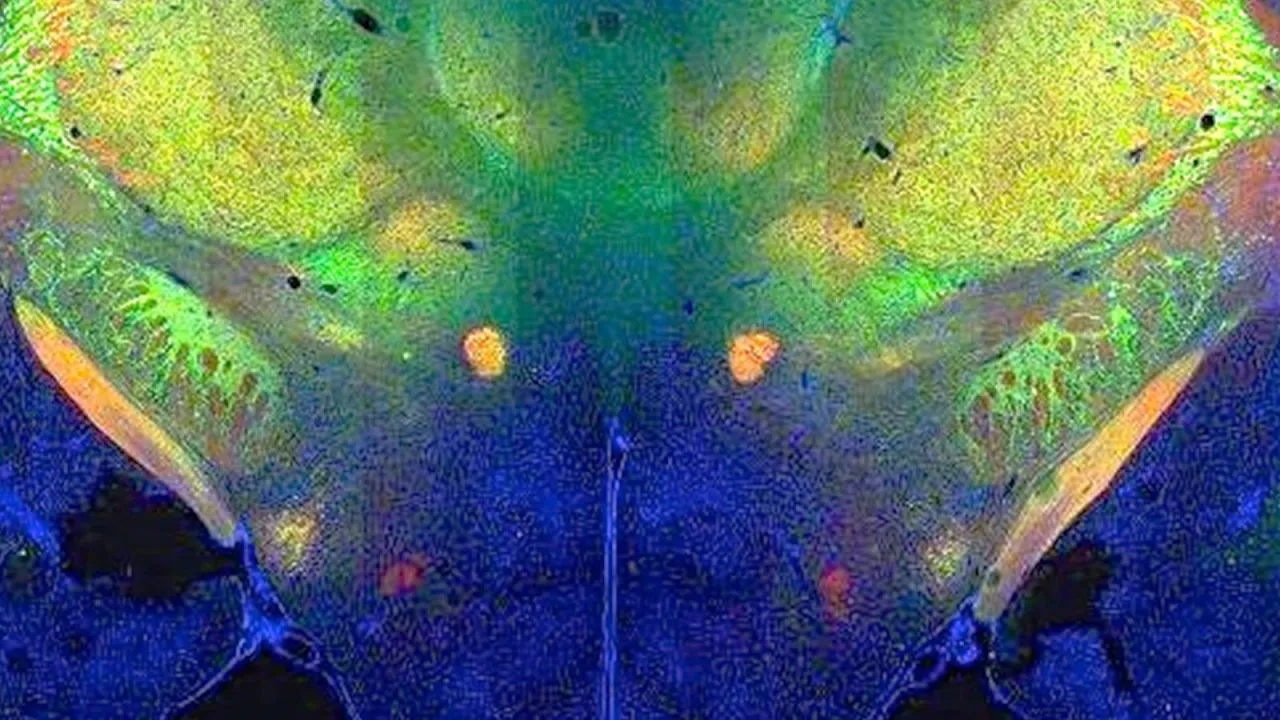
Deciphering Neural Circuits Controlling Anorexia in Mice | Richard Palmiter
@AllenInstitute
2.3K views•2011-10-10

Vagus Nerve (CN X): Anatomy, Nuclei & Functions Explained
@Alilamedicalmedia
305.2K views•2022-10-31
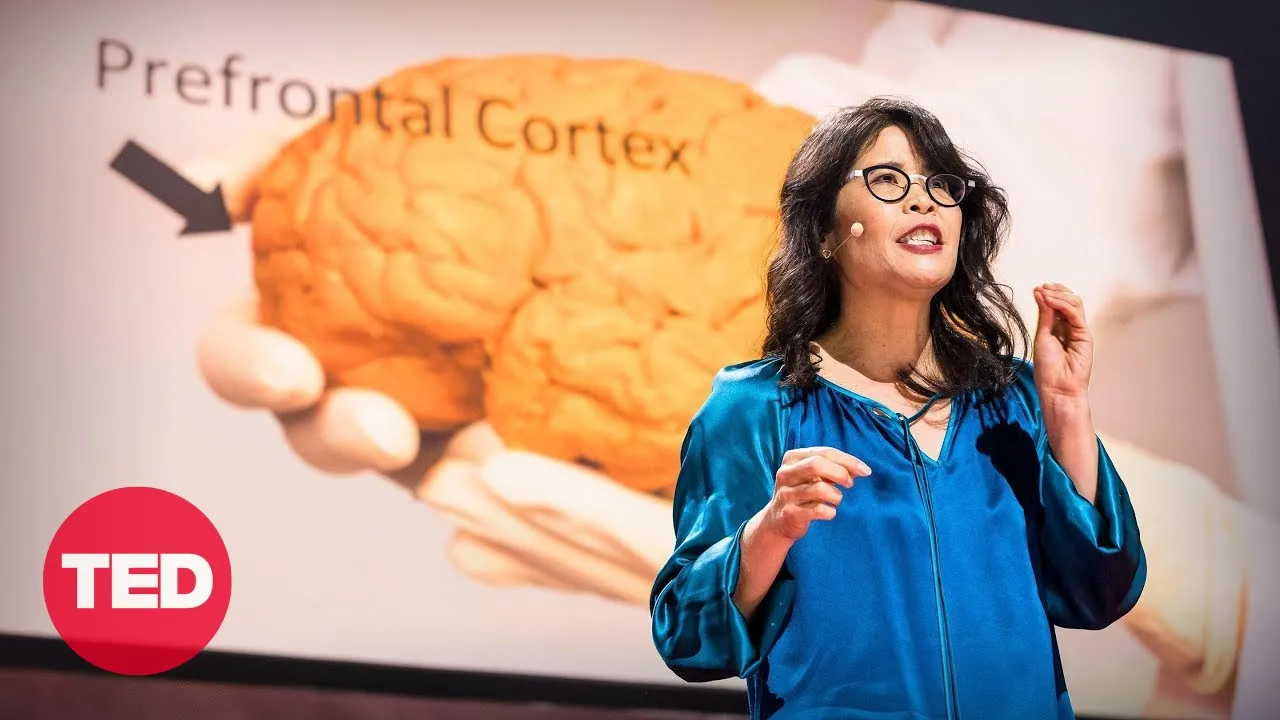
How Exercise Benefits Your Brain: Science Explained
@TED
11.4M views•2018-03-21
Related Study Plans & Knowledge Roadmaps
Structured learning paths in Neuroscience