




















Campus novels are academic fiction centered around university campuses, coined by David Lodge, featuring students, professors, and researchers while highlighting academic follies and corruptions; key examples include Mary McCarthy's 'The Groves of Academe' (1952), C.P. Snow's 'The Masters' (1950), Malcolm Bradbury's 'Eating People is Wrong' (1969), A.S. Byatt's Booker Prize-winning 'Possession' (1992), J.M. Coetzee's 'Disgrace' (1999), Kingsley Amis's 'Lucky Jim' (1954), Vladimir Nabokov's 'Pale Fire' (1962), Philip Roth's 'The Professor of Desire' (1977), Malcolm Bradbury's 'The History Man' (1975), David Lodge's 'Things' (2001), Paul Auster's 'The Invisible Man' (2009), and Stephen Fry's 'Making History' (1996).
Campus Novels: Complete Guide for NTA NET, GATE, WB SET English
Added:Understanding of the novel as a literary genre, including its historical development in the 20th century.
Familiarity with literary devices such as satire, irony, parody, and academic farce.
Basic knowledge of the post-WWII socio-cultural shift in British and American higher education, which birthed the genre.
Awareness of the general syllabus structure and question patterns of competitive English literature exams like UGC NET, GATE, and SET.
In-depth textual analysis of seminal campus novels, such as Kingsley Amis's 'Lucky Jim' and David Lodge's 'Changing Places'.
Comparative study between British campus novels and American academic fiction to identify cultural and structural differences.
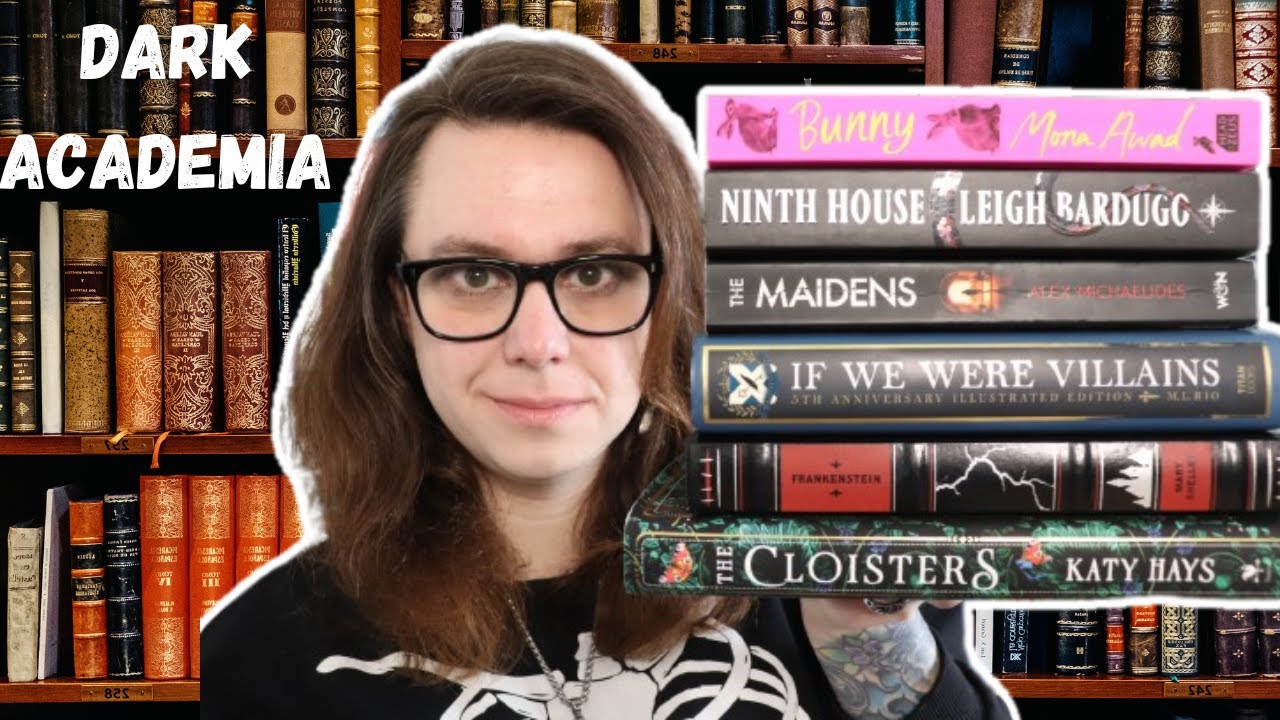
Exploration of modern evolutions of the genre, such as the 'Dark Academia' phenomenon (e.g., Donna Tartt's 'The Secret History').
Application of critical theories, such as Marxist theory or Institutional Critique, to the representation of power dynamics in university settings.
Solving previous years' exam questions (PYQs) and taking mock tests specifically focusing on campus novels and their authors.
160 views8likes19:30Original Release: 2023-12-21
hello students a very very good evening to all of you welcome to my channel this is a very important class on campus novels today we will talk about almost 20 uh around campus novel but before starting I want to give you a brief introduction about myself my name is Rishi mukarji I have qualified N ugc Net exam in English literature for four times and have also qualified West Bengal set examination I have three years of teaching experience moreover I have also talked in nptl online course from IIT madas three times so that is all about myself this is the link of my telegram channel the link is also given in the description box so those of you who have not joined yet please join to get notification of all important classes and also please don't forget to like share and subscribe my YouTube channel so that many more new Learners can join this are the timings of your classes Monday to Thursday at 8:30 p.m.
so don't forget to join me live please subscribe the channel and press the Bell icon to get notification okay so let's start today we will talk about campus novel so first of all a brief introduction to what is campus novel no so campus novel the term was actually coined by David Lodge in his article uh titled as novokov and the campus novel so in that particular article he has given a definition and the word campus has a Latin origin which means field so that is why it is also known as academic fiction and it starts did as early as 1950s so why is it called campus novel because the main plot and the characters they are centered around a University campus okay so University campus is the main setting and academic related issues are there so it talks about fictional possibilities created within the four walls of a university major characters obviously are students researchers professors academicians so it often contains some nostalgic feeling highlights the folies and Corruptions of academic life usually comical or sacal inut so these are the features of Campus no easy concept campus novels the first important novel which we are going to discuss that is the grobes of Academy published in 1952 the grobes of acad it is written by Mary mcarthy one of the earliest examples of the sh Gres of Academy it is not the first campus novel but one of the earliest examples of this sh so American campus no main character he was a student sorry not a student he was an instructor at Joseline college in America Henry M uh Mahi based on author's own teaching experiences so it is basically a satire on the academics and the preface is taken from fores Epistles this is an important Point fores Epistles is the source of the prease next Noel the Masters published in 1950 it is also an American campus novel written by CP snow so this is basically a series of novels 11 novels which were titled as strangers and brothers so series Noel the master so it talks about the appointment of a new teacher in an anonymous Cambridge College Anonymous Cambridge College fictional so two figures they have been nominated for the teachers that is Crawford and Jag it is talking about the appointment of Sorry appointment of the new teacher it was set in the backdrop of naxism in 1937 M narrator Lewis Elliot Lewis Elliot is the narrator okay next novel title is very much interesting and horrible also eating people is wrong this is a novel written by Malcolm bradburry the protagonist Mr Stuart fre who is an H of English a 40 year old Professor so he falls in love with one of his students and U he feels a kind of generation gap or a cultural conflict U between his student and himself so Bo age-old professor at the age of 40 uh he's much matur and he his world is is completely different uh with the world of his students so he uh cannot match himself with that particular newer world so it is very wheaty and saic in tone talking about the lower morality of the academicians and the prophecy eating people is wrong next novel possession a romance we have already discussed the novel in our uh class of Debut novels so uh possession of romance this is a very famous Booker prize winning novel written by a Booker prize class discuss it was written as a response to the French leftenant woman remember that a very famous novel by John fouls which has three different endings okay so it it was written as a response to the French leftenant woman and it is considered as historiographic meta fiction historiographic meta fiction so to a combination of history and meta fiction so two researchers are there they have been researching on two Victorian poets Christel lamote and Randolf Henry Ash so maximum critics Rand penry Ash is a portrayal of Tennison or Robert Browning and Christoper lamot is a representation of Christina georgana Rosetti so they are the two research Scholars Rona Mitchell and B Bailey they fall in love with each other uh it was set in the Victorian period obviously so they are doing research based on the letters Diaries excerpts from poetry material research it is a combination of beat romance intellectual mystery and love story next disgrace written by JM KY the disgrace is set in the the post apartheid South Africa I have already told you what is aparted and anti- aarid movement so it was basically launched against the ideology of slavery movement this is also a very beautiful novel which own Booker prize it also talks about the life of a Professor David luri uh a professor of English so she has sorry he has a lesbian daughter Lucy Lucy is twice divorced and has sexual relationships with a prostitute he seduces a secretary of his university and then a student David Lodge seduces a student and a secretary so because of that crime he was dismissed from his job he goes to Lucy's Farm in cap town and Luc is raped by some black slaves she is forced to marry petus the man who sees are bathing it is talking about the effects of post colonialism and Western political ideas a next novel lucky Jim published in 1954 the debut novel by King publish somet mom award for fiction in 1955 this is important and luy Chim is a novel which is dedicated to Phil PL remember that also so the title itself indicates that Jim is the protagonist so Jim diction is considered as luy Jim uh he is a very reluctant lecturer and the surname Dixon is actually derived from Lin address 12 Dix Drive okay so that is about lucky gim next no P published in 195 7 written as a response to Don kot written by Vladimir novokov notoriously famous for writing Lolita protagonist Timo pavlovic pinin a Russian born assistant professor living in United States okay so pin's character is modeled on Nabokov himself so kind of autobiographical touches here and also one of his colleagues Mark seel so partly autobiograph original title my it influenced Martin amise and flaner O Corner okay next novel Porter House blue waterhous blue published in 1974 written by Tom Shar okay okay so it talks about the story of scallion the headquarter of the Porter House the Porter House is a fictional College under Cambridge University it is not a house for Porters so basically Porter House title it indicates a kind of disease it is a particular kind of stroke which can make a person totally paralyzed so Porter House blue it is the name of a college under Cambridge University okay next novel The History man published in 1975 the history man is a novel written by Malcolm Bradberry setting her fictional town of w mou the two students are the main characters Howard Kirk and Barbara they are the students of University of leads Howard becomes a lecturer and they get married Barbara develops intimacy with with an Egyptian student with an Egyptian student so this is about the novel The history map okay later Howard also selects many partners from his students and colleagues at the end they are still together and everybody admires their Advanced marriage so they are married but they are not uh considered uh depended on each other and they are not forcing any anyone's uh desire on another so an example of advanced marriage is this okay next novel thinks thinks is a novel published in 2001 by David Lodge is main novelist Helen Reed an English novelist in her 40s uh she has two children meets 50 yearold Ral messenger a specialist in cognitive science department the main character Helen Reed who is an English toist she meets a specialist of science uh scientist Ralph messenger so Ralph messenger has his own family his wife car and children are there Ral has to undergo a successful surgery later in 1999 he publishes a book called machine living uh machine living is the name of the book inspired by that Helen resumes her writing so this is about the novel things a next novel invisible published in 2009 I think this was some uh somehow asked in u invisible The Invisible Man Invisible Man invisible related novels option Paul no invisible will be the correct answer so published in 2009 divided into three sections plot important first section love triangle among Adam Walker a student with Professor Rudolph and girlfriend Margot triangle Professor Rudolph his girlfriend Margot and his student Adam worker second part talks about Adam's life in New York with his sister gin and the third part talks about Adam's death fourth part distinguished scholar Sicily concludes the story by describing how strangely she has met with the professor in a remote island in the Caribbean Society so that is about this next work the professor of Desire the professor of Desire published in 1977 this is a novel written by Philip Roth nominated for National book Circle award so it is talking about title is very much interesting and ironical also the professor of Desire so here desire talks about desire of homosexuality so Professor David capes is the main character uh his youth college Years and academic career is described here next novel next and last novel of today's class that is making history making history published in 1996 so this is a novel written by Stephen Fry first person narration by Michael Pap this is the name of the character so Michael papy Young uh is a resent Archer at Cambridge University Research experience and he's researching on a very interesting topic the life of Hitler and his mother meets with Professor Leo zukerman a physician intensely interested in Hitler it is talking about that so Leo has invented a machine which enabled the past to be viewed so kind of time machine but time machine past future but here this is talking about the past and events view like we see the previous footage in our CCTV cameras in the same way so Leo has used it uh used this machine and moves to an alternative historical timeline when Hitler was never existent and Hitler during the time of world war then what the scenario it is talking about that very interesting plot and making history so making here signifies rebuilding or Recreation of History so these are some of the important campus novels campus novels David nice works and changing places Anglo seex Attitudes by Angus Wilson coming from behind by Howard Jacobson the human strain by Philip Roth Japanese by Spring by ishma read so these are some of the other campus top top I think uh I'm clear with all the summaries and uh the details associated with the novels so please read something of your own uh about these writers and these campus novel and this novel making history the plots are very much interesting okay so that is for today's class this is the link of my telegram channel the link is also given in the description box and these are the timings of your classes so tomorrow uh I shall not be able to take any class so we will meet again on Monday next week Monday at 8:30 p.m. your classes will resume as usual so don't forget to join me live please subscribe the channel and press the Bell icon to get notific okay so thank you all bye-bye everyone good night see you all next week Monday at 8:30
Up Next

9:39
Lucky Jim by Kingsley Amis: A Campus Novel Review
@NicholasOfAutrecourt
3.3K views•2012-09-24

13:43
Formalism in Literary Criticism: An Academic Lecture Overview
@mattalberhasky9952
39.1K views•2015-08-05

6:08
Point of View in Fiction: First Person vs. Third Person
@magicalthriftyteacher
153.8K views•2014-03-31

15:25
1984: Orwell's Dystopian World and the Mechanisms of Totalitarianism
@AlternateHistoryHub
7M views•2017-03-04
Related Study Plans & Knowledge Roadmaps
Structured learning paths in Literature
literature
Graphic Memoirs: Visual Art, Trauma & History
01Foundations of Sequential Art and Visual Language
02Autographics and Processing Historical Trauma
03Visualizing Personal Trauma, Grief, and Graphic Medicine
+ 2 more learning modules
14h5 modules
Explore Roadmap
literature
Campus Novels: Evolution, Themes & Critique
01Introduction to the Campus Novel Genre
02Mid-Century Satire and the Post-War Academy
03Dark Academia and the Critique of Privilege
+ 2 more learning modules
14h5 modules
Explore Roadmap
literature
Theater of the Absurd: Philosophy & Plays
01Postwar Existentialism & Historical Roots
02Dismantling Narrative: Esslin & Absurdist Conventions
03Samuel Beckett and Tragicomic Existentialism
+ 2 more learning modules
12h5 modules
Explore Roadmap
literature
Revenge Tragedy: Justice, Madness & State
01Foundations of Early Modern English Theatre
02Anatomy of Revenge: Structural Conventions
03Psychological Complexity: Madness and Melancholy
+ 2 more learning modules
15h5 modules
Explore Roadmap