







![A Better Way to EQ, Better Way to Compress & Better Way to Reverb [Podcast 004]](https://i.ytimg.com/vi/RCXgYDtex-8/hqdefault.jpg)






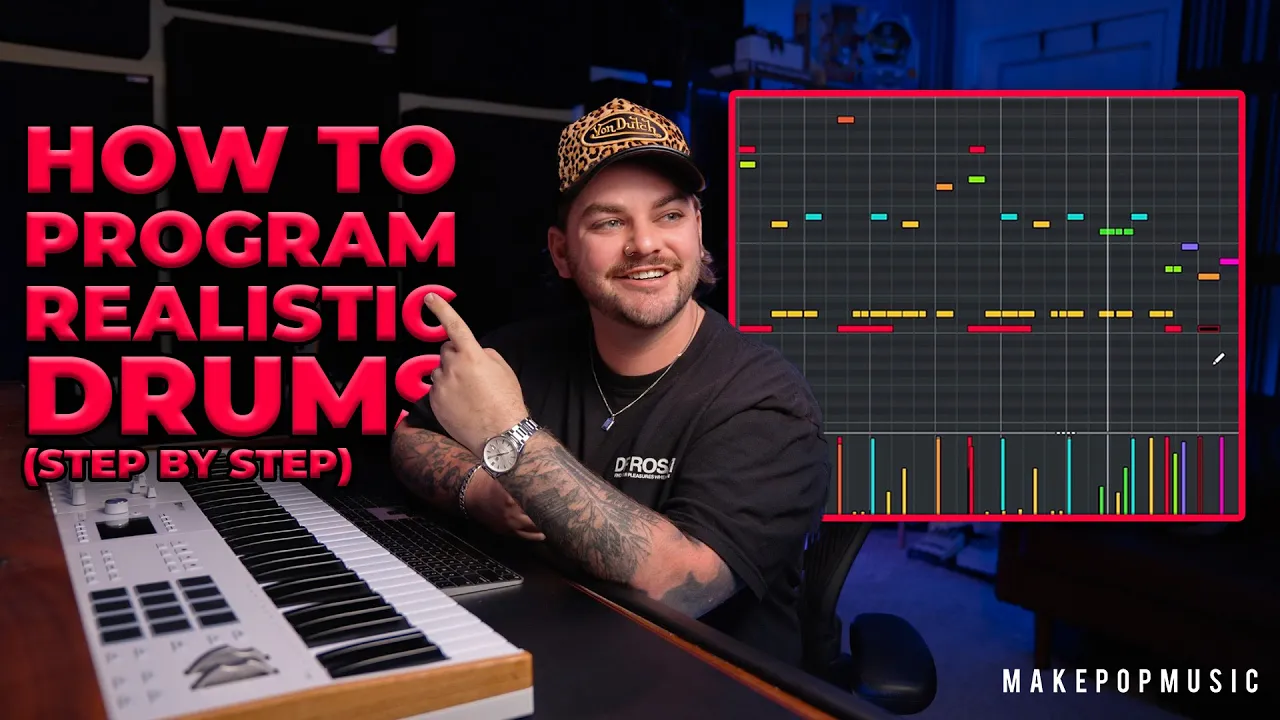
This tutorial demonstrates how to program drums using MT Power Drum Kit 2 in Reaper DAW, covering essential concepts including MIDI grid organization where each key represents a drum (kick, snare, toms, cymbals), velocity control (0-127) where red indicates harder hits and green indicates softer hits, proper beat placement to the right of grid lines, and humanization techniques using quantization and humanize features to add natural imperfections for realistic drum sounds.
Drum Programming with MT Power Drumkit 2 in Reaper | Beginner Tutorial
Added:Basic familiarity with the Reaper DAW interface, including track creation, importing plugins, and basic transport controls (play, stop, record).
Understanding the fundamental concept of MIDI (Musical Instrument Digital Interface), specifically how MIDI notes trigger sounds compared to raw audio files.
A foundational awareness of standard acoustic drum kit components (kick, snare, hi-hat, toms, and cymbals) and their typical roles in a rhythm section.
Multi-output routing in Reaper to send individual drum components (kick, snare, overheads) to separate tracks for independent mixing.
Essential drum mixing techniques, including the targeted use of EQ, compression, and reverb to glue virtual drums into a mix.
Advanced humanization and micro-timing adjustments to manually inject natural swing and realistic performance flaws without relying on automated plugins.
Parallel compression (often called New York compression) on the drum bus to add power and cohesion to the programmed drums.
Arranging dynamic drum parts, including crafting realistic transitions, fills, and intensity changes to support the narrative structure of a full song.
120.6K views1.9Klikes20:43Original Release: 2020-06-29
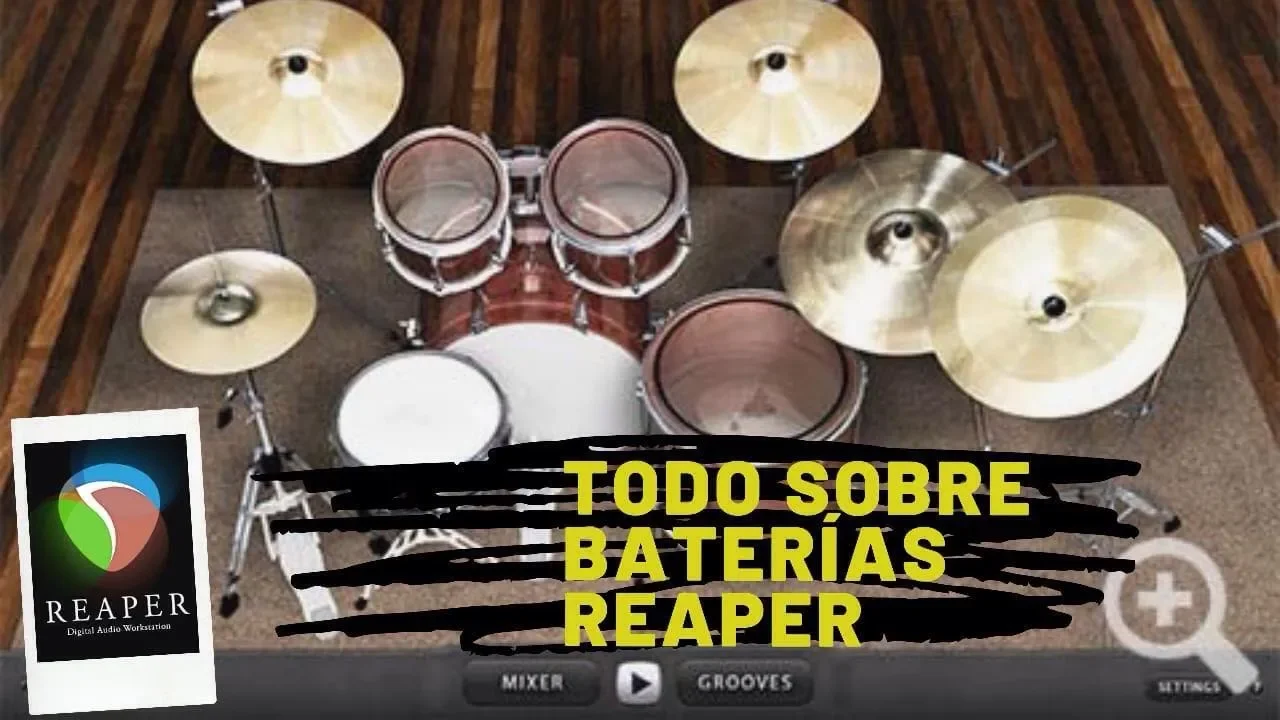
so I got a request to make a video about how I program drums I'm trying out different kinds of drum plugins I've tried ez drummer get good drums and then the most recent one that I've been trying out is a thing called empty power drum kit so I'm gonna actually show you how to program drums using this one the empty power drum kit partly because it's free which is pretty awesome and I just really like it a lot so let's start so obviously you got a download empty power drum kit like I said it's free so I'm using Reaper right now but I'm assuming that you can use this in any kind of talk but I'm gonna be using Reaper so if you don't have Reaper you can download that for free as well alright so now we have Reaper up you just started a new project so I'm gonna go to options right here and I'm gonna go to preferences and then we have this whole thing so now we are going to go to VST and I like to click on auto detect so that's basically it's like what it says it's gonna detect any new plugins that you just installed it's gonna automatically detect them and like sort of calibrate them I'm I've experienced times where that didn't actually work and so I had to manually do it if that's the case then just click Edit right here add and you basically just find the file that you got or the file that you downloaded the drum kit to and then you open it up in here that's what you would do for that so once that's done apply okay and then we're gonna go to this track right here click effects this is where all the effects are obviously and then these are all your effects on my beloved fix you might not have this many yet but that's all good so anyway just find empty power drum kit for me it's right here and instruments for you it might be in all plugins VST you know might be one of these folders for me it's and instruments so click that MT power drum kit click ok so basically when you click into it the screen comes and you can choose to skip this whole thing it asks you for a donation so it says that if you do donate then it'll give you our registration key which lets you bypass this screen so you can do that if you want I just kind of skip it instead of skip and now we can use it now it's essentially free alright this is the drum kid these are all the thingies so you got the kick drum got snare you got hi-hat yeah this lifts and right crash and you got these Tom's you know Tom one time two times three I believe then you got it's a little Bell thingy then you got China alright I'm gonna go to insert new MIDI item right here and now we can start messing around with this and creating some drum tracks alright so if you're not familiar with MIDI maybe just spend some time getting used to it but basically well I don't mean to do it so basically it looks like a little keyboard here's like a digital keyboard and pretty much every single key represents another drum more or less it looks like for this particular plugin it starts around here and then it ends I think around right here so if you noticed it's labeled C and C's like C 1 C 2 all the way up to C 9 that's just a way to to organize this basically so the actual drums start around here which is right below C 2 these are the kick drums and then you go up here these are snared uses the Tom's and then the Black Keys right here are like hi-hat this is the hi-hat closed oh yeah open so all these different little tones you can experiment so you see these numbers right up here and these vertical lines going down like that basically this is just a way to map it out to like organize it so it makes a little more sense when we're programming the drums so basically you see that there's more two three four there's four of these vertical lines and they're numbered up here and that basically all four lines basically represents an entire measure since we're in 4/4 time signature if that makes any sense I mean I usually start with the kick drum so I'm gonna start the kick drum right here so that's the very first beat of the entire song and then put another one right here on this thing the second vertical line right there third one right here and just to show you and then the fourth one right here and notice that when I'm putting these here I'm putting them to the right of that vertical line right here because I put it to the left of the line then that would mean that when I played it back then the beats the kick drums gonna come in like a hair before the beat which is like not what we want in this situation so I'm just going to put to the right of this line now if you play it back it's gonna sound like this yeah so that's pretty basic and then if you want the snare you know you can actually just do this is another thing you can do just like kind of click a lot and then kind of drag these to where you want so I'm gonna put this snare like right in the middle I'm gonna put this also right in the middle let's just say we're just experimenting we'll put this snare on the actual kick and then this one on the kick and let's see how that sounds we have another one left over illicitly down all right so let's see how it sounds this is very creative you can go all into this it's basically the same thing with everything else it's like the con the Tom's up here so try that I guess go crazy with it got a cymbal right here let's start off the measure with a symbol the the crash let's put the little bell here and another one right here we're just we're just randomly doing this I'm not sure how this is actually gonna sound but just for the sake of trying but it little bell here I'm not sure how this is gonna sound let's just see let's put the bell there whatever amazing that was the best sounding thing I've ever heard in my life this is gonna be really important so you might notice that all of these little squares are different shades of like red and orange so basically the way this works on Reaper is the more red it is means that higher the velocity which basically means it that basically represents in a digital kind of sense like how hard the the drummer will be hitting the drum so this goes up all the way to twenty one twenty seven if you notice there's all over the one twenty seven that is like the max velocity so actually from what I've learned from watching other tutorials is that just to put it in perspective if you were to put a snare drum I like 104 or 105 or something like that that's like the equivalent of someone hitting the drum like super hard like really hard so and these are up to like if you put it to 127 that's like extremely really hard so again it kind of depends on what you're going for anyway that's just something to keep it looking at for us if you put it even lower I'm basically just clicking on here a little arrow right here and if I put it like to the top of that little MIDI thing right there there's a little line you see or right here it's at the very top and then this arrow comes up click it you just click and then you start dragging down and notice that it the che of color starts going into like the yellows and greens so the more green it gets the less velocities it like the quieter as well so you can really experiment messing around and like make them have more like character so it's not just like everything is getting hit like extremely hard or whatever that's kind of unnatural but then again it also depends on your going for like extremely technical death metal or something like that you might want that like mechanical unnatural sound because that's the way it's supposed to sound if you wanted something else like regular kind of rock probably mess around with the velocities to make it sound a little more natural just some other kind of cool things that I figured out so if you would like to click on the kick drum you right-click or any drum for that matter but just use the kick for this and then this is really handy so select all notes with same pitch right click that that means that now all the kick drums are selected that's really really handy so if you want to like change the velocity of all of them at the same time you do that again you go up here and you click and drag you can drag it down to something like that that's probably more realistic sound and you can also do you know copy so ctrl C if you click like right here now you have the same amount of kick drums but now you have it in the middle so it's basically going to be an eighth note now eighth notes instead of quarter notes so see how that sounds pretty cool want to do it again more the merrier you know I love a good kick drum say if you do that then they'll sounds like wow starting to sound better already do it again let's taste in here yeah oh my god this is sounding better and better alright anyway so one more thing I want to go over as far as this is that if you go to the MIDI thing and you go to grid you're gonna notice it has all these numbers like 1.2 click that it looks pretty blank right now you go to like 1 or 1/16 I mean there's more lines I usually go up to like either one 64 or 128 just because it gives me the most basically detail so now you have all these little lines so if I had it like 1 4 or whatever it's just way too plain for me way too many areas just way too much room so for me I just really like when it's 128 or 164 oh no I guess it just makes me feel like I can be more exact with all the drums that I want in here another really cool feature this can come in handy a lot is quantized if you go to edit click quantize or click cue and you get this thing this is basically a cool way to help to get the notes to fit into the grid better so like I'm gonna go here say like you know some of these notes are not completely on the grid so if we go to quantize you click this thing it says strength strength meter and then move it over and you see the notes how they just went right up to the grid so that's really handy if you want to get a mole or even and then another thing I want to point out this has been extremely helpful for me helpful for me help fur so you go to edit human eyes or each click that this is really cool alright so now say that you feel like the notes are too exact that they're too close to the grid and you want it to sound a little more realistic what you would do is you go you can go to human eyes up each open that up and this is really cool this is going to show you all these little things basically it's like you're intentionally making the MIDI notes have like little imperfections which is interesting so it makes it feel more human so like for example if you did timing put that all the way over it's gonna make the notes go friggin crazy you probably don't want to do that if what you're going for is to make it feel more human or natural you probably just want to do it just a little bit just a little so like I usually go even that's like a you look a lot maybe for something like that if you were to go all the way to you know 42 it just sounds like a bad drummer it's like it sounds really human and bad at the same time so you probably don't want to do that yeah I probably go like four or something like that personally maybe maybe six to see all that sense that sounds alright something like that and the lower percentage velocity she do like way high velocity percentage so it's kind of the same thing it's almost like randomizes this thing it randomizes the velocity a little more as you do it so if you put it way up hundred percent velocity it just seemed like the velocity of each MIDI thing is just really extreme so I don't want that either like I said I like to make it more subtle so I'm probably going to put it around here I don't know seventeen maybe something like that timing bias so the more I moved this all the way to the right the more the notes move as well so let's see if you put it like all the way to the right I see uh sounds actually not that different but I also just kind of like to put this around here look sometimes you can make a bigger difference in different projects for some reason but anyway so this is really good stuff new random seed I guess that just means that it completely picks something at random for you to do see if you like it I thought it sounded pretty good anyway you can also do selecting notes and I hope to do all notes there's no like to humanize the entire project another thing that you can do is if you go back into effects and then actually you can probably see the drumkit thing so what you can do first of all if you go into mixer it's literally what it says it's a digital mixer so it has all the different drums right here like kick snare all the stuff hi-hat and then you have the panning so you can control the panning like if you want let's say the Tom's to go you know really far to the right or left or whatever you do that I mean this is a pretty much set in I think in a good way as far as the panning already but you can mess around with that if you want then the volume controls right here the faders said you know just control the bottom on each individual drum then it looks like these are compressors which is interesting I never really use these that much but I think you can mess around with all right now grooves this is something that I just recently realizes in here and it's a pretty cool feature so basically if you don't want to manually like select every single MIDI thing and create the drum track manually and what you can do is go to here grooves and it has like pre-made grooves and I actually haven't really used these that much because I typically a lot of times I like to do it manually for some reason but every now and then I do like to go to the group so anyway this could make it easier but let's say 8th closed hi-hat this is a groove sample alright I need all these different samples of things that you can just kind of click and then just different things it's really cool let's see you have because I never really used these that much yet so this is kind of new for me as well it's pretty cool let's click that try that yeah so that's called the fourth open hat if you go even further yeah shuffles I don't really use shuffles but see how that sounds oh yeah oh yeah and then to go even further down let's see 6/8 grooves let's see how that's down for the China try a snare ghost [Music] got Phil's multi kick oh yeah intro okay I cellar goal examples is like possible in true seer song that's kind of fun yeah school anyway you can go and experiment with this stuff and see what you come up with another good thing about this is you can click one of these like for example this one drag it into your project and now it's here on all the MIDI is already set up so like I said it's gonna be a cool starting point and it already has like the velocities all kind of like configure dis or in a way so this can be a cool thing like and make it a little easier and actually clicking every single thing like I did here if you go here it says the velocity is so soft normal and heavy so just based on what I was saying that's pretty self-explanatory that's pretty cool so like so it's based on what you're going for you can kind of mess with that as pretty cool so if we go back to the mixer real quick it says out one out one under all these things so basically if you wanted to be able to have like complete control over every single drum every you know symbol on everything and be able to tweak the tone like as much as you want as far as mixing like using EQ or whatever and then this is what that's for out one but that's kind of getting more into the advanced realm so if you wanted me to make another video based on that then I could go into that for you if you want so again you can just like copy paste here now we have two in a row [Music] another thing I do a lot is if I go in here click this side the various side of it where the measure ends this little arrow thingy comes up click it and I drag it to the right we're expanding this meaty item so now we have all this other room to do other stuff with drums like create more drums if we wanted to so Felix expanded whatever another thing you can do like if you go to this track that I made or whatever any track you click that and then you drag it click the end of it start dragging and it'll just start to duplicate the track as well so that's pretty cool alright so if there's anything else that you want me to go over involved in drawing stuff like programming and drums or anything else with Reaper let me know if you're new to my channel I post stuff every Monday and Thursday so definitely subscribe I just started posting kind of tutorial stuff like this but I usually do like guitar performances and I also do guitar and like music related tips every now and then also just started a patreon so if you're interested in becoming a member of my patreon I offer a really cool exclusive content that you can only get there and I'm gonna put the the link in the description below and yeah I hope that helps and let me know if you tried it and anything that you've come up with involving drums I'd like to hear what you've come up with and yeah I hope you enjoyed that I thought it was fun I enjoyed myself and I'll see you in the next video which should be somewhere around here alright see you later
Up Next
14:07
How to Program Realistic MIDI Drums: Essential Techniques
@JonMeyer
148.1K views•2023-04-08

12:54
Triumph of Orthodoxy Icon: Byzantine Art & History Explained
@BenCallan
2.1K views•2024-08-06

9:49
FastAPI vs Flask vs Django: Choosing the Right Python Web Framework
@TechWithTim
302.5K views•2024-05-26

1:42
Game of Thrones Opening Credits: A Cinematic Analysis
@gameofthrones
46.3M views•2011-04-18
Related Study Plans & Knowledge Roadmaps
Structured learning paths in General & Interdisciplinary Studies
general-studies
Elevator Engineering: History, Physics & Cities
01From Hoists to Safety Brakes: The Dawn of Vertical Lift
02Hydraulic vs. Traction: The Engineering Physics of Elevators
03Modern Speed, Safety, and Algorithms
+ 2 more learning modules
12h5 modules
Explore Roadmap
general-studies
Rubber: Material Science, History & Geopolitics
01Origins of Natural Rubber & Mesoamerican History
02The Chemistry of Natural Rubber & Vulcanization
03The Geopolitics of the Rubber Boom & Colonization
+ 2 more learning modules
12h5 modules
Explore Roadmap
general-studies
Containerization: Evolution, Logistics & Trade
01Ancient Trade & Bulk Cargo: Amphorae to Barrels
02The Industrial Revolution & Cardboard Packaging
03The Containerization Revolution: Malcom McLean
+ 2 more learning modules
12h5 modules
Explore Roadmap
general-studies
Textile Tech: Evolution, Labor & Global Impact
01Pre-Industrial Textiles: Handloom & Cottage Industry
02Mechanization: The Spinning Jenny to the Power Loom
03The Factory System & Global Labor Transformation
+ 2 more learning modules
10h5 modules
Explore Roadmap