




![[15] Nhịp trong âm nhạc là gì, vì sao phải biết nhịp - Nhạc lý Part 2](https://i.ytimg.com/vi/y_6u45oJrjc/maxresdefault.jpg)



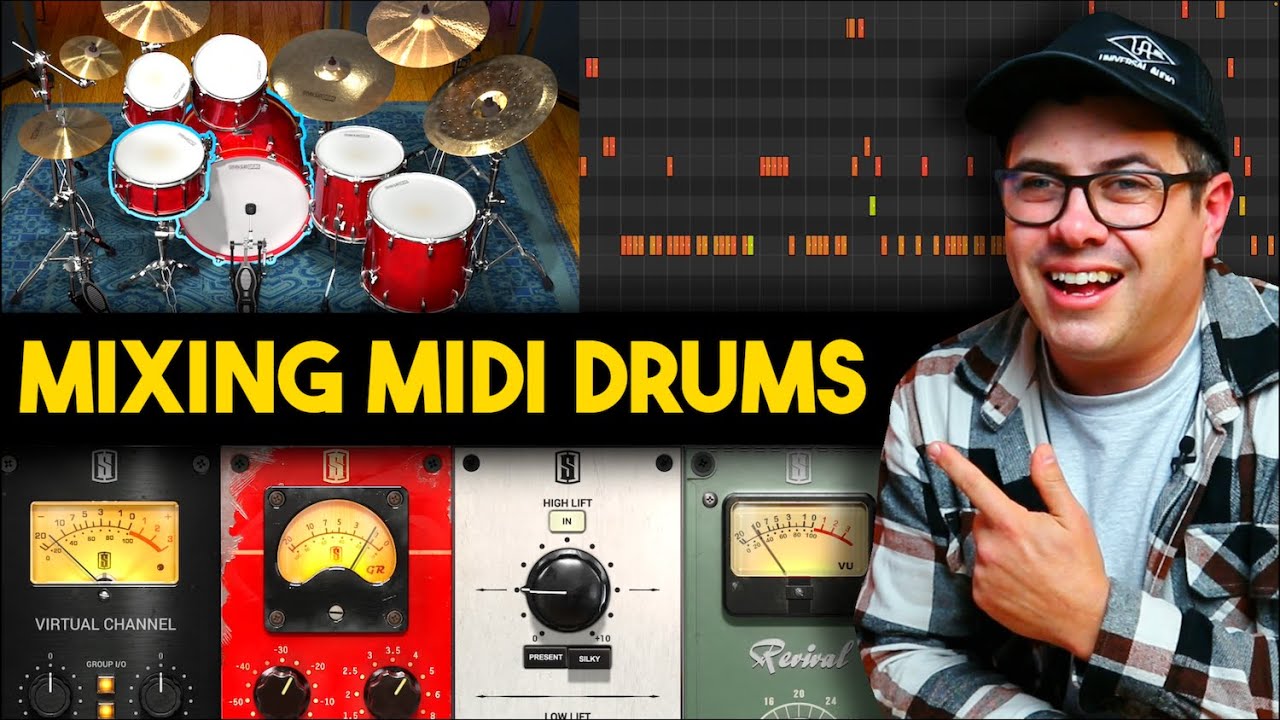









To make MIDI drums sound realistic, programmers must understand the physical limitations of drummers (such as hand/foot assignments and frequency spectrum conflicts), use round robin sampling for natural variations, and apply human-like timing imperfections (placing kick and snare near the grid while performing high hats with slight variations) rather than perfect quantization, as the key to realistic drum programming lies in mimicking the natural inconsistencies and limitations of human drummers.
How to Program Realistic MIDI Drums: Essential Techniques
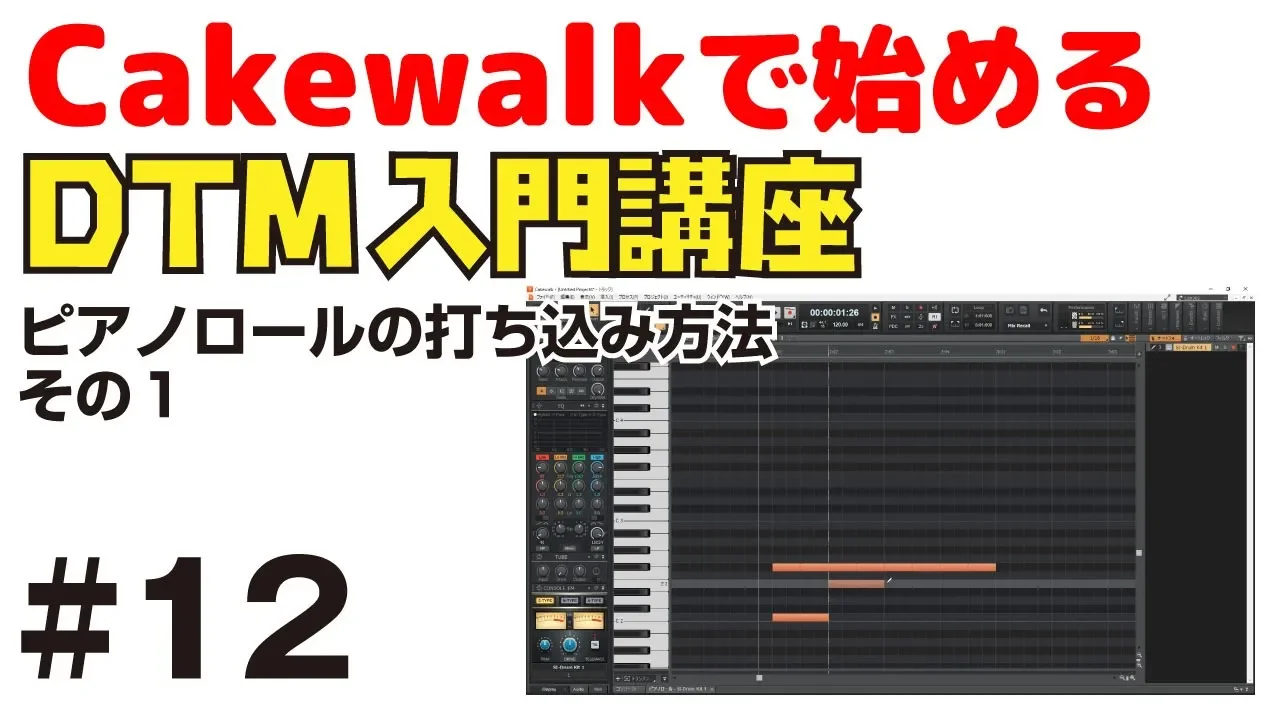
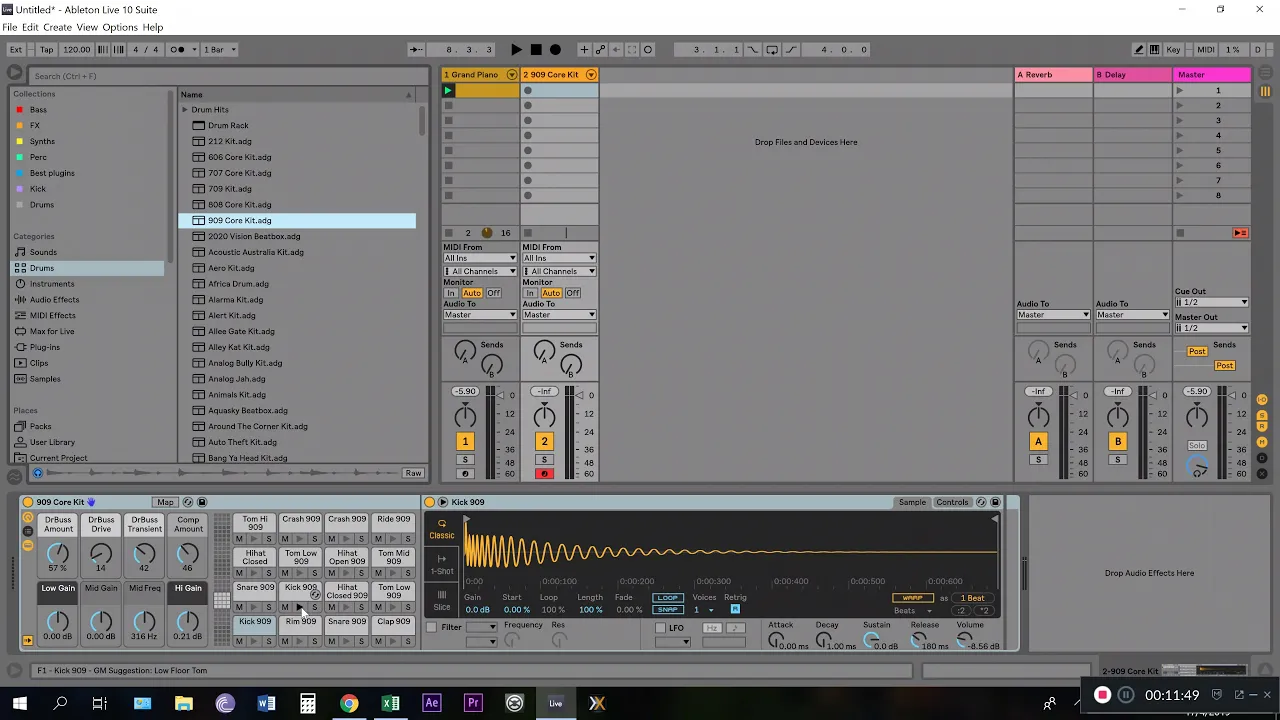
Added:Basic navigation of a Digital Audio Workstation (DAW) and its MIDI piano roll interface.
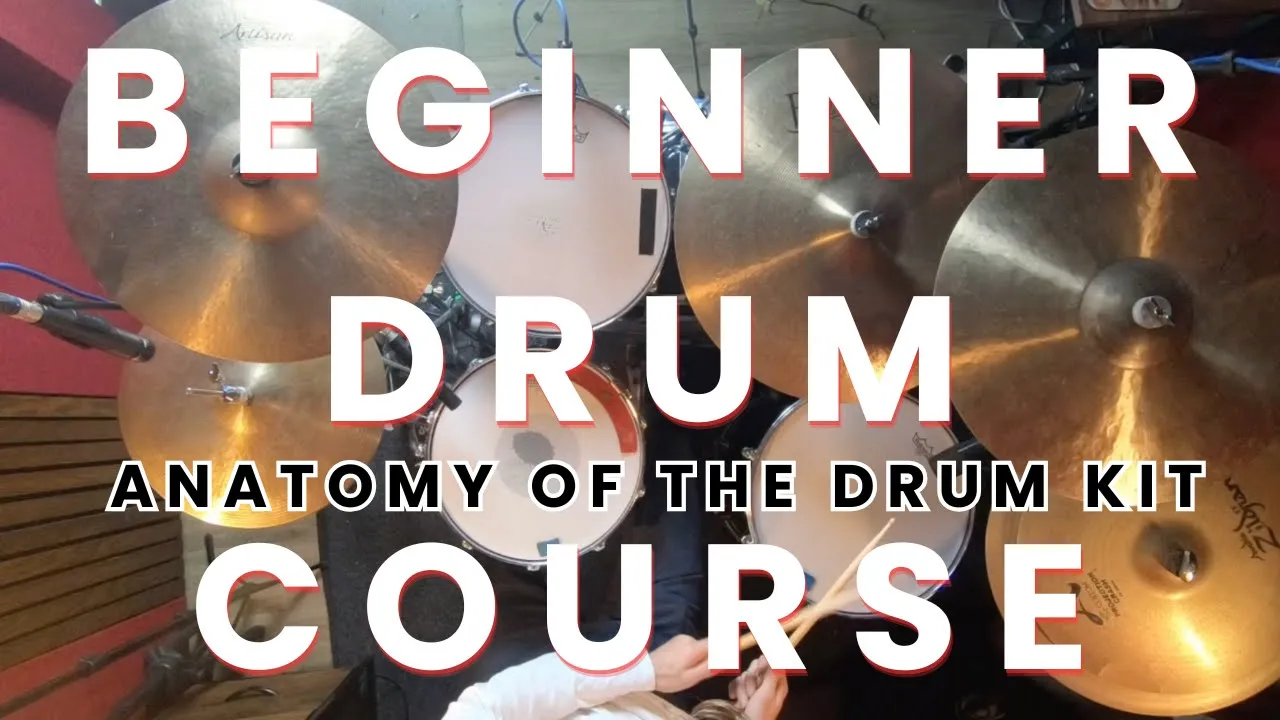
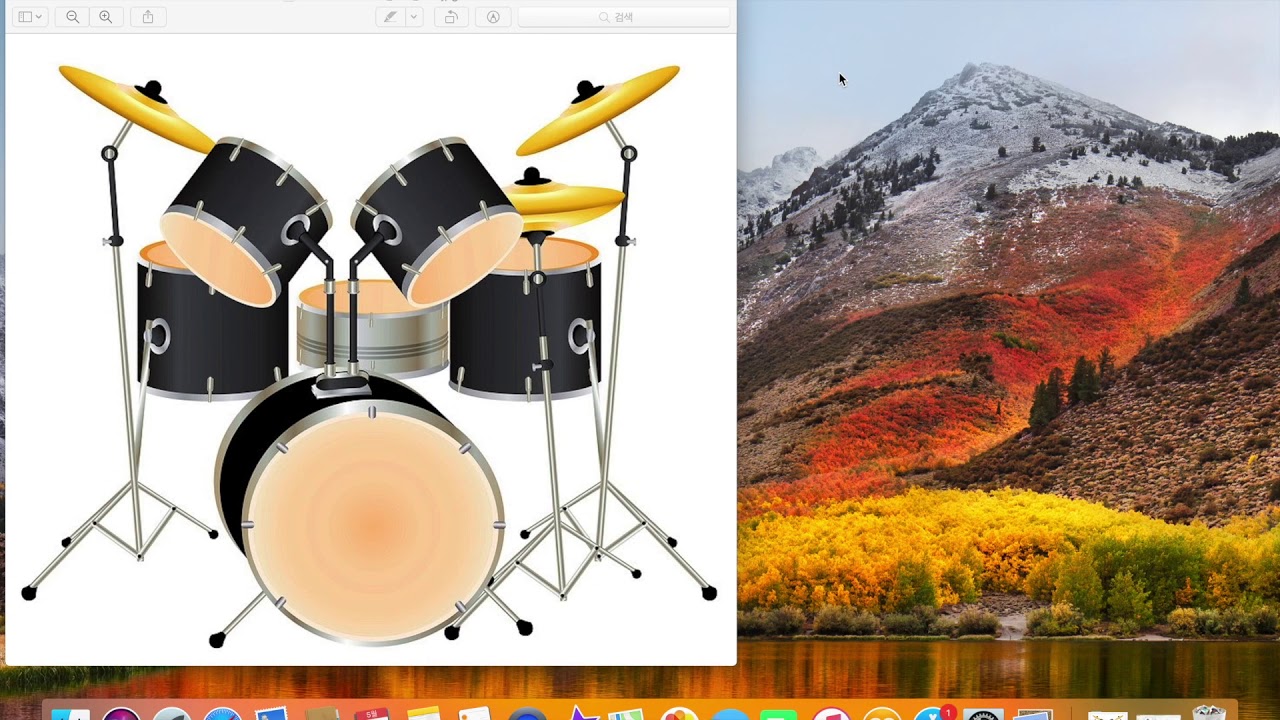
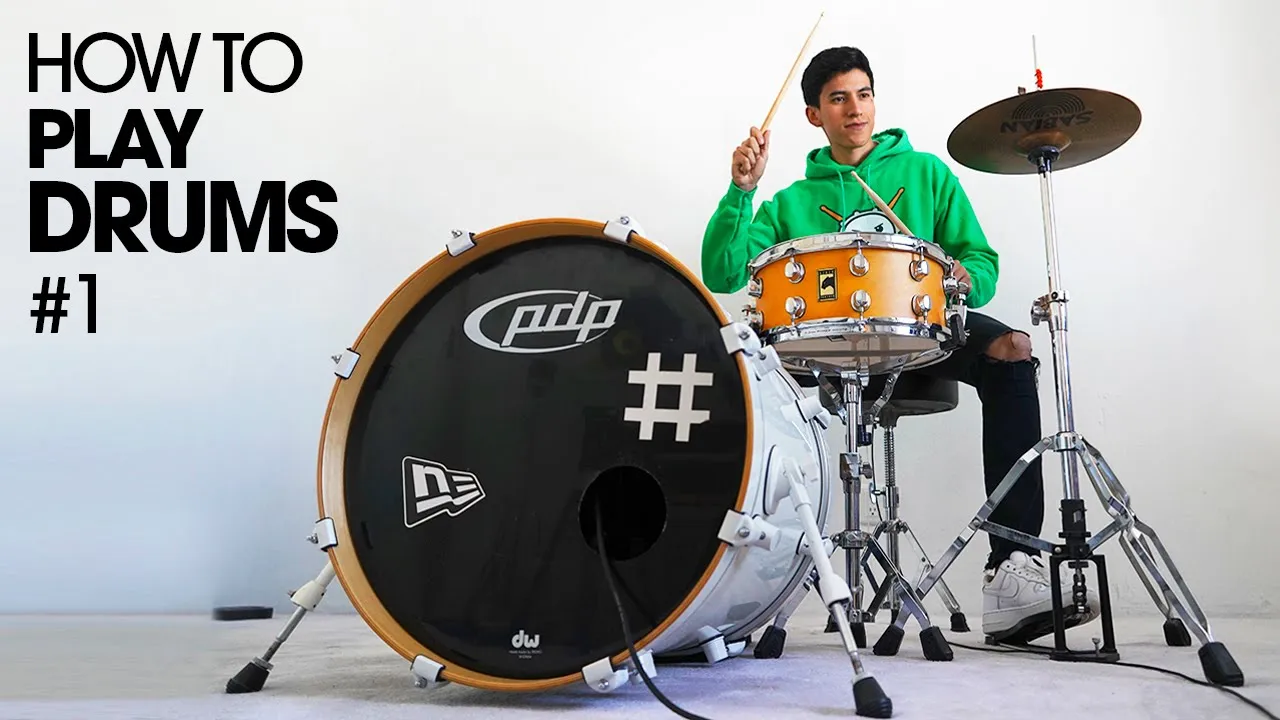
Fundamental drum kit anatomy and layout, including the roles of the kick, snare, hi-hat, and cymbals.
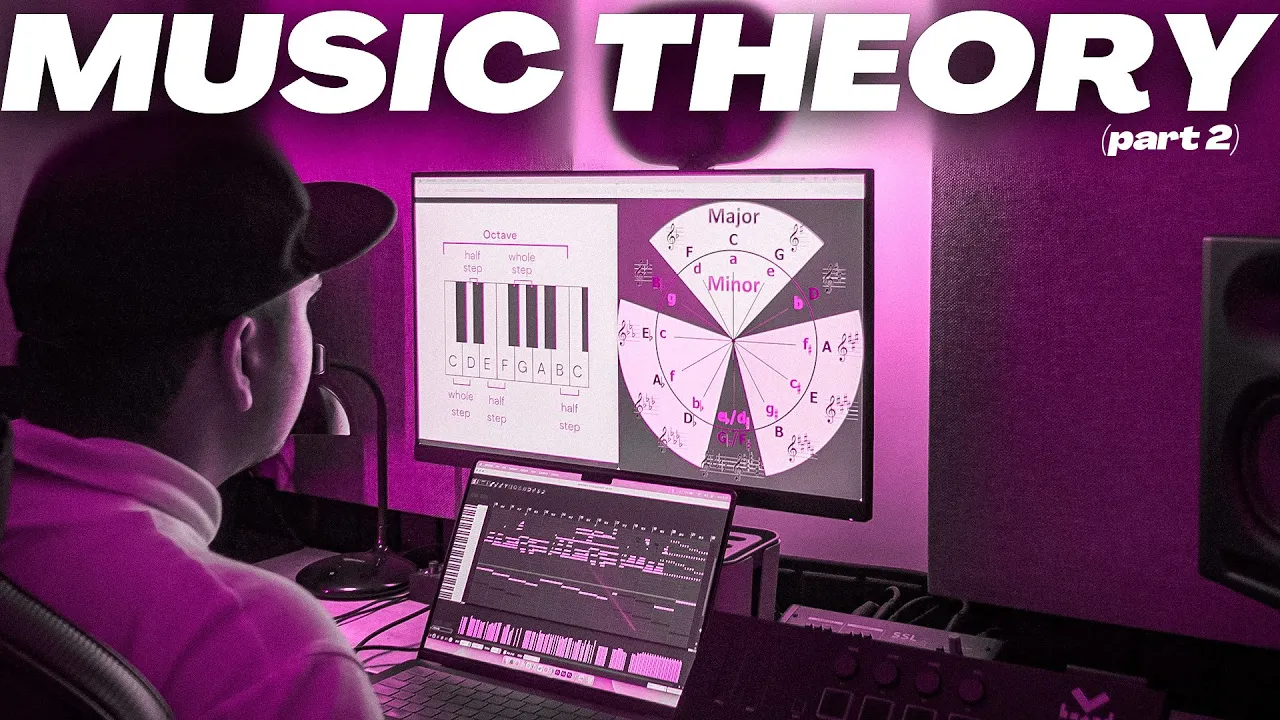
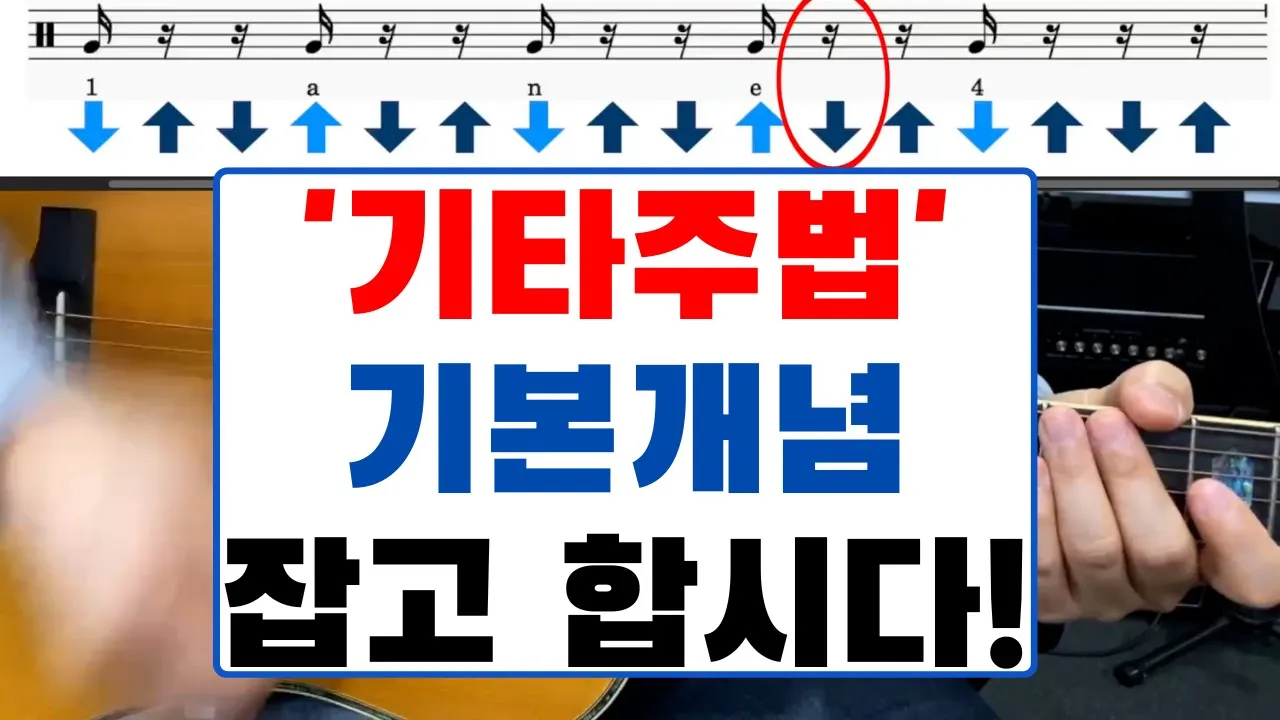
Core music theory rhythm concepts, such as tempo (BPM), time signatures, and note subdivisions.
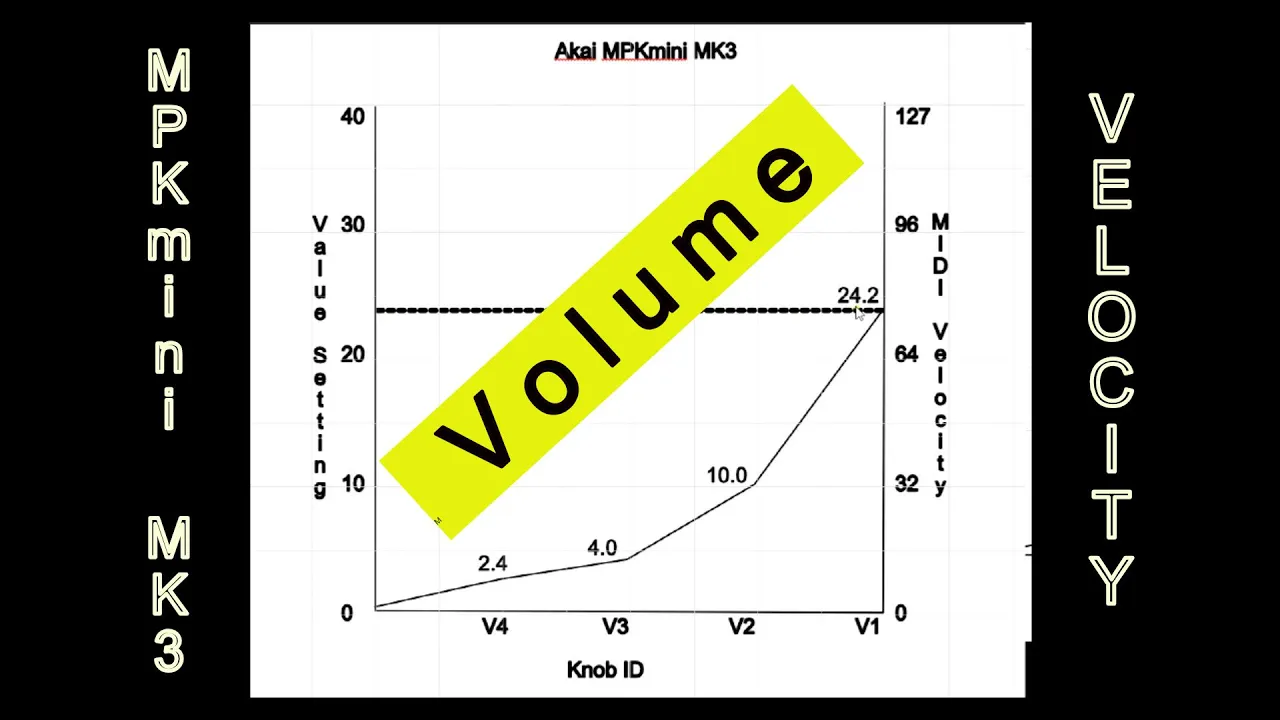
Understanding the concept of MIDI velocity (0-127 range) and how it maps to volume and timbre.
Advanced mixing techniques for MIDI drums, including multi-bus routing, EQ, and parallel compression.
Manipulating mic bleed and room microphones within drum samplers to simulate a real acoustic environment.
Using groove templates and micro-timing adjustments (pushing or pulling the beat) to establish different musical feels.
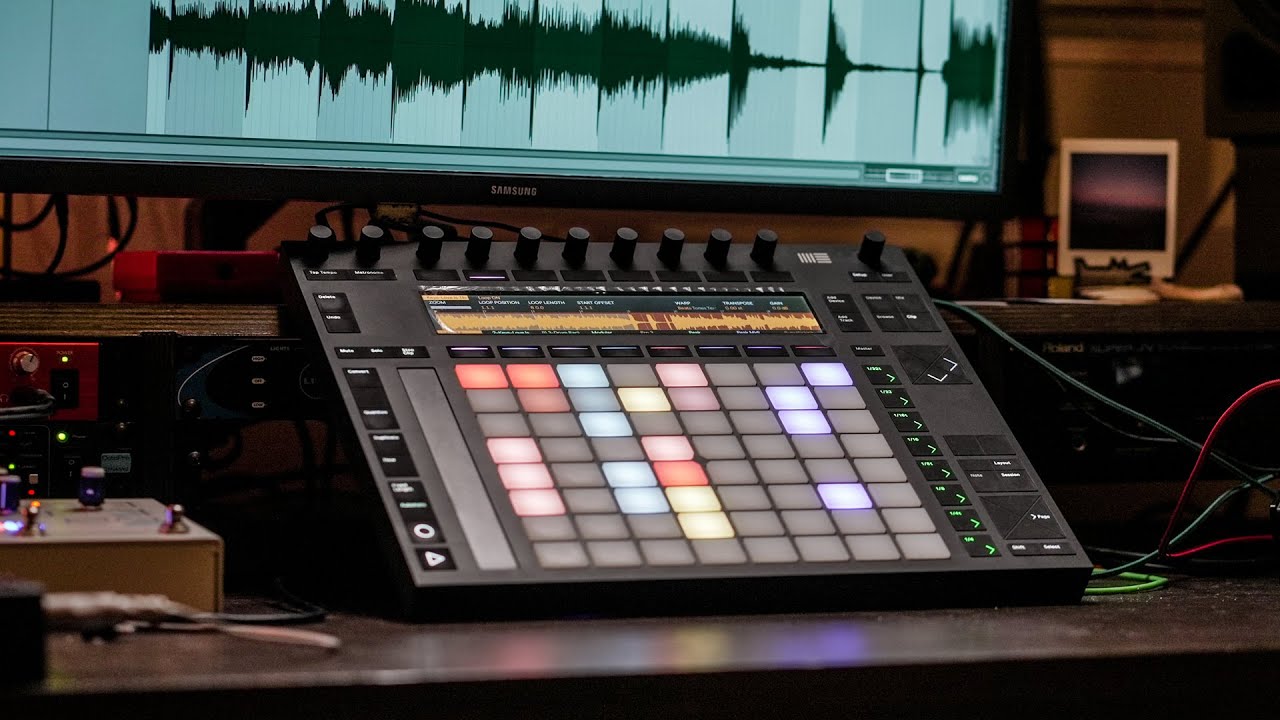
Integrating electronic drum kits (e-drums) or pad controllers for real-time MIDI drum performance and recording.
148.1K views5.6Klikes14:07Original Release: 2023-04-08
[music] You clicked on this video because you know how difficult it is to program realistic sounding drums in the computer. I'm going to walk you through specific tips and techniques that I know will help you be a better drum programmer. But I'm convinced that what separates professional drum programmers, if that's such a thing, from amateurs happens long before the first note is drawn into the doll. Drums take up a lot of space. They're a lot bigger than my mandolins and ukuleles, for sure. So, I know most of you don't have a kit in your house or have access to a kit. So, that's why there's a big business of drum samples and drum loops and contact instruments that play drums. In fact, I may have made one of those. It's called soft drums. I am going to use it to demonstrate a lot of these techniques and I'd love for you to buy it. Link in description. I would love to have live drums on everything. I'd love to try to play it myself, but I'm not all that good. It's kind of a pain and it's just not all that practical for most of us.
The techniques that I'm going to show you are trying to make these programmed drums sound like real human beings. But that is not always the case. There is a spectrum. Over here on that spectrum, you have drum machines from the late '7s and 80s. One dynamic level, one kick, one snare. Awesome. Amazing music is still made with these same drum machines. Over here you have jazz drum kits where somebody's playing brushes and nuances and every hit's a different velocity.
That's this end of the spectrum. You need to know what you're trying to make because that will affect every single choice that you make with the keyboard.
Electronic music is locked to the grid.
Quantiz 100%. Where there are other styles that can be a little freer and require you to work in more nuance, which is actually quite challenging. And all that being said, rules are meant to be broken. And this is art, so do your thing. Each of you has a maximum of two hands and two I would need to stretch in order to actually show you my feet. For this illustration, I'm going to assume we're all right-handed. So, the right foot plays the kick drum and the left foot is on the high hat. Most drummers cross their arms and play the high hat with their right hand and the snare with the left. Yes, an oversimplification, but that's kind of the basics.
Then the toms and the symbols are usually hit with the closest hand that's not doing anything else at the moment.
For instance, when I'm driving along with the high hat, when it comes time to hit a crash, I'm typically not going to hit the crash and the high hat at the same time because the hand's going to be doing something else. And the crash and the high hat occupy very similar frequency spectrums. So, one is going to cover the other. So, it doesn't make a whole lot of sense. I'll often split on my parts, right? I'll record kick snare [music] and then I'll go back and record my high hat. And so what I'll often do is limit myself to just this one hand and I'll play a crash.
Most deep sample drum libraries are going to put the high hat on the F#, Gar, and Aar. In this case, we've got closed, semi-open, and way open. And then you have the foot pedal.
What's cool with with scripting is that when I play this open high hat and then I go back to the closed high hat, it will cut the sound off.
We typically hit most drums the same each time, so drums are relatively easy to sample, but the high hat is always different because your foot is opening and closing the high hats. If I had my way, I'd deep sample the high hat across all the keys and they'd all be slightly different. That's not very practical.
And there have been quite a few times where I have recorded the kick and the snare with samples and I go back and put a mic on the high hat and play the high hat because the high hat is tricky. A lot of drum sample libraries these days are making the mappings redundant. So for 16th note high hat parts I can go [music] same with snare that's a little flam.
[music] And you just want to be smart about it, right? You can't hit two toms and a snare at the same time cuz that would require three hands. I can't hit two crashes and two toms at the same time.
When I'm programming, I like to think vertically along the DAW. I've got this flam and I've got a kick and a crash.
Those are happening at the same time, but you know, they're so far apart frequency wise that you can really hear that kick and you can really hear that crash. I've got snares playing 16th notes, which I can do, but that means I can't really do anything else on the and I've got the foot pedal. And then notice when I get to the toms, [music] sometimes what I'll do if I know if I'm playing a 16th note pattern, if I know that my tom fills are going to match that groove, [music] I'll simply play it here as if it looked like this.
and I'll move them [music] right. That's doable. Every time I have two sounds playing at once, I want there to be a very good reason that they are there. If they're in similar frequency spectrums, they just fight with each other. And what's the point? As listeners, we can only take in so much.
So, try to make it very clear what you want the listener to hear. When you start to understand what a drummer can actually do and you start to play around with other sample libraries, you'll notice that there's a limit to what that library can do. And sometimes I hear people force a library to do something that it really wasn't sampled to do well. It's like trying to drive a minivan 130 mph around a curve. Minivans are great. We've got one, but they're not meant to go fast. So, if you have a drum simple library that has an amazing sound, you try to emphasize what that sound can do well and then make up for the fact that perhaps you can't do the high hat patterns that you want. Well, use some other instrument. Use a tambourine. Be creative and find something in that frequency spectrum to handle those subdivisions.
Again, back to that spectrum. Let's just think about even organic drum kits.
Jazz, every note's different. rock kits, a lot of times you're hitting that snare drum and that kick drum for most of the song as hard as you can. But then when you move towards more pop and folk, you'll find that from the verse to the chorus, the kick is hitting louder, that the snares hit louder. That offbeats the snares are quieter. If I'm doing a kick pattern, kick leading into the downbeat is quieter.
Sometimes you might have a kick and snare playing together. [music] If you keep that kick at maximum velocity every time, it's different than if you back off the kick when the snare is playing.
It's hard for me to do that with my fingers there. I've worked pretty hard to [music] play some simple grooves. I suggest at least working on the kick and snare.
Play those in. You can start working on the dynamics that way. Especially if you're doing a pattern with two snares, overemphasize it, right? We're just trying to get it into the computer.
[music] You can always go in and make those adjustments later, but get it onto the computer. Then you can start to make your edit. That way, you can really lock into the dynamics of the particular track that you are working on. Sometimes I hear loops and grooves that sound cool, but they don't really match the track. So, it sounds like they were just drugged in from a library and something's not quite right. Most deep sample libraries have multiple velocities [music] for each drum.
A ride symbol when you're playing it lightly [music] sounds different than when you use it as a crash, which you can do. [music] Lack of humanity and nuance. There is no denying that the grid that came along with modern computer software completely changed the way that we think about music and that we think about timing in music. We can zoom in, see exactly if something is late or behind or in front.
And I grew up in the generation where everything was perfect. Drums became perfect. Autotune made pitch perfect.
And so I learned how to do all those things and I got pretty good at it. But now there's been somewhat of a shift.
Now, we don't want to go all the way back to a lot of these records where the drummer obviously didn't use a click track. I'm not saying that's what we need to do, but there's finding that spot where there's some life and it's not all exactly perfect. That being said, I like my kick and my snare almost 90% of the time to be pretty close to that down beat or pretty close to that back beat on two and four. I know there are some arguments that sometimes you want to lay behind the beat and push it back sometimes before, but if you're not all that experienced, put your kick and snare on the grid and then use the high hat, perform it.
Check out the high hats on some of these performances of mine. [music] If you go in and zoom in at any point, this is the high hat. You can see that one's somewhat on the grid. That one's a little bit behind. I performed each hit and I purposefully left some a little bit off. Now, I absolutely went in and if it didn't sound right to my ear or it sound rushed and then it dragged on the next note, you never want that. I can say with certainty, a bad drummer is going to be ahead on one beat and then behind on the next and ahead and then behind. If it's on purpose, of course, there's shuffle and swing grooves. Be mindful of that. But you want consistency. A lot of times a drummer might get a little bit ahead of the beat and they'll bring it back and slowly make their way to the beat if they know they're rushing. Now, I also know that most drummers want to be perfect. They want to hit it on the beat and that's the goal. But sometimes humanity gets in the way and we don't hit that goal. It takes a significant amount of time to decide what works and what needs to be tightened up. And you will develop the ear for that over time as you do it. But I do want to impress upon you that doing this right in the computer takes a lot of time and examining exactly what needs to be fixed and what doesn't and what can be changed that requires an ear that you need to develop. And you do that by listening to drummers and you really need to get behind a kit and start learning yourself to really get into the brain of a drummer and understand what is possible and what sounds forced. I I quantize all the time. Like I said, kick and snare almost maybe 90% or 100%. The downbeat of the first section of a track, if I intend to loop anything, I always put it on the down beat so that when I fly it around, it's not doesn't get cut off. Then perform my high hats and I might take the high hats and put it at 30%. Sometimes I'll put it down at 20% and I'll just hit it a couple times, right? So 20% and then 24% and 20 more%.
I don't know how the all the math works there, but I'm just slowly easing my way until I get to a point where I think it feels right. Also, keep in mind that these drum samples are meant to sound different each one. We work in what are called round robins to where you hit the drum so it doesn't sound the same way every time. [music] Even if I hit the same velocity, it's going to sound different. You know, when you hit the drum, the drum is vibrating.
So, when you hit it again the next time, it sounds slightly different. The machine gun effect occurs in like old sample libraries where the exact same sound is being triggered over and over again. But here, these are the same sample by the way on soft drum. [music] Even [snorts] though it sounds close, there's a slight variation in the sound.
In between these two snares, you have this these flams.
A lot of drum libraries will do this. So I can play [music] that's actually a physically performed [music] with the drums being split out with the toms. You can do that yourself [music] that kind of thing.
Keep in mind if you do anything like that quantizing it at 100% would ruin it. It would sound just like they hit together.
[music] Stop repeating yourself. Like I said earlier, it's difficult to make a song sound like it's played by a human using samples. You need to be thoughtful and it takes time, especially when you get to fills. A good drummer is will hardly ever repeat the same fill. Again, when it comes to fills, like the end of this track here, [music] if you look at what I did, I've got my kick and snare, [music] and then I'm not playing any other drums at the same time. I've got my open hat [music] that's that's somewhat carrying on. Then I've got my high tom, my low tom, another high hat the same time as the kick, which is fine. They sound different from one another. This instance, I am somewhat breaking my rule with. [music] But notice that I spread them out ever so slightly.
Just a nice little thumb. If they were together, it wouldn't sound the same.
You just hear the tones, but now I hear the individual hits.
I can exaggerate it.
[music] I can flip it around this way.
But I wanted that snapshot to sound good, so I worked really hard on it. You might copy your kick and snare patterns around, but but oftent times the high hat's going to open a little bit more in the second verse, or maybe it's going to go to a ride instead of the high hat in the second verse. I like to go through and play at least the kick and snare through the entire track, just so I can got to get a foundation for what I want, then think about all the different ways I can add variation through each section.
[music] The last thing, poor mixing choices.
This video is already way too long.
Up Next

7:13
Analyzing Matt Garstka's Top Three Drum Grooves | Drum Lesson
@ThomannsDrumBash
11.7K views•2021-02-24

12:54
Triumph of Orthodoxy Icon: Byzantine Art & History Explained
@BenCallan
2.1K views•2024-08-06

9:49
FastAPI vs Flask vs Django: Choosing the Right Python Web Framework
@TechWithTim
302.5K views•2024-05-26

1:42
Game of Thrones Opening Credits: A Cinematic Analysis
@gameofthrones
46.3M views•2011-04-18
Related Study Plans & Knowledge Roadmaps
Structured learning paths in General & Interdisciplinary Studies
general-studies
Elevator Engineering: History, Physics & Cities
01From Hoists to Safety Brakes: The Dawn of Vertical Lift
02Hydraulic vs. Traction: The Engineering Physics of Elevators
03Modern Speed, Safety, and Algorithms
+ 2 more learning modules
12h5 modules
Explore Roadmap
general-studies
Rubber: Material Science, History & Geopolitics
01Origins of Natural Rubber & Mesoamerican History
02The Chemistry of Natural Rubber & Vulcanization
03The Geopolitics of the Rubber Boom & Colonization
+ 2 more learning modules
12h5 modules
Explore Roadmap
general-studies
Containerization: Evolution, Logistics & Trade
01Ancient Trade & Bulk Cargo: Amphorae to Barrels
02The Industrial Revolution & Cardboard Packaging
03The Containerization Revolution: Malcom McLean
+ 2 more learning modules
12h5 modules
Explore Roadmap
general-studies
Textile Tech: Evolution, Labor & Global Impact
01Pre-Industrial Textiles: Handloom & Cottage Industry
02Mechanization: The Spinning Jenny to the Power Loom
03The Factory System & Global Labor Transformation
+ 2 more learning modules
10h5 modules
Explore Roadmap