




![[아코디언레슨] - 박자 리듬의 차이&연습방법 ★박자 맞추기 힘드신 분들 필수 영상★](https://i.ytimg.com/vi/s15yGM0x8Eg/maxresdefault.jpg)


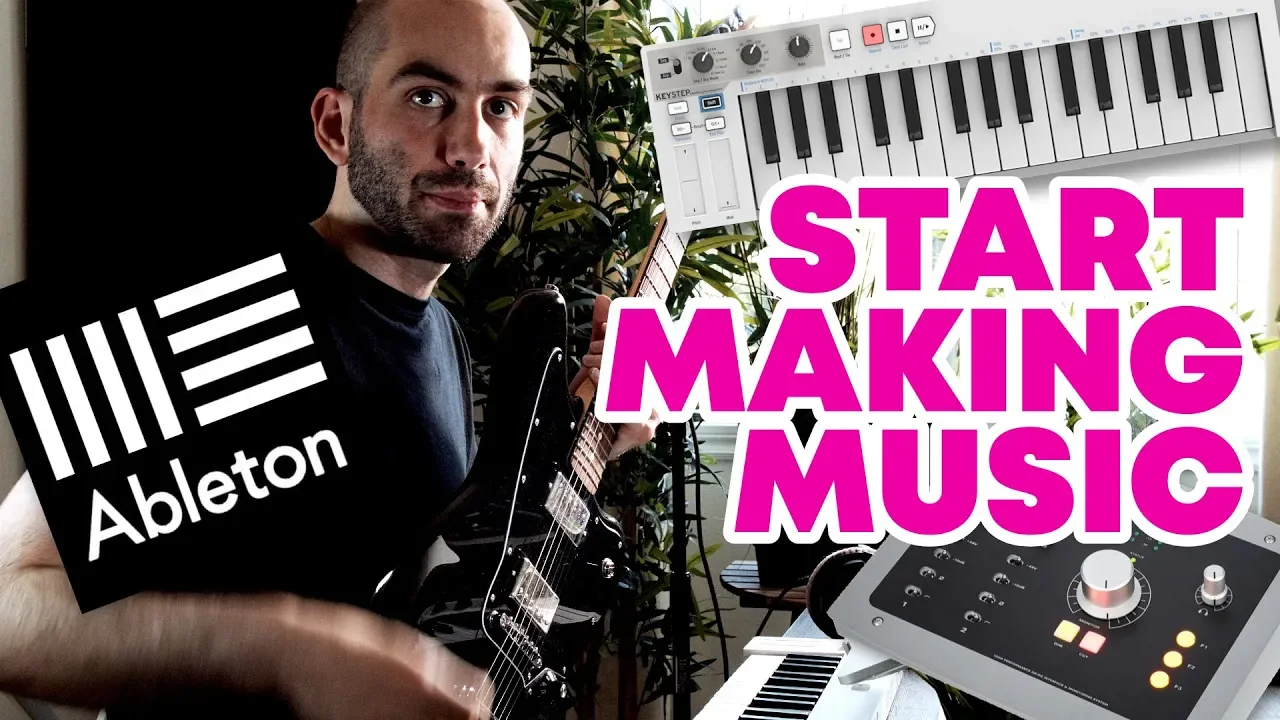










To write catchy and memorable melodies, producers should: (1) Focus on rhythm first using the root note of the key before adding pitch variations, (2) Use repetition in both rhythm and pitch patterns to create memorability, and (3) Keep melodies simple rather than overcomplicating them; additionally, humanizing melodies through velocity adjustments and groove templates adds emotional authenticity, while counter-melodies can enhance tracks by creating conversational interplay between musical lines.
Melody Writing Guide: 3 Rules for Catchy Musical Ideas
Added:Basic Music Theory: Understanding major and minor scales, keys, and basic intervals.
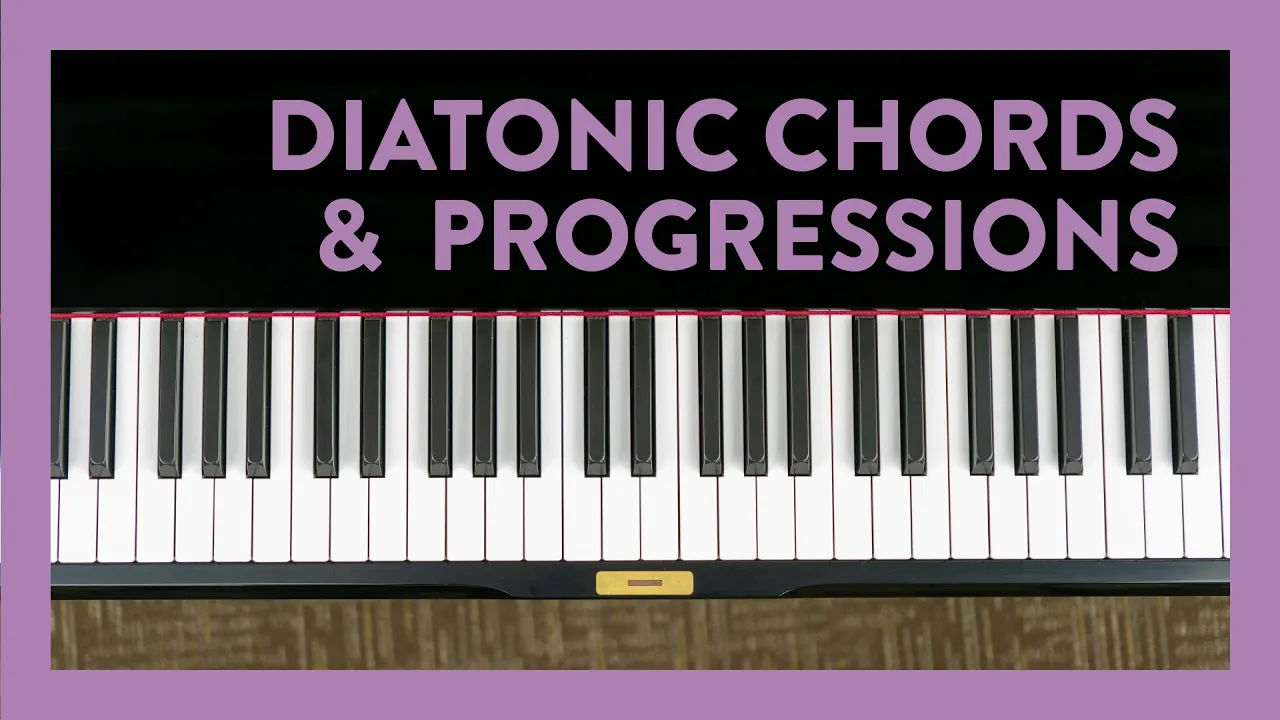
Fundamental Diatonic Chords: Knowing how to build and identify basic triads (major and minor) within a key.
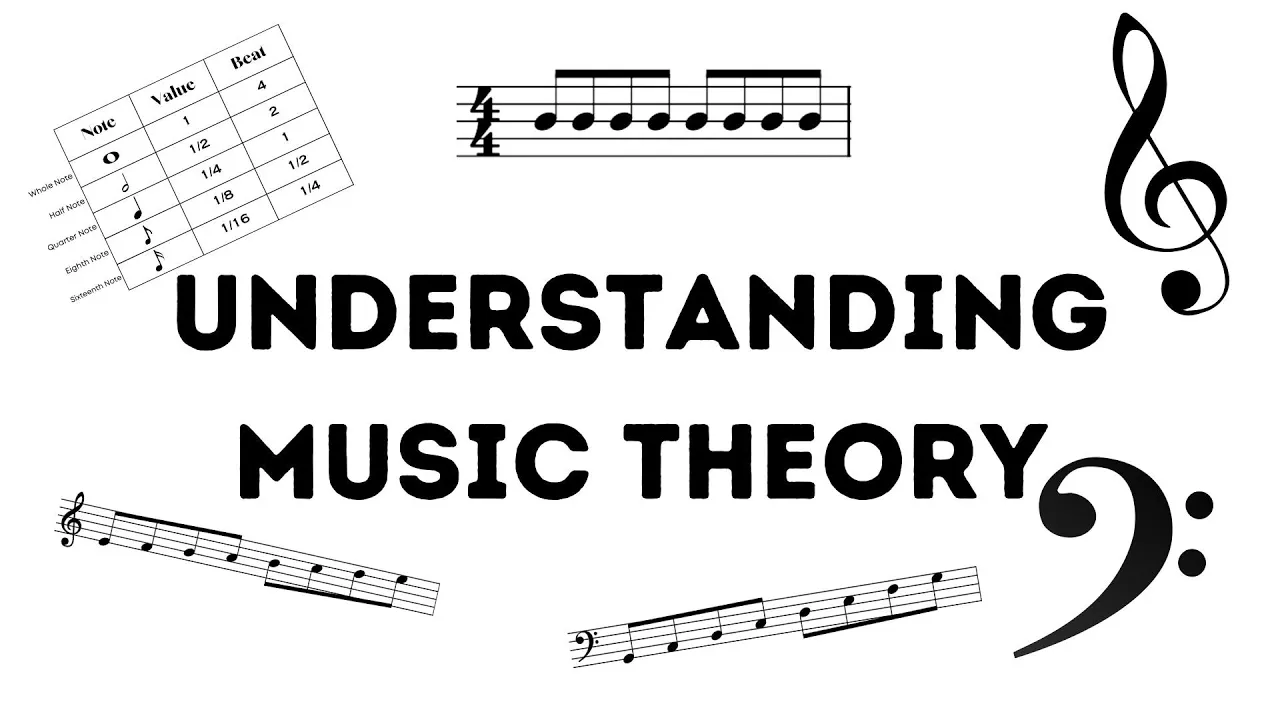
Rhythmic Basics: Familiarity with note values, tempo, and standard time signatures (such as 4/4 time).
Introduction to MIDI and DAWs: Basic navigation of a Digital Audio Workstation and its piano roll editor.
Advanced Voice Leading: Learning how to smoothly transition between chords in a progression to support the melody.
Orchestration and Arrangement: Distributing melodies, counter-melodies, and harmonies across different instruments or synth layers.
Song Structuring: Organizing short melodic motifs into larger musical forms, such as Verse-Chorus-Bridge structures.
Melodic Variation and Development: Techniques for taking a simple musical theme and modifying it through transposition, inversion, or rhythmic alteration.
939.8K views39.3Klikes23:59Original Release: 2022-10-18
In this video, I'm gonna show you how to make melodies from scratch, including how to choose a scale, how to build them around your chord progressions, how to make your melodies evocative and unique.
I'm gonna show you the common mistakes producers make when it comes to writing melodies, and I'm gonna show you some various tips and tricks that the professionals use to get their melodies really catchy and really memorable.
I'm also gonna show you something I haven't seen on any other videos, which is how to create effective counter melodies, which will really make your track stand out.
My name's Will from EDM Tips and I've spent the last six years helping bedroom your music producers just like you get their music to a professional level.
So without further ado, let's hop into the door and get it done. Okay, I have my magic list here, so let's work through it to The first mistake I see people making is not choosing the right preset with which to write their melody.
Now I really like to use a piano and I recommend that for a couple of reasons.
One, you're not gonna get distracted by these crazy amazing sounding since if you're using a piano.
So you're gonna be focusing on just making a really strong melody.
The second reason is that when you're programming in a piano in midi, it reacts to the length of the mid note. So a longer note we'll be sustained, a short note will end quicker.
Some synth patches aren't reactive to the length of the midi note.
So that's the second reason. The third reason is, is such a common and popular sound to hear.
So if you want to send your track to a singer to get her or him to sing that melody, having a simple piano sound makes it really easy for them to do that.
Okay, so that's the first thing to mention. The second is that vibe is king.
So how you create the melody really depends on the vibe you are trying to create.
So it's important to have an idea of the direction of the track you start before you even start writing, because if you're writing a big room trance track, that's gonna be very different from if you're writing a slow ballad or a hiphop track. It's gonna determine how complex the melody should be, which notes the melody should be hitting, whether it should be happy, whether it should be sad, So everything should work this one particular theme or vibe that you are going for. Okay, next thing to do is to select the scale you are going to be working in.
Now it's very easy if you're working in MIDI to change the scale afterwards, but what is super important is as to whether it's minor or major.
Now a minor is the simplest scale to work in cuz it's just all the white notes from A up to A.
But if you are using Ableton or Ffl Studio or Logic or pretty much any door nowadays, you've usually got this scale feature that you can just click and you can choose any scale that you want and it's going to allow you to only show the notes from that scale and you've got these different modes of scale as well.
So we could just choose major or minor would be the most common.
So I'm just gonna choose this scale, a flat minor press this scale button and only the notes from that scale are gonna show now. So it's super easy. Now when it comes to creating the melody, the notes you're gonna be hitting really depend on the base and the chords that you've already got in the track.
So the easiest thing to do is to start with the baseline, build out the chords, and then work the melody into that. So let's start by doing that.
Let's create a core progression.
We're just gonna start on the root note of the track.
We're gonna pick four base notes starting on the route of the track.
So let's build out the chords based on these base notes.
Then we're gonna show you how to spice them up and then work in our melody.
So I'm just gonna skip a note each time to build out some basic triads and a mistake producers make is leaving their core progressions really generic.
So that's what this is at the moment.
Let's have a quick listen and have a sip of coffee.
So now we want to make these chords more interesting.
I'm gonna show you three techniques how to do that.
The first of which is building out a seventh note in each of these chord.
So if the first note in accord is the root, this one here is the third cuz it's the third interval, 1, 2, 3, and then four, five, that's the fifth interval.
Let's put a couple of sevenths in there as well. Completely changes the vibe.
Now this note here might be diminished, so that sounds a bit weird.
I'm just gonna put it up one semitone and that's gonna fix that problem.
Next of the second tips is just spreading these across different octas and that will almost make these top notes a melody anyway, And we can spread some of these lower notes across the octaves as well.
What I'm gonna do is I'm just gonna copy the lower notes and put them down one octave like so how they're one octave below.
And then these first notes of the chord, these roots, I'm just gonna put some of them up in octave and that's called a chord inversion.
So it's the same notes but just played on different octaves and that will instantly make it sound a bit more interesting. So let's try that.
But.
I prefer these if they're lower down.
And a third way that we can spice up our chord progression is with the rhythm of the chords as well. So in particular, if you have a second chord play just before it leads into the next one, it's gonna allow the listener to know there's a chord change coming, but there are different techniques we can use for chord rhythms, but therefore a different video up.
I'll link to it now and we're just gonna do the same technique for this chord as well.
Now to make it even more interesting, I'm just gonna change these notes here, here to another note within the key and see how that sounds.
Lovely. So now we've got our base notes and our chord.
We can write our melody and what I'm gonna do for this is just duplicate our piano and we'll call this melody and having our bass and our chords and our melody all within the grand piano is gonna allow us to make sure that we are hitting the right octaves as well.
So this space in the frequency range for all three elements to breathe together.
Then when we actually do move to using interesting presets for each of these elements, we already know they're gonna be in octaves that are gonna complement each other well.
So I'm just gonna drop our chords down on octaves so we've got space for our melody.
Beautiful. So nice. Okay, this is the easiest way to create a melody.
The first thing is to focus on the rhythm of the melody first, just using the root note of the key that you are working in. So for example, we are working in G sharp minor. So if we get a G sharp Now we can focus just on creating an interesting rhythm before we actually change the pitch of each note in the melody.
So the key here is to find a rhythm that works with any of the other elements that you already have. If you've got drums, if you've already got the base and the chords, the rhythm of your melody, we'll have to interplay with those different elements.
If you're starting as we are today using just the basic chords, basic base, the melody can really run the show from this point on.
So we can choose any melody and then everything else will have to work around that. Now here simplicity is key. You don't want your melody too simple, but you don't want it so complicated that it just sounds ridiculous.
We'll get back to that in a couple of minutes, but let's draw in a simple melody rhythm that's gonna work with these other elements.
And what we're gonna do here, and this is very important when it comes to melody, is to use repetition of the rhythm.
The more repetition you've got in terms of pitch and of rhythm, the more memorable that melody is gonna be.
So we've just duplicated this first rhythm here into the second part.
So now it sounds like this, And if we repeat it all once more, we are just gonna create a slight variation at the end of the second time it goes through. So we'll just add one more note there, but you can see this is very simple rhythm and I've got both clips selected, which is why you can see all the notes at the same time, which can help and make things easier as well. Topped it there. Okay, so now we are onto changing the pitch of each of these notes we've programmed in for our melo.
Now there are a few notes that you can hit with your melodies that make them even stronger. So I wanna touch upon those first.
Now the first note is unsurprisingly the root note of the track.
Now if you remember, the key of our track is in G sharp ir.
So that means the root note of our track is G sharp.
So obviously hitting that note with our melodies several times, it's gonna give it a really nice strong foundation.
Now the second note is the third. So if you move up to the third, that's this position.
And two other notes that are really strong to use is the fifth and the seventh.
Now the other in between notes can be used for little runs and floes depending on the vibe and the emotion that you want to create.
So let's create our melody using the first, the second, the third, the fifth and the seventh.
And just stick to those notes and see if we can make something strong sounding.
So that's the seventh, but an octa down and that's the fifth, but an octave down.
And then we've got the second.
Okay, so now let's listen to it.
So let's examine how I've done this.
We've repeated the rhythm exactly the same for the first and the second.
We've repeated the root note several times to lock in the key of the track and make it really strong. So we've got the G sharp, the G sharp, the G sharp, and another long G sharp there and a little one here.
But what we've also done is repeat the shape of the jumps.
So here we've got the seventh going down to the fifth, and here we've got the third going back to the route.
So you can see the jump between these is the same.
We've got OneNote in between and here we've got it running up.
And here we've got it running down.
So we've got repetition not only in rhythm but in the pitch patterns as well.
So now let's take that melody and duplicate it as we did before, but remember we wanted to have this extra note here the second time it runs through and we are also gonna switch things up.
So the end of this melody loops round to the beginning.
And again that's something that's really important and people often make a mistake is they'll leave it here and they won't make sure that it loops round smoothly and sounds like it's leading back into that melody because the chances are this is gonna be looped several times throughout your track.
So for the fourth part of the melody, this is when it's nice to switch things up again and once more, it depends on what vibe we're going for, but my gut says because this is quite an emotional sad song, I'm gonna take this down rather than going up further.
And I'm gonna use the fourth interval in the key, which is the C sharp just because I think it really hits that emotional note.
And remember we are looping back to this G sharp, so I actually want to have a note that's gonna lead up to it.
So here we are going from the E up to the F sharp, knowing full well that we're gonna loop back to that G sharp.
If I make this F go down, it's gonna sound a bit weird and jarring When it loops around, It sounds much better when it resolves back.
So we are taking that into consideration as well.
So now we've got our basic melody that fits the vibe of our track and it's in the key. We've got repetition of rhythm, we've got repetition of the shape of the pitch jumps.
Now I want to create a counter melody. So what is a counter melody?
It's basically a second melody that contrasts and simultaneously bolsters your main melody. This isn't used in all genres of music, but it's nice to have this tool in your toolkit, especially if you're using perhaps a different instruments to play that counter melody. And the best tip I've seen of how to think about this is two different characters in a play. So one might be talking to the other, so there's an interplay, there's like a conversational tone between these two melodies.
So let's write the counter melody in the same instrument as our main melody.
And once again, what we're gonna do is work out the rhythm of that counter melody before we work out the pitches and we need to make sure that rhythm interplays with the main melody.
Again, we are gonna keep this very simple in terms of rhythm.
Repetition is key here.
So I'm just gonna duplicate this like so we will get rid of some of these, but we've got this repetitive motif of rhythm that's gonna solidify the theme and the entire melody. So now let's change the pitch of some of these notes.
I'm gonna switch these a little bit cuz I think they'll sound better.
And then we'll probably just repeat this rhythm instead.
Yep, this is the rhythm we're gonna use.
So I'll delete those and I'll then duplicate this one instead.
And then we're just adding a little flourish there.
So this frequency is twice as fast as the main amen.
And now let's just duplicate that.
Remember we're repeating both the rhythm and the pitch shape, but we'll probably switch it up in the second repetition.
And I'm repeating this interval jump here as well.
So let's put those back in cause I like that.
And for this second part, I'm now going up with our melody again to keep things interesting, but the interval jumps are still the same.
And this runs down whilst the main melody runs up, which links us back beautifully to this G sharp here. We could run it back up so that we link back to our G sharp here and octave up, Which I think is actually stronger.
So we've got the main melody looping back to the main melody.
We've got our counter melody looping back to our counter melody.
Now if you imagine two people singing these two melodies, it would work beautifully together.
You could even take some of these out and just make it a much more of a sporadic jump between the two melodies. But I really like it the way it is Now, as I said, a common mistake producers make is to overcomplicate their melody and and think it really needs to be complicated to make it sound interesting.
So even if you're using the notes from within the scale, it's easy to overcomplicate it.
So here's an example of what it might sound like.
Yeah, okay, You might think, oh that sounds pretty and Barack, but the truth of the matter is no one's gonna even acknowledge that as a melody, let alone remember it and sing it back. And that's what we are trying to do.
We are trying to create something memorable because the melody is what sticks in people's head when they listen to a piece of music most of the time, like 98% of the time. So simple is key.
Now the last thing I want to touch upon is how to humanize your melody because this sounds quite robotic at the moment, whilst it's quite pretty sounding and we want to make it sound like, like it's played with emotion.
And the way we're gonna do that is slightly tweak the timing and also to use velocity.
Now velocity for most instruments by default is assigned to the volume.
So with a lower velocity, the note is quieter, but you can assign it to many different parameters.
And if you are using a synth to play your melody, that can be particularly interesting because you could assign it to a low pass cutoff filter, for example, which means that your sound is gonna sound filtered out if it's got a lower velocity. So with this example, the first thing I'm gonna do is really take down the volume of the counter melody because I want people to be able to sing my melody and you can't sing two notes at once. So it's confusing. So I'm gonna take it right down.
So this melody here is what I want people singing the main melody.
So let's just put that up and volume a bit.
We're gonna take the chords down in volume a little bit as well, but I want people to really feel the emotion when they hear this melody.
So the easiest thing to do is if you play it in, you're naturally gonna have different velocities as well.
But if you're not an amazing piano player, like I'm not, you can just program them in.
So the first thing I'm gonna do is think about which notes I really want to be accentuated and then we're gonna increase the velocity on those.
So that would be a really strong note.
And the first note, so again, you can see my strong notes are actually falling on each bar, so we'll make this one stronger as well. In fact, what I'm gonna do is take down all of the notes in my main melody a bit, cause then I've got more headroom to work with.
So this is the first note of the bar. This is the first note of the bar.
I'm gonna bring all of those up in volume and this leading note before each change of cord. I think that needs to be strong as well. So let's bring that up.
So this is almost a rhythm within a rhythm.
These strong notes are almost a rhythm unto themselves.
So these are the main notes that people are gonna hear.
These are the main notes that people are gonna sing.
Now to make it even more humanized, you could actually within abled and specifically you can randomize the velocity.
So if we choose the range we wish to randomize it, that's gonna mess up all the work I've done.
But just to give an example of what it sounds like.
So what you could do is actually randomize it and then again, go back to the core notes that you want people to remember and then boost all of those in volume. So you've got the best of both worlds.
Then you've got the random human feel, and we've also got our main notes really strong.
I quite like that actually.
Now this is easier in FL Studio and logic.
So the way you do it in Ableton is you use a groove template.
So I'm just gonna pick a random groove template. Uh, let's choose this one.
I'm gonna drag this onto our melody like so, and then we can adjust the timing here and randomize it slightly as well.
And the higher number you select, the more that is gonna be off the exact grid, which gives it a human feel.
Or you could do it manually by just dragging some of the notes slightly forward or back. But again, that's gonna take a bit more effort and a bit more time.
It's easier to just experiment with the groove templates.
And once again, the vibe will dictate whether you do that or not.
If it's a chance track, the chances are you want it bang on the grid.
If it's a slow ballad, the chances are you want to sound like it's being played by human. Now, one extra top tip I want to give you when it comes to writing melodies is using reference tracks. So whichever style that you are producing in, I recommend finding a really good track that you absolutely love with a strong melody and working out which of these techniques I've shown you today they're using and when and why they're using them.
Then you can create your own melodies that will be appropriate to the genre and the vibe that you are going for. So I really hope you've enjoyed this today, guys. Let me know in the comments if you enjoyed this video, what you found particularly useful and more importantly what you want to see me cover on this channel.
And if you want in depth coaching with me and to take your music production to the next level, perhaps get signed to your favorite music label right by many of my other students. Do check out my music production accelerator program.
I've included the link below this video.
And please like this video if you enjoyed it, and subscribe to my channel hitting that notification bell to make sure you'd never miss a video. Thank you so much for watching. I'll catch you next time.
Until then, cheers and happy producing.
Up Next

0:44
Vocal Chain Part 5: Doubles, Harmonies, and Stacks Explained
@iamkarramusic
259.6K views•2022-12-11

12:54
Triumph of Orthodoxy Icon: Byzantine Art & History Explained
@BenCallan
2.1K views•2024-08-06

51:27
Making Progressive House in Ableton: Ben Bohmer Style Guide
@EDMTips
141.9K views•2020-04-22

1:42
Game of Thrones Opening Credits: A Cinematic Analysis
@gameofthrones
46.3M views•2011-04-18
Related Study Plans & Knowledge Roadmaps
Structured learning paths in General & Interdisciplinary Studies
general-studies
Elevator Engineering: History, Physics & Cities
01From Hoists to Safety Brakes: The Dawn of Vertical Lift
02Hydraulic vs. Traction: The Engineering Physics of Elevators
03Modern Speed, Safety, and Algorithms
+ 2 more learning modules
12h5 modules
Explore Roadmap
general-studies
Rubber: Material Science, History & Geopolitics
01Origins of Natural Rubber & Mesoamerican History
02The Chemistry of Natural Rubber & Vulcanization
03The Geopolitics of the Rubber Boom & Colonization
+ 2 more learning modules
12h5 modules
Explore Roadmap
general-studies
Containerization: Evolution, Logistics & Trade
01Ancient Trade & Bulk Cargo: Amphorae to Barrels
02The Industrial Revolution & Cardboard Packaging
03The Containerization Revolution: Malcom McLean
+ 2 more learning modules
12h5 modules
Explore Roadmap
general-studies
Textile Tech: Evolution, Labor & Global Impact
01Pre-Industrial Textiles: Handloom & Cottage Industry
02Mechanization: The Spinning Jenny to the Power Loom
03The Factory System & Global Labor Transformation
+ 2 more learning modules
10h5 modules
Explore Roadmap