









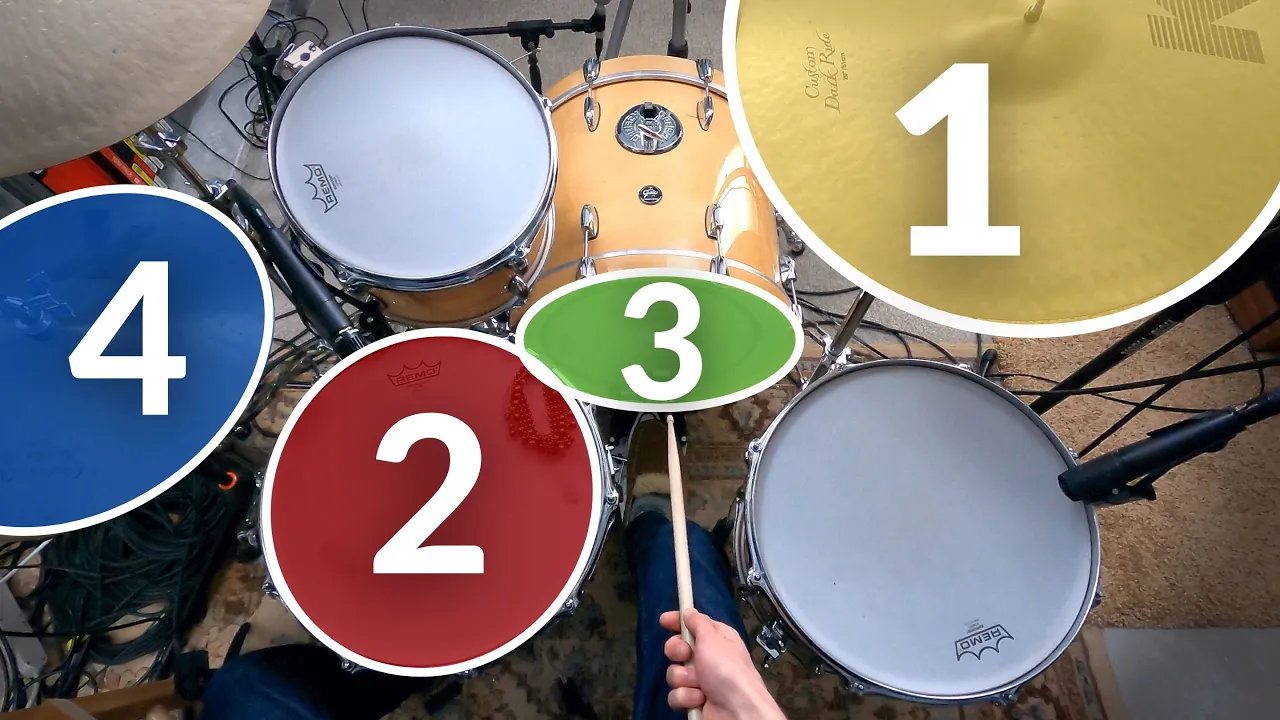


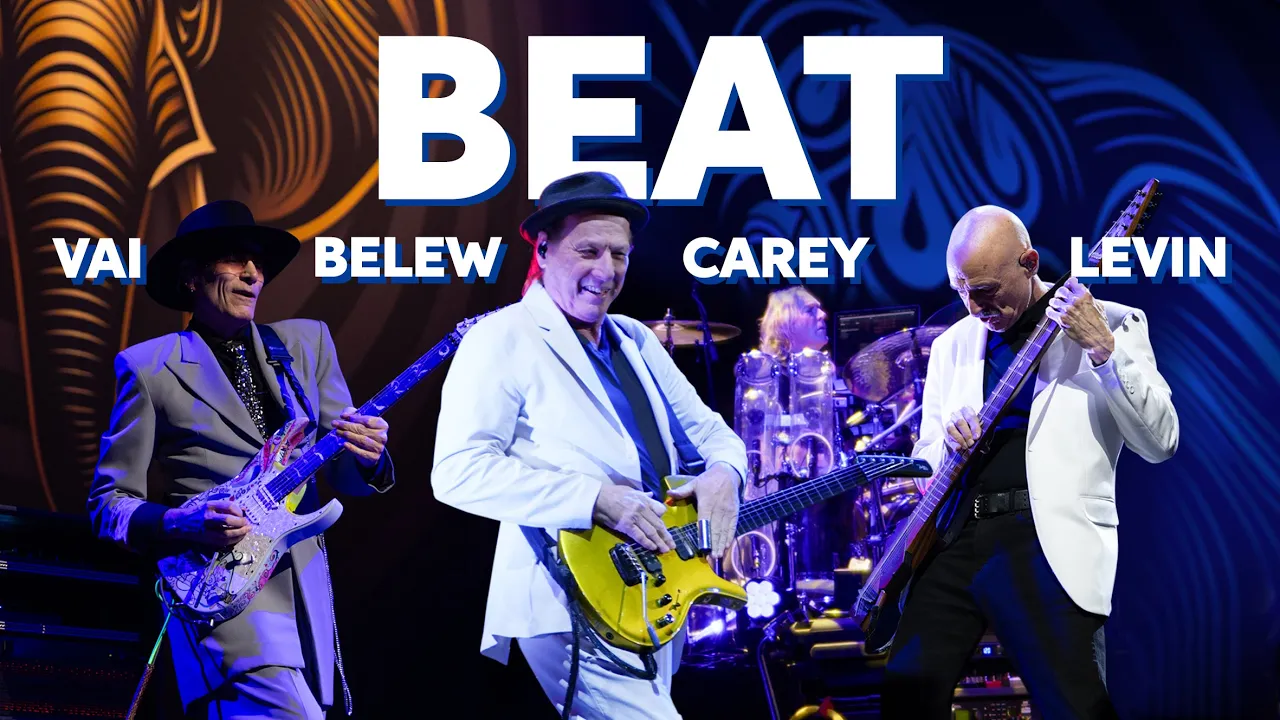


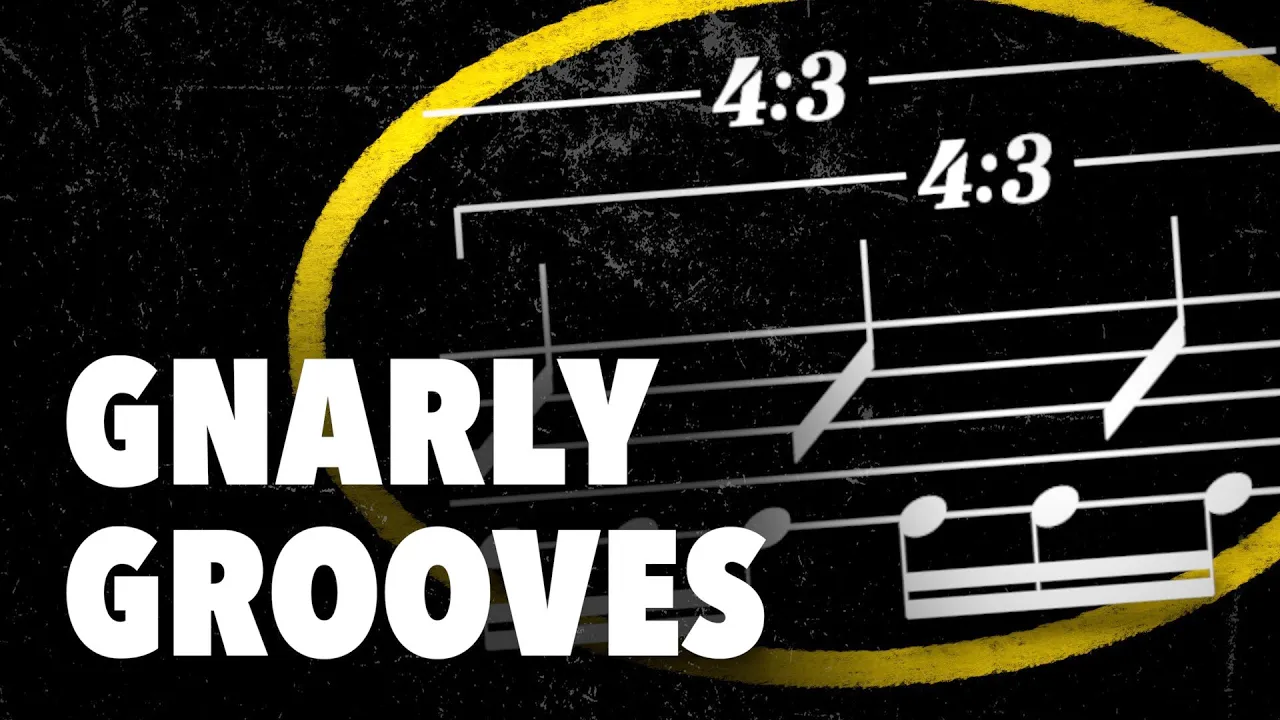



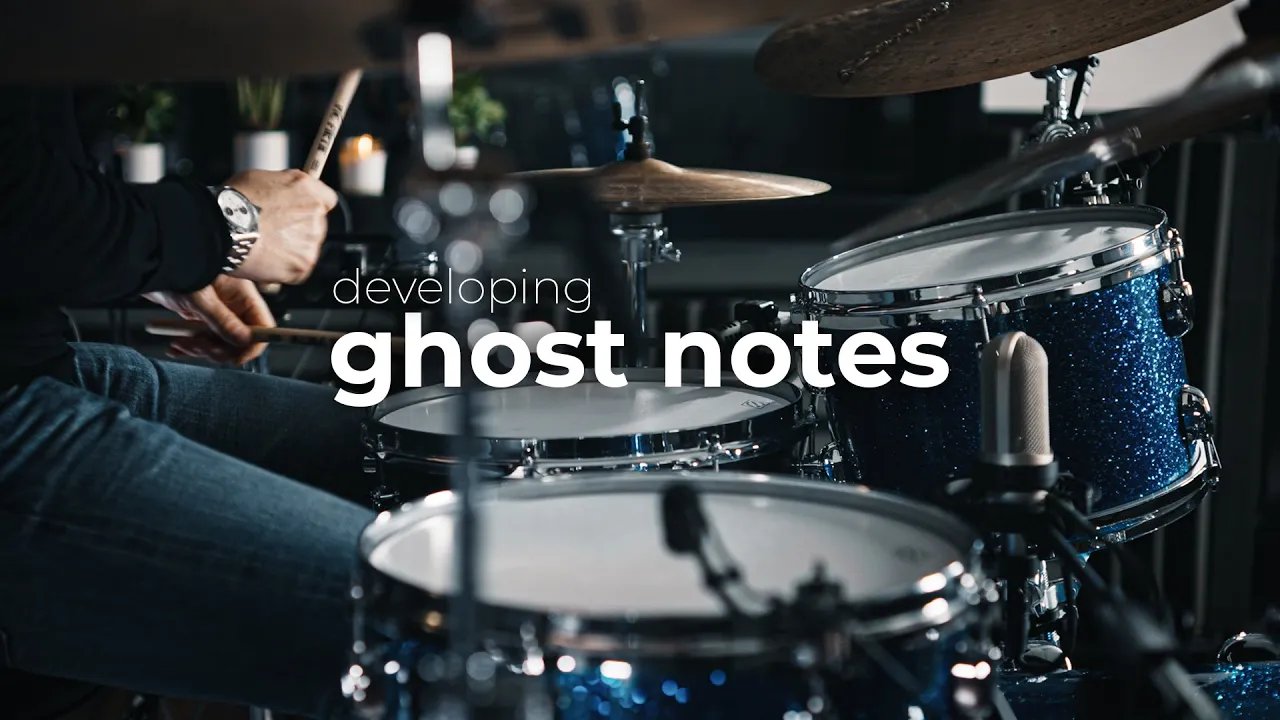


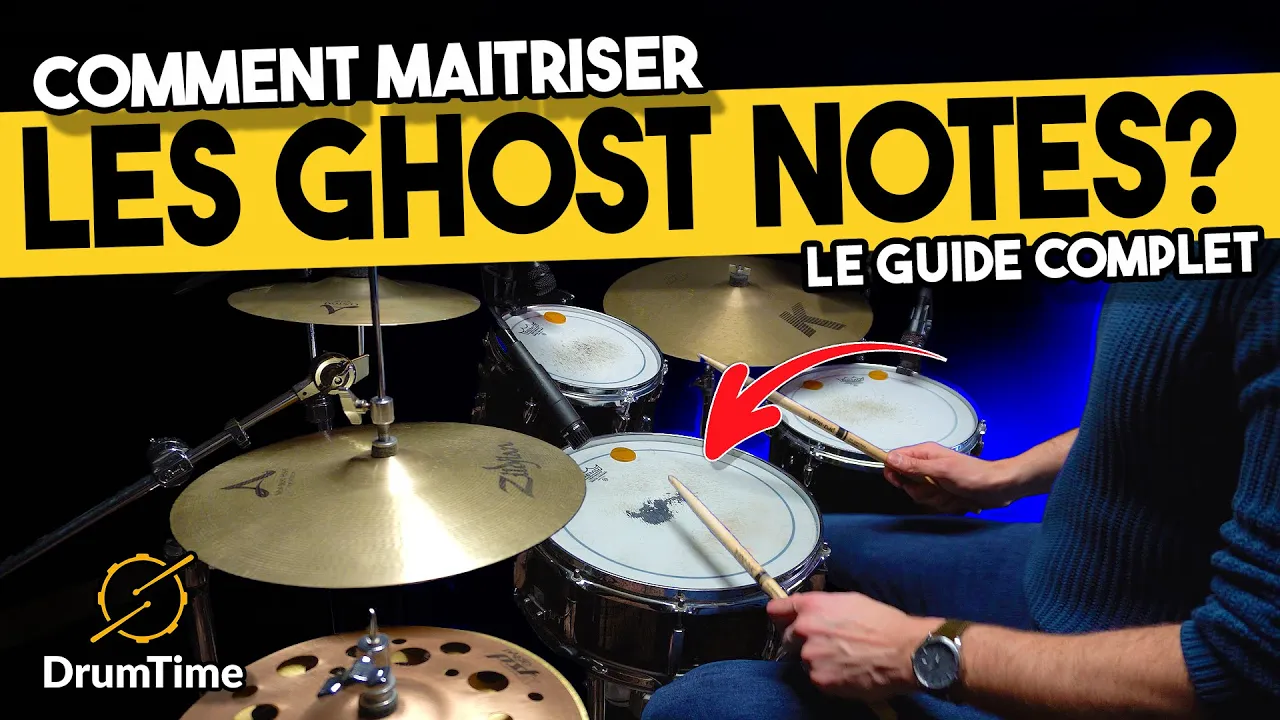
Complex drum grooves in progressive rock can be understood by analyzing their underlying rhythmic patterns, such as how a 7/8 bass drum pattern repeated 2.5 times within a 9/4 bar creates CAFO's groove, or how ghost notes and bass drum accents interact to create the groove in Physical Education.
Analyzing Matt Garstka's Top Three Drum Grooves | Drum Lesson
Added:Proficiency in reading and playing in odd time signatures (such as 5/8, 7/8, and 9/8) beyond standard common time.
A solid theoretical and physical understanding of polyrhythms (such as 3 against 4) and the concept of polymeters.
Familiarity with advanced subdivision concepts, including ghost notes, rhythmic displacement, and syncopation.
Strong four-way coordination and limb independence, particularly in linear drumming styles where no two limbs strike simultaneously.
Applying polymetric and polyrhythmic structures into your own original musical compositions and drum parts.
Exploring metric modulation in real-time improvisation to seamlessly transition between different tempos and feels.
Analyzing and transcribing other complex progressive metal drummers, such as Tomas Haake of Meshuggah or Danny Carey of Tool.
Mastering micro-dynamics and complex drum kit orchestration, focusing on balancing accents and ghost notes at high tempos.
11.7K views168likes7:13Original Release: 2021-02-24
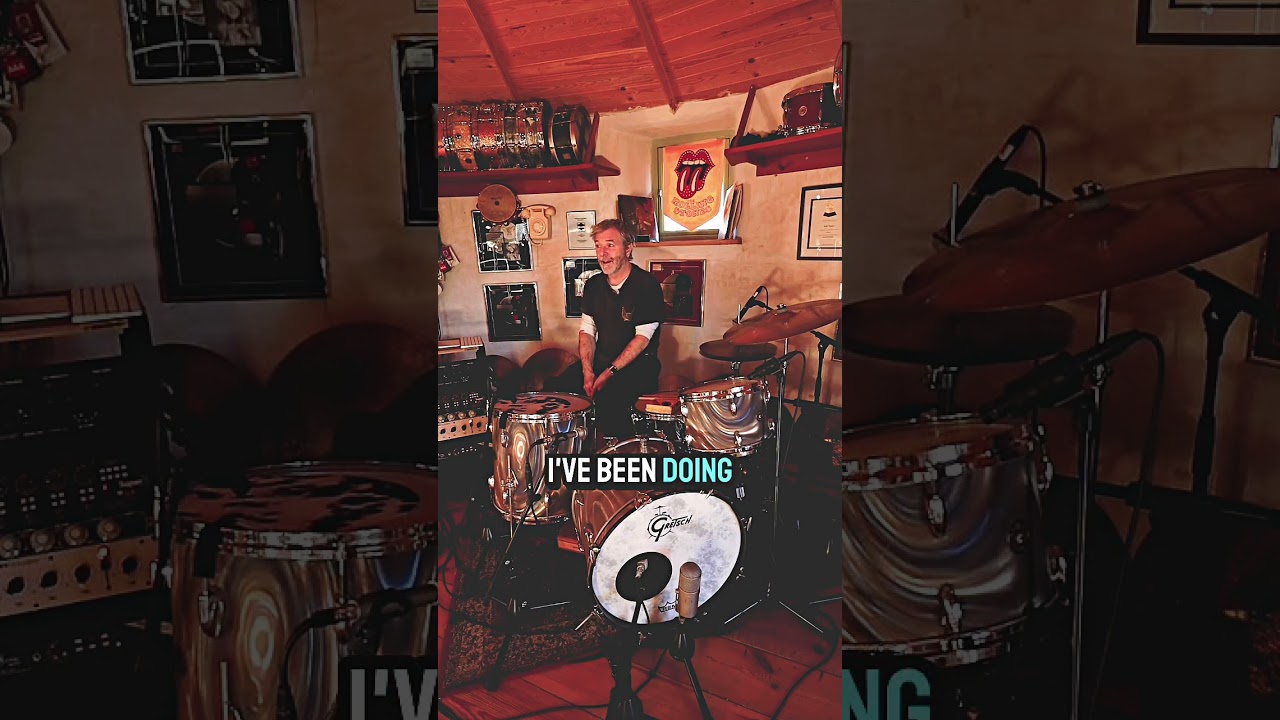
hi everyone welcome to tommen's drum bash my name is simon and today i'd like to show you my top three animals as leaders drum grooves [Music] so before we get into it i'd like to point out that i don't want to scare you away with this video because i know the drumming of that band is on such a high level but what i would like to do is to inspire you and show you what is possible and how simple in a way the general ideas behind these grooves are so if you like these kind of videos then go subscribe to the channel and ring the bell so you won't miss any more videos and the first groove we're looking at is out of the song kfo and sounds like this so the time signature of this groove is in 9 4 but if you take a closer look at the bass drum pattern you will notice that it is a pattern in 7 8.
and this specific bass drum pattern is repeated two and a half times within the bar of nine four and this is also where the crash accents come from because they emphasize every start of each 7 8 pattern pretty amazing right okay next up is the groove out of physical education the incredible mad costco behind the drums ladies and gentlemen and he's been one of my favorite drummers since a couple of years and his playing style fits so well into this band and compared to the program groove of kfo you can't hear any difference he's like a machine let's check out the groove so this grooves totally lives from the interplay between the ghost notes and the bass drum accents that double the bass guitar on top of that you have quarter notes on the hi-hat and accented snare strokes on beat two and four and to get a better idea how these bass drum accents works let's take a look at 0 43 of the song because there you can hear the accents really well i personally am a big fan of this groove and coming up next is a groove out of the song the brain dance [Music] so what i particularly like about this part of the song is how matte builds up the different grooves in that section we've got three different parts in a four or five time signature and the first one starts with a pretty well known grouping of five in the sixteenth notes subdivisions and from there it evolves into some amazing grooves [Music] thank you so much guys i hope you enjoyed this lesson give it a like and please leave a comment with your favorite songs bands and music you're listening to right now keep practicing your drums i'll see you next week wednesday in a new video signing out bye bye [Music] you
Up Next
1:53
How Lateral Flow Immunoassays Work: Sandwich Format Explained
@Abingdonhealthdiagnostics
393.4K views•2019-04-08

26:22
Walking in the City: Urban Rituals and the Flâneur in Contemporary India
@PSBTIndia
1.9K views•2016-08-02

9:49
FastAPI vs Flask vs Django: Choosing the Right Python Web Framework
@TechWithTim
302.5K views•2024-05-26

1:42
Game of Thrones Opening Credits: A Cinematic Analysis
@gameofthrones
46.3M views•2011-04-18
Related Study Plans & Knowledge Roadmaps
Structured learning paths in General & Interdisciplinary Studies
general-studies
Artificial Light: History, Tech & Human Impact
01The Pre-Electric Era: Fire, Oil, and Gas Lighting
02The Incandescent Revolution and Grid Electrification
03Gas Discharge and Fluorescent Illumination
+ 3 more learning modules
14h6 modules
Explore Roadmap
general-studies
Elevator Engineering: History, Physics & Cities
01From Hoists to Safety Brakes: The Dawn of Vertical Lift
02Hydraulic vs. Traction: The Engineering Physics of Elevators
03Modern Speed, Safety, and Algorithms
+ 2 more learning modules
12h5 modules
Explore Roadmap
general-studies
Rubber: Material Science, History & Geopolitics
01Origins of Natural Rubber & Mesoamerican History
02The Chemistry of Natural Rubber & Vulcanization
03The Geopolitics of the Rubber Boom & Colonization
+ 2 more learning modules
12h5 modules
Explore Roadmap
general-studies
Containerization: Evolution, Logistics & Trade
01Ancient Trade & Bulk Cargo: Amphorae to Barrels
02The Industrial Revolution & Cardboard Packaging
03The Containerization Revolution: Malcom McLean
+ 2 more learning modules
12h5 modules
Explore Roadmap