
![Figuras Rítmicas [Parte 1]](https://i.ytimg.com/vi/nn0XVBYI5uM/sddefault.jpg)


![[📃PDF] Renaissance Spanish Organ Tablature - Cabezon](https://i.ytimg.com/vi/Q3t-YD82POg/maxresdefault.jpg)





![These 2 Indian Rhythm Exercises Will Destroy You [ADVANCED RHYTHM THEORY + KONNAKOL]](https://i.ytimg.com/vi/duBOlIt9uMI/maxresdefault.jpg)




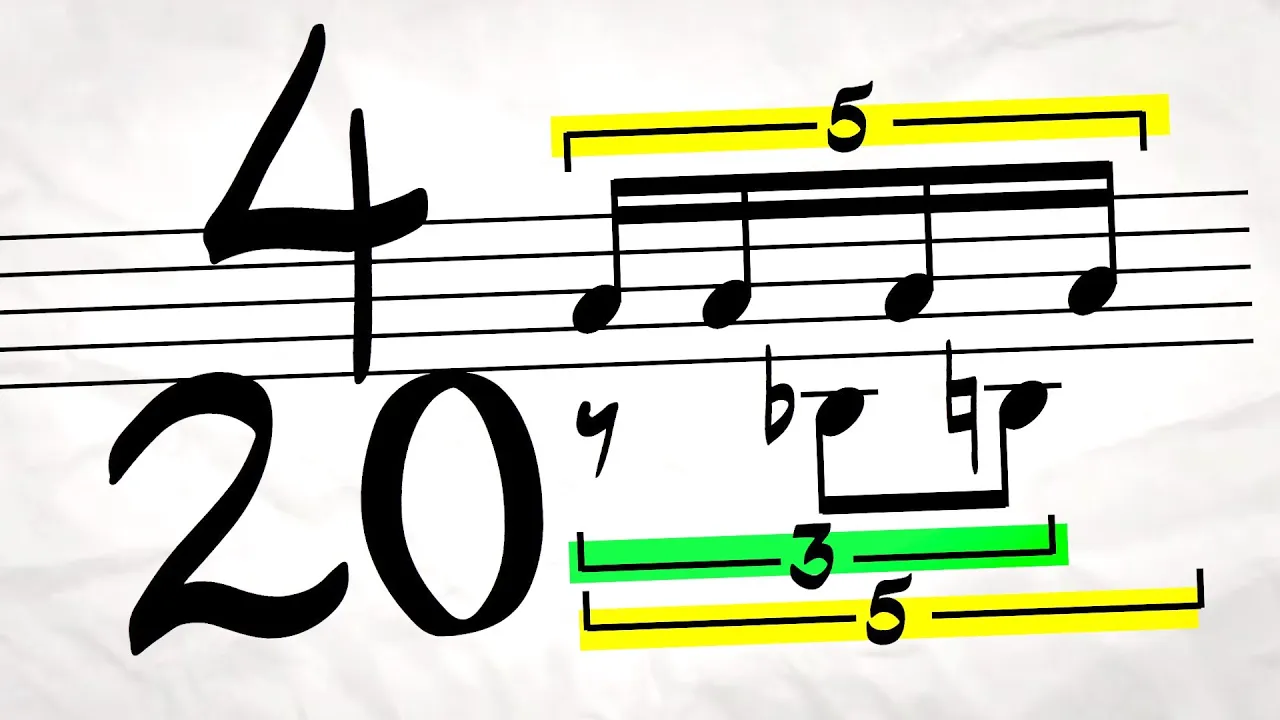
Polymeters involve different time signatures (different phrase lengths) at the same tempo, while polyrhythms involve different numbers of beats occurring within the same duration; polymeters create rhythmic interest through non-repeating patterns (lowest common multiple determines repetition point), whereas polyrhythms create tension through the push and pull of beats lining up periodically.
Polyrhythms vs. Polymeters: A Music Theory Guide
Added:Understanding of basic time signatures, including simple meters (like 4/4 and 3/4) and compound meters (like 6/8).
Familiarity with beat subdivision, specifically how a steady beat is split into halves, triplets, or sixteenth notes.
A strong grasp of the concept of a steady pulse (tactus) and how tempo organizes musical time.
Basic rhythmic notation literacy, such as recognizing and counting standard note values and rests.
Exploring metric modulation, where a transition to a new tempo is achieved by shifting the rhythmic subdivision.
Mastering complex polyrhythmic ratios (such as 5:4 or 7:3) and learning the mathematical grids to perform them.
Analyzing historical and cultural applications of complex rhythms, such as West African drumming patterns, Indian Carnatic rhythmic structures, or progressive metal.
Techniques for composing, sequencing, and programming polyrhythms and polymeters in a Digital Audio Workstation (DAW).
406.3K views27.5Klikes9:50Original Release: 2020-11-26
[Music] hey it's andrew huang today's video is about polyrhythms and polymeters which are separate concepts but a lot of people confuse them including me so we should talk about it it's theory thursday so we're gonna get into how to use polyrhythms and polymeters in composition and not just as a weird flex on social media jacob collier adam neely i love you i'm also going to show you how to polyrhythm in music software but first and most importantly the difference between polyrhythms and polymeters polyrhythm is one of those words that unfortunately from what i've seen gets used incorrectly more often than correctly and i've been guilty of this myself a lot of the time when people say polyrhythm what they actually mean is polymeter which is what was happening at the start of this video [Music] on the left we have a four note part and on the right we have a five note part you can count along with them with the same pulse but uh they have different length phrases and so it's like there's two different time signatures or meters at the same tempo that is a polymeter [Music] lots of people call that a polyrhythm and it does feel like kind of a natural term for it you know you have two different rhythms at the same time but polymeter is the official term what a polyrhythm is is when you have groups of different numbers of beats but each group takes the same amount of time to play so their ones always line up we've got seven and three here as a random example so let's listen to a 7-3 polyrhythm for every seven cowbells you're going to hear three cows it's kind of disconcerting and hard to follow along with but if we listen to them one at a time we can hear that each of the beats is perfectly evenly spaced here are the cowbells and here are the cows so you can easily count along with either one of them on their own but playing them together precisely takes a lot of practice 7 3 is a weird one though and the most common polyrhythms are of course the simplest ones a ratio of three to two and a ratio of four to three [Music] most people can get the hang of those pretty easily and interestingly it's a spoken device that seems to be the most effective way to learn them so the three to two ratio goes with the rhythm of the phrase hot cup of tea hot cup of tea hot cup of tea hot cup of tea hot cup of tea and then the four to three one is a little bit profane but they actually do teach this in some music schools it's past the goddamn butter pass the goddamn butter pass the goddamn butter pass the goddamn butter past the goddamn butter thank you finally so in short polymeter different number of beats but the length of each beat is the same polyrhythm different number of beats but the length of each phrase is the same so let's look at polyrhythm and polymeter use in composition i realized that i have a song in my catalog that uses both at once so great example to use no copyright complications incredible this is long gone from my album stars [Music] so firstly the song comes across as regular 4 4 time most of the main elements the bass drums vocals chord changes are happening in 4 4 time uh the poly meter comes from this a go-go bell which is playing in three four you can hear it kind of in the background panned to the right and then the polyrhythm on top of that is this tambourine part which includes a bunch of triplets [Music] fully stole that move from a brazilian samba squad that i used to play with by the way i also want to show you the bridge of this song because it has much more interesting polymeters so the main instruments in the bridge are playing in 5 8.
that's that mission impossible rhythm then there's guitar on top of that in 11 8.
and then it's in the background but it's there there's a clave part in 7 8.
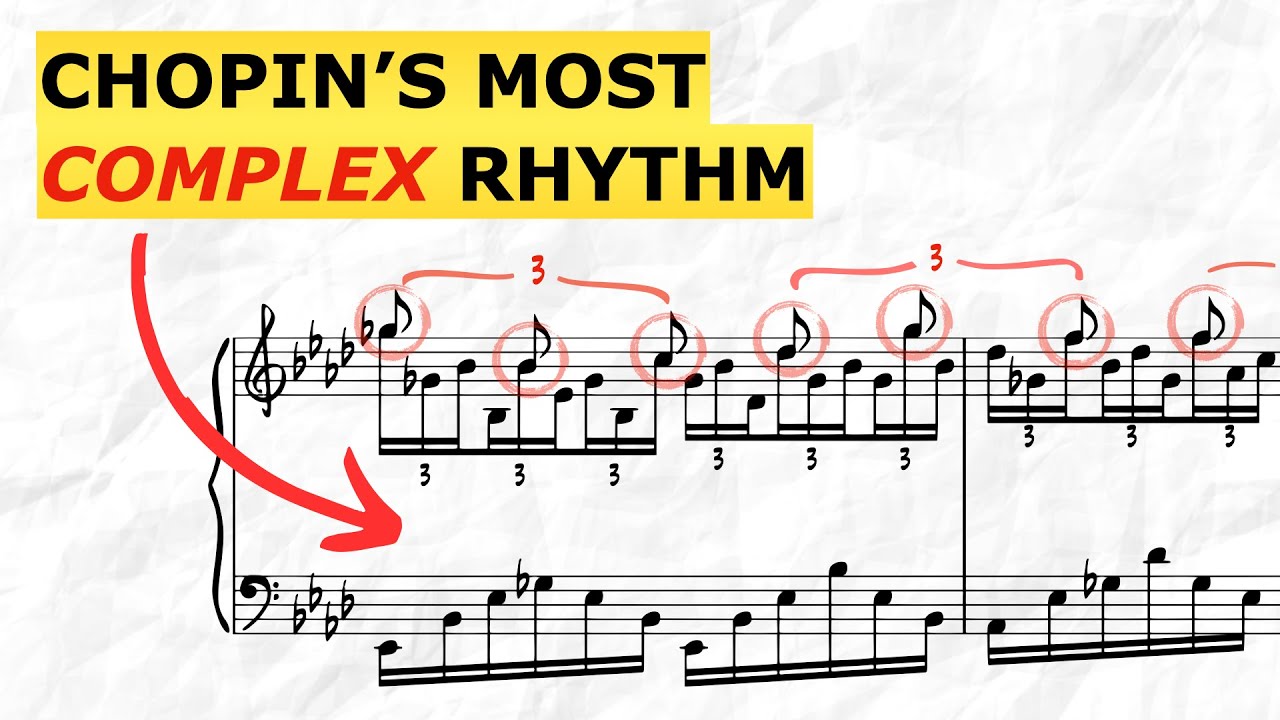
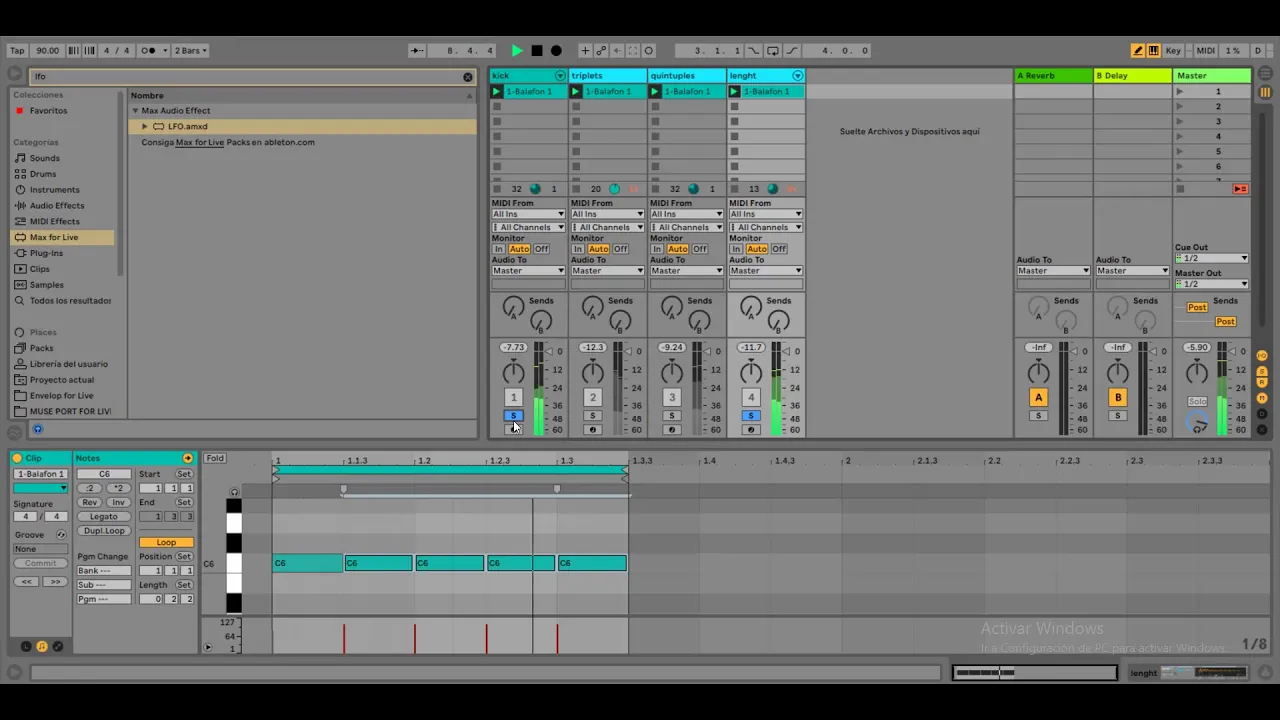
so there's a breakdown of polyrhythms and polymeters in a musical context almost like a pop context i'm not sure how else i would categorize that song but you can find poly rhythms in a lot of other places for example in rap mostly four four beats but a lot of triplet flows in classical music you'll find the odd polyrhythmic phrase anywhere from chopin to stravinsky [Music] there's a huge tradition of polyrhythms in west african music and in math rock definitely a lot of both polymeter and polyrhythm use this kind of stuff is just in there for rhythmic fun polyrhythms perk our ears up because of the push and pull of how the rhythms fit together and polymeters are a great way to create interest out of simpler parts for instance if you have two four beat loops playing together it's gonna loop the exact same way every four beats if you have a four beat loop playing with a five beat loop lowest common multiple it's going to be 20 beats before the pattern repeats the same way again in my weird 5 7 11 bridge that full combined loop actually never occurs in the song because it just doesn't go on for that long the lowest common multiple of 5 7 and 11 is 385 but the bass line in that song is actually playing a five bar loop five chord progression so the bass line is actually playing a 25 feet frame the lowest common multiple of 25 and seven and 11 is 1925 and for context playing 1925 beats at the tempo that that song is in would take about nine minutes all that to say poly meters are a great way to do a lot with a little you can create a lot of interest over a section of a song because the patterns don't interact with each other the same way every time so i don't think i need to show you how to poly meter in a da because everything is at the same tempo you just need to make parts that are different lengths but how to poly rhythm you need tricks and there's a slow way that you could do in probably any program and then there's a fast way that might not be possible in your software let me show you so here's the slow method you're in your piano roll let's say you've got these two sounds that you want to use for your polyrhythm and i'll just use the example of seven three again so you're gonna take the sound that you wanna have seven hits of and draw them three spaces apart one two three two three two three and just keep going until you have one more than how many you want in the polyrhythm so since i'm doing seven i'm gonna draw eight notes one two three four five six seven i need an eighth one here now i'm gonna draw the second rhythm i'm gonna do three beats that are seven spaces apart one two three four five six seven one and we're also going to do one more than the number in my polyrhythm and if we've done it right we should see that the last two those extra ones we did line up and then we know that is where our loop needs to happen so i'm going to drag the loop to right before that beat and then we have our 73 polyrhythm now here's the fast way and i only know how to do this in ableton but it's much easier so you don't have to worry about the spaces just draw how many beats you need so we'll do seven and we'll do three now once again i'm gonna add an extra one on the end of one of them and i'm gonna select all of those notes and now the secret comes from this tiny gray arrow you just need to drag that to the end of the last note of your other rhythm and this works because the way these resizing markers work it goes from the front of the note so that's why you need the extra note there to be able to position it exactly now if i delete this note i can loop what i have here and it's a 7 3 poly rhythm since ableton allows audio warping you can actually do this with audio too so uh for instance here i've got a poly meter going on a two beat loop and a three beat loop but if this clip has warping on i can shift drag over here and bring it in to make it a polyrhythm instead of a polymeter so now we have three against two so that's the story on polymeters and polyrhythms just remember polymeters are two or more rhythms that share the same underlying pulse but have different lengths whereas polyrhythms have different numbers of beats crammed into the same length i'd love for you to leave a comment let me know what you thought let me know if there's any polyrhythmic or polymetric music that you enjoy and i'll see you in the next video
Up Next
13:58
Mastering 3:4 and 4:3 Polyrhythms: Music Theory Guide
@SignalsMusicStudio
983.9K views•2019-01-23

10:20
Mozart's Musical Dice Game Explained: History, Rules, & Fun
@webpianoacademy
5K views•2023-03-13

47:36
Understanding Diatonic 7th Chords in Major Keys | Music Theory Tutorial
@GracieTerzian
54.7K views•2022-03-02
10:49
Understanding John Coltrane's Giant Steps: A Music Theory Analysis
@Vox
10.4M views•2018-11-12
Related Study Plans & Knowledge Roadmaps
Structured learning paths in Music Theory
music-theory
Composing Galant Music: Partimento & Schemata
01Foundations of Figured Bass and Keyboard Harmony
02The Rule of the Octave (Regola dell'Ottava)
03Galant Schemata: The Building Blocks of Form
+ 2 more learning modules
30h5 modules
Explore Roadmap
music-theory
Decoding Overtone Series: Tuning & Drone Music
01Acoustic Foundations: The Physics of the Overtone Series
02Tuning Systems: Equal Temperament vs. Just Intonation
03Microtonality and Spectralism: Beyond Standard Pitches
+ 2 more learning modules
24h5 modules
Explore Roadmap
music-theory
Impressionist Harmony: Scales, Planing & RPGs
01Foundational Music Theory: Keys, Intervals, and Seventh Chords
02Impressionist Color: Chord Planing and Parallel Harmony
03Whimsical Textures: Pentatonic Cascades and Whole-Tone Scales
+ 1 more learning modules
14h4 modules
Explore Roadmap
music-theory
Negative Harmony: Axis Reflection in Indie Pop
01Music Theory Foundations: Scales, Intervals, and Triads
02Functional Harmony and the Circle of Fifths
03Demystifying the Negative Harmony Axis Reflection
+ 2 more learning modules
16h5 modules
Explore Roadmap