















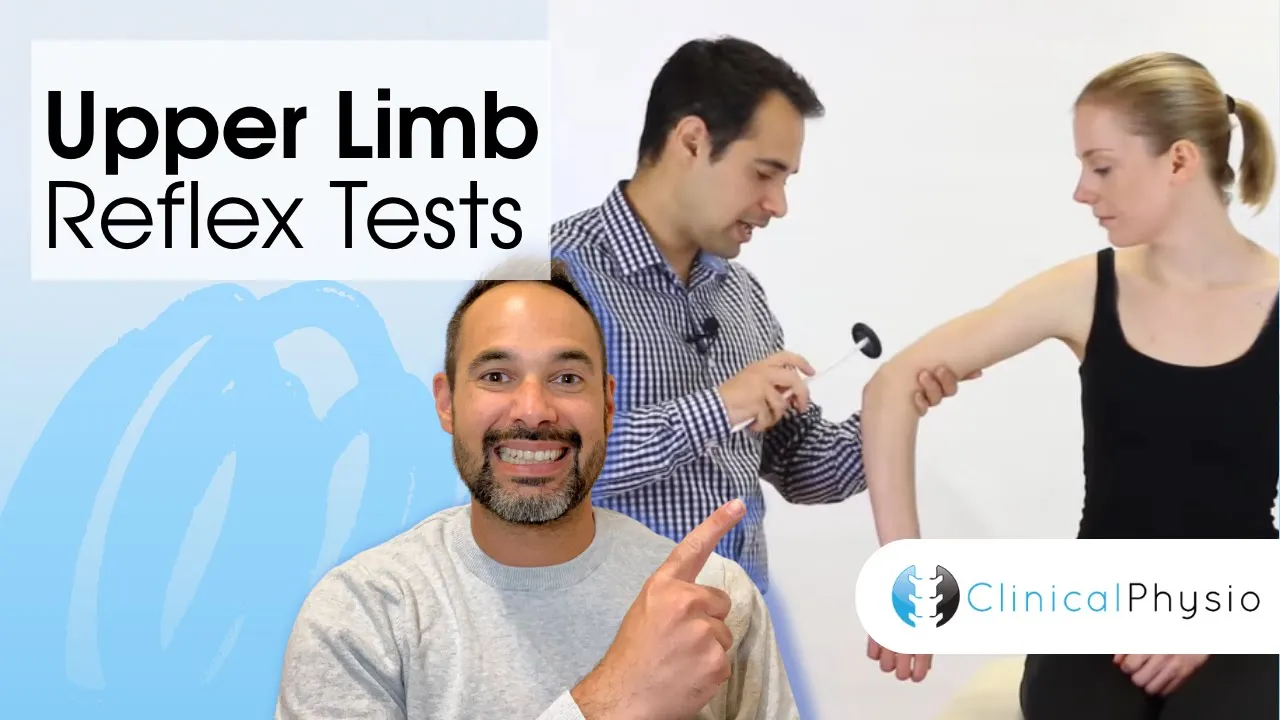





Upper motor neuron lesions (affecting the brain or spinal cord above the anterior horn) cause hypertonic paralysis, hyperreflexia, disuse atrophy, and a positive Babinski sign, while lower motor neuron lesions (affecting the anterior horn or peripheral nerves) cause flaccid paralysis, hypotonia, hyporeflexia, denervation atrophy, and a negative Babinski sign; the mnemonic 'up/down' helps remember that upper motor neuron lesions involve 'more' (hypertonic, hyperreflexia, toes up) and lower motor neuron lesions involve 'less' (hypotonic, hyporeflexia, toes down).
Upper vs Lower Motor Neuron Lesions: USMLE Neurology Review
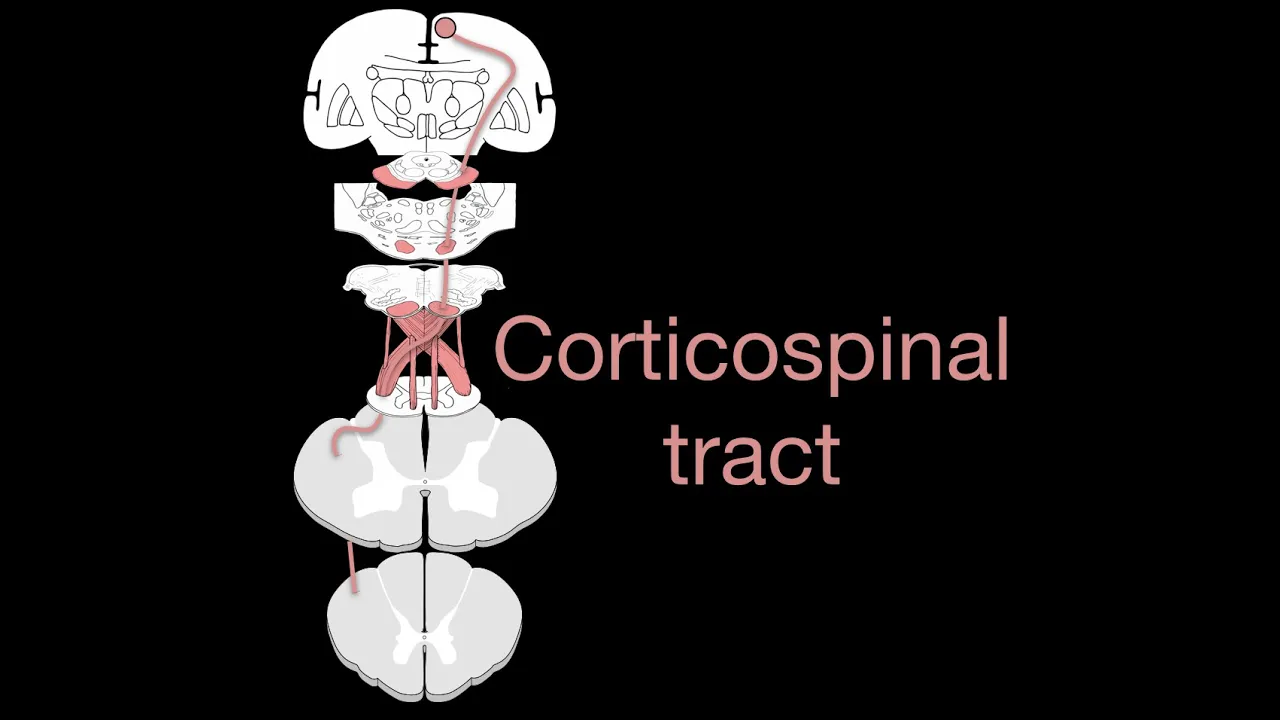
Added:Basic neuroanatomy of the motor pathways, specifically the corticospinal (pyramidal) tract, and the physical locations of upper and lower motor neuron cell bodies.
The physiology of the muscle stretch reflex arc (deep tendon reflex) and how descending motor pathways modulate these reflexes.
Basic neurological terminology, including definitions of muscle tone (hypertonia vs. hypotonia) and muscle bulk (atrophy).
Clinical localization of spinal cord lesions, such as Brown-Séquard syndrome, syringomyelia, and complete cord transection.
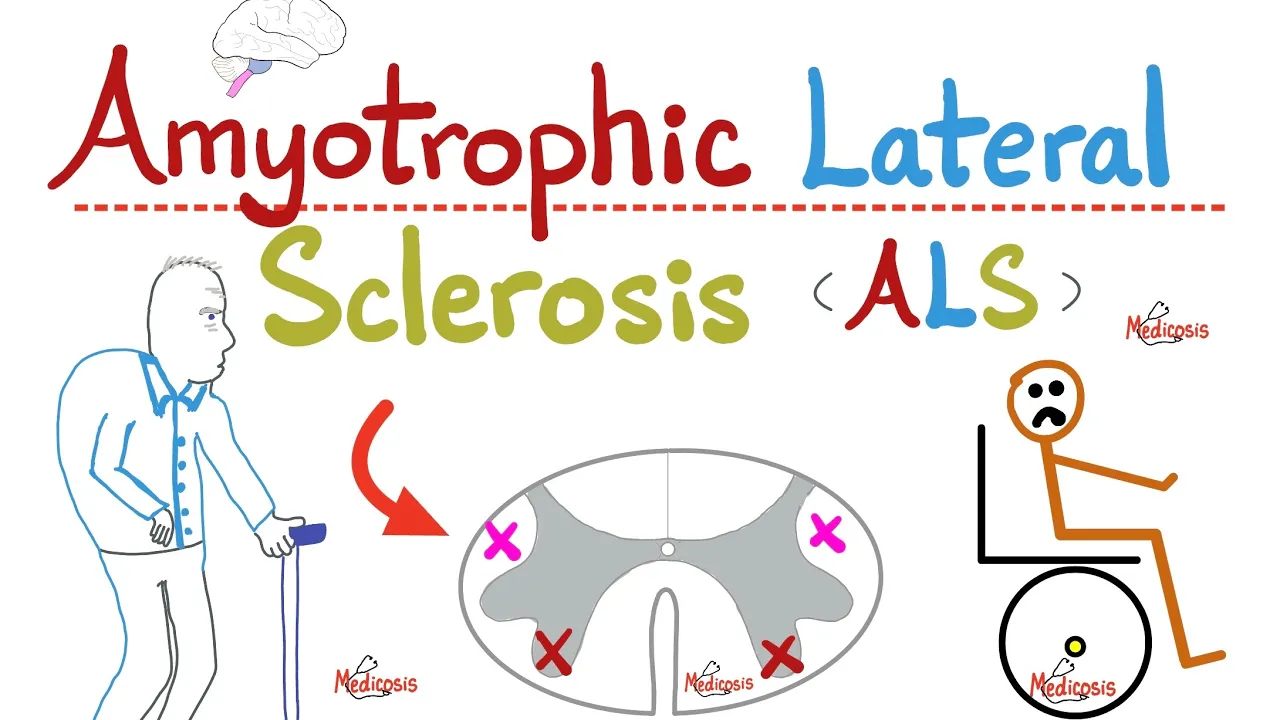
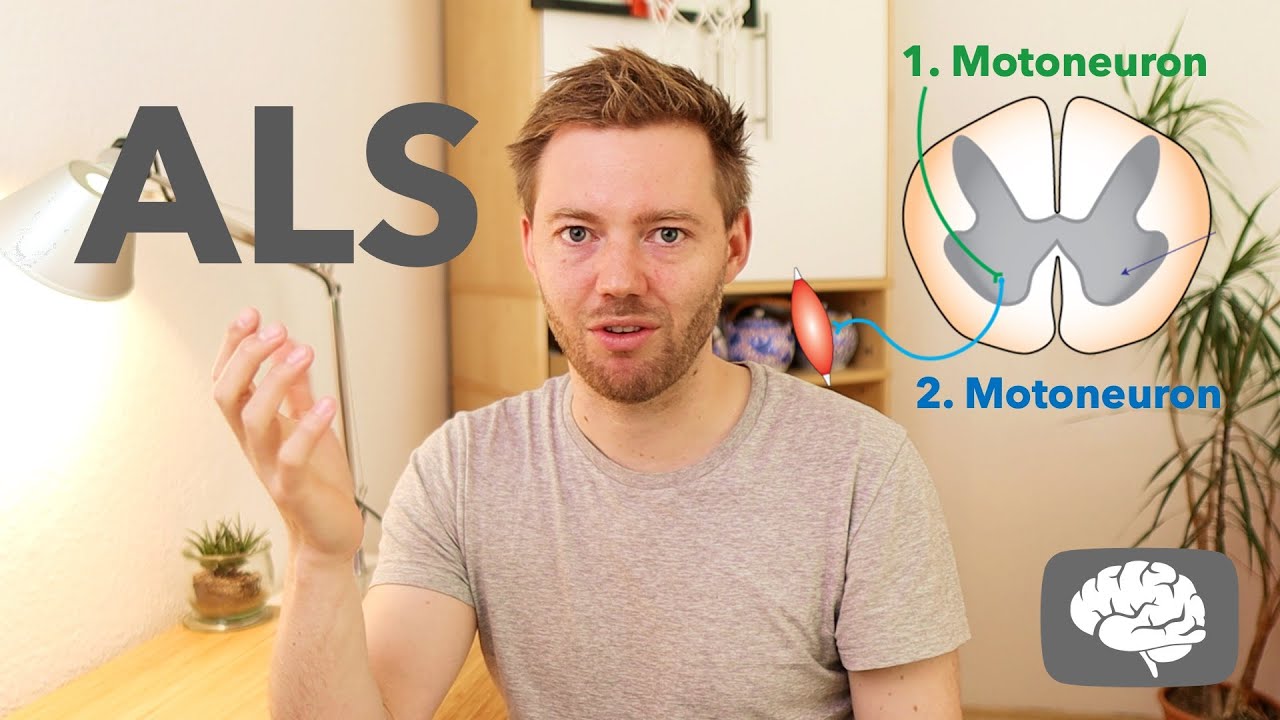
Pathophysiology and clinical presentation of specific motor neuron diseases, particularly Amyotrophic Lateral Sclerosis (ALS), which presents with mixed upper and lower motor neuron signs.
Practical application of neurological physical exam techniques, including how to elicit and interpret the Babinski reflex, Hoffmann's sign, and clonus.
Pharmacological management of upper motor neuron syndrome symptoms, such as the use of baclofen, tizanidine, or botulinum toxin for spasticity.
658.6K views12.9Klikes9:08Original Release: 2016-07-31
welcome to another high-yield Anatomy video brought to you by dirty USMLE in today's video we're going to be discussing motor neuron lesions and specifically upper motor neuron lesions versus lower motor neuron lesions the differences between them and how you can pick them up on your USMLE now this is very high yield for step one this shows up literally all the time it's in every cue Bank and it's very well documented in the literature there's nothing unknown about the upper motor neuron lesions versus lower motor neuron lesions which makes it high heeled because a lot of Neurology is very complex and very confusing but this is perhaps more straightforward so it would behoove you to understand this because it's going to be free points on your step exams if you can pick this up so with that said my plan is to teach you the basic science the regular and then give you the mnemonic for being able to recall and interpret a um n versus an LM n lesion so let's start with the basic overview when you think of the upper motor neurons and lower motor neurons I want you to think of this pathway you have the brain at the top that sends signals that descend down the spinal cord which eventually get to the anterior horn cell in a spinal segment that spinal segment then sends out nerves that innervate a certain region of the body so in this crude example we have brain than spinal cord then anterior horn cell now we need to draw a line to differentiate the upper motor neuron from the lower motor neuron so we've done that here the anterior horn will send out a nerve to a target muscle everything from the anterior horn to that muscle is considered the lower motor neuron everything from the brain down the spinal cord before reaching the anterior horn is considered the upper motor neuron so when we use the terminology upper motor neuron lesion that could be a lesion in the brain a lesion in the spinal cord proximal to the anterior horn when we use the terminology low term lower motor neuron lesion we're talking about a lesion at the anterior horn or to the nerve that projects from the anterior horn to the muscle so you need to first understand this before you can apply any of the differences now let's talk about those differences again this is just the normal all right I haven't yet gone into the mnemonic upper motor neuron lesions will produce a paralysis a hypertonic muscle a hyperreflexia crustle a disuse atrophy and a positive Babinski sign a lower motor neuron lesion will produce a flaccid paralysis a hypotonic muscle a hypo reflects ik reflex and a denervation atrophy with a negative Babinski sign so let's talk about these differences so versus flaccid a paralysis means that the muscle is in spasm a flaccid paralysis means the muscles kind of just limp and not really contracting hypertonic obviously refers to the tone there is a hyper tone to the muscle it is over toned because it is in spasm you know think of keeping your biceps contracted you're going to have a hypertonic biceps as opposed to when it's flaccid and just kind of relaxed it would be hypotonic a hyper reflects Acree flex is one such that if we try to initiate say your patellar reflex just tapping it would cause your knee to bend really rapidly versus hyporeflexia the reflex would basically not be present at all the disuse atrophy means that over time because we have a lesion to say the brain or the spinal cord you don't use the muscle as much because you can't descend pathways through the spinal cord or from the brain so because we might have an injury that would prevent us from being able to use our bicep over time we wouldn't be able to use that bicep and even though it would start off in spasm it would end with us not being able to use it and therefore the muscle would atrophy contrast that with the lower motor neuron lesion you just lose the innervation to the bicep so what you do is you get atrophy early on and a high yield point to keep in mind is that in an lmn lesion because your D innervating the muscle you get after it be much quicker than in an upper motor neuron lesion which initially presents with spasm so you don't get that atrophy right away because the muscle becomes hypertonic at first and then over time will let atrophy the Babinski sign you need to be familiar with this you take a reflex hammer and you stroke the bottom of the patient's foot the normal response is for the toes to curl down so you tickle the bottom of someone's foot and the toes should curl down towards the bottom of the foot that is a normal or negative Babinski sign and that's present in a lower motor neuron lesion but in an upper motor neuron lesion you get a positive Babinski sign and a positive Babinski sign is when you tickle the bottom of the foot the toes curl up towards the knee that is an abnormal finding and a positive Babinski in the upper motor neuron so now that we've talked about the basic differences and what they mean let's talk about the mnemonic for remembering this so when you think of upper motor neuron versus lower motor neuron all you need to do is assign two arrows upper for up and lower for down this is going to be very easy to remember and it's going to explain everything so now let's really cover the nitty-gritty here and talk about the mnemonic so we said that for an upper motor neuron lesion the lesion was to the brain or the spinal cord ie the lesion was to everything above the anterior horn what this means is that you lose the ability to send a spinal pathway from your upper cortical Center in your brain down to the anterior horn because of this the muscle just basically doesn't know what to do it has unregulated innervation you're not losing the innervation but you're losing the ability to regulate it and send signals down the spinal cord from the brain because of that the muscle goes into spasm the muscle becomes hypertonic hyperreflexia overtime you use the muscle less so it starts off big and in spasm and small and atrophied and you have a positive Babinski sign so with our pneumonic the up arrow helps us remember that there's more muscle contraction more muscle tone more muscle reflexes more disuse of the muscle and the toes point up that arrow means up more and hyper everything that means more for an upper motor neuron lesion so the U or the upper in upper motor neuron should help you remember the more or the up the toes point up there is more reflexes there's more tone there's more contraction then there's more disuse okay now let's contrast that with the lower motor neuron lesion in a lower motor neuron lesion the lesion is to the anterior horn cell or the nerve that projects from that anterior horn to the muscle so if you have a nerve crush injury or an injury to the anterior horn you're going to have a lower motor neuron lesion so how you can think of it is that if you have like a nerve crush injury for example you immediately lose the innervation direct to the muscle and because of that the muscle becomes flaccid the muscle becomes hypotonic and hyporeflexia you D innervate that muscle so it immediately atrophies and you have a negative Babinski sign which is a normal finding now the down-arrow helps you remember less down okay less muscle contraction less muscle tone less muscle reflexes less muscle innervation and the toes point down it's very crucial to understand the differences between the lower motor neuron lesion and the upper motor neuron lesion so just allow me to summarize briefly in the upper motor neuron lesion you lose the ability to send a spinal signal from the brain down through the spinal cord because of that you have a disc regulated innervation of the muscle you're not losing the innervation of the muscle that's what happens in a lower motor motor neuron lesion but instead you have a dysregulated innervation to the muscle and because of that the muscle goes crazy it goes into spasm it becomes hypertonic and hyperreflexia it has a disuse atrophy which means that at first it goes crazy gets big and hypertonic but over time it dysregulated and you eventually stop using the muscle so it eventually atrophies you have a positive Babinski sign where the toes point up remember upper motor neuron upper up more everything is more everything is up now let's contrast that with a lower motor neuron lesion you lose the ability to use the anterior Horn of the spinal segment or the nerve that projects from that anterior horn out to the muscle because of this uum eat we D innervate the muscle you lose the ability to have a contract you will have less of a muscle tone less of a muscle reflex and you have a D innervation atrophy with a toes pointing down remember lower less down if you guys can understand these differences and not only understand the basic normal science but also be able to quickly apply the up/down arrow mnemonic you will have absolutely no problem on your USMLE or complex when they present this to you now this is again very high yield so just take a couple minutes and get this down I hope that this was helpful for you guys and good luck studying
Up Next
5:37
Facial Palsy: Upper vs Lower Motor Neuron Lesions | Clinical Guide
@MedEdPRO
368.8K views•2015-08-12

48:47
Graphic Medicine: Comics for Collaborative Healthcare Communication
@nationalpatientadvocate
189 views•2023-12-04

10:28
Neuroanatomy: Central and Peripheral Nervous System Divisions Explained
@AKLECTURES
136.2K views•2014-09-20
3:05
Stages of Labor and Vaginal Birth | Childbirth Animation
@nucleusmedicalmedia
52.1M views•2017-08-18
Related Study Plans & Knowledge Roadmaps
Structured learning paths in Medicine
medicine
Abnormal LFTs: Diagnostic Workup & Pathology
01Liver Anatomy and Basic Physiology
02Introduction to Liver Function Tests (LFTs)
03Hepatocellular vs. Cholestatic Patterns
+ 3 more learning modules
12h6 modules
Explore Roadmap
medicine
Analyzing Blood Smears: RBC, WBC & Platelets
01Introduction to Blood Components & Smear Preparation
02Normal Morphology of Blood Cells
03Erythrocyte Pathologies & Morphological Variants
+ 2 more learning modules
12h5 modules
Explore Roadmap
medicine
Mechanical Ventilation: Waveforms & Alarms
01Anatomy and Physiology of Breathing
02Introduction to Mechanical Ventilation & Core Modes
03Ventilator Settings and Waveform Interpretation
+ 2 more learning modules
12h5 modules
Explore Roadmap
medicine
Neuro Exam: Localization & Stroke Syndromes
01Foundations of Neuroanatomy and Vascular Supply
02The Neurological Examination: Step-by-Step
03Principles of Neurological Localization
+ 3 more learning modules
18h6 modules
Explore Roadmap