





![수학적으로 가장 개운하게 일어나는 방법을 알려드립니다 (feat. 김재경 교수) [취미는 과학/ 57화 확장판]](https://i.ytimg.com/vi_webp/C6N9k9HT46Y/maxresdefault.webp)


















Caffeine is a methylxanthine stimulant that works by blocking adenosine receptors in the brain, preventing adenosine (a neurotransmitter that promotes sleep and relaxation) from binding to these receptors and suppressing neuronal activity; this blockade leads to increased alertness, energy, and cognitive function, though regular use can lead to tolerance and dependence, with safe daily consumption generally ranging from 30-400 milligrams depending on individual sensitivity.
How Caffeine Affects Your Brain: Mechanisms, Tolerance, and Safe Use
Added:Basic structure of a neuron and the mechanism of synaptic transmission (how neurotransmitters bind to receptors).
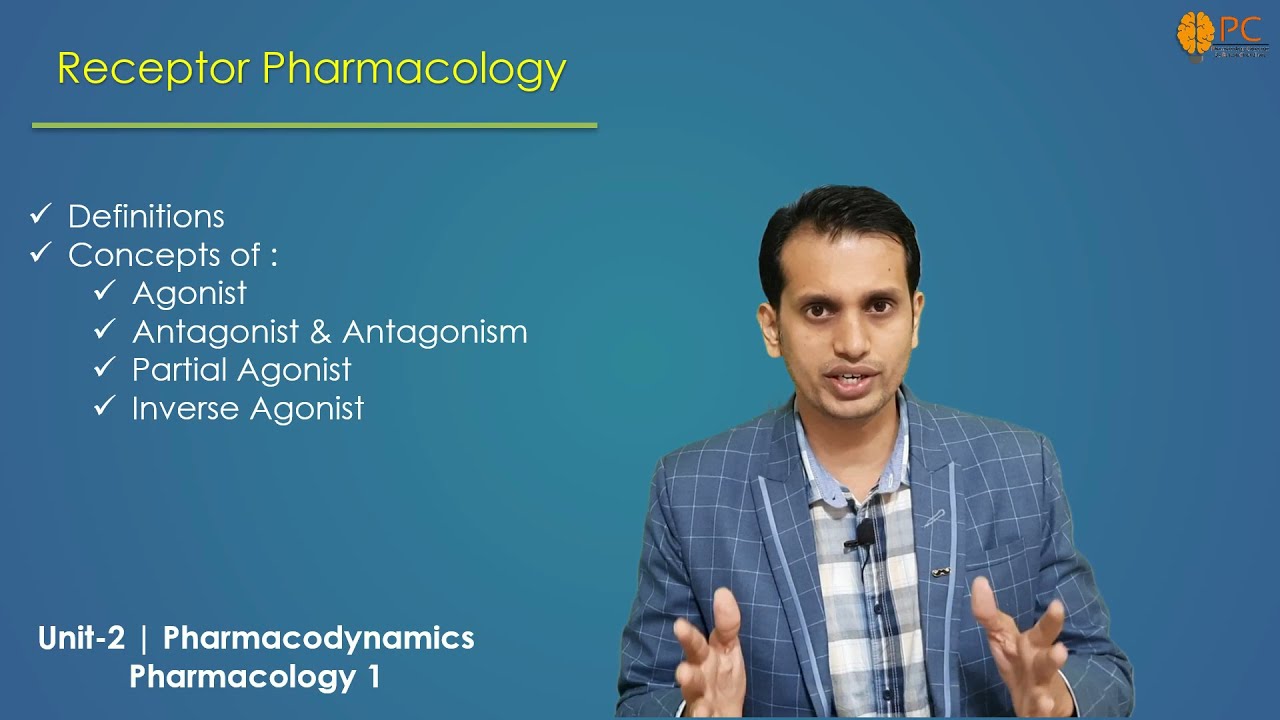
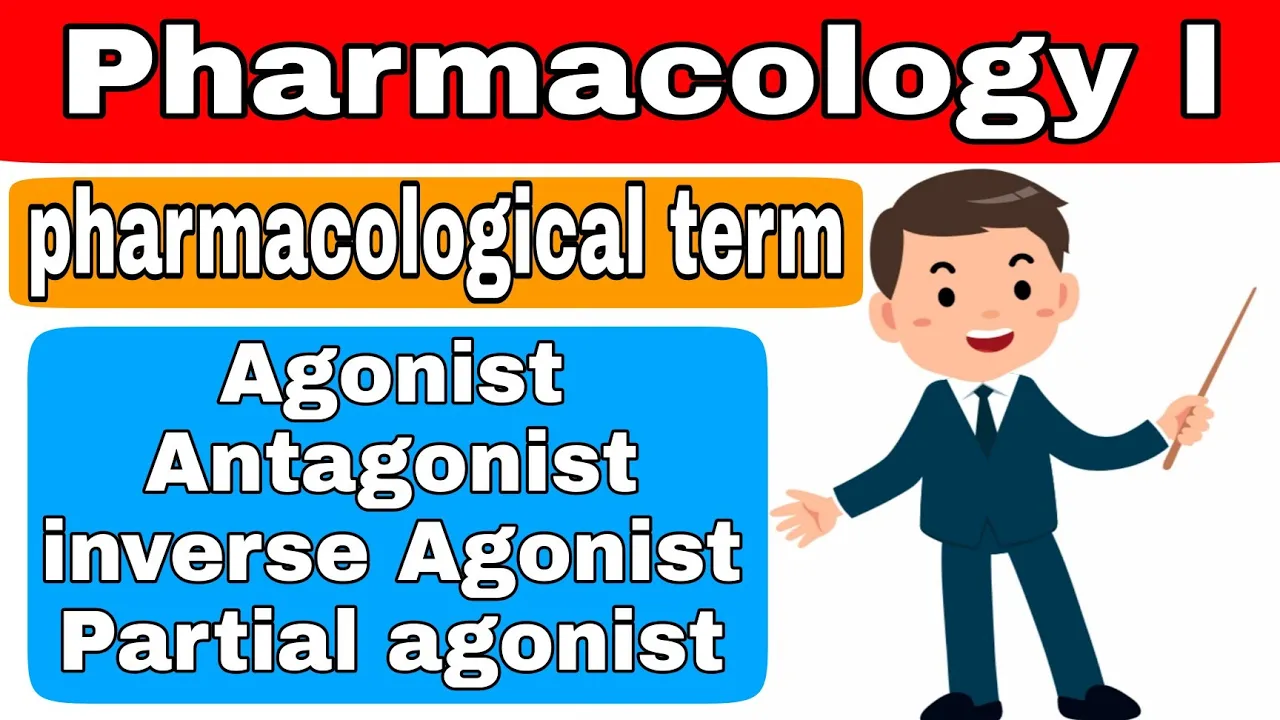
The concept of receptor agonism and antagonism in basic pharmacology.
The biological basis of the sleep-wake cycle, specifically how adenosine builds up to create sleep pressure.
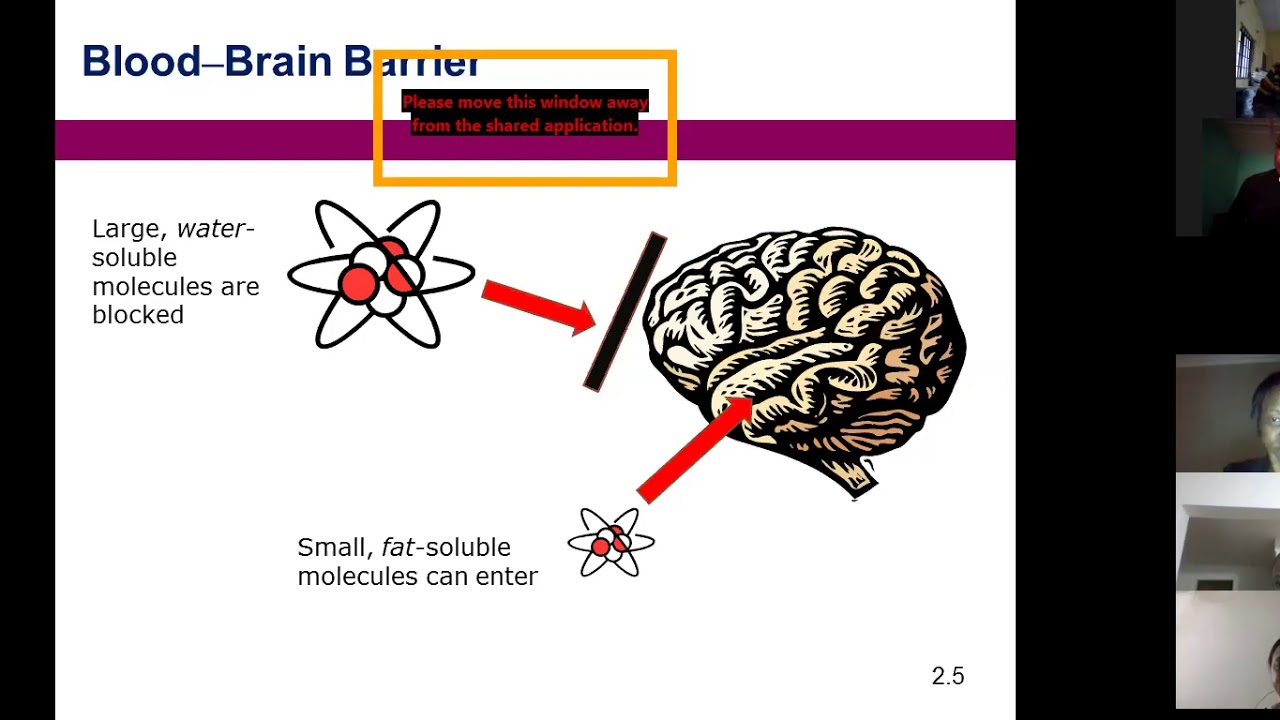
An introductory understanding of the blood-brain barrier and how psychoactive substances access the central nervous system.
The cellular mechanisms of tolerance, specifically the upregulation of adenosine receptors due to chronic blockade.
Genetic variations in caffeine metabolism, such as the role of the CYP1A2 gene in determining individual sensitivity.
Synergistic pharmacological interactions, such as the combined cognitive effects of caffeine and L-theanine.
A comparative analysis of caffeine's mechanism of action against other central nervous system stimulants, such as amphetamines or modafinil.
5.1M views109.8Klikes18:49Original Release: 2022-01-28
did you know that caffeine is one of the world's most commonly used psychoactive substances about 90 of adults consistently consume caffeine usually in the forms of things like coffee and tea so if this is so widely used and is considered a psychoactive substance we should probably know a little bit about how caffeine works so in today's video we're going to talk about what caffeine does to the body some of its pros and cons are there safe and unsafe amounts and can it be addictive so if you're one of those that loves your caffeinated beverages take a sip and we'll jump right into this caffeine is a bitter tasting naturally occurring substance found in many plants it's part of a group of compounds called methylxanthines and many of these methylxanthines caffeine included are considered stimulants of the central nervous system or the cns now keep in mind the central nervous system in anatomy refers to what you can see here the brain as well as the spinal cord now the majority of the spinal cord has been removed that you can see right here but it would continue down the vertebral or the spinal column we'll definitely be taking a look at the brain tissue in more detail in regards to how caffeine works but let's talk about caffeine being a stimulant what does that actually mean to us well when we partake of a stimulant such as caffeine it might make us feel a little bit more alert energetic able to get stuff done but how does caffeine really elicit these effects to answer that we need to go down to the cellular level so let's actually zoom in and zoom into this brain tissue and take a look at some brain cells welcome to the interworkings of your brain on a whiteboard with a wondrous drawing of a cell that makes up your nervous system called a neuron now let me point out some of the structural features of this neuron the central portion with the blue nucleus here is referred to as the cell body and the shorter projections coming off the cell body are known as dendrites and mine has one two three four and five now why am i counting these out for you well this is a bit of a simplified drawing because the neurons in your brain can actually have thousands of dendrites branching off of the cell body there and why is that so cool well that's because these dendrites are bringing signals in from the connections they're making with other neurons so if i have thousands of dendrites i potentially can make thousands of connections with other neurons and when you start thinking about all those numbers the connections in your brain become quite remarkable and we need to move on to this other projection here and this is called the axon the longer projection here and this takes signals away from the cell body and this is where we're really going to focus our attention with our discussion on caffeine especially where the axon starts to branch in these things called axon terminals so let's zoom into this axon terminal and that's what we're seeing at this upper portion of the whiteboard drawing and the end of the axon terminal has this little bulge called the synaptic n bulb for all you anatomy geeks who can't get enough of the names we throw at you but with caffeine it'll be starting this discussion of how caffeine works caffeine is known as a potent antagonist of adenosine receptors or in other words it's going to block the effects of adenosine now as we talk about adenosine keep in mind it can be found throughout the body as well as its receptors and other body tissues and so therefore can have multiple responses throughout the body but we're going to focus on how it affects the brain tissue so in blue are those blue diamonds these are representing adenosine and the adenosine receptor is represented in this green y-shaped structure that's embedded into the cell membrane of the neuron now when adenosine binds to the neuron i want you to kind of think of a lock and key analogy here with receptor physiology think of adenosine as the key and the adenosine receptor in green as the lock or the deadbolt that the key fits into and so we all know that the key has to have a specific shape to fit into a specific shaped deadbolt in order for it to work and that's the same kind of idea in receptor physiology in the human body or at least the key has to be close to the same shape and we'll talk about that a little bit more with caffeine's relationship to adenosine but adenosine binding to that receptor causes an effect on the neuron and specifically it suppresses the neuron or is known as a cns depressant it suppresses the firing and the activity of this neuron and so what does that feel like to you well it suppresses things like arousal and so therefore might make you feel tired or more fatigued adenosine could be considered one of the many chemical mediators of sleep and you've probably heard of adenosine before but in a little bit of a different form called adenosine triphosphate or atp now we could do a whole video just on atp but when it comes to atp for this video we're going to essentially say it is the energy currency of your cells and as your cells are active throughout the day they are burning through this energy currency called atp and so the idea is that as the neuron because neurons are greedy little hogs for atp they burn through it like crazy you're breaking it down and the adenosine component of the atp is thought to have start to build up on the outside of the neuron and as more and more builds up on the outside more of more more and more of it can bind to more receptors and again increase that effect of feeling tired and fatigued throughout the day and so how would you maybe get rid of this buildup of adenosine well it tends to help when you go to sleep and sleep will also help replenish your atp stores so what does all this adenosine talk actually have to do with caffeine well if you've got that caffeinated beverage close by go ahead and take a sip help calm the anticipation anxiety for the answer to this question because i first need to talk about another substance that you could be ingesting while watching this video and that is ag-1 by athletic greens ag-1 is an amazing supplement that contains 75 vitamins minerals probiotics and adaptogens and is sourced from whole food ingredients now i've been taking this supplement for months now and it's one of those things that can really help simplify your health and wellness routine for 2022 instead of taking all these different pills for vitamins and minerals you can get that in one scoop of ag-1 one of my favorite benefits of ag-1 is that it can help with performance as well as recovery i recently added long-distance running to my workout routine but i didn't want to give up things like basketball or weight training so any edge that i could get with performance was a definite plus as well as any edge with recovery because you want to recover as quickly as possible between workouts so that each individual workout can be as effective as possible ag-1 can also help boost energy levels and mental clarity and what's interesting is we are talking about caffeine in this video which we'll get into energy and mental clarity and some people will actually use ag-1 as a potential replacement for caffeine and others will use ag-1 in conjunction with caffeine it can be used successfully in both scenarios ag-1 is also nsf certified which means what's on the label will actually be found inside the product if you're ready to get started on your amazing greens go to athleticgreens.com human anatomy to get started on your order and they'll give our viewers a free one-year supply of immune supporting vitamin d as well as five free travel packets the link is in the description below so now on to that answer of how caffeine interacts with adenosine and its receptors and causes you to experience those stimulatory effects when you partake of caffeine now remember that lock and key analogy we talked about earlier think of caffeine as a key that can fit into a lock but won't turn it or activate the lock and that's essentially what happens with caffeine and adenosine receptors it's a close enough shape that it can fit or wedge itself into the adenosine receptor and block it without activating it and so if you have all this excess caffeine surrounding the neuron it'll take up those adenosine receptors so adenosine can't bind and cause its suppressive actions that we mentioned kind of suppresses uh stimulation makes you feel more tired and fatigued and so imagine you are partaking of that wonderful caffeinated beverage that i'm sure you're not addicted to it all we'll talk about that later the caffeine will eventually make it into your bloodstream and circulate into the blood of the brain here's a little tiny blood vessel that i'm representing here not perfectly to scale but this capillary would be close by and the caffeine would diffuse out bind to those receptors again blocking the action of adenosine therefore making you feel more stimulated energetic more motivated and determined to conquer your daily to-do lists which i'm sure includes watching videos from the institute of human anatomy so now that we know how caffeine works how effective is it what are considered safe amounts and are there any potential cons or drawbacks when it comes to partaking of caffeine well there are multiple studies that show caffeine has the ability to improve concept formation memory reasoning orientation attention and yes even improve the mood of you grouchy morning people it has even been shown to be effective at improving reaction time and visual spatial reasoning now keep in mind that these effects or qualities of caffeine tend to be greater when used or tested in individuals that are already fatigued or sleep deprived or maybe even jet lagged so someone who is well rested had a lot of sleep you're not going to see the same level or boost in these qualities one other thing we have to be clear about is caffeine is actually not producing a usable form of energy like the energy currency we talked about earlier called atp it's more of giving you the stimulus or this perception of feeling more energized now the amount of caffeine needed to achieve some of those previously mentioned results has quite the range and that range can be from 30 milligrams up to 300 milligrams per day with 400 milligrams being considered generally safe for most adults now you might be thinking why is there such a range why would one person maybe only need 30 milligrams in another all the way up to 300 plus milligrams per day and we can have that conversation of individual genetics physiology etc but one of the most important factors in that range is how much caffeine the person partakes of on a consistent or day-to-day basis for example someone like me who doesn't partake of a lot of caffeine and might be considered caffeine naive would notice these effects probably around that 30 milligram range and i can attest that i do feel some of those effects if i take 30 milligrams of caffeine if i were to take that 300 milligrams per day i'd likely be bouncing off the wall like a child now if we compare that to someone who is taking caffeine on a consistent day-to-day basis maybe they're a moderate to heavy coffee drinker they might need that 200 to 300 milligrams a day to get the same level of effect as someone who's more caffeine naive and that helps us with a nice little segue for one of our first potential cons or drawbacks of caffeine and that is as we partake of caffeine more frequently or more consistently our bodies will eventually build up a tolerance to the caffeine and we would therefore need higher amounts to get the same level of effects but what's actually happening at the physiological or cellular level when we build up a tolerance to caffeine well there's this process that occurs called up regulation and for us to understand up regulation we need to remind ourselves about those adenosine receptors that the caffeine was blocking now upregulation causes the adenosine receptors to increase in number so we literally make more of them and if i have a higher amount or a greater number of adenosine receptors i'm going to require more caffeine to block that greater number of receptors to get the same level of effects that i had previously before the process of upregulation occurred now when we're talking about other potential drawbacks or side effects we have to remind ourselves that caffeine doesn't just circulate to the brain tissue it circulates throughout the body and can therefore affect other tissues and other systems and one of those systems would be the cardiovascular system caffeine can increase systolic blood pressure by as much as 10 points so if you need a reminder on blood pressure remember the two numbers like 120 over 80 the top number systolic so if you were at 120 caffeine could potentially increase it to 130.
caffeine can also affect the conduction system of the heart and if the conduction system of the heart is fired off firing off more frequently which is in the case of caffeine it can cause this cardiac muscle tissue to contract more frequently and therefore increase the heart rate it can also cause the cardiac muscle tissue to contract more forcefully and have a little bit more of a forceful heartbeat caffeine can also increase the flow of blood through the kidneys and if you take a look at this cool kidney dissection that we have here we can look at the internal anatomy of the kidney and the blood is going to come in through this renal artery and branch and get distributed to the outer portion of the kidney here to be filtered now this outer portion of the kidney is referred to as the renal cortex now caffeine can increase the amount of fluid and sodium that's filtered in this area and therefore increasing the amount of urine produced which will eventually make it out a different tube here called the ureter down to the bladder and hopefully into the toilet now that was a really overly long or drawn out way of just saying caffeine can increase the amount of urine output and therefore caffeine is often labeled as a mild diuretic diuretic just making up now caffeine can also cause things like agitation it can make people feel jittery and even anxious now granted that tends to be a higher risk in people who are caffeine naive or people who are taking high amounts of caffeine but it is a potential drawback nonetheless but with all these drawbacks we're discussing one thing that's interesting to note is that as a person builds up the tolerance to caffeine these side effects or drawbacks become more minimal so somebody who's taking caffeine consistently wouldn't notice a full 10 point increase in systolic blood pressure again more minimal of an increase also not as great of an increase in their heart rate or a less diuretic effect that caffeine can have upon them with that buildup of tolerance and to finalize this discussion around caffeine tolerance and these potential drawbacks or side effects of caffeine from one perspective you might think well if i'm a little caffeine tolerant those side effects tend to be more minimal and you might think of that as an actual benefit to tolerance but if you miss that morning caffeine hit or go an extended period of time without caffeine your body is likely to let you know about it and you might even let others around you know about it because you might be feeling grouchy tired fatigued foggy and maybe even having this inability or feeling less focused and all of these things we are trying to mitigate with caffeine use tend to come back even stronger as these caffeine withdrawal symptoms which brings up an interesting idea or discussion around is caffeine addictive now in a clinical setting people often will hesitate to be like caffeine is this strongly addictive substance and we tend to not see people participating in harmful behaviors with caffeine use and we definitely know that caffeine does not have that same addictive pattern or that same level of potential withdrawal symptoms as say like other stimulants like nicotine amphetamines and even cocaine and luckily if someone were to want to get off of caffeine they could taper slowly and generally come off and minimize these caffeine withdrawal symptoms and people tend to do just fine if that's the choice they want to make and bringing in this full circle is caffeine bad should you use it should you not use it well caffeine's one of those substances where it's difficult to draw a hard line in the sand there are definitely substances out there that we could discuss where we could say probably shouldn't take that it's going to do more harm than good caffeine doesn't fall into that category i think caffeine should be approached similar to how you might approach any substance you ingest in your body whether it's like a food or a supplement or maybe an over-the-counter drug you always want to weigh the pros and the cons could we find situations where people are maybe using caffeine a little bit too much or ineffectively or relying on it too much sure but we could also find plenty of people who are using it responsibly and effectively as well as people who don't use it at all and do just fine another thing that i think is important to mention is caffeine's use as a therapeutic agent in a clinical setting as well as its potential to reduce risk of certain disorders there are studies out there that imply that caffeine may reduce the risk of neurological disorders such as parkinson's and alzheimer's now keep in mind more research needs to be done on this and caffeine would be only one factor for these things like parkinson's and alzheimer's but it is interesting nonetheless to think that it may have a protective or potential risk-reducing benefit for some of these neurological disorders now caffeine can be used to help reduce pain specifically in regards to headaches in combination with other medications now i forgot to mention that one of the actual withdrawal symptoms of caffeine can also be a headache so headaches can be a little bit of this double-edged sword with caffeine depending on somebody's caffeine status but in certain situations can be used therapeutically to treat headaches and a final interesting thought on caffeine use some people will use caffeine periodically or intermittently maybe one or two times per week and what they'll do is they'll time that caffeine use with maybe a day that they're going to need to get more things done or be more focused maybe at work or school or whatever they're participating in and the idea is that they won't build up that tolerance but still be able to get the the benefits on that day that they're targeting to use the caffeine other people will also even target caffeine use around athletic events as there's been a lot of research on caffeine and its influence on athletic performance which is extremely exciting and interesting to me we're gonna be actually doing a video on caffeine and athletic performance here shortly bringing us back to our final thoughts with this video our hope was that we could truly show you what caffeine is doing inside the human body even at the cellular level so you could make informed decisions about how you want to utilize caffeine in your own life and hopefully you got the information you needed to do that so thank you for watching this video be sure to check out that link in the description below with athletic greens like comment below let us know what you think about caffeine and how you utilize it in your own life and if you're not a subscriber feel free to hit that subscribe button and we'll see you in the next video [Music] you
Up Next

135:14
Dr. Matt Walker: Sleep's Role in Emotional Regulation & Mental Health
@hubermanlab
297.9K views•2024-05-01
21:55
Deciphering Neural Circuits Controlling Anorexia in Mice | Richard Palmiter
@AllenInstitute
2.3K views•2011-10-10

13:05
Is Your Brain Really Made of Fat? Anatomy of Myelin
@theanatomylab
569.2K views•2021-07-30
13:03
How Exercise Benefits Your Brain: Science Explained
@TED
11.4M views•2018-03-21
Related Study Plans & Knowledge Roadmaps
Structured learning paths in Neuroscience
neuroscience
Appetite Regulation: Brain Circuits & Hormones
01Foundations of Endocrinology and Brain Anatomy
02Introduction to Energy Homeostasis
03Peripheral Signals: Leptin, Ghrelin, and Insulin
+ 2 more learning modules
14h5 modules
Explore Roadmap
neuroscience
Neuroeconomics: Value, Risk & Brain Mechanisms
01Foundations of Neuroscience and Brain Anatomy
02Introduction to Neuroeconomics and Subjective Value
03Dopaminergic Prediction Errors & Reinforcement Learning
+ 3 more learning modules
18h6 modules
Explore Roadmap
neuroscience
Spatial Navigation: Cells, Grids & Brain Maps
01Foundations of Brain Anatomy and Memory
02Place Cells and Head-Direction Cells
03Grid Cells: The Brain's Coordinate System
+ 2 more learning modules
12h5 modules
Explore Roadmap
neuroscience
BCIs: Neural Decoding & Prosthetic Control
01Neuroscience Foundations: How the Brain Signals Intent
02Signal Acquisition: Recording the Brain's Activity
03Neural Decoding: Translating Brain Waves into Data
+ 2 more learning modules
25h5 modules
Explore Roadmap