





![ماهو تأثير DDT على الإنسان و الحشرات ؟ الوحدة 5 : الإتصال العصبي ] .](https://i.ytimg.com/vi/Hwoj9Xit4VQ/hqdefault.jpg)





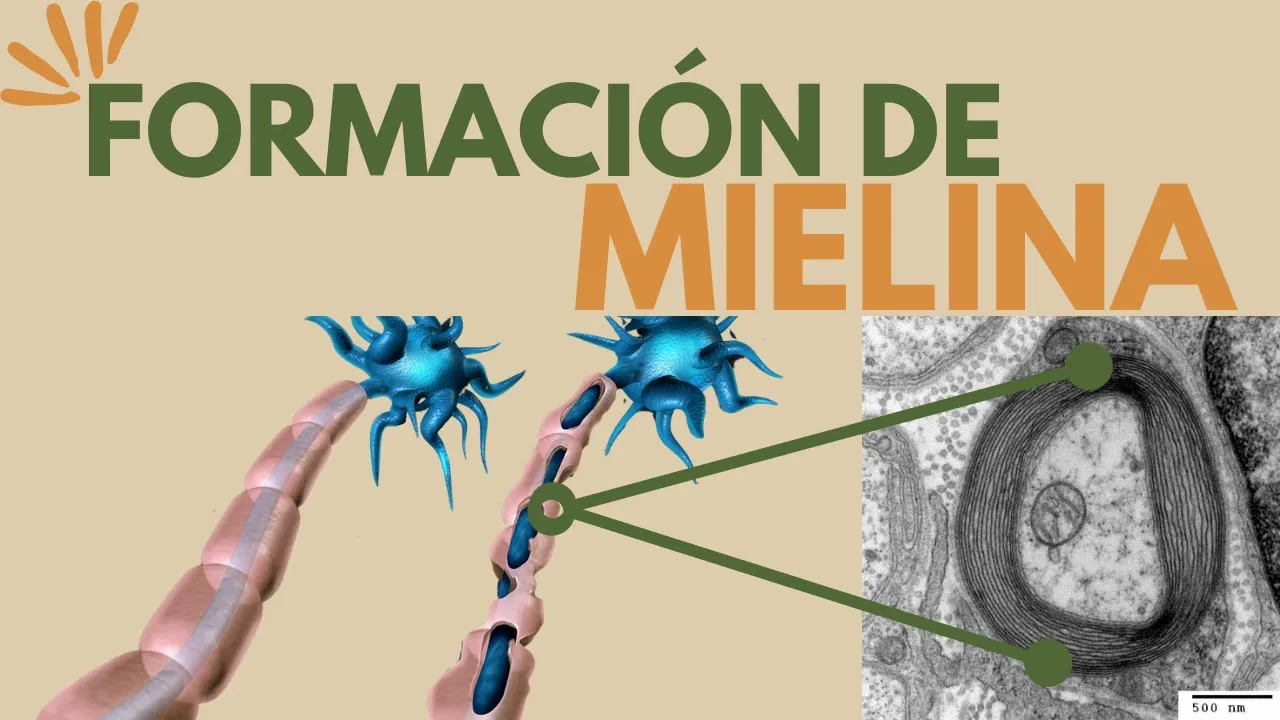



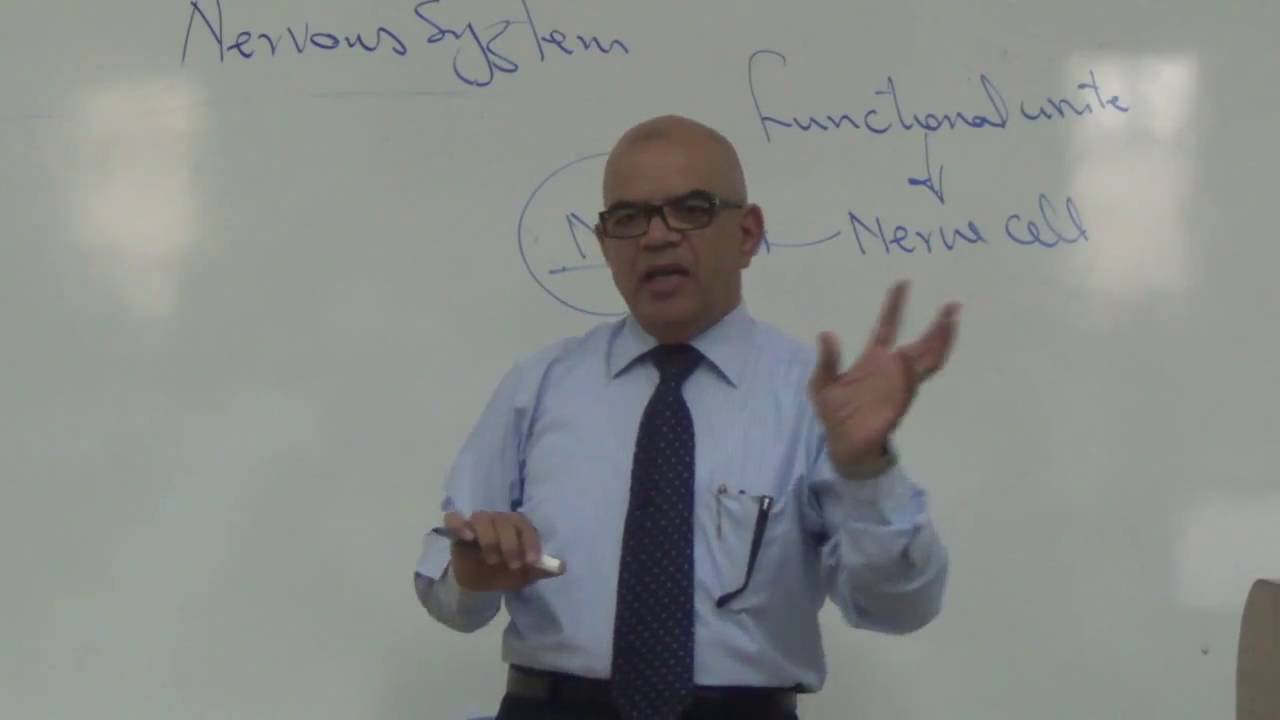



The brain is not made of adipose (fatty) tissue like the hypodermis, but it does contain lipids in the form of myelin sheaths—insulating layers of phospholipids wrapped around axons by oligodendrocytes (a type of neuroglia cell). These myelin sheaths, which can be up to 100 layers thick, give the brain's white matter its characteristic glistening appearance and are responsible for the misconception that the brain is 'fatty.' Unlike adipose tissue, which stores energy and provides insulation for temperature regulation, myelin sheaths serve a different purpose: they insulate electrical signals to speed up neural transmission by up to 50 times.
Is Your Brain Really Made of Fat? Anatomy of Myelin
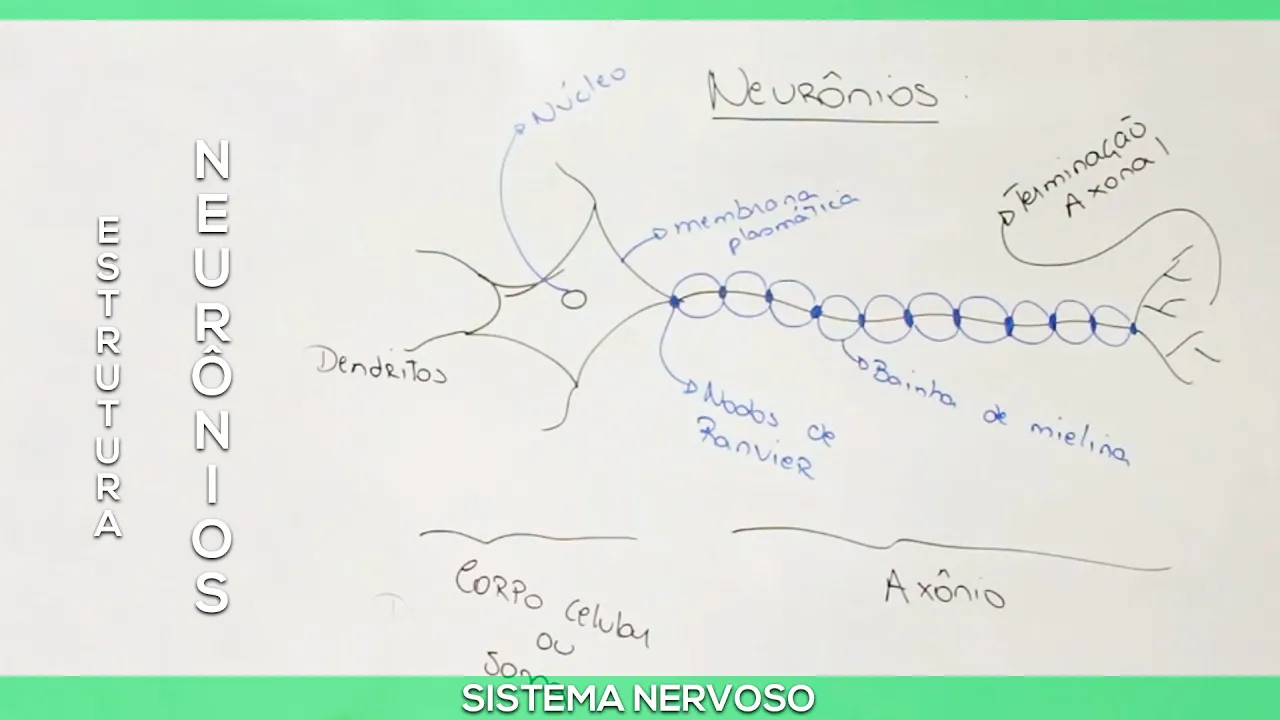
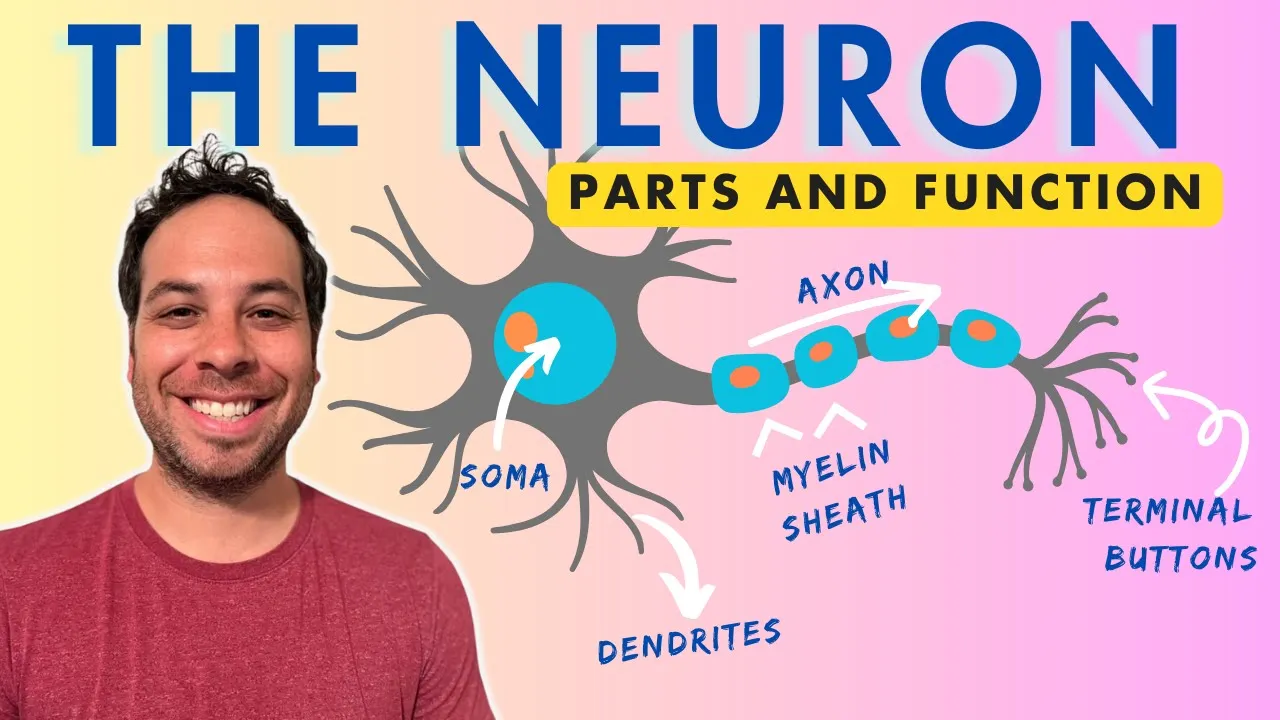
Added:Basic anatomy of a neuron, specifically focusing on the axon and how electrical signals travel through it.
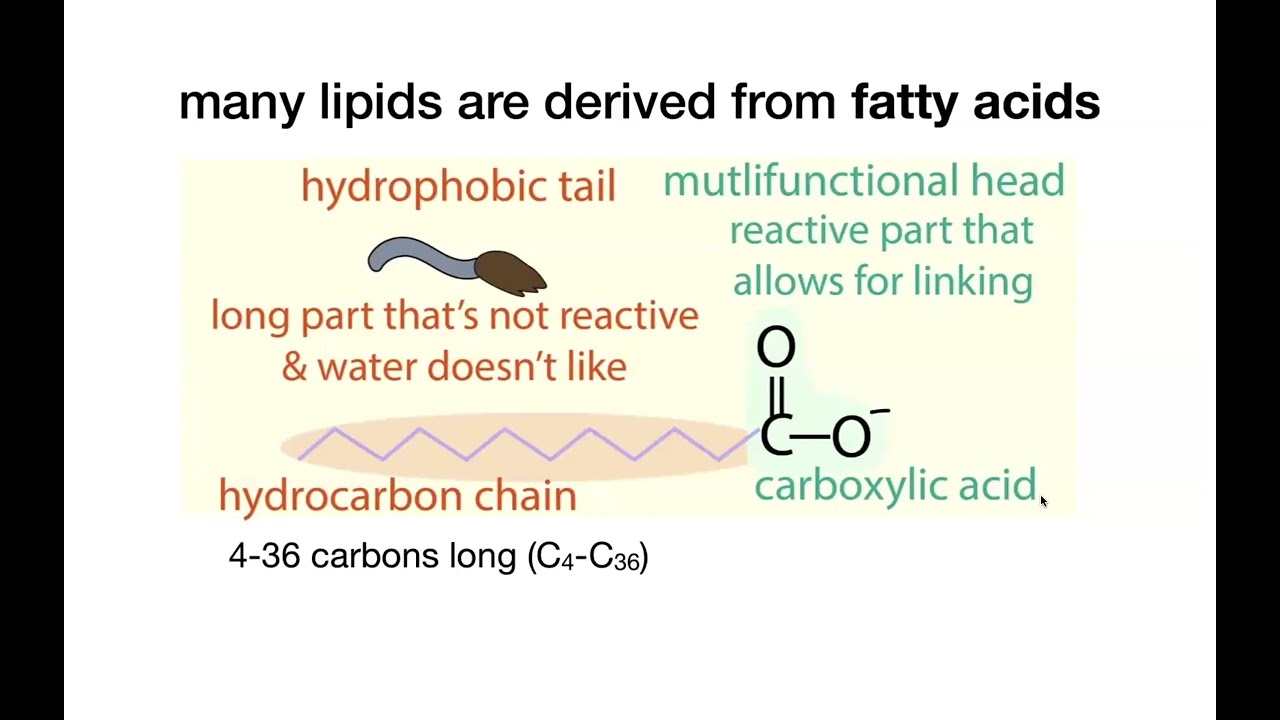
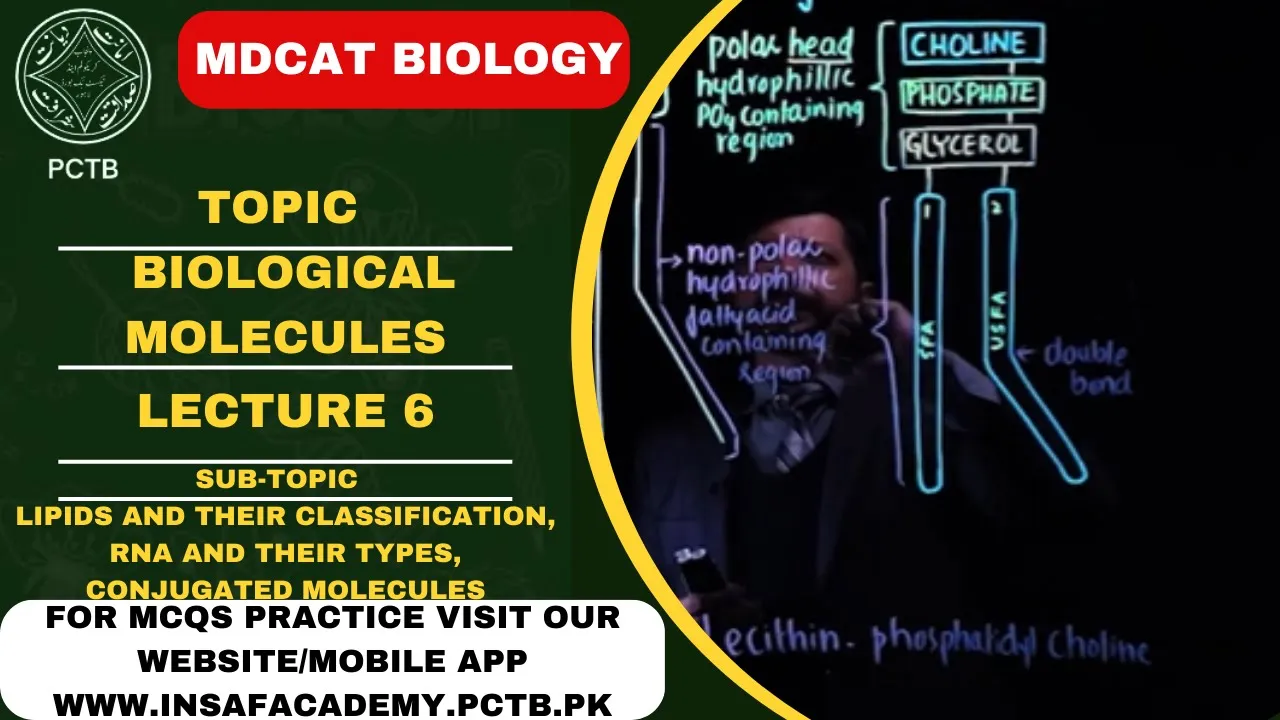
The biochemistry of lipids, including their hydrophobic nature and role in forming cellular membranes.
The general anatomical distinction between specialized nervous tissue and adipose (fatty) tissue.
The concept of membrane potential and how nerve impulses (action potentials) are generated.
The physiological process of saltatory conduction and the role of the Nodes of Ranvier in signal acceleration.
The distinction between myelin-producing glial cells: Oligodendrocytes in the Central Nervous System (CNS) and Schwann cells in the Peripheral Nervous System (PNS).
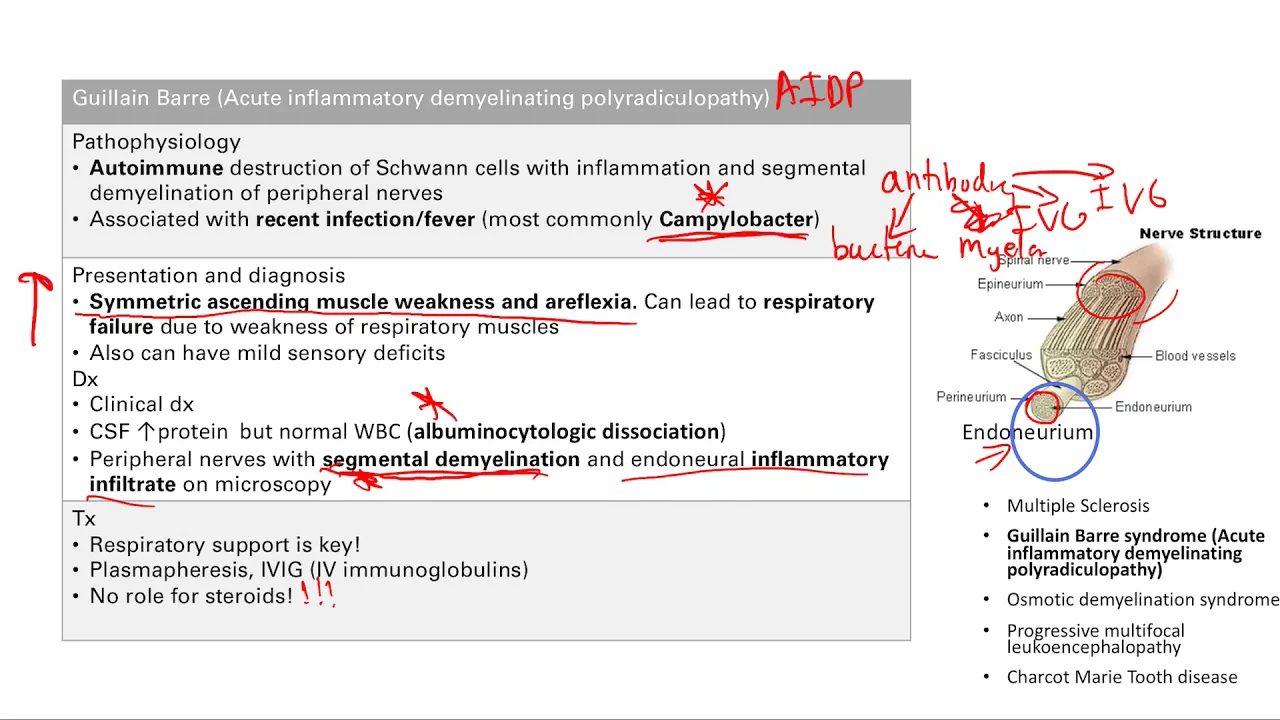
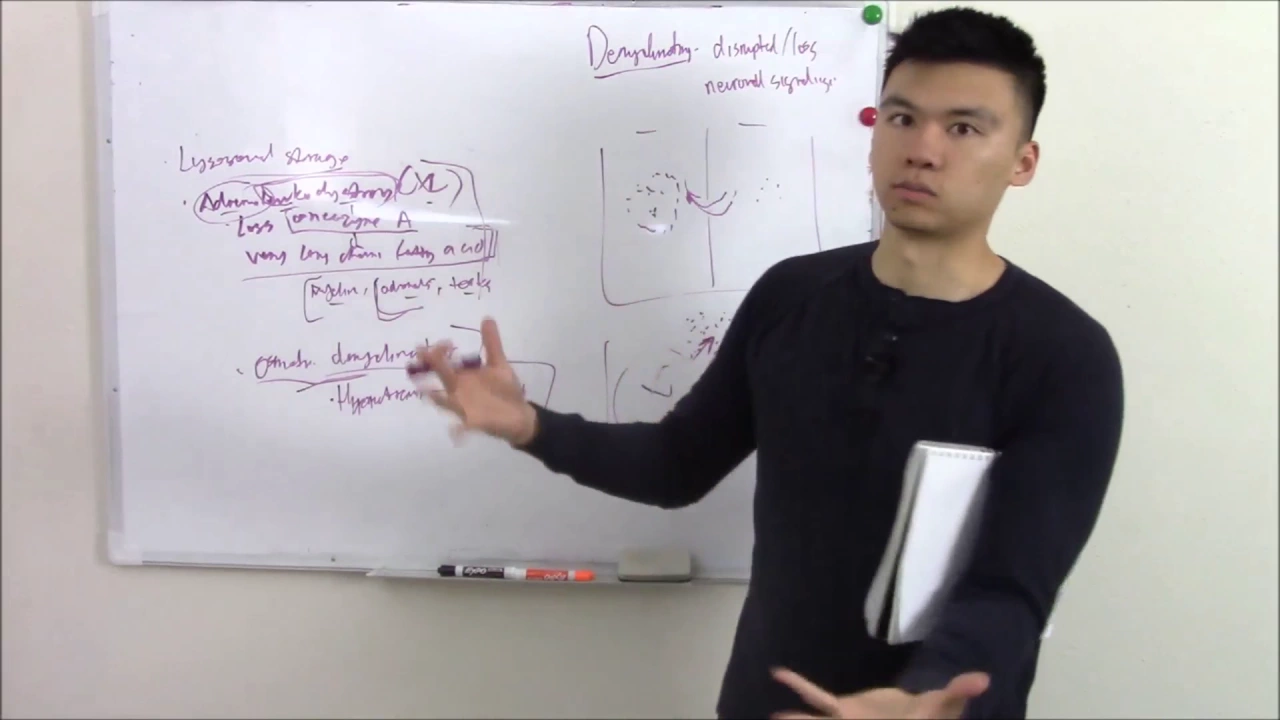
Clinical pathology of demyelinating disorders, such as Multiple Sclerosis (MS) and Guillain-Barré Syndrome.
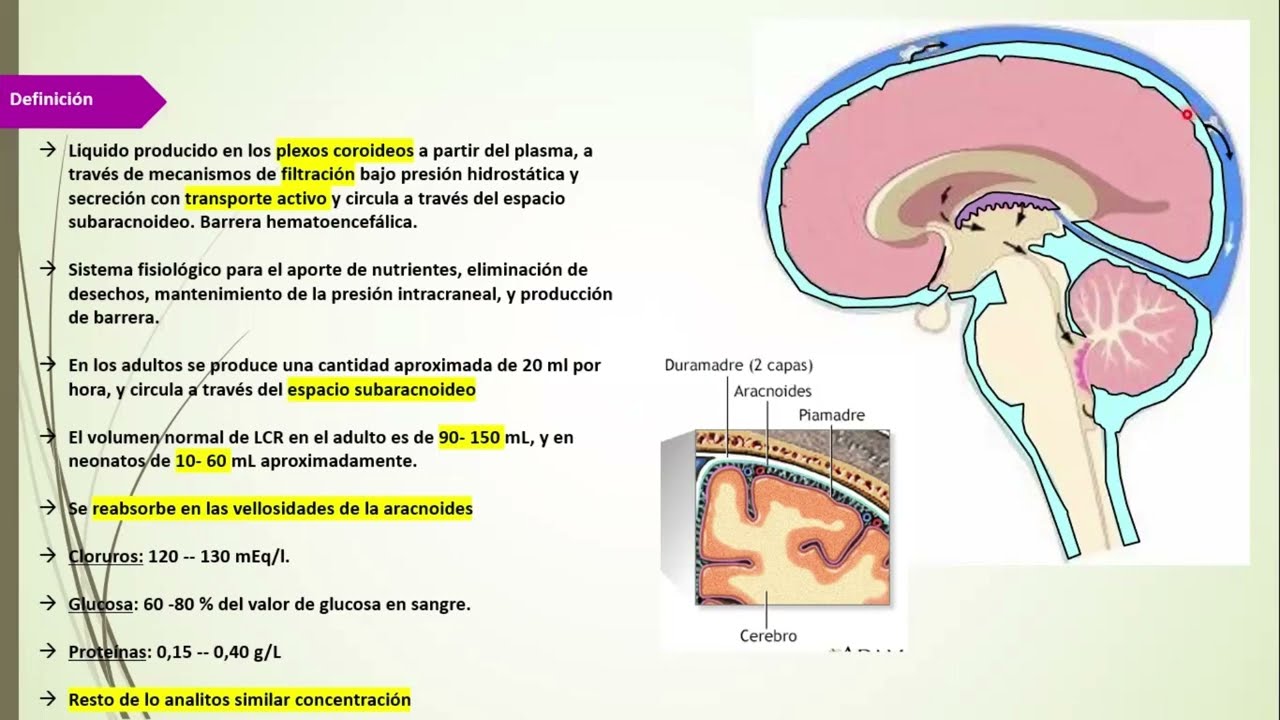
The anatomical division of grey matter and white matter in the brain and spinal cord, and how myelin distribution defines them.
569.2K views18.4Klikes13:05Original Release: 2021-07-30
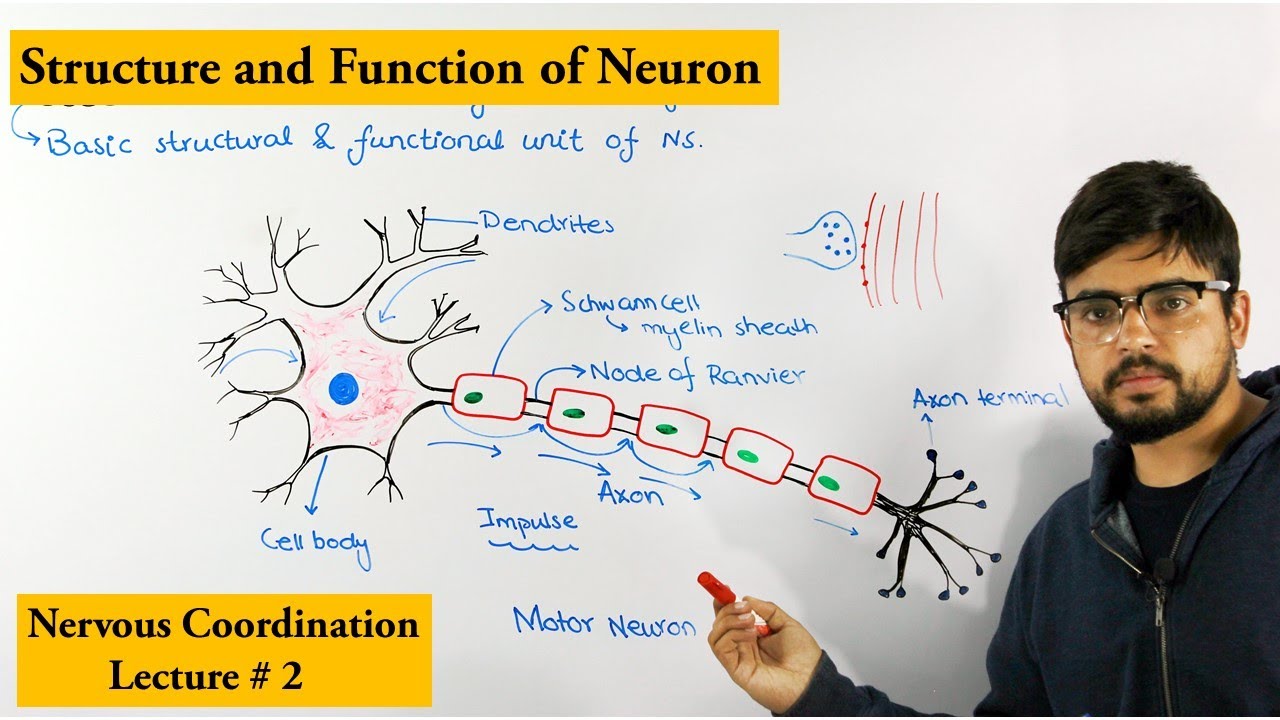
if you were to do a quick internet search of the fattest or fattiest organ in the human body you'd come across numerous articles that would say it's the brain now maybe some of you have heard that the brain is made up of primarily fat or fatty tissue but how can an organ made up of over a hundred billion specialized cells that we call neurons making trillions of electrical connections be considered fat or fatty is it true are they misleading us well we're about to answer that question and to do that we're going to use a real human brain and compare it to actual fatty tissue so let's do this so in order for us to discuss what this amazing structure that we call the brain is made out of or any structure for that matter we have to mention histology histology translates to the study of tissues or in other words what things are made out of so if i said to you what's the histology of the achilles tendon what's the histology of the epidermis or what's the histology of my t-shirt i'm essentially asking what is it made out of in the case of my t-shirt we'd say cotton case of the epidermis or the top layer of the skin we would say epithelial tissue and i don't know about you guys if we said what's the histology of the brain this doesn't really look like it's made up of fatty tissue or what we refer to as adipose tissue in the lab but if we take a look at this cadaver dissection and let me just orient you this is the left gluteus maximus muscle right here and we've left a skin to section over here so essentially left butt cheek here and on the skin dissection the top paper thin layer is the epidermis a little bit thicker but not quite as thick as the third layer down right here is the dermal layer or the dermis and from here to here this yellowy tissue is referred to as the hypodermis or the subcutaneous layer now if i asked you what is the hypodermis or the subcutaneous layer made out of or its histology we would definitely say fatty tissue or in other words adipose tissue and one of the cool things about histology or studying what structures are made out of is that eventually you're gonna have to go on a little bit of a magic school bus journey or in other words zoom in and zoom in and zoom into that tissue at the microscopic level so if we were to zoom in to this adipose tissue further and further and further we would eventually see cells called adipose sites or simply adipose cells and in between those cells we'd see a few protein fibers such as collagen but the majority of it would be built up by those adipose cells now those adipose cells are designed to store lipids or oils or in other words fats and the more and more lipids and oils they store they start accumulating these lipid droplets they have to increase in size so think about collectively all the adipose cells in a certain area of the body increasing in size that would mean overall therefore that the tissue would have to get thicker and thicker and thicker and vice versa if those cells started to shrink in size now it's not a secret to most that sometimes in society adipose or fatty tissue can get a negative wrap or some negative stereotypes however in the land of biology or in the land of anatomica like i like to call it we understand that adipose tissue was absolutely essential for survival and what i mean by that is based on some of its functions one being that it is an amazing storage of energy so think about back in the day when we were evolving running around and as hunter-gatherers in our little loincloths covering our nakedness or whatever we were dressed in we would maybe go gorge ourselves in as much food as we could whenever it was available to us and we would eat that and if we had any excess it would get stored as fat and that was great because we didn't have refrigerators we didn't have the same ability to maintain and store food and just didn't have it at our fingertips all the time so when we needed to pull from those stores we could pull it away now another function that's extremely important is adipose tissue or fatty tissue is an amazing insulator so it helped insulate us or maintain body temperature now humans definitely still take advantage of that but think about animals in like the northern hemisphere or like in the arctic polar bears or whales swimming in cold water and that blubber or that adipose tissue would help them maintain their body temperature so extremely important in those colder climates now you would definitely have to argue especially looking at this dissection here that if you have this thick covering that it could also provide some padding and protection for any of the other structures that were deeper or underneath that adipose tissue so now that we've seen what adipose tissue looks and behaves like you're probably getting the strong impression that i'm trying to say that the brain is not made of adipose or fatty tissue and you'd be correct and if we just think about the functions like is the brain's function to store energy provide insulation and padding protection for the body and we know the answer to that is no it's the command center it processes enormous amounts of information sends electrochemical signals it's an amazing structure but doesn't do any of those functions that we mentioned as far as what we saw with adipose tissue so why are these articles or people saying that up to 60 of the brain is made up of fatty tissue this thing weighs the adult human brain weighs about three pounds so we're gonna say almost two pounds is made of fatty tissue no so what's going on here why are people referring to this as an adipose or fatty rich organ the answer comes with again the histology of the tissue but how it's worded in a lot of these articles and how it's explained to a lot of students initially can be misleading so we're going to figure this out by taking a deep dive in on the magic school bus and seeing what cells make up nervous tissue or the brain so if we were to do what we did with adipose tissue and zoom in and zoom in to the tissue of the brain we would see that the brain is made up primarily of two different cellular types one type are the neurons and the other are called neuroglia cells many of us have heard of neurons there's over 100 billion of these things and a neuron typically has a basic shape or structure if you were to look at it under the microscope one you'd see a central bulbous cell body that would contain the nucleus and other organelles that you might remember from a biology class like mitochondria lysosomes things of that nature and then it has multiple projections coming off of the cell body called dendrites those dendrites take signals in from other neurons that are talking to it and they take that signal in towards the cell body and then typically they have a really long process called the axon and that takes the signal away from the cell body and that axon is going to be important in this discussion of fatty and adipose tissue in the brain now axons you guys can be multiple feet long for example you can have a neuron that originates in the lumbar or lower spinal cord and goes all the way down to engage a muscle in the toe i mean think of like shaquille o'neal that's a pretty long axon of a neuron so these are pretty tremendous or we could say amazing cells that send electrochemical signals in milliseconds now obviously the neurons that just stay in the brain aren't going to be feet long but you have neurons that leave the central nervous system to go to tissues throughout the body but again we're focusing in on the brain here and remember i mentioned the other cell type the neuroglia cells glia means glue because they originally thought that these neuroglia cells were kind of like the scaffolding that kind of helped and support and hold the neurons together we have found they do so many other functions besides just helping support the neurons and something that's astounding about the neuroglia cells remember i mentioned 100 billion neurons however there are anywhere from 10 to 50 trillion neuroglia cells so they dominate as far as numbers compared to the neurons and remember i also mentioned they do more than just provide support and scaffolding for the neurons depending on the type of neuroglia cell some of them will engulf pathogens or damaged tissues kind of like white blood cells will other neuroglia cells will help contribute to the blood-brain barrier and another specific type will help form this structure and this is the type that we're really concerned about in our discussion here will help form a structure called the myelin sheath so many of you may have heard of the myelin sheath this is the part that gets damaged in a disease called multiple sclerosis and it's also responsible for this idea about the brain being made up of fatty or adipose tissue and it also creates this stuff called white matter and maybe you've heard of that but i can show you on the brain here white matter you can actually see with the naked eye because it gives off a glistening color or those myelin sheaths give off a glistening color if you see the tip of the probe this lighter portion of the area of the brain would be considered white matter and the gray outer portions would be called gray matter now simply put in the gray matter that's where you're talking about cells like forming or neurons forming connections like synapses and talking to each other but that white matter contains those myelinated axons and again this idea about how the brain is potentially made up of fatty tissue and there's tons of white matter in the brain so let's explain how that works so going back to our wonderful cell biology class that maybe we took in high school or junior high or college remember every cell in the human body has an outer covering called the cell membrane or the plasma membrane but what was that cell membrane made out of it was made out of phospholipids the key word there being lipids and remember lipids are another name for fats or oils and so in the case of the nervous system there's all these neurons going through the brain and the spinal cord and all of those axons traveling to send signals to and from different neurons and communicate through other regions of the brain and then there's all those neuroglia cells and there's a specific type of neuroglia cell called an oligodendrocyte yes it is very fun to say so you can say yes a lego dendrocyte now an illegal dendrocyte imagine it positioning itself in between multiple neurons that are passing by and then it sends out extensions of its cell membrane which we know again is made of phospholipids and then what it does is imagine it grabbing a hold of multiple axons of neurons surrounding it and then wrapping it around multiple times with its cell membrane material again made of phospholipids kind of like a toilet paper roll so if you were to kind of compare this hopefully it focuses in right there the actual cardboard would be the neuron going through and then the actual sheets of toilet paper would be multiple layers multiple layers of phospholipids and that gives us this idea of multiple multiple lipid layers in certain areas of the brain specifically in the white matter contributing to our nervous system now what's the whole point of this well we know that lipids are great at insulating things now in the skin we were insulating from temperature we're not doing that in the brain or the spinal cord or in the nervous system we're insulating something else remember again it was that axon we're insulating the electrical signal or the impulse and we could go into a whole other video on action potentials and how the electrical signal is transmitted down an axon but in general what we know is when an axon is myelinated because there's some axons throughout the body that are not myelinated but those that are myelinated and insulating that electrical impulse can send the signal up to 50 times faster so wrapping all this up to understand why some people refer to the brain as being made up of fatty and adipose tissue again it's due to the formation of all of this white matter that was created by those oligodendrocytes going and wrapping the axons like again the toilet paper roll but it can wrap the axons up to a hundred layers of phospholipids from the cell membrane that's pretty crazy to think about but is it the same is the true adipose tissue that we found in the hypodermis or the subcutaneous layer no but it is unique to the nervous system and you don't find this in any other tissues of the human body where you have multiple layers of phospholipids so that insulation not for warmth but to speed up those electrical signals so you can contract your muscles feel sensations and have this awesome amazing functioning nervous system thanks for watching everyone if you feel like supporting the channel you can take a look at our t-shirts as well as our anatomical artwork we'll put the link in the description like subscribe if you feel the need go ahead and leave some comments let us know what you thought of the video or any future videos you'd like to see also protect those brains those myelinated axons need to fire on all cylinders up to 50 times faster and we'll see in the next video you
Up Next

7:11
Tripartite Synapse: Astrocyte Regulation of Synaptic Transmission
@PHCL-wg4tk
704 views•2023-07-07
21:55
Deciphering Neural Circuits Controlling Anorexia in Mice | Richard Palmiter
@AllenInstitute
2.3K views•2011-10-10
18:49
How Caffeine Affects Your Brain: Mechanisms, Tolerance, and Safe Use
@theanatomylab
5.1M views•2022-01-28
13:03
How Exercise Benefits Your Brain: Science Explained
@TED
11.4M views•2018-03-21
Related Study Plans & Knowledge Roadmaps
Structured learning paths in Neuroscience
neuroscience
Appetite Regulation: Brain Circuits & Hormones
01Foundations of Endocrinology and Brain Anatomy
02Introduction to Energy Homeostasis
03Peripheral Signals: Leptin, Ghrelin, and Insulin
+ 2 more learning modules
14h5 modules
Explore Roadmap
neuroscience
Neuroeconomics: Value, Risk & Brain Mechanisms
01Foundations of Neuroscience and Brain Anatomy
02Introduction to Neuroeconomics and Subjective Value
03Dopaminergic Prediction Errors & Reinforcement Learning
+ 3 more learning modules
18h6 modules
Explore Roadmap
neuroscience
Spatial Navigation: Cells, Grids & Brain Maps
01Foundations of Brain Anatomy and Memory
02Place Cells and Head-Direction Cells
03Grid Cells: The Brain's Coordinate System
+ 2 more learning modules
12h5 modules
Explore Roadmap
neuroscience
BCIs: Neural Decoding & Prosthetic Control
01Neuroscience Foundations: How the Brain Signals Intent
02Signal Acquisition: Recording the Brain's Activity
03Neural Decoding: Translating Brain Waves into Data
+ 2 more learning modules
25h5 modules
Explore Roadmap