
![SINAPSES QUÍMICAS x ELÉTRICAS [Neuro 02]](https://i.ytimg.com/vi_webp/DXxg-DHecWw/maxresdefault.webp)

















The tripartite synapse is a functional unit consisting of the presynaptic terminal, postsynaptic terminal, and an astrocyte that contacts both, representing a more complete view of synaptic function; astrocytes actively regulate synaptic neurotransmission by clearing neurotransmitters (glutamate via GLT-1/GLAST transporters at excitatory synapses and GABA via GAT1/GAT3 transporters at inhibitory synapses), metabolizing them into glutamine for neuronal recycling, releasing neuroactive molecules like D-serine and ATP, and communicating through calcium oscillations that enable gliotransmission, thereby playing crucial roles in both normal brain function and various neurological and psychiatric disorders including Parkinson's disease, Alzheimer's disease, epilepsy, depression, and schizophrenia.
Tripartite Synapse: Astrocyte Regulation of Synaptic Transmission
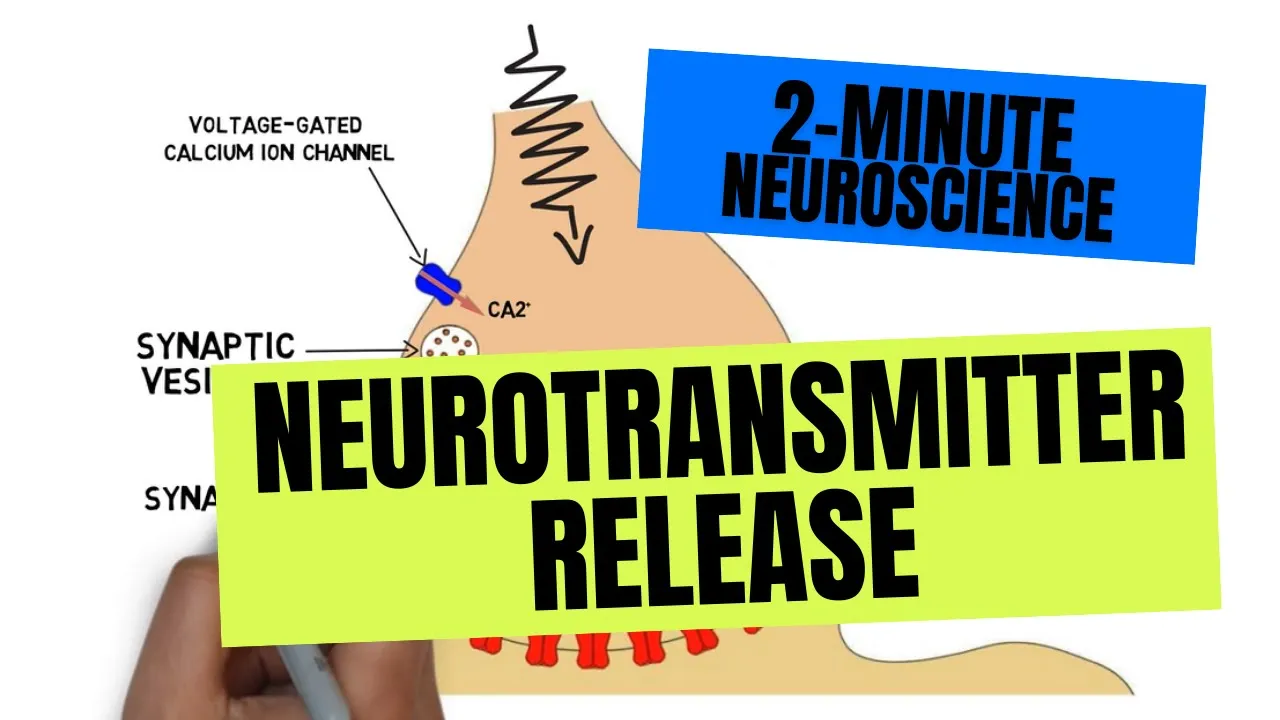
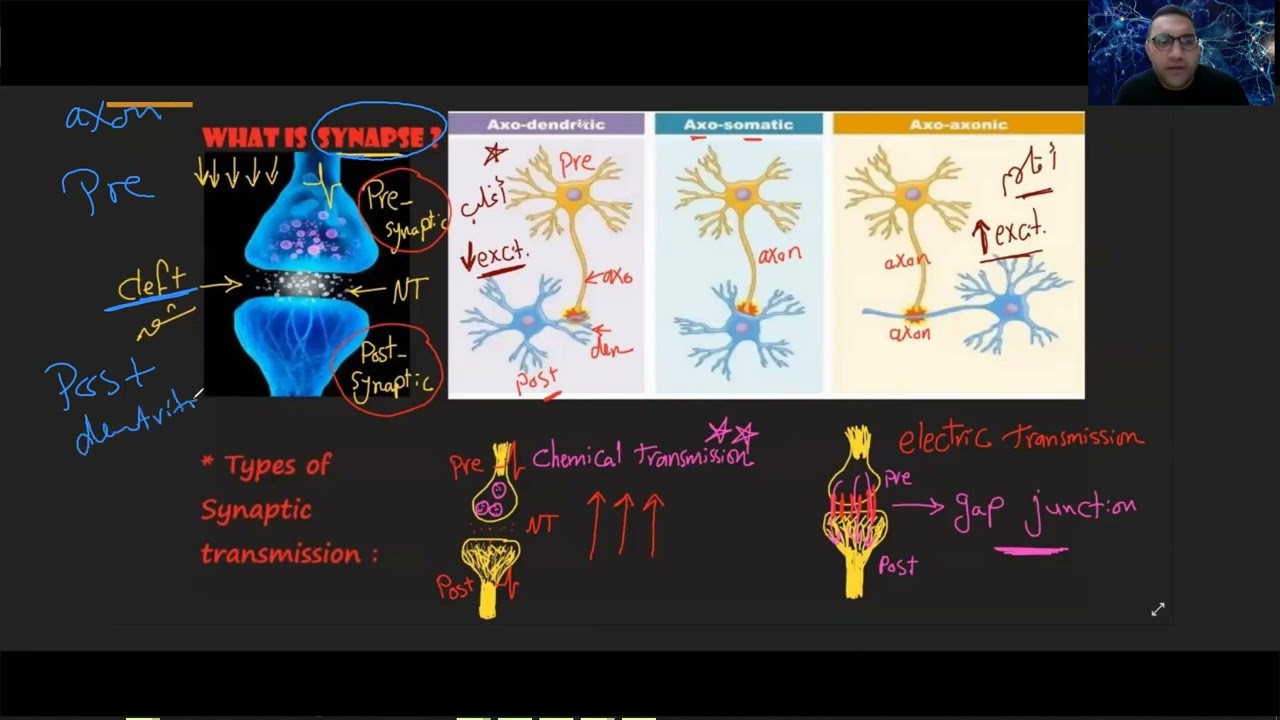
Added:hi and welcome to pharmacology of the synapse in today's video we will explore the tripartite synapse to understand the tripartite synapse we need to review glial cells in the brain glial cells include microglia oligodendrocytes and astrocytes microglia are the brain's resident immune cells which engulf viruses bacteria and other debris microglia can also release chemicals that can contribute to neural damage such as oxidative stress molecules and cytokines oligodendrocytes myelinate neuronal axons and facilitate neurotransmission these cells were introduced at the very beginning of the course the last category are astrocytes these cells form contacts with neurons and will be the focus of this video the tripartite synapse refers to the presynaptic terminal the postsynaptic terminal and an astrocyte contact that encompasses both pre and postsynaptic terminals astrocytes have numerous branches as seen on the left panel and each astrocyte can make contact with over 100 000 synapses at the synapse itself you can see that from this electron micrograph that the astrocyte makes contact with both the pre and the postsynaptic terminal and together this is referred to as the tripartite synapse astrocytes also make contact with other astrocytes in a network called this incision that essentially encompasses all neurons and lastly astrocytes and neurons communicate and communication from astrocytes to neurons is broadly termed glio transmission so astrocytes were long thought of as inert cells of the brain that didn't have much function other than holding cells together they were then discovered to help neurons maintain energy homeostasis and assisted in regulating blood flow in the brain much more recently it has been discovered that astrocytes play a much more active role in the brain including regulating synaptic neurotransmission by sensing neurotransmitters and releasing neuroactive chemicals and having their own signaling mechanism we will go over these last three points in this video astrocytes regulate synaptic transmission by taking up neurotransmitters and helps stopping neurotransmission this occurs at both excitatory and inhibitory synapses this slide covers excitatory synopsis so at excitatory synapses where glutamate is released astrocytes take up glutamate using two Transporters glt-1 and glass astrocytes are actually responsible for the majority of glutamate clearance in the synapse using these mechanisms after uptake of a glutamate the astrocytes metabolize glutamate into glutamine and release this building block back to the neuron lastly in addition to glutamine release astrocytes also release d-serine which is a co-activator required for nmda receptor activation at inhibitory synapses astrocytes perform a similar function they take up Gaba using two Transporters gat1 and gat3 Gad 3 is much more expressed than get one and in addition to its synaptic location gat3 is also expressed extra synaptically or outside of the synapse and this serves to mop up extra Gaba spillover that might escape the synapse thus helping to stop Gaba neurotransmission similar to excitatory synapses astrocytes break down Gaba into glutamine and release this building block back to the neuron so in addition to glutamine astrocytes can also release neurotransmitters such as Gaba and glutamate and neuroactive molecules such as ATP prostaglandins and neuropeptides astrocytes use two main methods of release Transporters and exotytosis you don't need to know the details but I'd like you to remember that astrocyte exocytosis mechanisms and Machinery are similar but not exactly the same as neuronal vesicle release as illustrated by this figure so we know that astrocytes have Transporters to regulate synaptic conditions and can release neuroactive molecules so let's examine signaling in astrocytes astrocytes Express many receptors both ionotropic ion channels and metabotropic g-protein-coupled receptors as well as transporters such as ENT which is an ATP adenosine transporter potassium channels and glorify Gaba A and B receptors serotonin 2 and D1 receptors however unlike neurons a signal in an astrocyte does not result in membrane potential changes so astrocytes don't conduct electrical signals and don't have action potentials instead astrocyte activation results in increases and decreases in intracellular calcium levels called calcium oscillations these calcium oscillations can occur in one astrocyte and can also propagate to other astrocytes so this figure shows the up and down calcium oscillations in Vivo in Mouse brain as detected by calcium fluorescence dyes these calcium oscillations in astrocytes can then lead to gliot transmission so in summary the tripartite synapse is a more complete view of the synapse we now know that astrocytes can sense signal and release near active molecules so what does this mean and what are the implications of astrocyte function research is ongoing as this is a relatively new research area so in addition to finding out new information about how astrocytes contribute to normal brain function astrocytes have been implicated in many diseases and pathological functions such as neural inflammation near degeneration and degenerative diseases such as Parkinson's disease and Alzheimer's disease stroke and hemodynamic dysfunction epilepsy and many psychiatric disorders such as depression drug addiction schizophrenia and OCD so in summary astrocytes may be very important in some of these mechanisms
Up Next

Glial Cells: Passive Glue or Active Participants in Brain Function? And: Astrocytes, Microglia, and Synaptic Plasticity in the Brain: An Academic Lecture
@pre_post
134 views•2022-12-09
Deciphering Neural Circuits Controlling Anorexia in Mice | Richard Palmiter
@AllenInstitute
2.3K views•2011-10-10

Vagus Nerve (CN X): Anatomy, Nuclei & Functions Explained
@Alilamedicalmedia
305.2K views•2022-10-31
How Exercise Benefits Your Brain: Science Explained
@TED
11.4M views•2018-03-21
Related Study Plans & Knowledge Roadmaps
Structured learning paths in Neuroscience