


















Glial cells, particularly astrocytes and microglia, are active participants in brain function rather than passive support structures. Astrocytes detect neurotransmitter release at synapses through calcium signaling, release neuromodulators like glutamate and ATP to strengthen synaptic connections, and form gap junction networks enabling coordinated brain-wide communication. Microglia actively prune synapses by removing weak or unused connections through direct physical interaction. Together, these glial cells regulate synaptic plasticity, memory formation, and neural network stability, with their dysfunction linked to neurological disorders like epilepsy and Alzheimer's disease.
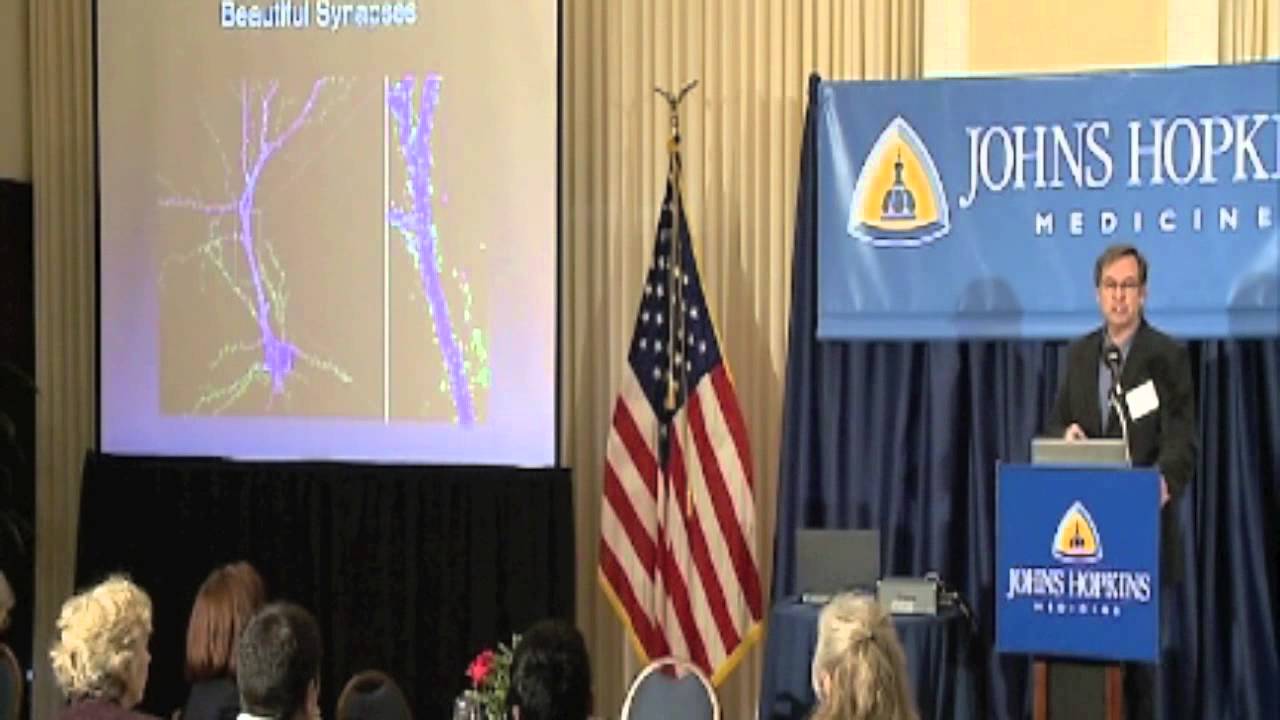
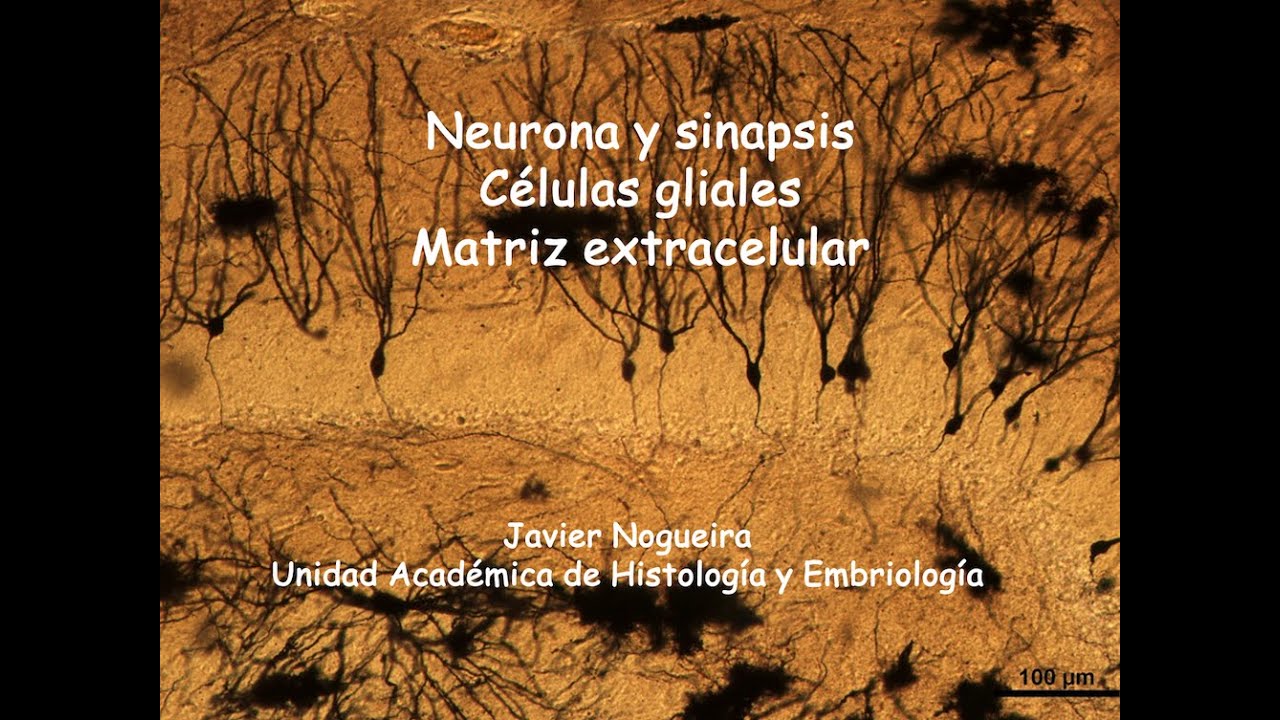
Glial Cells: Passive Glue or Active Participants in Brain Function? And: Astrocytes, Microglia, and Synaptic Plasticity in the Brain: An Academic Lecture
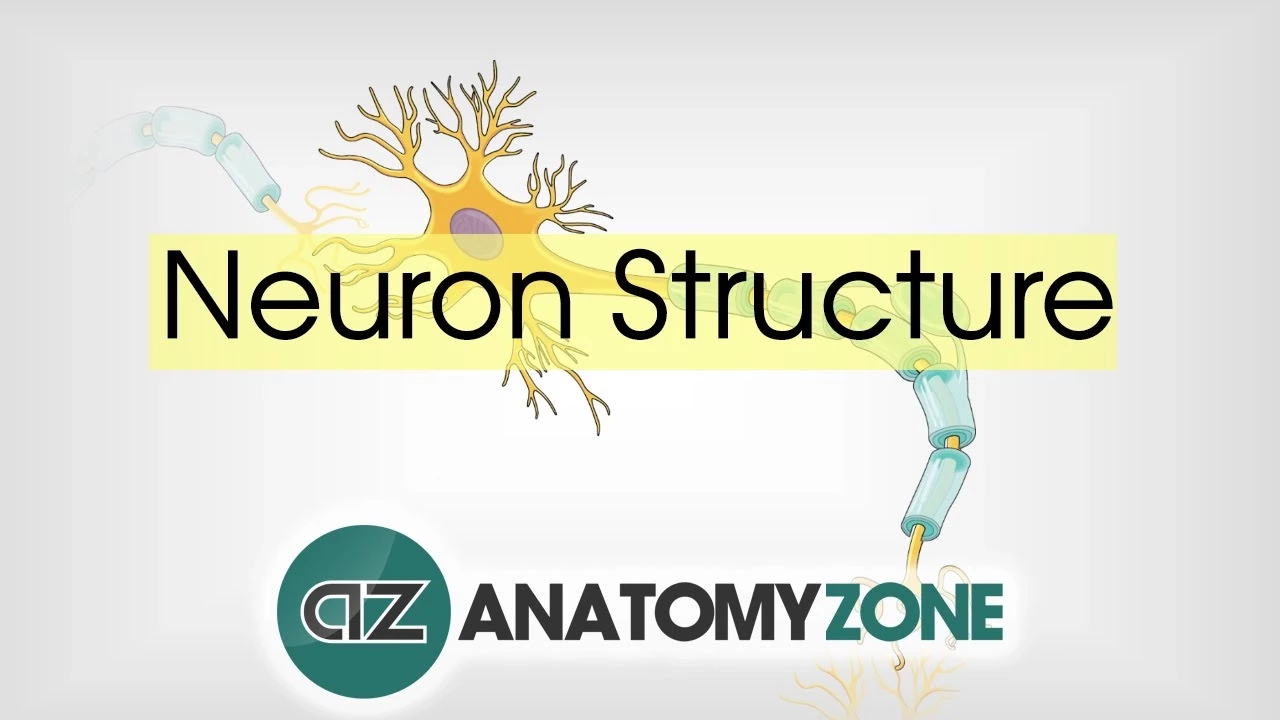
Added:Basic neuron anatomy and cellular structure, including axons, dendrites, and synapses.
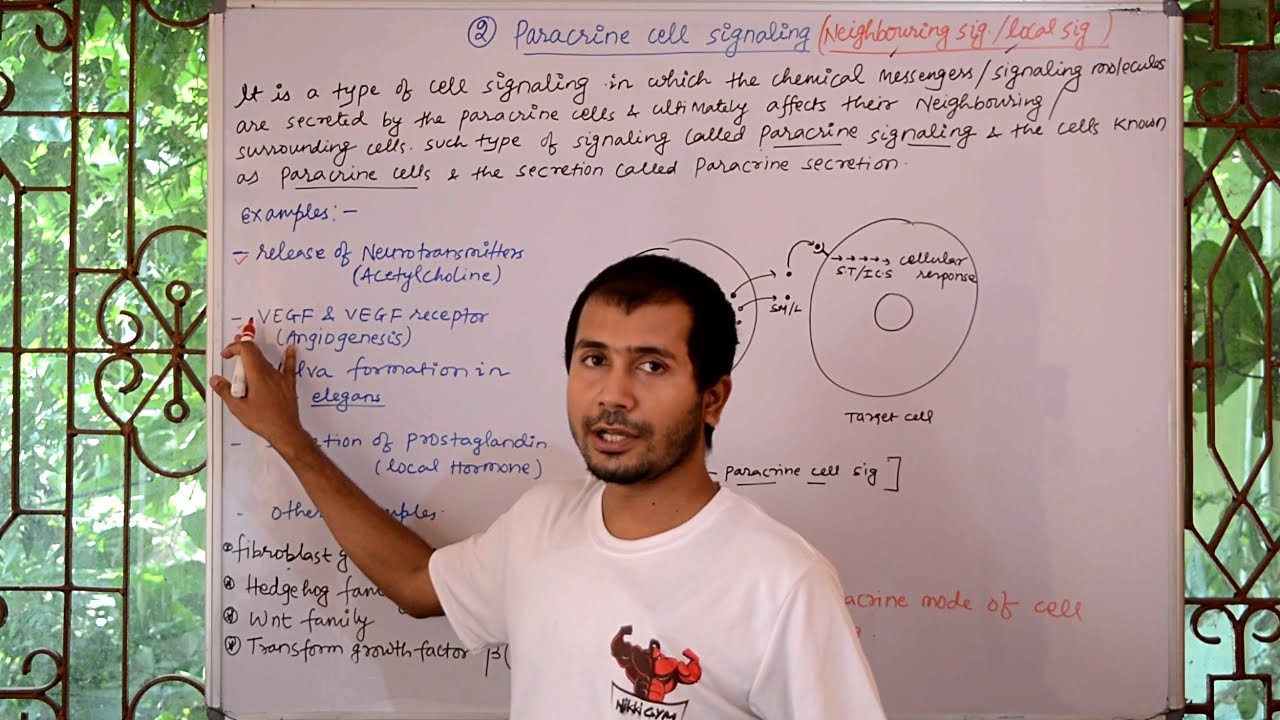
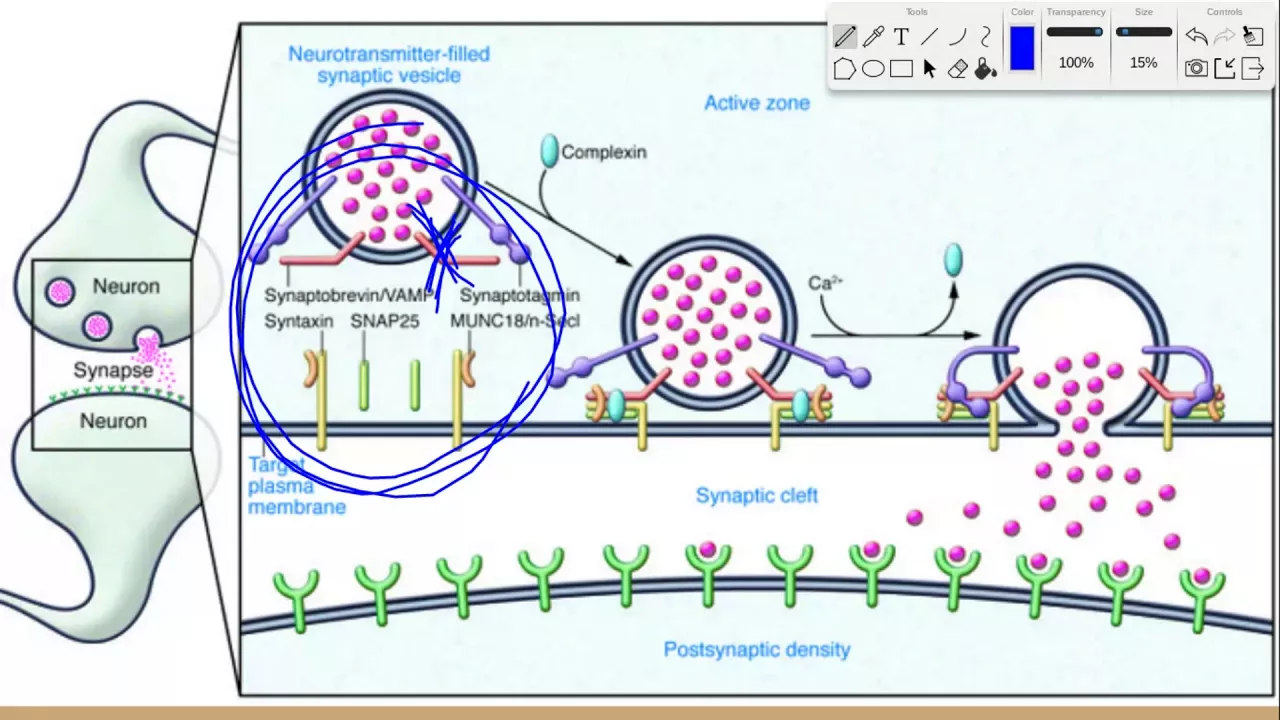
The mechanism of synaptic transmission, specifically how neurotransmitters are released and received by neurons.
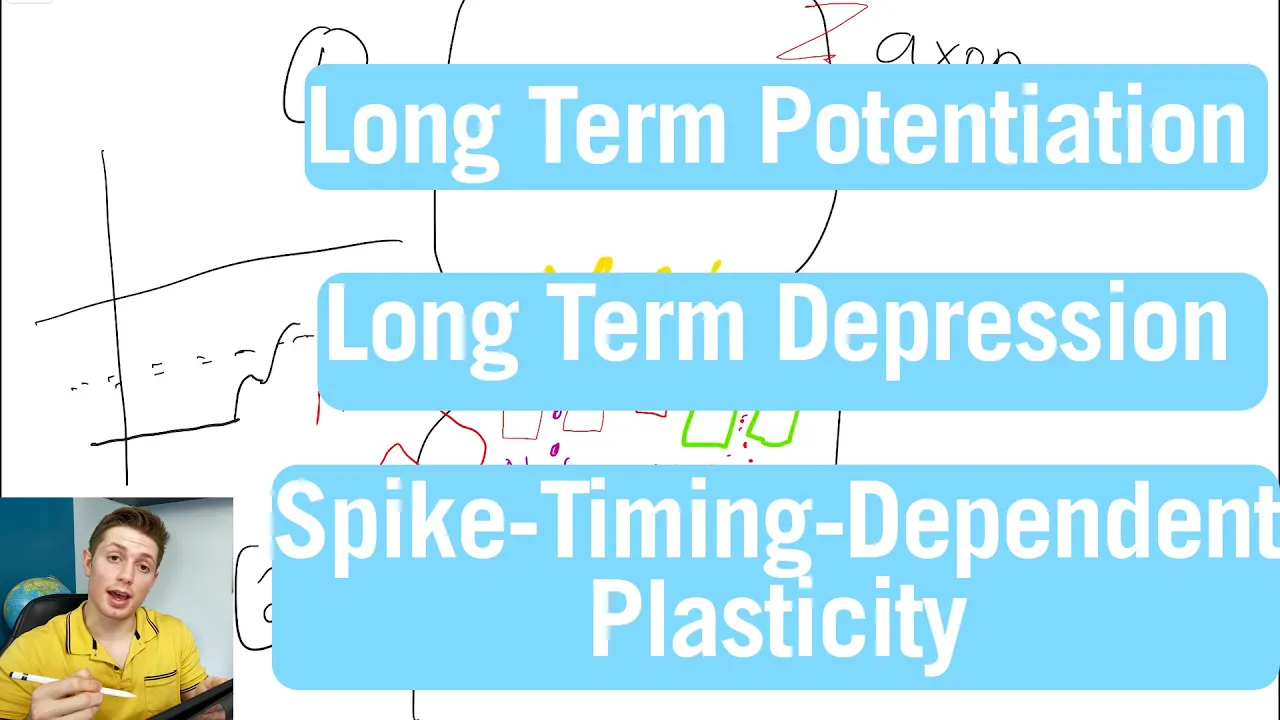
Fundamental concepts of synaptic plasticity, such as Long-Term Potentiation (LTP) and Long-Term Depression (LTD).
The historical classification of brain cells, highlighting the traditional distinction between neurons and neuroglia.
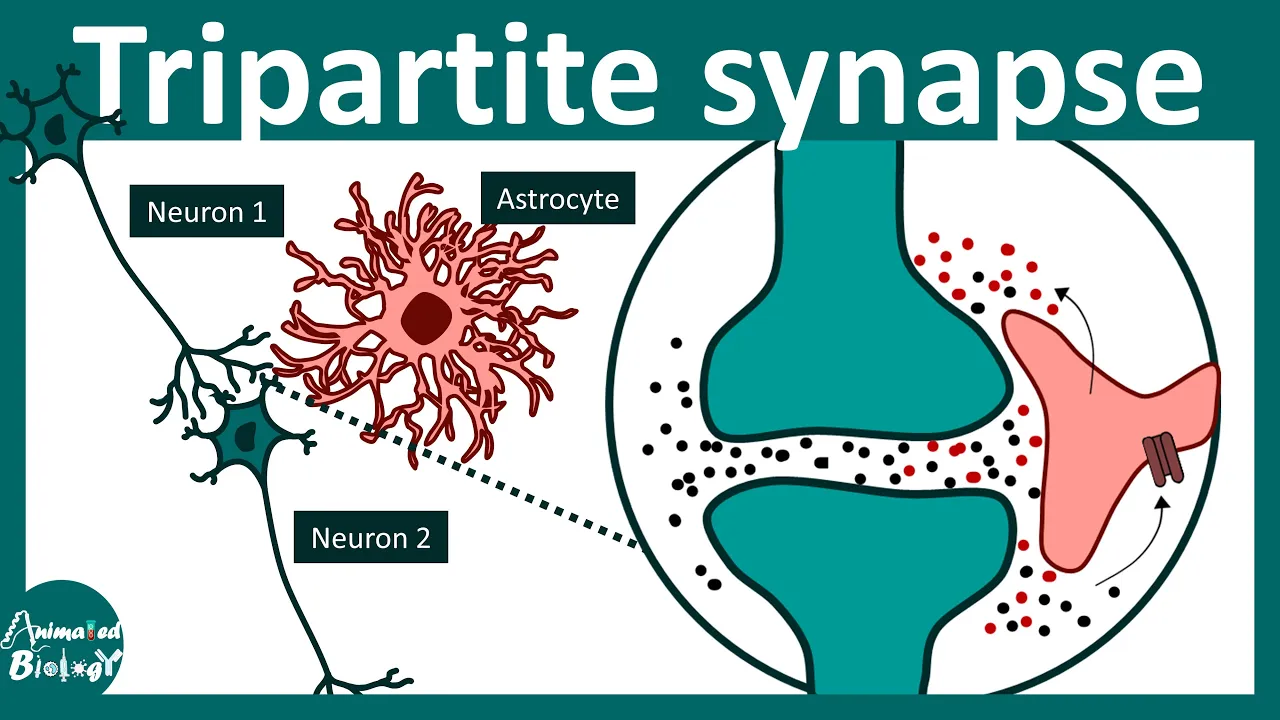
The concept of the 'Tripartite Synapse' and how astrocytes actively modulate synaptic transmission and neurotransmitter reuptake.
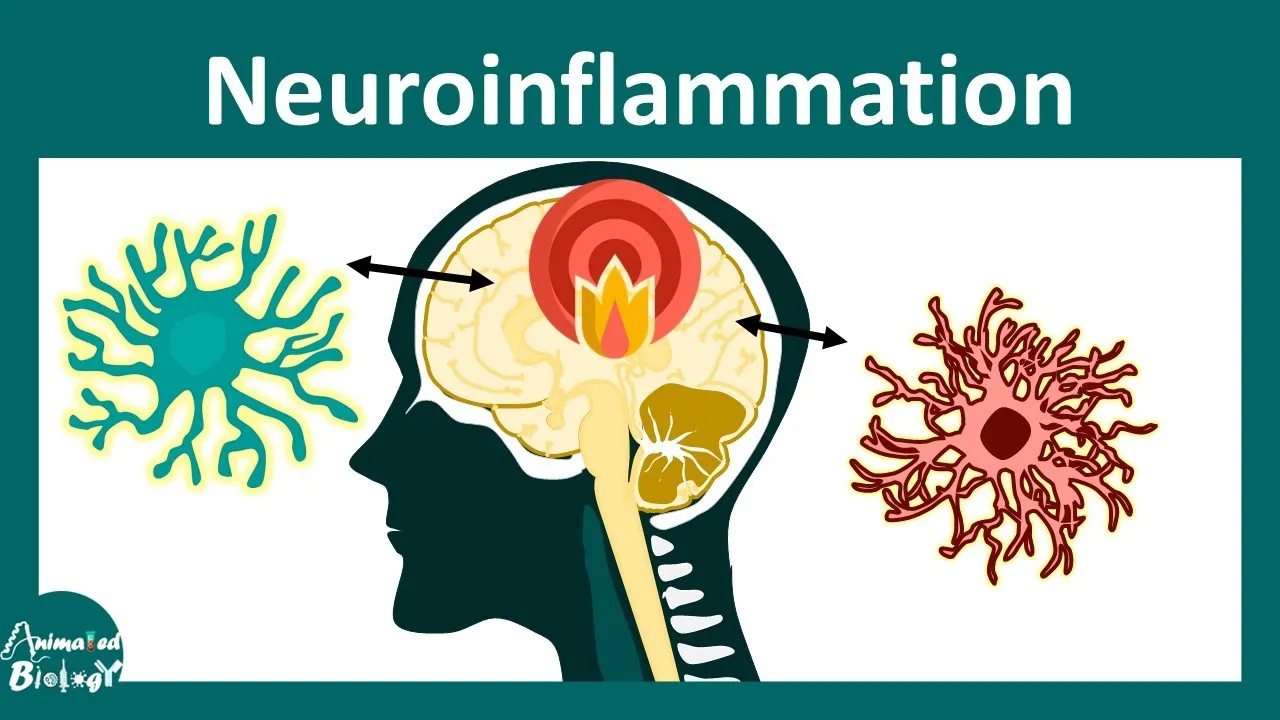
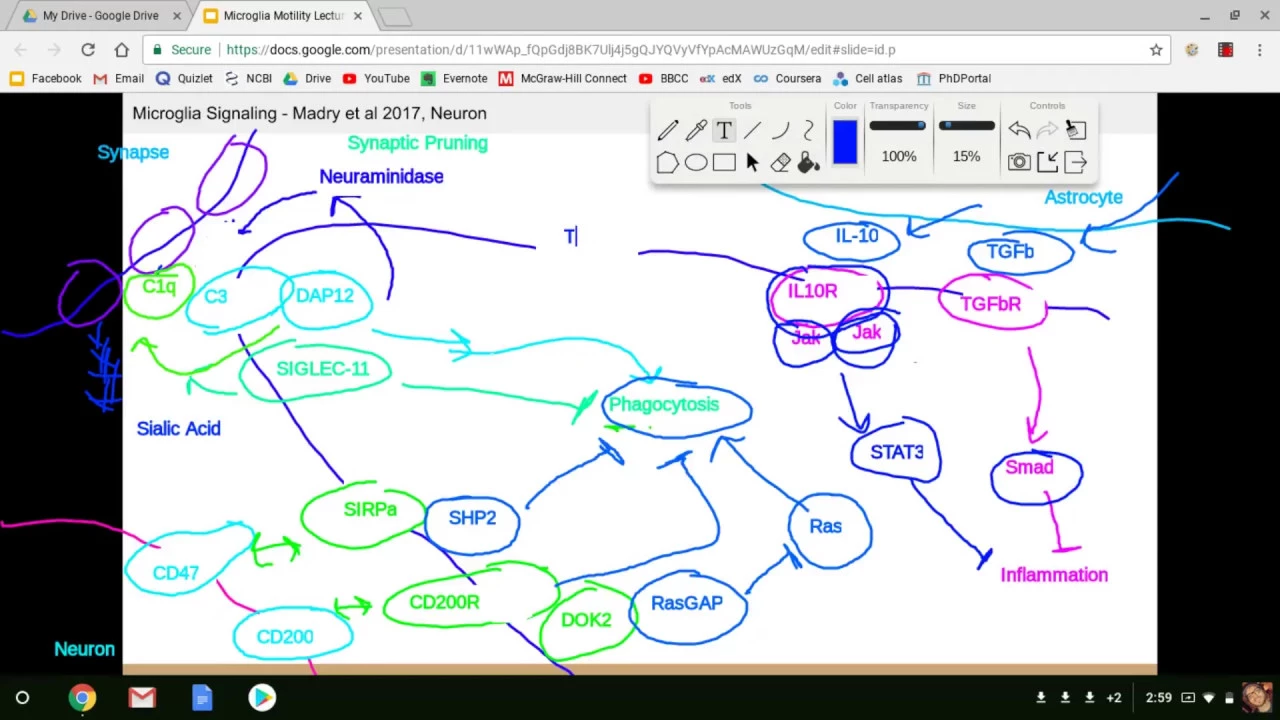
Microglial activation states, synaptic pruning during development, and their roles in neuroinflammation.
The mechanism of gliotransmission, specifically how glial cells release chemical transmitters (like D-serine, ATP, and glutamate) to signal to neurons.
The role of glial dysfunction in the pathophysiology of neurodegenerative disorders (e.g., Alzheimer's disease) and psychiatric conditions.
134 views7likes54:50Original Release: 2022-12-09
foreign can influence the behavior of people yeah it's I don't know maybe it's somehow very general formulation yeah but it's something that provokes interest and also we read that some types of glial cells also can regenerate neural tissues yeah yeah so these are questions which are interesting for example for me if somebody else is wants to like say what what is interesting uh you are welcome also and then I pass you Angela the word and we are ready to listen to you perfect now let me share my screen okay so what I'm gonna do as I said I'm gonna um let me close this oh it's going up there it's okay I'm gonna um just start briefly um and the idea of what I wanted you to think about um as you're saying this yeah is that to think about whether we can actually Define astrocytes as passive players in brain physiology and I'll get to that one later on but that was always the notion or the the Dogma let's say until pretty much the 70s um just before we jump in the only thing that I wanted to sort of um explain let me get a laser here okay explain was that um what I used to do at you at the University or my research so what I pretty much used to do as you can see here we've got different types of neurons we've got a couple of um of glia cells here as well this is culture neurons so it means that we collect the neurons from rot brains and then we can culture them in a solution shown on a on a glass literally and for up to four to five weeks and part of my project was to do um electrophysiology and electrophysiology is the branch of your physiology that looks at how cells communicate to each other and one interesting thing about neurons as you probably um learned from your previous lectures is that they can have action potentials and they can actually um share information from one to another by neurotransmitters and pretty much what does mean with this very thin glass electrode that you can touch the neuron that you're interested in and when you do you're pretty much listening as you can see here you're listening to the chats or the or the sort of talks that is going on between is different to neurons and then you can look into the specific patterns of these types of deflections if you want to call them that way and the deflections give you an idea of whether these cells are trying to excite each other so if they're trying to you know they're trying to actually um interact with each other or they're trying to inhibit each other so they're trying to reduce the type of excitability or the activations of these cells so this is done at the level of the cell culture but you can also do this in slides so you can have a brain slice here so there's an example of different types of recordings and and I put this slide here because what I like about this is you can see how different brain areas have different patterns of action potential so you've got your pyramidal cells here in the cortex they've got this very nice and and defined patterns you've got this other cells here which is a burst firing you've got the cerebellum here this cells the proteins cells they got this very weird and peculiar way of firing and all of these differences were once thought to be mainly due to the different types of neurons and it is individual different different types of neurons but we also know now that these different types of pharynx are to do or linked to the interaction with some of the glial cells present different brain regions so this was just my sort of background of what I used to do but now let's start about you know talking about why we're here tonight so the peculiar thing about astrocytes so that the term astrocytes which is one of the glia cells the most the biggest um in numbers present in the brain of clear cells they were called by dead by kahal themselves because when you observe them around 1897 as you can see from his drawings here he drew this very star-like cells and because of the center of the cell and all these processes that you can see out here he decided to Define them as astrocytes or cell looking like stars and and for almost 100 years or more because from 1897 to up to the 70s and 80s these cells astrocytes and a majority of blood cells were defined as glue so the idea or the Dogma was the the these were cells that were present within the brain they weren't doing nothing the only thing they were doing that was supporting all the neurons they were supporting our brain and they were pretty much just um as there to support everything but they were not part of the the thought processes they were not part of nothing and and it was interesting because this was a very sort of neurocentric view as I like to call it so what I mean by neurocentric is that the idea was that this is a human brain if we look in this is specific in the cortex here you might have some neurons interacting and the idea was that there was an actual potential in your presynaptic neurons so the neurons present on the pre-part of the other neurons and then these sort of action potential would activate synapses and then memory was formed so this was a neurocentric view because the idea was okay we only have neurons neurons are only responsible we don't care about anything else that's what's happening however we now know and this is my attempt of drawing an astrocytes but I've got nicer drawings like later and we now know that actually astrocytes are part of the synapses they can sense the interaction between neurons they can sense what's happening and not only that they can also react and affect how these neurons can interact with each other and this is very interesting because they said for you know for literally for almost 100 years they were thought to be just glue or just sitting there doing nothing pretty much but what do the numbers say because this is what people sometimes don't think about they think about neurons they don't think so much about clear cells now there are roughly 83 billion neurons and we're looking at between 100 to 1000 trillion synapses or connection with the human brain and then for the glia cells we actually have different numbers but we have roughly between 16 to 65 billion glial cells in our brain so and the the question that I want to put forward here for us to think about tonight can we really just consider them glue I mean we have 83 billion neurons lots of them but we also have 16 to 65 billion clear cells so different type of glia cells so it's difficult as a physiologist and this this was my background it's difficult to imagine that you have 65 billion cells present in our brain the registered that doing nothing and the reality of this set is way more complex now there are different types of glia cells we have astrocytes we have microglia and oligodendrocytes and we find these three mainly in the CNS in the central nervous system and then we have shown cells in the pns now I'm not going to go into details of all of them the two that I'm going to be talking about main is going to be astrocytes and and I'll explain later on why and I'm going to touch briefly on microblia as well because it's the the section I guess or the newest part of what we're trying to understand how they interact with neurons cells are very important for the Regeneration and we can have a chat perhaps at the end because I didn't sort of put that together but they're playing a big role in regeneration and how to repair the system that is actually not functioning proper anymore so this is and with these cartoons is a sort of a two or three branches just to say because there's a third one here that I like to talk about now astrocytes are very important for accent guidance what I mean about accent guidance is that when we are um developing our brains and we are in our mother's wombs and what's happening is the neurons need to find way to connect from where they are they target because we have certain neurons they have very long axons very long dandrides and they need to know where to get to and also when to stop now for a long time has been started for a long time we knew there were some sort of proteins or something that was released in our brain to attract these neurons and we now know that the astrocytes in particular are very important for this guidance because with the proteins that they actually have present on the membranes for what they release they can deter determine the target of the final Target of certain neurons so they can help them to actually get to the right spot for the for the microglia the interesting thing is something that is known as synaptic pruning and we'll see about about this a bit later on but what it tastes pretty much is as you probably know neurons have lots of spines lots of these very tiny things that are rich in receptors and channels that are important for the neuron transmission and for neurotransmitted release and what has been shown now and I've got a nice video at the end is that glia can actually remove some of these synapses present on the neurons meaning they can actually change the way the neurons interact with each other they can change the way that neurons can be excited or inhibited so they're not again just passive and sitting there they're actually interacting but the one that I'm going to focus most of my talk on is around neuronastrocytes and now they sort of talk to each other to make sure that we can function as human beings or mammals in general so if we look at an example here what we know now is that as I said earlier we have our presynaptic neurons and the postsynaptic neuron now we have an action potential starting from our Soma it travels down the axon it gets to the end and at the end there is a release on neurotransmitters and these are neurotransmitters then is sensed or detected by your postsynaptic neurons as you can see here okay so this is the presynaptic side or the neurons that you start with and the postsynaptic neuron or the neurons after the synapses now astrocytes have all these processes that are known as Pap the parasynaptic astrocytic processes and these are very close as you can see here to the different connections that we have between the pre and postsynaptic neurons and they're there sitting there waiting or trying to wait to get some sort of neurotransmitters because when an action potential comes along and you have the release of neurotransmittance this neutrons measures sometimes can actually leave the synaptic cleft and this liver synapses they interacts them with the pup so that the the your astrocyte can sense or can actually say okay something is happening there is some action happening between these two neurons I need to be aware that there are some changes in our interaction and it means that I have to be ready for what is coming next it is a very simplistic way of course but it's just to give an idea and this you can see here these pubs or processes are linked to these extreme extensive branching extensive number of as you can see here branches coming off so you've got this small Soma in the middle which sometimes is almost impossible to see because it becomes part of all these different branches and they then interact with lots of different neurons we've got another example here so the red cells that you see here those are neurons or the sum of neurons and all the green ones you see are actually um astrocytes interacting so they can actually interact with lots of different synapses to sense what's happening but how do they do this and this was pretty much what was the new Dogma as I said going from the 80s and then the 90s in talking about the tripartite synapses so we're not having any more just the pre and post-synaptic neuron We Are We Now know that there are three different paths to the synops is we have the pre-syn-ups the post and ups and then we have our Astro size there now one thing that I want to mention here and I'm going to look at it a bit later on neuro and neurons communicate with each other using neurotransmitters and neurotransmitters have different impact and different effects on the postsynaptic and presynaptic neurons when it comes to astrocytes the majority of their signaling so the majority of the ways for them to communicate within the cell and with each other comes from calcium so calcium there is an increase in calcium present the cytoplasm of these cells of these astrocytes and increasing calcium activates Cascades and activates different things that can get them involved and interacted in our synaptic plasticity and this is an example um I I've written all the review and I've got reviewed at the end because um the references already because there are lots of very nice papers that cover all the action we might want to go back and read them but this is to give an example so now here we've got a normal pre-synaptic and post-synaptic neuron we've got our nmda receptors our ampa receptors just just a reminder that nmda receptors are extremely important for memory formations those are the one that allow calcium to flow into the cell and activate Cascades downside that can activate memory formation and as you can see in a normal situation you've got your Astro size sitting here just sensing now imagine there is a constant action potential activation on the presynaptic side which means that lots of this neurotransmitter is then released which means that it can actually spill over that's the name of it which means that it leaves the synaptic cleft here and it starts acting with some extra synaptic receptors as you can see about also with this pop now this pop can sense this thing and what they actually they move around trying to sense these changes in in neurotransmitted release and they as you can see they can extend themselves and become bigger around a synapses and this if you think about that it sort of makes sense because the idea is that one once there is an activation and memory formation as I said because our nmda receptors are activated you want to make sure that you stabilize these synapses here so that it doesn't get lost so it doesn't get destroyed and by activating and engaging your astrocytes you can actually protect these synapse and also help the sign ups become stronger when it comes to memory information and the same thing you can see here we've got the release of neurotransmitters now our um astrocytes involved and this involvement becomes bigger now the extra level of this here as you can see is that the astrocyte is now releasing this area now this serine is a core Agonist that is extremely important for the activation of MDA receptors so nmda receptors can only open if you have glutamate present which binds to one side of the nmda receptors but you also need this serine to co-activate The receptors so when you have both of these then your nmds receptor opens and calcium can flow in so now you can see how your astrocytes they understand so let's assume this is the first step when the connection is formed they now realize that there is lots of speed over they realize that there are these two neurons want to talk to each other they are talking to each other so a memory wants to be formed so they start releasing this hearing and they get bigger so they can again stabilize and make sure that the memory formation happens even in a stronger way so this is the first example just by the movement just by this showing you the astrocytes are not just glue they are definitely part of our synapses and definitely part of our memory formation Angela may I ask you yes and and thus these pop have uh has also some mechanical um like role uh like fixing the synapse or is it only like chemical um protection um for when you talk about astrocytes is mainly chemicals so they don't actually do or at least not so far they haven't been shown to affect synapses in that way but for microglare is different so microgreer will actually go and physically remove the spines and the synapses if they think they're not working anymore so some of the theory behind it is that the astrocyte is talking to the synapses but the astrocytes also talking to the microglia and when this is happening this is a way for the astrocyte to say microglia step back we don't need you anymore on the other hand if you keep staying at this level here when there is no much synaptic plasticity or activation the astrocyte might not be involved and therefore the micro glare might come in and remove it I just see in this picture maybe it's just a picture that the astrocyte like Embraces the synapse yeah and that's why I thought maybe there is also this mechanical like fixation I mean it could it could definitely be that they're because I mean imagine this because becomes bigger in a way that it wants to cover or protects as you said these synapse but also because it wants to make sure that if there are changes in the activity it can detect even faster and bigger because of course if you're at this level of your closer here when you close you'll be able to detect smaller changes that perhaps you might be missing here because this is a way of seeing as one's spine is established when the memory is formed so that when you have to record the memory it's easier versus something that is just being formed on the process of being formed yeah thank you yeah okay so as I was saying earlier calcium as you can see here these are all different papers all different studies in lots of different brain areas where they looked at astrocytes every single one of these uh neurotransmitters so every single one of these receptors because there are some receptors even pH have been shown to activate astrocytes and increase the calcium so by increasing the calcium you get the release of all of this thing here so imagine that you've got glutamate ATP acetylcholine and cannabinoid receptor pH or trip one receptors these are receptors that are involved with temperature Gaba which is inhibitory receptor all of these activate calcium and then they induce the release of all of these different um neurotransmitters so some of them have actually been sure to release glutamate itself which means if you think about how synapses work if it's sensing a changing ultimate and then it releases glutamate it's almost helping the synapse to become stronger ATP is released again very important for some of the pronergic receptors um this urine as I said for the nmda so this increase in calcium that is due to the activation of receptors and channels present on our astrocytes allows them to release things so again showing that this is not just a passive part but they can actively detect changes change the intracellular calcium level and release to respond and here I've got another video later on but here what you can see is an example of an in Vivo study done with a cover slip and this is a is a mouse brain so the mouse is actually sitting on a ball on a two Photon microscope you put a covers lip but you can put a recording um electrode in there and when you actually stimulate the area as you can see here you can actually detect the activation and here is seen you see that custom activation or different types of astrocytes now calcium activation is present in neurons as well but when you do something like this you don't actually see a huge increase of calcium in neurons as much as you see in astrocytes simply because for neurons calcium is very important but they actually have a very good system to keep the calcium levels very low because if the calcium levels get too high the neurons eventually die with astrocyte is very different they can actually detect and they can sustain a higher amount of calcium because of the way that they are they're different cells they're clear cells they're not neurons and this is again it I put it here because it's a nice nice way to think about it now so far we've been talking about the single interaction of one Astro side with a spine right so you've got the release of glutamate you've got so this is the release of glutamate where you will see from having the electrode here which is what I used to do this is your calcium increase in your astrocytes and then the astrocytes then releases something nearby on the single spine and therefore your response is bigger right because before you add only the glutamate for instance let's say the glutamate coming from the presynaptic neurons now you have that one plastic glutamate coming from your astrocyte but the reality is that we also know that if the interaction or the activation of these astrocytes is quite strong and the calcium response is even stronger which might happen if you have a constant or one or two or three activation of the same spine close to the semester size the activation of the calcium can travel throughout the whole cell and then even affect another spine so this spine here now is affected in a different way because you can see here what is affected is that you reduce the interaction between these two because remember astrocytes and everything needs to be working on the homeostasis so we have to make sure that the system doesn't go into override but you can actually have the activation if one side is extremely activated you might want to reduce the activation on another side of the same neurons and at the end which is the consumer Global calcium response here if you have more than one spine lines activating the same the same astrocytes the level of calcium the original cell will be probably the highest and this will means that you're going to activate lots of different spines lots of different synapses present lots of different neurons and this figure that I put here so look at this this is one two three four five six seven different neurons these are all neurons and this is your astrocyte so as you can see they're all connected and interacting with each other here is another example in the hippocampus all of this with the sort of pinkish color they're all astrocytes and all of these cells here are neurons so we've got all these paths that are moving around and trying to interact with different types of neurons so it's normal to think about the these sort of simplistic way rarely happens right the single homosynaptic modulation it can happen but the reality is that we are more towards the territorial synaptic modulation so that they actually interacting with different um numbers of neurons so they can modulate the synaptic plasticity and the overall synaptic excitation of our brain areas this is a nice view that I was telling about so this is again people looking at the global impact because of of what I was saying here that you've got the Astro size interacting with different spines and different um neurons it makes sense that we have this Global Way and This Global interaction with different neurons and on top of that one of the things that um astrocyte expressed on their membranes are Gap Junctions now Gap Junctions allow neurons sorry astrocytes to communicate with each other and what a gap Junction does is that it opens up almost like a hole or a pole in between two different cells and calcium can travel fairly in between so let's imagine looking at this figure here let's imagine that this cell here gets activated with calcium but the activation is quite strong this calcium might be transferred to this one and if it's strong enough if I go to this one which means that the whole system can actually get activated and I've got a video here let's see if it starts that actually shows this there we go so you see then the animal is awake and sleep when he's asleep not much is happening you see some of the activity but the reality is that as soon as he wakes up you see this Global wave of activation of lots of different astrocytes it should happen again now there we go boom so this activation you can see is like having a wave of calcium starting from this side and then moving towards that side and this can happen only because astrocytes have these Gap Junctions and these Gap Junctions allow the calcium to move from one side to another which means that if a small activation as you can see here happen here the activation is actually traveling throughout the whole brain area as a wave so that all different cells can be activated why is this happening where no 100 sure so there are lots of sort of theories some experiments and what they think is to do is to do the Astro size can actually modulate the network and as as um you were saying to start with this yeah it's almost a way to modulate our Behavior so let's assume example here nostrocyte activation you've got your normal background noise of the brain different cells firing at different points you've got these three neurons that might be firing together or not these might be foreign together that's why they've got the same color now imagine that we've got a strong synaptic activation here because this is a brain area involved with memory formation in the hippocampus for instance lots of activation these activation recruits all the different astrocytes present here which is shown up here they've got the Gap Junction so they can all communicate now they're all activated now the system becomes actually modulated and well more um interactive as you can see here they're all now firing together they're all together in the same sort of um on the same page and they're all doing something together which is important for that memory formation and this is being shown to actually be something that it can actually be pathological because in this example here when we have normal Gap Junctions and astrocytes can detect the changes in our firing and there's an example here we've got our neural excitability in our synaptic transmission and this is a normal situation a wild type nothing happens now imagine that you have some function of dysfunction in your Gap Junction so the Gap Junction cannot talk to each other or perhaps there are some problems with our astrocytes they cannot actually remove either glutamate or potassium from the extracellular um Matrix which means that these neurons here are constantly active that's why here you've got a lot of action potential and even a bigger response now you might ask me well what is the I mean we get it Angelo here this is the normal stage and this is the state where there are some problems with the system or the astrocytes but what does that give you well this is a normal state of animal behaving this is an example of epilepsy that there are some miscommunication between the astrocytes this nectar cannot before formed and therefore this hyper excitability because this is not a normal excitable it's a hyper excitability drives the system to the point that the animal doesn't function anymore now this is an example with a disease but this can also be the case for instance in Alzheimer's and in Osama with there's been some studies showing that when you have a beta plugs the plugs themselves disrupts the communication between the astrocytes which actually drives hyper excitability states that eventually brings to the inhibition of the of the system because of course the system is constantly it almost stays activating and deactivating to keep it stable so you see this is again another example how these cells astrocytes are not very passive now the last thing that I want to um to talk about as I said I don't want to spend too much time talking because I'd like to have some you know questions from from you guys if you have questions is the role of microglia now as I said here you see imagine that we've got our presynaptic inside our postsynaptic sites and we've got our pups here the pups are interacting different ways now all these Pines here which you can see this is a this is an actually a dendrite of a neuron with all the spines and the micro layer comes along and the text with different proteins the status of the spines how active are the spines are the spines really necessary can we get rid of them are they actually part of the system or not now if we think about the example that we had earlier if this process is quite big and covers lots of the areas it's going to give a protection or the microblade is not going to remove it but if the pap is far away and does it actually interact with our pre and post-synaptic neurons what happens is this one here there is a video okay so this is our microglia and this here are our spines you see what happened here so the microglia has just removed the spine and now it's traveling down so I'm gonna play it again because maybe we didn't actually see that so these are all spines so imagine all these little literally thing up here they're all dead the microgram comes along removes the spine because it doesn't it is so it's like nipping away and then it transfer it down into the Soma where it gets destroyed so this was the first ever video which was published I I think it was 2013 it was it was the first ever video they actually showed live action of a Micro Clear removing a part of a neuron so a microglia a glial cells actively affecting and attacking and removing bits and pieces of neurons to trying to help modulating the excitability and this was shown in a normal animal this is not animal with diseases but again further studies especially in Alzheimer's disease what we found is that when the system is in overdrive because too many plugs are there the microgliers just get confused and they start removing spines and they start removing bits and pieces of the neurons because they just want to get rid of all the extra Abita plugs plugs that are around so again it's going from a normal physiological status or something that would happen normally to go into the overdrive of this case and and that's pretty much um what I want to talk about and the last bit here is just that I I think it's also important when we talk about the brain and all the different cells that we think about how these simple cells so the neurons and astrocytes and glia cells in general are interacting to affect the neural network so affecting the network of cells present within a brain because at the end of the day that's what it's going to give us the impact on the behavior so we go from single cells interactions to the network interaction to the behavior of our brain and how this is affected thank you I'm gonna stop talking now Angela thank you a lot it was very very interesting you're very welcome I hope it wasn't too much about calcium distribution I thought maybe it's connected with what you said earlier that too high level of calcium is dangerous for neurons yes that's why like I think so I imagine that um istracized they distribute this like dangerous calcium yeah so it's not the aim but it's like the result of this calcium distribution that many neurons are activated yeah like yeah it could it could be and also it's it's been shown and what we're sort of trying to and what they're trying to understand is that it seems to be that even when there is very low activity as you saw earlier with the wake and sleep animal even with this low activity of of neurons interact this wave of of astrocyte activation is present and it seems to be that it's like a background wave of calcium that is happening and when even more and more cells 14 then the wave increases and the calcium level increase but yes it could be that the I mean we definitely know the astrocytes are way better handling calcium than than neurons I mean with neurons we're talking about nano to micro and Molar concentration of of calcium with astrocytes sometimes we can go to the high micro and close to millimolar concentration because they've got very different system in dealing with the amount of calcium I mean if if you were to get to minimola concentration of calcium and neurons it means that everything is dying so it means that there is some problem you're having a stroke or something is happening that's the only time you get to millimolar so it could be it could well be uh but but why calcium is so dangerous for neurons because the majority of um receptors and and channels present on neurons rely on calcium because calcium is needed for a normal function of proteins but when there is too much of it there are some other Pathways that are activated and these are the pathway Pathways of cell destruction it's pretty much an activation that says there is too much calcium calcium in here there shouldn't be this calcium something is wrong you need to die I think it's a way for the system to regulate itself and make sure the cells that aren't crazy if you want to call them that way or the cells they have some problems don't survive but they are destroyed in a way it's similar with cancer right so cells have ways to actually present that they've been or they're just getting into the cancer levels to the immune system can intervene and Destroy them and and we think that the costume is similar in that sense for neurons when it's too much of it then they just die because there are some Pathways that are activated they they can't process such high level of calcium no they literally when it happens the whole cells stops because they they sort of Pathways of self-destruction styles and the cells just died yes thank you I also wanted to ask about spines this removing of spines yeah because um I am not sure if I correctly understand what is spine for me it's like the synapse yeah present a part of presynaptic cell a part of postsynaptic and I can't imagine what happens uh next to this spine after it had been removed so can it be used somewhere in the other place well I mean it might be recycled these are proteins that probably get destroyed in the amino acid used for something else I mean that's possible but what it is pretty much so imagine that you know how we always talk about the pre-imposed synaptic right so the interaction of these two is literally your membrane of one cell coming out and the other cell coming out they then interrupt if the interaction is stable enough the spines are full okay you've got the two spines or the two neurons now normally in a normal situation even before microblade were found to remove this neurons themselves keep adding and removing spines because if you have the this interaction and you have a strong memory these two spines will carry on interacting for as long as you stay alive but if for some reason you don't need this interaction anymore then these Pines are removed and they get back into the system now what micro glare seems to be doing seems to be helping neurons for this is an extra level of saying okay you don't really need this anymore because I haven't felt any interaction between two for a while so I'm going to remove this part here so you don't have to do that one but it's still early days I said there was like four years ago that was the first time that we actually found and so in action this sort of presence so we're still not 100 sure why there'll also be another system on top of homeostasis to actually interact and remove spines from neurons yeah but it's really very interesting oh it's amazing because they said I mean homeostasis again this is something very interesting it's something you can spend talking about it for hours because it's the whole basis of literally a long-term potentiation and depression so when we talk about memory formation because as I said imagine a memory of you having to remember the name of your parents okay that memory is going to be formed and it's gonna stay with you as long as you can or as long as you're alive something like a memory of what you have or what present you got when you were four years old it was probably very strong when that happened for the first week but now you don't have to worry about that anymore so the strong connection that was formed back then had to be removed because you know even though I said there are between 100 to 1000 trillion synapses in the brain there is a limit and for us to be able to reduce the limit or reach the capacity of our brain we have to remove the information or we have to remove the memory they aren't actually important to us and this removal can only happen between these Pines because literally the memory formation is down to the spines interacting it is it's very interesting what you said about the limit is this question like really being researched because uh it is interesting what is limited like resources are limited yes calcium are limited and they are not enough to form uh much more connections or what is actually Limited uh they've done some research and study the limitation is the size of the cell because the membrane can only come out to form a spine until a certain point after the limit of that you cannot actually have any more but no there hasn't been done much research because you can imagine it's very difficult to actually trying to drive a system to the Limit and the only thing that we know is that when the rat diseases that's that's when we can see a bit more limitation of the system if you have Alzheimer's disease the limitation on the opposite because in that case we actually cannot retain any information anymore so what you're actually losing is the formation of the spine or the spine might be formed for a short-term memory but they're not kept long term and therefore that's the limitation of the system but some people argued that astrocytes and microglia are what allows or what allow our brains to not have a limit that's what some people are sort of claiming that the glia cells allow us to actually have a bit more freedom and a bit more flexibility around things that we can remember or not but maybe even if some sign ups is not being used yeah like it's not optimal to keep it yes it has to be processed to something what is needed yes yeah I also wanted to ask you if you know something about evolution of different kinds of glia cells yeah like there are several types and is it studied whether they developed from some one type of cell or like evolutionary in many species yeah and which species do have uh glial cells only mammals yeah or also other types so mammals is the one they have the most Variety in different types and there has been some sort of similar but not called astrocytes or glium but different inrosophila I know some status shown but it seems to be something that is just down to mammals and the idea again not much has been started here now microglia are also known as the immune system response in the brain because wheat as you know we've got the blood brain barrier so the immune system cannot enter the brain unless of course there is some serious problems so microglia are the Sentinels in there and checking and making sure that everything is going okay now one of the argument one of the the hypothesis is that at some point in evolution some immune system cells manage to actually get into the brain or into the the sort of the the central nervous system and then stay there and developed into these different cells because we we really don't understand why we've got these different types of cells that do these different things in the brain and not in the brain in other in but you know another part of the body is because we do know as well that there are other clear cells not just um shown cells for instance in the penis in the in the peripheral nervous system and some studies that are happening but are still very early days are even showing that some of these cells can have an impact on how heart is that our heart is modulated so there is a lot out there that because they said for the last you know is mainly being for the last 30 to 40 years that we've realized the importance of these cells so I reckon that in the next 20 years we're going to have lots and lots of studies coming through thank you very very interesting maybe somebody else has questions oh I got one uh probably a basic question uh but it's interesting for me so what uh makes these two parts of the synapses uh Stay Together actually why they are staying together so I understand they have some wow probably you will explain better so so once you normally when you have a pre and post synaptic you always have proteins they're known as transmembrane proteins that comes out from the presynaptic and the postsynaptic and they interact with each other okay so that's normal is the first step when they just sort of First Step getting to know each other if there is so everything is down to the activation of The nmda receptors so if the nmda receptors are activated which means the memories memories formed then the system is strengthened even more so you have more transmembral proteins coming in other receptors coming in the astrocytes come in and once all of that is in place then you've got this stable activity there but even the shape and the type of spines that you have of synapses is down to the amount of receptors that you have because normally when you start you might have synapses that are known as silent because they only have Amper receptors so they don't have any nmd receptors which means they can detect glutamate coming in but they cannot really have any sort of implication the memory formation but if you start having some gluten coming in then the cell is like okay something is coming that way let me put an NDA receptor there and then step by step they actually become stable but what it is that just transmembrane proteins that just kept them together like sort of a of a hook if you if you know what I mean just to hook like that so um the role of astrocytes in the um in the strengthening of a memory is that they cover but not physically more chemically and they release more sharing in the uh in this class right so it's this is the to sum up this is what they do or they do something else they can also so that they they can also release that was just one example but they can also release glutamate they can also release lots of other ATP so lots of other neurotransmitters that have been shown over the years so literally in the last 20 years to increase the signal but it's not just strength and uh joining but you can well if you if you increase the signal you strengthen the signal as well because if you have more glutamate coming in and therefore you have more NDA receptors activation postsynaptically and amp and all the rest you actually strengthen it but remember as I said earlier and that's the important thing as well is that because homeostasis you have a limit so there is a limit that if the signal becomes too strong then the cell has to do something to retrain the signal because you don't want to go into overdrive right so then the recalling back could be by reducing the amount of an India receptors that you have present on your on your spines and things like that okay [Music] um how how are you just a technical question but also interesting for me so you showed the some video and pictures where you were you or some someone else have visualized the extra size specifically so how did how you do that well to specifically astrocytes or micro Glee is it possible to differentiate them yes yes so all all different um cells they they express different types of proteins and what you do you just use pretty much antibodies with specific fluorophores so their antibodies that are linked to something that is go on the mission of blue or different lights and then you can label them and then use microscopes to actually look at them okay another question is um this synaptic pruning that is well it's what we've been what we studied in our uh course of neurophysiology so um it happens in first uh years of well of the of the human being right so when the child is born he has after a while he has lots of uh connections lots of sentences but after printing is happening so is there any uh any evidence why do we need that and why this pruning happens um so for the early so the video there that was shown actually was then adult Mouse so that's something that we considered more like me I guess because I'm definitely older or sort of all the people that they're not actually Yang Yang but it's true you're correct Larry so imagine that imagine you've got this system which is the brain so the brain is early days or early life you need to learn as much as you can because your survival depends on your learning as much as you can so during the early years of your life your brain is in overdrive that's the reason why the majority of US unless it's something very traumatic you cannot remember perhaps the first three to four years of your life because there's just so much happening that your brain is constantly getting in and these to go back to the homeostasis you form lots of these spines lots of this memory but lots of these are pretty much useless because they said it's just the moment it's you saying oh my gosh I love these new toys oh my gosh I love this new thing on my life look it's Grandma oh let's go for it goes to the parks so things that are not very helpful for you long term and therefore you go into the extra or making lots of spines but then of course the system goes no no this is too much we don't need all those informations we need to remove this part and between the cells themselves the neurons actually getting the spines back into the system with homeostasis and the Micro Clear doing the pruning that's how the system is actually established and some of the argument especially when it comes to an ADHD or when it comes to even kids having other problems they think that it's something with pruning as a way the pruning doesn't happen as well or as effective as perhaps it should be happening and therefore the system goes into overdrive and then just struggles to keep up and and sort of have a normal brain if you want to go that way but it's from what you said it's interesting to to try to reduce this pruning and increase the number of uh Connections in the brain so that we can afterwards we can I don't know learn better learn more be more effective but I'm not sure whether more spines equal more effective on my brain right because it's a bit like I think it's let's think about from the point of your computer right if you have a computer with 100 and terabyte of memory but you have you're using up 95 terabyte of that memory the computer will be slower than a computer has a 100 terabyte of memory but only has 50 terabyte on it so I think that the system I agree with you it'll be great and there are people who are trying to see if they can push it especially in animals to see what happens but I think that the idea of why homo state is there is because when it gets too much it goes into overdrive and then you just listen um okay and and probably the last one uh so um is it correct that astrocytes in microglia they have like the opposite uh effect on neurons right so exercise try to protect the synapses microbial try to destroy what is not uh important anymore yeah so there hasn't that we haven't found any evidence that microglius do anything to be strengthened in synapses so yes that's the case I mean astrocytes can reduce the interaction between spines but they don't actually remove the spine so that the removal part is only done by microglia well yeah because it's down to the homeostasis right so if you release certainly yeah so depending on what they release depending on that then you actually have different impact yes okay guys may I share a little bit what I think about this pruning yeah uh as I think you may correct me of course that it's not a problem to a person to form new synapses it's never a problem if you start doing some activity you will form this synopsis yeah so there is no limit to form new synapses maybe what we have limited is our like time physical possibility to practice all the activities which we can at once yeah like to in order our synapses to stay fit they have to be supported like activated all the time and we just don't have this time to activate all of them at once and that's why they have to die and that's why maybe we uh it would wouldn't be helpful to get rid of pruning because we just don't have so much time to support our all these synapses no exactly so it's a lot yeah it's a lot to it's these are all fascinating questions and I think there are lots of lots of neuroscientists have been really trying to find some of the answers because as you were saying the fact that we've got all this excessive formation of spines and synapses in the early years I mean that's what we sort of came up with is because of new memory because of of us learning new things but we actually don't know and also it's like how how they changed throughout the year and how they change in a way that you know once we get old I mean one of the argument is that neurons need to have a system of creating and destroying or removing synapses because they cannot be regenerated you know we are born with a set amount of neurons and we're pretty much done with the same amount of neurons unless something major happens so because of that the only way for this neurons to be able to live for 80 years if you are 80 is to be able to being to have these Pines coming and going Angela but is it right that the neurons in the peripheral neural system can be regenerated absolutely and also the reality is again the dogma of of Neuroscience the reality is that we know now and that's probably something that has came along in the last 20 or 30 years there are pockets in our brain where you can find neuronal stem cells so you do find some stem cells that can generate new neurons why we have it no idea so another project that I was working on um it was looking at this these things so both in the hippocampus and the amygdala so the hippocampus is very important for memory information and they are make amygdala is very important for fear memory formation so this sort of emotional brain is also known as these are two parts of our brains where we can find pockets of these stem cells and the stem cells going back we're talking tonight it's not happen to be in the early stages astrocytes or more glia cells that then differentiate into neurons so it's all this sort of new world that we're trying to understand what's happening why do we have just two pockets in our brain where we found we find the stem cells what are they doing why are they there yeah I hear this for the first time it's very interesting yeah yeah okay Angela thank you a lot it's really a great pleasure that we had this meeting yes it's been amazing so anytime you know where to find me yeah yeah so if we once find some other topic to which we could speak it would be great but but maybe in spring because now we have a lot of problems with electricity and internet and we hope that in Spring it will be better already thank you a lot for for this lecture oh you're very welcome anytime honestly just as you said just let's keep the conversation going moving forward and if I can help I'll be more than happy to help cool thank you a lot thank you very welcome thank you
Up Next

60:09
Astrocytes and Sleep: How Glial Cells Control Brain Function
@HNRCA
473 views•2013-04-04
21:55
Deciphering Neural Circuits Controlling Anorexia in Mice | Richard Palmiter
@AllenInstitute
2.3K views•2011-10-10

4:10
Vagus Nerve (CN X): Anatomy, Nuclei & Functions Explained
@Alilamedicalmedia
305.2K views•2022-10-31
13:03
How Exercise Benefits Your Brain: Science Explained
@TED
11.4M views•2018-03-21
Related Study Plans & Knowledge Roadmaps
Structured learning paths in Neuroscience
neuroscience
Appetite Regulation: Brain Circuits & Hormones
01Foundations of Endocrinology and Brain Anatomy
02Introduction to Energy Homeostasis
03Peripheral Signals: Leptin, Ghrelin, and Insulin
+ 2 more learning modules
14h5 modules
Explore Roadmap
neuroscience
Neuroeconomics: Value, Risk & Brain Mechanisms
01Foundations of Neuroscience and Brain Anatomy
02Introduction to Neuroeconomics and Subjective Value
03Dopaminergic Prediction Errors & Reinforcement Learning
+ 3 more learning modules
18h6 modules
Explore Roadmap
neuroscience
Spatial Navigation: Cells, Grids & Brain Maps
01Foundations of Brain Anatomy and Memory
02Place Cells and Head-Direction Cells
03Grid Cells: The Brain's Coordinate System
+ 2 more learning modules
12h5 modules
Explore Roadmap
neuroscience
BCIs: Neural Decoding & Prosthetic Control
01Neuroscience Foundations: How the Brain Signals Intent
02Signal Acquisition: Recording the Brain's Activity
03Neural Decoding: Translating Brain Waves into Data
+ 2 more learning modules
25h5 modules
Explore Roadmap