















![[대한수면연구학회와 함께하는 수면의 비밀] #4 ‘불면증 극복의 비밀’ (삼성서울병원 주은연 & 일산백병원 송파멜라)](https://i.ytimg.com/vi/FHK4Up2uX5A/maxresdefault.jpg)







Sleep, particularly REM sleep, plays a critical role in emotional regulation and mental health; research shows that sleep deprivation increases amygdala reactivity by 60%, impairs the prefrontal cortex's ability to regulate emotions, and fails to properly process emotional memories, leading to heightened anxiety, irritability, and vulnerability to mental health conditions like PTSD and depression, while adequate sleep with proper timing, quality, and regularity provides essential emotional detoxification and helps maintain psychological well-being.
Dr. Matt Walker: Sleep's Role in Emotional Regulation & Mental Health
Added:Basic Sleep Architecture: Understanding the distinct stages of sleep, specifically the cyclic alternation between Non-Rapid Eye Movement (NREM) and Rapid Eye Movement (REM) sleep.
Neuroanatomy of Emotion: Familiarity with the limbic system, particularly the amygdala's role in threat detection and emotional processing, and the prefrontal cortex's role in executive regulation.
Fundamental Neurobiology: A basic understanding of how major neurotransmitters (such as norepinephrine, serotonin, and acetylcholine) modulate brain states and fluctuate between waking and sleeping.
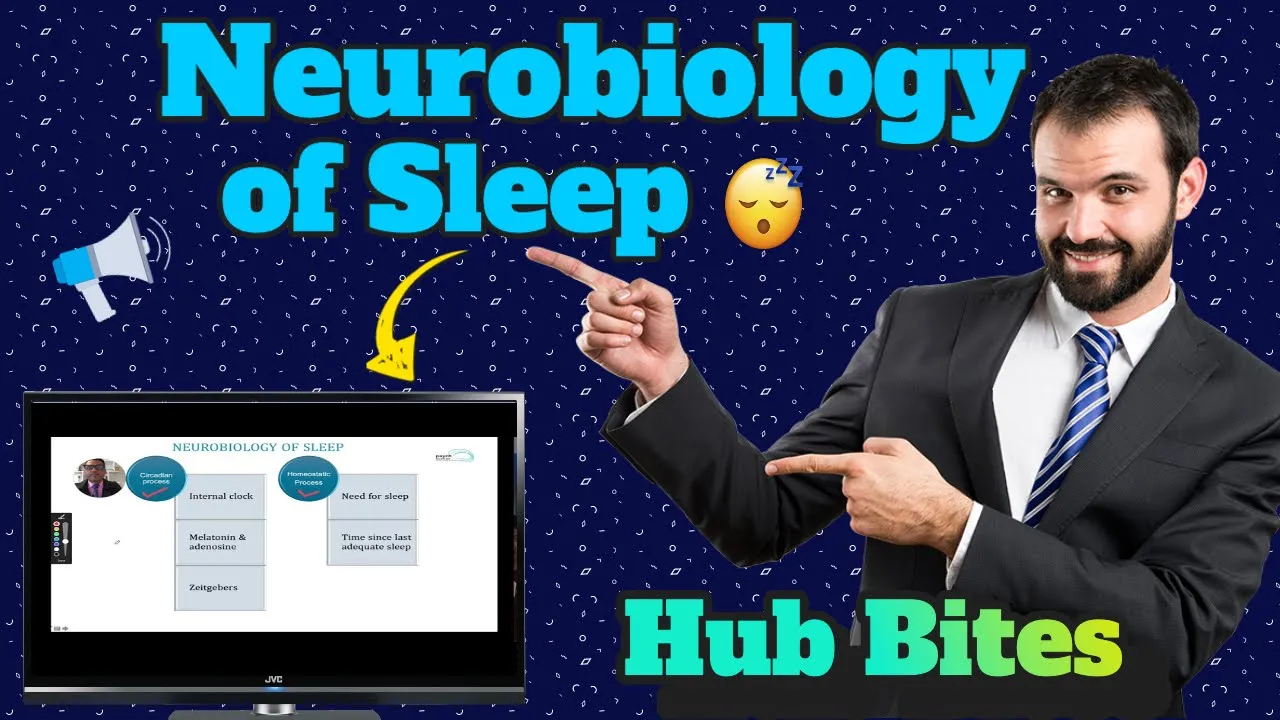
The Two-Process Model of Sleep Regulation: The relationship between circadian rhythms (Process C) and homeostatic sleep pressure (Process S).
Sleep and Psychopathology: Investigating the bidirectional relationship between chronic sleep disruption and clinical psychiatric disorders such as Major Depressive Disorder, PTSD, and generalized anxiety.
Cognitive Behavioral Therapy for Insomnia (CBT-I): Studying the primary, non-pharmacological protocols used to treat chronic sleep deficits and regulate emotional processing.
Neuroplasticity and Memory Consolidation: Exploring the molecular and cellular mechanisms through which REM and deep NREM sleep facilitate synaptic pruning and emotional trauma resolution.
Translational Public Health Policies: Analyzing how sleep science can be integrated into societal frameworks, such as school start times, shift-work schedules, and workplace mental health initiatives.
297.9K views5.9Klikes2:15:14Original Release: 2024-05-01
[Music] welcome to the hubman lab guest Series where I and an expert guest discuss science and science-based tools for everyday life I'm Andrew huberman and I'm a professor of neurobiology and Opthalmology at Stanford school of medicine today marks the fifth episode in our sixth episode series all about sleep with expert guest Dr Matthew Walker today's episode focuses on the inextricable link between sleep and our mental health for instance a specific stage of sleep called rapid eye movement or REM sleep is critical for removing the emotional content of our previous days memories and in doing so provides a sort of therapy within sleep that allows us to feel emotionally restored when we wake the next morning we discuss what happens when you are deprived of REM sleep to a small or greater degree and we discuss how to improve the quality and quantity of your REM sleep in order to ensure mental health we also discuss science-based protocols for reducing rumination and negative thoughts before sleep the information shared by Dr Walker in today's episode is sure to be critical for anyone that is either struggling with mental health issues or who simply wants to bolster their overall mental health before we begin I'd like to emphasize that this podcast is separate from my teaching and research roles at Stanford it is however part of my desire and effort to bring zero cost to Consumer information about science and science related tools to the general public in keeping with that theme I'd like to thank the sponsors of today's podcast our first sponsor is eight sleep eight sleep makes Smart mattress covers with with cooling Heating and sleep tracking capacity many times on this podcast we discuss how in order to fall and stay deeply asleep your body temperature actually needs to drop by about 1 to 3° and in order to wake up feeling maximally refreshed and energized your body temperature needs to heat up by about 1 to 3° eight sleep makes it very easy to control the temperature of your sleeping environment so that it's easy to fall and stay asleep and wake up feeling refreshed I started sleeping on an eight- Sleep mattress cover several years ago and it has completely and positively transformed my sleep so much so that when I travel to hotels or airbnbs I really miss my eight sleep I've even shipped my eight sleep out to hotels that I've been staying in because it improves my sleep that much if you'd like to try eightsleep you can go to 8sleep.com huberman to save $150 off their pod 3 cover eights sleep currently ships to the USA Canada UK select countries in the EU and Australia again that's 8sleep.com huberman today's episode is also brought To Us by element element is an electrolyte drink that has everything you need and nothing you don't that means plenty of the electrolytes magnesium potassium and sodium and no sugar as I mentioned before on this podcast I'm a big fan of salt now I want to be clear people who already consume a lot of salt or who have high blood pressure or who happen to consume a lot of processed foods that typically contain salt need to control their salt intake however if you're somebody who eats pretty clean and you're somebody who exercises and you're drinking a lot of water there's a decent chance that you could benefit from ingesting more electrolytes with your liquids the reason for that is that all the cells in our body including the nerve cells the neurons require the electrolytes in order to function properly so we don't just want to be hydrated we want to be hydrated with proper electrolyte levels with element that's very easy to do what I do is when I wake up in the morning I consume about 16 to 32 ounces of water and I'll dissolve a packet of element in that water I'll also do the same when I exercise especially if it's on a hot day and I'm sweating a lot and sometimes I'll even have a third element packet dissolved in water if I'm exercising really hard or sweating a lot or if I just noticed that I'm not consuming enough salt with my food if you'd like to try element you can go to drink element spelled LM nt.com huberman to claim a free element sample pack with your purchase again that's drink element lnt.com huberman today's episode is also brought To Us by betterhelp betterhelp offers Professional Therapy with a licensed therapist carried out entirely online I've been doing therapy for over 30 years initially it was a requirement for being let back in school but I decided to keep up with that therapy because Ed the therapy has three essential components which are excellent rapport with the therapist support from the therapist and valuable insights from the therapist that we wouldn't otherwise be able to arrive at well then it's a terrific way to improve our mental landscape both our emotional state and our behaviors better help allows you to find a therapist with whom you have those three key components and it also makes it very easy to schedule again the sessions are carried out entirely online and even if you're extremely busy or traveling a lot or have a lot of family and business obligations better help allows you to access those therapy sessions regularly so that you can constantly improve there's just oh so much data supporting that quality therapy can improve our mental health and the overall landscape of our lives in fact I view quality therapy as important as physical exercise and I know many others do as well there certainly aren't a replacement for one another but if you're doing physical exercise meaning resistance training and cardiovascular training and you're doing regular quality therapy of the sort that better help can provide well then you're essentially doing as much as anyone possibly can to improve your mental health and physical health if you'd like to try betterhelp go to betterhelp.com huberman to get 10% off your first month again that's betterhelp.com huberman and now for my conversation with Dr Matthew Walker Dr Matthew Walker welcome back Dr Andrew huberman Delight to be back during the course of this series we've of course been talking about sleep and you've talked about the biology of sleep ways to improve maybe even optimize sleep you defined what optimizing one's sleep actually is talked about learning and memory creativity caffeine naps food exercise and so much more today I'm excited that you're going to teach us about the relationship between sleep and emotion regulation but also mental health mental health challenges but I sometimes like to remind people that mental health includes the word Health it's not all about mental illness it's also about how to improve one's Health as well as ways to combat certain forms of mental illness or challenges so to start things off maybe you could just give us the basics of the relationship between sleep and emotional states or one's ability to regulate their own emotions this is an area of work that we've been uh interested in and doing a lot of research on for about 20 or so years now and I would say that probably the most striking statement I can offer upfront is the following in that 20 years of research we have not been able to discover a single psychiatric condition in which sleep is normal and to me it has taught me everything that I need to know about this very intimate bidirectional relationship between your sleep health and your mental health and you're right to emphasize that notion of mental health because we're not just going to speak about some of the sort of challenging aspects of sleep and psychiatric disorders but we'll speak about some of the benefits that sleep can provide when you get it to turn the tables and we move in the direction not of Mental Illness but we move in the direction of mental Wellness so I'm excited sort of make sure that I I don't fall prey to that stepping back still though what about this relationship between just sleep and our basic emotional regulation and our emotional stability I'm sure everyone has seen the example or had the example as a parent of that parent holding a child and the child is crying and they look at you and they say well they just didn't sleep well last night as if there's some miraculous parental knowledge that bad sleep the night before equals bad mood and emotional reactivity and regulation the next day and some years ago now we were fascinated by this but we couldn't really unearth basic science that would help us explain what was going on and why that was so clearly the case so we did an initial study where we took a group of healthy people no signs of psychiatric illness or emotional instability and we gave them a full night of sleep or we sleep deprive them and then the next day we put them inside of a brain scanner and we showed them a whole range of emotional visual images is ranging from very neutral all the way up to quite unpleasant and negative and we were looking at how the brain was reacting to those emotional experiences with versus without sleep and the structure that we'd initially focused on was a structure that you've spoken about before called the amydala and you actually have one on the left and the right side of your brain and the amydala is the centerpiece region for the generation of emotional reactions both positive and negative but here we're focusing on that aversive that negative aspect and when we looked at that structure in people who are sleep deprived what we saw relative to the people who'd had a full night of sleep was a 60% 60 60% increase in amydala [Music] responsivity under conditions of sleep deprivation that is quite a striking amplification in fact we to that date with all of us that these on sleep and sleep loss had not quite seen an effect size within the brain that was that was that big sorry to interrupt but just to make sure that everyone's on the same page so people are being shown images with varying degrees of emotionality including images that are known to evoke negative averse emotions as we call them in the laboratory um could be feelings of fear anger disgust revulsion what whatever negative veilance was it the case that sleep deprivation increased the activity in the amydala to such images by 60% only for the aversive images or for let's say a neutral image um presented to somebody who has had plenty of quality sleep um let's say it is I'm making up the units here gives us two out of 10 units of Amal activation this isn't the way Neuroscience is done but for sake of discussion is it the case then that that neutral image would provide a you know a six out of 10 a level of activation or was it only for aversive images so the way we did the analysis first was we used almost a a correlation approach so we sort of told the brain Imaging analysis to say look here are the the ratings of these pictures and they go from very neutral to increasingly negative and aversive and show me what in the brain is reacting to that curve that gradient curve and sure enough you've got the magnitude overall was 60% but it's a very interesting point that you make because worthy amydala started to respond and that res responsivity started to hook up in the activation and the sort of aggravation Direction was much earlier in the curve of emotionality in other words things that previously when you've had a good night of sleep do not feel particularly emotional started to become rather emotional when you were not getting sufficient sleep so it heightened the sensitivity of the initial triggering of the emotional response and then the more emotional it became the more separate those two sort of reactivity curves became from the Amala when you had sleep versus when you had not sleep or had not slept I should say to us then the question became well why why is the amydala so reactive and controlled when you are absent sleep and we did another analysis and what we found was that there was a structure in your frontal lobe and the frontal lobe just sits directly sort of if you think about your eyes and you go directly up your in your frontal lobe and it was a particular part of the frontal lobe the middle part that sits right between your eyes something that we call the medial prefrontal cortex and what we found was that with a night of sleep the med Al prefrontal cortex was strongly connected to the amydala why is that important it's because that part of the your frontal lobe is very good at acting like a control rational mechanism on your deep sort of you know it's not Neanderthal but your deep emotional brain centers but without sleep we found that that connection had been severed and so it was almost as though without sleep you become all emotional gas pedal and too little regulatory control break and so you couldn't modulate those emotions anywhere near as effectively now some people may say well hang on a second you that was a total night of sleep deprivation and that's not really relevant for me because I I don't sleep enough I know that from all of the previous episodes that uh I've gone through here hopefully if you've listened to them but I'm usually maybe getting five or 6 hours of sleep is this really relevant so we started doing that study we wanted to say Let's do an what we call an ecological study more of a real world sleep restriction rather than total deprivation and we were about halfway through that study when a wonderful Japanese research group essentially published the study that we were doing and what was great is that they did it even in a more rigorous way and essentially what they were able to do is replicate exactly what we'd found but now by putting people on sort of less than 6 hours of sleep for five nights and sure enough you got the same response so that was very clear to us that there is some sensitivity there's a reason why you become so unbuckled emotionally when you are not getting sufficient sleep it's the reason that you have almost this sort of erratic pendulum like sort of responsivity when you're not getting sufficient sleep that notion of I just snap dot dot dot or you apologize and you say look I am so sorry I just bit your H off I just haven't been getting enough sleep and so we could start to understand what in the brain was happening when you didn't get sleep it such an important finding uh for a couple of reasons that maybe we can explore um previously on the podcast we had a guest um doctor he's a neurosurgeon Matt McDougall he's the lead neurosurgeon at um neurolink yeah he came up through Stanford works on deep brain stimulation Etc and I love his description of what the prefrontal cortex does it jbes perfectly with the way you describe it which is he said the main function of the prefrontal cortex is to say to specific brain areas under specific contexts so um the sh of course is a you know his way of describing neural inhibition so quieting of neural activity in certain brain circuits under certain conditions because there are conditions under which you want your amydala activation to be very robust you know fast and um there's time for uh you know protecting oneself maybe even certain situations for Swift violent action to protect your family Etc but the prefrontal cortex seems to be able to hold it in mind so to speak what the context is under which that would be appropriate versus when it would be inappropriate a great example of that people can think of if all of a sudden a gun is pointed in your face you would want your amigdala to react if it's in the real world but if you're at the movie theaters and you see a gun pointed in your face your igula doesn't really react as much why because you're prefontal cortex understood the word that you describe which is context but in some ways it seems as though you become almost regress to this more basic fundament mental Elemental you know emotional brain and the Red Mist descends and you really can't see much more because your prefrontal cortex seems to be absent you become very reflex driven and we don't want to um go too uh far a tangent of on prefrontal cortex but one of the most beautiful descriptions of prefrontal Cortex I ever heard was also from a colleague Eric nudson at Stanford who's now retired does beautiful work on neuroplasticity and he described how when people or animals have lesions to certain regions of the prefrontal cortex they become stimulus-driven machines such that you know if you if you go like this to a you know to a puppy or to Baby they'll look to the snapping finger but at some point you know we all learn that you know there must be a reason for us to follow the snapping of the fingers in different locations in space but with a prefrontal damage people and animals just become like machines whatever stimulus is there they Orient to and this has implications for ADHD Etc one of the things that I want to um ask about to take us back to the specific relationship between sleep reduced medial prefrontal activity and emotionality is this feeling when we're sleep deprived that certain things just great on us a bit more you know I had this experience recently unfortunately there was a night where I didn't get much sleep at all and then the next day I was on a phone call and the person I was talking to I I I'm quite fond of but they were they had a lot of energy and they were talking they were kind of coming at me with a bunch of stuff that they wanted to and it just felt like you know it was grading on my system and I knew because I was sleep deprived that you know they were entirely well-meaning and so you just kind of resist but it's incredible how cold water loud noises uh requests of our time things like that become very irritating and they grate on us yeah when we're sleep deprived whereas when we're rested it's like oh yeah okay they're you know talking kind of faster kind of loud okay somebody is requesting something else I'll put it in my list or maybe I'll the Ator or you know the the uh cold shower that you know feels like got to get over this threshold to get into like when you're rested you're like all right let's do this right you know maybe even let's go I I'm excited for it but when you're tired o it is as if the um the brain is fighting for any sense of Peace it can possibly get and that peace is interrupted by almost anything and everything it is a grim situation and we've certainly heard that from you know patients and individuals it's almost as though the world that they are experiencing they look at and they say you know what you're in an 11 and I need you at a seven right now it is just too much and this comes back to that result that we described that when the amydala crosses the threshold and says okay things are getting emotional things are getting unpleasant I'm going to be responding negatively in an angry way or a fearful way that starts much earlier so the threshold for triggering your emotional aversive reaction is much lower and that's why the person's voice when you hear it first normally if you had a great night of sleep you'd say gosh you know what today I really love your energy it's it's really it's so infectious versus a day when you're not sleeping you just think I just I'm lifting my earbuds out of my ears I don't know if I can take this much longer and so that was where we were able to manipulate sleep one way which is to say I dial sleep down and then I look at the emotional brain and you can see this ramping up of the emotional reactivity in these basic kind of gutur all centers but then we wanted to do the inverse we wanted to instead see if we could insert sleep back in in other words manipulate sleep and dial it back up could you get a disapp ation in the emotional reaction and here we decided to throw a second ingredient into the equation not just simply looking at your emotional reactivity but we wanted to look at emotional memory now in a previous episode we've spoken a lot about sleep and memory but there we were speaking about really quite neutral memory textbook like memory fact-based memory emotional memory is very different and if I were to ask you you Andrew cast your mind back to some of your earliest childhood memories or your team memories and if anyone listening were to do that my guess is that almost all of the memories that you recall are memories of an emotional nature positive or negative why is that it's because one of the functions of emotions when it comes to memory is to R flag and prioritize that experience that memory as being Salient because it's emotional and that instructs the brain that this information in particular is very relevant to us as an organism why because the rest of the brain is shouting at me this is emotional so there is something very privileged and very special about an emotional memory like a red flag that tags it for priority in the brain but something I started to notice when I would read the data both the neural data and the subjective data on emotional memory led me to get very interested in what happens with emotional memories over time because what you will hear is that if I were to ask you you know recall an emotional memory just try to remember it my guess is that now at the time of recollection much later on you are not having the same regurgitation of the same visceral emotional reaction that you had at the time of the experience what that sort of turned a light bulb moment on for me was that somewhere between the initial experience and the later recollection of that emotional memory the brain has done a very clever trick it has divorced the emotion from the memory so now when you come to recollect that emotional memory let's say days later or even months later in some ways it is a memory of an emotional event but it is no longer as powerfully emotional itself as it was at the time of the experience right and I started to wonder is that time or is that time asleep so we did a study and we had people experience these emotional memories sort of essentially make emotional memories and they were doing it inside of a scanner and then we gave them a night of sleep or even a nap and then we brought them back or we just had them learn those emotional memories in the morning and then bring them back after an identical amount of time to try to soften those emotional memories but without sleep and we put them back in the scanner and we were able to look to see when you come back later in that second session is your emotional and you recollect those experiences and you relive them is the emotional reactivity at that second session any different to the first session and is that different if that time elapse has contained a full night of sleep versus you've just been awake and what we found is that in those people who remained awake across the day having had those emotional memories essentially implanted implanted sounds a little bit sort of Big Brother I don't mean it that way but they'd learned them the amydala was just still as responsive as they were recalling and reliving and reexperiencing those emotional memories but in those people who had the same amount of time to process the memories but had had a full night of sleep we saw this incredible emotional amydala dep potentiation and what that taught me was that the sleeping brain was able to almost detox the emotional memory it is think about it like um an informational orange that the emotional memory Has This Bitter emotional rind around it and then you've got the informational orange in the middle and what sleep was doing was stripping the bitter emotional rind off the informational orange so that then when you came back the next day again it is now a memory of an emotional event but it's no longer triggering that strong visceral reaction in other words and we described this Theory as something called overnight forgetting which is that when it comes to an emotional memory you both sleep to forget and sleep to remember respectively which is that you sleep to remember the information the memory of the experience but it is no longer emotional itself and from there we built a biological model of exactly how this works because when we looked at the Sleep group who'd had that full 8-hour opportunity we asked the question because we'd measured their sleep what is it about that sleep that seems to provide this form of it's almost overnight therapy how is it doing that what stage of sleep is doing that and sure enough what we found was that it was REM sleep rapid eye movement sleep associated with dreaming and the greater the amount of REM sleep the greater the amount of emotional depotentiation the greater the amount of sort of emotion detox that you got the next day and one of the fascinating things that we didn't um quite mention in uh the episode where we described what is sleep and we described the different stages including RAM and we spoke about the brain changes something utterly unique happens during REM sleep levels of a brain chemical called noradrenaline are completely shut off it is the only time during the 24-hour period when you see the complete cessation of neur adrenaline in the brain and of course neur adrenaline is associated with many different functions and you've elegantly described them one of the functions is that it's associated with emotional responsivity and the focus and that sort of strong um sort of emotional energy and people will know we speak about it has two names noradrenaline or norepinephrine same thing us UK but people of course are familiar with the sister chemical in the body called adrenaline upstairs in the brain we can think about noradrenaline and during REM sleep neur adrenaline is completely shut off this stress Associated neurochemical it's not only associated with stress but it's associated with lots of things but stress included is noradrenaline shut off in the brain and body during uh rapid eye movement sleep no it's not it seems to be specifically within the brain that there is this blockade of noradrenaline and serot goes down too whereas another chemical called atile choline which is another neurotransmitter that ramps up in the brain so if there is a brain chemical that seems to be underlying REM sleep or dream sleep it seems to be acetal choline and in fact in some parts of the brain you can see almost a 30% greater amount of acetel choline in some brain regions than when we're awake yet on the other hand when we think about noradrenaline and serotonin they are both shut off so the stress related chemical within the brain is Switched Off during REM sleep however if you look at other parts of the brain the memory related centers of the brain such as the hippocampus that we've spoken about before and the amydala that I just mentioned too those are very active during REM sleep so we laid out this biological model that is almost beautiful that REM sleep is this perfect condition for emotional overnight therapy where you can re activate and re sort of experience and reprocess those emotional memories but you're doing it in a neurochemically quote unquote safe environment that allows you to strip away the emotion from the memory I'd like to take a brief break and acknowledge our sponsor ag1 ag1 is a vitamin mineral probiotic drink that also contains adaptogens and is designed to meet all of your foundational nutritional needs by now I'm sure you've all heard me say that I've been taking ag1 since 2012 and indeed that is true now of course I do consume regular Whole Foods every day I strive to get those Foods mostly from unprocessed or minimally processed sources however I do find it hard to get enough servings of fruits and vegetables each day so with ag1 I ensure that I get enough of the vitamins minerals Prebiotic fiber and other things typically found in fruits or vegetables and of course I still make sure to eat fruits and vegetables and in that way provide a sort of insurance that I'm getting enough of what I need in addition the ad adaptogens and other micronutrients in ag1 really help buffer against stress and ensure that the cells and organs and tissues of my body are getting the things they need people often ask me that if they were going to take Just One supplement what that supplement should be and I always answer ag1 if you'd like to try ag1 you can go to drink a1.com huberman to claim a special offer you'll get five free travel packs plus a year supply of vitamin D3 K2 again that's drink a1.com huberman in some ways it does resemble behavioral desensitization therapy whereby under the care of a qualified you know psychiatrist or psychologist somebody will um be encouraged to recall in a great degree of detail some very difficult maybe even traumatic event um and through repetition and of course through the knowledge that there's support in the immediate environment that will allow them to um you know safely move through that experience you know should their their heart rate go up they're sweating profusely having trouble getting the words out there very unfortunately common features of trauma and and negative memories but the idea as I understand is to repeat the recall many times often in that safe environment such that eventually what was initially a really terrible event remains a terrible event but the emotional load of that event is removed from the person's sort of neural understanding of the event the way I've heard it described is what starts as a tragic traumatic story eventually becomes a kind of a sad boring story boring to the person who's saying it meaning it doesn't evoke as much autonomic arousal exactly and in some ways that's the perfect description of this overnight therapy process that it becomes a memory that is no longer triggering an emotional reaction and in some ways that's what you want if you go back to my description from an evolutionary perspective I told you that one of the functions of emotions is to red flag and prioritize the memory at the time of learning to say that it's important that's a very adaptive process it helps us prioritize which things we really should be focusing on and remembering but it's not not adaptive for you to hold on to that emotion long term once you've started and there has been some suggestion in the literature before we were doing this work that maybe one thing you can do with trauma and Trauma memories is sleep deprive individuals the very first night after the trauma because we knew at the time sleep is important for memory and what you would like to do and it's very similar to that movie Sunshine Spotless Mind I always forget the Eternal Eternal Eternal Sunshine of the Spotless Mind thank you I didn't see the movie but I hear it's good yeah and what they try to do is Target in the brain these you know difficult painful experiences and just excise them from the brain and that was the suggestion could you pop those memories out of the biography of that individual and save them the trauma I would argue that's not really what you want to do because let's say that I am um I have a trauma experience where I was walking home at night from The Sleep laboratory late at night and I was coming down the kind of an alley to take a shortcut and someone sticks me up with a gun maybe some violence I don't want to remove that memory I would like to remove the trauma response associated with that memory but I would argue for me as an organism it's still very important for me to remember that that alley was associated with a bad experience and I should forego going down that very same route again I want to hold on to the memory the information I want to let go of the emotion I want to sleep to remember and I want to sleep to forget and I'll come on to why I think that's relevant to PTSD when we perhaps speak about that condition and it's very very relevant but coming back to REM sleep we looked back in the literature to see if we could find signs that REM sleep had this relationship with even just your basic emotional reactivity and there was some wonderful work by a gentleman that you will know from Stanford probably one of the founding fathers of modern day sleep research a gentleman called William DeMent yeah who passed away a few years ago he did um might have been one of the people who coined the term rapid eye movement sleep but I don't think he was the one who discovered it correct he was not but he was well up there in terms of understanding both sort of what its term was and also what its function was he Legend as he was very early on this was probably in the 60s he would take individuals because we didn't really have the first published report of these two types of sleep of REM and non-rem until they collected the data or found the data in 1953 it was published in 1954 so in other words we discovered that you know even up to then prior to then we just thought sleep was sleep we didn't have any knowledge that the these different stages so in the same year that um Francis Crick you know un unveiled this incredible helical structure that was called a DNA strand we also discovered the different stages of sleep but in the 60s then William DeMent knowing that there were these two types of sleep and knowing that there was something that was going on with REM sleep were people were dreaming and he would be waking people up from these different stages and found that it's far more likely to for people to report a dream he wondered what the consequence would be if you selectively deprive people of this stage of sleep of dream sleep so he brought individuals into his laboratory and every time they would go into REM sleep they would go into the room they would wake them up have them do some mathematical problems for 2 or 3 minutes and then put them back asleep and they go back into nonr and then as soon as they went back into REM they would wake them up again and the first night they would have to go into the room maybe six or seven times still brutal for the uh for the person in the experiment not not too much fun and but by the end of the 5 days or six days I think they were going back into the room something like 17 18 times why because the people were building up this growing REM sleep debt and the Brain had such a hunger for it that by Night five of no sleep all it wanted to do was rock it into this thing called REM sleep and start devouring it with high volume but that wasn't the interesting part the interesting part was the consequence to these subjects they were all well adjusted perfectly normal individuals by about day three of selective R sleep deprivation they started to show signs of paranoia they started to believe people were out after them they started to have hallucinate ations and delusions and by day five they were bordering on having you know aspects of quite severe psychosis and so what all of this research has taught us in some ways is that it's almost as though REM sleep and again it's hyperbolic is the difference between sanity versus Insanity it's the thing that separates those two and there's a wonderful quote from an American uh entrepreneur called e Joseph Cosman and for all of the years of work that we've been doing in this field and I I've spilled so much ink over this including in the the book he summarized it in a single sentence the best bridge between Despair and hope is a good night of sleep and that's exactly what the data is demonstrating in terms of basic emotional brain function so a powerful link there and um I think it's appropriate therefore if we explore a little bit about what the link actually consists of um in a way that will provide people a a kind of a a compass for when they're feeling a little bit less emotionally regulated or if they would like to improve their levels of emotion regulation uh this is going to be a little bit of an exploration but uh you may recall this is an exploration that you and I had some years ago when we were talking about the Rel relationship between rapid eye movement sleep and emotionality and here you've described that the medial prefrontal cortex normally plays this kind of sh role uh this suppressive role over the amydala under conditions where there is something to consider is it averse is it not averse how averse is it right um but in terms of what we know about stress and emotion you the autonomic nervous system this incredible system that balances sympathetic meaning alertness arousal sometimes called the fight ORF flight system and parasympathetic activation sometimes called the rest and digest system it's the balance of the two that dictates one's emotional state and alertness um level of stress Etc and I've always imagined the autonomic nervous system the sympathetic and parasympathetic nervous system as sort of a seesaw yeah but on this seesaw sits us right and we can move back and forth across this seesaw but there's an component of the Seesaw that um in my mental model um which is the hinge how tight the Seesaw is meaning how easily or how challenging it is to tilt the Seesaw to one or the other side and I don't know if the mechanism has been discovered but I feel like what happens under conditions of REM deprivation or sleep deprivation that is sleep deprivation but you've beautifully described how it's REM deprivation in particular that can do this that the hinge becomes loose but the hinge doesn't become loose toward us becoming more parasympathetic and relax there's an asymmetry there it's as if the Seesaw now wants to flop to sympathetic activation until we're so exhausted that we just disappear into sleep so the question is this and maybe all we have here is is uh opportunity for speculation but is there any understanding of what the hinge might be and how sleep would adjust the tightness of that hinge and if people are following this what we're really trying to get to is you know you described a neural circuit mechanism within the brain but is this for instance the gating of the release of epinephrine adrenaline and cortisol I mean is that I could imagine that's regulated by the brain but when we're deprived of REM sleep that process becomes less poorly gated and then we just will punch out a bunch of adrenaline in response to you know a phone call from a close friend that you adore but is their voic is just a little bit loud and like H this is rough yeah Etc do we do we understand the nature of the hinge we do a little bit and it's something that we started off trying to test with one specific um belief and then we were beautifully course corrected by the data we thought that the hinge was going to be once you were sleep deprived and you started to slide down into that fight or flight Branch the more sympathetic and away from the the par sympathetic that the hinge would get ever tighter the further into that sympathetic stress related fight ORF flight dip that you had and there you would stay it wasn't quite that simple what we found was that when I challenge you or put you either under a very simple cardiovascular challenge let's say I'm just having you grip a bar for a long period of time or we have you under some other maybe even if it's a um an exercise regiment when you are in a sleep deprived State and you are largely inert and not interacting with the world you actually are in a more strong parasympathetic State it's almost as though you do not want to interact with the world per se and this comes on to motivation we and others have found that one of the earliest and strongest effects of a lack of sleep is just absence of motivation I don't want to interact with the world I don't want to be social I don't want to learn I don't want to exert effort I don't want to exercise I just don't want to do much of anything however when you provoke me and you force me to interact or there is a very strong emotional event that I experience I go all the way over into the strongly sympathetic so it's almost as though we had the prediction that it was going to be a very tight hinge and the screw was tightening the more sympathetic you became it was much more that you were in this sort of parasympathetic State this sort of non-motivational state and the the hinge was so loose however that even just the tiniest flick of a challenge whoosh you went straight over to the sympathetic there was no sweet spot of a tightening where you were nicely balancing between those two states and this comes back to something else that we found that's you switching flip-flopping back and forth between parasympathetic and sympathetic I spoke about the emotional reactivity to negative aversive events but that's only one half of what we call the affective veilance domain it's not just that you can have negative emotional reactions of course you can have positive emotional reactions so we did a sister study to that amigdala study and we asked rather than showing you increasingly negative images and how your amigdala would respond much more strongly to those as we provoked it we then started to show you much more positive rewarding images and because one hypothesis would be that you just simply slide down the scale and you move towards more negative and away from more reward-based reactivity or you could imagine that it's both that when you are sleep deprived you are equally excessively reactive to both of those domains and what we found was that it was the latter that you were very abnormally reactive overreactive to negative events but you were equally hyper sensitive to very reward-based stimuli and this fits beautifully with what we know from sleep deprivation you are much more impulsive you are much more reward seeking you are much greater in terms of your sensation seeking and your addiction potential when you are not getting sufficient sleep is significantly higher and sure enough when we looked in the brain many of these dopamine related circuits that you've described before were overactive when you were under slapped and so I bring this back because it relates to your seesaw sort of analogy yes you can think about the Seesaw from with sleep deprivation from a sympathetic parasympathetic you can also think about it from a positive versus negative veilance and once again our hypothesis was that you're just going to slide down into the negative and you're just going to be less responsive to the rewarding positive it was the opposite you were abnormally and excessively sensitive to both of the those domains which you could argue is perhaps the very worst of all adaptive responses absolutely as an organism you don't want to be non-reactive emotions are powerful and we've spoken about the benefits you need to have emotions to be a functioning human being or organism in the world they are designed to adaptively help us survive but you can't go to the extremes that's maladaptive rather than adaptive but that's where you go when you are sleep to Pride it's this loose hinge and you become very very erratically and extremely reactive from a neural perspective yeah my understanding is that um you know sleep deprivation definitely increases impulsivity and addictive potential it's um yes so best worst of Both Worlds in this case and and given that um now would probably be an appropriate time to just um cue people to some of the things that they can do to improve or maximize their rapid eye movement sleep this was covered in detail in episodes one and two um and to some extent in episodes uh three and four as well but they're in reference to um to other things um learning memory creativity the role of naps Etc and I'll refer people back to this um beautiful formula uh q qrt that it's not just about getting enough sleep it's about the quantity indeed but also the quality QQ regularity and timing of sleep and knowing one's chronotype that is the best time to go to bed and the best time to wake up in the morning for them is going to be critical here and and I can raise my hand I'll raise both hands in fact uh metaphorically and say that when I've gone to sleep early and woken up early so for me 8:30 9 p.m. and then waking up at 4:35 a.m. which for me matches my chronotype uh it has served as a powerful anti-depressant effect and when I've gotten an equal amount of sleep but going to bed too late for me that is you know midnight 1 a.m. and sleeping in until 8: or 9:00 a.m. um I always carry a low-level depression um fortunately not something that needed to be uh medicated but uh it's it's a striking effect in the positive direction when obeying qqr and in in the negative Direction when not so maybe just for because we can provide some links to um those segments in the show note captions but maybe just um for people that are here now um if we were going to list out you know two or three things that one can do to try and maximize um the quality and quantity of REM sleep uh without going on too much of a tangent but um at the same time we do want to highlight that addressing that Q qrt formula um for ourselves is going to be critical so maybe so for REM sleep um yeah you know in the domain of exercise temperature Etc are there any kind of quick quick bullet points that we can refer people to I would say just to keep it high level and and brief the single best way cheapest non-pharmacological way that you can enhance your REM sleep is to just sleep an extra 15 or 20 minutes later into the morning don't try to put if I tell you this is about by the way this is about the the quantity the your sleep opportunity don't try to add that 30 minutes or 20 minutes if your goal is to increase real sleep at the start of the night at the front end instead take that desire that I've offered you of adding just 20 minutes or 25 minutes of extra sleep now to the last part of your night wake up that sort of much later 20 25 minutes later that's the REM sleep Rich phase so if people go back and listen to episode one we'll describe to you exactly how the different stages of sleep unfold across the night and they're not evenly distributed it's not as though you get just as much REM sleep as well as deep non-rem sleep in the first half of the night as you do in the second you get most of your deep sleep in the first half and you get most of your REM sleep in the second half and particularly in the last quarter of the night and this leads us to understand that the later into the morning hours that we go the greater the hunger preference and The Taste desire there is of your brain to start sampling from the finger Buffet of all of those different stages this thing called REM sleep and the later that you sleep into the morning the more of that REM sleep that you will have and many people will have experienced this at the weekend where they have this pattern that we don't Rec recommend based on the qqr T um QQ our regularity go to bed at the same time wake up at the same time what we see often in society is something what we call social jetl where you're short sleeping during the week and then at the weekend you're out with friends or you're out sort of on the town you go to bed late and you wake up late and maybe you're doing that by 2 hours maybe you're normally in bed by 10: p.m. during the week but now at the weekends you're going to sleep maybe 12 12:30 and you're waking up 2 3 hours later on a Saturday and Sunday and then the problem with that parenthetically is on Sunday evening you've now got to go back to work the next day so you have to push yourself back to 10:30 or 10:00 whereas you were going to bed let's say at 1 a.m. on Friday and Saturday night that's a 3-hour Time shift and people are doing that very frequently that's the equivalent of you and I flying back and forth from Los Angeles to New York every single weekend in terms of oaan Rhythm and it's brutal on it but this is separate from this notion of your timing the final part of the Q qrt and by pushing your timing a little bit later into the morning when you wake up you will experience more REM sleep and as I said when people sleep later they go to bed later at night and they wake up much later in the morning at the weekend I strongly suspect that if they paid attention they would say at weekends I always dream more I always can remember my dreams and they're more intense it's not because there's something magical about how your memory recollection of Dreams operates on Saturdays and Sundays it's because you've slept in later you've gone into that REM sleep Rich preferential phase in the morning and therefore you've increased your REM sleep so I would say that that's probably the easiest way that you can start to modulate REM sleep so that's a terrific do and um I think we can probably summarize the the top don't as uh don't drink alcohol because it abolishes REM sleep alcohol and THC are both very potent ways that will remove or obliterate your REM sleep and we spoke about this in the episode on um on THC when we discussed this I think just yesterday I got a very long email and you know I'm sure you get lots of emails from um from delightful people in the public and a Gentleman just saying you know I was using cannabis for probably about 7 years and then I watched um or listen to some of your content and I stopped and I just had this explosion of dreams and I was never recollecting any of my dreams before but now they came back and goodness were they Vivid they were Rich they were and I could not believe it and that's REM sleep and that's because during the kind use by way of the THC not the CBD you've been blocking that REM sleep you've built up that pressure just as we described in the dementi these and then when you finally do take away the agent that is blocking the generation of REM sleep the THC all of a sudden your brain doesn't just go back to having its standard amount of REM sleep and dreaming it has that plus it tries to get back as much of it as it possibly can by having what we call a REM sleep rebound and that's why people when they they stop using they end up having this intense real sleep by the way to your point about reward and um addiction sensitivity with sleep deprivation one of the things that we um we did in a collaboration gosh this was years ago when I was at Harvard with Carl Hart who I think you I don't know if you colia yeah Colombia you know him yeah he's fantastic researcher very interesting man too um and what we found was that a lack of sleep was not only predictive of your addiction potential but when you went into a clinic to abstain and trying to come off some of those and here we were looking at cocaine um addiction a lack of sleep was a strong predictor of your abstinence and you falling off the wagon and going back to you so sleep is so critical not just for um maintaining or pushing you away from that addiction potential but once you are addicted and you're trying to abstain it gives you that lift of altitude to try to resist falling off the wagon and when sleep gets short that's when you become vulnerable again probably because your reward circuitry becomes enhanced and all of a sudden you just cannot resist the temptation anymore I want to take a brief break and acknowledge our sponsor insid tracker insid tracker is a personalized nutrition platform that analyzes data from your blood and DNA a to help you better understand your body and help you reach your health goals now I've long been a believer in getting regular blood work done for the simple reason the many of the factors that impact your immediate and long-term Health can only be analyzed from a quality blood test the problem with a lot of blood tests out there however is that you get information back about metabolic factors hormones Etc but you don't know what to do with that information with inside tracker they make it very easy to understand your results and they also point you to specific directives that you can follow in the realm of nutrition exercise supplement a even prescription drugs that can help bring the levels back into the ranges that are optimal for you insid tracker also offers insid Tracker Pro which enables coaches and health professionals to provide premium and personalized Services by leveraging inside trackers analysis and recommendations with their clients if you'd like to try insid tracker you can go to insid tracker.com huberman to get 20% off any of insid tracker's plans again that's insidetracker docomo I think the takeaway is very clear in order to be your best Emotional Self that is in order to be able to access positive emotions to their full amplitude uh motivation um learning as we also covered in a previous episode but also to stay out of those um irritable emotional traps of life um and to be a regulated person calm and and joyful person um it stands to reason to uh minimize alcohol and cannabis use unless there's some I don't know medical reason why uh someone should otherwise but the the real take-home message here is get as much rapid eye movement sleep as possible and don't do anything to inhibit it yeah get as much sleep so focus on all of those four uh macros of sleep quantity quality regularity and timing and notice that if you want to try to optimize some of those that emotional reactivity and balance you may want to slightly over index on your REM sleep in that regard and one easy cheap way of doing that if you can lifestyle permitting an and again of course I understand everyone is has a life to live and pressures but that's the way that if you were to ask me can you do it and do it simply yes you probably can great but you touched on trauma a little bit already but um now would be the appropriate time I think to talk about PTSD post-traumatic stress disorder which um I think we can use the definition of PTSD and Trauma that the great Paul kti a former guest on this podcast who also did series yeah an incredible man what a what a what a mind on him and what a generosity of of sharing information in clear ways about mental health as he did in the four episode series on Mental Health here and he's been on other podcasts as well wrote A M marvelous book on trauma Paul defined trauma as some event that is aversive that changes the way that our nervous system works such that we function less well in the future it's not that every negative event every uh negative emotion Associated memory is trauma I think that's a a misconception um but there are things that happen to people um or that they observe happening to other people so there's you know first person trauma third person observational trauma Etc and these can be single events multiple events you know sadly this stuff happens um it can be neglect so sometimes it's the absence of an event right which becomes the traumatic event that fundamentally rewire some component of neur neural circuitry such that we don't function as well in terms of relationship to anything work food sex sleep relationships uh Baseline levels of emotionality and on and on so what is the relationship between sleep and post-traumatic stress disorder specifically I think some of what we've covered already certainly touches on this but PTSD seems to me that it it might be its own unique case it is because if you look at the diagnostic criteria for PTSD firstly you see sleep disturbance and as I said right at the top of this episode there is no major psychiatric disorder where there isn't some mention of sleep problems in its diagnostic criteria but something else was intriguing about PTSD that compelled me to think about it and then create a theory around it it's not just sleep problems it's also nightmares and specifically repetitive nightmares in fact repetitive nightmares form part of the diagnostic criteria for you to receive a diagnosis of PTSD that's how reliable they are and as I thought more about this model of overnight therapy this notion that sleep and particularly REM sleep provides a form of emotional first aid PTSD stood out to me as something think that I had to return to to explain why because if you think about PTSD and a veteran it is the perfect example of the process that I described of emotional deep potentiation failing because what I started to realize is that in PTSD there is this trauma experience and then perhaps what's happening is that sleep the brain goes back to sleep that night and says okay please do your elegant trick of stripping away the emotion from the memory and it fails so then what happens the next night the brain comes back and says I'm sorry but I still got this very emotionally charged memory please do your elegant dissipation depotentiation of the emotion from memory and it fails again almost like this broken record that was so indicative of these repetitive nightmares and then when you looked at PTSD I told you that REM sleep is a time of this remarkable decrease in noradrenaline but if you look at PTSD patients they actually have heightened levels of neur adrenaline and also in the body adrenaline as well in sleep in sleep and also when you look just as a basil State as well so there's something not quite right with the noradrenaline story in REM sleep in PTSD patients so I had just published this paper and I was up um at a conference in I think it was Portland and I presented the theory that or the data that we had on healthy people and I put forward this theory of um of PTSD and then later that afternoon a psychiatrist came on uh the stage called Murray Raskin and he was working a lot with PTSD vets and he describe data which I couldn't believe it's one of those moments Andrew where you're at a scientific conference and I think it happens maybe once in a career if you're lucky all of the hers on the back of my neck stood on Sharp end because he was saying we've got this data and we don't quite understand it we've been treating our veterans for blood pressure for hypertension using a generic drug called prasin and prasin blocked the um adrenergic response in the body because you're trying to sort of Tamp down that sympathetic activation in the body beta blocker so it's an it's an alpha adrenergic antagonist not a beta blocker so it's not a beta blocker but it's blocking the adrenergic system and so and it's a you know it's a generic pretty cheap drug but it turns out that it crosses the blood brain barrier so it doesn't just stay within the body it goes up into the brain and he said we don't really understand it because I've been giving patients this medication and it works to a degree but something else happens they come into the clinic and they say Doc I'm not having those nightmares anymore they seem to have gone away and these patients seem to start to show signs of resolution so all of a sudden I had had a model a clinical model that was in search of data and he had data that was in search of a theoretical model I couldn't believe it because it's exactly what I would predict which is that if neur adrenaline is too high in PTSD you're not processing and stripping the emotion from the memory so it keeps coming back over and over like this repetitive nightmare but then if you block and help bring back down that level of neur adrenaline to that which would be seen in a normal healthy person in other words completely blocking it or all of a sudden the emotional memory gets the chance to be processed and you finally start to get symptom resolution so we couldn't believe it he flew down to Berkeley we spent several days together we went out to dinner we just could not stop talking he subsequently did some incredible work in this area and presin went on to become the um an FDA approved medication for PTSD and repetitive nightmares that was approved by the Veterans Administration Bravo and so no it's not me it's all all of his work no you can't no this to me is the uh scientific collaborative um conceptual equivalent of the old rees's um peanut butter cup commercials for those of us old enough to remember it's two people running toward one another on the beach one with a jar of peanut butter one with a with a piece with a bar of chocolate and then they crash into one another and then they both you know share in the Delight of the the chocolate peanut butter combination which is an amazing combination um but here a far more um important example uh because it's led to a clinical relief in in patients with PTSD um so I'm not making light of that at all but um this is one of the reasons to go to Scientific meetings seriously this is one of the reasons why scientists need to talk this is one of the reasons to do podcasts is it is it uh Fosters hybridization of ideas which um is Central to to new discoveries um and in this case a clinical Discovery I I have a question about um this notion of blocking norepinephrine um in the brain and body um you know on the one hand it seems that during rapid eye movement sleep we know we're paralyzed um or we are paralyzed that's a fact of rapid eye movement sleep the um the brain is recalling memories often in in great detail sometimes through symbolic representation SpaceTime is disrupted it's either faster slower so because you're dreaming um and it seems that there's something powerful about being able to replay the memories and yet divorce them from certain neurochemical uh release in the brain and body to essentially uncouple them and then to me it makes perfect sense why taking a a drug that would reduce the amount of sympathetic arousal in sleep would help especially PTSD because you said with PTSD sort of an invasion of the noradrenaline response into rapid ey Moon sleep that is inappropriate so does that mean that rapid eye movement sleep in people with PTSD is not truly rapid eye movement sleep it's as if it's been abolished and replaced with something that's kind of pseudo waking stress invaded you know it's like a zombie REM um and it's not good is that is that is that correct it seems to be an and you can look at this in terms of the electrical activity of REM sleep the electrical brain waves of R sleep in these patients and you're right it doesn't seem to be of the same electrical quality but what was interesting in Marie Raskin studies when he started to treat patients with the pricin and Tamp down that noradrenaline one of the other things that returned back to normality was not just that the symptoms dissipated their REM sleep started to return with a greater amount and so I think it fits very well with this notion that whatever REM sleep that was going on may not necessarily have been electrical or neurochemically identical to normative REM sleep but when you assisted the system with a chemical to bring it back into normality REM sleep was gifted back to the brain and emotional resolution started to unfold now I should note that there have been um a number of studies that have replicated the finding some Studies have not though and so we still need to understand exactly why this is the case and there are other therapies that we'll probably discuss in a later episode on dreaming that are as if not more effective than that drug therapy for repetitive nightmares that is a psychological intervention rather than a pharmacological intervention and that seems to be very effective too in 2017 as my laboratory was starting to explore some studies on humans on fear and Trauma I visited a a trauma Addiction Center on the East Coast um the guy who runs it will be a guest on this podcast in the future an amazingly talented uh trauma and addiction therapist by the name of Ryan Suave and there it was that I learned about Yoga Nidra non-sleep deep rest and here's why they were taking heroin addicts gambling addicts sex addicts alcoholics people with what they're call behavioral process addictions and substance abuse addictions um and every morning after they woke up the first thing that they would do was 1 hour of non-sleep deep bre you know placing people into this linal state and I asked why and um and Ryan said this is especially important to do with um addicts when they arrive in inpatient recovery in the first week and um even more so in the first three days because typically they are badly sleep deprived and in addition to that many of them are just not good at getting and staying asleep at night without the use of pharmacology or in some cases their behavioral addictions depending on what it what it was and so it was a a kind of a self-directed relaxation training of sorts uh first thing in the morning that in addition um perhaps could compensate partially for some of the sleep deprivation that they no doubt were experiencing when they arrived it's also novel environment and sleeping novel environments can be challenging so uh there is as far as I know no uh randomized control Trials of of this practice uh yet but there are a good number of um clinics and treatment centers that are now employing non-sleep deep breast AKA Yoga Nidra um for 30 minutes to an hour first thing upon waking um as one of the you know core components of treatment for helping people get and stay sober I think it's absolutely fascinating because that morning time period as well can be for those who are struggling with sleep especially difficult and you and I have spoken on this podcast series about sort of Awakening at night or later in the morning when you really want to be asleep and it's just a struggle to get back and as you noted there he was saying they often come in underslept and my suspicion is that they're probably getting sleep at the front end in part because they're heavily medicated but self-medicating in terms of helping their sleep but then of course because they are asleep they can't continue to medicate so which part of sleep is fragile it's those morning hours and therefore if you have something that is a compensatory tool that is not going to be the trigger of saying just get back into bed get under those sheets and sleep you know sleep doesn't work like that sleep is not something that we do sleep is something that arrives to us with us and if it's not you can't force it and it's not it's a little bit like someone's name in fact quite the opposite that the harder you try to remember the further you push sleep away and when you stop it all of a sudden comes back but I love this idea of inserting something like that as a compensatory tool and that's why I think you and I have discussed um openly here in fact on this series at some point we're going to collaborate and we're going to look to see exactly what is happening electrically at High Fidelity mapping inside of the brain when we are going through these linal states and what is the benefit of that is it a very similar benefit for sleep and it's fascinating because it's Poss possible that what we find at the level of the brain is that it's not sleep like it's something else like maybe it's just a lional state like and what's also interesting is that it provides seemingly many of the benefits of sleep but it's not sleep in other words you can arrive at the same destination of mental and physical health through two different routs one thing called Sleep one thing called these lional states or they both op operate on the same Highway in terms of mechanistic transaction benefits there's so much that we need we could stay here all all night and all day hopefully not all night well well we will absolutely do those studies and um because I think that people are in desperate need of zero cost tools to try and um access the the the replenishment and Recovery that comes from sleep and when sleep is available to us when we can access it that's going to be the best option there's no question but then some of these tools um in theory and in practice provide a a portal to get better at sleeping as well so I was going to say one of the other things I I'd be fascinated for us to do is not just look at that model of what happens in the morning but can we use that for people who have the opposite insomnia problem which is that I can't fall asleep and we spoke about this in a previous episode of tools and techniques and methods to help you fall asleep could this be one of them where you just start to help move yourself into this Lial State you take the stress off one of the things I hear so much at the center when people come in and they say I've just I always struggle to sleep and you go into depth and it's because they their mind starts to roll it X through that anxiety of what I need to do and what I should do but also then the the later it gets and the the absent the Sleep becomes the more stress they get not just about the next day The more stress that they get about this thing called not being able to fall asleep and if there's something a practice that you've taught someone that says that's okay I know this place and I know this situation and there's a tool I have and it's called this ainal state and if you were to train people on that sort of that method is it a way that they finally can then cast themselves off and it's the it's the bridge not necessarily just between Despair and hope but the bridge between wakefulness and sleep so put it at the back end at the end of the day rather than the front end a lot for us to discover there and um you know at risk of of uh being hyperbolic I mean what what would be more useful than a zeroc cost non-pharmacologic tool for people to get um the rest and restoration they need and to get better at getting the ultimate form of rest and restoration which is sleep yeah and it you know I love the Paradox of it that non-sleep deep rest allows you to go into sleep deep rest right it is after all a transition or Lial State maybe this will become the the stage before stage one of sleep who knows who knows we Define off stage in criteria that's right okay so speaking of challenges sleeping because of one's concern AKA anxiety about the importance of sleep what about the relationship between sleep and anxiety meaning many people in the world experience low-level anxiety or have a low threshold to what could be a full-blown anxiety or panic attack but more often than not is this feeling of being tired and wired or um having a a quick uh you know prepulse startle as we call it in our business a nerd speak for um you know kind of a reactive um to input anxiety and I don't think there's any clean definition between anxiety stress um and PTSD these run along a Continuum and they PSD is an anxiety disorder it's one of many right they these things braid together in a way that it would be a waste of our time to try and disentangle those um but many people have anxiety that is anywhere from minor to debilitating um but that is separate from PTSD although people with PTSD can have anxiety so what do we know about the relationship between sleep and anxiety and perhaps we could frame this in the context of the qqr you know um I'll just toss out a question that perhaps highlights what I mean is it possible that somebody's getting eight hours of sleep a night which for them meets their quantity requirement in the um the quality is relatively high but it's not as high as it could be because the regularity and timing of their sleep isn't great is that person going to be more prone to anxiety than somebody who's really matched to their chronotype and is still getting enough sleep no one's done the head-to-head comparison where you kind of do the how I going do the Coke Pepsi Dr Pepper Sprite QQ RT challenge between all of those what we do know is that if you look at each one independently qqr T quantity quality regularity timing if any one of those is off it's very difficult not to see a coexisting anxiet disorder or increase in anxiety or a mood disorder and I think to me anxiety is part of that class of a broader class that I would call mood disorders it's relevant that we make that distinction at least in my eyes and I know some people may disagree because mood and anxiety are different than emotions and many of us Clump them together the way I think about the difference is the following time scale emot ions are short punctate events that usually last anywhere from seconds to too many minutes mood States however like anxiety or depression those operate on a slightly different time scale from minutes to hours to months to years and so it's very unlikely that we can experience an emotional reaction that from a sort of a chronometry point of view lack lasts for 2 years but you can certainly see someone who has a mood State abnormality of depression that lasts for several years or who has been chronically anxious for several years and I'll come back to why I think that distinction is is relevant for a second to your point though about the relationship with sleep here again it's a very strong bidirectional relationship and I would say that probably in the last eight or nine years we've been doing a considerable amount of work can sleep in anxiety rather than just sleep in basic emotional reactivity what we found is it's very strongly bidirectional that if you have anxiety it's very difficult to sleep and if you are having difficulty sleeping it's very likely that you will increase your anxiety but before we really unpacked that we started with a a very basic study similar to those we've described we took a group of people and we were very careful to make sure that they had um completely normative levels of anxiety they showed no signs of an anxiety related disorder and by the way anxiety disorders are it seems one of if not the most common of all psychiatric conditions just to put it in context for people listening and these individuals no signs of anxiety disorders whatsoever they were normative and then we had them go through a full night of sleep or we then sleep deprived them and the next day we were measuring their anxiety and in those people who were sleep deprived we were actually measuring the level of anxiety every hour so we could almost get this timelapse photography of what happened to the anxiety state as it unfolded across the sleep deprivation period it wasn't a linear response that the more and more hours that you were awake Beyond 16 the more exponential that rise in anxiety became so it wasn't simply a linear dose response curve it was an exponential meaning that there was this hockey shaped swing up and in fact by the next morning compared to when you'd had a full night of sleep those individuals were so anxious that almost 50% of the participants in that group who had no signs of anxiety before had a level of anxiety that was so strong that they would reach the diagnostic threshold for having an anxiety disorder and that was simply by way of the absence of sleep but again that brought me back to this notion of this is a good experimental tool for us scientists to understand what is the benefit of sleep when it's present and the absence of sleep when it's not by taking sleep completely out of the equation by way of total deprivation but of course that's not real life so we did a slightly different study here what we did was we tracked individuals essentially in the wild as it were just going about their daily lives and we had different sleep tracking monitor uh monitoring equipment on them so we were tracking their sleep from one night to the next to the next to the next and from one day to the next to the next we were tracking their level of anxiety and what we found here was that even small perturbations in their sleep from one night to the next to the next accurately predicted the increase or decrease in their anxiety from one day to the next to the next what was the critical ingredient here well in the first experiment I'd essentially manipulated both quantity and quality the two qqs of the qqr had removed the quantity of sleep and also they had no quality of sleep why because they had no quantity of sleep but when we looked at that day to day to day night to night toight study it wasn't quantity that was the best predictor it wasn't shortening of quantity that determined next day increases in anxiety it was quality the worse the quality was night to night to night the worse their anxiety became so that started to lead us to think a lot more about what is it regarding the quality of sleep that seemed to offer when it was present what I would describe as an angio itic benefit in other words it's lessening anxiety a lack of sleep is an anxiogenic it's going to produce anxiety what in sleep is anxiolytic we started off with a hypothesis that was profoundly incorrect we thought well for emotions which are these short bursts of um of affective state it was REM sleep that seemed to be the Principal ingredient well wouldn't that be the case for mood States well here with anxiet it wasn't it was deep non-rm sleep and we couldn't get away from it and so what we found was that when we looked at the sleep in the laboratory and asked what was predictive from the night before so you measure your anxiety the night before and then we measure it the next morning and basically we calculate a change score has your anxiety the next morning increased stayed the same or decreased and then we correlate that with the different stages and what we found was that the electrical quality of your deep nonrem sleep was very much predictive of your dissipation of anxiety overnight and this helped me realize gosh it's much more complex these are beautiful surprises you get from research when you you have like you have this hypothesis and you look at you see REM sleep no signal of predictive relationship with anxiety and I say of course because I'm idiotic rerun the analysis just go back to Raw data and you know the r sleep signal was so strong rerun the analysis and you get exactly the same result it's deep non-rm sleep great okay then what is that deep non-rm sleep doing to help dissipate the anxiety but here again was a commonality with emotion what we found is that the greater the amount of Deep non-rm Sleep the greater the re-engagement of your frontal lobe was the next day and that was predicting the dissipation of your anxiety the next morning so we really started to understand this sort of critical bidirectional relationship but it was a very complex one that yes anxiety can disrupt your sleep and yes disrupted sleep can predict your next day anxiety but it wasn't the same stage of sleep that we thought before it was the the opposite it was deep non-rm sleep what we've come to realize is that deep nonr sleep in part seems to be almost shifting you from that sympathetic State over to the parasympathetic state it seems to engage that nice rest and digest it seems to reduce your heart rate it seems to drop levels of cortisol and we think that perhaps is a resetting brain body literally an embodied mechanism by way of Deep non-r Sleep helping you just relieve that anxiety pressure so it does come back to your question which is yes quantity if I manipulated quality if I manipulated regularity or timing manipulate any one of those I can change your anxiety but the story coming through here if anything was that it wasn't quantity it was quality I told you that from one night to the next to the next the quality of your sleep that we were measuring was predictive of your anxiety and then when we bring you into the laboratory and we look at the electrical activity of your brain I also mentioned in that episode on the first episode another way we measure quality is not just subjectively what's going on or objectively what is the efficiency of your sleep is it filled with lots of Awakenings which was the measure that we used in the day-to-day study and night to night study but we looked at the electrical quality of your sleep once again it was quality that was predicting it it's something about getting good continuous sleep that is replete with this deep non-rem electrical brain activity that provides an angiolytic benefit to your brain the next day and I think it's strategic CU so many of us deal with anxiety and some of us would prefer not to necessarily be on medication or even look to that well here again is a strategic tool think about your sleep it really does seem to be a buffer for anxiety along those lines maybe you can just recap a few of the things covered in previous episodes that are known to improve the quality and quantity of Deep nonm Sleep um I can think of a couple but I'm you're the expert here um not rush to judgment on that one well I think it's an established fact uh which is why you're here um so let's um perhaps list a few of those off in the domains of you know exercise temperature Etc what what what would you place in that you know is there top three like three greatest hits for uh for improving deep non-rem sleep for uh because of its important relationship to anxiety management or reducing anxiety I think there are the first thing I would tell you is that regularity is going to be key here when you are giving your brain the signals of regularity it understands exactly how to instigate that that deep sleep and that's one of the two qualitative measures of sleep that I spoke about so QQ the quality the second Q I spoke about it's regarding the continuity of your sleep and the electrical quality of your sleep regularity is probably best for the continuity of your sleep if you're very irregular with the timing of your sleep your brain almost doesn't know you know are we on are We off are we on and we off and your sleep can become quite fragmented because it's confused based on regularity when you give it regularity sleep starts to become more stable more stable means that it's less likely to be littered with Awakenings meaning that it's better quality of sleep in terms of electrical quality of sleep we did mention this um in a prior episode when we spoke about sort of food and exercise exercise seems to be one of those things that's very good at improving the quality of your deep sleep and here I'm talking about the electrical quality of your deep sleep try to make sure that you're physically active to a degree and and I think this is a protocol and I think it's a meaningful protocol but to go so to the extreme where I would to say you need to do at least 32 and a half minutes on a spin bike at this wattage or you know we can't prescribe quite at that point you know scientific prescription not MediCal and so I would say exercise is one then we spoke about another which was temperature and we said that getting your bedroom cool seems to be a way to promote the increase in deep sleep so these are two dos which is get regular get cool the don'ts we've already spoken a little bit about too one of the things that I probably didn't mention enough with alcohol not only does it seem to compromise your rapid eye movement sleep but it will fragment your sleep it will make your sleep more unstable and an indirect consequence of that is alcohol is going to be in highest concentrations in your system after drinking in the evening with sleep in the first four to 5 hours now that depends on how quickly you metabolize it and how much you've had but let's assume some degree of standardization in other words I said that alcohol will not just block your M sleep it will fragment your sleep makes your sleep more vulnerable to you waking up well you're especially vulnerable in the first four or so hours because that's when alcohol concentration is highest in your system and therefore the first 4 hours can also fall prey to the greatest culling of your sleep quality and if you're removing or restricting some of that quality in the first four hours what type of sleep are you principally restricting you're restricting deep sleep because we've said deep sleep comes in the first half dream sleep REM sleep in the second half so don'ts would be try to stay away from you know excessive alcohol in the evening we also know that Al alcohol is associated with longer term chronic anxiety and the tragedy is that it's often used as a way to blunt the anxiety because alcohol is a sedative and it can help just alleviate take you know take the edge off but it's a short-term quote unquote win for a long-term loss because overall it will increase anxiety levels so I would say those are some dos and perhaps a don't if you want to try to optimize your sleep quality quality including the Integrity of your sleep and also the electrical quality of your sleep terrific I think um because so many people struggle with anxiety ranging from mild to severe anxiety the tips you just provided are going to be immensely beneficial and in addition to that the previous four episodes that we've recorded for this series each and all include tools that is protocols for improving the Q qrt aspects of sleep so um all the more reason for people to uh dig into those and and to glean the the gems that you've laid out for people because they're they really are very actionable and um you know most all perhaps even all of the tools that we've discussed in those episodes are zero cost they require a little bit of time investment some um thought and consideration but they're not really that difficult to implement they just require a little bit of um being one's own scientist of self and being your own own Corner when it comes to sleep and another lowcost method that we um mentioned was not just temperature in terms of keeping your room cool but warm bath or shower before bed I mentioned improved sleep but one of the things that improves most is deep non-rm sleep so there's another technique get your room cool to go into but warm up to cool down to fall asleep which then keeps you cool so that you stay asleep and you'll get more deep sleep very fantastic although it's a terribly um uh unhappy topic suicide is a is an important topic for us to to cover here um you know I can think of few things more tragic than suicide um and yet sadly it U it accompanies certain uh psychiatric conditions I think um people with manic bipolar have a 20 to 30 times greater um probability of suicide than others but you know suicide accompanies major depression anxiety PTSD you know again it's it's um a tough topic to to get into um but an important one to get into what is the relationship between suicidality and sleep um and I suppose we could look at this from the perspective of to what degree does sleep deprivation um correlate with suicide or attempted suicides and what sort of inoc ulatory effects does um sleep provide towards suicide unfortunately we don't know much about the second part of the question which is how can sleep be used as a risk mitigating tool when you know that there is the risk of suicide in place um there's been a number of people who are doing this work including my colleague Allison Harvey again at uh the University of uh of California Berkeley and Sher Johnson who's also there too I would say though that the first question is is quite answerable which is what do we know firstly about how a lack of sleep can impact suicide some of the earliest data that we found were associational relationships what we found is that short sleep or poor quality of sleep predicted three things it predicted suicidal ideation meaning that you had thoughts of suicide bad sleep seemed to predict suicide attempts and then tragically more recent data a lack of sleep predicts suicide completion and what makes me think more causely about it and we've been trying to get some grants and we've failed to do so so far to do more of this work because I'm I'm just so compelled by it and you're right it's one of the most tragic situations those sleep relationships aren't simply happening at the same moment in time what I mean is that the sleep disturbance that we see precedes the onset of having suicidal thoughts it precedes the onset of suicide attempt and it precedes the suicide completion so what this has been teaching me is I've been looking at the data and we've looked at a little bit of our own data sleep disruption when it comes to suicide is almost the canary in the coal mine it's almost like a tragic crystal ball that when you see that sleep start starting to dismantle it is a foreshadowing sign of a very dark series of events that will unfold in other words could we now start to think and this is one of the things that we want to do is sleep a biomarker is sleep disruption I should say a biomarker for upcoming suicide risk before it begins the idea of finding a biomarker or collection of biomarkers for SU side I think is one of the more important missions of Neuroscience Ai and mental health uh generally there's a brilliant young researcher up at the University of Washington named Sam golden he's um spent a lot of his career studying animal models of um aggression um and rage um and of course some forms of suicide are thought to be forms of self-directed aggression and rage it makes sense um some forms of suicide perhaps are different I don't think we quite understand what suicide represents in the brain just yet and I think they're having spoken to Paul kti and and others about suicide um it's clear that there are unfortunately many paths to Suicide there's in one brain State nonetheless um Sam's laboratory has been developing tools that help people with Suicidal Tendencies or people who have had suicidal ideation or plans in the past um with these AI based tools where it detects changes in their voice in their sleep patterns and in a few other metrics that I don't recall that together become very good predictors of um later suicidal ideation so the idea here is that um people who are prone to Suicide um often don't realize that they're drifting that way until it can sadly be too late so um the point here is uh a biomarkers are key B these biomarkers are being developed uh C AI is critical but that according to Sam um changes in sleep patterns is absolutely Central to these algorithms for allowing people to detect their own um potential for suicide I think it's it's critical and we've thought about this when we started to see these sleep signals that were preemptive that were almost precognitive in the sense of of prediction occurred to me that we're at the stage of technological Evolution that if we get consent to many individuals who become suicidal are they are interested in some degree of support and we often but of course some people will just recoil and go into themselves and that's that's when things can get very problematic as well but it would require some degree of consenting that if you have a history of suicide adiation in the past what if you were to be able to consent and say I would like to risk mitigate and you have a wearable like a watch and that watch is connected to your phone and there is a signal that can come from your watch that dials a series of phone numbers in order of preference and when your watch starts to detect that your sleep has this one the things we really want to understand is what is the specific signature of sleep abnormalities it's not just that your sleep gets short but is it that your sleep gets long and then short and then long and then short but it constantly has poor quality of sleep and the regularity is all over the place but the chronotype timing is still in place what sort of specific pattern of those things is the Hallmark that is most predictive of suicide let's say that I can come up with that algorithm finally and then we can implement it into a watch or a tracking device of some sort and when it starts to see that pattern it's constantly pattern matching and it starts to see that across whatever number of days we say if you see this across six nights or across 13 nights this is serious it then triggers that phone to send a message to those individuals who the designated support carers and those people then reach out and start to say how are you doing would you like to have a phone call can I come over can I make you some food and I'd love to have a chat with you can you find a way to bootstrap a condition where you constantly then otherwise become asocial or antisocial and lose all support network so that would be the the sort of the grandiose idea the other thing that's very interesting is that we could measure their activity and their wakefulness at night and the reason I bring this up is some great work by Michael peus and U Michael grandner who've looked at suicide um both attempts and suicide completion across the 24-hour period it's not constant it's not that you see suicide ideation and suicide attempts and completion in a distributed manner equally across the 24-hour period when do they principally occur they occur in the late middle of the night and there's this almost a four to five hour period you know somewhere on average and again it's just an average somewhere between let's say 1 a.m. and 4 a.m. which it turns out to be right at the lowest dip of your Cadian Rhythm and it could be Cadian Rhythm but I also think that there's something about of course the night ESS when no one else is around around and it is just you bad point number one second as we've spoken about before on this episode negative thoughts are 10 times worse in the darkness of night than they are in the light of day and third at that point if you're awake you're not asleep and we know sleep is providing this balast to your mental health so on all three of those counts you see this very strong spike in suicide ideation suicide attempt and also suicide completion in this bewitching hour in the middle of the night there's a final piece in the suicide story though that is only just emerging if you are not getting sufficient sleep you are somewhere between two to three times more likely to go into that suicidal state which is a very significant number however when people started to measure another factor of sleep and particularly dream sleep which was the dream content itself it became even more predictive and we've not really seen this very much in psychiatric conditions but what they found was that instead of using your sleep disruption or your lack of sleep as a predictor of your suicide risk we use nightmares as a predictor of your suicide risk that predictive value that risk went from about two to three times more likely to somewhere between 5 to8 times more likely there is something special going on with bad dreams and specifically nightmares that is even more predictive than this physiological thing that we call Sleep itself and we'll probably come on to maybe some of the reasons why dreaming and particularly nightmares in the next episode on dreaming could explain exactly why that is but it's a new finding I don't think we can say much more about it now but it is one of the most I think novel findings in the psychiatric sleep story that now dreams have come above and beyond simply sleep itself as a predictor of mental illness and specifically a form that will take your life tragically very quickly when I think about depression I immediately associate that with excessive amounts of sleep after all it's called depression but what is the real link between major depression which is you know the classical um you know signs of you know mala's um one of the Hallmark features also being a uh a lack of optimism about the future or Andor ability to sense into the future that's what it's not the only criteria um when Dr Carl daero the great neuroscientist that he is was on this podcast and of course he's also a practicing clinical psychiatrist I when we were talking about depression he mentioned that another Hallmark of major depression is people waking up at 2: or 3:00 a.m. and not being able to fall back asleep um this just seems like a recipe for disaster all around um that the very condition that you're trying to perhaps amarate with additional sleep is preventing you from sleeping it's like I couldn't imagine very cruel is a whole a whole lot of things more diabolical um in terms of the sleep sleep science so what's the relationship between sleep and depression and how how should one um untangle that like seemingly gordi and not it is like the other conditions bidirectional that depression can disrupt sleep very much and disrupted sleep can trigger depression depression is interesting by the way some people have conceptualized it as being different to anxiety based in some ways on memory which is that when you think about anxiety people consider anxiety a disorder of the future that you are constantly worried about what's coming up in the future I I didn't do this today so I need to do that tomorrow and then I've got that other thing next week or I'm fearful of going out to see them tomorrow I just I'm fearful of taking that flight tomorrow it seems to be so much about prospective future whereas other people have suggested depression is the opposite it's about rumination of the past I went through this event I had this bereavement I had this painful divorce I just can't get over my past now I don't necessarily know if that's entirely true but it it is interesting in the sense that both of those abnormal prospection worry of the future and abnormal retrospection sort of ruminating on the past seem to disrupt sleep before um you continue I just wanted to drill into that that idea just a little bit because I think it's a really interesting one worth exploring again I'm no psychiatrist but I have heard and I've experienced the I've had a depression I think it's my understanding is it's normal for um people to experience a major depressive episode at some point in their lives could be situationally triggered or not but that um for others Unfortunately they have repeating major depressive episodes and hopefully some people go through life never having had a depressive episode but as I recall that one of the more Salient um thought patterns was that I used to have something that somehow was lost and I couldn't quite figure out what it was it was this curring feeling of right like things were on track and then they got off track but not being able to to tack the uh progression from on track to off track to one particular event it was this sort of sense that like I had something that them was lost now fortunately for me it eventually lifted uh and you know it didn't get um dangerously bad um but I I've had some close friends who've gone through individual or several major depressions and I I hear this like this idea that they had they had it or they think something was there that then they lost so I think I I agree with well if you think about the word that you just used had is about right it's it's about it's the past right right it's past tense right and then if if we apply the criteria that is is indeed part of the criteria for determining if somebody has major depression which is a lack of optimistic outlook on the future one can see how one could be very much stuck in the present and focused on the past and you know just stuck in that spin cycle um anyway we're not here to um to uh decide what depression is or isn't in every case but I I'm I'm not a psychiatrist either right but but I think this distinction between anxiety being about the future in a way that disrupts one's present and depression being about often the past in a way that disrupts one's sense of the present and the future um makes a lot of sense it's just a a nice um not nice it's unfortunate but it's a um it could be a useful a useful contextualization yeah thank you and I to your question though about sleep it's it's been a little bit interesting with depression firstly what we know is that depression will disrupt your sleep and make your sleep shorter and it comes back to um your comment from uh from Carl from Carl di we often see that patients will have problems staying asleep they wake up in the middle of the night they can't get back to sleep it's problematic and therefore their sleep duration and their Sleep Quality decrease however on the other hand there is an interesting question by the way of can you get too much sleep which I should probably come back as there's a whole episode to do on that probably but one of the places where we see quote unquote too much sleep is in the depression literature and it's a condition that we call hypersomnia in other words increased or excessive degrees of sleep hypersomnia here but a a great PhD student at Berkeley looked at the data um Kate Kaplan who's a fantastic um cognitive behavioral therapist now and a clinical psychologist looked a little bit at the data and others have looked at this too when you examine what people were asking those patients where there is this conclusion that patients with depression can sleep too long really what they were asking in those studies was what time you go to bed and what time do you wake up and there what you clearly find is that people with depression will be in bed for significantly longer periods of time and the inference there and you could argue almost the conflation is that if you're in bed for longer then you're sleeping for longer and therefore depression is a condition of hypersomnia but when people looked at this a little bit more in a nuanced way and asked a different question what time did you go to sleep and what time did you wake up that hypersomnia phenomenon is nowhere near as strong as you would have been led to believe otherwise from the what time did you go to bed and what time did you wake up and I think part of the reason comes back to depression as a condition when you think about depression one of the aspects one of the features is that you're depressed to the point where you just don't want to interact with the world and what better place to spend if that's your mentality than this thing called bed I just don't want to get out of bed I'm just going to stay here and lie in bed I'm awake I'm not asleep and so we don't quite know yet if depression is a condition that is associated with long sleep we certainly Know It's associated with short sleep and disrupted sleep or that is masquerading as this thing called hypersomnia but when you really look at the data it's not quite so clear that was the first peculiarity in depression that there could be this Paradox of yes long sleep but also not enough sleep too short sleep one of the earliest findings in depression and sleep and has been quite well replicated is a change in REM sleep but now it wasn't necessarily that individuals who had depression slept or had excessive amounts of REM sleep they had a little bit more what was interesting is that when that REM sleep emerged during the night was much earlier and in the first episode I was telling you that when you your head hits the pillow you go down to the light stages of nonr then into the deeper stages and then maybe after about 50 60 70 80 minutes you'll pop up and you'll have your short REM sleep period but that first REM sleep period in people with depression seem to have been called up by the brain abnormally or not much earlier so it's what we call REM sleep latency from the moment that you fell asleep what is the time what is the latency of the first arrival of REM sleep and that REM sleep latency was significantly shorter in those people with depression Ram sleep was arriving earlier now it's hard because you can argue and this is these are the most dangerous hypotheses you can argue both sides of it you can say well perhaps that's because Matt you also spoke to me that REM sleep may be important for some aspects of the emotional brain and when you are depressed the brain knows that REM sleep is required and it calls it up on the menu of the series of dishes that you're going to be served earlier on in the night because it's needed more significantly the other and that's the adaptive theory the other is the maladaptive Theory which is that arriving with your REM sleep too early does not do your brain good things and therefore it's some abnormality of emotional processing the data that's interesting there is that if you look at some anti-depressants many of them will either delay the onset of REM sleep or they will reduce it significantly now there's a huge debate about the efficacy and the utility of anti-depressants and I I don't have a horse in that race and I don't know know enough about that literature to comment I would simply say though that it's at least intriguing to me that some medications that are commonly prescribed as anti-depressants will alter specifically rem's sleep and push it later or try to reduce it down and that would fit with the maladaptive hypothesis that this arrival of REM sleep so early in depression and perhaps having a little too much REM sleep isn't optimal and when you push back against that with pharmacology I.E anti-depressants you seem to get some degree of resolution or reduction in the depression symptomatology again I don't think we've we clearly understand that the another strange thing that is has been often cited to me many times about sleep and depression is a literature that suggests that if you deprive people of sleep which time and again in this episode we've said leads to bad outcomes for mental health it does exactly the opposite in depression that if you sleep deprive a depressed patient you get a resolution of the depression and that is the claim that's often made to me now it is a very clear set of data in the literature but there are two potential concerns with it the first concern is that not all patients respond to sleep deprivation in fact if you look at the data it's somewhere between 30 to 55% of patients will be responders to sleep depravation the other proportion of those patients don't respond or if anything get worse when you sleep deprive them and then the question is well how would you know and right now and there have been some brain Imaging studies some pet studies done way back at UC irine U and other locations where they were trying to say is there something about the metabolic activity of your brain that can predict if you're a responder or not sleep deprivation because at least then we would know who should we push through this quote unquote treatment and who should we not because it's going to be bad for them that's the first issue and we don't have a clear understanding the second issue is that as soon as those patients with depression sleep after the deprivation the anti-depressant benefit goes away and they go right back to being depressed again so yes it's a mechanistic interesting process what is it about sleep deprivation that could alleviate depression and I'll explain why I think it can but it's not a sustainable one it's not a clinically viable one why would it have that effect if it does well you and I discussed earlier in this episode that when you are sleep deprived not only does your emotional brain become much more responsive to negative things also becomes much more responsive to rewarding positive things and one of the interesting things that I think people mistake about depression they just think that when I'm depressed I have sad mood I have negative mood that's not entirely true one of the principal features of depression is something that we call anhedonia which is an absence of having the ability to have honic responses in other words you can't get pleasure from normally pleasurable things it's not an issue about sliding down to the negative it's the absence of being able to experience the positive that puts you on a track towards depression and what you and I discussed earlier in this episode is some of the work that we've been doing where when you sleep deprive individuals but you show them very rewarding based stimuli they become much more reward sensitive and perhaps this is why patients will respond to sleep deprivation with depression because they're too far away from that positive end of the spectrum they're not reward sensitive enough they don't get a positive good feeling now if you're someone who is healthy and you're sleep deprived you go too far in the reward direction and you become vulnerable to reward and sensation seeking but if you're depressed and you're shifted to sort of away from that and sleep deprivation brings you back closer to a normative reward-based reactivity maybe that's the reason why you get this anti-press present benefit and why when you start sleeping again you take away that enhanced reward sensitivity and you lose the anti-depressant benefit so I think we still don't know enough about depression and sleep yet if you were to ask me of the four quantity quality regularity and timing which would be ideal I would say all four are definitely players but timing may have some of the best evidence because it's not just about sleep when it comes to depression it's also about your circadian rhythm that if you are not aligned with your natural chronotype your natural 24-hour Rhythm Cadian misalignment when you fall out of synchrony with your natural chronotype is a strong predictor of depression so if there is an actionable item first it would be to say from a big picture perspective understand that sleep is one of the least painful available options for you as a no cost to try to stabilize your mental health now I'm not suggesting that all psychiatric conditions are Sleep Disorders that's not true and I'm not suggesting that you should stop simply at the place of getting your sleep straight to help with your mental conditions not at all I am saying however that if you do get your sleep straight it's only going to help and may help quite a significant amount based on the data but when it comes to depression I would say of those four qqr T there's very strong emerging data that Cadian misalignment not matching your chronotype to the time when you are sleeping and the time you are awake is one of the strongest factors so if you want to say I can't do all of them Matt I can't do all of this Q qrt nonsense just tell me one of them to start with I would say don't worry we'll get to the three others let's just start with getting your timing right let's understand what type you are take the um go online you can take one of these tests the um meq the morningness eveningness questionnaire you can just Google it it's free you can we'll provide a link to it in the show note caption that's great um understand what type you are and then try to understand based on what time I'm currently Awakening sleep is it matched is it mismatched and if it's mismatched try to see what you can do with your lifestyle accommodating of course to match that things will more than likely start there getting better along those lines um and if I may uh I'd like to just mention a recent study that I think dovetails with what you just said beautifully and seems highly actionable to me this was a study published in um nature mental health which is a relatively new Journal um but it involved exploring the light exposure and dark exposure patterns of I believe it was more than 80,000 individuals I'll have to go back and check that but what was interesting is that um when they looked at light exposure in particular sunlight exposure and they looked at Darkness exposure across the 24-hour schedule what they concluded was that there was a near linear relationship between the amount of light that one gets in the morning and throughout the day and reduction in mental health challenges at the in terms of depression PTSD there were a few others some of the effects were less robust for certain psychiatric conditions than they were for say depression what was equally interesting is that Darkness the absence of light turned out to be as important a variable as light during the day Made Simple if people tended to be in dim or dark light at night they experien reductions in their suicidal depressive anxiety and PTSD symptoms independent of how much light they were getting during the day so what this says is get as much light as one can possibly and safely get in their eyes by the way in the morning and throughout the day and then do one's very best to be in very dim or dark environments at night yeah and even goes so far as to say that if you didn't get sunlight during the day then you would be especially well off being in a very dark environment at night and it's independent so don't worry yes it's always good to get that daylight but what that paper also teaches us is that because those things can be independent you can still get some benefit even if though you've not made it good on your daylight during the day getting that Darkness at night is still going to be beneficial and I should probably resolve what some people may think of as confusing we spoke about for example suicide risk and it being highest in that in the the depths of the Darkness at night I think what's clear from that paper comes on to one of the fundamental conventional tips that we spoke about in how to optimize your sleep not just an unconventional but the conventional which was I told you we are a dark deprived society and we need Darkness at night to help keep our sleep regular so the sort of the the r in the Q qrt and I think there in that paper the inference of course is that if you're getting dark at night it's going to give you a nice sleep onset signal so that you are asleep at night in the darkness and that sleep at night in the darkness provides this beneficial you know sort of not immunization but at least pallative help to certain psychiatric conditions we're not suggesting that Darkness at night if you're awake at night however is beneficial that seems to be not beneficial um but it was such a a great paper and very elegant in how it dissected the independent nature of these things which fits very well with I think your mission in part in life both as a scientist and as an educator which is how can I curate information gather it together and give you some type of actionable boots on the ground feet in the trenches advice as to what to do it was a great paper um so thank you for bringing it up yeah I only wish I had done that study but I'm so glad that others did one thing that's been helpful to me to um encourage uh more darkness and dim light at night uh for myself in my home environment is to think about uh artificial photons coming from artificial sources as sort of um empty calories and how sunlight provided one isn't getting a burn and you know people debate uh you know how best to do that physical barrier everyone agrees on certain sunscreens are are safer than others some are very safe some are perhaps less safe in any event the point is that trying to make one's home environment dark at night is in my mind now uh akin to trying to avoid eating sugary uh you know non-nutritious calories at night as well it just lends itself to a a um just overall feelings of well-being improved sleep and of course improved daytime wakefulness and then getting sunlight even on uh through cloud cover in one's eyes early in the day and as much as as safely possible throughout the day and if one can't get sunlight getting light from Bright artificial sources um seems to be the best alternative um but I think there's this asymmetry of Light Dark requirement in the same way that I think most everyone agrees that eating during one's active hours of the day is going to be the best way to go as opposed to eating during the Ina less active hours of of the late night and um and certainly prior to sleep such a good point and since it's only you and I here and no one else watching and witnessing this I am thoroughly going to steal that phrase of junk light and help educate people because that's a perfect description it's like empty photons yeah you've all heard of junk food well there's something called Junk light and if you get you know your whole foods during the day just like you get your whole kind of encompassed light during the day that's great but then if you start binging on junk light at night it's profoundly deleterious to your sleep and everything that sleep depends on it's lovely so when people hear me in future um public spheres talking about junk light you know where it came from I will give you full credit it's a delightful statement because I I may have I may have lifted from somebody else inadvertently um we all stand on the shoulders of other Giants that's right or other Twitter accounts or something like that well I place myself firly uh underneath a pedestal but yes we all try to stand on those shoulders of giants well wherever you place yourself the the information that that uh emerges from you and that emerged today is absolutely spectacular uh you know I can't think of topics U more interesting and important then emotion regulation anxiety PTSD suicide sadly depress all all these things are are tragic challenges that but they are a real part of of Life some argue even more so nowadays perhaps even because of um the Advent of so much artificial light and smartphone use in the middle of the night who knows it's um I think it's reasonable to assume it's at least one variable today you've provided a ton of depth of understanding about why sleep and these mental health and emotional states are linked just a really clear logical framework for both the non-rem sleep and and REM sleep and how it impacts mood and and reactivity during the daytime and also some really actionable tools um to improve one's mental health and emotion emotionality excuse me um and in addition to that we'll refer people back to episodes 1 two 3 and four all of which include tools to improve every aspect of sleep and to really really nail down the QQ art T that quality do you put quality first or quantity quantity quantity I'm just making sure that Q qrt to really nail down the quantity quality regularity and timing of sleep um we can no longer consider sleep just uh 6 to eight hours or get your nine hours or get your um get your seven hours clearly there are other variables involved and you've made those variables very clear to us and you've given us the road map to plug in the best variables for ourselves so thank you Matt ever so much thank you for allowing me to both um voice and narrate the important story of sleep in mental health it's something I'm immensely passionate about both from a personal perspective but also from a professional um research perspective thank you for this opportunity well again thank you Matt and I'm very much looking forward to the sixth installment in this series on sleep which is about a topic that everybody is fascinated with which is dreaming I know you're going to tell us about dreams and what they mean perhaps what they don't mean uh we'll get into dream interpretation of all things lucid dreaming and much much more so I really look forward to that discussion in episode 6 thank you for joining me for today's episode with Dr Matthew Walker to learn more about Dr Walker's research and to learn more about his book and his social media handles please see the links in our show note captions if you're learning from Andor enjoying this podcast please subscribe to our YouTube channel that's a terrific zero cost way to support us in addition please subscribe to the podcast on both Spotify and apple and on both Spotify and apple you can leave us up to a festar review please also check out the sponsors at the beginning and throughout today's episode that's the best way to support this podcast if you have any questions for me or comments about the podcast or topics or guests that you'd like me to feature on the hubman Lab podcast please put those in the comment section on YouTube I do read all the comments on many episodes of The hubman Lab podcast we discuss supplements while supplements aren't necessary for everybody many people derive tremendous benefit from them for things like improving sleep for hormone support and for Focus to learn more about the supplements discussed on the hubman loud podcast go to live momentus spelled o us that's Liv mous.com huberman if you're not already following me on social media I'm hubman lab on all social media platforms so that's Instagram X LinkedIn Facebook and threads and on all those platforms I discuss science and science related tools some of which overlaps with the content of the hubman Lab podcast but much of which is distinct from the content covered on the hubman Lab podcast so again it's hubman lab on all social media platforms if you haven't already subscribe to our neural network newsletter our neural network newsletter is a zeroc cost newsletter that provides podcast summaries as well as protocols in the form of brief one to three-page PDFs that cover everything from neuroplasticity and learning to sleep to deliberate cold exposure and deliberate heat exposure we have a foundational Fitness protocol and much more all of which again is completely zero cost you simply go to to hubman lab.com go to the menu tab scroll down to newsletter and by supplying your email you can subscribe I want to point out that we do not share your email with anybody thank you once again for joining me for today's discussion all about sleep with Dr Matthew Walker and last but certainly not least thank you for your interest in science [Music]
Up Next
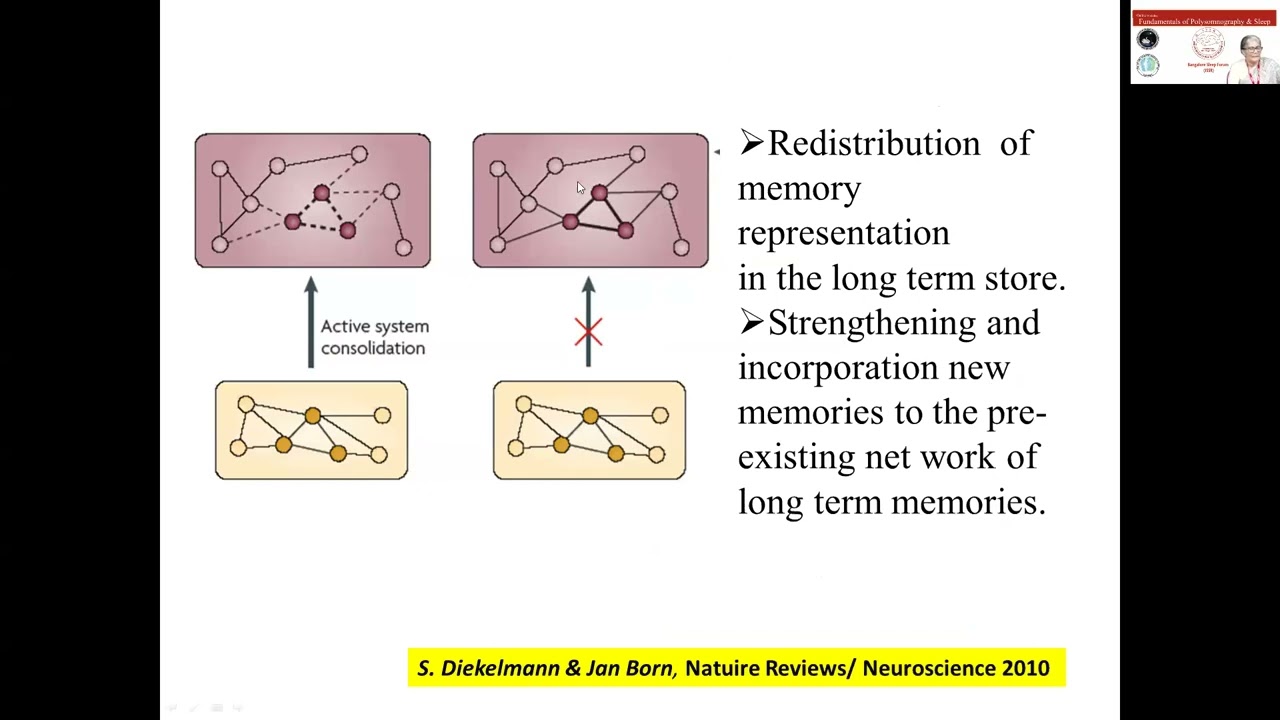
27:05
Sleep and Memory Consolidation: Mechanisms & Research
@centreforconsciousnessstud2990
217 views•2022-02-03

21:55
Deciphering Neural Circuits Controlling Anorexia in Mice | Richard Palmiter
@AllenInstitute
2.3K views•2011-10-10
35:44
How Your Brain Interprets the World: Neuroscience with Dr. David Berson | Huberman Lab Essentials
@hubermanlab
79K views•2025-10-16
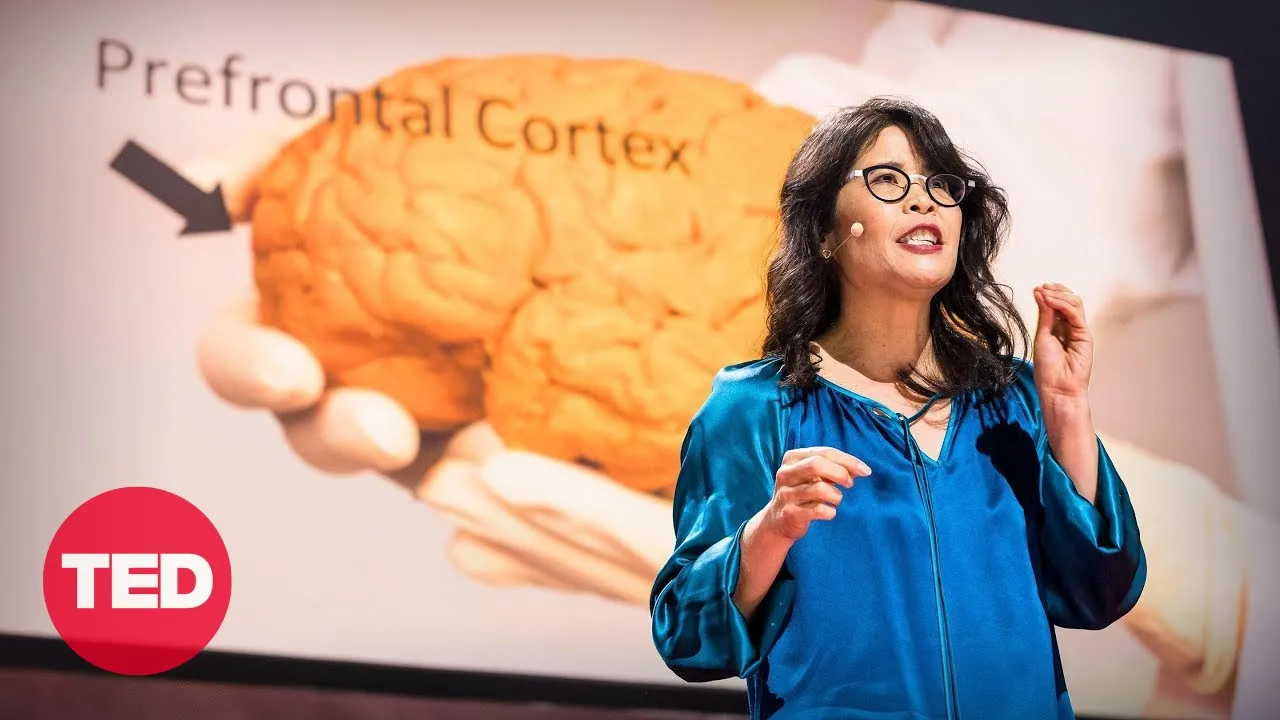
13:03
How Exercise Benefits Your Brain: Science Explained
@TED
11.4M views•2018-03-21
Related Study Plans & Knowledge Roadmaps
Structured learning paths in Neuroscience
neuroscience
Appetite Regulation: Brain Circuits & Hormones
01Foundations of Endocrinology and Brain Anatomy
02Introduction to Energy Homeostasis
03Peripheral Signals: Leptin, Ghrelin, and Insulin
+ 2 more learning modules
14h5 modules
Explore Roadmap
neuroscience
Neuroeconomics: Value, Risk & Brain Mechanisms
01Foundations of Neuroscience and Brain Anatomy
02Introduction to Neuroeconomics and Subjective Value
03Dopaminergic Prediction Errors & Reinforcement Learning
+ 3 more learning modules
18h6 modules
Explore Roadmap
neuroscience
Spatial Navigation: Cells, Grids & Brain Maps
01Foundations of Brain Anatomy and Memory
02Place Cells and Head-Direction Cells
03Grid Cells: The Brain's Coordinate System
+ 2 more learning modules
12h5 modules
Explore Roadmap
neuroscience
BCIs: Neural Decoding & Prosthetic Control
01Neuroscience Foundations: How the Brain Signals Intent
02Signal Acquisition: Recording the Brain's Activity
03Neural Decoding: Translating Brain Waves into Data
+ 2 more learning modules
25h5 modules
Explore Roadmap