















![[AVS] Cuisiner pour se soigner ! - Estel Barrellon](https://i.ytimg.com/vi/xtexN0X3P_g/maxresdefault.jpg)









![12강. 교대제 및 감시단속적 근로 [박고은 노무사] / 기초노동법과 실무](https://i.ytimg.com/vi_webp/0EtD4DLTBlc/maxresdefault.webp)

Sleep is regulated by two mechanisms: the homeostatic drive (adenosine buildup throughout the day) and the circadian rhythm (controlled by the suprachiasmatic nucleus in the brain). Light exposure at night delays the circadian rhythm and suppresses melatonin production, disrupting sleep quality. The deepest sleep occurs in the first third of the night (slow-wave sleep), which is most restorative for physical recovery and growth hormone secretion. REM sleep, occurring later in the night, is crucial for memory consolidation and dreaming. Adults should aim for at least 7 hours of sleep, with teenagers needing 8-10 hours. Sleep deprivation impairs immune function, cognitive performance, and increases health risks including diabetes and weight gain.
Sleep Quality Science: The Impact of Sleep Deprivation on Health
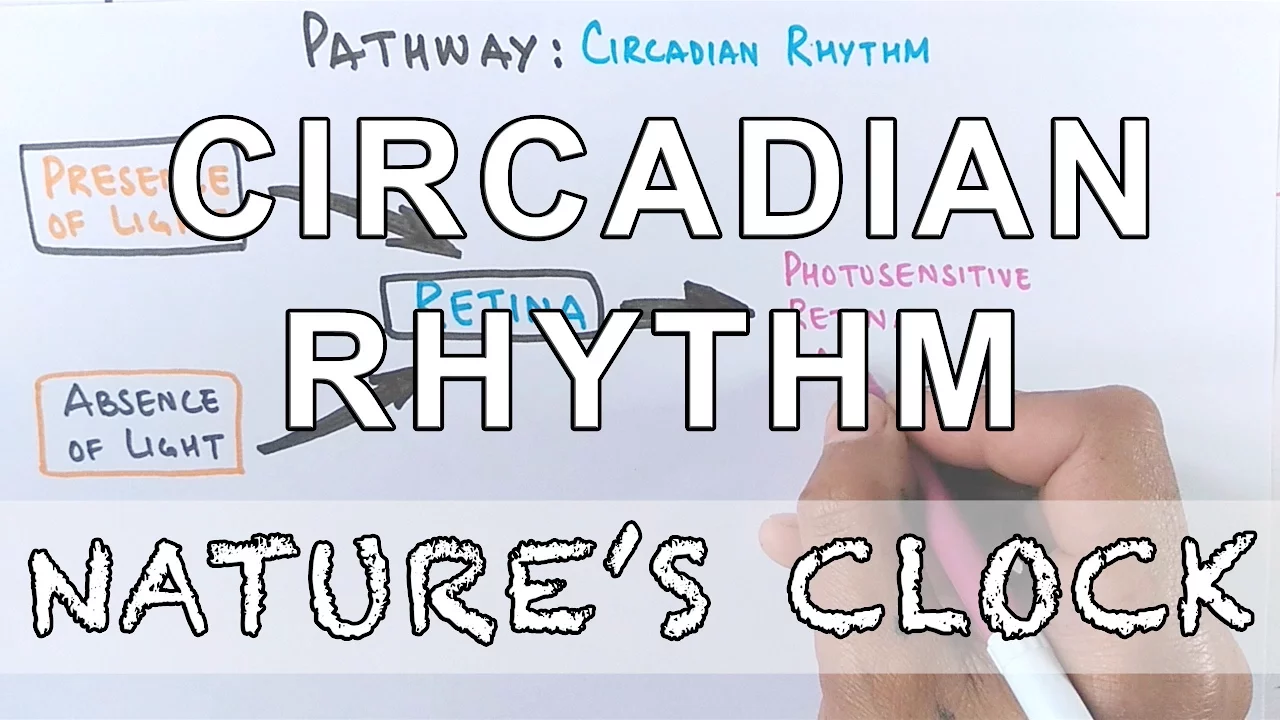
Added:so now we're going to talk about sleep you know for some people sleep is an enigma and um i always love to start off with this quote and it shows you how long people have really wanted to been able to sleep and the quote is from shakespeare's play henry iv he writes oh sleep oh gentle sleep nature's soft nurse how have i frightened thee that though no more will weigh my eyelids down and sleep my senses in forgetfulness folks for hundreds of years probably for millennia and even more people have had difficulties with sleep but what is actually sleep why do we sleep let's talk a little bit about sleep and and some of the aspects of what happens when you don't get enough sleep i think that will also answer the question and why it is that we need to get sleep how much sleep and what's the best way to get sleep that's what we're going to try to cover here uh in this in this topic so we know that sleep deprivation when you don't get enough sleep affects memory cognition that's your ability to think and motivation and the effects are compounded when you do this for a long period of time let's talk about adolescents these are the people that we think sleep the best but when adolescents don't get sleep there can be some very serious consequences consequences like depression we know that adolescents tend to fall asleep later and that school starts very early so they are susceptible to these types of things they would rather wake up later in the morning but what about for us as adults well if we look at high school students for instance eighty-seven percent of high school students in the united states get far less than the recommended eight to ten hours of sleep right now you're saying dr schwa are you saying i should be getting eight to ten hours of sleep no that's what's recommended for teenagers for adults it's at least seven hours we'll talk more about exactly how many hours of sleep you should get but just to think about that what are you getting in terms of your sleep and are you getting enough sleep in fact 55 of all fall asleep crashes were caused by drivers under the age of 25. you know it's it's very interesting is that you can sell you can have sleep deprivation in adolescent and you can have sleep deprivation in an older adult and what's known is that the older adult will do a better job of covering up the consequences of sleep deprivation and that's a good thing in some sense but it's also a bad thing because i see a lot of patients in my sleep clinic who on paper are clearly when all of the objective information comes in it shows that they have sleep deprivation but they feel fine and but the effects of that sleep deprivation are going on in their body so research has shown that sleep problems among adolescents are a major risk factor for suicide and also depression and it ranks as one of the top reasons for suicide and death in that age population if that's what it is for them what also could it be for people who are not adolescents teenagers in high school people who have jobs getting up early in the morning and commuting how is this sleep problem occurring and what can we do about it all right well let's talk about sleep a little bit one of the things that you have to understand about sleep is the drive to sleep and just like there was two aspects of our immune system there are also two aspects of what makes us sleep so let's talk about those two things the first thing is something called the homeostatic drive homeostasis is something that we're all familiar with if you're thirsty you drink water and now you're not thirsty if you're hungry you eat food and then you're not hungry it's the same thing with sleep the homeostatic drive for sleep basically says that when you wake up in the morning you have the lowest drive to sleep and as you go throughout the day a substance called adenosine builds up and causes you to be more and more sleepy as you go throughout the day until finally you go to bed at night and what happens you start to satiate that need for sleep and it goes back to the lowest aspect when you wake up the next morning but there's more to it than just homeostasis you know this right i mean you know that when you wake up in the morning you should feel well rested but you don't get increasingly sleepy as you go throughout the day you get sleepy right before you get to bed normally so there's more than just the homeostatic drive and that's something called the circadian rhythm so the circadian rhythm is really important in terms of making sure that we stay awake until we're ready to go to sleep and as you can see here on the graph the green bar as we just talked about is the need for sleep that's the homeostatic drive it increases as you go throughout that middle period of the day which is daylight but also notice that the circadian rhythm also tries to keep your need for sleep very low throughout the day except for that little bump in the middle there which is around noon it's a little siesta but notice that as that red line goes up dramatically towards the end of the day that's when you start to feel sleepy so the thing that you have to understand here is that that circadian rhythm that circadian drive is dependent on where your clock is every one of us has a clock in our brain that's that's regulated by something called the suprachiasmatic nucleus which we'll talk about and depending on if that thing is shifted one way or the other it can make you have make you feel like you want to go to bed early or make you make you want to go to bed late the point is is that if that circadian rhythm is not perfectly aligned with what's going on in your life you're going to have hypersomnia increase sleepiness or insomnia not be able to go to sleep and so it's important that that be in line with each other so again what are the two things that determine whether or not you go to sleep homeostatic drive and that basically has to do with adenosine building throughout the day that's the green line and also the red circadian rhythm which is imprinted in your mind and but can be shifted back and forth so what determines how the circadian rhythm is met out how do you determine whether the circadian rhythm is in line or not in line well that has to do with this graph and what you can see here is that light is coming in through the eye and light is one of the major arbiters of where that circadian rhythm is going to be and one of the things that you have to understand both in this talk and also when we talk later about light and sunshine is that light hits the retina and it is projected through neurons that go to the suprachiasmatic nucleus that you can see there there the scn in red and then basically will determine whether or not your circadian rhythm is delayed or advanced depending on what time of day you get this light in the eye so let me just repeat that again is light coming into your eye is going to stimulate something called these retinal ganglion cells in your retina and it's going to send a signal to the suprachiasmatic nucleus and it's the suprachiasmatic nucleus or the master clock of your body that regulates all the clocks in your body is going to determine whether or not your circadian rhythm is where it should be or whether it's slightly delayed or whether it's slightly advanced and that can cause problems so we need to make sure we understand this of course as we know light that hits the eye also goes back to the back of the brain called the occipital cortex that's where you see things but specifically in this talk we're going to be talking about the suprachiasmatic nucleus now it also shows there we'll talk about this when we talk about light that light that hits the back of the retina will also shut down melatonin that is produced in the pineal gland now the pineal gland produces this melatonin and it's important for sleep because melatonin is one of those things that goes throughout the body after it's secreted from the pineal gland and tells your cells it's time for sleep so this is really important now if we look at our graph again we'll see that we've modified it in a way here to show you that that melatonin is produced at night right before you're about to go to bed and it's telling the body and it's getting it ready for sleep but one of the things that will shut down melatonin production is light and so if you expose your eyes to bright light at night right before you go to bed you're not going to get as high of melatonin production as you would normally do and as we'll talk about that can be very bad the other thing that light exposure at night will do is it will affect the circadian rhythm through the suprachiasmatic nucleus and what it does specifically is it delays your red as we see here circadian rhythm in other words instead of your body being ready to go to sleep let's say at 10 o'clock at night if you're exposing your eyes to bright light it's going to move it over a period of time from 10 o'clock to maybe 11 o'clock maybe even 12 o'clock so that your green homeostatic drive may be ready for sleep at nine o'clock but your circadian rhythm is not going to be ready for sleep until much later now of course if it's shifting it and it's delaying it that means instead of being ready to wake up in the morning at six o'clock it might not be until seven or even eight o'clock that that happens and so that can have consequences as we'll talk about so sleep is not just an on off switch it's not like you go to bed and you flip off the switch and you're resting for eight hours and then you come back on there are processes that are occurring in the body very actively while you are sleeping and they're happening in the brain they're happening in the body and all over so what is it what is it about sleep the first part of sleep let's divide sleep into two phases there's the early portion of sleep this occurs between when you first go to bed and perhaps maybe two or three in the morning and then after that there's the second phase of sleep what happens maybe after three or four o'clock and occurs until five or six when you get up the next morning and it's really more of a gradation it's not a specific early and then late and as we'll talk about here we can show you here that there's something called a hypnogram which is a graphic representation of sleep as you can see here is that there are different stages of sleep so there's the awakening stage which is at the top and then as you go into deeper and deeper sleep it goes all the way down to stage one stage two stage three and even stage four now today scientists have grouped together stage three and four together and they call that slow wave sleep or deep sleep notice that the deepest sleep of the night is at the earliest portion of the of the sleep period and this is the portion that we associate with growth hormone secretion growth hormone secretion is very important in terms of making you uh grow and also making you feel younger we notice that as people get older they don't secrete as much growth hormone and so what we do is we associate growth hormone with uh with sleep and this is the physically restorative sleep that we see early in the night now as we move on we'll notice that there is more of this rem sleep rem sleep is also important as well but it's important for different reasons rem sleep is the portion of sleep where you get consolidation of memory and your ability to remember things and it's also during this period of rem sleep toward the later portion of the night that you get dreams now this is important when you dream you don't want to be acting out your dreams and the way that the body has of fulfilling that is is that it basically paralyzes your body it shuts down it disconnects your brain from your body so you can be dreaming you could be running you know something's chasing you and you're running or somebody's attacking you perhaps in a dream and you're not going to act that out with the person next to you in bed because you're detached from your body and that's a very important aspect of rem sleep you have paralysis it's it's temporary there's some conditions where actually that doesn't happen where they continue to act that out but generally speaking rem sleep is where you're paralyzed and you're dreaming and that's important to have and but that's more towards the latter portion of the night so early portion ladder portion different functions different aspects to it you can imagine what would happen if you didn't get to sleep early enough which one would you lose out on you would lose out on some of this early sleep this slow wave sleep this physically restorative sleep that you have at the beginning and as you can see here um with our hypnogram again delta sleep toward the beginning rem sleep towards the end and you can see what uh what aspects of that occur so going back to our stages of wakefulness and circadian rhythm let's let's put up a scenario that's very common that i want to talk to you about and i think it's happening far too often in our country we have students we have people who are working and what happens they come home at night and they're studying they're up late they're on screens we'll talk more about this when we talk about light exposure and light in general it takes just a small amount of light to shut down melatonin production in the pineal gland and in addition to that it also just takes a small amount of light to delay to delay the circadian rhythm the red line that we see on this on this graph and what would happen if we delayed the red circadian rhythm aspect of our sleep is as you can see here it would become the pink line which is more delayed notice what happens at the time of sleep the pink line is below the red line which means that the drive to sleep is not there and notice also in the morning time what would happen is that the drive to sleep would be higher and so what happens is people have insomnia at night they can't go to sleep they're not getting good night's sleep at night and they're not getting that slow wave sleep at night and in the morning time they're trying to wake up because their alarm is telling them it's 6 30 you got to get up you got to get to work got to do that commute and they're not getting the rest that they need they're getting cut short and so because of that elevation in the sleep urge because the circadian rhythm has shifted from the red line to the pink line they're not going to be as awake they're not going to have be as alert in the morning time as a result and so one of the major aspects of sleep uh deprivation is exposure to light at night and we'll talk more about that in our light series as well but this is important in terms of sleep so quality of sleep is important what about quantity of sleep well a number of studies have been done on this and we have recommendations from the american academy of sleep medicine and just very briefly here if you look at people who are age 14 to 17. the recommendation is is that they should be getting eight to ten hours of sleep every night hey i've got somebody in that age group i have a daughter who's 16 just turned 17 and boy i would be surprised if she's getting 10 hours of sleep maybe barely eight hours of sleep this is really difficult to do especially when students have to go to school they start school at seven eight o'clock in the morning here in california we just had a recent legislation that moved high school times to a later hour at eight to nine o'clock in the morning so that they can get that sleep that they need but unfortunately as adults who work we don't have that same benefit how much do sleep do we need well we can see there that the 18 to 25 year olds the recommendation is seven to nine hours of sleep that's the same by the way for 26 to 64 year olds as you can see on this graph as you get older and older and older the amount of sleep that we need to have is less and less it's true but if you look at the average american's sleep it's anywhere between five six hours of sleep per night well below the bare minimum of recommendation which is seven hours of sleep and this could have actually some pretty significant effects again let's let's look at that immune system that we talked about the adaptive immune system the body's ability to make antibodies here's a study that was published in the journal of the american medical association where they took 25 subjects and they randomized them to sleep versus sleep deprivation and then they gave them the flu shot then they measured the antibodies as a result of that flu shot and those people that only had four hours of sleep the antibody titer was 0.5 units whereas those that were able to sleep as long as they wanted to had 1.15 units of antibodies so essentially getting a good night's sleep before vaccination meant that you had twice the antibody level just based on sleep although we're not even talking about diet we're not talking about the exercise or any of these things just based on sleep and that was uh that was impressive enough that the authors of that study said the following these results indicate that the response to influenza vaccination is likely to be impaired in individuals who suffer from chronic partial sleep restriction because adults who show poorer responses to vaccines and other antigenic challenges also experience higher rates of clinical illness our findings support the concept that adequate amounts of sleep are needed to maintain resistance to infectious challenge now this is not the only study that looked at that there was another study that looked at the quality and the quantity of sleep that these patients had so this was a larger study 153 subjects and it was a prospective trial and uh they they basically at the end of this trial of them sleeping seven versus eight plus hours in terms of their uh history they asked them they did questionnaires of these subjects and said how long are you sleeping for and so based on that they prospectively put little rhinovirus drops in their nose you can imagine the types of subjects that we're talking about here these are college students right so they put rhinovirus drops in their nose and those that got seven hours of sleep or less okay as opposed to eight plus hours had 2.9 times the risk of getting a cold and those that had less than 92 percent quality of sleep when we talk about 92 quality the total amount of hours that they spent in bed in the denominator and the number of hours they actually slept in the numerator if that number exceeded 92 percent they were 5.5 times less likely to develop an infection so you can see here that it's not just quantity but it's also quality of sleep that's important and so the authors of this study said because of the prospective design and the controls for multiple confounding variables these results strongly suggest the possibility of sleep playing a causal role in cold susceptibility so again really important here that you're getting enough sleep and the quality of sleep as well so one of the things that we talked about earlier on was melatonin and melatonin is one of those substances that is secreted from the pineal gland and if you expose your eyes to bright light at night melatonin from the pineal gland is not secreted and you're not having that going throughout the body now melatonin is felt to not only be a sleep signal but it's also been shown very uh very definitively to be a very powerful antioxidant and in this study shows that melatonin in vitro in the test tube can block not only the spike protein osarus kov2 virus but also block the ace2 receptor and potentially they're looking at studying to see whether or not higher melatonin levels can also block the virus infecting of sars cov2 so if you want to have melatonin in your body rather than taking a supplement which is going to send the signal to your body that it's time to sleep much better to have the pineal gland produce it uh in in the amount that is needed at the time that it's needed with your circadian rhythm on track so let's talk about sleeping and studying so oftentimes what happens is students and even adults will decide to say hey you know what i've got too much work to do i'm going to pull an all-nighter how many of us have done all-nighters before right and we say well it's just once it's not going to really hurt there was a study that was done that was published in the proceeds of the national academy of sciences published back in 2018 where they actually did a study and they followed students who pulled an all-nighter and they followed hundreds of different proteins in the body to see what would happen these were very important proteins that are involved with immunity involve with cancer fighting and remember i told you before that this the suprachiasmatic nucleus in the brain is the master clock it's the master clock that dictates what happens throughout the entire body and it it regulates the clock in all of the cells well if that is off if you're exposing your eyes to bright light at night and that master clock is not working correctly then these proteins in the body which have a specific cyclic secretion to them are going to be off as well and so when they're supposed to be high they might be low and when they're low they might be high so let's see what happened in this study that they did these they took six healthy men in their 20s they stayed at a research center there was no cell phones no screens they slept for two days at night which is the baseline and then they transition into staying awake at night and then sleeping during the day as well as eating also in the night so they did a complete switch around so imagine you've got this test the next day you're going to pull it all nighter you're going to study it you're going to cram for it or let's say you've got a job and you've got a presentation due the next day and you stay up all night trying to work on this thing and you show up the next day and you give this presentation that you worked on all night what's the consequences of all of this so they took blood samples every four hours of over 1 129 different proteins what they found was very interesting about 10 of these proteins switched their peak time so in other words instead of peaking at when they were supposed to peak they didn't peak at that time and many of these changes had occurred even after just one night of pulling an all-nighter so what kind of proteins are we talking about well one of them was glucagon glucagon is one of those proteins and hormones of the body that's secreted by the pancreas that regulates glucose metabolism and it rose higher at night than would have normally have done at the daytime this is this is a risk for diabetes when you have glucagon levels that are are that high what about fgf19 that's a protein that we're not really familiar with but it's a protein that we'd all be very interested in if we wanted to lose weight because fgf19 is one of the proteins that's involved with calorie burning it boosts your body's ability to burn calories and this protein was decreased in these students that actually pulled the all-nighter and so what happens to your basal metabolic rate when this happens obviously it's going to go down so this is a risk factor for weight gain so staying up late can increase your weight through this potential mechanism of fgf 19.
so the authors of this study said that they that staying awake at night and sleeping during the day for even just one 24-hour period can rapidly lead to changes in more than 100 proteins in the blood including the ones that have an effect on blood sugar immune function and metabolism and over time these biochemical changes in blood protein levels can elevate your risk for health issues such as diabetes weight gain and even cancer and this was the the lead author dr christopher deppner who is a postdoc fellow in the department of integrative physiology at the university of colorado in boulder so clearly pulling an all-nighter is not good for you in terms of the the the havoc that is wreaked in in terms of your body's metabolism it would be much better for you to go to bed early and wake up early in the morning and try to work on that project or study because during the night there's a lot of organization of your thoughts and your body's ability to to study and to retain information in fact your body's brain actually slows down at night and so trying to do things during the night is not a good idea because you're not getting the full efficiency it's like trying to swim upstream so it's better to go to bed early and wake up early if you've got something to do that needs to be done before the morning let's talk a little bit about what we've talked about before which is this slow wave sleep now we've said that if you are exposing your eyes to bright light at night or any kind of light in general it's going to shift your circadian rhythm it's going to delay it and it's also going to shut down very importantly this melatonin production that signals your body that it's ready for sleep and you're also going to lose out on that very first portion of sleep which is that slow wave sleep so a number of things have been written about this one of them a sleep consultant from the the uk dr simon kyle wrote this it's actually during the first third of the night that we experienced the deepest part of our sleep we move into deep sleep more rapidly and it's the phase of sleep during which we're least likely to be disturbed and wake up this deep or slow wave sleep is the most restorative part of our sleep we experience low levels of stress hormone cortisol as we've talked about before as well as reductions in the sympathetic nervous system activity this is the stimulating activity associated with our fight or flight responses we also experience increased parasympathetic nervous system activity which is associated with rest and digest activity so you can see why it does the body so good slow wave sleep is also associated with memory consolidation our learning ability and overall alertness the next day the emerging picture from experimental research is that slow wave sleep is involved in critical aspects of cognition and daytime functioning and that it assists in keeping our brain and body in optimal health if you're waking up unrefreshed it's likely that your deep or slow wave sleep is suffering in some way avoid taking naps because deep sleep is related to the amount of time spent awake in other words the more time you spend awake during the day the better able you are to get that big boost of slow wave sleep at night so to take steps to reduce your pre-sleep stress as well because pre-sleep stress can also reduce your body's ability to get slow wave sleep and that deep slow wave sleep that you need at night in the first part of sleep so let's talk a little bit about how do you know if you're not getting enough sleep as we talked about at the beginning teenagers adolescents don't hide their ability to be sleep deprived in other words they can they can be they can fall asleep very easily when they have chronic sleep deprivation adults on the other hand people who are older can hide it very easily we can have adults that come to the doctor's office and they can be asked i ask them all the time are you feeling sleepy they feel fine they don't know that they're actually chronically sleep deprived so one of the things that i want to do right now is to sort of go over a questionnaire to see whether or not you feel first of all you do you feel like you're sleep deprived and then let's find out if you actually are sleep deprived and i have a list here and all you need is just three to say yes to three of these statements and you are at risk for chronic sleep deprivation so let's let's go over these real quickly i need an alarm clock in order to wake me up at the appropriate time i mean who doesn't right these are gonna be you're gonna be saying here wow these are really easy questions and really easy to say yes to but if it's just three or more the studies have shown that you are at risk for being chronically sleep deprived is it a struggle for me to get out of bed in the morning weekday mornings i hit the snooze button several times to get more sleep i feel tired irritable and stressed out during the week right who doesn't right i had trouble concentrating and remembering i feel slow with critical thinking problem solving and being creative i often fall asleep watching television at boring meetings or lectures uh hopefully this is not one of those or in warm rooms i often fall asleep for after heavy meals or after a low dose of alcohol i often fall asleep while relaxing after dinner i often fall asleep within five minutes of getting into bed that's what we call a very short sleep latency that's the time it takes for you to fall asleep after getting into bed i often feel drowsy while driving now that that's uh obviously something on its own that's very dangerous because a lot of accidents can happen when people fall asleep i often sleep extra hours on weekend mornings that's when you don't have that drive to have to go to work what do you do if you are sleeping in chances are you're sleep deprived i often need a nap to get through the day and that's means that you're so sleepy that you've got to get a nap now what happens by the way when you take a nap during the day is that adenosine levels which are climbing as you're awake during the day when you take a nap they suddenly go down slightly and then after the nap they start to build up so that what happens is toward the end of the day your adenosine levels are not as high as they would have been if you hadn't have nap now i'm not saying for everybody not to nap but if you're having problems falling asleep at night one of the things that i would recommend and we'll talk about this later is not napping um i have dark circles around my eyes these this has to do with lymphatics and drainage and things of that so add all of those up how many times did you say yes to those if it was three or more times the chances are you are probably chronically sleep deprived and need to get more sleep again how much sleep should you be getting american academy sleep medicine is give us some recommendations for most of us that are listening to this uh we're gonna be at least seven hours of sleep and you'd be surprised how few times how many few nights in a month you'll get more than seven hours of sleep remember that exposing your eyes to bright light is going to shift your circadian rhythm so that what occurs is you're going to feel less sleepy at night you're not going to have melatonin production at night and you're not going to have the same a number of hours and so one of the things that i would highly recommend for sleep and we'll talk more about this in our light lecture as well is after the sun goes down especially after nine o'clock is to is to have dim lighting or no lighting if possible obviously if you have to do something you don't want to be falling and tripping over yourself so having low level lighting on the floor or on the walls low down and to especially avoid blue light which is the type of light that specifically and most efficiently uh causes the excitation of the ganglion cells in your retina which shuts down melatonin production so having more reddish light having it low having it dim these are the sorts of things that you want to do the other thing to do of course is to avoid getting on your computer avoid getting on your smartphone these sorts of things especially after nine o'clock at night are going to delay your circadian rhythm so you're not going to bed as early and it's also going to shut down melatonin which is very beneficial some other things that we can talk about as well in terms of sleep hygiene is to because your circadian rhythm is on a regular cycle you want to maintain a regular sleep routine don't do something during the week and do something different on the weekend if you get up at a certain time during the week get at that certain time on the weekend as we talked about if you're having trouble falling asleep at night avoiding naps is also very beneficial don't stay awake in bed for more than five to ten minutes why is that the case well if you're having trouble falling asleep you're going to associate your bedroom with the anxiety of having insomnia we don't want that to happen we don't want you walking into the bedroom and associate your bedroom with not being able to sleep because then your heart rates are going to go up your your sympathetic nervous system is going to go up and it's going to be impossible to fall asleep so if you're having problems with insomnia don't stay in bed for more than 5 or 10 minutes get out of bed go to a different room of the house have your insomnia associated with that room in the house not the bedroom where you're trying to go to sleep don't watch television in bed okay don't do other things in bed other than sleep because you're going to associate the bedroom with those things so if you go into the bedroom and your brain is saying oh is it time to sleep or is it time to watch television or it could be time to read or it might be time to to work no i want you to walk into the bedroom and i want your brain to say it's time to go to sleep we want all of that drive that subconscious drive and association with you going to sleep especially if people have insomnia avoid caffeinated beverages why well because caffeine what does caffeine do caffeine will actually interplay with the adenosine receptor that's why it makes you feel like you're more awake but the problem is is that because it blocks it that it will also cause an issue later on in terms of trying to fall asleep at night and so we don't recommend drinking caffeine beverages especially if you have a problem with insomnia exercise is really important so exercise during the day is going to help you fall asleep at night and i would even say this is that we've we've sometimes recommended against exercising in the evening but i'll say this exercise in the evening is better than no exercise at all so morning exercise is the best evening exercise no exercise is the worst but if you if you're having trouble falling asleep at night doing some sort of exercise on a regular basis and we'll talk more about that in our exercise video is going to be very beneficial for getting you back to sleep and if you're one of these clock watchers you know it's 11 o'clock oh it's 11 15. i haven't gone to sleep get rid of the clock okay unless you need it for an alarm and if you do we know that you're sleep deprived get rid of the clock cover it up so that you're not watching the clock because that just puts your brain into a mode of watching the clock and not and not falling asleep and really what you want to do is get into a routine a comfortable pre-time pre-bedtime routine where you can go into a hot bath that's also very beneficial because what that does is it raises your body temperature and we'll talk more about this again when we talk about hydrotherapy so raising your body temperature as it starts to cool down that tends to also help the body fall asleep as we we know this from looking at circadian rhythms is that the coldest that your body temperature ever is is around three or four o'clock in the morning we call that the temperature nader and as your body starts to cool down being in a cool room these are all things that are conducive to falling asleep so what we've talked about today is sleep now we could talk for hours and hours about all of the different types of of sleep problems but i feel that this is a good foundation and it's it's very low hanging fruit for how somebody who has a problem sleeping can eliminate a lot of the barriers that we have in society today to getting a good night's sleep let's review those once again number one is making sure that we're not exposing our eyes to as much light as little light as possible after nine o'clock at night so by doing that that's going to do two things number one it's going to help us keep the circadian rhythm in line with what we want as opposed to delaying it number one and number two it's going to make sure that melatonin is being secreted appropriately at night and we get the health benefits of that melatonin the third thing that i would mention as well is making sure we're getting enough sleep so by going to bed earlier that problem is going to be solved in a lot of situations think about this if you go to bed at 10 and you have to wake up at six in the morning you're going to be getting at least seven hours of sleep depending on how long it takes for you to fall asleep so i hope this has been helpful and uh join us for more hey i'm glad you enjoyed this lesson we have more lessons on the way so click the notification bell below so you don't miss our weekly videos i'll see you there
Up Next
The Discovery and Evolution of Aspirin in Medicine
@TEDEd
3M views•2017-10-02

Graphic Medicine: Comics for Collaborative Healthcare Communication
@nationalpatientadvocate
189 views•2023-12-04

Neuroanatomy: Central and Peripheral Nervous System Divisions Explained
@AKLECTURES
136.2K views•2014-09-20
Stages of Labor and Vaginal Birth | Childbirth Animation
@nucleusmedicalmedia
52.1M views•2017-08-18
Related Study Plans & Knowledge Roadmaps
Structured learning paths in Medicine