


























Sleep is essential for memory consolidation, with non-REM sleep (particularly slow wave sleep) facilitating system consolidation through synchronized oscillations (slow oscillations, sleep spindles, and hippocampal ripples) that transfer memory traces from the hippocampus to the cortex, while REM sleep enables synaptic consolidation and integration of new memories into pre-existing neural networks; sleep deprivation during the sensitive consolidation window (1-4 hours post-learning) impairs memory formation by disrupting molecular mechanisms including cyclic AMP signaling, gene transcription, and synaptic plasticity.
Sleep and Memory Consolidation: Mechanisms & Research
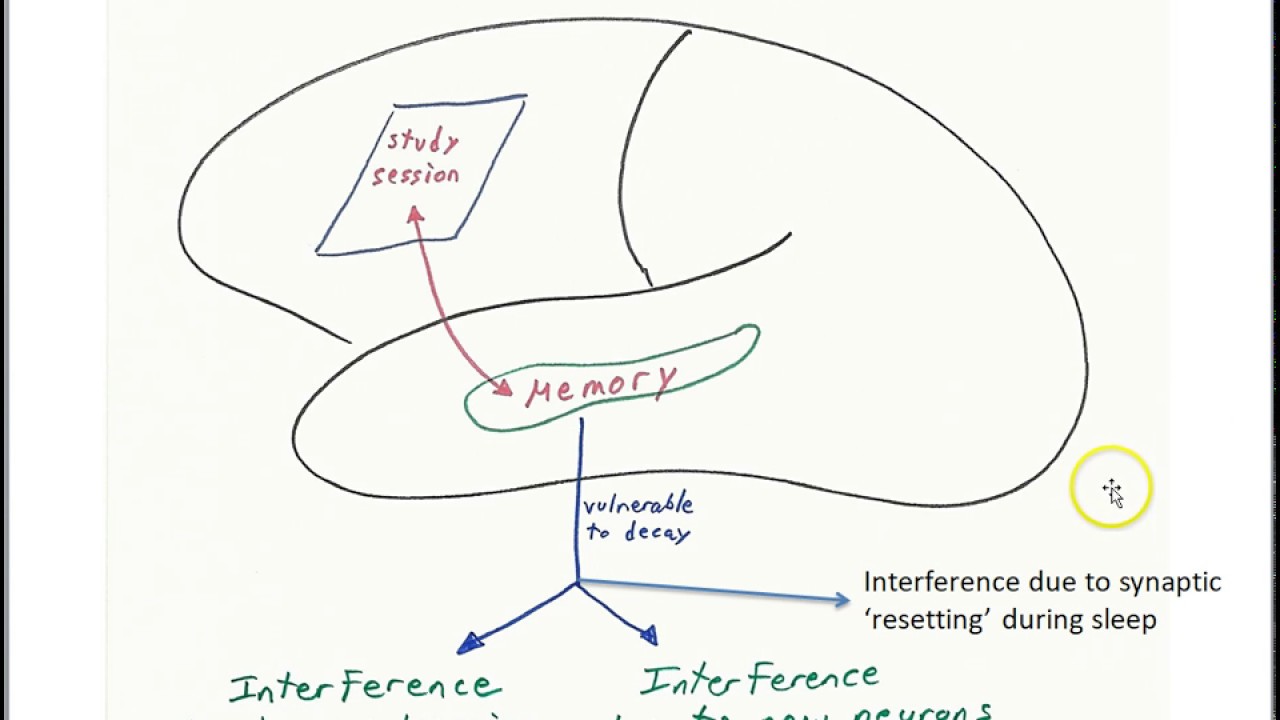
Added:Basic neuroanatomy of memory, specifically the distinct functional roles of the hippocampus in temporary storage and the neocortex in long-term storage.
The stages of the human sleep cycle, particularly the physiological differences between Rapid Eye Movement (REM) sleep and Non-REM (NREM) sleep.
Fundamental concepts of synaptic plasticity, including how neurons communicate and the basics of Long-Term Potentiation (LTP).
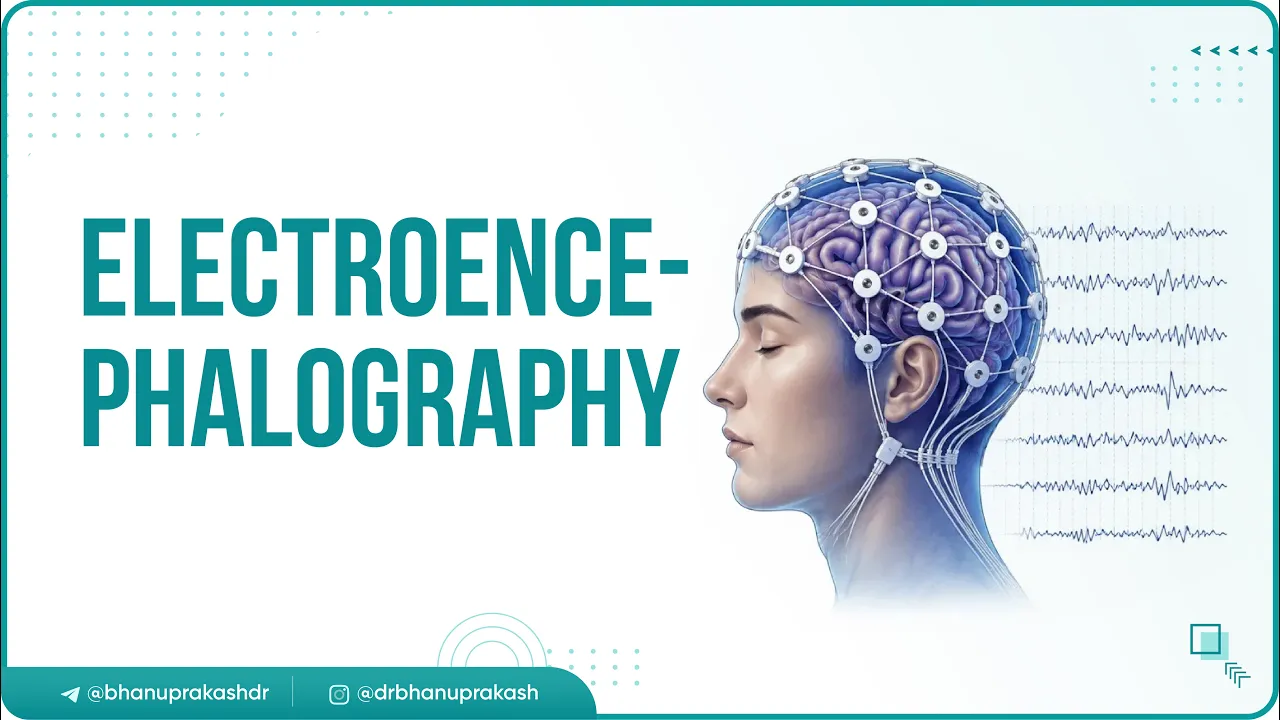
An introductory understanding of electroencephalography (EEG) and brain oscillations, such as slow waves, sleep spindles, and theta rhythms.
Advanced theoretical frameworks of consolidation, specifically comparing the Active System Consolidation theory with the Synaptic Homeostasis Hypothesis (SHY).
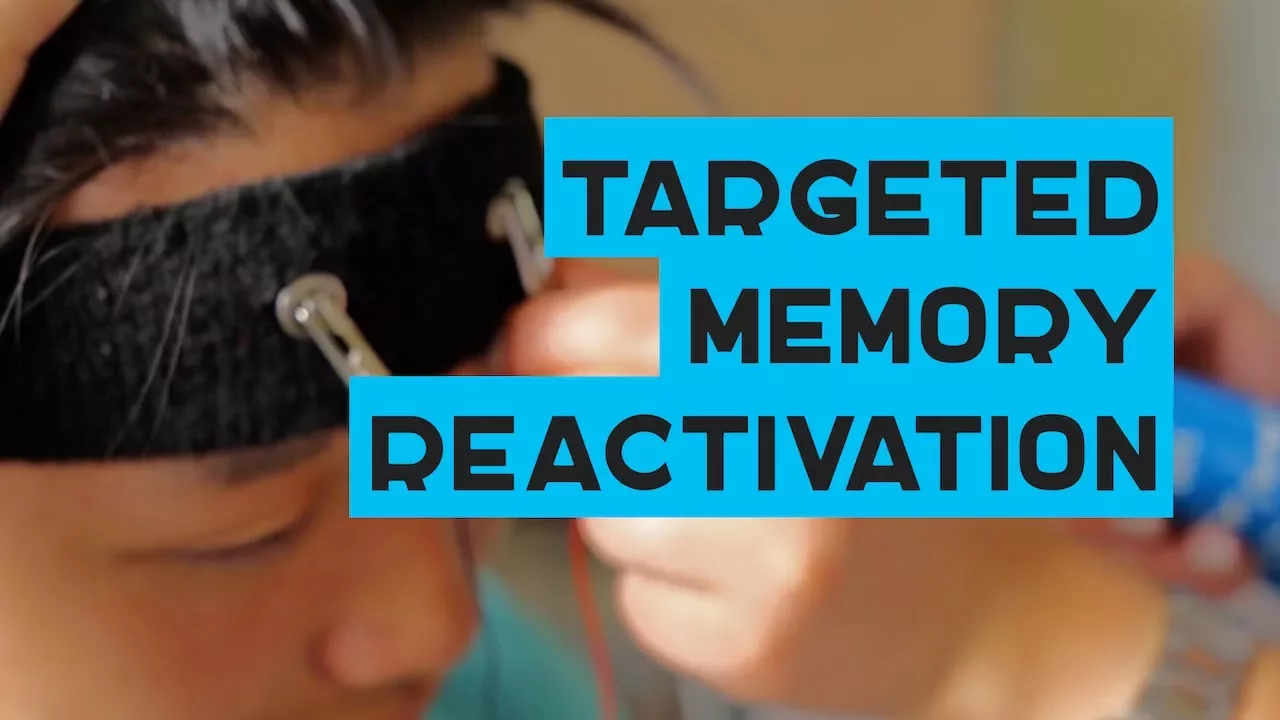
The methodology and application of Targeted Memory Reactivation (TMR) to artificially cue and strengthen specific memories during sleep.
The clinical implications of sleep deprivation and sleep disorders (e.g., sleep apnea, chronic insomnia) on cognitive decline and neurodegenerative diseases like Alzheimer's.
The role of sleep-dependent consolidation in motor skill acquisition, emotional regulation, and creative problem-solving.
217 views3likes27:05Original Release: 2022-02-03
the last session of this psd workshop after my uh this small uh brief uh session on sleep and memory uh dr gulshan will be available uh to have some interactive discussion with you uh with regard to yesterday's lab session so i will just uh you know i will not take much time uh i thought i will not just leave this topic sleep and memory because little memory usually will not be dealt in any of these this kind of phd workshops so i thought i will just quickly go through it and since uh now we have discussed at length various aspects of sleep both from the basic as well as the applied aspects of sleep disorders um this will be easy for me to uh quickly you know just to discuss about the sleep so we have discussed enough about this uh sleep oscillations especially sleep spindly complexes and uh slow waves and all are meant to sleep deepening mechanisms even though their origin is origin are different especially the k complexes and uh slogans are of the cortical vertical origin and sleep sprinkles are often particular origin all these their intentions are uh to provide the sensory gating and thus limit the particle information processing and to help maintaining uh transition between light and deep sleep stages and apart from these sleep oscillations we have other neuromodulations that is happening during sleep based um i mean the various uh the modulations especially uh in an area sleep you can see acidic functions will be reduced mainly noradrenaline and reserve acronym will be maintained as like that of weak or slightly less whereas during rem sleep you can see acetylcholine that is enhanced acetylcholine as well as dopamine and the noradrenaline and so now so these are the mechanisms so that is happening during sleep the sleep oscillator events as well as other neurochemical events so now keeping this in view uh just to let us see that how sleep provides a favorable condition for memory consolidation so that is a question so you know that sleep memory memory consolidation all are very complex processes and how this happens yeah now sleep and memory consolidation so sleep is a very favorable um behavioral state where i mean for memory consolidation and the earlier studies have you know like started we started and understanding about this phenomena since 1990s and quite a lot of studies have are there i will just in my talk what i thought is i will just give you uh some examples of a few from animal studies as well as a few from human and let us see that okay whether this um learning is associated with the memory i mean with the sleep memory consolidation during sleep so this is one such study this is called as a maurice water mace study this is mainly to look at the spatial name navigational abilities of rat for example this studies have been carried out by using rats and so this is a water trough and here you can see that the water is made opaque and there is a hidden platform that is kept in one quadrant of the pool and this quadrant i mean this hidden platform is kept in the same quadrant throughout the study and the animals are left released into the pool and they will be swimming and finally by accident you know like means it will come across this uh this hidden uh platform and thus it can escape from this water so that is the experiment and it can it has to on our only thing is an animal doesn't animal when you cannot see this hidden platform it has to navigate to reach the platform so that is the task here so the and the animal is given various trials and these experiments are conducted for five to ten days period by the time the animal learn i mean in case if you are giving two trials per day so the last you can see that so the animal slowly learns to associate okay it can you know it can learn to use the shortest route and the shortest time uh to reach the platform so this is so this shows that it has learned to navigate to reach the hidden platform so now this is actually totally a hippogrammable dependent learning and it's a kind of a declarative uh memory is i mean you know it has to really um consciously it has to know that okay it has to learn to go to the platform so here what happened what the study was on after following learning you can see that there the animal is allowed to sleep and this is yeah this is after training uh just soon after uh trial so you see that uh after training um especially the rum sleep has been shown to be increasing and there is a significant increase in ramps week following each trial following [Music] and whereas suppose if this platform is kept visible what happens the animal need not navigate it can just go and uh you know escape from the bottom so in that condition there is a no enhancement of from sleep which is not enhanced so this these studies especially this kind of uh hippocampal based learning studies show that these studies are associated leading is associated with an enhancement of sleep and memory consolidation occurs during sleep this is an example from human studies these are all various types of motor learning so here uh this is a perceptual procedural procedural memories following water learning we suggest examples a finger tapping sequence task in this you know each finger they have to use like for example a little finger to tap the number four index finger to tap the number one and here what they see is the accuracy and the speed and this definitely requires training similar visual discrimination task a serial reaction time task motor adaptation task and various aspects of skill learning tasks and here the study have shown that most of the almost all tasks all motor skills require you know like uh they have learned this task only associated with them hence the sleep and for example we shall texture a discrimination task this depends upon mainly the slogan sleep and the ramp sleep so both you know you can see that various stages of sleep are also very important for memory consolidation whereas in the case of motor sequence learning tasks they have observed that the learning is associated with the enhanced percentage of nrem 2 and the motor adaptation learning task is associated with the mainly the slogan activity so you see that these kind of studies show that the accusation of this information is associated with enhance the learning and the sleep dependence the process of memory enhancement requires 40 to 96 hours of stable memory consolidation you know for stable memory so you see that it is not just an overnight sleep is required for memory for stable memory consolidation tickets time uh 48 to 96 for gaining the accuracy and speed so uh so these are two different learning paradigms you know just to show that this sleep is important for memory consolidation now the question is whether um during sleep whether we can learn many new tasks and information acquired and processed during sleep would influence the behavior during day so these are the two questions it's these are all very novel uh studies and it gives us a lot of implication about the importance of sleep and the application of sleep in you know like inducing various aspects of uh learning actually so in this case you see that the single nights are factory oversee conditioning during sleep especially and two states significantly reduces cigarette smoking behavior so this study has been conducted by subjects who wondered who came voluntarily to you know they want to quit smoking so these these experiments have been conducted using human subjects who wanted to quit smoking and during the night they were not actually given any clue that what they are going what you know the experimental study was on but during the night during the sleep especially during end to as well as especially during rem sleep you know these the subjects were presented with some order the especially the cigarette order with that of a purified order actually so there is a pairing of uh i mean uh pairing of two orders to develop the association and this association helped the um suggest to quit smoking for almost a period of i mean for a period for a period of seven days so you see that single night exposure to this kind of association learning helped them to avoid smoking for a period of week so that means influences associative learning during sleep alters long term habits such as cigarette smoking and this is this is a very important you know like it provides lot of insight because direct application direct applicability to old factory queue as a treatment towards addiction so we can learn many things from this like new associations have learned during sleep to persist over time uh sleep learning produces memory traces are consciously inaccessible to wake state so you see that these are all uh implicitly sleep learning excerpts implicitly but not explicit influences on weight behavior ah the reality of perception and leading during sleep uh so you see that we can also this also provide us an opportunity that there is you know there are chances that we can also learn new things and maybe the gating of sensory information dilemmas may not be complete or information flow between hippocampus to cortex might be supporting the ah this kind of sleep related learning um so these are all very important so now so these are some of the examples i just wanted to show that uh you know uh memory consolidation of their sleep and this and also learning of course to speak now let us see that how this might be happening see for example uh during waking uh during waking states even traces of memories are encoded in many places of the brain in many areas of the brain like uh it can be cortex or it can be hippocampus now what happens during sleep so during days there are many memory traces are formed are encoded and during sleep now what happens these memory traces that are encoded especially in a temporary store will be repeatedly reactivated and uh repeatedly reactivated and then transported you know they will be transported to a long term storage and also there will be occurring concurrent activation in the long term store and slow and gradual uh redistribution so first is active reactivation of these memory traces memory representations then the transport of these memory representation to the term and then the slow and gradual redistribution that enhance memory representation in long-term score so you see that so there are so these are all occurring in different phases and all these are happening during sleep and the redistributional memory representation in the long story uh what happens then then strengthening and incorporation of new memories to pre-existing network of long-term memories so finally they get in um and i mean you know get into the memory network and once they are into the memory they are you know like incorporated into the memory network and they are more uh stable memories you know like and it is not possible to erase these memories whereas unstable these um those memories that are stored temporarily are quite labile in nature and uh easily erasable so now let us see that what is what are the mechanism that helps in these various processes so you know that so the question is how does sleep stabilizes and enhance the initial memory representation into long lasting and optimally integrated memory so this system consolidation takes place um uh you know when there is a triple coupling when there is an activation of all these uh the sleep oscillations so when there is a coupling and synchronized oscillation of all these uh uh sleep oscillations like slow oscillations the that is happening in the cortex and then the sleep spindles that is of thalamic origin and um one more this kind of oscillation we call it as a hippocampal ripples so hippocampal ripples are high frequency oscillations of more than 250 heads and these are so all these are happening simultaneously and they are coupled so all these are happening during the up phase of this the slow oscillation or the depolarizing phase of the slow oscillation you can see that these are the spindles are still in the up phase of oscillation and at the same time you can also see that ripples are also nested with the same ah spinning so it is these mechanism these oscillatory events that helps in the transfer of information uh um uh memory representation to the cortex so you see that so there are many various aspects of top that is happening and that helps eventually you know transferring all these memory traces from hippocampus into the cortex and also when sprinkles are activated these pimples activate a wide a wider area of neocortex uh i mean you know like during this excitable so upstage uh slow oscillation upset upstate and facilitate synaptic consolidation processes so you see that the symptoms activate the wider area of cortex and that active and that facilitates the synaptic consolidation that happens during that sleep so these are the sleep oscillations that helps in memory consolidation and the same thing yeah so this is what is happening so you see that there is a synchronized coupling of all these events that these are all the nrem events and it is during the nrem events this reactivation of memory representation and the transfer of memory from a temporary store to long term stories happening and then simultaneously the spindles that can activate a wider areas of cortex and that initiated this synaptic plasticity events and these events are happening during that sleep and these are the major events that is happening during sleep you can see that around sleep encounters various aspects of gene transcription here they have i mean it is shown the billion of dnc fed so you see that run sleep it fails the expression of various transcription of various genes and the protein synthesis and the learning related um you know various processes like say for example um consolidate the activity and use the synaptic changes by stabilizing the acting cytoskeleton whereas 6 to 268 enchances campaign is one dependent the ltp mechanism and thus this involved in dendritic spine remodeling whereas bdnf bdnf immediate protein synthesis dependent ltp leading to the formation of new synapses so you see that various learning related changes synaptic plasticity events occur during the rem sleep so this is the in an action you can see that waking during waking memory traces are encoded in various brain areas like hippocampus cortex and in during slogan sleep there is repeated reactivation of memory representations and to consolidate the memory and transfer of memory to cortex rum sleep synaptic consolidation and reorganization and integration of newly formed memories in the next um you know in the network of pre-existing long-term memories so this is in nutshell that is happening and there are many many um experiments that also support these concepts what could be happening during memory consolidation for example this is a very interesting study they have i mean the same group carried out them and in this human subjects are taught certain uh perceptual and spatial tasks during daytime but while performing the task by learning the task a particular order was also presented to them during the performance of the task now after uh during sleeping uh the same order was presented at different stages of the sleep for examples obviously during rem sleep and during dating and it has been shown that the order presented during sleep especially during the slower sleep enhances the hippocampal activation so that means when you are giving the memory you know like then this this order presentation uh activates the memory uh reactivates the memory representations and that activates this hippocampal particle dialogue and thus you can see that there is activation of hippocampus during global sleep whereas we have i mean you know the study has not seen any such activation of the hippocampus during rem sleep or during waking uh during making so these these uh highlighted or these demonstrate that this reactivation of memory representation takes place during um nrem sleep space and definitely there are now studies to show that it's very important which spindles k complexes are very important for the sleep dependent memory consolidation there are many many examples even selective disruption of ripples in rats impaired entire long lasting memories so there are many many even from the neuropsychiatric disorders also um you know demonstrate that sleep spindles are highly reduced or k complexes are highly reduced in many of these psychiatric neuropsychiatric disorders and that also impede various aspects of cognition in these conditions and definitely slow low cholera activity is very important before the formation of uh hippocampal i mean hippocampal ripples otherwise the polymeric activity in fact prevents this ripple uh formation in c1 area so you see that it also these neurochemical events also happening it provides a favorable event like uh hippocampal ripples or also oscillations or spindles to generate during sleep and that also is very important for memory consolidation and soon after uh also studies now you know we are beginning to understand the various aspects of memory consolidation that soon after uh accusation there is a very specific a very sensitive window for memory consolidation and during this period the various synaptic signaling are happening like an mba activation and cyclic amp signaling various molecular aspects are happening associated with the consolidation so sleep deprivation during this very sensitive winter period they definitely impede the memory consolidation and this has been also the the previous study i have already i told you that the morris water base planing of modern quarter mace is associated with enhancement sleep now if you uh run sleep if if you make the rack deprived of one sleeper and especially a particular ram window you know you i mean you know window that is around one to four hours following learning if you if you just disturb the rum sleep during this particular window you can see that the spatial landing is affected so that means there is a precise time window following training during which the memory consolidation is sensitive to run sleeper deprivation so you have to really see that even in these windows you see that absolutely for deprivation has been already i mean has been done but still it was not effective so that means only that particular window period where exactly the memory consolidation is happening that particular window period if you are disrupting or disrupting the rem sleeper you can see that memory consolidation is affected so during this this kind of sleep deprivation what is happening you can even there are various studies to show that events with deprivation impede the various aspects of molecular mechanism associated with the signaling for example these studies have been initially studied using drosophila and what they have i mean but one of the molecular events is this phosphodiesterase so sleep sleep deprivation enhances the phosphodiesterase activity and that reduces the cyclic amp signaling as well as the pka signaling and thus uh the crop mediated transcription gene transcription is affected following um sleep deprivation that as you can see here cyclic amp production as well as the pka activation and finally that is leading to crab mediated transcription of various uh mediatory genes uh sleep deprivation also has been shown to enhance adenosine and this also ultimately impede the calcium uh influx into the interest in the intracellular calcium influx so interested in calcium influx also very important for the formation of cyclic energy so you see that slip deprivation impedes various events that ultimately impede the gene transcription there are many studies now you know like we have to show that hippocampus say for example hippocampal neurogenesis is reduced basically fragmentation in that threat uh new neurons in adult brain the role of sleep and consequences of sleep so we have many many uh now information we have lot of uh studies too at least to confirm that or to demonstrate that sleep is very important it is favorable for memory consolidation and definitely as i have already mentioned this we have been mentioning in almost all i mean all talks uh sleep loss is associated with reduced alertness increase sleepiness increase fatigue disturb the mood difficulty concentrating and long term deprivation definitely bring um various um you know like it affects your cognition it is aspects of your cognition leading to uh decreasing vigilance lapses of attention uh cognitive errors cognitive slowing working memory failures and so on decision making impaired decision making in their investment processing so you see that um and these are all um you know like uh these are all the behavioral effects that is uh seen following chronic sleep deprivation now we have a lot of studies using humans and you know human being to just to look at how memory and the cognition um is affected following deprivation for example in this case this is the psychomotor vigilance task and this is in a single night's sleep deprivation during deprivation um this uh sleepiness scale definitely measure the sleepiness and at the same time you can also see that as the sleepiness increases even the reaction time also increases so the reaction time is an indication of lapses in vigilance lapses in your attention and also these are the neurophysiological measures of attention working memory for example these are called as the p300 that is the peak occurring at 300 milliseconds following the onset of stimulus and here you see that sleep deprivation definitely impede these these event related potentials p300 and also studies also various other aspects like eeg dynamicity especially reduction of gamma activity uh in these subjects so in in a nutshell you can see that sleep deprivation increase reaction time increase of subjective sleepiness increase the delta theta power reduce p3 amplitude these are all due to electronic arousal reduced that leading to reduced attention and working memory so in summary you see that sleep is implicated in memory consolidation both slower sleep and sleep are very important and they complement each other for memory consolidation and during sleep uh a slow sleep definitely these oscillations these various sleep oscillations like islamic uh they favor various aspects of system consolidation and rem sleep allow the synaptic consolidation and thus in a nutshell i can just say that sleep is a privilege state for plasticity even for long-term memory consolidation so i just run through this just to give you an overview of how sleep is important for memory consolidation
Up Next
6:30
Action Potential in Neurons, Animation: Phases Explained
@Alilamedicalmedia
1.6M views•2016-04-25
21:55
Deciphering Neural Circuits Controlling Anorexia in Mice | Richard Palmiter
@AllenInstitute
2.3K views•2011-10-10

4:10
Vagus Nerve (CN X): Anatomy, Nuclei & Functions Explained
@Alilamedicalmedia
305.2K views•2022-10-31
13:03
How Exercise Benefits Your Brain: Science Explained
@TED
11.4M views•2018-03-21
Related Study Plans & Knowledge Roadmaps
Structured learning paths in Neuroscience
neuroscience
Appetite Regulation: Brain Circuits & Hormones
01Foundations of Endocrinology and Brain Anatomy
02Introduction to Energy Homeostasis
03Peripheral Signals: Leptin, Ghrelin, and Insulin
+ 2 more learning modules
14h5 modules
Explore Roadmap
neuroscience
Neuroeconomics: Value, Risk & Brain Mechanisms
01Foundations of Neuroscience and Brain Anatomy
02Introduction to Neuroeconomics and Subjective Value
03Dopaminergic Prediction Errors & Reinforcement Learning
+ 3 more learning modules
18h6 modules
Explore Roadmap
neuroscience
Spatial Navigation: Cells, Grids & Brain Maps
01Foundations of Brain Anatomy and Memory
02Place Cells and Head-Direction Cells
03Grid Cells: The Brain's Coordinate System
+ 2 more learning modules
12h5 modules
Explore Roadmap
neuroscience
BCIs: Neural Decoding & Prosthetic Control
01Neuroscience Foundations: How the Brain Signals Intent
02Signal Acquisition: Recording the Brain's Activity
03Neural Decoding: Translating Brain Waves into Data
+ 2 more learning modules
25h5 modules
Explore Roadmap