



![[삼행시_넛지_행동경제학] Full Version](https://i.ytimg.com/vi/GigXfbMLbA8/maxresdefault.jpg)















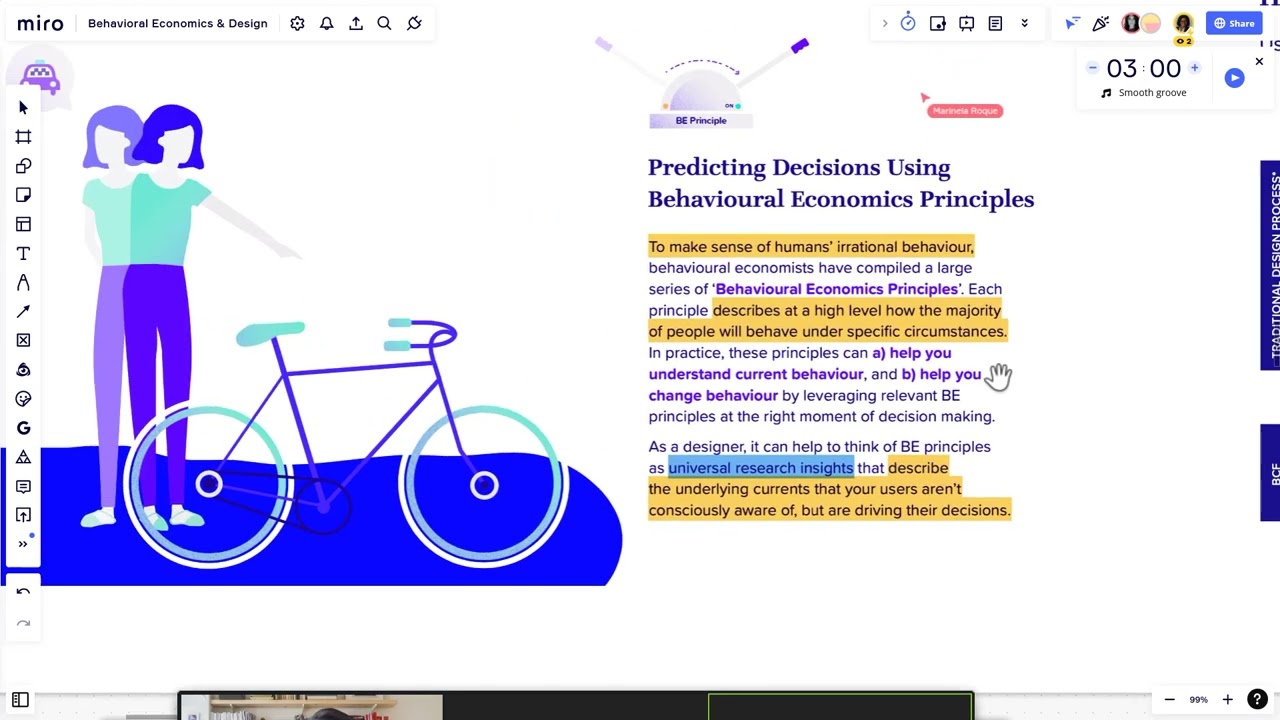


Nudge theory, developed by Richard Thaler and Cass Sunstein, explains that people often make suboptimal decisions due to psychological biases such as anchoring (over-relying on initial information), availability bias (overestimating likelihood based on memorable examples), and representativeness heuristic (assuming stereotypical cases are more common). A nudge is defined as a subtle change to the environment where people make choices that gently pushes them toward better decisions without restricting their options. Effective nudges include setting defaults (like automatic organ donation enrollment) and narrowing the field of choices to reduce overwhelm. The ethical framework of libertarian paternalism argues that since people will inevitably be influenced by how choices are presented, it is preferable to design choices in ways that help people make better decisions for themselves.
Nudge by Thaler & Sunstein: Behavioral Economics Explained
Added:this is nudge this is fudge this is Dutch this is Judge this is nudge welcome back to the channel hey guys welcome back to the channel today we're going to be summarizing one of the most famous books in all of Behavioral Science nudge so if I had to summarize nudge in one paragraph This is what it would be the authors of Nerge argue that people believe it or not don't always make the best decisions for themselves that is because there are many flaws in our psychology that make us choose things that are not necessarily the best for us however by making small changes to the environment that we make those decisions in we can push people to make decisions that are better for themselves and that in essence is a nudge it's a change to the environment where people make a choice that pushes them to make a decision that's better for themselves now in the book Nudge they open with this example of the cafeteria but because I've used the cafeteria example in a previous video let me give you another example which I think is equally easy to understand and that is the supermarket so when you go to the supermarket you may have heard of the phrase eye level is bi-level and that phrase exists because marketers know that items that are placed at eye level in the supermarket kit are more likely to be picked up and more likely to be bought so you can see that whoever decides which items are at eye level can have a significant influence on which items get sold the most and therefore which items people end up using now the reason why eye level is by level works is because of a flaw in our psychology in this case the very simple idea that things that are at eye level are easier to see and easier to reach and in Psychology we know that people are more likely to choose things that are easier to see and easier to reach compared to things that are hard to see and hard to reach so they give many examples of biases in the book that might affect people's decision making let me go through three of them with you here [Music] the first one is anchoring and this is the idea that people tend to over rely on the first piece of information they hear when making a decision an example of this happening was done on a study on fundraising you know like for a charity in this study people were either asked to donate four hundred dollars or five dollars and what the researchers were interested in finding out was whether this initial suggestion would affect the average donation size that people ended up giving and surprise surprise it did have a massive effect in fact what the researchers found was that when people were asked to donate four hundred dollars the average donation was a hundred and forty three dollars but when people were asked to donate only five dollars then the average donation was only twenty dollars what this shows us was that the people being asked to donate to the charity were being anchored on that initial suggested donation amount the higher anchor meant that people had ended up donating more on average whereas the lower anchor meant that more people would donate less on average the nice thing about anchoring is that it's a really clear demonstration about how our judgments aren't perfectly irrational instead our judgments and our decisions are open to suggestion okay so another example from the book about how our judgment and decision making is flawed is the idea of availability bias so this is the concept that we think things are more likely to happen if we can easily remember examples of when they've happened in the past the most simple example of this is when something has happened to you recently because obviously you remember things that have happened to you recently better than things that happened a long time ago so because of this one weird behavior that we see in the insurance Market is people taking out insurance for natural disasters after they've been hit by one of those natural disasters in the book they specifically give the example of earthquakes that after a big earthquake happens sales of earthquake insurance shoot up immediately after the earthquake and then slowly decline over time as the memory of the recent earthquake Fades away now this is a strange Behavior because even though an earthquake just happened recently the frequency of earthquakes hasn't gone up however because this memory of the recent earthquake is fresh people overestimate the likelihood that another one is going to be coming soon and the third example of how our psychology is flawed that I want to talk about in this video is representativeness or representativeness heuristic and this is the idea that we assume things that fit our stereotype to be more common and the example of this is an absolute classic study in behavioral economics Behavioral Science and that is called Linda is a bank teller so this is the classic question demonstrating representativeness Linda is 31 years old she's single outspoken and very bright she majored in philosophy and during her student years was deeply concerned with issues of social justice and actively participated in anti-nuclear demonstrations is Linda more likely to be a bank teller or a bag teller who's active in the feminist movement and most people intuitively think that Linda's more likely to be a back teller active in the feminist movement after all she was so deeply concerned with issues of social justice at University it only makes sense but think about it mathematically it is statistically impossible for that option to be more likely because for her to be a bank teller and active in the feminist movement means she has to meet two conditions whereas in the first option she only has to meet one condition being a back teller so why do we intuitively think it's more likely for her to be a back teller and active in the feminist movement because somebody who's so deeply concerned with social issues during University being active in the feminist movement therefore fits into that stereotype and so we think it's more common so that is why we need nudges as you can tell our psychology our judgment and decision making it's flawed in many different ways so nerds help us push people to overcome these flaws in our decision making and help them make better decisions but how do we actually design one of these nudges well there's many different examples they give in the book I'm just going to give you two of them in this video the first one is an absolute classic and that is default so the idea behind defaults is that we pre-select an option for people in other words they have to opt out if they don't want that option but by default they're opted in in the book they give the example of all good donation because countries who have opt out organ donation in other words by default you're donating your organs have significantly higher rates of organ donation compared to countries where this is an opt-in decision another way to help people make better decisions is to do what the authors call narrowing the field in some decisions we have too many options and too many options can feel very overwhelming in the book they give the example of retirement plans but that's really boring so I'm going to give you the example of Spotify when you go on Spotify does Spotify just show you every single song and then ask you to pick one no because trying to choose a song when you just have a huge list of songs is overwhelming and intimidating so what does Spotify do will they allow you to narrow the field you can filter by album by artist by genre Etc and so by narrowing down the field for you it helps you find the option that's actually what you want in that moment and therefore makes the decision-making process a lot better A lot easier okay so you've now heard about how our psychology is flawed you've learned a couple of ways for us to help nudge people and help them make better decisions but let's move on to the question which I know is on everybody's mind is nudging ethical [Music] so when it comes to the question of is nudging ethical well the authors of the book Richard Taylor and cast sunstein obviously think so the argument that they make in the book is that people are going to be nudged no matter what there is no neutral way to present choices to people that isn't influencing their decisions no matter how you present the options intentionally or not people are going to be nudged towards picking one choice over another somehow so with this knowledge in mind if you're somebody who designs choices you might as well go out of your way to design the choices in a way that helps those people make better decisions for themselves in the book they use this term libertarian paternalism and this is the idea that when you nudge people you don't restrict the choices that are available to them you don't take any options away from what they can choose from instead you just nudge them you gently push them to choose one option over another without restricting their choices and what they argue is that because you're not actually taking any choices away from people that in general this kind of nudging is pretty ethical now feel free to critique that argument or you like in the comments I'm not here to pass the Judgment I'm just here to tell you what it says in the book but what I can tell you is that as somebody who has been working in this industry for several years now almost nobody uses the term libertarian paternalism except for Richard Taylor and cassenstein who wrote This Book it's really just too complicated and not a very catchy term so it just didn't catch on and nobody really seems to like it but if you're watching this video because you want to pretend like you've read nudge but you haven't actually then you should know the term libertarian paternalism in case somebody asks you about it okay so I think that about does it guys that is my summary of nerd if you're interested in reading the book in full which I highly recommend I have a link to it in the description I also have a link to short form so short form is an amazing service that offers summaries of books they're not sponsoring today's video but I am an affiliate partner with them the thing I like about short form is that within a few minutes it helps me remember the key points of books that I've read before without having to read the whole book again it's a really great service if you're interested in signing up use my link in the description because you'll get five days of limited access to the platform as well as an additional 20 off the annual subscription which is otherwise unavailable to you so go check out short form in the description go read nudge as well thank you guys so much for watching and I'll see you next week bye
Up Next
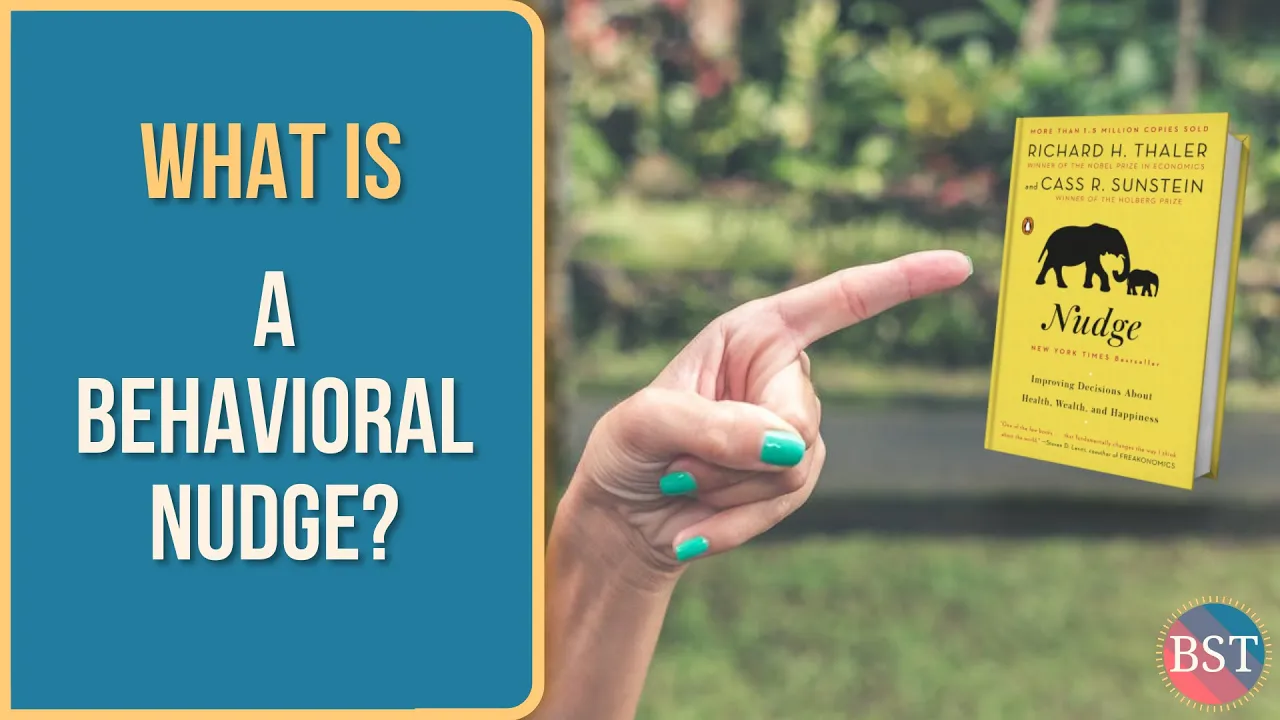
Behavioral Nudge Definition, Examples, and Applications
@BehavioralScience
28.8K views•2021-06-12

Impact of Yuan in Indo-Russian Trade Amid Sanctions
@WION
261.9K views•2022-07-01
Behavioral Economics Explained: Rationality, Nudges, and Risk
@crashcourse
1.1M views•2016-03-12

The Age of Easy Money: Fed & Inflation | Full Documentary
@frontline
21.2M views•2023-03-15
Related Study Plans & Knowledge Roadmaps
Structured learning paths in Economics