

![Unusual Borders (Part 4) [ASMR Maps]](https://i.ytimg.com/vi/J8rL-2A-cco/hqdefault.jpg)




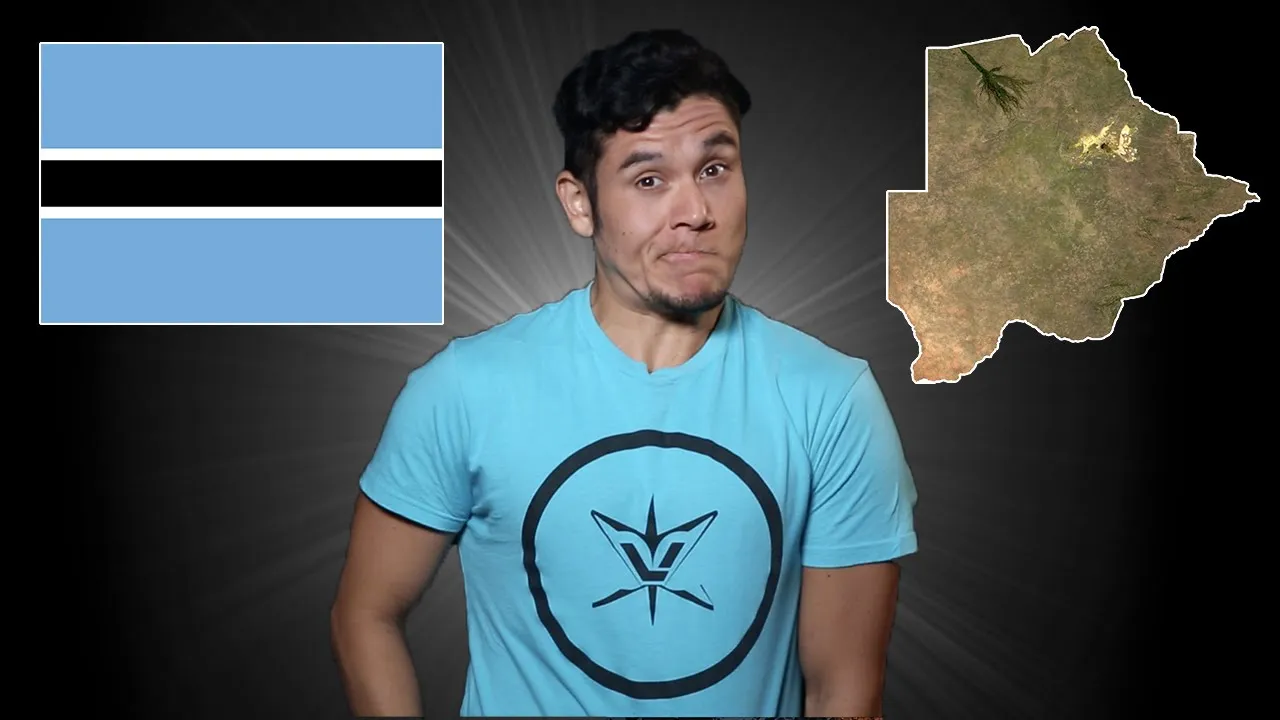



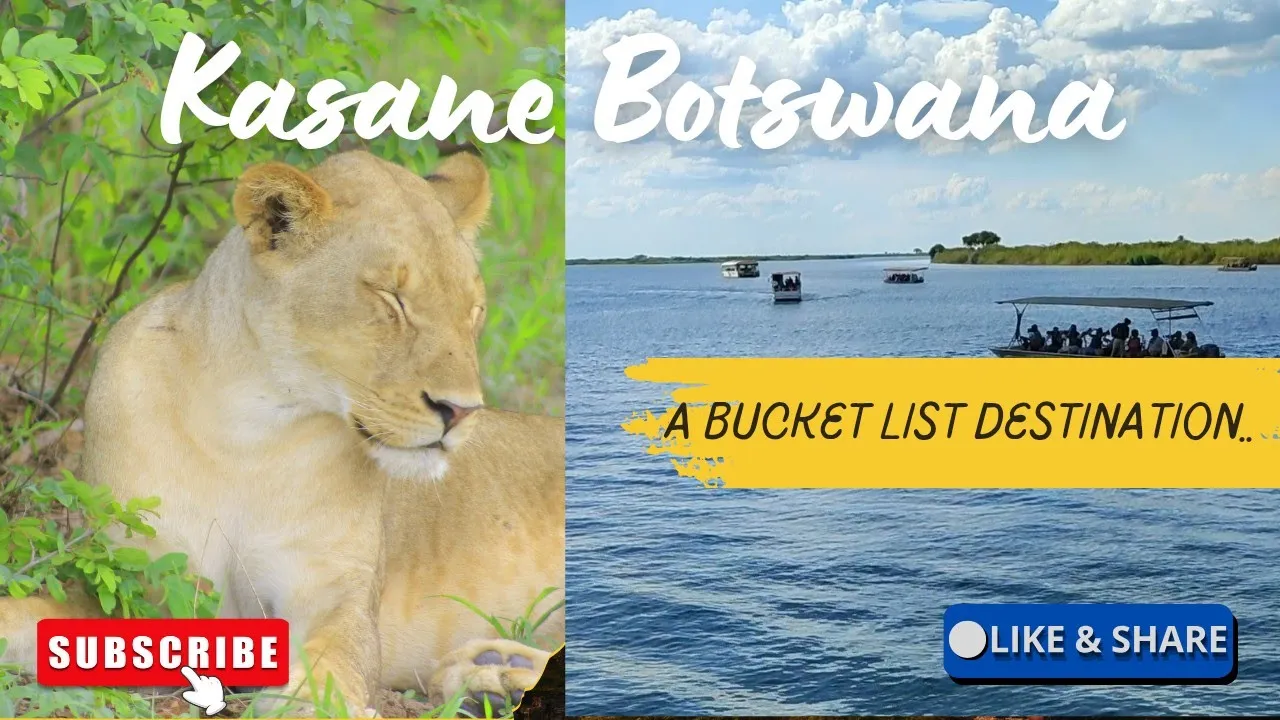
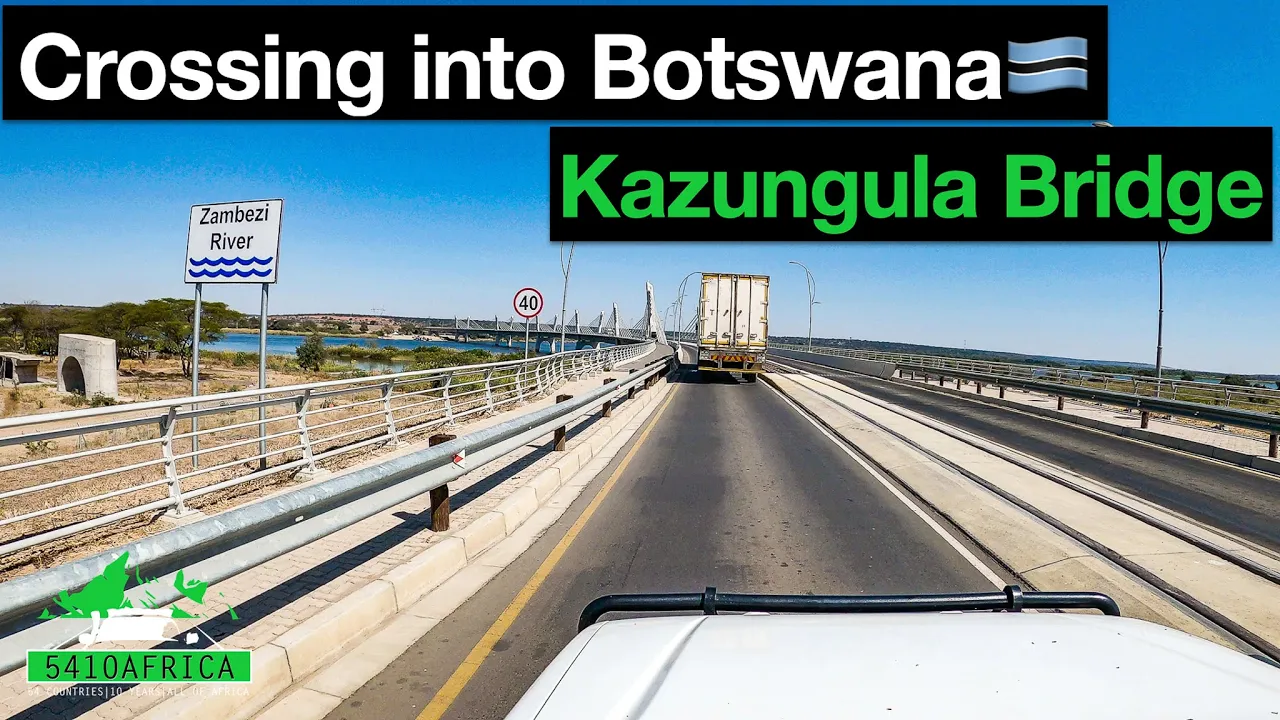
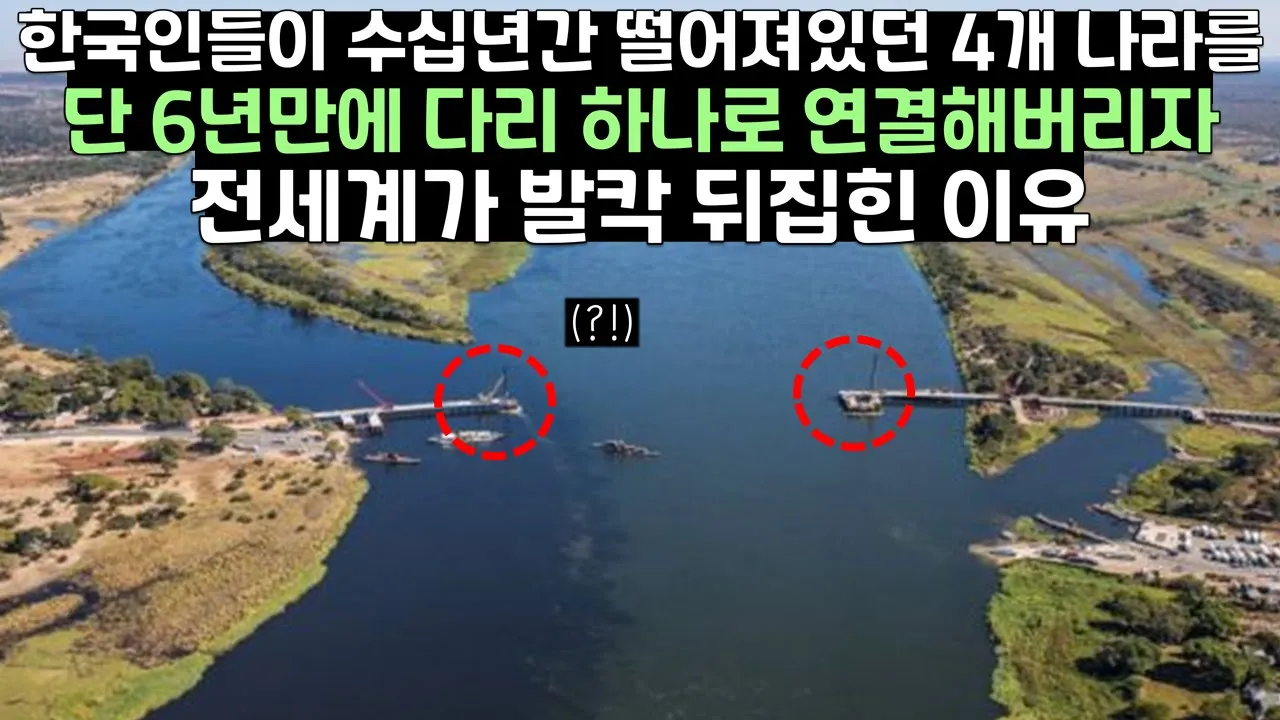
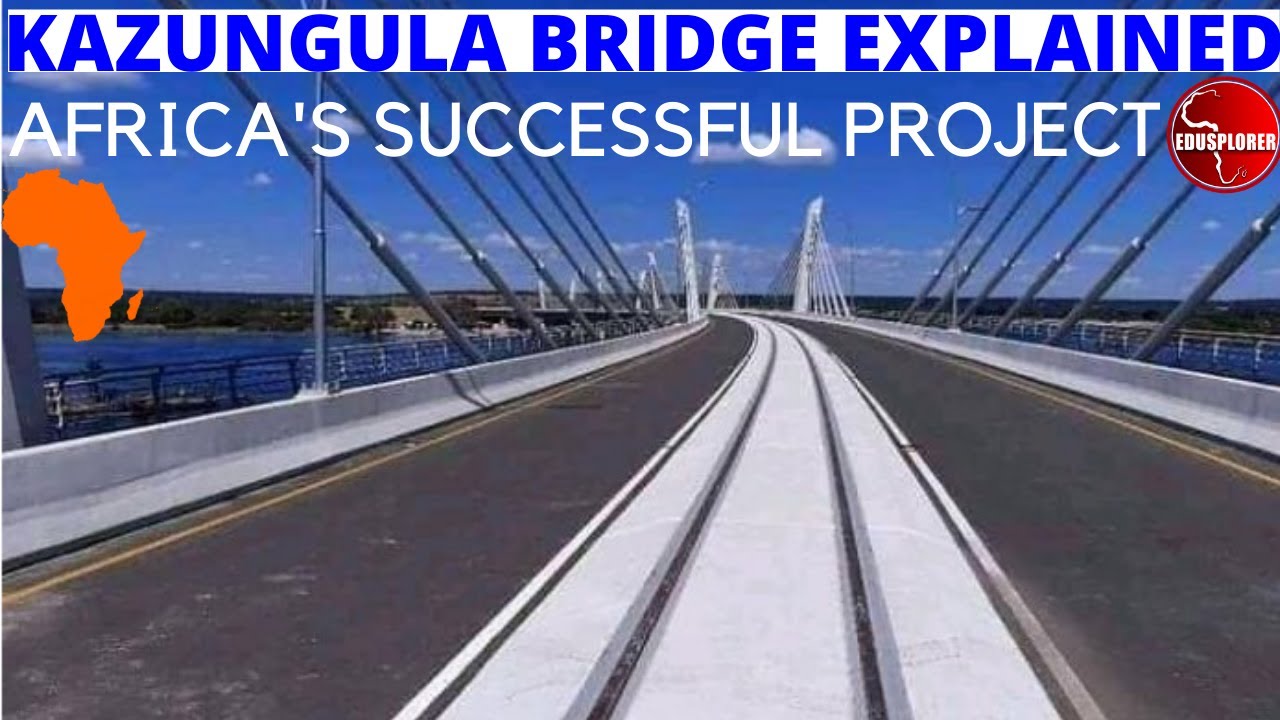






The world's only quadripoint—a geographical point where four nations' borders meet—is located at Kazangula on the Zambezi River in Africa, where Botswana, Namibia, Zambia, and Zimbabwe converge; this unique border configuration resulted from the Berlin Conference of 1884-1885 during the Scramble for Africa, when European colonial powers arbitrarily divided the continent, and today serves as a critical economic corridor for transporting cobalt and other resources between landlocked African nations and global markets.
Understanding the World's Only Four-Nation Border Quadripoint
Added:Basic concepts of political geography, specifically how international borders, tripoints, and quadripoints are defined and mapped.
The historical context of the 'Scramble for Africa' and the Berlin Conference (1884-1885), which shaped the colonial origins of modern African state boundaries.
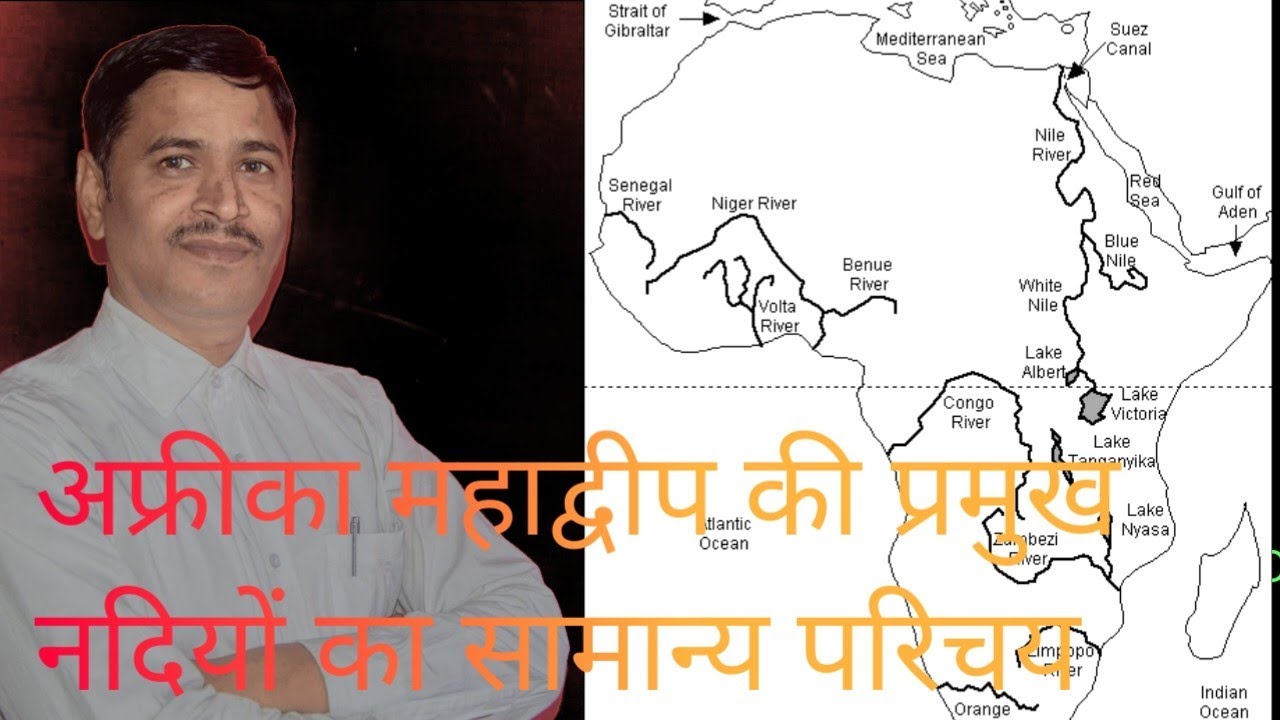
A foundational layout of Southern African geography, focusing on the Zambezi and Chobe river systems.
The basic principles of international sovereign jurisdiction, customs, and how borders impact trade and migration.
An in-depth study of the Kazungula Bridge project, analyzing how engineering and infrastructure resolved a complex geopolitical bottleneck.
Exploration of regional integration frameworks, such as the Southern African Development Community (SADC) and the African Continental Free Trade Area (AfCFTA).
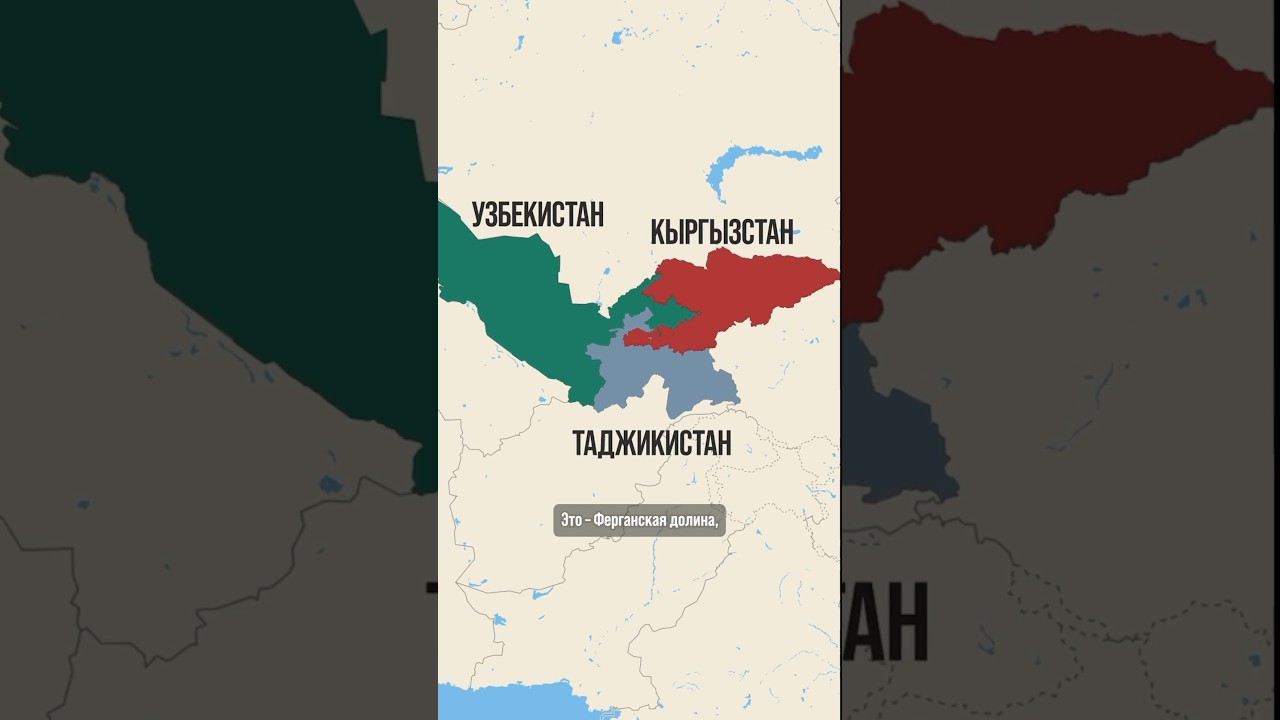
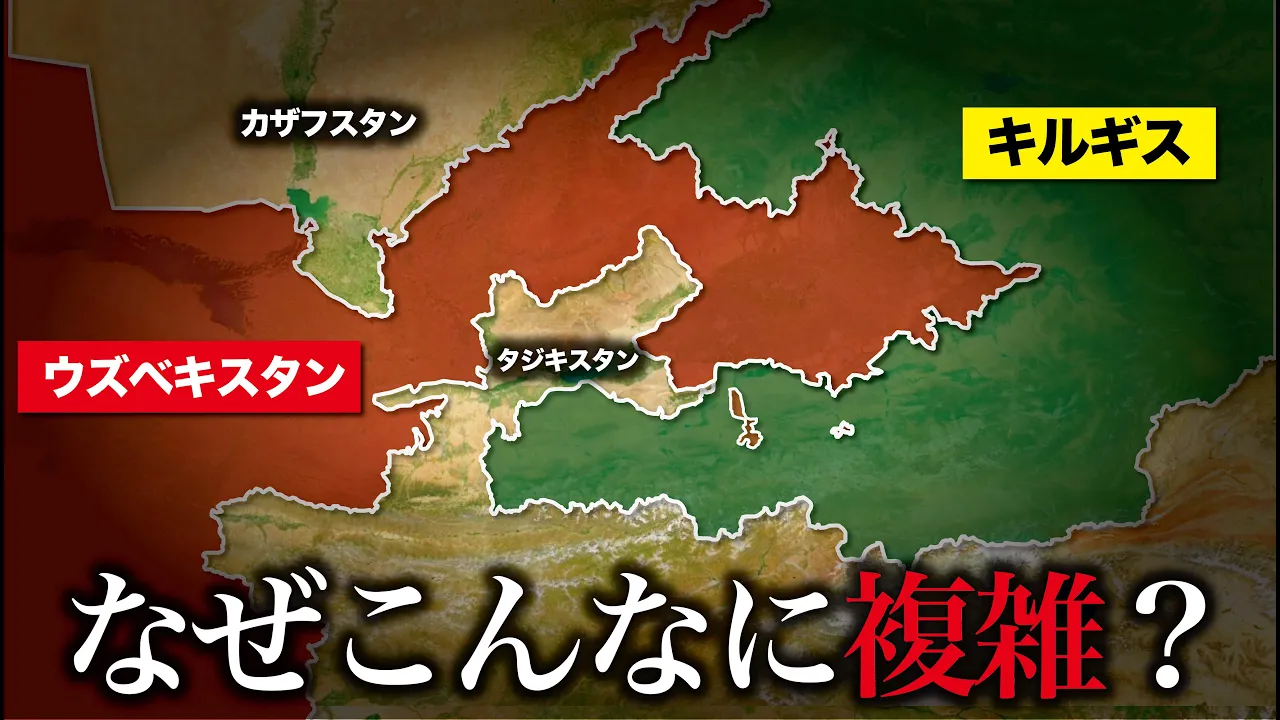
Comparative analysis of other geopolitical anomalies, border disputes, and 'near-quadripoints' globally, such as in the Fergana Valley or the Caribbean.
Advanced topics in borderland studies, examining the socioeconomic realities of communities living in close proximity to multi-nation junctions.
294.7K views6Klikes9:36Original Release: 2021-08-10
when you're traveling overland crossing borders in africa can get pretty interesting you never know what you're going to get but there's one border in particular that is unique not only in africa but in the entire world the story about how this border came to be is pretty crazy and it's still unfolding so let's take a look [Music] this is the great mossi a 1700 meter long wall of water on the great zambezi river on the border between zambia and zimbabwe in 1855 the famous british explorer david livingston became the first european to lay eyes on it he dubbed it victoria falls after his beloved queen and since then it's captured the imagination of travellers around the world this place is insane it pumps water so hard that it creates a miss plume that you can see from kilometers away this is why it has the name or atunya which means the smoke that thunders so there's a tiny bridge here that connects zambia and zimbabwe and it's a great place to see the falls probably one of the best border crossings in the world but it's not the border crossing we're talking about today one hour's drive west lies the tiny town of kazangula here lies the border crossing between botswana and zambia have this footage of me and my friends crossing this border in 2018.
we're getting on the barge great zombies at the time the only way to cross this border was by taking a sketchy pontoon ferry well crossing a border by ferry is an experience in and of itself what's really special is that when you get to the middle of the river you find yourself in a geographical novelty the only place where you can be between four countries at the same time this is a four nation quadrant point and at the moment it's the only one in the world a quadra point is a spot in the map where four borders meet you get many different types of quadro points that separate municipalities or states or provinces or parishes but there's only one quadra point that separates four nations so let's go back to that footage that i took in 2018 right now we're in botswana beyond that bridge is namibia on the other side of the river lies zambia and that little island over there belongs to zimbabwe when you zoom out on the map trying to figure out just what is going on here you'll notice something seems a little bit off especially with namibia it kind of looks like namobia is trying to do the reaching yawn with botswana at first i was like okay cool namibia wants to get in on that mosi or tonya action you know have a giant tourist attraction within its borders but then when you zoom back in you'll see that namibia misses the waterfall by less than 100 kilometers so what is going on here why does this border exist so i went on to a little bit of a deep dive and unfortunately the answer has to do with colonization and a little piece of history called the scramble for africa in the 1870s a bunch of european countries were trying really hard to become colonial superpowers they were all going at it so ruthlessly that people were afraid that a war would break out if someone accidentally claimed a territory that belonged to someone else so in came otifan bismarck he was chancellor of the german empire which means he was the second highest authority besides the german emperor at the time this guy saw the potential for catastrophe so he organized what was called the conference of berlin he invited 13 european nations plus the usa to his fancy hall in germany where they could discuss how they would divide the continent up amongst themselves without having to shed unnecessary european blood and so this handful of powerful deluded men proceeded to play trading games with the memphis of africa yeah sure i will invade africa come in me too africa africa after about a year of this they ended up with a map that looks like this the problem was that none of the colonial powers were satisfied with this most of them wanted territories that stretched from one side of the continent to the other that would give them faster trade routes across the globe and more geographical power britain was by far the most ambitious they wanted to claim a stupid big piece of land that connected cape town to cairo so that they could dominate from north to south most of the other countries like france portugal and germany wanted territories that connected the atlantic to the indian ocean to create an alternative to having to sell around the entire continent suffice to say nobody got what they wanted everyone kept having wars and trying to make treaties so that they could try and get better territories for themselves by 1890 otto was over the idea of being a colonial power his plans to connect his territories were not working out germany had cameroon and tanzania the land to connect those two was owned by king leopold ii of belgium who by the way claimed it as his own personal property not as a territory of his home country and he was pretty dead set on keeping it for himself germany also had this piece of land called southwest africa but otto hated it to him it was basically a giant stretch of desert with few resources and no strategic value arta allegedly said that this territory was a burden and an expense and he wanted to settle someone else up with it they tried selling it to britain who were like no thanks so in an attempt to make southwest africa worthwhile germany entered into the illegal and zanzibar treaty like most treaties of its kind it's horribly complicated and involved but the biggest things on the agenda was this britain asked germany to let them take what was then the sultanate of zanzibar which was right next to germany's territory in tanzania in exchange britain would give germany this little island north of its own coast called illegal land and this little strip of land here so the reason germany was keen on this little piece of land was because it borders the zambezi river which connects to the indian ocean and maybe just maybe would make southwest africa strategically useful to germany okay wait remember that giant waterfall the mighty morsi ortonia and remember how we said david livingston saw it in 1855 britain knew that this waterfall existed and they knew that germany would in fact not be able to sail down the zambezi river which means germany got played meanwhile the new german chancellor leo von capri is so proud of this new piece of land that he names it after himself the caprivi strip which would connect german africa to the indian ocean and pave the way to prosperity eventually they realized that they made a mistake they tried to trade the land back to britain who were like no take backs and so the map of german south west africa was stuck with this weird appendage after two world wars being owned by south africa and the people of namibia gaining independence caprivi became a permanent part of namibia which leaves us with this crazy border here today in the last 50 years there's been various border disputes that turned it from being a true quadra point into two tripoints that meet together here to form a border between botswana and zambia but this little line is so tiny that it's basically still a quarter point it's still a quadra point while germany regretted creating this border it's actually super important to botswana and zambia these countries are both landlocked and this border is one of the only corridors to send goods up and down the african continent this border is also a bottleneck for one of the 21st century's most sought after resources cobalt every piece of tech that you own from your cell phone to your laptop anything that has a lithium battery is reliant on cobalt and the best place in the world to get this cobalt is here in the democratic republic of congo but because most of these african nations struggled to build infrastructure after gaining independence the fastest way of getting this cobalt out of africa and into the rest of the world is by getting it to this harbour here in durban south africa so a lot of this cobalt as well as a lot of other things that are going in and out of africa has to go through this border since the 1880s the main way of getting across the river has been via ferry in the 1960s the ferry got upgraded to take container trucks but it still wasn't enough so much stuff had to get across this border that truck drivers would wait up to 10 days to get onto the ferry to make things worse this river is teeming with crocs and hippos so in 2013 zambia and botswana made a deal to build a bridge across this river with some help from japan yep japan you know they need their cobalt the bridge finally opened in may 2021 which is kind of a big deal a major bottleneck on the african continent has been unblocked and people looking to travel overland don't have to risk their lives on a sketchy ferry anymore as for the ferry botswana said they would repurpose theirs for tourism so hopefully we'll still be able to experience a ferry crossing on the great zambezi river in the future so that's my story about this crazy border and it's sketchy theory i hope you enjoyed learning about it as much as i did if your curious travel brain needs more to tune be sure to check out brighttrip.com we have a growing library of skill based and travel courses that will help you prepare for your next trip or even just learn more about the world around you [Music] you
Up Next

61:22
TypeScript Game Engine: Canvas Renderer & Game Loop Implementation
@CodingButter
459.2K views•2025-10-15

12:54
Triumph of Orthodoxy Icon: Byzantine Art & History Explained
@BenCallan
2.1K views•2024-08-06

9:49
FastAPI vs Flask vs Django: Choosing the Right Python Web Framework
@TechWithTim
302.5K views•2024-05-26

1:42
Game of Thrones Opening Credits: A Cinematic Analysis
@gameofthrones
46.3M views•2011-04-18
Related Study Plans & Knowledge Roadmaps
Structured learning paths in General & Interdisciplinary Studies
general-studies
Elevator Engineering: History, Physics & Cities
01From Hoists to Safety Brakes: The Dawn of Vertical Lift
02Hydraulic vs. Traction: The Engineering Physics of Elevators
03Modern Speed, Safety, and Algorithms
+ 2 more learning modules
12h5 modules
Explore Roadmap
general-studies
Rubber: Material Science, History & Geopolitics
01Origins of Natural Rubber & Mesoamerican History
02The Chemistry of Natural Rubber & Vulcanization
03The Geopolitics of the Rubber Boom & Colonization
+ 2 more learning modules
12h5 modules
Explore Roadmap
general-studies
Containerization: Evolution, Logistics & Trade
01Ancient Trade & Bulk Cargo: Amphorae to Barrels
02The Industrial Revolution & Cardboard Packaging
03The Containerization Revolution: Malcom McLean
+ 2 more learning modules
12h5 modules
Explore Roadmap
general-studies
Textile Tech: Evolution, Labor & Global Impact
01Pre-Industrial Textiles: Handloom & Cottage Industry
02Mechanization: The Spinning Jenny to the Power Loom
03The Factory System & Global Labor Transformation
+ 2 more learning modules
10h5 modules
Explore Roadmap