



















Forward swept wing design in eVTOL aircraft improves aerodynamic efficiency by directing airflow inward toward the wing root, which maintains effective aileron control during stall conditions and reduces tip vortices, enabling quieter and more energy-efficient vertical flight operations.
Kitty Hawk Heaviside: Engineering of a Personal eVTOL
Added:Basic aerodynamic principles of lift, drag, thrust, and weight, including standard wing geometry.
The fundamental concept of eVTOL (electric Vertical Takeoff and Landing) aircraft and how they differ from traditional rotorcraft and fixed-wing planes.
Principles of electric propulsion, including battery power-to-weight ratios and brushless motor efficiency.
Basic flight mechanics, specifically the transition phase between vertical hover and forward cruise flight.
Advanced aeroelasticity and the structural divergence challenges unique to forward-swept wing designs.
Aviation certification standards and regulatory pathways (such as FAA and EASA regulations) for novel eVTOL architectures.
Acoustic engineering and noise-reduction technologies crucial for urban air mobility (UAM) acceptance.
Autonomous flight control systems and redundant fly-by-wire architectures designed for urban airspace integration.
224.4K views3.1Klikes9:16Original Release: 2021-10-08
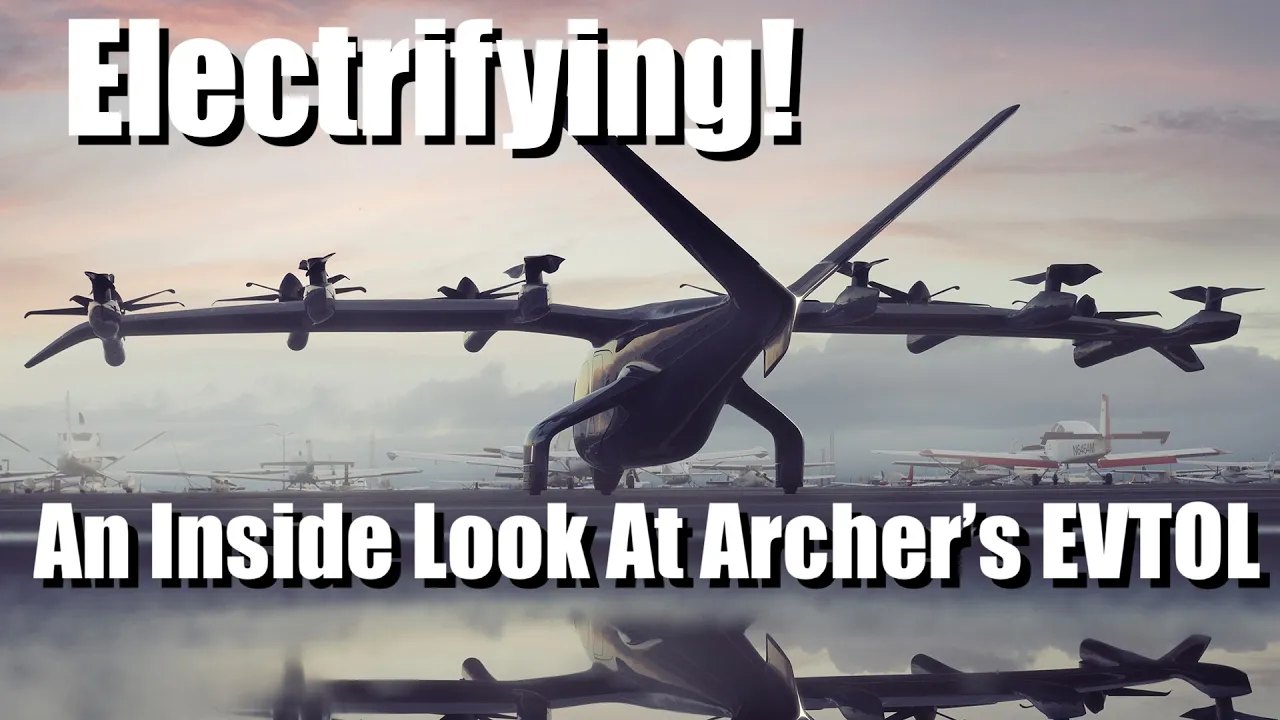
This aircraft can travel at 180 mph and has two and a half times the range of opener's blackfly. It also uses less than half the energy per mile of travel than a Tesla Model S. It is fully electric and of course it can take off and land vertically. It is Kittyhawk's most advanced EV tall vehicle yet. Heavy side. In this video, I will explore the technology behind it. What are the pros and cons of this aircraft and how it compares to the most market ready personal EV tall aircraft at the moment, Blackfly?
Aimed after the legendary English engineer Oliver Heavyside, this single passenger vehicle was first deployed in 2019 by Kittyhawk. The most stunning characteristic of this aircraft is its efficiency. It has an energy consumption of 130W hour per mile, which is less than half the energy consumption of a Tesla Model S. It can travel 100 m on a single charge. In comparison to other EV talls, the consumptions per passenger mile are Opener's Blackfly 245W per mile. Joby S4 156 watt hour per mile. The Lilium jet 218w per mile and has referenced the Tesla Model S 270W per mile.
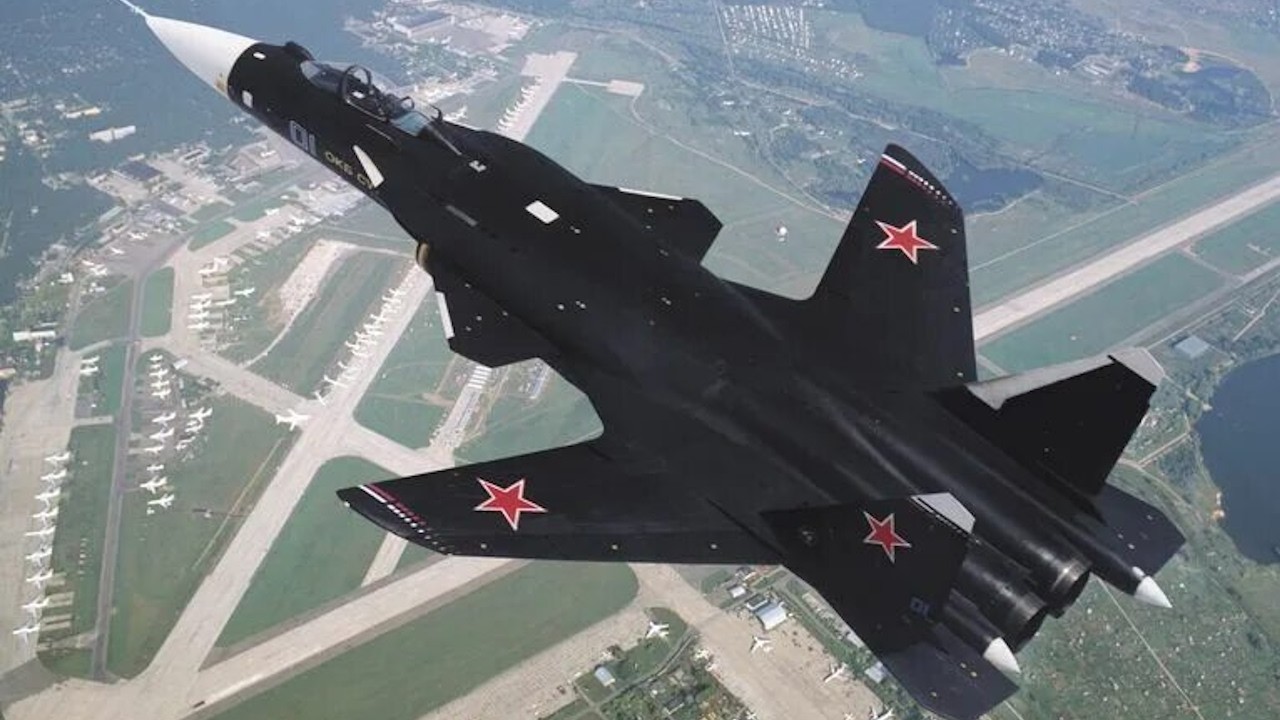
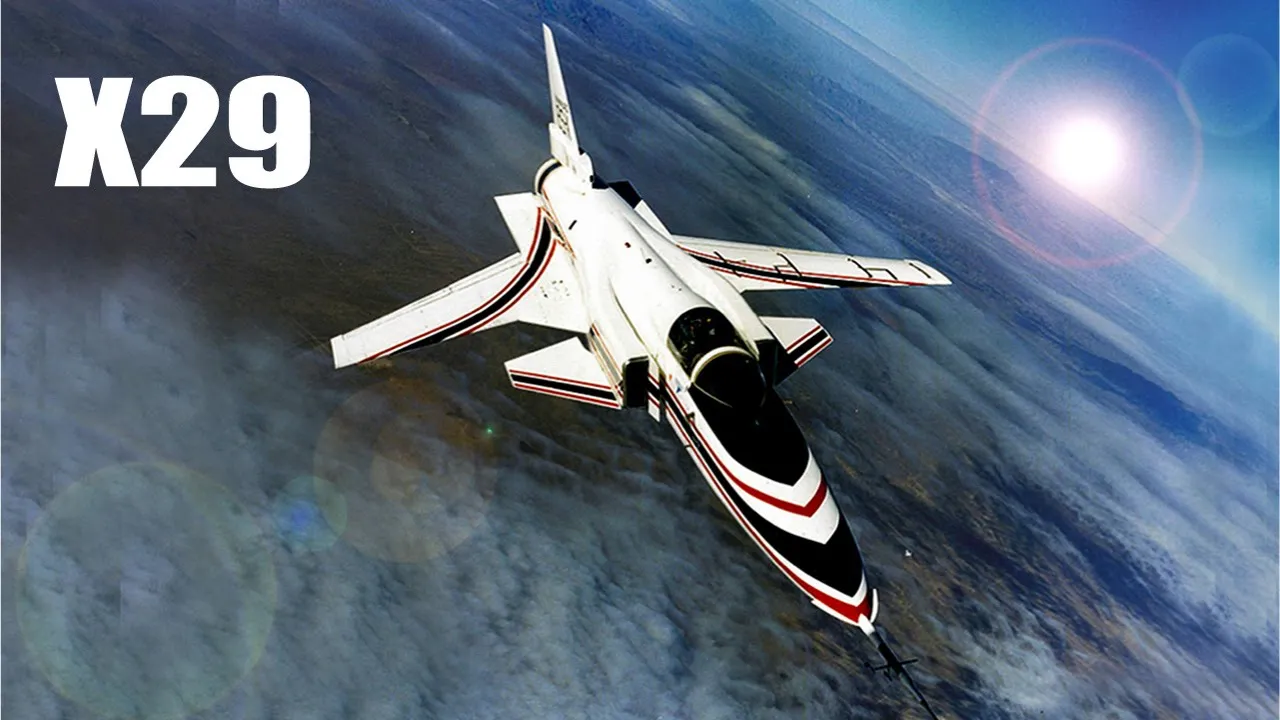
Heavyside remarkable efficiency can be attributed to its low drag shape and particular forward swept wing design. So with this aircraft, the first phase of flight is hover. It can take off vertically and then you can push the stick forward and it will transition to a forward flight mode in which lift is provided by the wing and the propellers are just providing a little bit of thrust. The pylons being built into the back of the wing, it means that we can take that boundary layer that builds up on the wing and we can drag it out over that pylon. We can partially hide that pylon from additional drag. So it makes an incredibly efficient airframe in crews. This not so common wing configuration in traditional aircraft improves maneuverability at low speed and raises the maximum lift coefficient allowing a smaller wing. For instance, in a conventional swept wing aircraft, the span-wise flow tends to move towards the rearmost end of the wing. This disrupts the air flow near the tip of the wing. As a result, the dangerous tip stall condition could make the ailerons ineffective.
On the other hand, in a forward swept wing configuration, the air flows inwards and allows full ailering control despite the loss of lift. Also, winged up vortices and the accompanying drag are reduced.
The fuselage acts as a very large wing fence. This raises the maximum lift coefficient and improves efficiency.
In this video of an experimental forward swept wing aircraft, we can see how the stall condition develops first near the root of the wing.
This helps to ensure effective ailerent control.
Two of the drawbacks of forward swept wings are yaw instability and the increased chance of divergence at high speed.
An impressive aspect of this personal EV tall is its nearly undetectable noise emission. Heavyside flies at a sound level of just 35 dB at 1,500 ft of distance and 60 dB when taking off or landing.
35 dB is actually so quiet that with just the breeze blowing through this valley behind me, uh we would not be able to measure the sound from the aircraft.
This is possible by the utilization of eight tilting rotors, six on the wings and two on the cannards.
[Music] [Applause] [Music] [Applause] [Music] As I explained in some of my previous videos, the use of a tilt bolt rotor architecture gives the engineers an extra degree of freedom when designing the propeller. In this case, Kittyhawk opted for a three blades and8 m propeller configuration. What's so cool about these main wing propellers is that they are stuck behind the wing. And so when we take off and we start to transition, the air is pulled over the wing and down into the propellers, keeping the air attached. So even at very low transition speeds, the aircraft is extremely stable. There's very little turbulence or buffeting and it's extremely efficient because the wing is working to its fullest extent actually a little bit more than what was possible without the propellers and the propellers are working to their maximum extent. This type of propeller couldn't be used for a lift and cruise architecture type of aircraft. For example, the E-Hang VT30 uses narrow two blades propellers. They are good at minimizing aerodynamic drag during cruise flight but terrible in terms of noise emission due to high tip speeds.
in heavy side case for takeoff, hovering and landing. The rotors tilt down and then transition to a horizontal position for the cruise flight phase.
Another company using this configuration is Joby Aviation which recently started working with NASA acoustic experts to measure the footprint of their aircraft.
This is a great step uh working towards uh better understanding noise in general from these uh this new vehicle class.
This seems to validate the tiltrotor architecture as one of the most successful EV tall configurations in terms of noise emission for widespread adoption in urban areas.
[Music] This aircraft has eight propellers.
You can lose any propeller and it still has the thrust to do hover, takeoff, and landing. Now, let's say you lost both of these motors out here on the wing. it would still because of the efficiency of how the wing and the propellers work together, it would still have the thrust to land at about 30 knots in a run-on landing. So, not only do we handle like a single failure, we can handle multiple failures of systems and still have an aircraft that can safely get on the ground.
Heavyside is also equipped with a custom aircraft recovery parachute as a supplemental safety system. With the flight computer, we can make it respond even better than a human pilot could to failures. And that reduces pilot workload and it makes it so that pilots are safer. And the pilot just is decision maker. They don't have to do a bunch of stuff on top of that. They don't have to learn 20 different failure modes to handle. They are just a decision maker at the end. Heavyside autonomous capabilities allow Kittyhawk engineers to push the aircraft to its limits and simulate multiple systems failures during real flight before a human pilot steps in.
Heavyside represents one of the largest achievements in demonstrated range and speed in the entire EV tall market.
Any number that we claim is from flight test. We have put a huge focus on demonstrated performance and demonstrated capabilities.
Kittyhawk's heavyside top speed is 180 mph, while Opener's Blackfly has a cruise speed of only 80 mph.
In terms of range, Heavyside can cover 100 m with only one charge, whereas Opener's aircraft can do 40 miles.
Heavyside not only delivered on the performance that we thought we would see uh in design, but we did quite a bit better. We expected about a 75 or 80 mile useful range out of this vehicle.
And we were a little conservative in our estimates of aerodynamic performance.
And so when we got out to the test field and we were able to show how low our energy use was and demonstrate 100 mile flights while holding significant reserves, we were we were blown away. We didn't think that was going to be possible.
Unlike Blackfly, heavyside doesn't fit into the ultralight category. And although this is a fully autonomous aircraft, some kind of license will be required to be able to fly it. This factor will greatly limit the market and applications of this personal EV tall.
The price hasn't been disclosed yet, but due to its particular eight tilt rotor architecture, we can conclude that it will be easily above $100,000.
Unlike Blackfly, where the rotors are fixed to the wings, the tilting mechanisms on heavy side add complexity and increase production costs. Kittyhawk was recently awarded an airworthiness approval by the US Air Force and now enters the next phase of flight tests that aim to explore the attributes of heavyside aircraft and its potential utility for both military and commercial use cases. The same billionaire is behind Heavyside and Blackfly projects.
And for a more in-depth analysis of opener's blackfly design, you can watch this
Up Next

58:05
Intelligent Control for Fixed-Wing eVTOL Aircraft | Dr. Xichen Shi, Caltech
@galcitmedia800
256 views•2021-01-28
30:32
Ultrasonic Transducers: Resonant Frequency Measurement and Horn Design
@imajeenyus42
229.9K views•2017-02-22

54:16
Polymer Environmental Degradation: Mechanisms & Stabilization
@iit
1.8K views•2012-07-10
33:39
How a Student's Question Saved a NYC Skyscraper from Collapse
@veritasium
22.8M views•2025-04-26
Related Study Plans & Knowledge Roadmaps
Structured learning paths in Engineering
engineering
Building Acoustic Levitators: Physics & Arduino
01The Physics of Sound and Standing Waves
02Piezoelectric Transducers and H-Bridge Drivers
03Arduino Programming: Generating 40 kHz Signals
+ 2 more learning modules
14h5 modules
Explore Roadmap
engineering
Building Peltier Cloud Chambers: Particle Tracks
01Cosmic Rays & Cloud Chamber Physics
02Thermoelectric Cooling (TEC) Fundamentals
03Custom Liquid-Cooling Loop Design
+ 2 more learning modules
18h5 modules
Explore Roadmap
engineering
Yagi-Uda Antennas: Modeling, Build & VNA Test
01Introduction to RF and Antenna Fundamentals
02Yagi-Uda Antenna Design Principles
03Antenna Modeling and Simulation in 4NEC2
+ 2 more learning modules
18h5 modules
Explore Roadmap
engineering
ECG Monitor Design: Op-Amps, Filters & Noise
01Electronics & Breadboard Basics
02Op-Amps and Instrumentation Amplifiers
03Bioelectricity and ECG Fundamentals
+ 2 more learning modules
18h5 modules
Explore Roadmap