




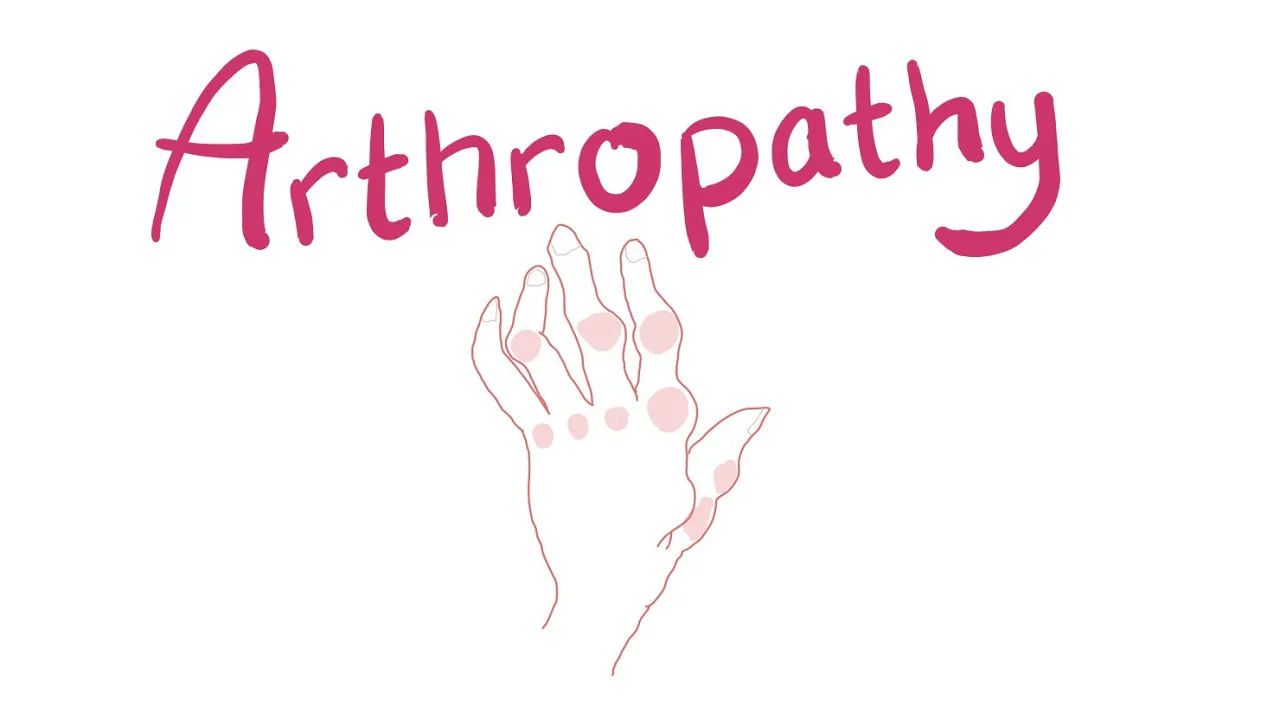







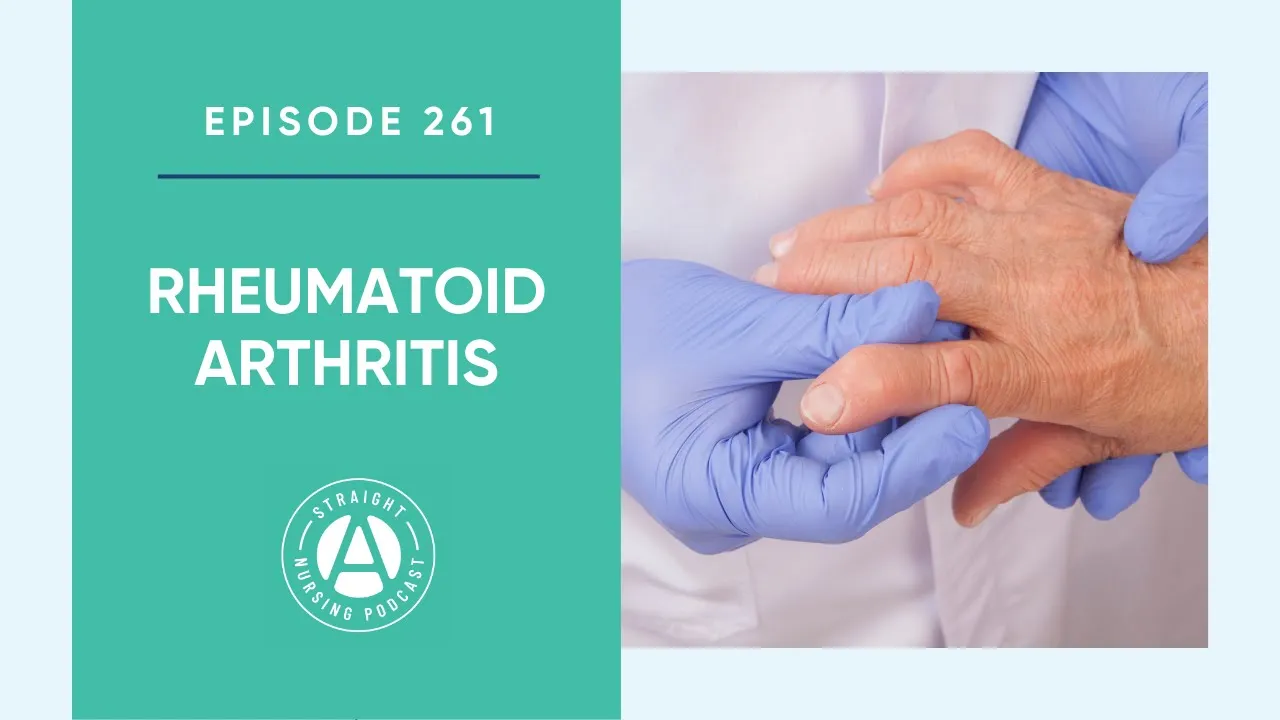
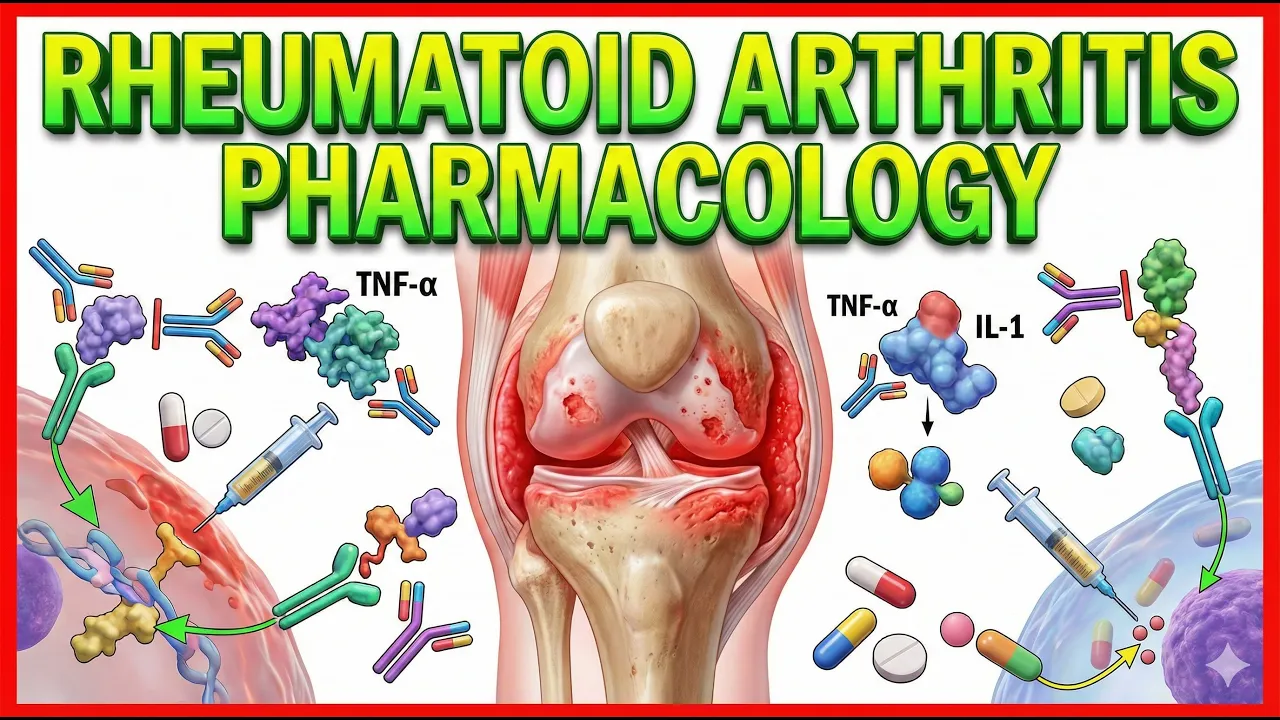














Rheumatoid arthritis is an autoimmune disease causing chronic joint inflammation, typically affecting individuals aged 30-50, more prevalent in females, with symmetrical small joint involvement, systemic symptoms, and characteristic features like panus formation, erosions, and elevated inflammatory markers; in contrast, osteoarthritis is a degenerative joint disease characterized by cartilage breakdown, primarily affecting elderly individuals over 50, with asymmetrical large joint involvement, minimal systemic involvement, and features like osteophytes, subchondral sclerosis, and loose bodies, with normal laboratory findings.
Rheumatoid Arthritis vs Osteoarthritis: Key Differences
Added:Anatomy and physiology of a normal synovial joint, including the roles of articular cartilage, the synovial membrane, and synovial fluid.
Basic concepts of immunology, specifically the mechanisms of autoimmune diseases and chronic inflammatory responses.
General terminology used in joint pathology, such as synovitis, osteophytes, morning stiffness, and systemic vs. localized symptoms.
The biomechanical principles of joint wear-and-tear and how mechanical stress affects cartilage over time.
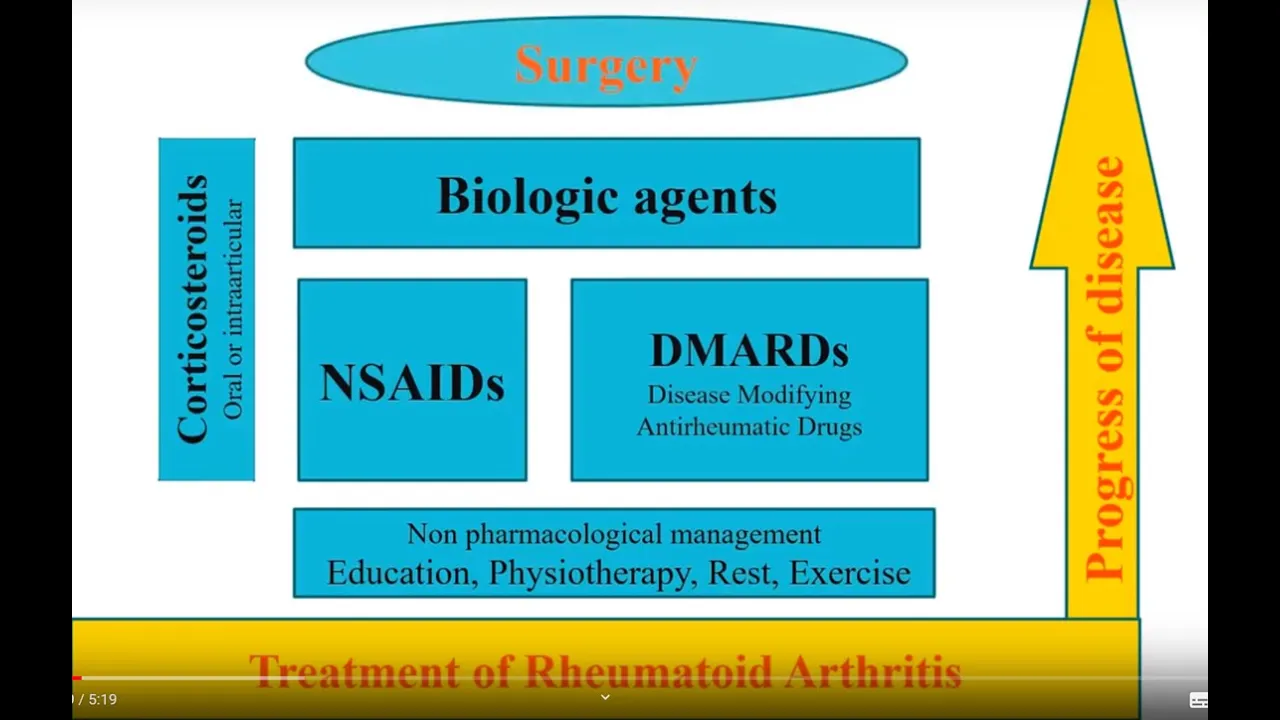
Pharmacological management strategies, contrasting DMARDs and biologics for RA with localized pain management and NSAIDs for OA.
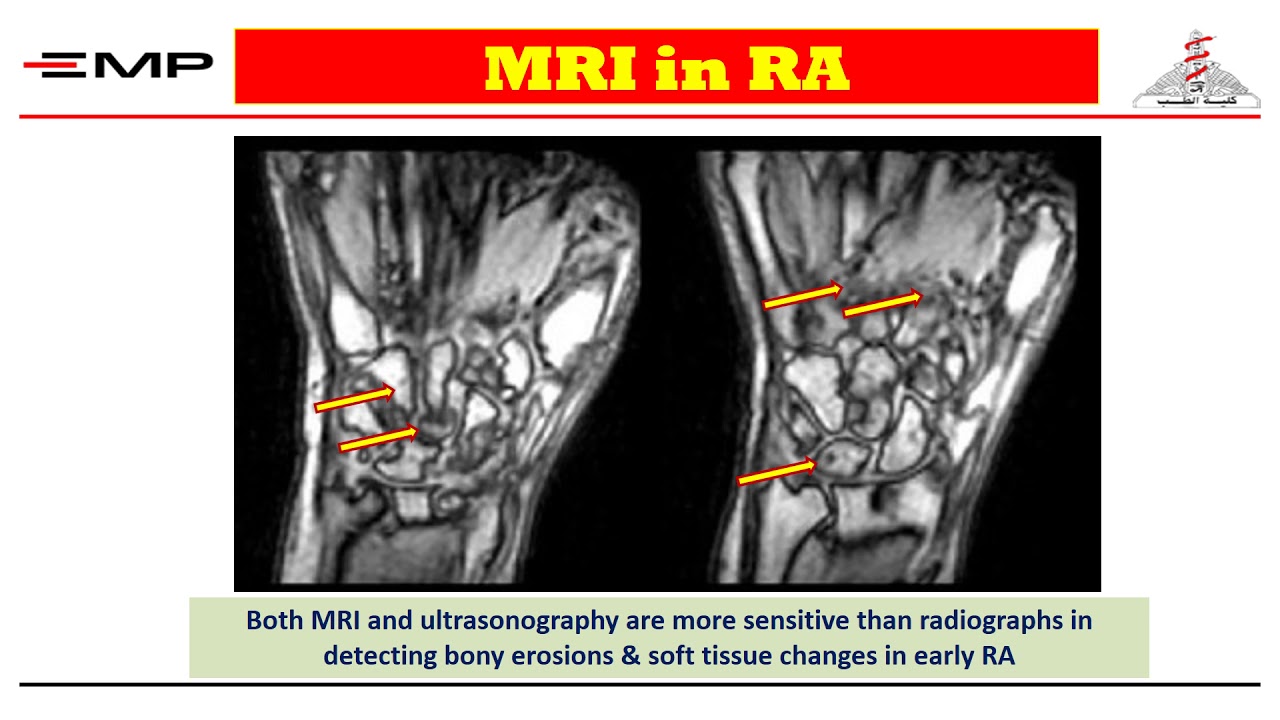
Advanced diagnostic criteria, including the ACR/EULAR classification criteria for rheumatoid arthritis and radiographic staging of osteoarthritis.
Surgical interventions for end-stage joint disease, such as arthroplasty (joint replacement) and joint fusion.
Differential diagnosis of other arthropathies, such as gouty arthritis, psoriatic arthritis, and ankylosing spondylitis.
Extra-articular manifestations and systemic complications associated with chronic rheumatoid arthritis, such as cardiovascular and pulmonary involvement.
9.5K views254likes11:23Original Release: 2024-05-28
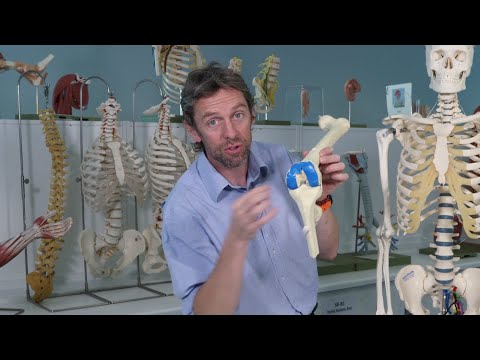
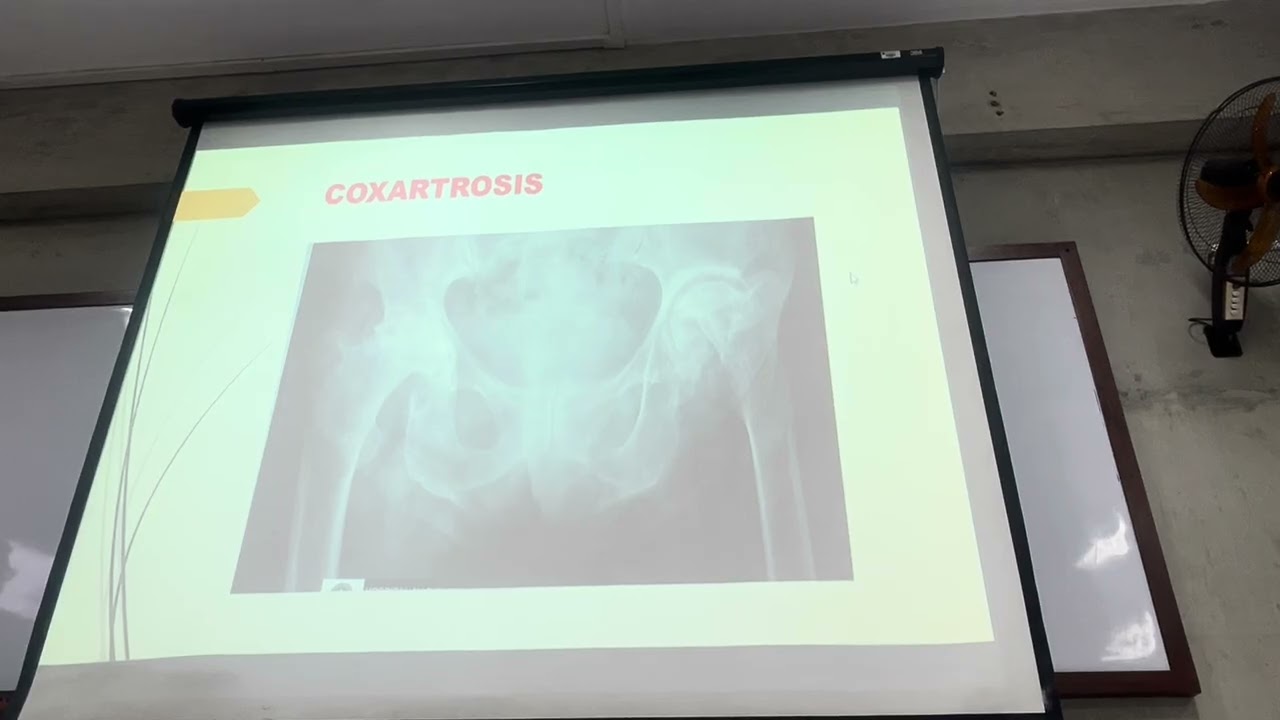
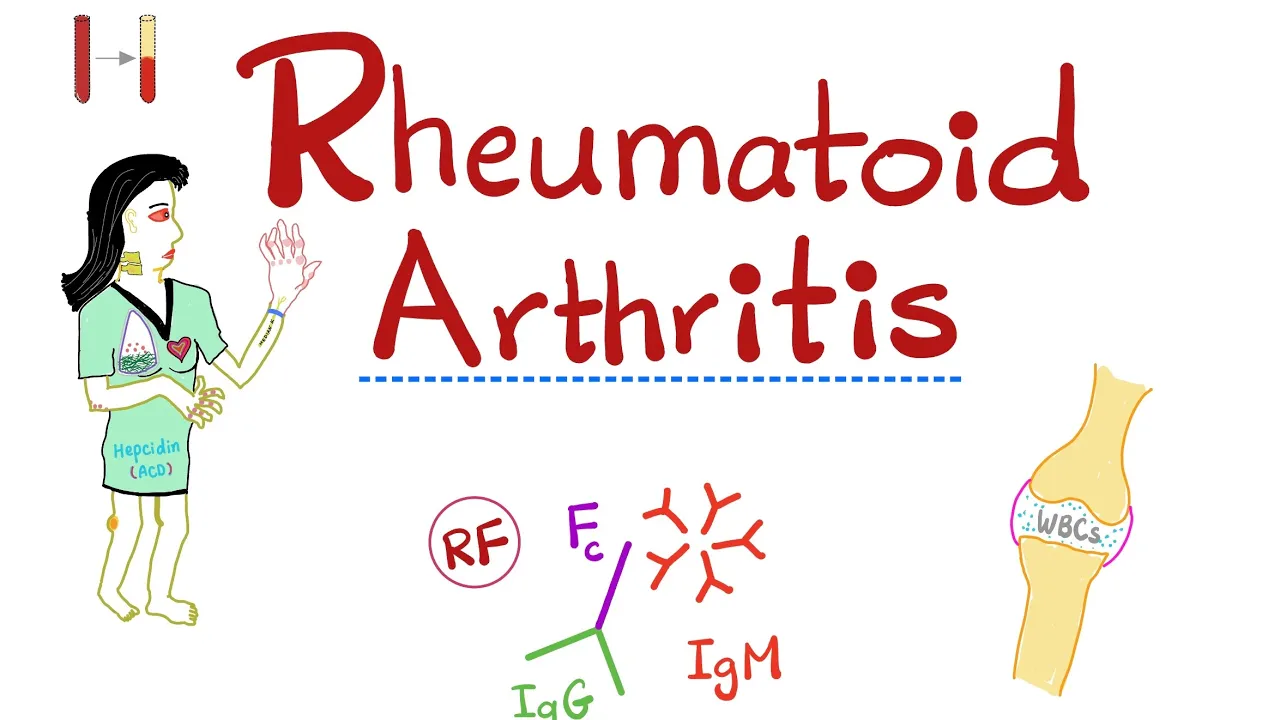
hi everyone welcome back to this short tutorial from pathology Made Simple at iow pathology.com and supported by this amazing AI study tool called violia so this is in continuation with the autoimmune diseases series we were studying about rheumatoid arthritis right once we have understood the concepts of rheumatoid arthritis it's very important for us to differentiate rheumatoid arthritis from another important joint disease called osteoarthritis so in this session let's see the differences between rheumatoid arthritis and osteoarthritis firstly uh what is r arthritis we all know that this is an autoimmune disease which causes chronic inflammation of the joints whereas osteoarthritis is a degenerative joint disease which is characterized by the breakdown of cartilage and degeneration of cartilage age see the basic difference between these two is one is autoimmune disease another is a degenerative joint disease age of onset it commonly affect TR arthritis commonly affects individuals between 30 and 50 years whereas osteoarthritis is more of a disease of elderly individuals older adults typically over 50 years of age more prevalent in females the autoimmune disease R arthritis being an autoimmune disease is more prevalent in females whereas osteoarthritis affects both the genders equally but slightly more common in women so when it comes to pathogenesis we have understood that rheumatoid arthritis is basically an autoimmune response which is triggered by genetic and environmental factors right so when I say genetic factors it is genetic component the strong genetic component is associated with hb1 Gene and then there is activation of T cells and B cells by VAR environmental factors leading onto production of Auto antibodies right and the most important mechanism which we studied was the cination of joint proteins for which Auto antibodies are produced that's the pathogenesis of rheumatoid arthritis whereas osteoarthritis in contrast this being a degenerative joint disease the most important factor is mechanical stress leading on to injury of the joint and the most important factors are obesity and aging leading onto the mechanical stress and Joint injury of course genetic factors do play a role but then it is very less significant than that of rheumatoid arthritis likewise there is very limited immune involvement minimal inflammation as compared to that of rheumatoid arthritis see normally what happens is whenever there is a stress on cartilage there are repair mechanisms which heals the damage so whenever there is an imbalance between the stress and the repair mechanisms that leads to more joint injury leading onto osteoarthritis and that's the basic pathogenetic mechanism so when it comes to the distribution of joint involvement it is often symmetrical R arthritis is often symmetrical often affects small joints particularly of the hands wrist and feet whereas osteoarthritis it is asymmetrical involvement often affecting the larger joints weightbearing joints particularly knee joints joint hip joint as well as the spine it is important to note that osteoarthritis is more prevalent as compared to that of rheumatoid arthritis okay when it comes to the severity of joint involvement rheumatoid arthritis is more severe that's because of its systemic nature and potential for significant joint destruction as well as organ damage whereas osteoarthritis is not as severe as R arthritis because it does not involve any other organ or systems other than the joint patients with rum arthritis often present with pain swelling stiffness especially in the morning whereas in osteoarthritis the pain and stiffness worsens with activity and it improves when the individual takes rest apart from that R arthritis can have systemic symptoms like fatigue fever and organ involvement no such symptoms in osteoarthritis because there is no systemic involvement macroscopically red arthritis the deform I alar deviation swan neck deformity is often found in R arthritis whereas bony enlargement with Hons and bards nodes are seen in osteoarthritis the joints appear swollen they warm and AR the mats because of inflammation whereas in osteoarthritis the joints are enlarged hard and cool due to bony overgrowth no inflammation that's why there is no warmth in the osteoarthritic joints another important difference I ating feature you know is the presence of loose bodies they are most often seen in osteoarthritis as compared to rheumatoid AR in the early stages of rheumatoid arthritis you will never see loose bodies what are these loose bodies these are small fragments of bone or cartilage which are freely floating within the joint space they're typically formed you know due to breakdown of cartilage and once the cartilage breaks down it detaches and then forms the loose bodies how do they appear they appear as small smooth bodies within the joint space and they can vary in size they are often referred to as joint mice remember this is most often seen in osteo arthritis in the advanced stage of rheed arthritis you can see loose bodies as well typical x-ray finding of rheed arthritis is presence of erosions joint space narrowing and osteopenia in osteoarthritis you do find joint space narrowing lots of osteop phyes are seen as well as subc condal sclerosis look at this that is the joint space narrowing you see in tyal of osteoarthritis more so as compared to that of arthritis you can see these bony Spurs these are osteop fites and subc condal sclerosis is what you see in osteoarthritis which is more often seen in osteoarthritis than in rheumatoid arthritis microscopically we have seen that there is sinovial hypoplasia chronic inflammatory infiltrate whereas in osteoarthritis there is no hyperplasia rather there is thickening of coval membrane mild inflammation okay so the hypoplasia is because of markedly increas in CIO sdes around 6 to 10 layers whereas in osteoarthritis it is very mild to moderate increase not more than five layers of C see in osteoarthritis and we have seen that panis is present in rheumatoid arthritis not in osteoarthritis what is this panis panis basically it comes from the Latin word which means the cloth are covering so it looks like as if a layer of fabric is covering the joint surface okay that is the panis what you see in romatoid arthritis no such thing in osteoarthritis so this is the panis you know the panis consisting of proliferation of of cobio sites the edimus tissue as well as the inflammatory cells along with vascularity so you find focal destruction of cartilage and that's because of enzimatic degradation by the inflammatory cells in R arthritis whereas in osteoarthritis the cartilage destruction is basically gradual that's because of mechanical stress and not because of inflammation the periarticular osteopenia very minimal bone erosions you see in rumal arthritis and that too in the advanced stage whereas in osteoarthritis you find subc condal bone sclerosis and formation of sub condal cysts so presence of sclerosis and cyst is more common in osteoarthritis as compared to that of rheumatoid arthritis when we talk about the joint Capsule that's a joint capsule this is thickened and inflamed which contributes to Joint stiffness and deformity whereas osteoarthritis of course the joint capsule is thickened but it is less inflamed okay because we don't find inflammatory cells as compared to that of rheumatoid arthritis we have seen that there is angiogenesis in rheumatoid arthritis which also contributes to the growth of the panis whereas you don't find such proliferating blood vessels in osteoarthritis as I've told this is more of an mechanical Dam damage and that's why you find minimal vascular changes and we have seen that the cellular infiltrate is predominantly t- cells B cells macrofiles and plasma cells where as minimal infiltration of inflammatory cells if at all if it is there and that too you find only few macres if we talk about fibrosis fibrosis is more common than osteoarthritis as compared to that of rheumatoid arthritis if we subject the sovial fluid for analysis we find that rheumat arthritis fluid is more inflammatory because you have lots and lots of dou BS in the coval fluid because we have seen that there is lot of inflammatory infiltrate in the CYO right whereas the coval fluid of osteoarthritis is non-inflammatory very minimal WBC count if you look at the laboratory findings particular the Zoological markers we find that there is increase in the rheumatoid factor in rheumatoid arthritis along with the more specific antibody that is anti- citrated antibody you also find elevated arthrite sedimentation rate and C reactive protein because this being an inflammatory disorder right whereas in osteoarthritis generally the laboratory tests are normal there are no specific biomarkers for osteoarthritis you treat R arthritis with disease modifying anti-rheumatic drugs various biologics have been tried non-steroidal anti-inflammatory drugs as well as corticosteroids are being Tred osteoarthritis usually begins with you know treating with non-steroidal anti-inflammatory drugs various kind of analgesics physical therapy if it is very severe then patients might require joint replacement so this is all about the differences between rheumatoid arthritis and osteoarthritis now that you have come to the end of this session I would suggest you to click on the link in the description as well as in the pin comment for you to understand this topic by learning actively and this is via violia where you can solve multiple choice questions as well as clinical scenarios based questions the best part of violia is that you do get instant feedback if you go wrong in answering any of these questions it is fun to learn this way try it out thank you for watching if you have liked this video hit the like button do comment consider subscribing if you have liked this video and please do share in the next session I will be discussing another important autoimmune disease called zagin syndrome thank you
Up Next

11:10
Understanding Systemic Lupus Erythematosus: Causes, Symptoms, and Diagnosis
@osmosis
2.7M views•2016-05-23

48:47
Graphic Medicine: Comics for Collaborative Healthcare Communication
@nationalpatientadvocate
189 views•2023-12-04

10:28
Neuroanatomy: Central and Peripheral Nervous System Divisions Explained
@AKLECTURES
136.2K views•2014-09-20
3:05
Stages of Labor and Vaginal Birth | Childbirth Animation
@nucleusmedicalmedia
52.1M views•2017-08-18
Related Study Plans & Knowledge Roadmaps
Structured learning paths in Medicine
medicine
Abnormal LFTs: Diagnostic Workup & Pathology
01Liver Anatomy and Basic Physiology
02Introduction to Liver Function Tests (LFTs)
03Hepatocellular vs. Cholestatic Patterns
+ 3 more learning modules
12h6 modules
Explore Roadmap
medicine
Analyzing Blood Smears: RBC, WBC & Platelets
01Introduction to Blood Components & Smear Preparation
02Normal Morphology of Blood Cells
03Erythrocyte Pathologies & Morphological Variants
+ 2 more learning modules
12h5 modules
Explore Roadmap
medicine
Mechanical Ventilation: Waveforms & Alarms
01Anatomy and Physiology of Breathing
02Introduction to Mechanical Ventilation & Core Modes
03Ventilator Settings and Waveform Interpretation
+ 2 more learning modules
12h5 modules
Explore Roadmap
medicine
Neuro Exam: Localization & Stroke Syndromes
01Foundations of Neuroanatomy and Vascular Supply
02The Neurological Examination: Step-by-Step
03Principles of Neurological Localization
+ 3 more learning modules
18h6 modules
Explore Roadmap