



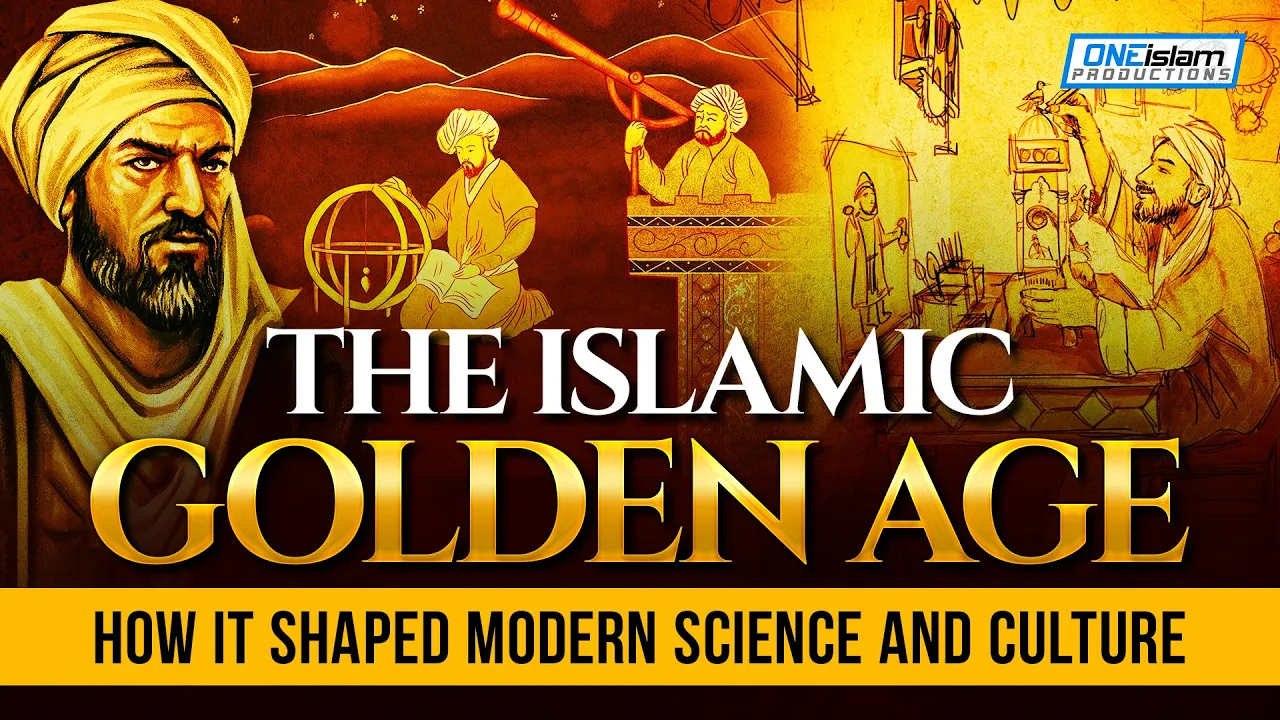
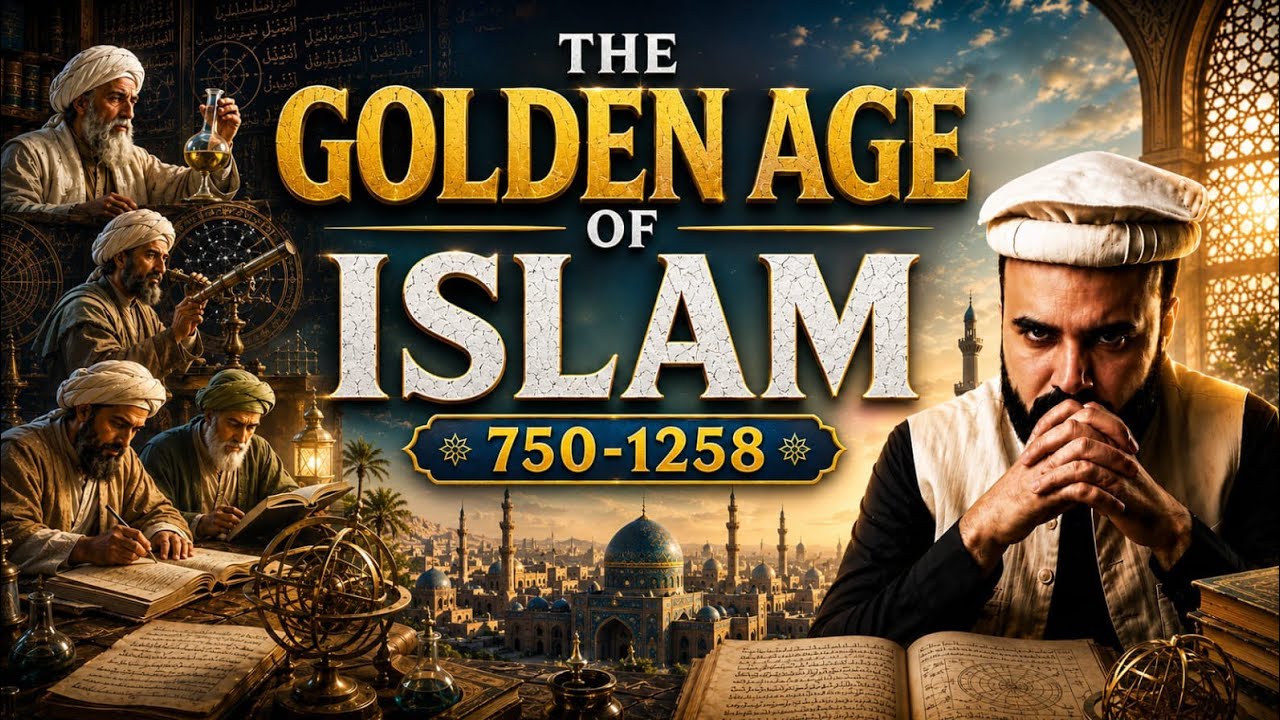


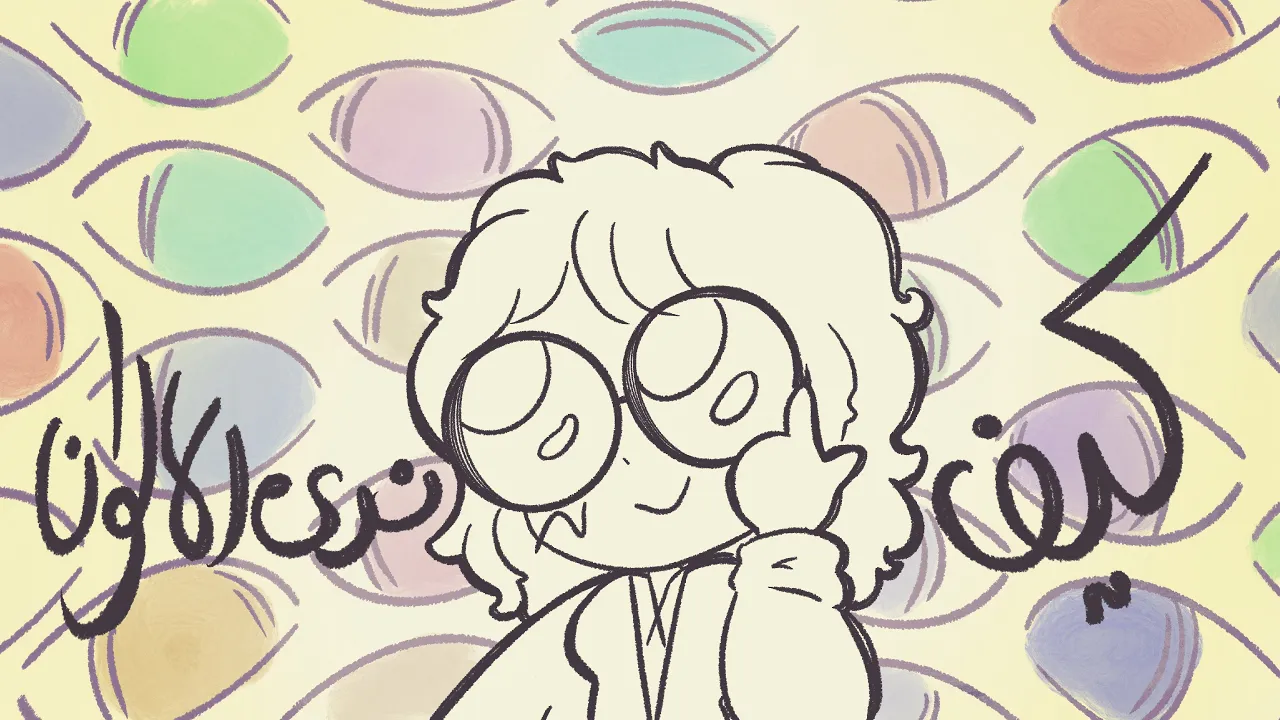


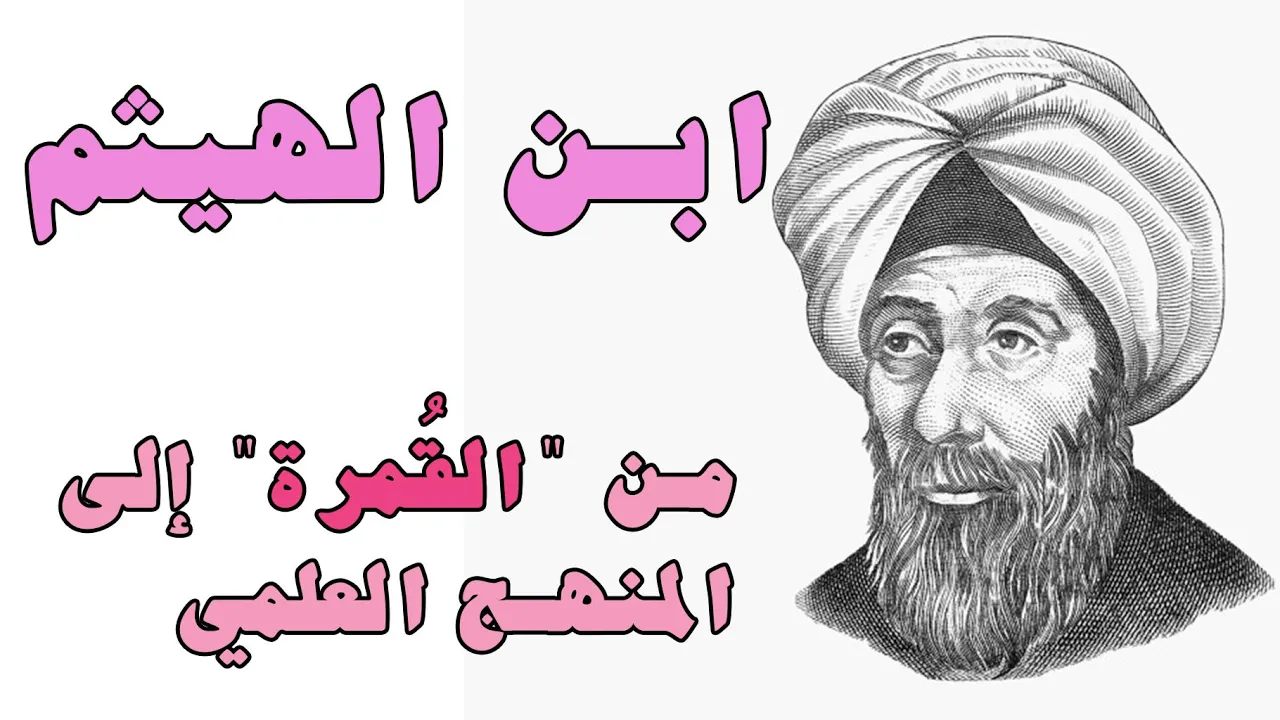




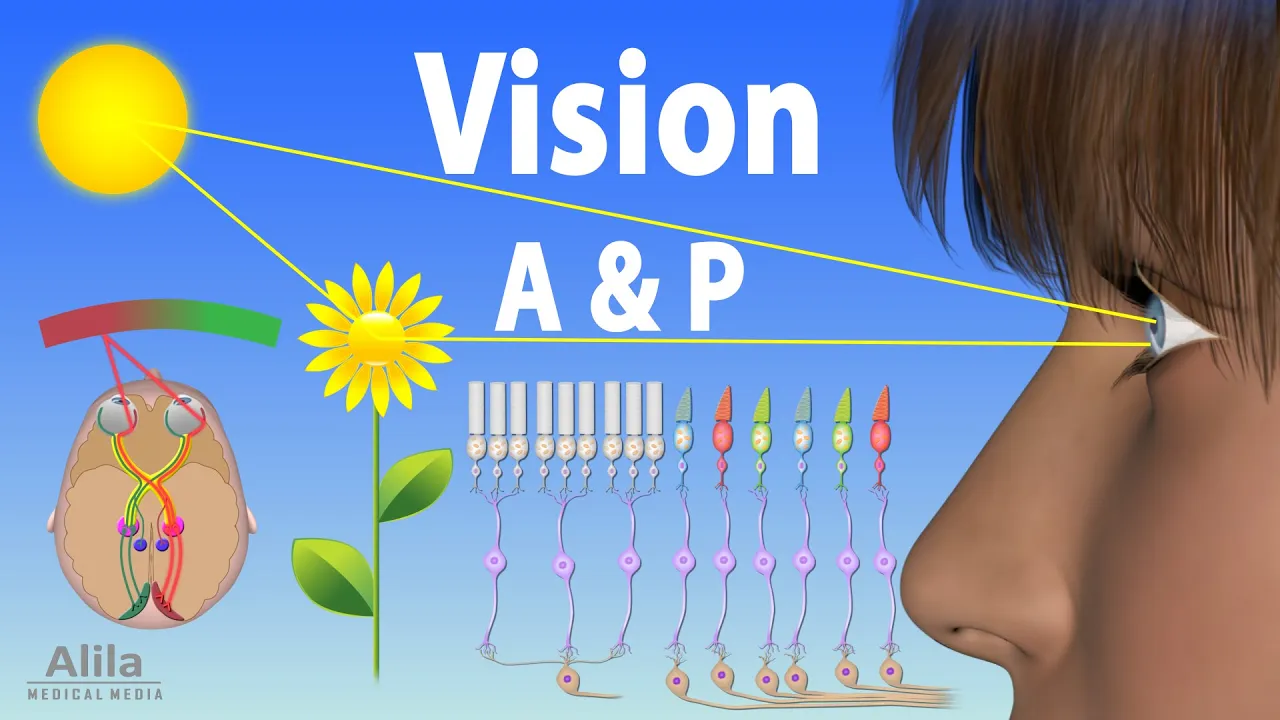


Ibn al-Haytham (965-1040 CE), an Iraqi scientist from the medieval Islamic Golden Age, revolutionized our understanding of light by proving that light travels in straight lines and that vision occurs when light enters the eye from external sources rather than being emitted by the eye itself; his methodology of combining rigorous mathematical analysis with systematic experimentation laid the foundation for modern optics, influencing later scientists like Newton and establishing principles still used today in technologies ranging from cameras to lasers.
Optics and the Nature of Light: Ibn al-Haytham's Legacy
Added:Basic understanding of the fundamental properties of light, including straight-line propagation, reflection, and refraction.
Familiarity with the historical context of the Islamic Golden Age (8th to 14th centuries) and its contributions to global science.
Awareness of classical Greek theories of vision, specifically the debate between emission theory (light emanating from the eyes) and intromission theory.
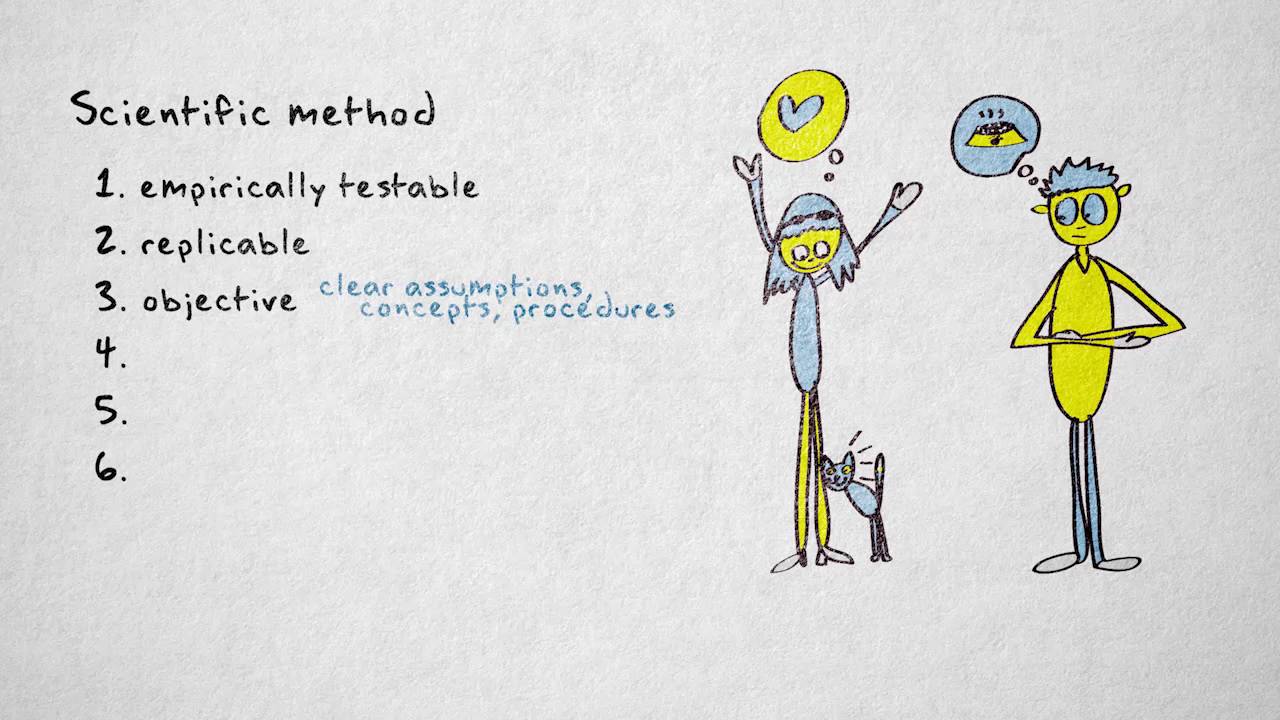
The core principles of the scientific method, particularly the emphasis on systematic experimentation and observation over pure philosophical deduction.
The direct influence of Ibn al-Haytham's 'Book of Optics' (Kitab al-Manazir) on Renaissance scholars such as Roger Bacon, Johannes Kepler, and René Descartes.
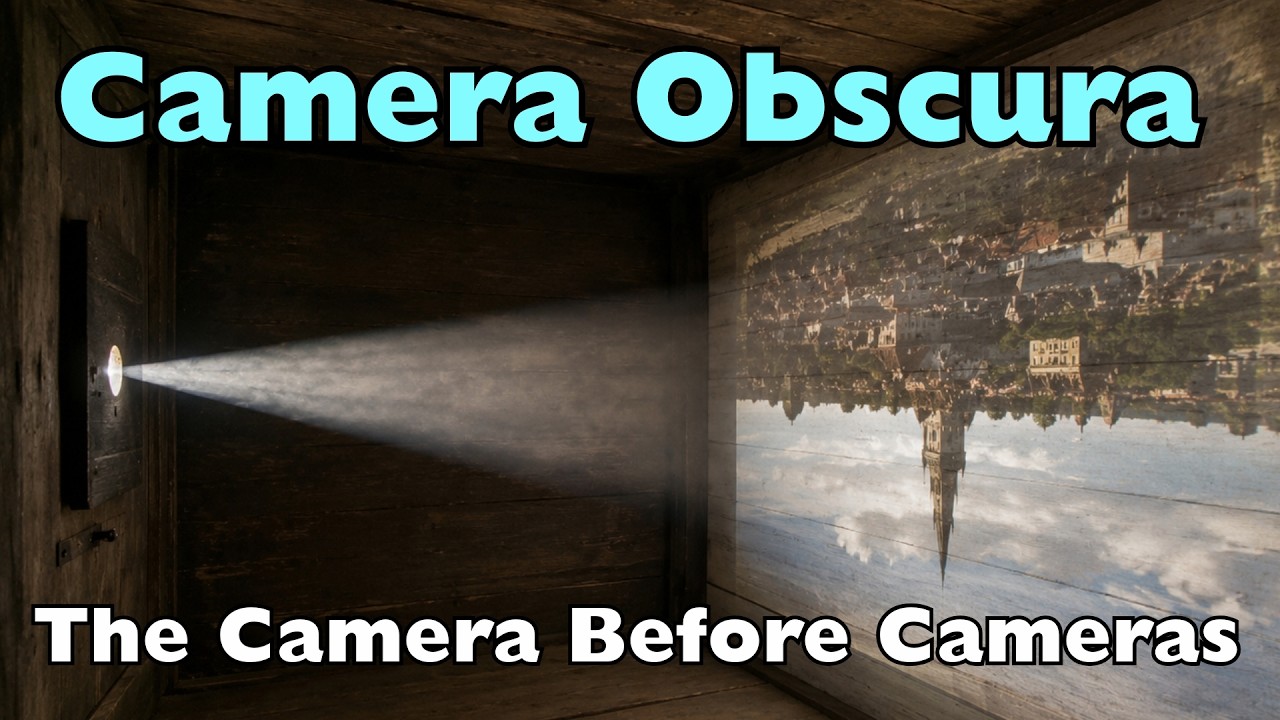
The physics and engineering behind the 'camera obscura' and its evolution into modern photographic camera technology.
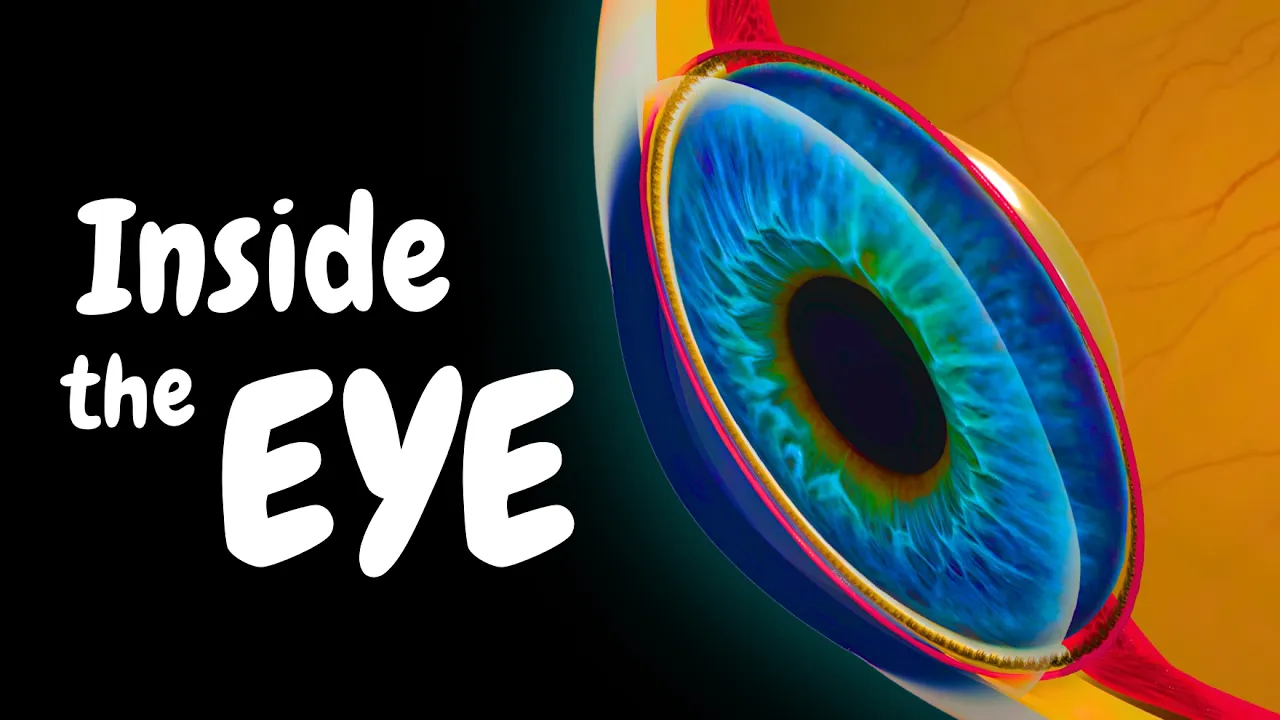
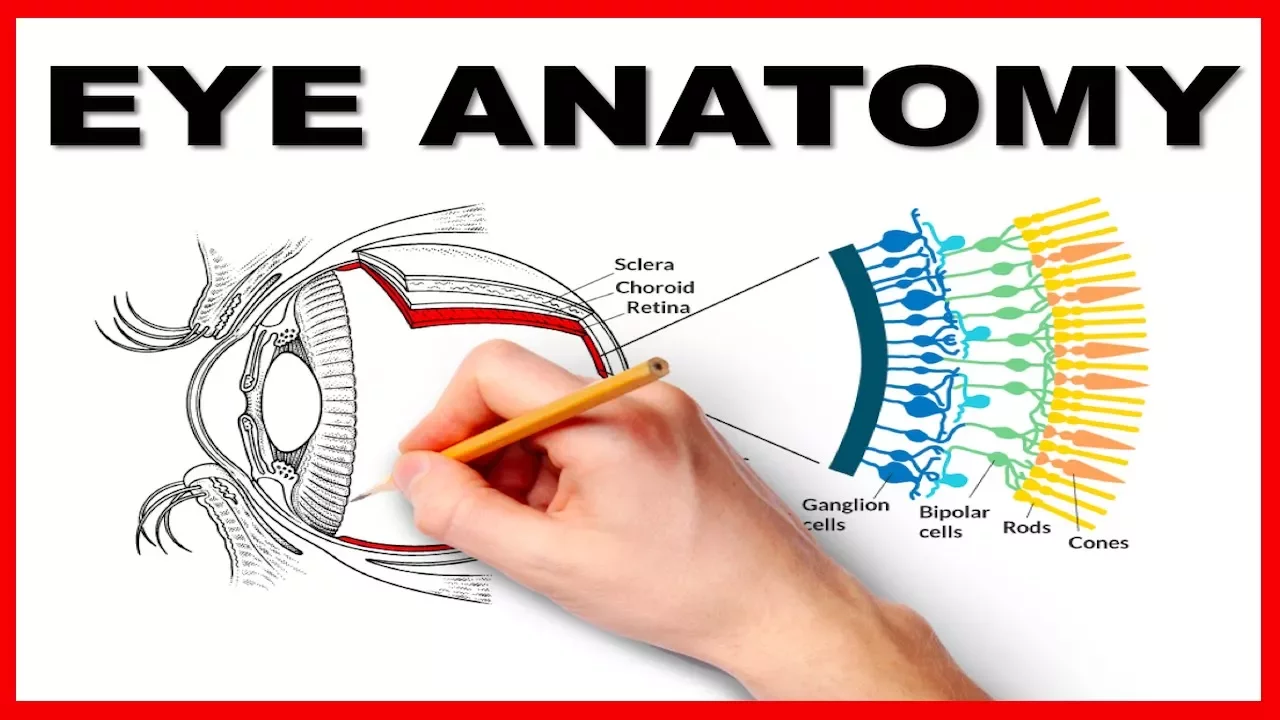
Anatomy of the human eye and the biophysics of vision, exploring how modern science maps visual perception from the retina to the brain.
The transition from classical optics to quantum optics, including wave-particle duality and the modern understanding of photons.
129.1K views3.2Klikes24:35Original Release: 2015-10-06
[Music] the nature of light has intrigued scientists throughout the ages today it's used in all sorts of applications from lasers and communication to particle accelerators we're living in a science in technology boom period but the roots of our understanding of Optics and light can be traced back to a period between the 9th and 14th centuries that's when a revolution in science took place in the Islamic world a golden age of science I'm jimal k a British professor of theoretical physics but born in Baghdad I'll be looking at the state-of-the-art applications of Optics and tracing back their roots to those Pioneers in the Islamic world who revolutionized a new understanding of Lights during the Golden Age [Music] this is Sesame in Jordan it's a synchr a giant particle accelerator that's going to produce high energy light for groundbreaking experiments now Sesame stands for synchron lights for experimental science and applications in the Middle East the light it'll produce will allow us to study the structure of matter with Incredible detail to learn more about for example how cancer grows in living cells or to analiz cracks in concrete to see why Bridges fail or to check for pollution in the soil the this facility is a pioneering collaboration that's bringing together scientists from around the Middle East and neighboring countries to carry out fundamental research that transcends political and cultural differences in a way that hasn't been seen in this part of the world since the Golden Age a thousand years ago the ruling cffs of the medieval Islamic World brought together Scholars from around the globe to further scientific knowledge amongst their achievements they revolutionize the way we think about vision and Optics Paving the way for our modern understanding of light Sesame isn't yet fully operational but today I've been given exclusive access to this enormous experimental apparatus to see how a synchrotron produces light by using very fast moving electrons hi M hi Jim nice to see you nice to see you so this is the booster ring yeah this is the booster synchrotron which increases energy of electrons so that they can produce synchrotron light and where's the electrons produced for the they are produced in the microtron it's go okay so this is where it all begins yeah this is the microtron which produces electrons and accelerates them up to specific energy so that they can be injected into the booster in fact the electrons are produced from this source which is electron gun and they accelerated by the RF source which we call the magnetron it's the same device in the microwaves at home but with larger power and when the electrons are accelerated we can extract them through the transfer line into the booster synchrotron and it's in the booster ring that they are accelerated around in a circle faster and faster yeah to get more energy so their speed will be almost the speed of light and then they are injected into the storage ring where we accumulate the Electron Beam there order to produce the synchron light and that's when you can use the light exactly for the users to do the experiments so there are several stages to Sesame first the electrons are produced in the microtron which accelerates them around when they're fast enough they get injected into the booster ring where they're accelerated even faster and finally as they approach the speed of light itself they are FedEd into the storage ring as the electrons are steered around using powerful magnets they lose energy in the form of light this is the synchrotron light which will be used for all sorts of [Music] experiments even without the syncron light some experiments are already underway at Sesame warud shadid is a scientist who's using infrared light which is invisible to the human eye to see the effects of drugs on skin she's using a special infrared microscope which allows her to determine the chemical composition of samples of skin I can see here on your computer screen yeah what the microscope yeah of course can see this is the surface of our sample that we are studying it is a skin sample if you click at any point you want you can get the infrared Spectra for this point when you add a drug or treat your sample in any way these beaks will be different so you can study what is the effect of your drug on this sample by studying the changes on your infrared Spectrum War rud's research currently uses its own infrared light source but once the synchrotron is up and running she'll be able to do her research at one of the experimental stations that'll be built around the storage ring and she'll use the synchrotron light when we have the beam line which is from the synchron we will have a light which is very bright so our sample can be studied with a very high resolution and so our result will be better the experiments that will be carried out here at Sesame will all rely on a precise mathematical understanding of light and it was the scholars of the medieval Islamic world as they sought to mathematize science who first laid the foundations of our understanding of light [Music] Isaac Newton studied here in Cambridge in the 17th century and is regarded by many as the father of Optics but there's another father of Optics who goes back much earlier and who's often overlooked his name was iel haam born in the 10th Century he's probably my favorite scholar of the golden age because like me he's a physicist born in Basra iel haam excelled at Optics maths astronomy and much more as a Young Man the prodigious ielm traveled to Cairo The Story Goes that he was invited to Egypt after he promised the ruling cff there he could stop the Nile from flooding by building a dam however he soon realized that this task was technically impossible and so he feigned Madness to escape the cff's anger and was instead thrown into an asylum there he's thought to have written much of his important work kab manad the book of Optics which was hugely influential for [Music] centuries M Hadad is an Iraqi engineer at Cambridge University together we're going to recreate one ofel Ham's most famous experiments the camera obscurer we found this room for you tell us what you think very very nice what's the view like uh we have this Tower okay I think that clock tower will be perfect all we need to do is black out the windows and get the screen in place [Music] y the camera obscurer is essentially a giant pinhole camera the size of a room so that we can stand inside it although the idea of the camera obscurer was known about previously iel Ham's account is the earliest to mathematically explain how it works he used it as proof that light travels in a straight line okay I just now need to make a hole uhhuh so if you get the screen all right I'll turn the lights out and we'll see if we can see the tower well that's quite incredible it it looks like a painting doesn't it ites doesn't almost doesn't look real and you know all we've done is is block out the light from a room and then allow it to come through this small hole that is the clock tower you can see such detail just from across across the even see the Tre yeah they're not in Focus uh because you know you could make them in Focus if you made the hole smaller right but of course then less light can get in so it wouldn't be so bright whereas now you see it in these you know the Vivid colors and it's so simple I even know haam would have set up an experiment like this in a darkened room such a simple thing to create without any lenses or or or or modern equipment you know a thousand years ago for him to have explained how this image is created through through the whole I must make you proud as as as an IRA who comes from just down the road from where Ian was born that is exactly it I was yeah I'm from from an area very close to was born so it makes me [Music] proud eel Ham's explanation of the camera obscurer helped us understand how Vision Works the eye is itself a camera obscurer and the same principles apply to Modern photography after all that's where the word camera comes [Music] from I'm going to Istanbul to the museum Museum of the history of Science and Technology in Islam Zab kele has been studying of n haan's work including his explanation for why the camera obscurer makes an image that's upside down he's well regarded as as the first scientist to correctly explain the camera obscurer talk me through how this works if you press the button there this is the primary light source and this is the object lighted by this light the light has to go into the box through this pin hole you see the F here and if you look at from here you will see that the f is yeah f is converted it is upside down yes that's because the the lights from the top passes through the hole and ends up in the bottom and they cross over cross over because light takes the shortest way and it travels in straight lines and this was something that he was able to show and prove the fact that light travels in straight lines was known before him but he for the first time proved it [Music] mathematically man is often cited alongside Isaac Newton's prinkipia Mathematica as one of the greatest textbooks in physics ever written Latin translations of it influen such men as D Vinci Galileo deart among others such as his Fame today he is commemorated on the back of an Iraqi 10,000 D banknote he's probably most famous for being the man who explained how Vision Works until then the accepted view had been that of the ancient Greeks men like Plato and nucleid who argued that the way we see objects is by Shining Light out of our eyes onto them idel haam knew of this view from Arabic translations of Greek texts but he challenged it arguing instead correctly that the way we see is by light entering our eyes from outside either reflecting of objects or directly from luminous bodies like candles or the Sun what was most impressive about haam is that he combined Theory and experiment So Not only would he devise careful experiments to demonstrate particular ideas like light traveling a straight line he also put mathematical flesh to these ideas he mathematized whole fields of science Professor Steven Sweeney is a colleague of mine at the University of su he works at The Cutting Edge of laser physics today in the medieval world there's one scholar in particular that that I'm passionate about haam and he wrote a book of Optics a thousand years ago in which he was doing all those sorts of things that you associate with with experiments with light today so reflection and refraction of light um even down to designing experiments with camera obscurers to prove that light travels in straight lines those aspects of of understanding the properties of light are absolutely key to to modern science and technology actually but perhaps the the idea that light travels in a straight line is one of the most important ones and it's one that we really now make use of in technology and science and actually we've got a nice example of that here that I can show you today just based on the research we're doing right now um we're going to be using a laser uh and we need to wear these just to protect our eyes for the experiment okay so what we've got now is there's a beam of light an invisible beam of light traveling a nice straight line from this laser down to this uh detector at the other end now if I put this card in the way you can see that there's a nice uh uh spot nice red spot when I take that away that the light's traveling through and it's hitting this piece of material here that's called a photovoltaic cell so you've heard about solar cells for collecting sunlight this is a particular uh type of photovolatic cell for collecting laser light and it's actually then driving this little motor so it's just a little fan so if I block that again it stops you see it stops and if I I pull that away you can see the fan starts again okay so it's another way of transmitting energy essentially so not using electricity but using light itself as the medium and what sort of applications might this device this setup have one of the key projects that we're interested in at the moment is uh transmitting energy from space because in the infrared we can actually get straight through the atmosphere without losing energy we used a system like this in space we could transmit solar power 24 hours a day anywhere on the planet that we need it this has huge implications the world over in terms of producing power we wouldn't need pylons and power lines yet power could be delivered to remote areas or disaster zones and this technology also has implications for the internet we obviously use the internet for data transmission that uses infrared light actually but if we also put in some sort of high power component to that we can also deliver the energy so we can actually deliver the power signal for the internet as well and this this light you say it's infrared so if I put my hand there I don't see it no I can sort of am I imagining I can feel warmth you're probably imagining it because because although it's infrared light it's not quite far enough into the infrared to be measured as heat the reason we use infrared light is purely because it's it's a better way of transmitting that light through the atmosphere and actually more than 99% of the energy can transfer through the air um now in in the real application that we would use this for we' actually use an even further infrared laser and that would allow us to then not have to wear these safety goggles so it's what we call an iafe wavelength I I I'm sort of wondering what imel Haan would think doing experiments with candles and and and pinhole cameras uh well he wouldn't even be able to imagine a world a thousand years later I think it's come a long way but ultimately we're using exactly the same principles that he was thinking about back then today we understand the physics of how light behaves but back in imam's day this wasn't at all obvious his book changed everything and he's regarded by many as being the father of modern Optics in fact I'd go further than that and say he was the greatest physicist in the 2,000 year span between Archimedes and Isaac [Music] Newton so so many modern cities around the world today are lit up spectacularly by light it seems the applications of Optics are everywhere have a look at this beautiful Fountain behind me it looks as though the colored beams of light are bending around following the paths of the water however that's an optical illusion light in fact is shining up from the base of the fountain and then reflecting off the water droplets into our eyes light always travels in straight lines however there is a way that light can be made to bend if I shine this laser pen through this glass of water if you look carefully you can see that the beam of light bends as it enters the glass and the water this is something that every physicist knows as Snell's law of refraction but it was known many centuries earlier let me show you this rather remarkable diagram it's from a text that was discovered only 20 years ago partly in tan and partly in Damascus it's by a little known scholar by the name of iban Sahel and it describes Snell's law of refraction beautifully let me explain this line represents the boundary between air and water if a beam of light enters the water at a angle it will refract it bends towards the vertical this angle is larger than this one if I draw a circle around it the ancient Greeks understood that this angle of incidence the angle that the beam enters through the air is larger than the angle of refraction in the water but they knew that the ratio of the two angles remains constant if you double this angle that angle doubles the way they describe it was in terms of the ratio of these two parts of the circle's perimeter that was wrong what IB sah understood was that it was in fact the ratio of two straight lines he said that this chord divided by this chord is always a constant number this is the correct way we understand it today now Europeans argued about whether it was Snell or dayart who should be given credit for the law of refraction in fact it was discovered by IB sahal 650 years earlier so really it should be known as IB sahel's law of [Music] refraction another little known scholar from the Golden Age who fascinates me is a man called ibin mu who in the 11th Century came up with one of the earliest estimates of the height of the atmosphere now he'd worked out that after the sun sets the last remaining daylight comes from lights reflected off the upper edges of the atmosphere he figured out that this would take place when the sun was 19° below the [Music] Horizon imagine that I'm standing on the surface of the Earth at this point a the sun has gone 19° below the Horizon above me is the atmosphere and I can see the last Light of the day reflected from the top of the atmosphere at B we can draw this triangle to the Center of the Earth at o knowing the size of the Earth calculated by the astronomers of Baghdad in the 9th century ibin muad was able to use geometry to work out that the atmosphere was about 80 km High that's not bad for almost a thousand years [Music] ago throughout the Golden Age IB sahal IB mu and many other Scholars wrote detailed texts on Optics but none was so comprehensive and influential asam's [Music] man at the Sania library in Istanbul professor ramazan sheshen shows me an ancient copy of Ham's great work OpTic The Book of Optics wow of course this isn't an original copy this was written in the mid 15th century for sultan Muhammad who founded the Ottoman Empire uh it was written for his Library for me what's so amazing is that we all around the world we talk about Newton as being the father of Optics and yet here we are a thousand years ago 700 years before Newton and here's a ray diagram there there's a there's a convex lens and there's a focal point and there's all the the ray lines and parallel lines and the angles of refraction here it is a thousand years ago Optics are all around us from the glasses or contact lenses you wear to the screen you're watching me on right now to the particles of light produced in a synchrotron everything we know about Optics today is built upon the work of Scholars like IB Sahel IB muad and the father of modern Optics IAM who first opened our eyes to the science of light next time I'll be taking a look at modern-day astronomy and navigation and exploring the contribution made to these fields by the scientists of the golden age that's where tossi's genius comes in because this diagram the Tosi couple simplified a lot of that complicated Mass we see the role they played in the evolution of astronomy these Scholars had to develop an area of mathematics called spherical geometry which was exceptionally Advanced for a thousand years ago and we reveal how Scholars from the Islamic World Consolidated and refined the astronomy of earlier civilizations and came up with ideas that have deeply influenced astronomy right through to the present day cernus owes this debt to these medieval astronomers from the Golden Age [Music]
Up Next

15:14
X-Ray Diffraction (XRD) Explained: Bragg's Law & Setup
@cmscpolymer3682
111.3K views•2017-01-13

12:53
21cm Hyperfine Transition in Neutral Hydrogen: Radio Astronomy Basics
@AaronRobertParsons
12.4K views•2011-10-13

32:32
NMR Spin Physics I: Zeeman Effect, Resonance Condition & Larmor Frequency
@nptel-indianinstituteofsci8064
2.3K views•2024-01-17

27:14
Entropy and the Second Law of Thermodynamics Explained
@veritasium
27.5M views•2023-07-01
Related Study Plans & Knowledge Roadmaps
Structured learning paths in Physics
physics
Nuclear Physics (Decay, Fission & Reactors)
01Atomic Structure and the Binding Force
02Radioactive Decay and Half-Life
03Nuclear Fission Mechanics and Chain Reactions
+ 2 more learning modules
12h5 modules
Explore Roadmap
physics
Soft Matter (Polymers, Colloids & Rheology)
01Foundations of Soft Matter & Thermal Forces
02Polymer Physics and Macromolecules
03Colloids, Surfactants, and Self-Assembly
+ 2 more learning modules
38h5 modules
Explore Roadmap
physics
Analytical Mechanics: Lagrangian & Hamiltonian
01Mathematical Foundations: Calculus of Variations
02From Newtonian Mechanics to Constraint Dynamics
03The Principle of Least Action & Lagrangian Mechanics
+ 3 more learning modules
28h6 modules
Explore Roadmap
physics
General Relativity (Spacetime & Cosmology)
01Foundations of Relativity: Special Relativity
02The Geometry of Spacetime: Equivalence Principle & Curvature
03Einstein's Field Equations: The Mathematics of Gravity
+ 2 more learning modules
55h5 modules
Explore Roadmap