

![Physiological changes during pregnancy part1 [EASY NOTES] FULL EXPLANATION IN HINDI || N.G MEDICALS](https://i.ytimg.com/vi/LnGyZXnM9ic/maxresdefault.jpg)

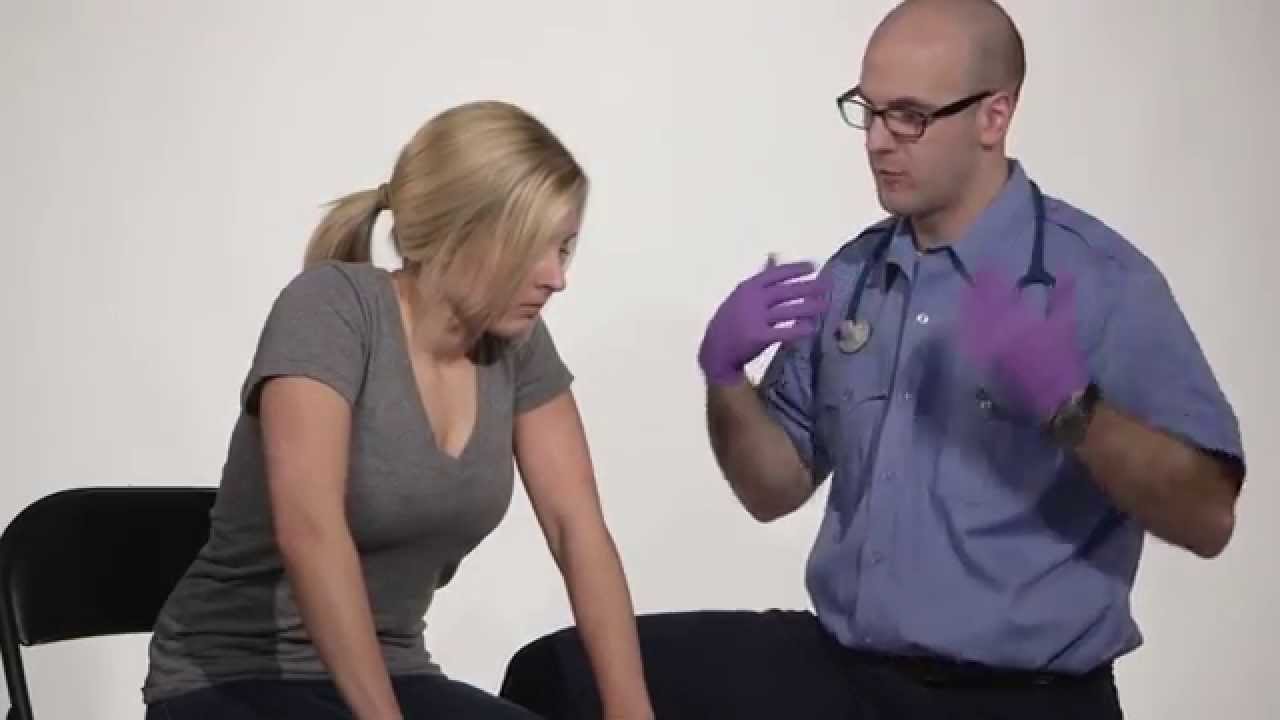















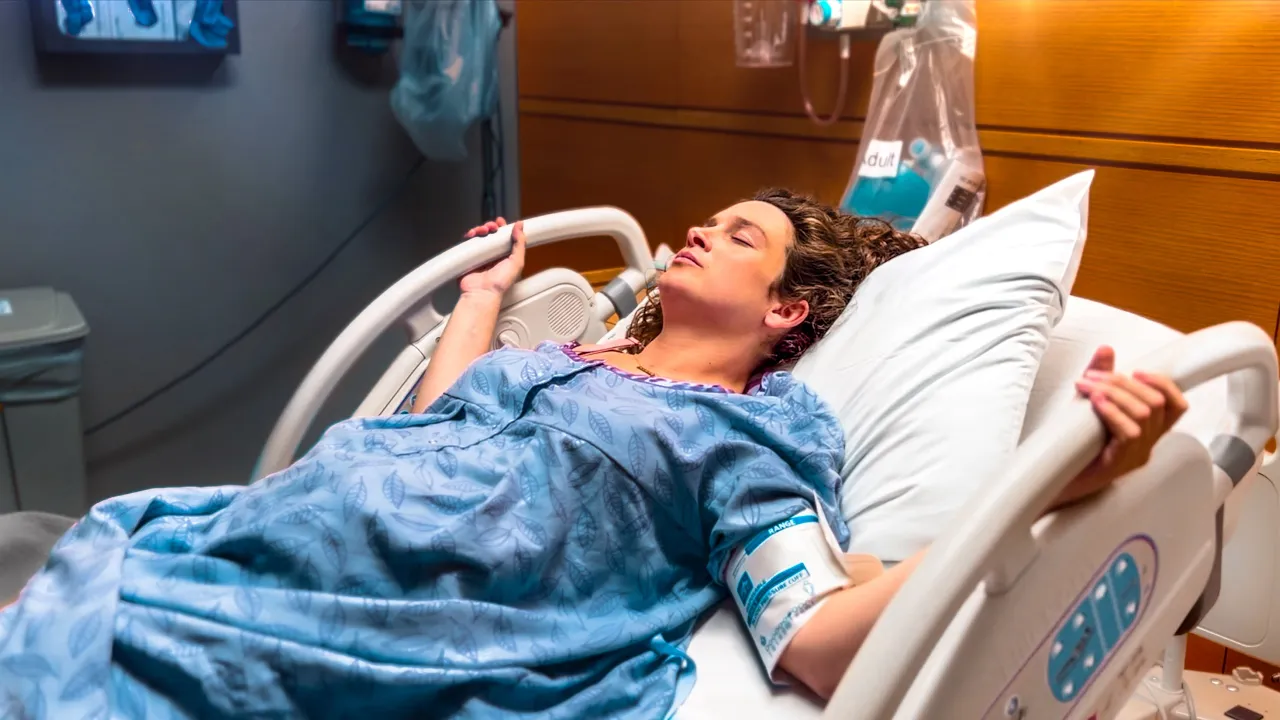









This video covers the essential components of OB emergency care, including the standard OB kit contents (chucks, sponges, gloves, bulb syringe, scalpel, clamps, wipes), assessment criteria for determining field delivery versus transport (contraction frequency/duration, rupture of membranes, gravida/para history, urge to push), the step-by-step normal delivery procedure (perineal cleaning, nuchal cord management, shoulder delivery with seesaw motion, cord clamping and cutting, fundal massage), and recognition of abnormal presentations such as nuchal cord, prolapsed cord, limb presentation, breech birth, placenta previa, and abruptio placentae, each requiring specific management approaches.
OB Assessment, Delivery, and Abnormal Presentations: EMT Guide
Added:Basic anatomy and physiology of the female reproductive system and the normal physiological changes that occur during pregnancy.
Standard EMT patient assessment protocols, including the primary assessment, history-taking (SAMPLE/OPQRST), and baseline vital signs.
Infection control standards and the proper use of personal protective equipment (PPE) for fluid-saturated environments.
Basic concepts of shock and how a pregnant patient's body compensates for blood loss differently.
Neonatal Resuscitation Program (NRP) guidelines, including APGAR scoring, airway management, and CPR protocols for newborns.
Identification and pre-hospital management of postpartum complications, such as postpartum hemorrhage and retained placenta.
Advanced obstetric emergencies, including preeclampsia, eclampsia, placenta previa, and abruptio placentae.
Advanced ALS/Paramedic-level interventions for childbirth, including manual maneuvers for breech presentation and maternal cardiac arrest protocols.
3.3K views68likes14:36Original Release: 2020-07-04
what's up guys victor here from uic ems we're going to break down a traditional normal delivery of a newborn as well as some abnormal presentations and complications we're going to go over the ob kit but just as a reminder just follow your local protocols we are coming from a pre-hospital emt background so if there's anyone out there with an ob expertise feel free to chime in and add on to this um explanation and so every ambulance is going to have kind of a pouch or a case as an ob kit and kind of on this side of the table we have the stuff within that ob kit laid out so we'll have chucks around to place under the the patient to absorb the fluid and these trucks can double as puppy training pants we have surgical sponges more absorbent pads sterile gloves we understand that pre-hospitally in the field this is not typically a sterile procedure but we want to be as clean as possible we'll have an ob pad for the postpartum hemorrhage we have a bulb syringe which you're going to push in with your thumb to utilize that suction power we'll have a scalpel very sharp do not play fruit ninja with this but this is going to be used to cut the umbilical cord we'll have two clamps on build clamps to clamp the cord and you should have blankets or bunting blankets for the baby to keep the baby warm we also have two types of wipes one alcohol-based and then one non-alcohol based and so let's talk about what scenario would you would present to you in order to utilize this ob kit you're dispatched to the residence for the obn labor you show up scene is safe abc's are great mental status is ano times four but the patient is in visible distress you wanna ask the patient um how long the labor has been going on how long her contractions have been going on but more importantly how long do they last and how frequent do they come and so if we were to put a number on it if they come every two minutes and if they last as long as 90 seconds or a minute and a half we really don't want to start racing the baby we want to ask a few other questions like has your water broken in medical terms that would be has there been a rupture of membrane rom how many pregnancies have you gone through and how many deliveries have you experienced so gravida and para and so with that being said if they've been pregnant more often in the past the current labor is going to be shorter and faster and so in addition to that another criteria that can help us make this decision of stay and play or load and go is ask the the patient does she feel the urge to push and so if the baby was truly crowning she would have that urge to push but that being said and correct me if i'm wrong it's probably very subjective but if the patient has been pregnant previously and delivered multiple births previously this crowning she might not feel it so it has it's taken you have to take it upon yourself to visibly um identify if there is crowning and so the patient would um drop the the pants and if you see this type of bulging we really don't want to race the baby to the hospital if i had to choose delivering a newborn within the back of the ambulance or within the patient's home we would always choose the patient's home and so if that was the case i would tell my partner to go grab the ob kit from the ambulance and we're going to set up shop we're going to make mom super comfortable on the ground or on the bed on the couch because if we were in the ambulance and this was the ambulance this table was the ambulance and the patient was typically like this they'd probably be perpendicular to the stretcher with their legs on the bench and where the camera woman is she would be the emt facing the patient and so if if we could choose we would rather be in the patient's home and so if the patient is crowning typically as this as another wave of contractions come we want to try to clean the site as fast as possible and i want you to imagine if you had a paper cut would you rather use an alcohol-based prep pad or a non-alcohol based prep pad and so if you had a paper cut right here which one would you prefer and every time people end up choosing the non-alcohol based pad and another question is like how do you want to wipe it do you want to go aseptic techniques small circles to larger circles are you going to go zigzag are you going to go front to back back to front and the thinking with this is as the patient is pushing she's not only pushing the baby but she's pushing feces out as well and so we don't want to introduce that feces back to the baby so we want to do front to back and use a clean part of the towelette every time and so it's been another two minutes another wave of contractions is coming in real life we don't really do this but we're going to unsnap the vagina and as the baby's head comes through we really want to see if the umbilical cord is wrapped around the baby's head and so if the if the umbilical cord is wrapped like a noose around the baby's head that's what's called a nuclear cord and so what we can do that the umbilical cord is typically very slippery with amniotic fluid we want to take our gloved hand and we want to try to slip the umbilical cord over the baby's head and if we're unable to do so then we're going to clamp the cords right then and there make sure that there's no pulse between the clamps and then you're going to cut the cord right then in there to relieve the baby if there is no uh nuchal cord the widest part of the baby is going to be the shoulders and so we want to assist the baby onto its side and we're going to provide a seesaw motion so another wave of contractions is coming and we're going to provide a seesaw motion that seesaw is going to be down and up down and up down and up and then once the shoulders are free the baby is going to be free from the from the vagina and the last thing you want to do is you want to present the baby like simba to mom like mom look baby's looking great because as you elevate the baby above the placenta the circulation is going from the baby back into the placenta so what you want to do is you want to maintain the same height same level from the baby to the placenta so don't cut the core just yet if you see any secretions or mucus in the airway we're going to take our bulb syringe and because babies are obligate nose breathers we don't want to stimulate the nose first so when i say obligate nose breathers that means that when you stimulate the nose it's going to stimulate them to take their first breath and so we're going to clear the mouth and then clear the nose and then that should prompt them to take their first breath um at that point we should be taking our first apgar so it stands for apgar total number of points is 10 minimum of zero so i'll let you guys google that but at this point we can start to clamp um apply the first clamp and so that first clamp is going to be about six inches away from the baby and six inches is about the shaka in hawaii so we can apply the shaka to the baby and apply our first clamp at that site the second clamp will be applied about two inches away from that first clamp now before just for explanation's sake for um before we cut the cord this is very slippery and probably not very clean right now we want to use the alcohol prep pad to clean this umbilical cord and alcohol has a drying effect and so we want to dry this cord as well before we take our scalpel we're going to palpate the cord when we palpate the core we want to make sure that we don't feel a pulse if we feel a pulse and we cut we've just created another source of hemorrhaging and so you want to palpate ensure that there's no pulse if there is apply additional clamps outside of the primary clamps and so when you cut the cord part of the cord is going to go with the baby and the other part of the cord is going to go still be attached to the placenta we refrain from trying to play tug of war with this umbilical cord the placenta should naturally deliver on its own between 15 to 20 minutes without our help so refrain from playing tug of war with this allow the mom to nurse the baby as well as provide a fundal massage so the fundus is going to be the top of the uterus and so we would just apply a funnel massage at the top of the uterus and those two things will promote hemorrhage control for the mom and so that was pretty much a traditional delivery the other thing i wanted to mention is with that with before the the suctioning if you noticed a brownish greenish tint to the amniotic fluid that will indicate the presence of meconium and so that tells us that the baby was in distress and that the baby might have soiled himself within the womb so we don't want the baby to aspirate that into their lungs so um that was a traditional one and i wanted to also preface that we are assisting with this we're not doing the pushing we're simply doing the catching so don't freak out if you're called to the ob and labor the mom is doing the work we are going to go over a lot of abnormal presentations but primarily uh more often than not the delivery is going to be normal okay so let's go over some abnormal presentations the first one we've already gone over nuchal cord but the second one is going to be if you check for crowning and you saw saw this you saw the umbilical cord protruding out through the vagina so this is called a prolapsed cord what we want to do is we want to take our gloved hand and palpate the prolapse cord if we feel a pulse we can take a piece of gauze moisten it and cover that and now that's going to be part of our reassessment we're going to reassess that every five minutes and if the pulse disappears that tells us that there's no circulation being received to the baby and so to alleviate that there are two instances where we insert pretty invasively our fingers into the vagina and in this case we're going to look um for the baby's head because our thinking is that the weight of the baby is pushing down on the umbilical cord impinging on its circulation so we want to find the baby and kind of push it off of the umbilical cord until the pulse returns to the umbilical cord so that's prolapse cord and you want you're going to have to maintain that probably until the destination the next presentation is going to be the either one foot or one hand and so if it's one foot or one hand this is called limb presentation this is you are they are unable to deliver this baby vaginally so they need to be um rapidly transported in a knee to chest position and when i say knee to chest if this was the patient the patient's knees would be up to their chest kind of closing the exit door for the baby and so refrain refrain from giving the baby a high five or pushing the limb back in that's a big no-no okay so that's limb presentation the next one is going to be breach birth or breach presentation so breach will be two feet or the butt and um this is actually able to be delivered um vaginally now it would be pretty smooth we would have the patient on all fours instead of on their back to allow gravity to assist the delivery of the baby and the complication will come if the baby's head gets stuck inside and it decides to take its first breath so if it gets stuck inside this is going to be the second instance where we want to invasively insert our fingers up into the the vagina and we want to create a pocket for the baby to uh to breathe in case they take their first breath we only do this if the head is stuck if the head comes out then we're okay all right everything's going to be okay the next one is let's say you're called for the vaginal bleeding [Music] you end up going through abc's abc's are okay and you ask the medical history and you find out that the patient has a medical history of placenta previa they would know this if they've been going to a prenatal doctor so they have placenta previa they have vaginal bleeding um and your thinking should be the weight of the baby is pushing down on the placenta they sh they will not be coming through um the vagina on their exit they're gonna get a c-section for this the difference between this placental abnormality and the next one is going to be the presence or absence of pain and so the other one the placenta is in the normal area at the fundus but this is going to be prompted by trauma and so if the patient recently suffered let's say someone opened a door on their belly they got into a car accident they fell down they tripped on a on a sidewalk and landed on their abdomen there could be a partial or complete tear premature tear or abrupt tear of the placenta from the uterine wall and so this would cause vaginal bleeding as well as abdominal pain from this so this is with pain and placenta previa is without pain so this abruptly tears and then this one is the placenta comes previous to the baby so that's kind of what i use to help remember the differences between the two and uh i think i think that's it like comment subscribe
Up Next

7:21
Normal Vaginal Birth: Step-by-Step Delivery Guide | OSCE Training
@utswsimulation8768
342.4K views•2017-01-09

48:47
Graphic Medicine: Comics for Collaborative Healthcare Communication
@nationalpatientadvocate
189 views•2023-12-04

10:28
Neuroanatomy: Central and Peripheral Nervous System Divisions Explained
@AKLECTURES
136.2K views•2014-09-20
3:05
Stages of Labor and Vaginal Birth | Childbirth Animation
@nucleusmedicalmedia
52.1M views•2017-08-18
Related Study Plans & Knowledge Roadmaps
Structured learning paths in Medicine
medicine
Abnormal LFTs: Diagnostic Workup & Pathology
01Liver Anatomy and Basic Physiology
02Introduction to Liver Function Tests (LFTs)
03Hepatocellular vs. Cholestatic Patterns
+ 3 more learning modules
12h6 modules
Explore Roadmap
medicine
Analyzing Blood Smears: RBC, WBC & Platelets
01Introduction to Blood Components & Smear Preparation
02Normal Morphology of Blood Cells
03Erythrocyte Pathologies & Morphological Variants
+ 2 more learning modules
12h5 modules
Explore Roadmap
medicine
Mechanical Ventilation: Waveforms & Alarms
01Anatomy and Physiology of Breathing
02Introduction to Mechanical Ventilation & Core Modes
03Ventilator Settings and Waveform Interpretation
+ 2 more learning modules
12h5 modules
Explore Roadmap
medicine
Neuro Exam: Localization & Stroke Syndromes
01Foundations of Neuroanatomy and Vascular Supply
02The Neurological Examination: Step-by-Step
03Principles of Neurological Localization
+ 3 more learning modules
18h6 modules
Explore Roadmap