









![2023년 간호조무사 합격대비 요점정리 기본간호#3 [서인천간호학원][검단간호학원][인천간호학원]](https://i.ytimg.com/vi/oeEAcFF5x5w/maxresdefault.jpg)













![How FMGE MCQ Pattern Can Change in June 2026 [With Examples]](https://i.ytimg.com/vi/Q3jWqg6qMCY/maxresdefault.jpg)


This video demonstrates the complete process of normal vaginal birth delivery, covering bed configuration for optimal visualization, perineal assessment techniques including monitoring tissue color changes from pink to white to determine optimal timing for applying external pressure, proper hand positioning to assist fetal head flexion and rotation, shoulder delivery maneuvers, and postpartum care including placental delivery signs, fundal massage to prevent hemorrhage, and laceration inspection.
Normal Vaginal Birth: Step-by-Step Delivery Guide | OSCE Training
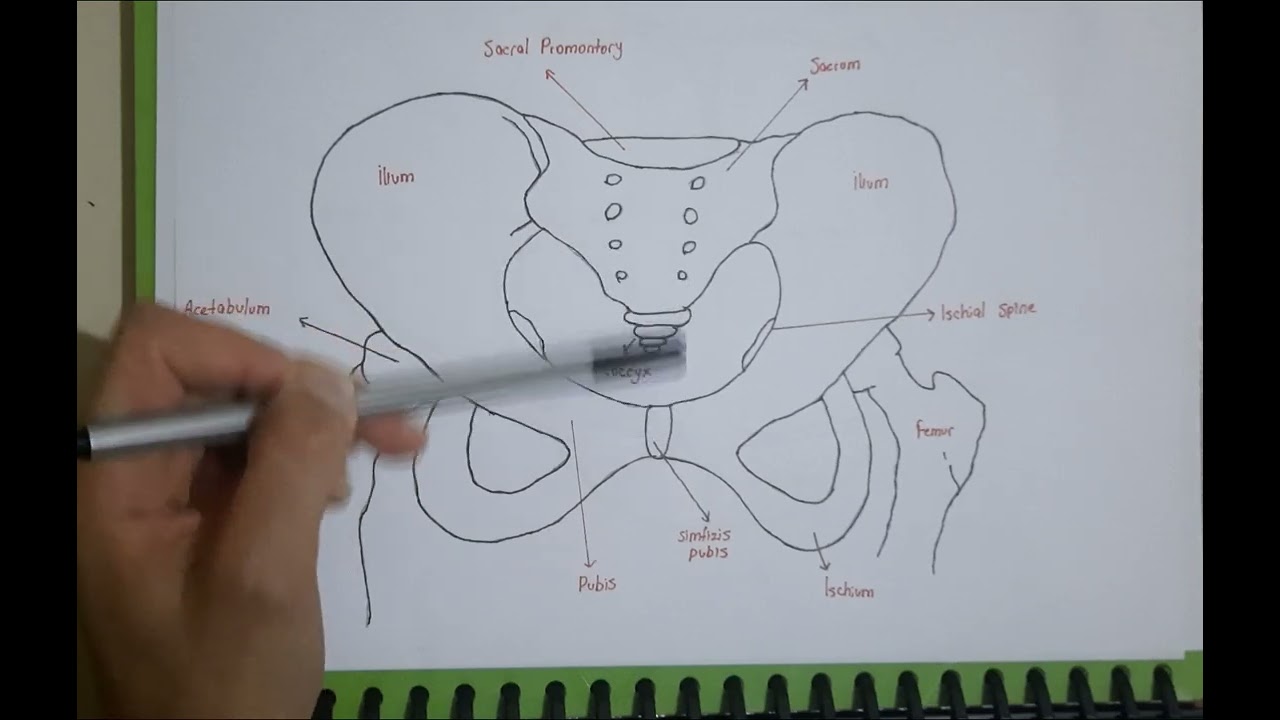
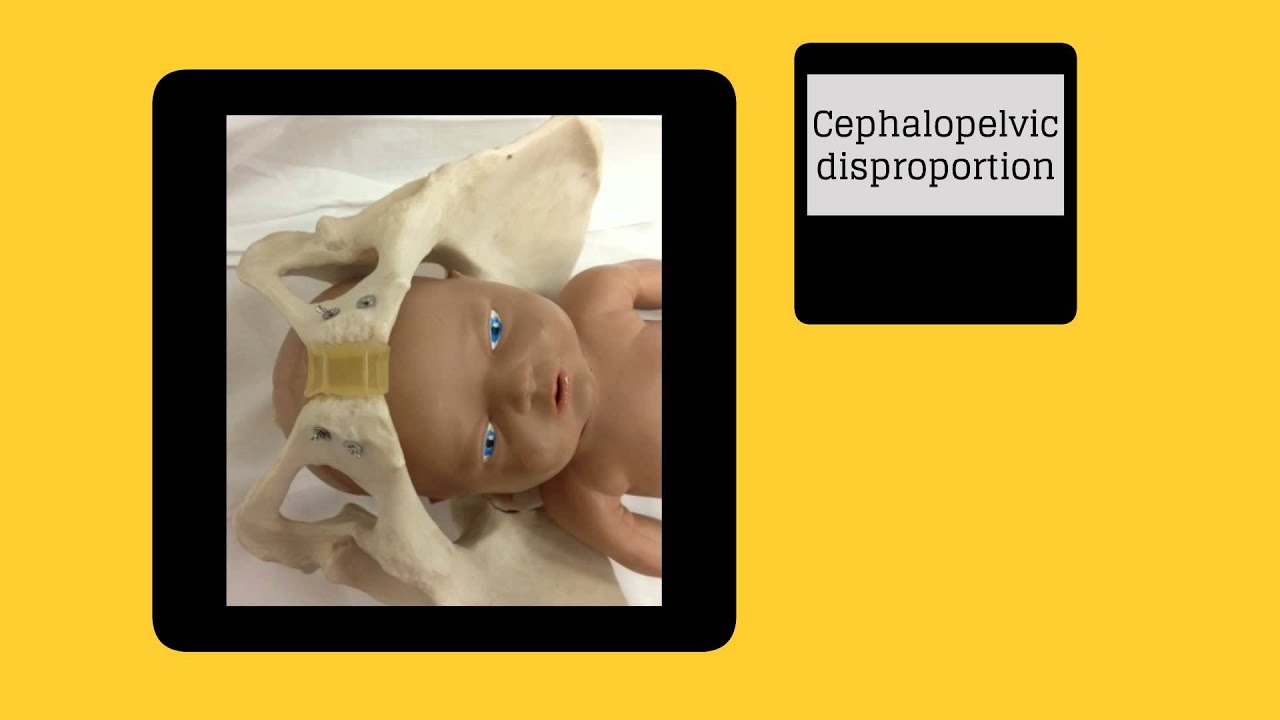
Added:Anatomy of the female pelvis and fetal skull landmarks, including pelvic diameters and fontanelles.
The physiological stages of labor, with a specific focus on the transition from the active phase of the first stage to the second stage.
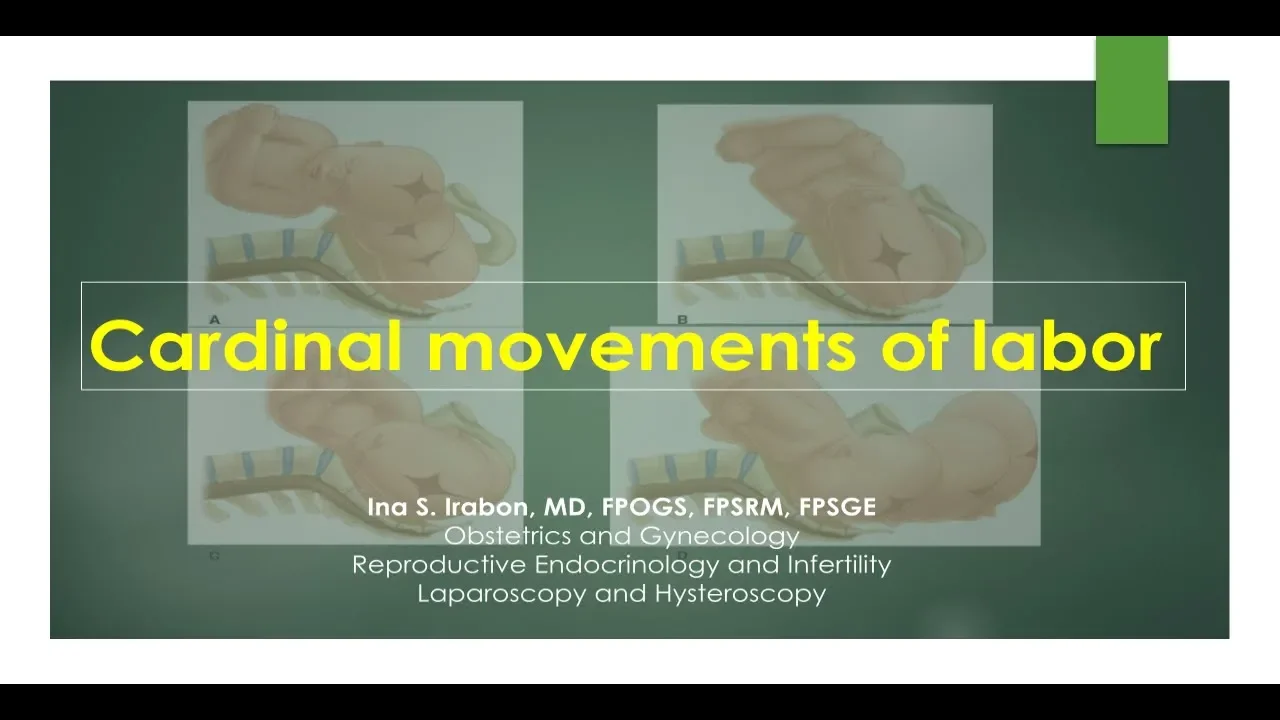
The cardinal movements of labor (mechanism of labor), including engagement, descent, flexion, internal rotation, extension, restitution, and external rotation.
Principles of medical asepsis, sterile technique, and personal protective equipment (PPE) protocols in a labor and delivery setting.
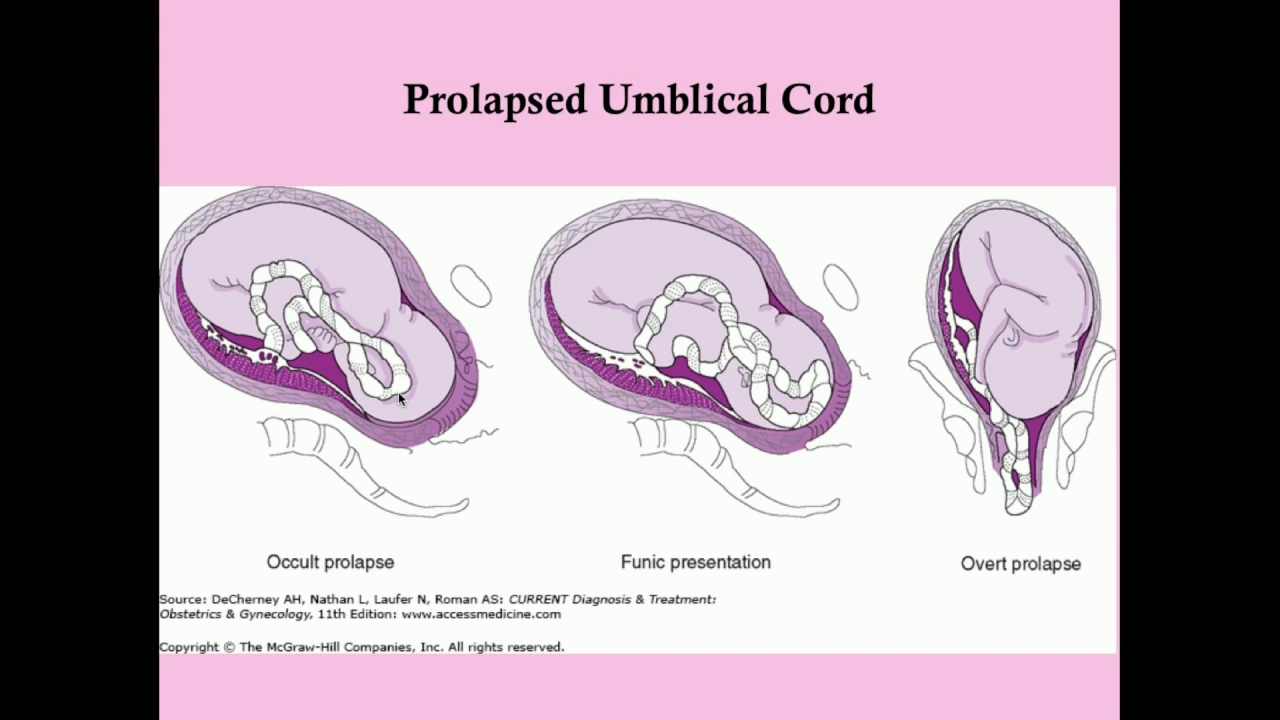
Identification and management of common intrapartum emergencies, such as shoulder dystocia, breech presentation, and umbilical cord prolapse.
Active management of the third stage of labor (AMTSL) and the prevention and management of postpartum hemorrhage (PPH).
Assessment and classification of perineal tears, alongside surgical techniques for episiotomy and perineal laceration repair.
Immediate neonatal assessment and care protocols, including APGAR scoring, umbilical cord clamping, and neonatal resuscitation guidelines.
Indications and basic procedural workflows for assisted vaginal deliveries, such as vacuum-assisted (ventouse) or forceps delivery.
342.4K views1.7Klikes7:21Original Release: 2017-01-09
at times it may be necessary to break down the bed perhaps you have a shoulder dystocia and it's an emergency or perhaps you just need to have better visualization whenever you're doing a paranal repair these beds are designed to easily come apart first thing you do is fold up the edges of the end of the bed that will expose the gray plastic handles straight up and that will remove this from the bed this exposes the foot petals that can also be turned into stirrups as well as your biohazard Basin here if you were want to put the woman into foot pedals you lift up and then squeeze in here in order to rotate the feet out the angle that you want if you want to actually do stirrups it may be necessary to lower the foot of the bed so that then you can Elevate the leg wrists you pull down on this handle flip it all the way around loosen the leg strap you'll put the short end towards her thighs where the curve comes down and the end without the curve is where her feet will go then to tighten it into place push on the handle this way when you're doing stirups you would want to actually lift this all the way to a perpendicular right angle so that her feet can be out when you are dis putting it back together you do the same steps but in the opposite direction so at this point whenever you're not able to see the head yet you don't have any reason to have your hands inside the woman you want to wait for her to push and right before the uh laas start to split you'll see the perineum start to bulge so you see the Bulge beginning in the head is starting to come at this point you want to be looking here at 6 o'clock of the vagina as long as you have pink or pigmentation then you have blood flow to the tissue and it's stretching when it blanches white that's when you want to be poised and ready to apply pressure in from the outside to create as much slack as possible at 6 o'clock as the head starts to descend the labia are going to spread you want to use your top hand to push down on the back of the baby's head to affect flexion so that the head can clear the symphysis as you push down on the baby's head you want to squeeze in from the sides you don't want to just pinch right here at six o'cl because that won't distribute the pressure or help to avoid lacerations you also do not want to lay your hand across the lady's vulva because that can cause her to shred From the Inside Out you want to push just down on the back of the baby's head as the woman is pushing you're watching watchingg the tissue stretch squeeze in from the side down from the back as it starts to emerge the head is natur naturally going to begin to extend you push the panum off the baby's face the baby then will externally rotate bringing the shoulders into the oblique angle with your anterior hand check for a nucle cord if there's one there Loop it up and take it around the baby's head you then want to sandwich the baby's head in your hands you do not want to grab grab it around the neck because you can cause nerve damage when you pull so you sandwich the baby's head in your hands like this then you do downward traction to get the anterior shoulder to come underneath the symphysis then you lift up to get the posterior shoulder to come out and when you do you want to look underneath to make sure that you don't have a compound presentation with the arms coming out as you lift up move your hands down the body as the head is out you want to hold on to the baby's body and rotate it to help the hips through the pelvis facing baby should be facing mom and then when the hips come out grab a hold of the legs flip it up to your arm and hold it like a football then you've got one hand free to clamp and cut the cord and manage your suction if the table is intact and you're delivering it with the bed still attached as the head comes out and you deliver the baby it is okay to go ahead and put the baby down do all of your drying and suctioning here you can clamp and cut the cord there you may also as the baby comes out after you've done a quick assessment to see that your baby is in good shape you can put the baby right up on mom's belly and do all of the drying and stimula in here and clamping and cutting of the cord now we turn our attention to the placenta we're watching for signs of placental separation one of the signs would be perhaps a gush of blood or amniotic fluid coming from the vagina another might be to notice that the uterus is becoming very globular and anterior because you have a sterile field you would use one of your sterile drapes to cover her abdomen and create a place for your hand super pubically this hand is going to be used for lower uterine segment support to help prevent uterine inversion another sign for placental separation is that you may see that the placenta cord starts to grow and as it does that's a sign that the placenta is ready to come you would want to put the clamp perpendicular to the cord so that you can then apply even pressure across like this as you do downward traction ction for the purpose of this video we will not be using the clamp so as you apply downward pressure on on the placent the cord you would use your hand here to help support the lower uterine segment when you see that the placenta is at the idus you'll notice that the vulva starts to bulge and the labia come apart at that point you want to stop going downward with your traction and lift up to help the placenta disc complete the curve of carrots then you catch it in one hand drop the cord and with your other hand begin to rotate the placenta in an effort to add tensile strength to the membranes so that they would all come out in one piece once the placenta is out you use your anterior hand to aggressively perform fundle massage here to help the uterus clamp down and to um prevent postpartum Hemorrhage after you know that you got a firm fundus and she's not bleeding excessively we turn our attention to the vulva looking for any damage or lacerations taking care to notice deep into the sidewalls as well as here at the perineum or any tears that may have occurred up underneath the labia
Up Next

26:48
Preeclampsia and Eclampsia Nursing Review: Pathophysiology
@RegisteredNurseRN
1.1M views•2020-04-01

48:47
Graphic Medicine: Comics for Collaborative Healthcare Communication
@nationalpatientadvocate
189 views•2023-12-04

10:28
Neuroanatomy: Central and Peripheral Nervous System Divisions Explained
@AKLECTURES
136.2K views•2014-09-20
3:05
Stages of Labor and Vaginal Birth | Childbirth Animation
@nucleusmedicalmedia
52.1M views•2017-08-18
Related Study Plans & Knowledge Roadmaps
Structured learning paths in Medicine
medicine
Abnormal LFTs: Diagnostic Workup & Pathology
01Liver Anatomy and Basic Physiology
02Introduction to Liver Function Tests (LFTs)
03Hepatocellular vs. Cholestatic Patterns
+ 3 more learning modules
12h6 modules
Explore Roadmap
medicine
Analyzing Blood Smears: RBC, WBC & Platelets
01Introduction to Blood Components & Smear Preparation
02Normal Morphology of Blood Cells
03Erythrocyte Pathologies & Morphological Variants
+ 2 more learning modules
12h5 modules
Explore Roadmap
medicine
Mechanical Ventilation: Waveforms & Alarms
01Anatomy and Physiology of Breathing
02Introduction to Mechanical Ventilation & Core Modes
03Ventilator Settings and Waveform Interpretation
+ 2 more learning modules
12h5 modules
Explore Roadmap
medicine
Neuro Exam: Localization & Stroke Syndromes
01Foundations of Neuroanatomy and Vascular Supply
02The Neurological Examination: Step-by-Step
03Principles of Neurological Localization
+ 3 more learning modules
18h6 modules
Explore Roadmap