

![UX/UI แบบไว ๆ บน Figma (ฉบับดูจบทำตามได้) - borntoDev Clinic [Live Session]](https://i.ytimg.com/vi/EIUUXaQL4FI/maxresdefault.jpg)


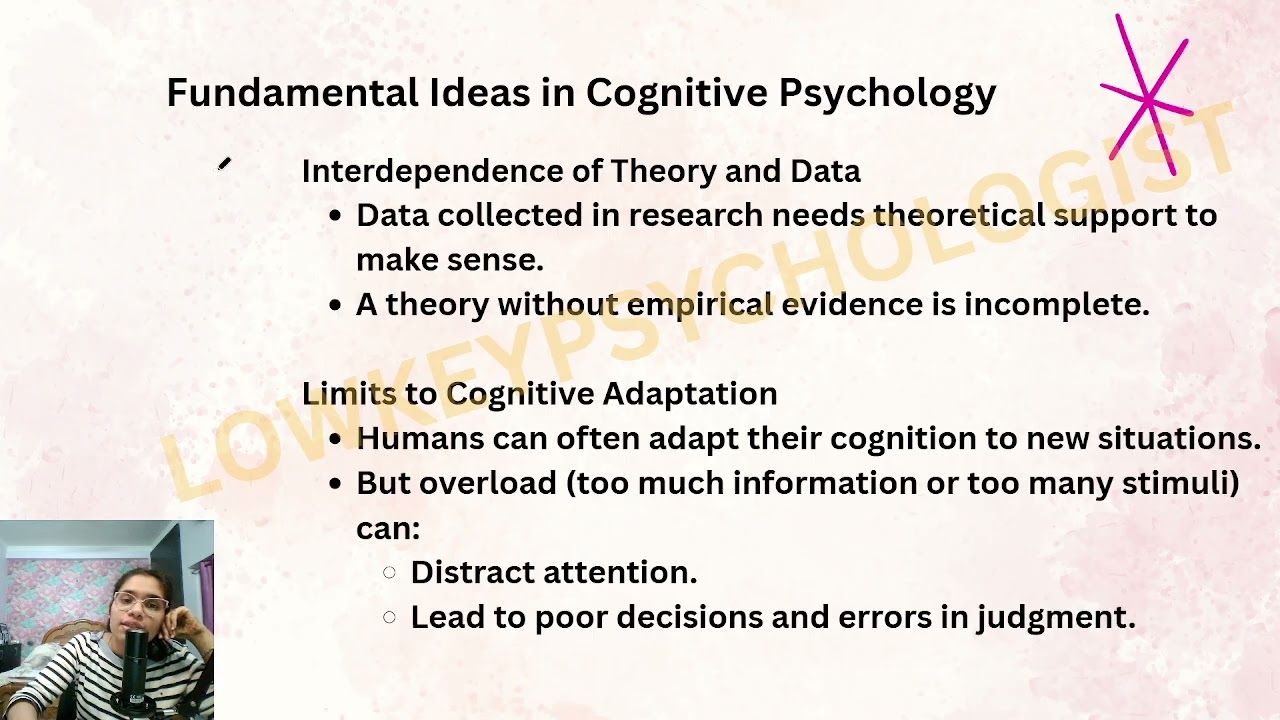


























UI/UX design leverages psychological principles including sensory influence (sight, sound, touch), cognitive load management, color psychology (red for alerts, blue for calmness), Pavlovian conditioning for notifications, positive reinforcement, intermittent reinforcement (slot machine effect), personalization algorithms, and hedonic adaptation to create engaging user experiences that target the brain's dopamine system and encourage continued app usage.
Psychology in UI/UX Design: Cognitive Load & Persuasive Design
Added:Basic UI/UX Design Principles: A fundamental understanding of what user interfaces and user experiences are, including common design patterns and usability heuristics.
Fundamentals of Cognitive Psychology: Familiarity with how the human brain processes information, working memory limitations, and attention spans.
Gestalt Principles of Visual Perception: Understanding how humans naturally organize visual elements into groups, shapes, and patterns (e.g., proximity, similarity, closure).
Introductory Color Theory: Knowledge of how colors evoke psychological responses and how contrast affects readability and visual hierarchy.
Ethical Design and 'Dark Patterns': Exploring the moral boundaries of persuasive design, identifying manipulative UI patterns, and practicing user-centered ethics.
The Fogg Behavior Model: Analyzing how motivation, ability, and prompts intersect to drive user behavior and habit formation.
Gamification Frameworks: Learning how to apply game mechanics (such as points, badges, leaderboards, and progression) to non-game environments to boost engagement.
A/B Testing and Behavioral Analytics: Studying how to scientifically measure and validate the impact of psychological design choices using quantitative data and user research.
190.7K views4.8Klikes18:00Original Release: 2020-12-03
good morning everyone today i'm going to be talking about psychology in ux design ux stands for user experience now why is it important for us to involve psychology when we're talking about user experience design that's because humans are complicated well no surprise there we all are very complicated we all are very different from one another different in so many so many ways so how will tech company make us choose to use their application and that's actually pretty easy that's by influencing the one thing that is common among all of us well actually that's five things and that's our senses touch hearing eyesight smell and taste these are our five senses these are these are the sensors that app developers will use to influence you to make decisions so touch hearing and eyesight are the sensors that are available to app developers to influence you smell and taste no you can't really influence that through an app well you can't smell anything through your phone and i know when your friend sends you a snap of the food that they're eating it would be amazing if you could lick your phone and taste the food but you can't really do that but to think about it that's a scary level of technology to be honest and would you really want that all right so by a show of hands from a visual perspective do you think that the food on the right is more expensive all right do you think that the food on your left is more expensive okay so what can we infer from this the food on the right clearly has lesser food but since it's presented to you in a beautiful manner and since it has vibrant colors it's clear to say that user interface and the way it's presented to you is very very important so that leads us to beautiful interface now how can we design beautiful interface that's by that's by following two important points how much information you're trying to provide and how are you trying to provide that information let's take a look at an example shall we let's look at this menu there's so much information in the menu it's so hard for your brain to process all that information on one at at one go so that provides a certain that kind of elicits a certain level of stress on your brain and that is called cognitive overload but that doesn't look right cognitive overload is the amount of stress that you put on your brain when you're trying to learn new content so as you saw from the menu there was just way too much information that was given to you at one go so it's pretty hard for you to process all that information as you saw from the previous slide the colors were just way too bright and was just off and process and colors can also be pretty taxing on your mind and thus making a good choice in the amount of information that you're trying to provide and how you're trying to provide that information is very very important and that brings us to processing and perception fluency what is this this is the ease with which we can process information and let me tell you i'm going to give you two examples of how information is being presented to you so these are websites of two tech giants and there's nothing wrong with uh with the design but it's just two different approaches both of these tech companies offer similar functionalities but it's just the way that they choose to portray it or provide the information to you i'm pretty sure you've all been on this website i hope everyone has so let's look at this right there is a search bar right in the middle there are two buttons search and uh i'm feeling lucky well honestly i've been on this website a billion times i've not pressed that button at all so it's pretty clear from the layout that it's search search engine is the primary feature but they also do offer mail news and so many other products which is conveniently located to the top right hand side corner and by by clicking the drop down box and you're free to access it but let's take a look at this website they offer a lot of the same features as well but they are presenting the information to you like this so the news is right there the search bar is right there and all of the information is right there there's nothing wrong with either of the approaches but it's just the way it is presented to you that is different now i'm going to ask you guys to please close your eyes for a bit and try to feel the emotion try to feel what comes to your mind when i say it what do you think uh when i say the color blue what do you think when i say the color green now what do you think when i say the color red now please open your eyes let me tell you what i think all right when i hear the color blue i think of the sky i think of the sea it's coming when i think about green i think about leaves i think about open fields i think about grass and that's pretty calming as well but when i think about red well where do we see red on a daily basis we see red in stop signs we see red in traffic lights what does it tell us it tells us to be alert it tells us to pay attention it tells us to to be alert and to notice something and that's why when notifications are provided to us on our phone it is red in color so every time you have a notification from a particular app it's going to have a badge beside it that indicates that you have a notification and since it's red it's going to grab your attention and that's why red is being used now how do you feel when these popular icons are gray skilled think about it now how do you feel about them now don't you feel just a bit more excited and a bit more happy to look at them in their associated colors i do uh let me tell you how important colors are to a company uh over the past decade i'm pretty sure you've heard about t-mobile the famous telecom company they have sued many companies because they have used similar shades of magenta and this is how important uh companies take the colors that they are associated with now sound sound is another way for apps to grab our attention and to elicit involuntary behavior and let me tell you what i mean by that all right so there's this experiment that was conducted in 1890 by a russian physiologist by the name of ivan pavlov so what he discovered was was that whenever he fed his dog he used to ring a bell and for over the course of a few weeks he continued doing that and it came a point where when he removed the stimulus of food and he rang his belt the dog would start to salivate now what does this tell you it tells you that the the involuntary behavior of the dog of salivating is now paired with the ringing of a bell and this is how an involuntary behavior is associated with a neutral stimulus let me give you an example now in our phones when our phone rings we involuntary flinch flinch to our phone we reach out for it and that is why it's important to give a good notification sound let's take a look at a few popular ringtones shall we [Music] now let's try to analyze what's common among these stones they're all they do they all have high frequency high pitch basically and that's how it creates us to be alert that makes us alert and that elicits involuntary behavior of reaching out to our phone and just by hearing that notification tones you know whether you got a message from facebook messenger or message or ringtone from discord and that is the uniqueness of the apps now let's talk about responsiveness humans as humans we are habituated to responsive environments and we want the applications to be more interactive with us and that's why positive reinforcement are built into applications let's take a look at how it is done for example on instagram or any other social media platform when you like a picture it's usually accompanied by a vibration or a sound and this is positive reinforcement this makes you interact with the app more want to interact with the app more actually and that's a good thing but also if you dislike someone's photo or some some content you're not going to be greeted with a sound or a vibration because they do not want to associate that with something that you'd want to do that's how positive reinforcement is done now let's talk about positive intermittent reinforcement now what is this there have been many times where i've opened my app my favorite social media app i've just swiped down to refresh the app to get new content and new new news feed maybe but not every time do you get new content this situation is paralleled with the slot machine up in casinos so what do you do in a slot machine you put in a token you pull the lever and the number starts spinning seven seven not seven and you keep doing this you put another token you pull the lever spins doesn't work out but once in a while it is going to work out and you'll feel happy and you're like okay so if i try more i'm going to get more wins and that is the kind of habit that's being uh paralleled over here to create a sort of an addiction now personalization personalization is a very very big important part of app design so the app should be able to work better for you basically and how is this accomplished this is accomplished by building a model of you based on what you like and based on what you dislike and based on your interactions with the app so let me give you an example so in spotify when you first sign up and log in for the first ever time it's going to ask you to select five artists that you enjoy listening to or three genres that you enjoy listening to and that creates base model of what your likes are and as you continue interacting with the app it would give the model will be better built around you based on your interactions based on the likes based on your dislikes based on the songs that you're adding to your playlist and all of that so as to better suggest songs that you would enjoy ultimately the aim is to make an app that would be better for you particularly to use that's a goal now hedonic adaptation what is this this is let me put in layman terms we get accustomed to positive and negative stimulus so for example if i eat cookie dough ice cream every single day for seven days straight i'm not gonna enjoy it anymore i'm not gonna enjoy it as much as i had it on the first day and that's because that stimulus is no longer providing happiness to me so that is what hedonic adaptation is and this will can be translated in many many areas in our lives there's always a genetic set point and the amount of happiness that we do experience on it on a constant level good circumstances and bad circumstances do come and go but that even if that happens we would return back to a genetic set point of happiness so let's take a look at this all right this is fortnight in season one and this is the lobby of how it was this is fortnite in season eight look at the amount of changes there are a lot of changes a lot of new cool dance moves for sure but the important thing to notice is that there's been all these frequent updates to get to this point and why were there so many frequent updates that's so that you don't get used to how the app feels once you get used to how the app feels you want to you want something else it's the same thing with me and cookie dough ice cream now i'm tired of that i want chocolate chip maybe so that's how it is so since by providing more updates more frequent updates and changing how the game feels for you they can keep you more interactive with the app so persuasive design this is very important as well this is one way to motivate the users of the app to behave in certain way that the developers want you to behave you get it so what that means is that for example let's take uh let's say the example of instagram all right so you've been sharing photos online has been around for a long time but then instagram came in and uh sharing photos was never more fun and never more interactive and never more awesome to be honest so when you post a picture what happens your followers get notified about it and every interaction that anyone has on that picture on that photo or video you're going to be notified with the prompt of a notification about it and that prompt will make you personally to interact more with the like or comment or anything that your followers has done with your photo and that is the design of notifications to make you interact with the particular app more and this is done across many many apps so all of this all of the influence on our senses is to ultimately target the dopamine system in our brains so what is dopamine dopamine is the chemical that is released to make us feel happy and the ultimate part is if you feel happy about using an app you would use it more and that is what it's all about so let's talk about social media addiction cycle let's see that what happens is when you perform an action by writing a post or sharing a picture what you do is you wait for a reaction that is what all of us do i'm pretty sure the day where i post a picture or photo or video that's a day when i open instagram like 10 times more than any other day just to see how i'm doing maybe so what you do is you wait for reaction it creates an anticipation about it and it goes on so why is all this so important back when phones used to look like this for all you did was call and sms and maybe play the snake game on your phone and that's pretty much it but now when phones look like this what you do is you have 100 other apps out there which are competing for your attention and all your users attention is what the companies want and that's what apps are designed for now i want to leave you all with this quote there are only two industries that call their customers users illegal drugs and software now that's something to think about thank you you
Up Next

8:17
How China's Great Firewall Censors the Internet | Explained
@reallifelore2174
386K views•2019-07-27

12:54
Triumph of Orthodoxy Icon: Byzantine Art & History Explained
@BenCallan
2.1K views•2024-08-06

11:43
Indigenous Astronomy: Rethinking Space Ethics | Karlie Noon TEDx
@TEDx
15.1K views•2025-11-30

1:42
Game of Thrones Opening Credits: A Cinematic Analysis
@gameofthrones
46.3M views•2011-04-18
Related Study Plans & Knowledge Roadmaps
Structured learning paths in General & Interdisciplinary Studies
general-studies
Elevator Engineering: History, Physics & Cities
01From Hoists to Safety Brakes: The Dawn of Vertical Lift
02Hydraulic vs. Traction: The Engineering Physics of Elevators
03Modern Speed, Safety, and Algorithms
+ 2 more learning modules
12h5 modules
Explore Roadmap
general-studies
Rubber: Material Science, History & Geopolitics
01Origins of Natural Rubber & Mesoamerican History
02The Chemistry of Natural Rubber & Vulcanization
03The Geopolitics of the Rubber Boom & Colonization
+ 2 more learning modules
12h5 modules
Explore Roadmap
general-studies
Containerization: Evolution, Logistics & Trade
01Ancient Trade & Bulk Cargo: Amphorae to Barrels
02The Industrial Revolution & Cardboard Packaging
03The Containerization Revolution: Malcom McLean
+ 2 more learning modules
12h5 modules
Explore Roadmap
general-studies
Textile Tech: Evolution, Labor & Global Impact
01Pre-Industrial Textiles: Handloom & Cottage Industry
02Mechanization: The Spinning Jenny to the Power Loom
03The Factory System & Global Labor Transformation
+ 2 more learning modules
10h5 modules
Explore Roadmap