

![[Шесть лекций о лингвистике] Грамматическая система и грамматикализация](https://i.ytimg.com/vi_webp/gxFF42YyQgE/maxresdefault.webp)












![Тюркские языки [Интересности о языках #18]](https://i.ytimg.com/vi_webp/K1B8yPwFjFw/maxresdefault.webp)
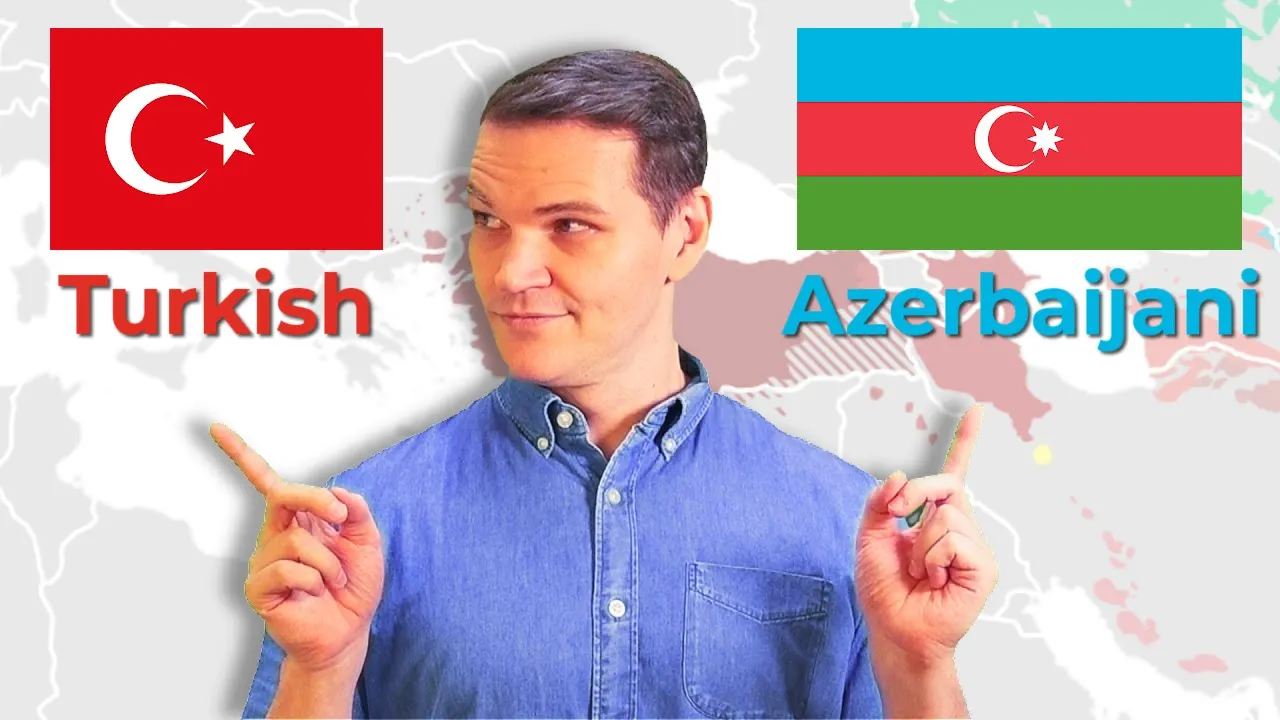


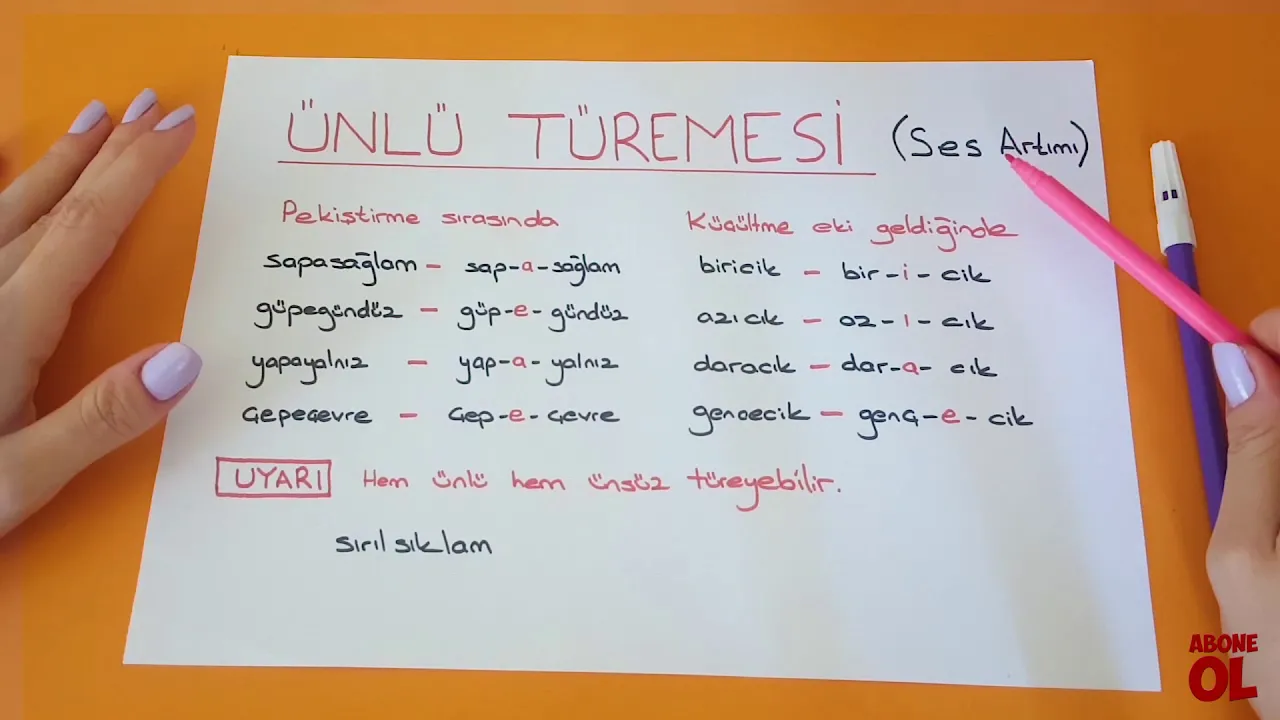


Turkish is a Turkic language spoken by approximately 90 million people, primarily in Turkey, belonging to the Turkic language family that includes over 170 million speakers across Europe and Northeast Asia; it features agglutination (adding suffixes to roots), vowel harmony (where suffix vowels must match the root's vowel category), and consonant mutation, with modern Turkish containing about 12% loanwords from Arabic, Persian, and French after Atatürk's 1923 language reform replaced the Arabic script with a modified Latin alphabet.
Turkish Language Overview: History, Grammar & Features
Added:Basic understanding of morphological typology, specifically the difference between isolating, fusional, and agglutinative languages.
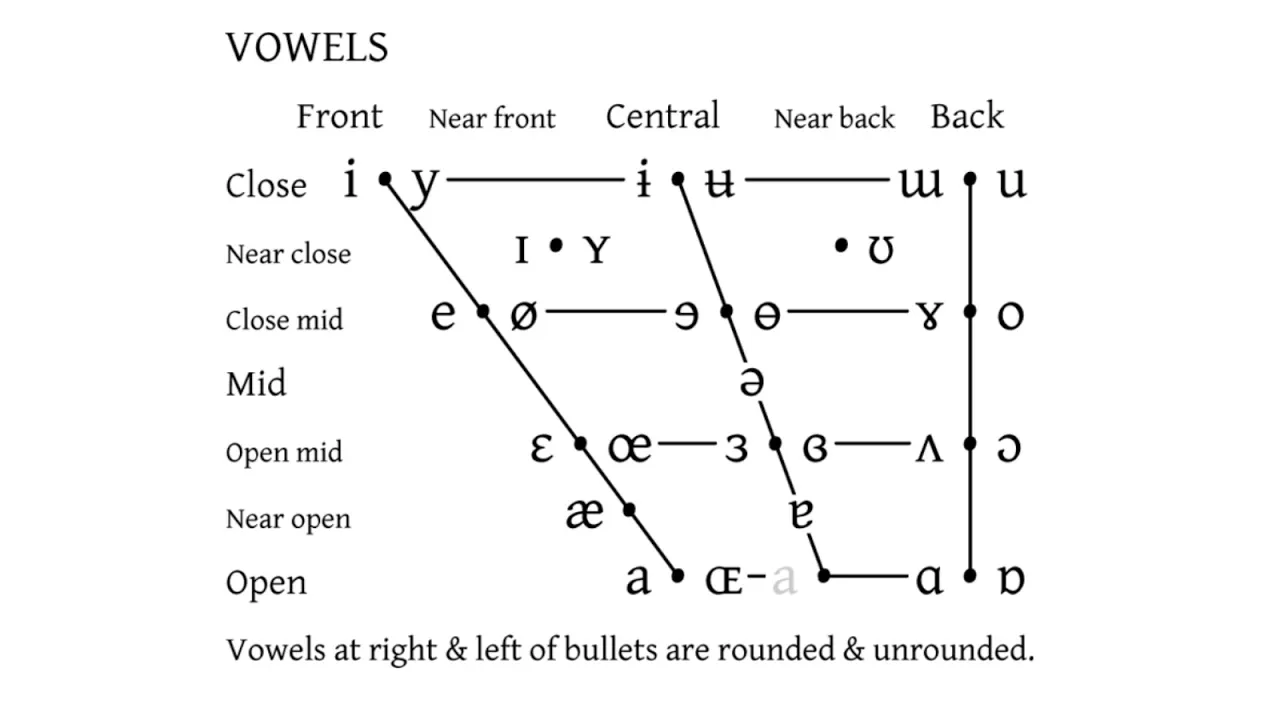
Familiarity with the phonological classification of vowels (such as front vs. back and rounded vs. unrounded) to comprehend vowel harmony.
An introduction to language families and historical linguistics, particularly how languages evolve and interact through geographic proximity.
General awareness of grammatical terminology, specifically the functions of roots, stems, prefixes, and suffixes.
In-depth study of Turkish sentence structure, focusing on its rigid Subject-Object-Verb (SOV) word order and head-final construction.
Exploration of the 20th-century Turkish Language Reform (Dil Devrimi) and the historical transition from Ottoman Turkish to Modern Turkish.
Comparative analysis of other Turkic languages, such as Azerbaijani, Uzbek, or Kazakh, to observe shared morphological and phonological structures.
Advanced study of Turkish phonological rules, including consonant mutation (the 'KETÇAP' rule) and the use of buffer consonants.
367.6K views13.7Klikes25:26Original Release: 2023-05-13
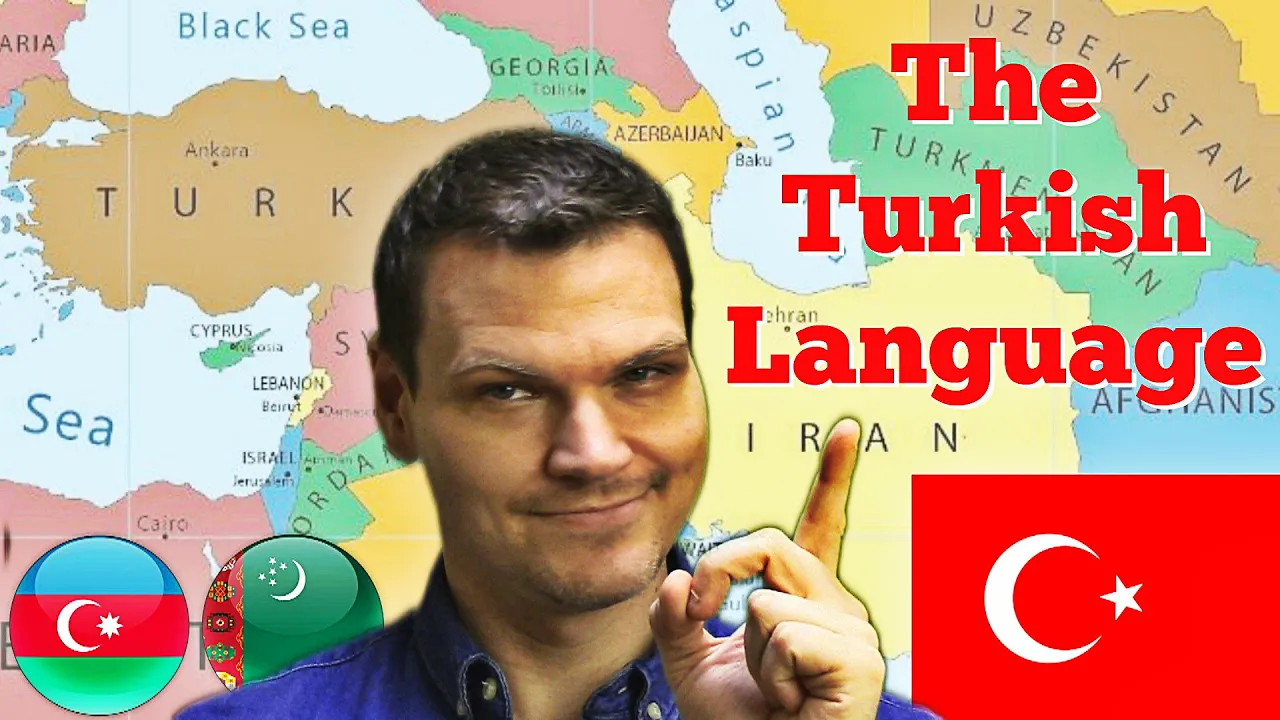
back in 2016 I released my first video on the Turkish language millions of people have seen it but unfortunately it kind of sucked I didn't explain very much about the language and the production quality was a bit hokey so it's time for a reboot the Turkish language is the language of turkey or tur as it's now officially known an incredibly important country at the crossroads of Europe and Western Asia because turkey lies at the edge of the Middle East and borders Syria and Iraq people who don't know much about the world often assume that the language of turkey must be Arabic but that's not the case Turkish belongs to a completely separate language family the turkic language family the turkic language family has over 170 million native speakers stretching all the way from Europe to North East Asia speakers of turkic languages often consider all of them to be dialects of one language but it's better to consider them closely related sister languages when I talk about Turkish in this video I'm talking about the Turkish language of Turkey and its standardized variety based on the dialect of Istanbul there are around 90 million native speakers of Turkish mainly in Turkey but also in Northern Cyprus and other neighboring areas some linguists have theorized that the turkic languages are part of a larger language family called alic which includes the mongolic and tungusic languages and even koreanic and japonic Languages by some definitions this theoretic family is named after the altai mountains of Central Asia but the existence of the altaic language family is is highly disputed it's more commonly thought that the similarities between the languages in this group come from contact rather than a common origin but the common ancestor language of all the turkic languages protot turkic probably originated in or near Mongolia around the 6th Century the first known turkic inscriptions known as the oron inscriptions date back to this time turkic speakers migrated over a wide area stretching from Siberia through China and Central Asia through Western Asia and up into the balcans and the North Black Sea region o turkic the ancestor language of today's Turkish language and the entire O Branch was brought to Anatolia by a turkic Empire known as the seljuk empire in the 11th century because the sjuk empire were admirers of Persian culture and were Muslims their language was influenced by the Persian and Arabic languages turkic was spoken by Everyday People while Persians served as the administrative and literary language and Arabic served as the language of religion when the Ottoman Empire arose after the decline and breakup of the seljuk Empire a form of Turkish which was highly influenced by Persian and Arabic became the official language and literary language this was Ottoman Turkish ottoman Turkish contained a very large number of Persian and Arabic lone words According to some estimates it was over 80% though that depends on how you calculate it and on the context this was the language of the elite and wasn't the same as the everyday Turkish language used by Regular People which had less foreign influence but still had some during the time of Ottoman rule French was the main language of international diplomacy and there were close relations between the Ottomans and the French for much of the time the influence of France led to the adoption of numerous French Lan words into Turkish when the Republic of Turkey was founded in 1923 its first president Mustafa kimal Ataturk initiated a language reform and got rid of Ottoman Turkish he created a new standard language based on the everyday spoken dialect of istambul an effort was made made to replace Persian and Arabic words with Turkish equivalents and the Arabic script was replaced with a modified Latin script which would be more suitable for the Turkish language official language reforms are usually not completely successful so there are still a lot of Lone words in modern Turkish just not as many as there were in ottoman Turkish according to the Turkish language Association 12% of the words in Turkish are lone words though it could be higher depending on how you calculate them we'll look at some examples of Lone words in Turkish in a minute but first a few words about a Turkish course I think you should check out if you're excited to learn Turkish I highly recommend you check out the course Turkish uncovered by the company story learning Turkish uncovered was created by Olie Richards a major figure in the language learning community whose approach to language learning is based on using stories you may have seen some of his best-selling books at your local bookstore or on Amazon including his book on Turkish his uncovered courses are based on the same philosophy of story learning but they're much more extensive and are designed to take you from a beginner level up to the B1 level which is lower intermediate so that you can genuinely communicate at a basic level with Turkish people the course consists of 20 chapters of a story with each chapter containing not only a core reading and listening lesson but also additional video lessons and exercises that build on that core material if you're tired of boring apps and grammar-based translation I recommend you try the story learning approach with Turkish uncovered if you use my link in the description you can try it for seven days for free and if you upgrade to a paid course Lang Focus gets a small commission that helps support this channel so it's win-win it's great for you and it's great for Lang focus by the way Turkish isn't the only language in the uncovered series they have courses for Spanish French German and other languages I'll put a link to this page with all of their courses in the description below and now back to the main video let's see some examples of foreign loan words that are still widely used in modern Turkish some words from Arabic kop meaning book from Arabic meaning coffee from Arabic meaning history from Arabic pen or pencil from Arabic meaning letter from Arabic meaning gift from Arabic meaning hour or a specific time from Arabic s z meaning time in a general sense from Arabic Zen Persian loan words meaning market and also Sunday because Sunday is the market day from Persian Bazar meaning vegetable from Persian sabzi maybe meaning fruit from Persian mewa B meaning Garden from Persian Bak meaning a small garden rank meaning color from Persian Lang meaning each or every from Persian had har meaning everyone from Persian her some French loan words office meaning office from French Office television meaning television from French television music meaning music from French music meaning hotel from French Hotel train meaning train from French Pon meaning pants from French P gazete meaning newspaper from French Gazette meaning a periodical with government notices reserv meaning reservation from French reserv now let's look at some more features of Turkish Turkish is an utina language meaning words are formed by adding suffixes to a root in a linear manner each suffix has a single grammatical or semantic function and long strings of multiple suffixes can be added for example example let's see the possessive suffixes that are attached to nouns let's start with the word meaning house my house our house your house with your in the singular your house with your in the plural or formal singular his her or its house their house but more suffixes can be added let's make the noun plural so it means houses is the suffix that makes the plural My houses our houses your houses with your in the singular your houses with your in the plural or formal singular his her or its houses their houses notice that can mean his her or its houses their house or their houses can indicate the plural of either the noun or the possessor creating ambiguity standalone possessor pronouns can be used together with the possessive suffix to give emphasis or clarity as in this case his houses their house their houses now let's go back to just the root word and one suffix house houses here's another example head some heads note the difference in the suffixes added to the two nouns it's a result of of something called vowel Harmony vowel Harmony affects suffixes that are added to the noun so before we look more closely at Turkish utenation let's take a look at vowel Harmony and some other related features vowel Harmony means that the vowels in a Turkish word must be in harmony with each other they must share certain features specifically backness and roundness and because words in Turkish are built by adding suffixes the vowels of a suffix change depending on the vowels in the word it's being attached to there are two sets of vowels depending ending on backness front vowels and back vowels each word normally only has vowels from one of those categories so when a suffix is added to a word the vowel in the suffix must match the category of the last vowel that appears before the suffix there are two types of vowel Harmony depending on the possible vowels that can appear in a particular suffix e type vowel Harmony K meaning cat K meaning cats art meaning Tree Art tree these two words have the same plural suffix but the vowel is different similar to the pair of words we saw before the vowel a in the suffix L is a back vowel in order to be in harmony with the back vowels in the root word and the vowel e in the suffix Le is a front vowel to be in harmony with the front vowels in the root word when the vowel in a particular suffix varies between e and a front and back it's called e type vowel Harmony there's also I type vowel Harmony in I type vowel Harmony the vowel in the suffix has one of four variations it harmonizes with the preceding vowel in both backness and in roundness for example the suffix meaning without which has four forms number countless literally without number information uninformed or ignorant literally without information water thirsty or de hydrated literally without water power powerless or weak literally without power and if you add additional suffixes the vowel Harmony continues ignorance or unawareness thirstiness powerlessness this suffix here changes an adjective into an abstract noun similar to how the vowels of suffixes change depending on what comes before them changes take place in some consonants too this is called consonant mutation the consonants that can mutate are called non-continuous consonants the ones that can't mutate are called continuous consonants words can't end in these soft or voiced consonants except in certain lone words and in a few single syllable words at the end of a word they must be their voiceless equivalents P CH T or C but if they're followed by a vowel they go back to being voiced they become softened we can see the this in the different case forms of the word kab it comes from the Arabic word kab but it changed to fit the phology of istambul Turkish you can still hear the voiced B sound in the accusative genitive and dative case forms in which it's followed by a vowel so this is the rule in the standard Turkish of turkey in various dialects though and in closely related turkic languages like AER words can end in a voiced consonant Also let's be clear that this is for non-continuous soft consonants the ones that change the continuous soft consonants can come at the end of a word and also remember that the continuous hard consonants never mutate either consonant mutation also affects suffixes that begin with J D or G when a word ends in a hard consonant meaning a voiceless consonant J becomes CH D becomes T and G becomes C here's an example from the house from the tree and again note that the vowel difference in the two suffixes is due to vowel Harmony a couple more examples Greek meaning the Greek language English Russian this is a suffix that creates language names out of the names of countries the default word order of Turkish is s oov subject object verb this sentence means their dad knows Turkish meaning the Turkish language notice the sov word order subject object verb means father or dad while is the possessive suffix meaning there is the base form of the verb which means to know with a present continuous suffix attached in its third person singular form we'll talk more about verbs in a minute is the noun for the Turkish language the word for Turkish or turk when not referring to the language is Turkish coffee Turk coffee its in Translation it seems like an adjective here but grammatically it's actually a noun this is a compound noun meaning something like Turk it's coffee in compound nouns the second noun has a possessive suffix to show that it belongs to the first noun if we use an actual adjective this suffix isn't present coffee hot coffee notice that the adjective comes before the noun and in the compound noun the modifying noun comes first also note that nouns in Turkish have no grammatical gender so the adjective doesn't change form for gender agreement what if we wanted to turn this into a question it's quite simple does their dad know Turkish you just add the yes or no question marker M at the end of the sentence but this word has four forms depending on vowel Harmony it's it's also inflected for person but notice that there's no suffix in the third person let's look more at verbs and how they're inflected of course they're affected by a glutin with suffixes that indicate tense person number and so on the infinitive form of a verb consists of the verb's base followed by or make depending on the last vowel of the base here are a couple of examples to sleep make to drink but other suffixes can be attached as well negative verb forms have the suffix or after the verb base not to sleep mimic not to drink let's conjugate these verbs in the general present tense known as the AIS tense take this sentence meaning I sleep seven hours a day word for word it's day locative case seven hour I sleep so we have the verb base which is followed by the aist suffix the suffix has different forms when the verb base ends in a consonant either an I type vowel or an e type vowel then after the ARs tense a suffix showing person a personal suffix is added with no suffix indicating third person we drink tea every morning word for word it's every morning tea we drink again you can see the verb base followed by the aist suffix followed by a personal suffix now let's look at the present continuous tense they're sleeping the present continuous suffix is which loses its initial vowel when the verb base ends in a vowel but when the verb base ends in a consonant the suffix begins with a vowel with I type vowel Harmony then after the present continuous suffix a personal suffix is added these personal suffixes can also be added to nouns and adjectives functioning with the meaning of subject plus the copula in particular in the present tense for example I'm a doctor or just because the Standalone subject pronoun can be dropped I'm wealthy means wealthy when the sentence is negative there's a negative CA and the personal suffixes attached to the end of it I'm not wealthy there's also an auxiliary verb which appears in past tense and conditional es it doesn't appear in that form but as one of several derived forms which are conjugated I was wealthy here you can see that it's not a standalone verb but its past tense endings are suffixed to an adjective the past tense of verbs is also formed with the same past tense suffixes I lived in anara notice that the past tense suffix has eight forms depending on consonant mutation and vowel Harmony and it takes one of these personal suffixes how about the future tense it's formed by adding the suffix or to the verb base Y is added as a buffer when the verb base ends in a vowel and vowel Harmony determines the vowels of the suffix we will go to the store is the dative form of the word meaning store is the first person plural form of the verb meaning to go in the future tense notice that the non-continuous consonant T becomes D because the future suffix begins with a vowel now that we've had a look at some of the important features of Turkish let's look at some basic phrases and we'll probably encounter some new features along the waya hello this comes from Arabic Marhaba there's also a more informal greeting Salam which comes from Arabic Salam how are you means how and is the personal suffix meaning you in the singular I'm fine thank you means good or fine and IM is the first person singular suffix in other words I is a noun meaning thank or in colloquial English a thank you it comes from Arabic T the verbal noun of the verb T meaning to be thankful to someone just like in English how we don't say thank but rather thanks with an s in Turkish to the plural of the noun is used the more informal way to say thanks is but there's also the more formal or serious expression means I do it's the first person singular present tense form of literally this is like a thank you I do so we could Loosely translate it as I thank you or I give thanks another informal way to say thank you is so this literally means be alive or be healthy so means alive or healthy while is the imperative form of the verb which means to become or to be what's your name means name is the possessive suffix meaning your in the plural but in this case the formal singular and is a question word meaning what to ask this more informally you would ask and in response my name's Hassan but of course change Hassan to whatever your name is is the possessive suffix meaning my notice that in both cases the vowels in the suffs are in harmony with the unrounded back vowel in the noun nice to meet you T is the root of the verb T which is used with the meaning of to meet but literally means to know each other sh is actually a reciprocal suffix T is a form of the suffix which forms nouns from verbs in this case meeting or acquaintance here it has t rather than du due to consonant assimilation with the SHA consonant that comes before it and notice that the consonant mutates and becomes soft when it's followed by a vowel is a first person singular possessive suffix so we can think of this as my meeting you or my acquaintance with you and ah is a dative suffix meaning for so the whole word can be translated as for my meeting you or for my acquaintance with you it's a rather Advanced word to break down if you just need to know how to say nice to meet you so beginners might just want to memorize it is an adjective meaning pleased or grateful it comes from Arabic is the first person singular past tense form of the verb meaning to become which we saw a minute ago so this phrase means I became pleased but as a result of that change I'm pleased right now A simpler way to say nice to meet you is you can skip that first word that was a little complicated to break down where's the train station is the word for train that was borrowed from French also comes from French St is the question word meaning where let's go back to this compound noun for a minute in a compound noun like this at the end of the second word there's an I type vowel this is the third person singular possessive suff meaning its so this is like the train its station the station belonging to the train but notice that there's no definite article in Turkish in other words there's no word meaning the there isn't exactly an indefinite article either but the word meaning one is used like an indefinite article for example there's a train station over there there one train station there is V is a word that shows existence like there is or there are it's also used to express that you have something I have money word for word on me money there is this is the locative case of the first person personal pronoun Ben is the word for money in Turkish there's no exact equivalent for the word have I have money can be expressed in another way too word for word money my there is in this sentence at the end of the noun is the first person singular possessive suffix the difference between these two sentences is that this one means I have money in general while this one means I have money on me right now what if there's an explicit subject the sentence means my mother has money you could translate it as my mother's her money there is means mother and is the first person singular possessive suffix in is the genitive case ending so this whole word means my mother's has the third person singular possessive suffix with s before it as a buffer because ends in a vowel so in this sentence there's both a genitive suffix on the word for mother and a possessive suffix on the possessed noun you could translate it as my mother's her money there is the negative version of V is my mother doesn't have money what do you think of Turkish after seeing all of the examples in this video my impression of Turkish is that at first it might seem strange for speakers of English and other indoeuropean languages because of its extensive utenation and use of vowel Harmony but those features of Turkish are very systematic so once you get used to them they stop feeling so strange if you're a native speaker of Turkish what do you think are some interesting expressions or idioms in your language let us know in the comments down below and now it's time to give a shout out to all of the Lang Focus patreon supporters especially the ones whose names appear on the screen they are the top tier patreon supporters so many extra special thanks go out to them if you liked this video then also check out the video I made comparing Turkish and aarani two languages that are very closely related I guarantee you'll find it fascinating
Up Next
13:09
The Turkish Language: Phonology, Grammar, and Vocabulary Explained
@LingoLizard
41.2K views•2025-08-30
36:52
Constraint Interaction in Optimality Theory: Epenthesis & Deletion
@Vidyamitra
180 views•2018-08-20
15:23
Tok Pisin: An English-Based Creole Language of Papua New Guinea
@Langfocus
272K views•2019-09-03

21:32
Accent Expert Explains U.S. Regional Dialects | Part 1
@WIRED
9.3M views•2021-01-21
Related Study Plans & Knowledge Roadmaps
Structured learning paths in Linguistics
linguistics
Optimality Theory: Tableaux & Constraints
01Phonological Basics: Sounds, Syllables & Rules
02Foundations of Optimality Theory: GEN, CON, and EVAL
03The Constraint Inventory: Markedness vs. Faithfulness
+ 2 more learning modules
15h5 modules
Explore Roadmap
linguistics
Morphosyntactic Alignment: S, A & P Systems
01Foundations of Syntax: Transitivity and Arguments
02The Linguistic Variables: Mapping S, A, and P
03Nominative-Accusative Alignment
+ 3 more learning modules
12h6 modules
Explore Roadmap
linguistics
Analyzing Sign Language: Phonology & Syntax
01Foundations of Sign Language Linguistics
02Phonology: The Five Parameters of a Sign
03Morphology: Word Formation and Classifiers
+ 2 more learning modules
14h5 modules
Explore Roadmap
linguistics
Pragmatics: Speech Acts, Grice & Politeness
01Introduction to Pragmatics: Meaning in Context
02Grice’s Cooperative Principle & Implicature
03Speech Act Theory
+ 2 more learning modules
14h5 modules
Explore Roadmap