


![[BEE] Besaran dan Sirkuit Listrik: Tegangan, Arus, Tahanan, Daya Listrik, Flux Arus, Hukum Ohm](https://i.ytimg.com/vi/AcOKoUHzyjQ/maxresdefault.jpg)

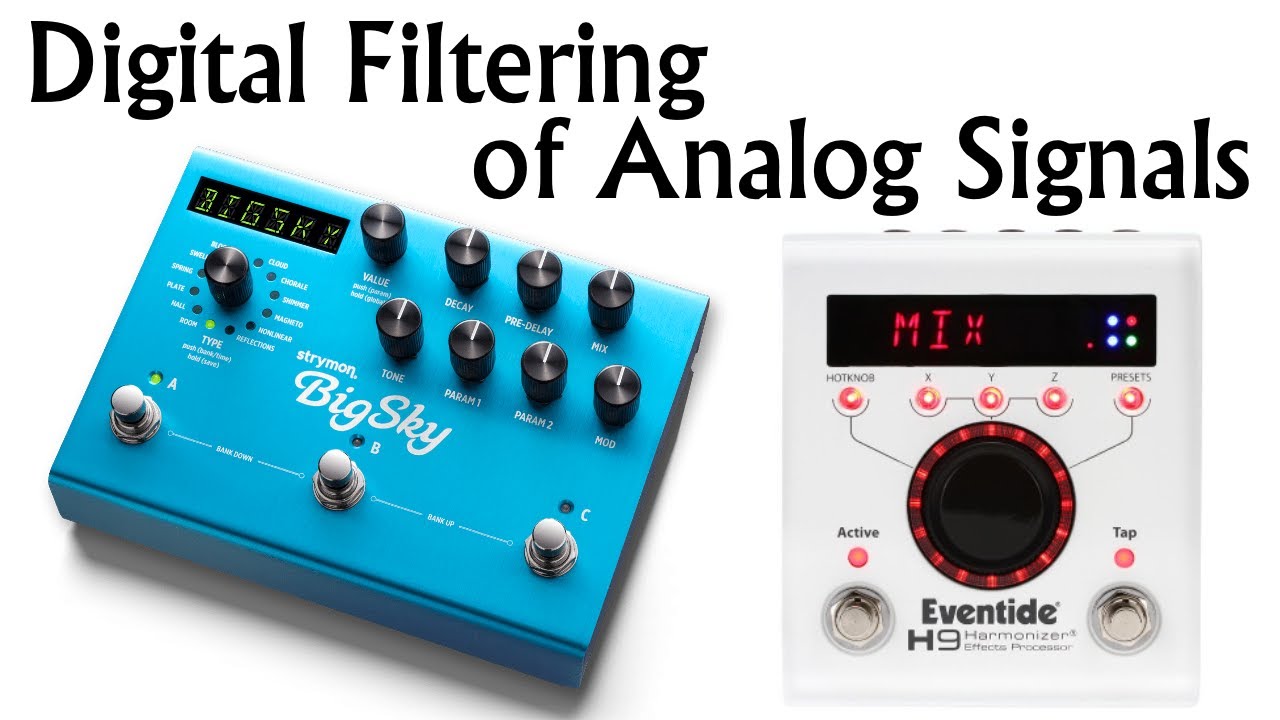

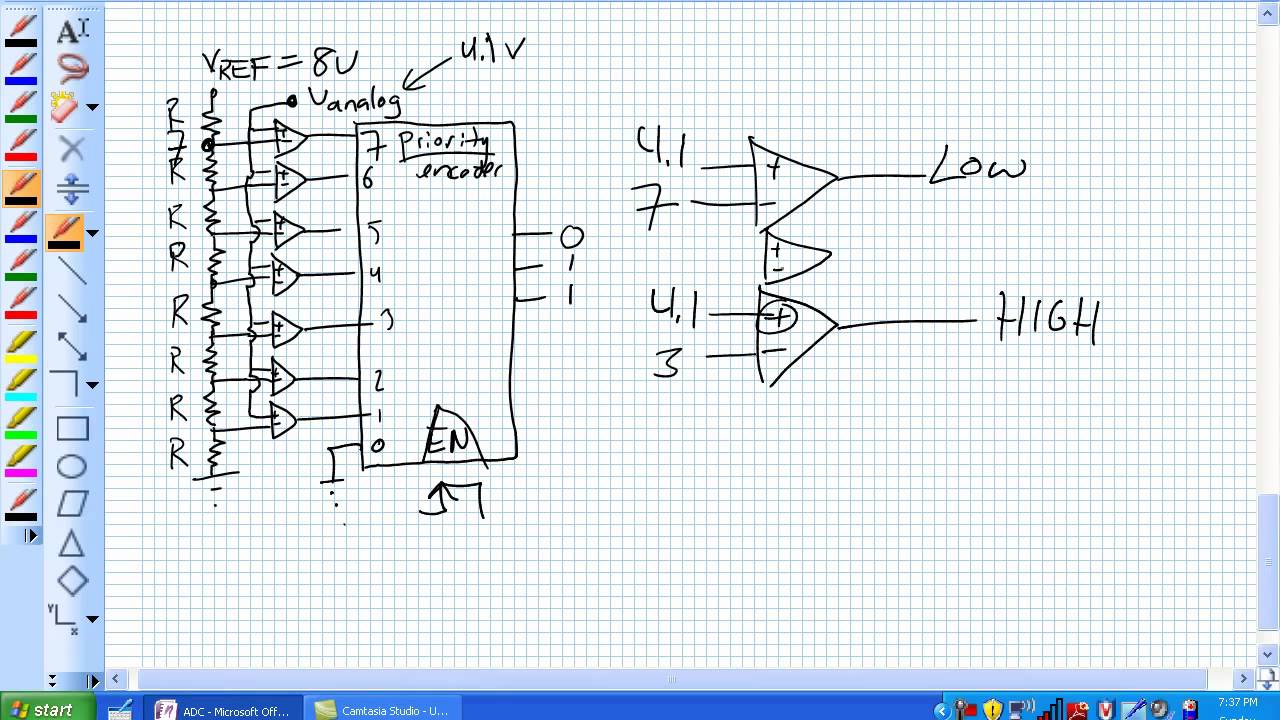


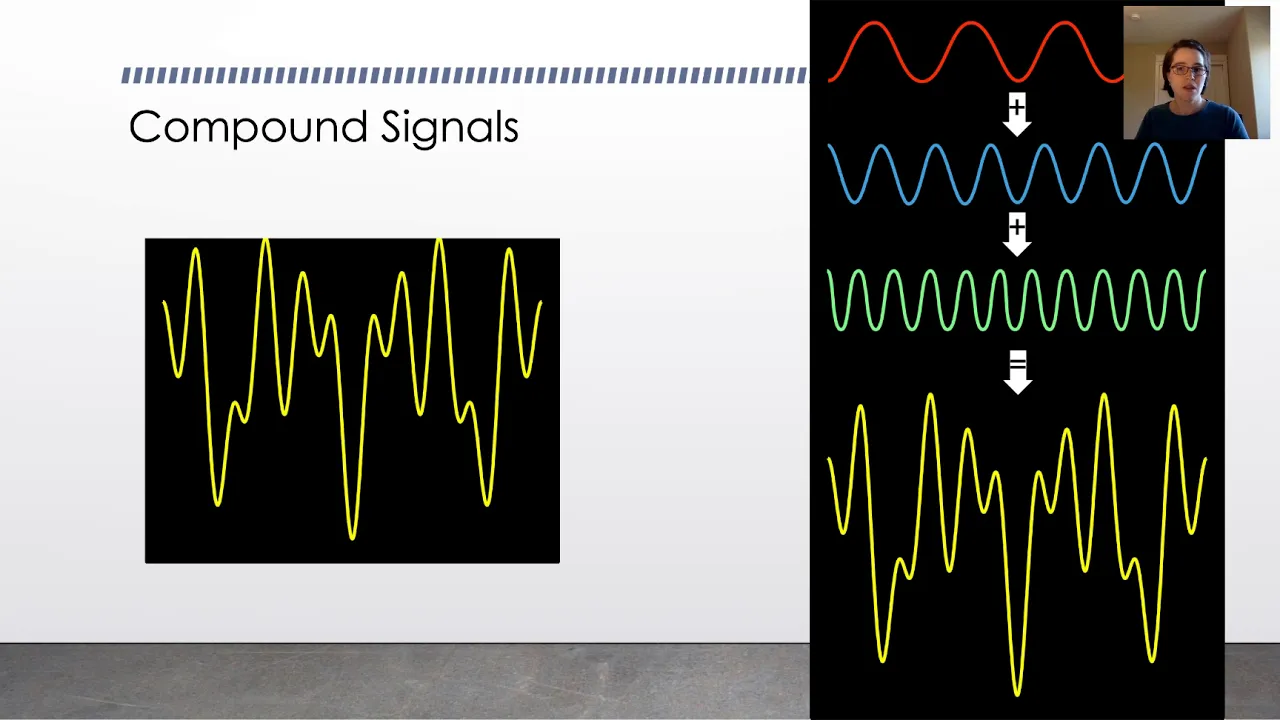



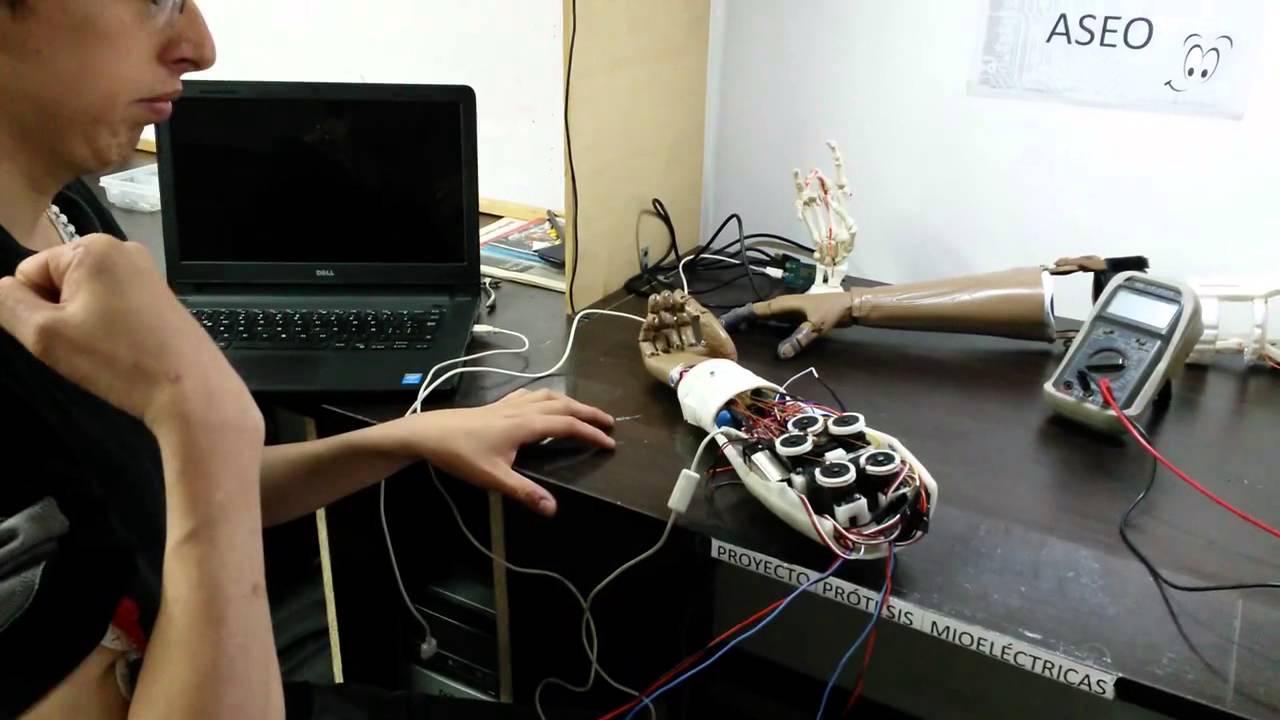



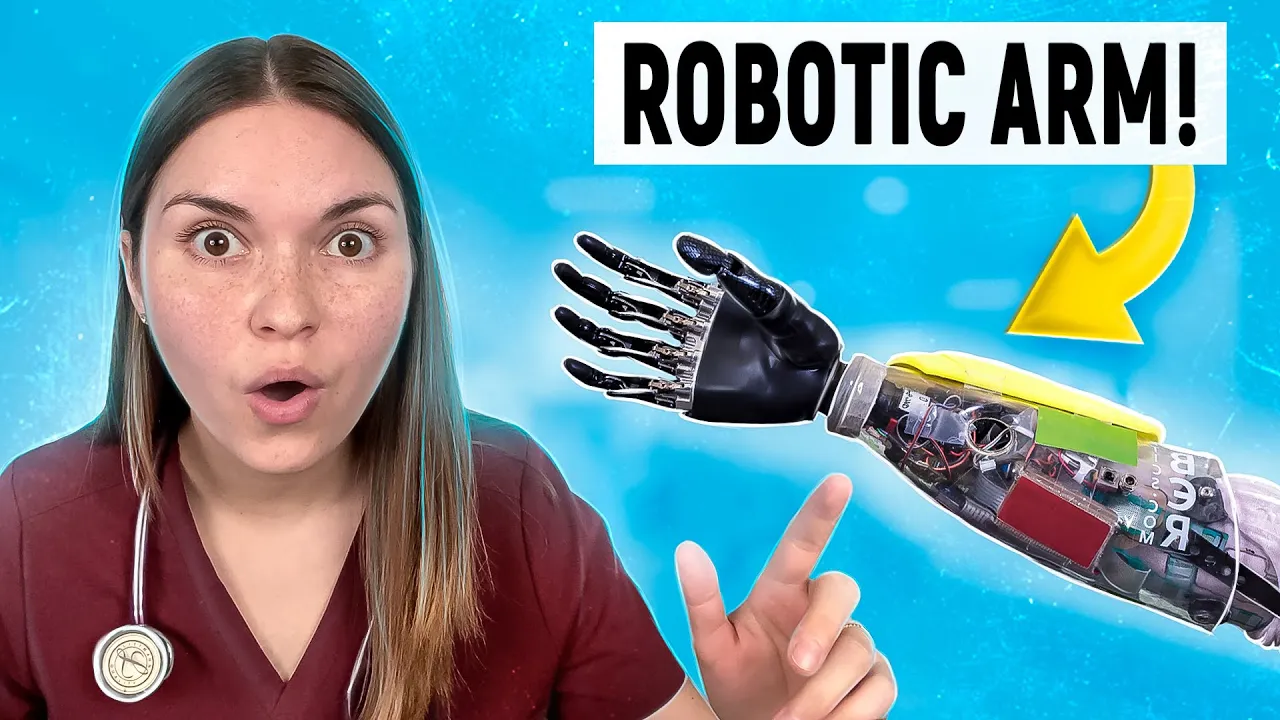
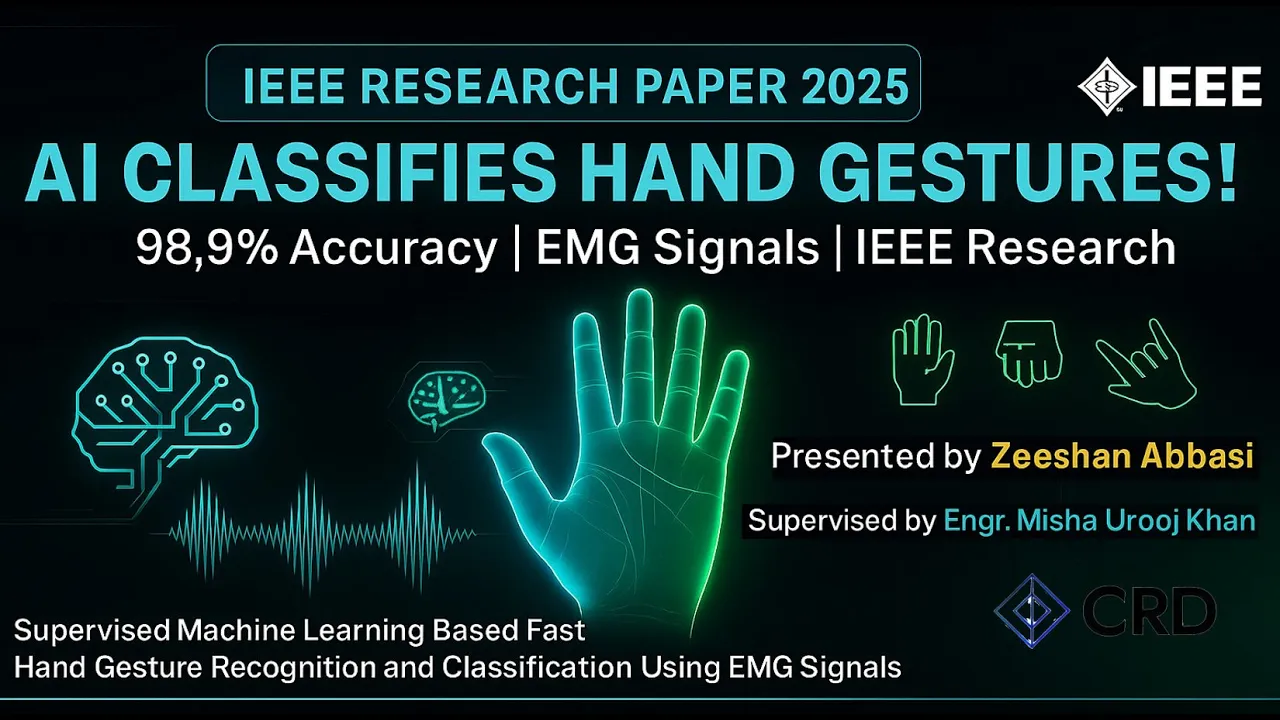

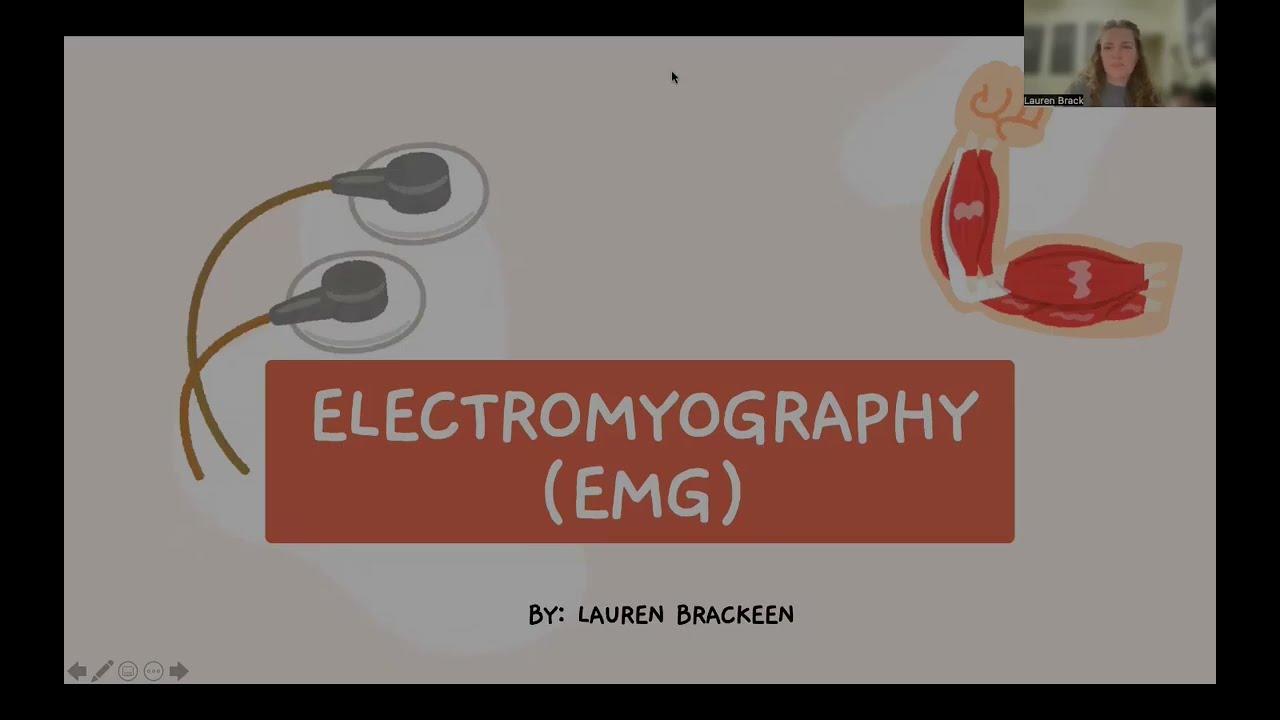


Electromyography (EMG) is a biomedical technique that detects, analyzes, and utilizes electrical signals (myoelectric signals) produced by muscle activation through ion exchange across muscle membranes; these signals are captured using electrodes and processed through differential amplification, filtering (typically 50-150 Hz), and analog-to-digital conversion for clinical diagnosis of neuromuscular disorders like ALS and muscular dystrophy, as well as for controlling robotic prostheses, though the weak signal (1-10 mV) is highly susceptible to noise, particularly at 50-60 Hz from power lines.
Electromyography (EMG) Explained: Signal Acquisition & Processing
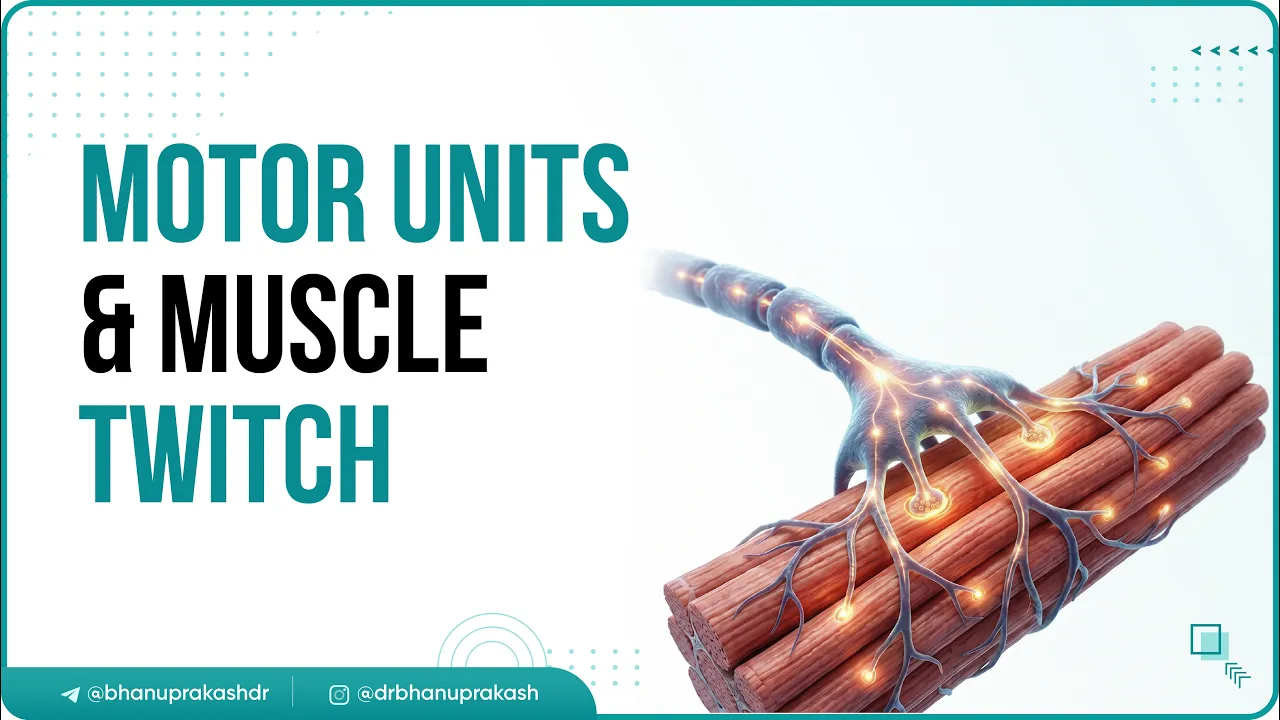
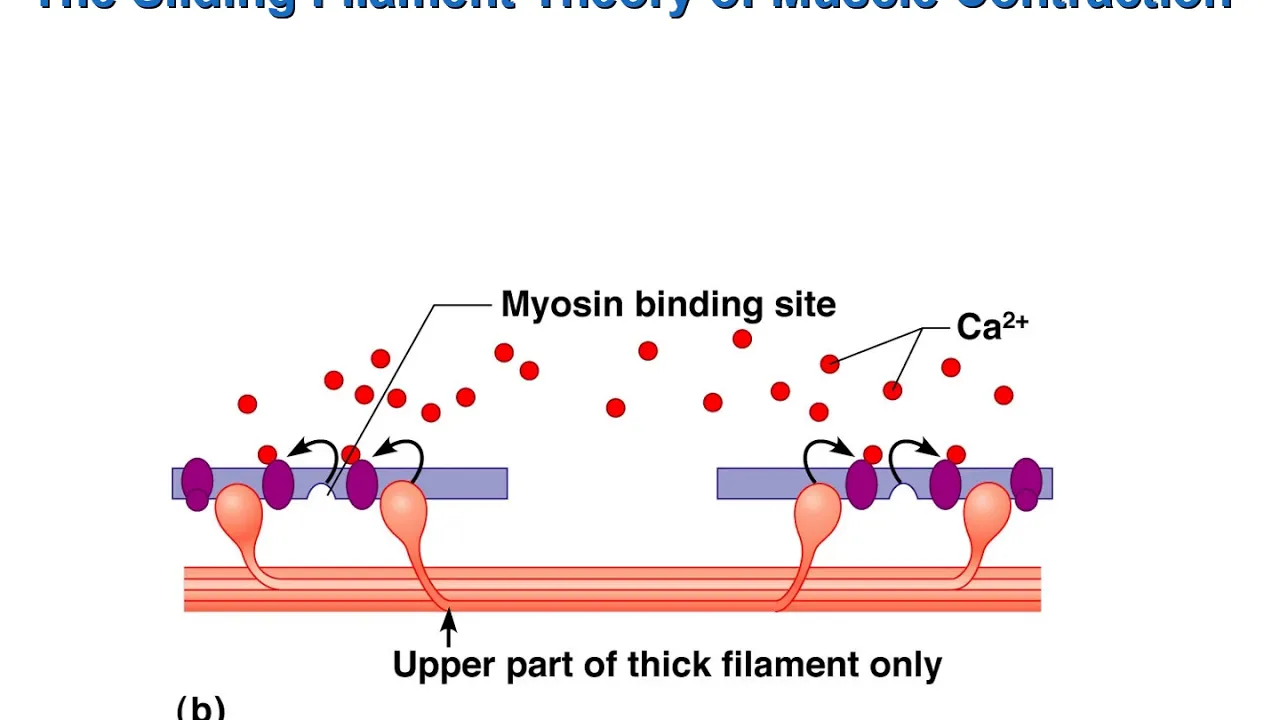
Added:Basic muscle physiology, including the generation of action potentials and the concept of motor units.
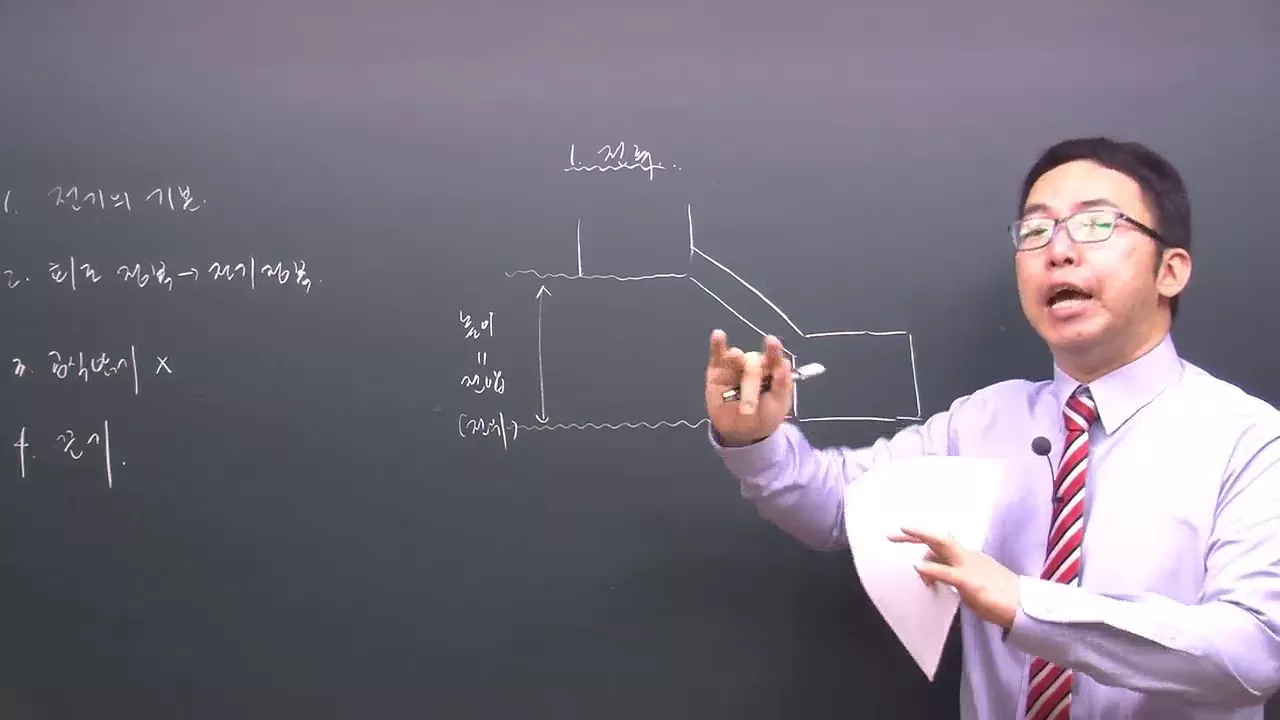
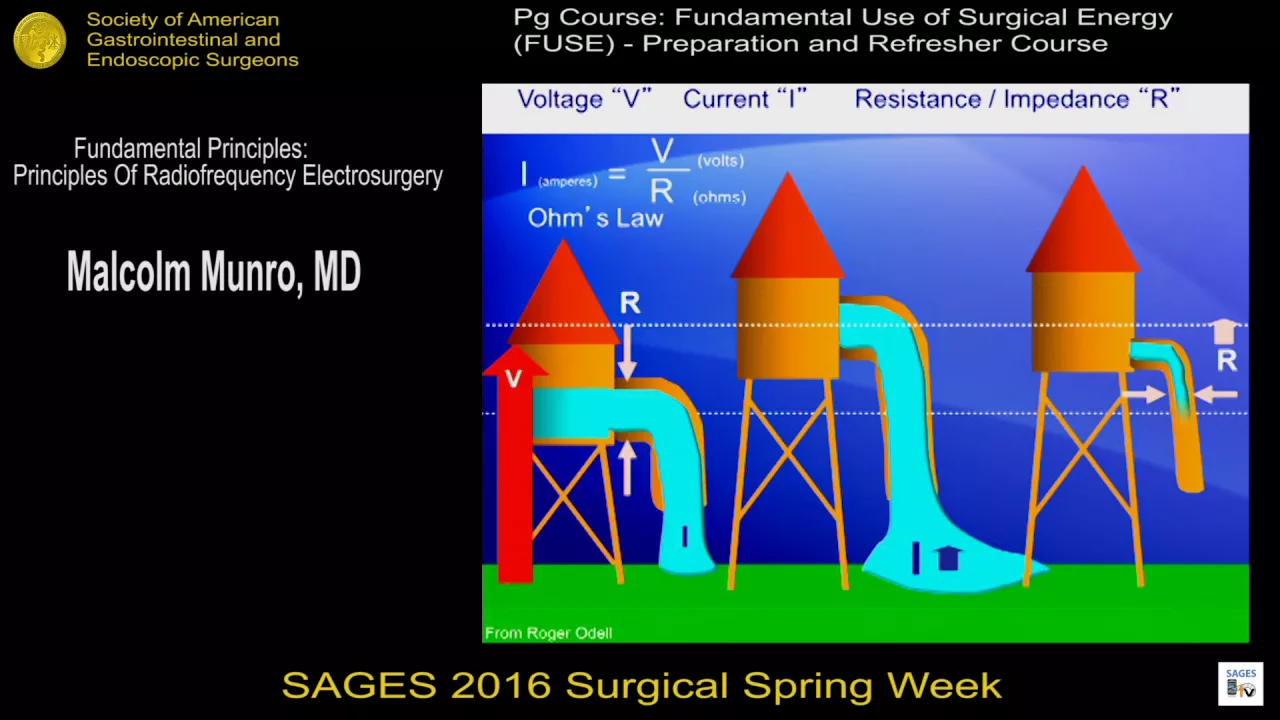
Fundamental electrical circuit theory, particularly voltage, impedance, and the characteristics of electrodes.
Introductory signal processing concepts, including analog-to-digital conversion (ADC), sampling rates, and basic frequency filters.
Advanced EMG feature extraction techniques, such as Root Mean Square (RMS), Mean Absolute Value (MAV), and power spectral density analysis.
Myoelectric control systems used in the design of active prosthetics, orthotics, and human-computer interfaces (HCIs).
Application of machine learning and pattern recognition algorithms for EMG-based gesture and movement classification.
Clinical applications of electromyography in diagnosing neuromuscular disorders, such as muscular dystrophy and neuropathies.
3.8K views57likes10:00Original Release: 2020-05-19
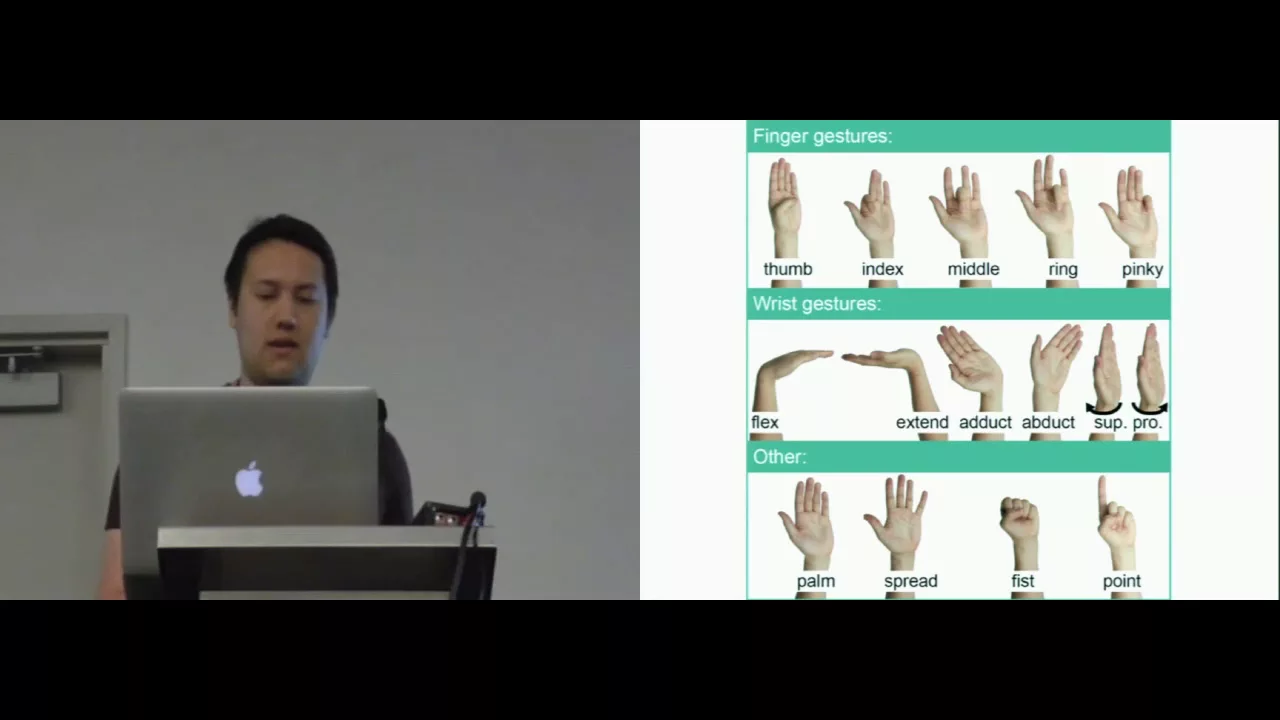
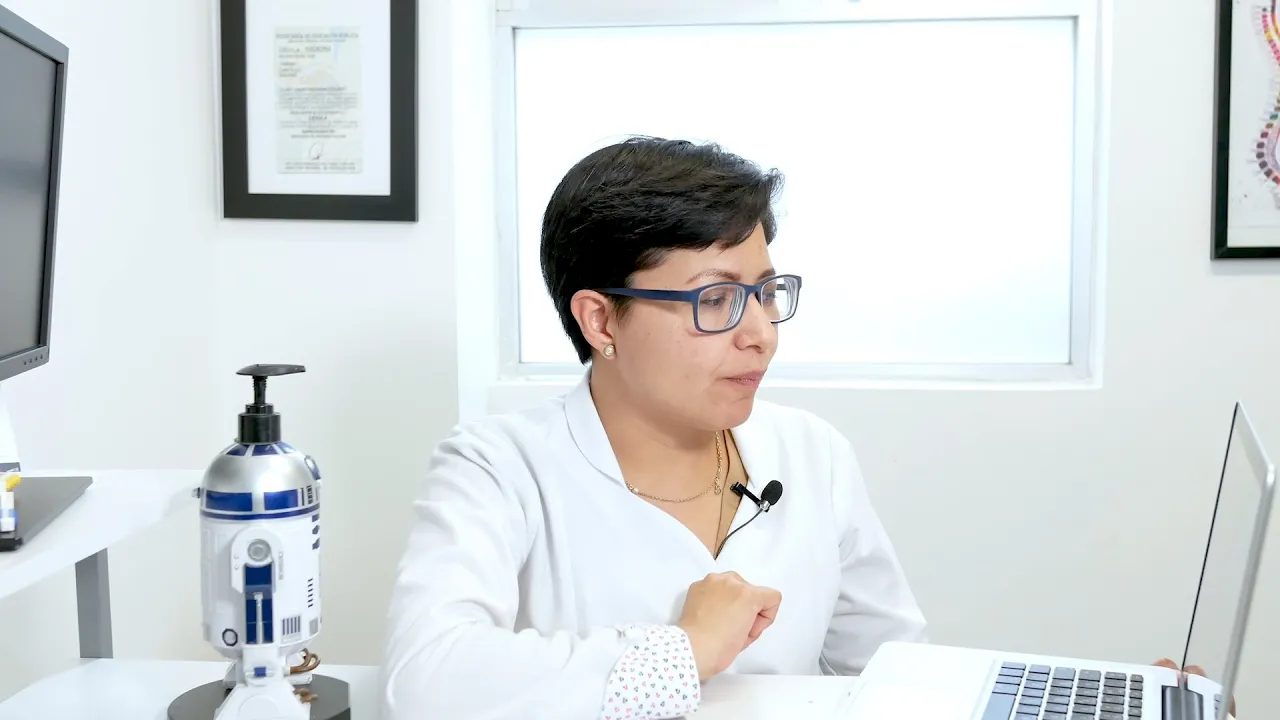
[Music] hi everyone welcome to this new lecture related to electromagnetic or EMP a professional natalie medina and once again welcome to this new lecture before we begin let me introduce the basic concept which is electromyography or EMG mg is a subject which deals with the detection analysis and utilization of electrical signals emanating from the muscles the electrical signal produced during muscle activation has a myoelectric signal let me work write it down my electric signal and well in this case is produced from small electrical currents generated by the exchange of ions across the muscle membranes in detected with the help of electrodes such these electrodes that you can see here in this picture mg is used to emulate and report the electrical activity that you can see here on the display produced by the muscles of a human body so you can acquire signals coming from the electrodes and then process the signal further in the signal and then you can see the recorded activity using your computer so now you can detect muscle activation procedures so the movement of the human body is possible through muscles in coordination these are the muscle fibers in coordination with the brain the brain sends excitation signals through the central nervous some more specifically through this spinal cord so the electrical signal travels across this penile court and then the motor unit this is called a motor unit which consists of let's say this is a modern Annie run a motor unit consists of on modern linear and muscle fibers and so where when the modern intern and the muscle fiber Smith then you can activate this portion of the body so when the modern unit is activated it produces a motor unit action potential which can be seen here this activation is repeated continuously for as long as a muscle is required to generate force this continued activation produces motor unit action potential trains as a result we can see now here the EMG signals or the EMG signal TV so main applications of days art well clinically EMG is being used as I said nastic tool for neurological disorders for assessments of patients with neuromuscular disease so EMG can be used to detect let's say muscular dystrophy inflammation amongst all pinched nerves Bertrille nerve damage and you can remember our scientists as they were hacking with it's commonly said that he has this type of disease say they are neurological disease called the ALS which stands for amyotrophic lateral sclerosis and of course you can and you can't take let's say some me as teeny rabies or this irritation and so on so many these type of disorders can be detected using EMG procedures but mg is being extensively used in the control now of robotic mechanisms to achieve prosthesis in M G signal amplitude lies between the in the amplitude lies between 1 to 10 millivolt so you can see that the signal amplitude is very weak and of course the signal acceptance by noise so the signal lies in the frequency of between difference between 0 to 500 Hertz but dominant frequencies are in between let's say 50 Hertz to 150 Hertz so has I mentioned before the signal is highly influenced by noise in the frequency range of course of 50 to 60 Hertz so this is the the noise that some appliances can add it to the 2d record procedure so 60 Hertz here in America is the most common knowledge that you can find using your home appliances for instance such computers refrigerators and all this stuff so how to acquire EMG signals well it starts with let's say we have here a motor unit and let's say the motor unit remember that consists of Madhuri and mirin and and some muscle fibers so these fibers and and as well as a modern eater consists of a modern modern unit so basic operation here is or the most commonly use configuration is the bipolar configuration what does it mean well using two electrode of position or detecting a surfaces with the help of reference electrode you can acquire the signal then the signals from the two EMG electrodes are connected to a differential amplifier the two detecting surfaces are placed only one to two centimeters from each other the differential amplifier suppresses the common noise a signal to both inputs and then amplifies the difference then once you amplify the signal then you have now the EMG record recording activity then you can proceed a by filtering the signal let's say you need to apply high-pass filters low-pass filters or maybe bandpass filters in order to detect only 50 to 100 and Hertz because this is the most dominant frequencies that you can find in the EMG signals and then once you filter the signal then to converter with two digital signals why because at this moment you have analog signals and you need to apply these because you're going to see or you're going to display this by using a computer so the computer cannot breathe analog signals so you need an ADC converter this is the cold in a DC analog to digital converter this is basically a microcontroller that you can attach at the output of the filter and then the output of the ADC converter then you can send this this digital signal through and using a protocol let's say serial communication or maybe you can use let's say a local network protocols such disappear anyway and then once you have this here in the computer then you can apply the different techniques let's say machine learning techniques in order to interpret or differentiate between EMG signals and some kind of digital noise so at the end once you have the the signal on your computer then you can process the information and then have some applications on this may be some prosthetic prosthesis or may be using for detection some abnormalities neurological diseases and and so on well that's all for now so thank you very much and thank you for watching
Up Next

5:49
Bacteriophage Purification via Cesium Chloride Gradient
@BCMTAILORLabs
14.2K views•2021-02-23
14:12
Quantitative Real-Time PCR (qPCR): Principle, Method & Data Analysis
@animatedbiologywitharpan
129.2K views•2023-09-06

23:33
Microbial Degradation of Plastics: Biodegradation Pathways & Sustainability
@majeedhammad
2.9K views•2021-04-11

16:04
CRISPR and Genetic Engineering: How Gene Editing Works and Why It Matters
@kurzgesagt
30.5M views•2016-08-10
Related Study Plans & Knowledge Roadmaps
Structured learning paths in Biotechnology
biotechnology
AAV Production: Transfection, Prep & qPCR
01Introduction to Gene Therapy and AAV Biology
02Mammalian Cell Culture: Suspension HEK293 Cells
03Upstream Bioprocessing: Triple-Transfection Optimization
+ 2 more learning modules
18h5 modules
Explore Roadmap
biotechnology
Building Gut-on-a-Chip: PDMS, Cells & TEER
01Foundations of Microfluidics and Gut Anatomy
02Cleanroom Fabrication & PDMS Soft Lithography
03Epithelial Cell Culture and On-Chip Seeding
+ 2 more learning modules
26h5 modules
Explore Roadmap
biotechnology
Optimizing CFPS: E. coli Extract & Yield
01Fundamentals of Molecular Biology and Translation
02Introduction to Cell-Free Protein Synthesis (CFPS)
03Preparing E. coli Crude Lysate (The Extract)
+ 2 more learning modules
19h5 modules
Explore Roadmap
biotechnology
Haematococcus PBR: Design, Stress & Astaxanthin
01Biology and Life Cycle of Haematococcus pluvialis
02Bench-Scale Photobioreactor (PBR) Design and Engineering
03Culture Media Formulation and Inoculation
+ 2 more learning modules
15h5 modules
Explore Roadmap