












The executive order designating English as the official language of the United States represents a significant policy change that affects government contractors by requiring all personnel to speak English in public settings, thereby increasing scrutiny on subcontractors and middlemen who must ensure their teams comply with this requirement; this creates both challenges and opportunities for contractors to adapt their business practices and communication strategies accordingly.
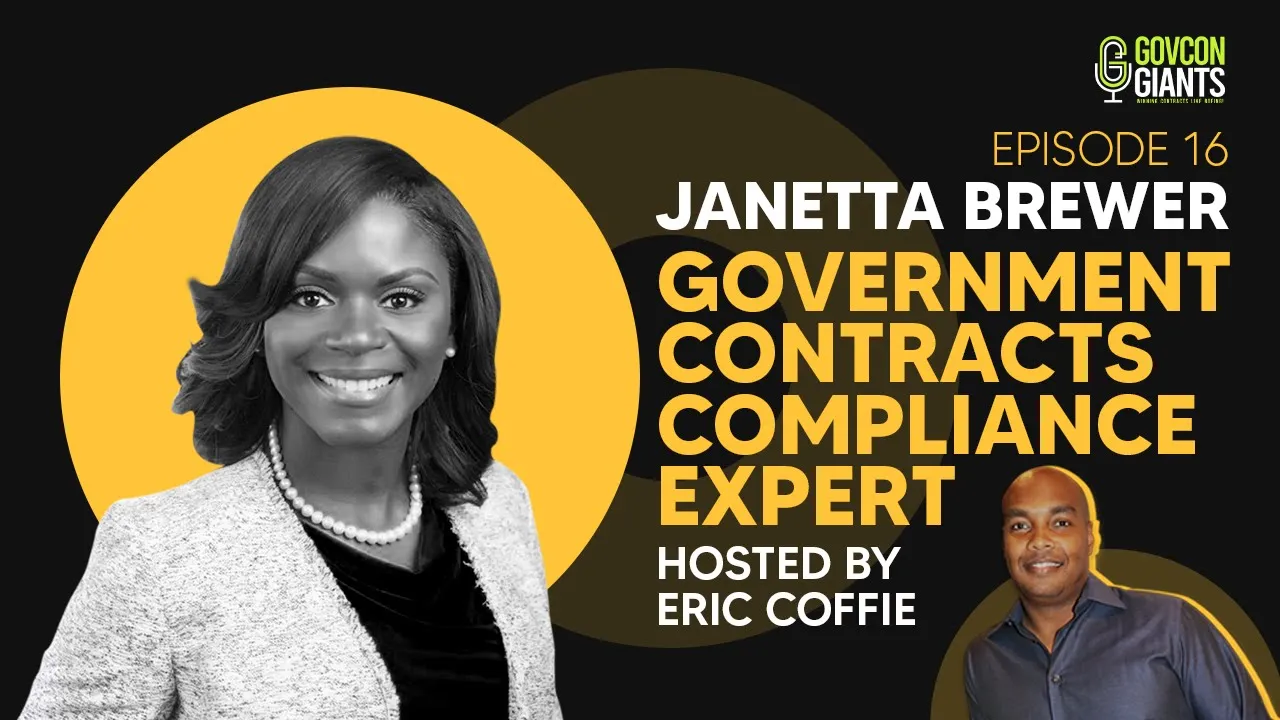
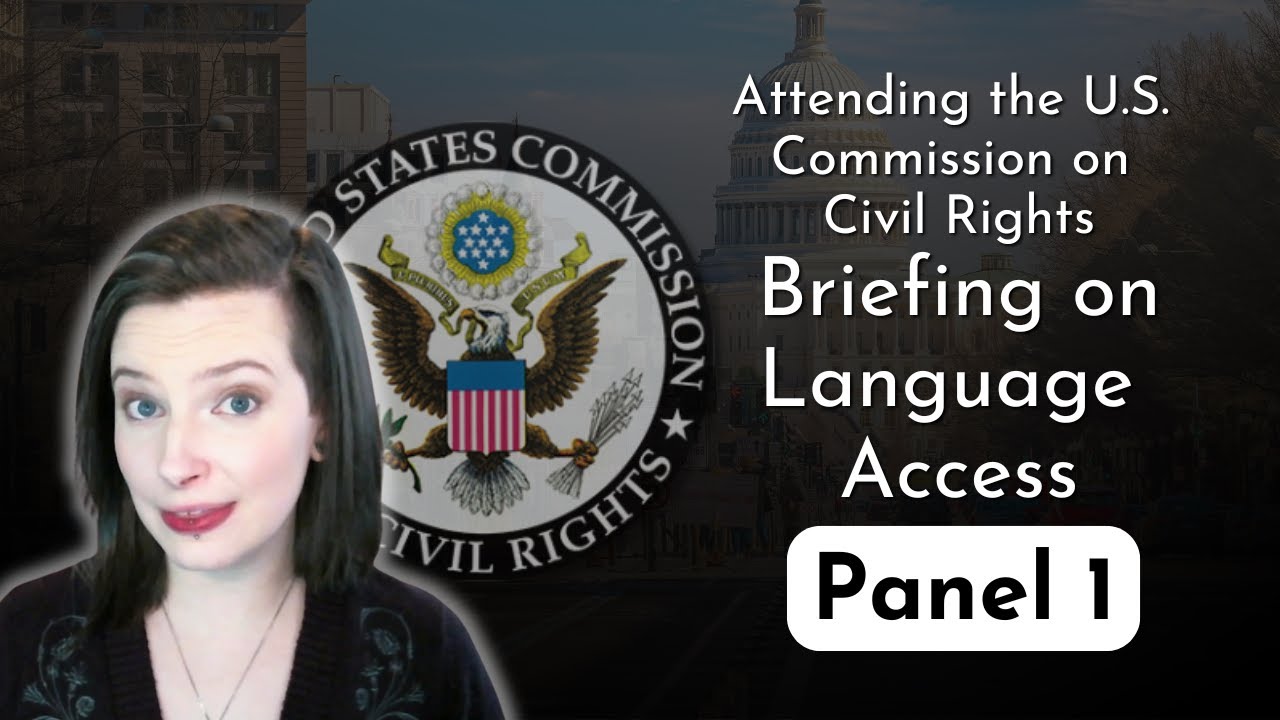
English Official Language: Impacts for Federal Contractors
Added:Fundamentals of federal procurement and the legal relationship between the government and private contractors.
The role of the Federal Acquisition Regulation (FAR) in governing tax-funded projects.
Basic understanding of administrative law, executive orders, and how federal policy mandates are enacted.
Core concepts of business compliance and the legal liabilities associated with government contract violations.
Methods for conducting compliance audits and updating corporate communication policies to align with the new language mandate.
Analyzing the legal intersection between official English mandates and Title VI civil rights protections against national origin discrimination.
Strategies for managing multilingual workforces and international subcontractors under strict linguistic compliance rules.
Studying the economic and operational costs of implementing standardized language protocols in large-scale public-private partnerships.
13.5K views467likes1:18:37Original Release: 2025-03-03
designating English as the official language of the United States this is a breaking executive order occurred designating English as the official language of the United States this is historic there may have been a little little pause you may have seen a little black screen don't worry everything is perfectly fine this is historic in the sense that um nothing of this has has happened before and thank you all for joining it's also historic for US government contractors now it seems that for many in this space the thought is well this may must only impact government employes or maybe this is a play to generate certain type of votes and I must share with you there's a lot more to it and that is why we're chatting about this today this particular government uh I mean executive order as well as I'm answering any Q&A you may have here or if you're watching the replay post your questions be below um and if you're ready to begin just type ready HK no nobody I I'm not mad or happy about any of these executive orders I'm here to about them and how they impact us so that we really maximize what is going on so instead of looking at everything that's going on as and thank you for engaging with me by typing ready so if you're ready type ready so instead of looking at these things like oh the you know things have changed is this the right time to get into Government Contracting this is definitely the right time to get into Government Contracting I been in this space since 2007 been awarded over 50 million in federal government contracts and I'm here to give you a little bit of motivation with my I create my reality cards from here until New Mexico so where I live full-time as we're about to dissect designating English as the official language of the United States and what you need to know this is vital you need to know this so this this is the card I get what I give I give attention to my goals number 16 do something every day that motivates you closer to your goal give yourself a realistic daily weekly monthly action plan check off each completed item so you can visually see yourself moving closer to your goals this is beautiful beautiful just like each and every one of you all my govcon winners you're beautiful you get what you give that's what this card says give more attention to your goals and your goals will give you more of everything that you want that's very powerful how is this all connected well first and foremost with a lot of these opportunities many of you are interested in middleman sub contract or maybe you're going to have employees assigned to different locations they're gonna have to speak English they're gonna have to speak English pretty much all of the time unless they're in a private situation meaning in their car or maybe they're at your office this isn't unique to just federal employees what this means is you bring in someone they're doing the work if potentially somebody hears them speaking a language other than English they may report you now in government contracts I've noticed that some situations they will list uh must be able to speak English they may say things about English only but with this executive order it heightens it and now that you have people in this environment of go to Doge Department of government efficiency if you see something say something contact us let us know so we can investigate it it's turning everyone into Crim Stoppers and so with that said they're definitely going to heighten their scrutiny of US federal government contractors but shouldn't they shouldn't they if you're paying somebody to do work in your house you're just going to be like oh okay just do the work yeah I mean you're going to do the same thing because employees are under scrutiny we're going to be under scrutiny so I would love to see your questions so feel free to type your questions here there may be a delay during this live but feel free to type your questions so you want to make sure that the team that you bring in that they realize hey you're going to need to speak English be mindful if you speak other languages or you want to speak other languages just do so in private this shouldn't have an impact so much on translation transcription Services as long as things are also in English you may see a slight decrease in those and those are great opportunities to middleman and in case you're wondering I do love tea I am drinking some mint tea and the card I pulled today I get what I give you get what you give give attention to your goals and your goals will give you more of everything that you want that's really powerful I see it as an energy play okay so I see a question what's up ra Raul JJ Michael Sherry all of you I love and adore you if you're watching the replay type your questions below got it okay uh Enduro amen for all that it makes sense if I'm reading his question I'm assuming your man uh if English not their primary language they're not from here did not attend school in America they should learn English English it's better contracts I love you back Sherry you know this is something where um as somebody who lives full-time in Mexico and I don't have um a clear I'm not uh comp competent with speaking Spanish I have two different views however comma I'm very fortunate and I'm able to work virtually now if I was in a situation where I needed to learn Spanish then of course I would do it so the thing is a lot of people are in situations where they don't have to speak the said language and keep in mind did y'all know do you all know and P and uh feel free Willie and everyone else to type below the official language in Nigeria do you know what the official language is in India or in Biz Biz is not far from here I think it's a five hour drive if you know the official languages for these uh countries feel free to type them below nesp what's up welcome back northern Mexico where Northern like garez montere uh where the other part North aabo so are you familiar with the official languages in Nigeria bise India if you are type it down ah Sonora okay nice I haven't been there yet I don't no I don't think so I went to Warz oh that's so sweet uh Jose okay so David says English what does everyone else say Nigeria what's up good morning from to the Philippines India believes what are their official languages so as you're answering that I talked about and I'll quickly share again and it may turn black so don't freak out uh designating English as the official language of the United States it's an executive order and I'm re discussing how this impacts us as government contractors okay that's what I'm discussing so as several of you typed English is the official language Nigeria India bise bise is the only country here in Central America where uh English is their official language all the other countries is Spanish so this is really important because as you're bidding on work as you're middleman as you're looking at opportunities just keep in mind your contractors your team the people that you put in front of the government represents you it doesn't represent me it doesn't represent JJ it represents you must speak English in public be prepared for that just be prepared a beautiful questions today today we should better educate another language I took Spanish for three years and can't speak it fluently n b yeah I I tested out of Spanish one in college and when things like in crisis here all of a sudden the Spanish comes out I'm like whoa where did that come from but uh that's okay Janice but you know thankfully I can read it I have a good understanding here in Mexico so it doesn't really hinder me so all of you that are coming in I appreciate you being here um and what's key is the executive orders that are coming out things going on with Doge Department of government efficiency also impact all of us as federal government contractors I also had predicted that there would be a doge theme at the state level governor of Florida r to vote Governor DeSantis has already moved forward with it he has a nice um Banner on it and everything a little flyer so what this means is be aware like subscribe hit that notification button so make sure you like this today you keep coming back if you haven't already pick up a copy of winners way book.com winners way book.com I'm going to share that here with you in a second also keep in mind that this means we have to continue to demonstrate our value winners way book.com and how we do that is one through communicating you have to communicate with your vendor hey Ione to let you know I put in our price quote I'll keep you posted hey it's w let you know we won we're gonna have a first meeting instead of Dr Park I I I can't get my vendor I can't reach I can't find them I mean listen I get it I totally get it I had that happen with nuclear Regulatory Commission there was a woman I was going to subcontract to she was the entire reason we were even contacted about the work we won I believe at that time it was six figures I I would have to go back to double check I don't recall because we were subbed by a company and then I was subbing to her I had no idea how to do the work I had to do a senior executive service I had no idea about this that was way way early days and she said to me hey I'm having XYZ situation in my family I can't work on this click I had never heard back from her since that was over 10 years ago so I had to scramble I uh team went on LinkedIn and we found somebody and actually we we've been working with that woman her name is Diane to fulfill the need ever since now that was a oneand done type contract but the point is you want to stay in regular communication because if I wouldn't have been in communication with her what would have happened when they were like oh yeah the first meeting so please learn from these trials and tribulations that I've been through America made it very easy for folks not to have to learn English Tama yeah here in can I don't live in Cancun I live in Tulum but here in Yucatan also uh I was in Spanish three May good grades too yeah nania feel you yeah I agree with you Tama we we do we do really good job making life easy in America um DJ KY how can I reach out to you for oneon-one I'm gon give you my email here y'all can all reach out to me okay um I feel like I owe somebody the HVAC proposal if that's you make sure you email me I'm not trying to not send you something but you know just being really open with you I'm balancing a lot you know I I got a man he's amazing I'm getting back into my workout routine I'm figuring out things with myself and working on being the best version of me and so sometimes I may Overlook an email okay DJ yeah I definitely don't go on LinkedIn so I want to say I apologize to you I'm not here to ignore you or to do anything of that nature I'm just balancing a lot I'm just letting you know Doge impacts my companies too that's her whole another day remember you get what you give so I'm here to give sometimes I might need a little nudge so DJ and anyone else watching live or the replay I'm not really big into checking my LinkedIn email me K Parks kc.com is the best way to get in contact with me um we'll talk okay cool let me give you the book to I'll give you the email there's a lot more to come I'm GNA have another book we have a challenge so I'm gonna get to all that in a second because I want to keep giving you value value value and for those of you just joining executive order just came out designating English as the official langu in the US and I believe this is the first time we've ever done anything like this in the United States and it impacts us as government contractors because it means that you can't have your team there speaking all these languages you want to make sure they're speaking English in public and private speak any language they want I remember one time I was uh I had gone to H what are they called um the it's under Department of Justice it's the not the it's a government building downtown Miami I know they have attorneys they have clerks I went and had a capability brief with him and it was at also um Haitian Flag Day so it was really cool to see all the Haitian flags and Miami is a very big Haitian culture uh and population and so I'll never forget how cool it was and the woman I think asked me if I was Haitian makes sense because there's a lot of Haitians and I think of things like that because when we hear when we see things like designate English sometimes people think English Spanish and it's just it's English and all these other beautiful languages that exist so it doesn't mean you can't share or express your language I'm sharing with you federal government contractors speak English speak the other languages elsewhere okay just be careful because with the depend um uh Doge defense uh Department of uh you know government efficiency sorry y'all I got all tongue tied because there are going there's going to be a huge Doge update on DOD tomorrow so I'm like my brain is on fire but given Doge has various X accounts Twitter accounts X accounts dedicated to reporting certain things this is not the time to play games this is the time to be the best version of you be ethical be above board okay yeah Janice agreed I came to Government Contracting because I couldn't get a job Janice with a with a mess in the green public health because I didn't speak Spanish and that hurts me to my core to this day I'm sorry Janice um yeah I mean maybe now is the time to try again nadur has anyone noticed recognized very pragmatic they discriminate against our black youth young adults and teenagers to hell with that okay Enduro I need to hire someone that speak Spanish for my business too okay I uro I I need a little bit of reference um but here's what I love I feel your passion because I'm your government psychic friend whether you into it or not into it if you ain't into it there's other channels if you into it you know what's up so um I just need a little more context there but here's what here's the deal I love your passion I love the fire here I love that you're wanting to learn apply and adjust and that's what all this is about so I'm doing something I have not done in a very long time we have a challenge coming up I'm going to put the link there 297 VIP VIP always better and you're going to get the recordings you get to ask me a question this is the time to take full advantage of this as two hours of this challenge because the next time we do it so we're going to hold it in March and then we're gonna hold it again and then the next time it's held um I'm going to up charging more for people to ask questions I'm just letting you know so check it out uh also if you want more information um you need help with some things you can personally email me will do change the demographics Hassan I don't know about demographics I know here's what I do know as let me put it like this when I was in diversity and inclusion many many many many many years ago 0708 I got out really like 201 13ish and then we would only every now and again do diversity inclusion and I was never involved so I found that there was this what I called Bounty Hunter Hunter mentality this is not unique to the federal government this is not a dig against anyone I'm just speaking from my personal experience one of many reasons that I was like I don't want to be part of this anymore it was this bounty hunter hunter mentality like how many blacks how many Hispanics how many whites how many this how many that and I started to notice the same with the SBA in the past couple of years please like subscribe hit that notification button feel free to hit Hearts feel free to share and I was like this is odd it was like people would contact me hey KY um I was told I should get an AA and I'm like you've had your cage code for a week meanwhile this many a days y'all know the curls popping this many wom own this many veteran this many hubzone and I just had these like creepy flashbacks I was like this is disingenuous and here's why I want to know how many people have contracts that's what I want to know how many people how many small businesses are profitable how many small businesses are going through the steps to get an aay and get aay work that's what I want to know because based on my understanding very few listen I'm GNA keep it real y'all know I was used multiple times as an example SBA South Florida I actually spoke for um sbdc SBA something or other not too long ago I think in Central Florida they even use a capability at an apex in which the woman did work for me and they show her capability and list my company and her past performance with us so I'm not saying this from this place of politics or guessing I'm sharing from experience so what I would love to know and what I'm hoping is during these these next four years you win a contract there's no reason you can't I get what I give do something every day that moves you closer to your goal being here going to sam.gov bidding attending an Outreach event that's what it's about being aware of the executive orders adhering to them and if you decide you know what this is not for me then don't do it that's cool that's cool but at least try and that's why I'm here y'all because I love and adore you okay I'm gonna go back nador I live full-time in Mexico I was inspired my okay uh let's see which service contracts would you would you recommend the real real I recommend you go after things that are not political cleaning um real estate where the buildings being occupied snow removal housekeeping I just filmed a video on a housekeeping opportunity somebody won a $ 1.1 million contract for five years nador have to stop being pretentious cuz all of them are playing against us doesn't matter how those reject us okay got it uh pixel subcontracting so here's a great example uh let's see I'm trying to it's this right here this one so I have one of my lights attached to this I'm not sponsored just sharing okay I purchased this on Amazon right so someone from Amazon brought this to to me to my place in Miami Beach they brought it to my home in Miami Beach does that person work for Amazon probably not the components this whole thing was it all provided by anchor probably not so you have vendors you have subcontractors you have these other people who are involved they don't work for the company you know what's really interesting I've been watching a lot of travel videos right because I want to go on like a virgin cruise with my man I'm just saying I know I know I'm I am I am becoming that person who's like oh they they man I am it's how it is so I was looking at these videos on virsion cruise and then all these videos on cruises pop up because you know how the beautiful algorithm is here on YouTube don't forget like subscribe hit that notification button and they started to talk about the spas on the cruise okay I like a spa the shopping on the cruise the people who take your photos on the cruise and they were saying that all of those are controlled by other entities that's code for subcontracting they're vendors so the people providing the spa services don't work for Carnival they work for another company so when it comes to Government Contracting you win a contract to paint the wall behind me you find a painter you pay them you take a cut there you go that's how a lot of Government Contracting Works we've subcontracted to a billion doll company billion so it's how it works um pretty po perfect uh for any of you who would love to to learn I have a new challenge 297 VIP VIP always better there is a $97 option but I'm a VIP kind of girl so I'm just letting you know okay so I'm going to put the link here for that five days you get to ask questions we're going to cover a bunch of information that's listed here what are we covering well we're covering every sing single thing you need to know to master middleman approach that's what it's about that's what it's all about during this Trump error because the days of pontificating about oh I had a thousand X profit someone's gonna turn you in and it's not that they're against you making money the market is not the place for this right now th% profit would be on o bad as boss if I tell me okay Flip Flip family my first win I was happy second third happy now I need to win big big money constructure cyber Flip Flip family I'm so proud of you have I interviewed you where's my phone here it is y'all sorry I was like where's my phone so proud of you did I interview you excuse me I shared on my Tik Tok you you win I I fly you out you get flown out here and I interview you in my studio the studio I use I don't want y'all thinking I'm lying out on the studio I worked as a contractor for years saw billions and fraud yeah I mean a lot of stuff happen oh Michelle tell me okay tell me about your win Michelle Michelle you might be the first flown out here keep it up I'm excited okay Flip Flip like subscribe hit that notification button me take a photo get off my arm let me get this one appreciate it okay I'm glad you're bilingual R hey KY we got our a day took us a few years okay awaken if if you're comfortable with what you need to do Dialing for Dollars okay got it Michael just got your cage code I'm so proud of you also and let me know be honest with me please put a yes be honest so I'm going to start a second Channel soon and it will be everything except Government Contracting so if you're down for that type A yes type A yes thank you KY for answering if I'm joining the Master Academy does the twoh hour challenge cover the same no the um proposal Master no good question proposal Master Academy is one of the greatest things I've ever created you're going to love it it's all about proposal writing the five day is all about like here's how you maximize during the Trump Administration if you're interested in that second Channel type yes so let me put in here um proposal Master oh man I'm so proud of you awaken Furniture installation done a couple we were direct primes on oh good good good so here's the deal I'm gonna give you some free coaching and that is awaken make sure you go back to all those agencies you did work with to see if you can get a AA Soul Source now may be a little tricky but fourth quarter comes they're they may be a little more open hon you if once you have a cage code you can bid on opportunities across the world Africa Philippines I bid on things in Italy doesn't matter and thank thank you all for your participation for sharing yes uh Bas boy would you bid on something another Prime is bidding on like um when you say another Prime do you mean like the company you're planning on subbing to oh no no worries awaken I uh was just reading really fast okay flip that's fine okay we're getting it so if you want any assistance on proposal right please feel free to check out proposal that wins I'm going to share my screen with you all proposal that wins we that here it's amazing we've had numerous people have success win contracts increase confidence just get amazing feedback proposal that wins.com so you'll see the link there uh paranoid is that what you're saying Flip Flip you're so paranoid so somebody said zero asked first manager said the government doesn't pay and was uncomfortable with us working with Trump has vendor scared who says the government doesn't pay like who who are these people I'm I'm being really serious like who is it is it like the person that's never done anything with Government Contracting and they're like ah um government doesn't pay like I don't know I can tell you this I've been in this space since 2007 forever 28 the government has always paid there was one situation this was one of those situations where I was really naive and at the end of the day it was what it was for one agency they had me go go to Germany that was not part of the contract and travel was not included in that so I didn't get reimbursed for it at the end of the day it's okay because it was just me and it was a good learning because I should have never gone to Germany I'm really glad that I did I believe I got a coin while I was there uh my coins are in the headquarters in Melbourne but um other than that we've always been paid always always always always been paid at the federal level in state we sub to somebody in the great state of Florida always been paid so I don't know oh [Applause] King I'm so proud of you tell me about your win I'm gonna take some photos so King said I won a contract because of you good y'all know I love those religious ones and that's another area that's so not controversial nobody's like cut religion you know like that's not what's happening okay um I don't know why the volume decreased but I'm still here rless did you really I think you did you released our podcast right I Adore You zero well you know scared people scared what what what is it saying scared money doesn't make any money if that's something you agree with type yes type yes type yes type yes um I look at it like you got a EB and flow it's no different than Society you know and maybe it's always been there I just didn't notice I was Googling things on my phone two things one I learned that people some people don't Google they first look on Tik Tok I was like they on Google didn't know second when I was looking on Google I was trying to find the video Tab and there's a tab that says short videos what so why because we as a society across the world love short content we love it I see it here in Mexico I'll see the cab D I see whomever just everybody's on their phone it's a thing and so does that mean people need to say stop being on your phone don't watch short content you embrace it so yeah there's this Doge so you embrace it hey because of Doge I'm I'm not gonna be able to give you that profit cleaning company you normally get so whatever profit y'all normally add you better decrease it and if you can't work with us then I still appreciate you uh can you refer to somebody else that's what it means that you're maybe more transparent hey here's our pricing and because of those we've only added a 5% profit you may think 5% on average restaurants make between three and five as profit so just some things to think about pixel if something is already been Soul Source it is not something to bid on it's it's kind of like you're going to wedding and the the two people getting married are at the front and you're like rolling up in your outfit to marry one of them excuse me now I mean if they're into thres and this was part of the arrangement I guess but I mean they they they already they already planned on getting married so it's kind of what it's like uh Mr and Mrs Sherman they already have you can go H let me get the the website up for you guys I think it's let me double check yeah doe.gov so for any of you wondering how is Doge impacting I heard about a woman who lost a contract with usaid and as a result uh she lost 200 employees so this is real you can see them here most of these are grants and contracts and they this is a screenshot from fpds dgov so you can see all of it here this is a free website Doge do goov I'll put the link here I believe let's see you can look based on agency and you can see the contracts that they cancelled and then you can click there is it let me make sure it's still sharing okay let me move over the screen so I did click the button and see the actual contract that they cancelled that was terminated so this is a sitation this is not a drill it's not a joke it's about saving money saving taxpayer dollars that's what it's about thank you race um the real real um that's a good question I feel like proposal Master Academy uh I'm also going to come out with a beginners course really soon uh probably in a month or so King wide area workflow that's right you got a defense contract anytime somebody's paid on wide area workflow through the pi system that means it's defense I'm proud of you Arthur art Coleman of course there's always lots of opportunities I have an amazing team I have success coaches because I'm going to go on and keep building build the second channel do more and more I have a money manifesting opportunity coming up all kinds of things being afraid is based upon a negative construct that's right and the card I pulled today I get what I give you know I'm your government psychic friend you like it you don't there's other channels but I know you're here for reason learn apply adjust and there's tons of options in this world and if I'm not that option that's cool I understand but I want you to get a cage code and bid that's what I want from you so I give attention to my goals you give you get what you give that's what's important here you get what you give give more attention to your goals and your goals will give more of everything that you want it's very vital very very vital so when it comes to Government Contracting Trel I love you too when it comes to this space coming from a place of hey I'm here to provide the best product or service to give it to you at the best cost I am the person for you because you already have people oh I'm scared I don't know there's all these contracts and Trump this and Elon Musk that and you know whatever doesn't change anything the government's still buying billions of dollars worth of products and services it's just that they want a deal and they must align with the executive orders so the newest executive order is designating English as the official language in the United States no difference in Nigeria bise in India so that means that when you're working efforts or you're using subcontractors y'all need to speak English in public that's all it means okay King Pentagon okay good I'm proud of you I'm so proud of you okay Mory Mor and anybody else contact me there's lots of coaching opportunities uh there's grouping oneon-one Eddie is gov when necessary when starting out have my a day trying to strategize my company specializes in audit Readiness I don't know Eddie I don't really know if they're buying audit Readiness which nakes code did you use and who's your which SBA are you under because the thing with an AA it's an easy button however comma I don't know if a lot of these agencies are going to want to use that easy button I was working on Unison but compared to last year is's no good bid okay so pixel and everybody else think about Christmas okay maybe don't celebrate Christmas maybe celebrate K Quanza or Hanukkah okay think about the holiday season now are any of you now be honest with me are any of you buying Christmas trees in the month of March if you are type yes type yes if you're buying Christmas trees thank you Rodney I love you too if you're buying Christmas trees in the middle of March type yes I know there's a bit of a delay I don't see anybody typing yes so what this means is the Christmas tree business is probably most profitable fourth quarter calendar year so when it comes to the federal government and the platform Unison Unison is a platform to bid on products and services it's a reverse audit auction it's free 3.99 all you need is a cage code to register it works the same way the fourth quarter of the federal government July August September so you see an uptick of opportunities around that time of the year what's up Shen y'all need to check out chenet she's got about a million sub uh followers on LinkedIn she's the queen of AI LinkedIn and AI is a tool that you will need to uh help you with proposals or understanding opportunities that's right chenine nobody's buying Christmas trees in March so the same thing works with unison you're going to see a few and then boom you're gonna be like oh my gosh there's so many that's what's going to happen Okay so don't give up pixel ba base boy if company I'm trying to subcontracting is bidding uh I mean depends on how much you like competition I believe I'm the best so I probably will still bid I would undercut them though I don't play around it's like Amazon Amazon did a lot of research and they found like let's take toasters so let's say a vendor let's say toasters was a very very popular item they would white label toasters and undercut The Toasters of the other vendors I I work like Amazon I I really admire Jeff Bezos he's so brilliant he even recently posted um a letter to investors and such so take a look uh okay badass or just bad boss lady which quarter uh anyone that you believe in if you think it's the fourth it will be the fourth I firmly believe what we believe will happen I firmly believe this I have so many examples of it that's why I'm starting a second Channel I mean it I mean it Eddie NES code 54121 one audit is huge okay good so then here's what I suggest that you do Eddie you get with the agencies in the dod who you know want these audits you said you're currently subcontracting under the Army okay get in front of the army small business rep somebody with the Army who can make decisions because they may not be comfortable going a day given everything going on right now and the executive orders around Dei and preference so you may have to get them to go the small business route uh I would also look to meet with the small business route with the Navy okay lady bull said it's a good NES cool I haven't used that n so if it's a great n by all means work with it what I know is this most ad start out very narrow and expand that's what we did So eventually you'll up in Staffing Arthur art there have been government contract at Canada uh I don't know does it I wouldn't say I mean there's still going to be opportunities here in Mexico Canada just look for them James my wife is a education consultant how could she get involved in govcon uh that's a great question question so I my response is what does she want to sell does she want to be an expert and only provide education consulting which uh given they want to dismantle the Department of Education not sure if that's the right path or is she entrepreneurial and she's open to selling technology devices only y'all know I as suspect she she wants to be an education consultant but um she's not here and I don't feel like it's comfortable for me to read her without being here okay lady bull what's up you're amazing uh okay now if you want your questions to pop up please buy a badge by all means um if you have any questions feel free to post them lady bull you're so funny who are you do we know other as was looking up something um okay so lady bull is referencing the um the the new head of the SBA um she's the administrator of the SBA Kelly um laugher I like Kelly here's why I like Kelly she posted I think it was on X or something like she was in the SBA office she's like look nobody's here all the disc are empty I was like dang I I like that I like a person who's like let me just put it out there now um I have respect for that I love when people who have a background in business are appointed in these positions uh here's what will happen there's not going to be an emphasis on a woman own hubzone no you may see a Sprinkle of of Veteran stuff but it's going to be an overall we're here to help small businesses maybe help farmers uh maybe help uh businesses and places where they've had a natural disaster like Hawaii North Carolina places like that so uh just be just be aware of that but she seems great I like her videos I like her I like her because she's not playing so if the SBA is bringing people back to the office then the SBA may need contracts for housekeeping and she's showing look if the SBA is in person then what does that mean for us it means that we can meet with people in person because I don't know about you how has it been trying to get in contact with your SBA rep have you especially the ad that are watching live or recorded have you ever met your aay rep in person have you ever even met an SBA person in person let me know I'm sure the answer is no I could be completely wrong and it shows that there's this overall trend of having people meet with their uh have their team working on site I'm not saying that there shouldn't s so wosb shouldn't be in demand but here's the deal going back to a comment I made earlier in this live I firmly believe that the SBA and these goals was no different than the whole Bounty Hunter mentality from when I was in diversity and inclusion they love to put out there we have all these women-owned small businesses you can Google it you can look online right now and you can see the number of woman-owned federally certified small businesses you can look it up okay so what does that mean number one wosb doesn't apply to all NES number two if you go to sam.gov previous administration now and you go to set aside WSB let me know if you want to bid on any of that stuff chances are you're not three I know P my experience may not be yours our Experience One WSB we competed for two wosbs yeah two maybe three were Soul sourced so to really Leverage The WSB you must be taught how to get a soul source and it darn sure is in a capability statement and a website and then lady bll what kind of what kind of items did you sell to the dod and you said you won several set aside so what kind of set aside small business WSB let me know okay Eddie um let's see okay cool so medical coding so are these multi-year contracts because if they're multi-year contracts then you should still have them Eddie do you know anything about and it's great that you won WSB work this is amazing we have WSB work this is amazing okay great so fiveyear wosb work so now with your past performance you can bid on small business work Eddie uh uh DOD Mentor Protege program what do you have to offer deoy or guide housee what do you have to offer them mentorship is not out of the kindness of somebody's heart there's got to be something that you're offering them and I foresee the dod mentorship program are you speaking of the one with Apex if you are I foresee that's not going to their funding is going to be reduced uh why do I say all of these things and have this air to what I'm saying because I want you all to be prepared to learn apply and just find Bid and Win period pretty much every single one of you watching live or the replay your small business there's no reason you can't win a small business set aside but to think you can only win with a mentor you can only win because of a wosb set aside and very few people have won in those categories who even have those set as sides take a look at the data SBO SBA tracks it puts it out there and I called it with Apex months ago I said in previous videos I said if Trump wins bye-bye Apex talked about it now this is not a moment of WR or wrong it's not about that it's about I want you all to be prepared it's business We Like Short video right now does that mean you can't create long content no it doesn't mean that it means you should probably do both so when it comes to the federal government yeah take a look look for s wosbs feel free to get your set aside bid on sdvosbs hubzone a Indian owned don't forget about indian-owned we partnered with the indian-owned firm we sub to her at the same time at the same time bid on small business opportunities too that's all it means that's all it means is you want to do both okay so lady bull I'm super proud of you super super super super proud of you awesome truth I'm glad you got your book winners way book.com winners way book.com today's tone is a little more serious in that times are serious as far as what's going on especially when you have the executive orders dropping on a weekend feel like it's when Drake and uh Kendrick were battling you didn't know when a new song was going to come out uh pixel are you on GSA ebi do you have a GSA schedule okay Mr and Ms I'm a pro I'm in project management uh Sherman I don't anybody here have a project management contract I don't have anything that's project management we are on a contract for um FAA where we place project managers I look at you ladyb you're crushing it which schedule are you on ladyb which schedule are you on pixel pixel so going back to your question if we're in the items offered or not listed what do you mean and ebi and the items offered are not listed do you mean they're not listed on your pricing what do you mean by that Rodney how did somebody steal it from you we I noticed that like language a lot like the contractor stole it from me how can somebody steal something if you don't have it did you get the contract where you wed it and then the subcontractor somehow changed it okay but wh which nakes code pixel I know it's GSA Advantage but which what what is under that which schedule are you on like what is what is your n what are your nakes or clints are covered under your schedule okay so okay I got you so pixel if they're not on your catalog that's fine you can still thank you it Hardware okay okay cool cool cool you can still bid it's shouldn't be a problem they don't really I'll just say it shouldn't be a problem I'll leave it at that I'm glad you're ready Elaine I'm ready for you too okay uh Ronald and then what was it Rodney that talked about the one being stolen I'm not trying to come off heartless I just I feel like you left but don't don't get down don't get down lady bull medical coding requirements so you're on a contract for medical coding requirements which okay cool then keep bidding on those girl and then lady bull here this is how you work things if I mean you gotta be delicate because agencies are really pulling back on adaa WSB things like that um what you can do ladyb is you can try to get agencies to make it a wosb under your schedule I'm glad it's the journey caught alive one thing that I found ladyb and pixel and anybody else with the GSA schedule during the previous administration some random GSA employee was like I have to do an audit I was like okay it was so random and then we did this audit and then I never heard from him again is this like the Boi so I bring these up because as long as on the GSA schedule you're giving them a deal you can justify the pricing why not because often your contract isn't even on the schedule they award it off the schedule bonus strategy I've had them use credit cards and you can't you can't count that toward your GSA goals so okay no Lady B appreciate you love you okay awake I'm gonna take a couple more questions and I'm GNA call a night I got to get up early I'm jump starting my eating changes and and uh I love and adore you like subscribe hit that notification button share check out winners way book.com I have a challenge close contracts for cash VIP VIP always better 297 get on it if it's of interest and as I'm about to answer awaken what I want you to take from tonight not only our beautiful card I get what I give by each and every one of you being here live in the replay you're giving you're adding to our beautiful Community I have a Facebook group please make sure you join also the government has the same mentality they want to feel like they are getting a deal they've always felt like that it doesn't mean they want you to charge like prices like the things coming out of the back of a trunk but they they want to feel getting a deal okay uh Mike it ranges as far as what you're looking for and because a lot of stuff I'm not doing so a lot of things I am doing so start there Mike okay let's see the pixel lady bull hopefully pixel will get back to you I have a feeling pixel does maybe both uh Reuben good I'm glad you're interested so awaken what advice would you give about getting systems in place as we are growing awaken to truth awaken you have the a day is that you hold on let me go back to the comments oh shoot hold on there was something about this too hold on to something so do I I like free Google Sheets um things of that nature we use QuickBooks for payroll bamboo HR for HR not sponsored not getting an affiliate link this is what I use I'd love we use slack for communication we have day for project management but we don't often need to use it we also have a subscription to Microsoft project because several of our government clients prefer Microsoft project at the end of the day sales rule so you want to make sure you have sales and cash coming in and then you can put the processes and procedures into place you got to have sales and you have to have an amazing client relations person and system in place regular emails touch Point feel free to ask for after action uh conduct surveys one year we did that we conducted um surveys at the end of our period of performance we also keep all of our cpars all of that okay I'm going back and I see Zero day said hold on he said that manager from Universe it was a uniform rental contract and they're trying to get a quote I told him that I think Doge has people nervous oh okay that makes sense from earlier hey may okay good rless the clips and the podcast were well received okay terrific so in the future going forward if you want me to immediately answer your question just buy a badge oh that's so sweet of you CJ young KY from mayor that's right [Music] mayor uh oh goodness I'm having too much fun okay cool thank you pixel so I believe that's it I feel a wind coming I've been planning placing bids it's the journey I agree okay I think okay awaken your everything so uh let me go back because I'm uh I gotta go I feel myself draining here so awaken what's really key is making sure you're not executing the contracts you have somebody in operations you have your billable people and you have a system in place to get paid quickly to pay the people to evaluate and you have all of your um HR in place oh you got your first contract Yol we have a firm congratulations uh what do you ask well uh regardless regardless if it's state or local what you want to do is go through the contract hi my name is ky it's nice to meet you so you want to go through roles responsibilities you want to go through the contract you want to go through expectations and how they define success okay my name is ky um I see here based on the contract we're looking to do da for this contract you will contact Lori for this will contract this person for this d d d da for that we'll share all the information with you I would probably put together a very brief agenda thank you race very very very brief agenda and send it to them and then make sure is there anything else is there anything we need to be aware of any holidays any this any that okay great this is perfect awesome so these are the people this is what they'll work on this is our clear understanding and so the deliverables are or success is is what else do you expect out of us okay and also per the contract it says we will invoice $52,000 so it says we're going to use white area workflow or we're going to email the state is that correct is there anything else you want us to do should we also send the the point of contact a copy of the invoice should we inform you before we submit the invoice how regularly would you like for us to communicate with you typically we communicate K anywhere from weekly to monthly what works the mo what makes the most sense for you is there anything that needs to happen in terms of identification or emails or getting I you know it's that type of a call and you do not have your subcontractors on that call on that very first kickoff call you bring them in later and you also need to have a kickoff call for just your team so you you will have basically like three calls one with just them one with your team you have another one where you involved the vendor I mean the client and you want to make sure they have the contact information one point of contact so here's the main point of contact thank you awaken you don't want them to have it nobody wants 8,000 you don't have 8,000 numbers nobody wants 8,000 numbers it's who do you contact in my team Lori that's who you contact Lori you don't come I don't I'm not involved Lori okay um I'm proud of you for drug and alcohol testing uh be prepared for the end user to ask a lot of questions ladyb and to Wellness boss and everybody else watching put yourself in their shoes and identify the questions ahead of time what do you think that they're going to ask write those questions down so you already know how to answer them that helped with one of my coaching students he was bidding on an opportunity with the state and he sent his slide deck and I was like whoa this is like a 100 slides I said no I said what are the questions that the state would want to know put them on the slide make it very simple you want like maybe 20 30 slides Max short sweet already predict their questions boom they won it was a six fig contract okay okay I love what you guys sent thank you me do my I think I can heart rses too like subscribe hit that notification button you guys okay uh pin pin the channel pin the pin pin no I don't know how to do that okay sorry y'all okay uh okay perfect KY of course I know just preparing to be prepared ladyb okay okay cool cool cool yeah no I'm just adding to what you stated I love what you stated just adding to that just always over prepare because we are in a time and place agencies want to save money so if a if a vendor comes across like then you don't end up you don't end up here where's here doe.gov this where you gonna end up you going to end up here savings contracts they got rid of you don't want to be on here your goal is to learn apply adjust and win profitable contracts that's the goal what's up Melody Melody works for me you all are amazing that's another good question ladyb I suspect it's probably virtu if anybody's interested in our upcoming challenge VIP always better okay real real I saw in your earlier video had an Illinois plate yeah uh I I do it's a real Illinois plate you know how people got some BS license plates no my stuff is real gness book of world record title my license plate just like here look we we ain't playing games because of y'all we got 100,000 subscribers you got art on the wall I'm here in Mexico okay let me see if there's anything else I love you guys I love it I can feel your energy ladyb you ain't playing I love it suit your name I love it I love it okay good okay no y'all are the best I think that's all I got I love and adore you I'mma take it easy I got a lot of good things coming out going on and I appreciate your patience I appreciate you all pouring into yourselves I get what I give do something every day that moves you closer to your goal too many people oh I have a goal want to lose weight I want to quit my job I want a new man I want a new woman I want to move somebody was like yeah they're talking about moving here I was like how you gonna move here fulltime if you if the wife and the husband aren't on the same page that's not marriage that's divorce so you want to give attention to your goals and be intentional about your goals be real with yourself your goals are not the same in my goals and there's nothing wrong with that what's important is you're putting energy toward the goal that's all it is even if you're like man I I didn't really succeed but you tried you tried you know one thing I'm really proud of is I my bonus brother Matt who is getting married soon I suspect he's going to have his first Like official kid soon and he moved to H Nashville for a year to pursue his career as a musician I think it's it's honorable that's cool a lot of people talk about that oh I wish I he did it for a year wasn't his thing he's not doing it okay now some of the guys he moved out there with I think one or two of them are still doing it and opening for big acts I don't know the band's names I ain't bsing you we from Michigan I a here to play but um oh I use uh rogue rogue rogue Road I was thinking Rogue R Rogue because of the fitness road so not sponsored no affiliate links yet and so um but a couple his friends are still at it opening for ax so it's cool they kept going kept going kept going kept going he tried and was like no it's not for me that's beautiful that's what this is about uh model it's a very good question I love that you're asking this I I would have to look it up uh I don't know here's what I do know when you get the mic it's two and this plug so I I'm an apple person so this plugs into I have another chord it plugs into the C uh computer or you can put it in your camera you probably could put it on your let me see yeah yeah yeah you can use this on your phone too so this is like the transmitter I'm like loving my tech this is the transmitter thing that you plug into the thing and you have the other thing and boom sound so this you need to have this plugged into your device this is Wireless they both must be charged work together thank you lady Bull and you can add additional um wireless mics too so but for my video videos when I bust out my camera I use different mics for those okay Flip Flip Flip Flip I understand we could you you we could put a big old X over you do you could come in and wear a a creepy horse mask I think they have other animals too like for real creepy horse is a real thing I don't want y'all to be like creepy horse mask it's those silly mask I think they have dinosaurs and maybe cats I'm just trying to be creative I think it's kind of cool listen I I'm just trying to have fun because at the end of the day I'm here to help you to help you reach your goals your dreams your desires to inspire you to motivate you and the more and more you tell your story the more people see like dang not just KY Parks Dr parks with the popping curls but really anybody can do this so okay love and adore you all uh oh no I no I'm a Gemini Gemini Gemini with some sore legs because we did legs today Gemini Gemini okay T ask some questions Gemini the best sign like Kendrick Lamar Gemini Gemini Gemini Gemini so this Gemini must go Eddie probably fellow Gemini and I wish you best love and adore you winners way book.com keep tabs on the executive orders like subscribe hit that notification button remember the things going on when it comes to the president of the United States the greatest country ever applies to each and every one of us also as government contractors and it eventually trickles down to the state level so just be aware love and adore you there's no reason you can't or won't win you all are amazing everything is possible until next time take care y'all take care
Up Next

5:46
How to Search SAM.gov for Federal Contract Opportunities
@FedAccess
120.1K views•2021-06-19

26:22
Walking in the City: Urban Rituals and the Flâneur in Contemporary India
@PSBTIndia
1.9K views•2016-08-02

124:14
Government Contracting Pricing Guide for Beginners
@KizzyParks
39.8K views•2024-04-08

1:42
Game of Thrones Opening Credits: A Cinematic Analysis
@gameofthrones
46.3M views•2011-04-18
Related Study Plans & Knowledge Roadmaps
Structured learning paths in General & Interdisciplinary Studies
general-studies
Artificial Light: History, Tech & Human Impact
01The Pre-Electric Era: Fire, Oil, and Gas Lighting
02The Incandescent Revolution and Grid Electrification
03Gas Discharge and Fluorescent Illumination
+ 3 more learning modules
14h6 modules
Explore Roadmap
general-studies
Elevator Engineering: History, Physics & Cities
01From Hoists to Safety Brakes: The Dawn of Vertical Lift
02Hydraulic vs. Traction: The Engineering Physics of Elevators
03Modern Speed, Safety, and Algorithms
+ 2 more learning modules
12h5 modules
Explore Roadmap
general-studies
Rubber: Material Science, History & Geopolitics
01Origins of Natural Rubber & Mesoamerican History
02The Chemistry of Natural Rubber & Vulcanization
03The Geopolitics of the Rubber Boom & Colonization
+ 2 more learning modules
12h5 modules
Explore Roadmap
general-studies
Containerization: Evolution, Logistics & Trade
01Ancient Trade & Bulk Cargo: Amphorae to Barrels
02The Industrial Revolution & Cardboard Packaging
03The Containerization Revolution: Malcom McLean
+ 2 more learning modules
12h5 modules
Explore Roadmap