


![COST ACCOUNTING ONE SHOT REVISION [ PAPER-02 ] [ CMA FOUNDATION ]](https://i.ytimg.com/vi_webp/0fy44fu6oNg/maxresdefault.webp)
















Government contracting pricing requires calculating all expenses (workers' compensation, benefits, payroll, overhead) and applying a profit margin that aligns with the contract's evaluation criteria, typically ranging from 1% for lowest-cost technically acceptable contracts to higher margins for specialized services; the wrap rate formula (billing rate ÷ direct labor cost) simplifies this calculation, and contractors should research market rates through resources like the GSA Schedule while maintaining flexibility to adjust based on competition and agency requirements.
Government Contracting Pricing Guide for Beginners
Added:Basic business accounting principles, specifically the distinction between direct costs (e.g., direct labor) and indirect costs (e.g., overhead, G&A).
An understanding of the federal procurement lifecycle, including how Requests for Proposals (RFPs) and solicitations are issued and evaluated.
Familiarity with standard labor cost components, such as base salary, fringe benefits, and payroll taxes.
The fundamental distinction between a prime contractor and a subcontractor in government projects.
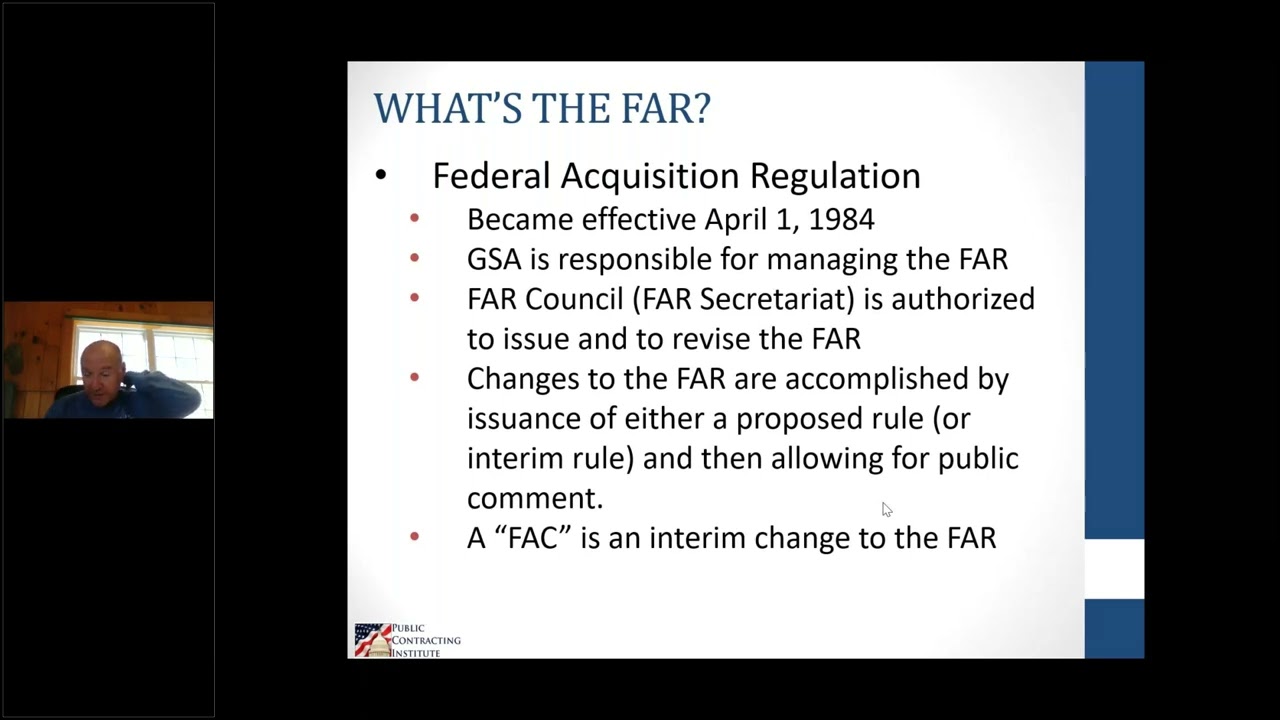
In-depth study of the Federal Acquisition Regulation (FAR), specifically FAR Part 31, which governs Contract Cost Principles and Procedures.
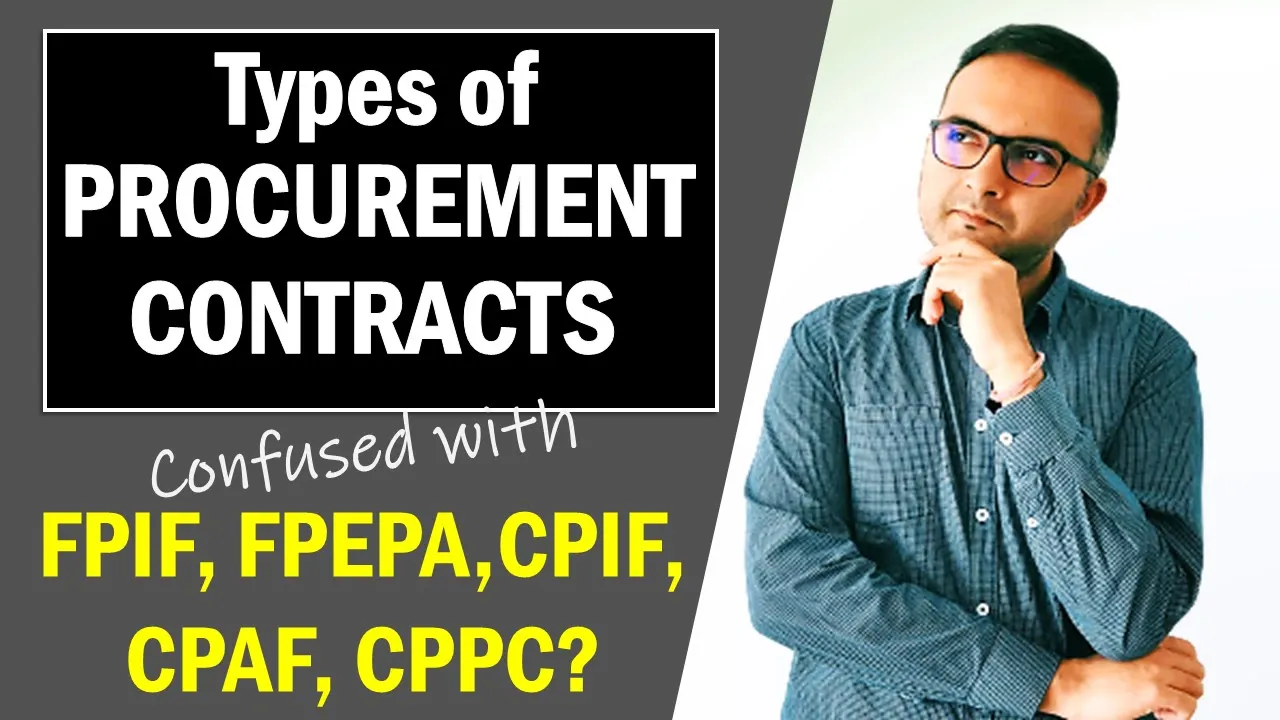
Formulating pricing strategies across different contract types, such as Firm-Fixed-Price (FFP), Cost-Plus-Fixed-Fee (CPFF), and Time and Materials (T&M).
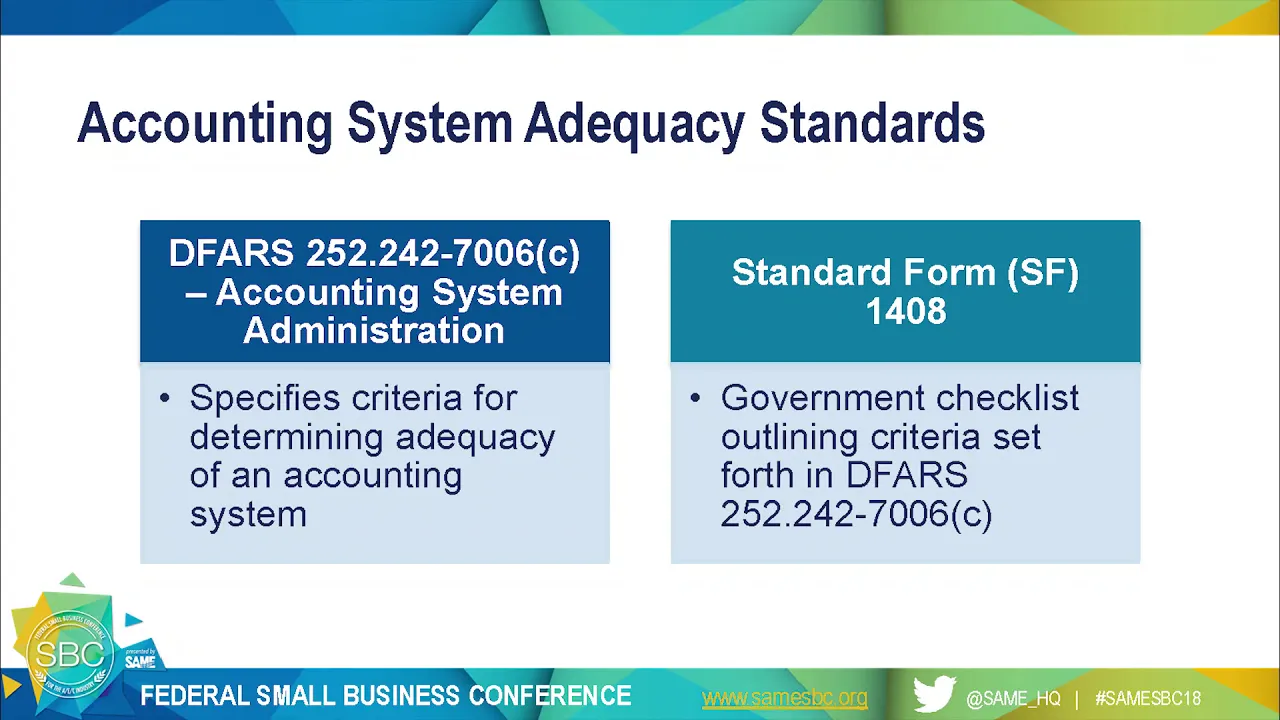
Establishing and maintaining a DCAA-compliant (Defense Contract Audit Agency) accounting system to track and justify indirect rate structures.
Implementing Advanced Price-to-Win (PTW) analysis and competitive intelligence techniques to successfully capture high-value contracts.
39.8K views1.6Klikes2:04:14Original Release: 2024-04-08
well Alexa was fought on pricing Government Contracting enough is enough I recently was on Tik Tock live and put a poll up asking what topic should I cover here on YouTube everyone voted this is what we're covering so we are here to talk all about pricing so get ready so get get get ready is all I can say excuse me what's up Bella what's up chip Aloha everyone I'm so grateful that you're here so grateful I'm so appreciative we have a lot to cover okay are you all ready yes we are definitely getting busy getting busy like a bee thank you Warrior thank you all I appreciate every single one of you and please feel free to share with the community let them know I'm on live please feel free to do so I vote I um put a poll up on Tik Tok asking what topic to cover and this topic one so we're g to talk about it we're gonna first begin with Staffing so where I started out when I first started out 2007 I was a full-time equivalent for the Air Force the company I subcontracted to EHS as well as J uh jht and um HRT these are all three there was another one too what they would do and thank you so much for the comments you know hair is popping I'm feeling good I got about 35 more pounds to go for my goal weight and so what they would do is they would charge an hourly rate and then pay me a h flat fee okay that's what they would do so we're going to talk about Staffing because Staffing is one of the best places to make money and I'm going to answer all your questions okay so we're not playing around oops well apparently I am playing around hit the camera button I was so excited that I hit the camera button so what I have before you I'm going to increase it and I want you all to keep in mind that this is a little older okay so the numbers the tax rates may be different but we're not we're not kiding around I I'm here you know enough is enough people talk about pricing they want you to go behind a pay wall or they don't really know what they're talking about so we're talking about pricing for Staffing okay so let's say you are interested in an opportunity so this is an opportunity that was for medical case managers in the state of Kentucky and this was a company that we were partnering with so this would be the annual salary for that person their hourly rate the number of holidays they apparently didn't do sick leave and also as you're doing this because you may look at this and feel overwhelmed and I I want you to just let that go you felt overwhelmed the first time maybe you were on YouTube or the first time you drove feeling overwhelmed just means you're learning that's all it means okay so just work with me go with me on this so then you have workers comp so for this situation it's three people who would work for you as employees when you have employees there's worker comp with the example when I first started out and I was a subcontractor that's called a 1099 a person fills out a W9 and they you do not pay workers comp they are not considered an employee okay yes AA we have our ISO uh 9001 yeah we I I feel like we got it we got it during covid it was like a very unique situation it was like 2019 no yeah it was it was after my surgery it was like 2019 yeah we have that good I'm glad you're releasing it let me make sure okay so workers comp this is you get this percentage just like this you get these percentages these are all percentages that this prime contractor pulled you easily get them online and then they did a 401k 3% match their Dental their Employee Assistance programs not trying to put people's names out there sorry about that uh life insurance Etc so what I want you to do is not get caught up in the weeds I want you to get caught up in the fact that you are looking at the annual salary here's what we would pay $5 59,6 3818 and based on all of the expenses benefits vacation sick payroll cost and Fringe you know just different expenses you have doing different benefits payroll cost could be ADP we have a fee I have to pay my team member to do payroll General an administrative any kind of overhead that you may have rent or maybe the timekeeping system and then profit and I want you to look at this what percentage do you guys see as profit what do you see here as the percentage for profit profit and thank you all for being here and in case you're new to my channel my name is Dr KY Parks been awarded over $50 million in federal government contracts what do you see as the profit somebody could write that in the chat that would be good okay does anybody see the profit that's listed here the live is only on YouTube it's only on YouTube thank you 1% okay so 1% thank you eron so I'm gonna I'll zoom in a little more and also keep in mind this these numbers are a little older but it's the math that we're focused on one% yes thank you all thank you 1% now you may be thinking oh my goodness all of this effort for 1% well if you have a hundred people and you're making 1% that may make sense for you the restaurant industry tends to make maybe a 3% profit a 5% profit so I emphasize this it does not mean this is necessarily profit that you should enter for this particular contract it was lowest cost technically acceptable and I bring this up because I'm always asked like well KY how do you do pricing how do you do pricing how do you do pricing how do I price the lawn service where do I put my profit how do I pr price Staffing at the end of the day it boils down to what are the evaluation criteria so for this it's lowest cost Tech it was lowest cost technically acceptable so if you add a 30% profit you might as well not even submit you're going to be outside of the range but the more and more you win yeah the percentage is 1% but 1% is better than zero anything times zero is zero and these are all numbers you can change these are all numbers you can change just like the GNA and overhead can be changed any kind of fees can be changed so then what you you see here at the end is now you have an idea it went from okay we're paying 2867 but we are billing the government 30 is that the second one let me make sure yeah but we are billing the government 3962 and this was for an actual opportunity that I partnered with the firmon many years ago we did not win because we were not the lowest believe it or not so that's the this is the pricing we submitted so again you pay the the employee 28.67 you Bild the government 3962 you're making your 40 cents per hour that's Staffing in a nutshell with the federal government okay I don't recall if this had wage determination to be quite honest with you sometimes that does come up so poverties are thank you so much I know this was you were not the lowest said in that Mory poish Roy we were not we weren't at all uh and thank you Stephenson for asking about the document I'm not sure how I'm gonna handle that so I don't have an answer I'm not here to BSU we're talking about pricing government contracts enough is enough I I don't know but what I do know is I have some other formulas for you some other ways for you to look at Staffing so we're looking at Staffing we're going to look at escalation and we're going to look at more of the typical middleman does this work for everyone if this works for every single one of you that's here just type yes okay and that family oop sorry that Family Adventures I I don't really know how I'm going to handle the template okay just being honest with you I don't know I just um based on the hours depends on the hours how many hours they work and so thank you all for being here okay good thank you all for being patient with me thank you all for pouring into yourself okay we have a lot to cover today we have a lot so let's see here what I'm going to bring up for you it's called a wrap rate calculator so when you're doing Staffing they typically people will talk about well what's your wrap rate uh let me yeah it's still the wrap rate there's some ads on here so it's just is how it is so let's take part of that example if I may it was 20 28 and then 39 let's just round it $28 and then the rate charge would be 39 so your WP wrap rate is 1.39 so 1.39 time 28 equals 39 so then you know anytime that you are doing you are billing for hourly that this is what your wrap rate is so then that way you don't have to do all the math this is the easy way once you figure out kind of your percentages so run run with me let's say you're bidding on an engineer and you're like oh my gosh the engineer is going to cost $100 an hour this is an opportunity in California we have to um we're gonna have to pay them a high rate and you're like and So based on all of our fees because it's California uh actually I don't know I have to work work it work it backwards hold on my my my example's not working exactly I just realized I'm like that's not how the math Works hold off hold off you guys I was running with the example and then I was like no that's not right my point is twofold one you can take that one point what was it 1.39 hold on let me do some math let me do it on my calculator I was so excited and then I was like that is not mathing KY okay so let's say $36 and then you're paying 6840 pause with that it's a little higher hold on 36 was it 1.39 I did my math 54 there we go okay so it was 1.39 before right so then you automatically know if somebody's like oh I need $36 an hour you multiply it by your wrap rate so then you always know this is how much I charge okay then you always know that's how much you charge and the it's in the uh I'll put the thing up here it's a free website it does have a ton of ads on here so I'm GNA stop sharing uh but I'll give you guys the link but I want to also caution you when it comes to the wrap rate because when I'm was first starting out people were always like what's your rap rate KY what's your rap rate I mean I had no idea I'm not going to lie to you I had no idea what my R rate was I was not physically responsible I'm again I'm not gonna BS you that's why this says pricing government contracts enough is enough and what I learned is what I learned in that goo that Excel sheet right here okay I'm G to share it with you one more time when I was working with this company and I said to them your profit is 1% and they said yeah KY because in order for us to win we have to decrease our profit so then therefore they didn't always have the same WP rate because take for instance an opportunity we recently bid on with the FAA it is not lowest price these are very high level positions so my WP rate is not going to be 1.39 my profit is not going to be 1% because this is business this is business a phone case may yield a 50% profit meanwhile a pen May yield a 1% profit doesn't mean that you can't sell both no it doesn't mean that it just means you're aware that some things give you more profit than others or let me give you a better example let's say you sell custom customized phone cases maybe you're able to forx your return when they're customized same thing maybe make a little tweak four times but when they're not customized maybe your profits a 1ex so it's just something to think about as you're doing this especially when we're talking about Staffing and this should be saved uh this is a really good question how do you find the staff let's go into that um I appreciate the offer Michael I sincerely appreciate this I mean y'all I I may cry because you know we're on the verge of the eclipse and today's been a day for me and I I truly do appreciate this but I am eating uh Ohad keto so um yeah no I I I just can't eat it if you have coffee but I I appreciate it you know I was I was that little girl teased in life and went through a lot of things and to have so many of you just welcome me and be so loving um it really means the world to me whether it's catfish or you send me a nice message but don't forget I got those haters too so as wise as enough is enough you know somebody recently you know but I ain't gonna go there uh yeah Angela we're gonna save it okay we definitely have this saved okay oh I love you all y'all are so sweet so let me talk about how you find people and then I'll also go to the other resources so right before I talk about how you find people this is really vital because I got we lost a lot of money you want to make sure you identify all of your expenses with a person when it comes to to an employee so for instance we had an employee in the great state of Pennsylvania oops there it was it was down here um thank you the content of Corey for understanding my P with omad keto um and he lived in Pennsylvania I think he lived outside of Philly and in case you're like why do you have on a bowling mint that's what some people call it I worked in a call center that was once featured on Undercover Boss and I would work so many hours that I got carpal tunnel I don't have nerve damage but when I'm doing a lot of computer work I always wear it I have so many of these things so okay so the thing is I I was cute my dad would always say like KY are you trying to be cute why don't you have a jacket on it's cold outside and so um we decided to do our payroll just through paychecks a team member that I had that I poured a lot into I thought I could rely on him and I turned over my power and I didn't think I knew what I was doing and he's like KY I'm just gonna do payroll I can do it so fast on paychecks well yeah whatever so what ended up happening was he this employee lived in a county in Pennsylvania that had a unique tax we never Incorporated the tax for an entire year and then he got hit with a pay with a bill we didn't know because at at that time paychecks they calculated based on what we entered and so I like we then moved to paychecks we're now at ADP I just strongly suggest for those of you that are going into this Staffing going into this payroll world that you use a company that does this for you because especially when you don't have employees in your home state and I vote in Miami Beach we don't have state tax okay so be aware of that that's why it's key that you identify what are all of these fees some people have a rule of thumb where they'll double the rate where if they're paying a person 28 then they would double the 28 everybody's different because at the end of the day it's about the evaluation criteria I love that paychecks called you if it works cool so let me break it down for you luxury card store employees you're running payroll you get like a W2 at the end of the year so if you want to offer them benefits the example I gave you they offered benefits we offer benefits at KPC a$ 10.99 is not said like myy it is my pich not an employee a 1099 is like an Uber driver it's like a lot of the Amazon delivery it's like I think what happens with um in is instacart still a thing instacart or GrubHub right they don't they're not an employee they are an independent contractor so you don't have to there's nothing that you're paying into there's no benefits okay these are great questions so the earlier question came up where do you find these people a youf you are so sweet this really means a lot to me um oh thank you yeah I'm working really hard on my health y'all working really hard like I said I got 35 pounds to go um but I'm getting there I'm getting there soon I'll be in the numbers where I'm just like oh I'm like this is stressing me out okay Stephens say where do you find the workers there's a couple places you can go first and foremost indie.com now hold up y'all I gotta push it back I gotta push it back this is why it's so important to make sure your business is a legally established business you have all of your fees paid you have your tax ID documents you have your business license of course you need a cage code but the reason for it is because in order to post jobs on indeed.com you will run into this they're going to ask you because what do scammers do they will often post jobs on job boards so this is a way to help minimize that so this is really important very very important so you have indeed you could use a Craigslist an Angie's List you could use Facebook Marketplace you could tell your friends and family you could pay a a recruiter early on what I would do is I would go on indeed I don't know if they still offer this feature but you could uh pay to look at people's resumés so I would do like a reverse search and look for people who are like open to jobs and that's actually how I found one of our graphic designers Mike I reached out to him he was amazing we he was a good fit he ended up working for us maybe a couple of years and then excuse me the government ended up hiring him that's the other side of this uh on the state level too is that the federal government May hire these these people so this is something for you to be aware of because it could mean that they then take away this position or it could mean that they just want you to replace the person but either way to me it's a blessing because the federal government is the only place where you can get a pension and we have this happen with the state of Florida too so these are great questions why would you need a business license well in some states and cities and counties you do so for instance in Bard County they like for you to have a professional business license I don't remember the fee I think for KPC there's we get we have a city and a county and then for the joint ventures we just have the city it's like a a certificate like you see for nail Texs that's what they require every place is different Dr Parks I will vote for you oh that's so sweet of you Mo jazz mean I do use indeed and Linkedin recruiter since I use linked okay that's perfect here's the other tip y'all get ready for this if you're into writing things down write this down type it get ready this is Major so you remember just to refresh everyone's memory so this was an opportunity I was partnering on with a firm for these case managers case manager and then the uh support supervisor those three people were already there so we didn't need to get resumés we didn't need to conduct interviews they were already there so it was just a matter of the agency determining which company to go with who was the lowest priced that's who they decided to go with and then what happened happens is they're badged over that's what we call it badging over means they go from company XYZ to company ABC and during that process you interview them and then you learn from the agency do they still want these three people maybe they're like yeah the medical case manager's cool uh the supervisor's cool but the other case manager I don't know you may want to replace them and these are real things that have happened throughout my 10 plus years in this space so instead of thinking oh it's Staffing I need to rush and start posting job postings you don't always need to do this and this is true on both the federal and the state level every position is different and I love Sonia you brought up zip recruiter there's a lot uh We've we've hired a head hunter I interviewed um Robert Half and I actually use Robert Half to find our U internal finance manager Lloyd and for everyone else watching you find them at the state level you can put in Staffing temporary staffing on the federal level the nakes are under Staffing temporary staffing Professional Services uh the religious ones I've said it I'll say it again because you know enough is enough these people these people out there coming for me very interesting love and light always prevails religious Staffing you can put the religious code in sometimes it's under admin they're under a variety of um nakes codes especially with positions departments yeah okay here's some more questions do you have someone manage your contracts yes uh they get paid well um I I'm I don't feel comfortable sharing I'm just to be honest I don't feel comfortable sharing their Sal so I'll give you a range of salaries that people pay in this space people typically will pay um maybe on the low end 75 all the way up to maybe 325 a year depending on the contracts uh I have a setup where my amazing team member Lori manages multiple contracts my mentor had it siloed where she had I think they were Vice Presidents and they manage contracts under different verticals so one was under training one was under like what she considered Blue Collar one was under white collar I think one was under the document processing and so sometimes people will have an overall contract manager maybe pay them 9925 and they manage the contracts and then sometimes the person like with our team we have Lori does both but we also have a team member who M who's super who specializes in Contracting in the very beginning you want to know who do you think uh manage all the contracts everyone who do you think manage all the contracts when I first started out and I know there's a bit of a lag so to not lose your engagement it was this one yes Nikki smart it was me I did everything everything everything everything everything everything I did and I want to emphasize this because when you're ready to hire definitely hire or Outsource but don't think like you got to out the gate you have to have an office and business cards I'm G know people use business cards and you have to you have to have a contract manager a program manager when I first started out my mentor and everybody was like K you know virtual is not this is 0708 and they were getting on me because I was all about virtual you know it's very nice but there's something special about being in person and you really need an office you really need this big office building and some of them would drive me around Orlando like you see this building over here of this company and this company you you really should look into that and I just remember feeling like I don't want that I didn't I was like I didn't come this far to start a business business so everybody works in an office building hold on second that everybody works in an office building and hates me she's my best friend what can I say so my point is you have to do what works for you as a business owner period that's what you have to do okay and I know there's amazing questions I'm GNA get all to these questions because there's so many good questions um and then I'm going to go back so I'm going to go low for the comments and go back up how did you keep contracts when you were solo panure I didn't I I mean I didn't really keep track of them being honest I didn't okay uh thank you for answering anytime in regards to Pi how do you set up a cam to submit invoices okay so what you have to do in pi is make sure you follow the instructions for submitting your invoice so are you in pi corporate Hustler and did you follow the instructions in your um proposal yeah Alexa do play I know it's bid bid bid but waiting on some of these contractors get back with you a quot it's blow my mind I don't know how they say in business seriously your words David that's why this is pricing government contracts enough is enough I mean I get it you know and also I have to say I haven't responded everybody's email so some of y'all may think like dang don't she want my business I want doesn't she want to coach me so I understand both sides of it you know and also yeah I would love to coach you if it works out but you know just it's sometimes we just have to be patient that's it that's all I'm saying but I understand David I understand Angela Dutch Parks yeah haters do something special in me and in all of you here they don't know how to say they admire you they don't like what cardi said you know she put it best it's like they all come together and do weird things it's like there's no reason for this there's 800 billion dollars in this space and to do the things that they do and I'm very high vibrational High I take the high road I didn't always now don't forget Arthur Parks raised me so um however comma I'm not here for that you know people don't understand people don't understand this is bigger than going Live on YouTube or having a YouTube channel or trying to get somebody to buy something you offer this is about providing love and light and inspiration and motivation because my joy my goal my mission is to provide Love Light Financial abundance motivation via my content products and services to a billion people and help people manifest and actualize their personal family and financial goals these are my goals period And I like to incorporate other things I'm not right now because it's in the other room sometimes I incorporate my oracle cards and I definitely am psychic whether you believe it or not not that's up to you but I am your psychic Government Contracting front uh want to ask is there more contract yeah there there are on catering okay let's keep it moving how much to charge hourly is a security guard okay this is let's this is great this allows us to shift to another screen and I hope this link comes through now I'm not I just want to let you know I'm unsure if we're going to see the security guard labor category but you are going to see something grandiose the GSA schedule is like a centralized place let me move that excuse me a centralized place um where businesses have been vetted like we're on two schedules so we've been vetted our pricing our background and they said yes you will you're put on this schedule and it's kind of like a fast way for the government to buy so what this site has done is taken all of the data from all of us business owners who are on the schedule to then provide information about pricing so I'm going to show you more here in one second okay it's a long link so this is and you can see that it says when I show it again it says beta so be always be very um patient with government websites okay these are not Google these are government websites so we're going to type in let's just type in admin administrative assistant so they're telling you one minus one standard deviation plus one standard deviation that they have found for this labor category it ranges from $38 and 53 this is I believe what represents the billable rate billable rate so going back to what we talked about earlier in the video billable means all of the fees it doesn't mean what they're paying the admin they may be paying the admin $21 an hour and then the the rest are all their fees so it's $38 on the low end 81 on the high end average is 59 I already know what you're thinking without you even typing you're thinking well how do I build that 81 that's what you're thinking right if that's what you're thinking you can type yes and at the end of the day the way you're able to bid or bill up to the 81 is through experience or education for the position and then here's what's cool as you can see Nature's Image Inc this company they bill $712 that means this is the most amount of money that they will charge per hour for that labor position and I also want to show you we can you can click that link and see their actual schedule oh thank you so much David so I clicked the link and I'm showing you the schedule and let me go to David I appreciate you so much for doing this and I also want to say definitely a faster way to get your questions answered is if you include some money just because there's so many I'm not I'm not trying to be I'm just letting you know this is not about like yeah you y'all need to pay me and then you know I'm just just keeping it real if that way it pops up okay so I clicked the link and then the link took me it took me to their GSA schedule there it is I was like where did the page go took me to their GSA schedule so you see everything about this company of their name their phone number you have what they provide and then what's going to happen is here at the bottom they will start to talk about their pricing so you can see are these positions onsite offsite how did they Define these positions right here right and then if you're ever like man I need to hire a senior manager I don't even know what to write yes there's chat GPT you can also pull from somebody's GSA schedule so you can start to dig in there to see everything just by going on that link so it's a very very valuable link you can look up a wide variety of Labor categories because the question is well I don't even even know what to charge I don't even know what to pay someone another way you look and I'll pull this up for everyone here I don't think that's on um what I'm doing is I'm typing in Administrative Assistant New Orleans so sometimes you back in the pricing so you can see that for the Department of Justice and this is more than likely it might be um you never know this could be a government contractor it could be the actual federal government we would have to dig more in here to see because believe it or not Department of Justice they have contracts where contractors provide these type of positions how do I know because my mentor Barbara had those type of contracts and the company who purchased her business they have those now so you can see that in New Orleans I the range is 39 to 57 now let's say this is actually a federal job that's completely fine we can see do this a USA okay so USA staffing.gny.redcross.org pay I don't think they posted there well you have a little indeed information here and then you also what's cool is when you look at these you have an idea of what they are asking for in these positions because this is more than just well what do I price what do you price how do you find these people how do you keep the people what kind of benefits how do you remain competitive because when it comes to pricing and Staffing you have to be able to retain everyone or you're not going to get paid why would an agency pay you if the administrative slot isn't full um Neil I'm GNA talk more than um just Staffing this this pricing and what I'm talking about applies to applies across the board specifically with Staffing but it applies across the board and I'll show you how Harish just put your question in here what's your question put it here you got me here pay $10 put your question okay so uh ge and that's also why I'm going to start a school account soon there's I probably get 100 to 200 DMS a day there's there's no way I can't keep up with that so we're gonna have a school account soon yeah it's a good place and that that's what I was showing Allan it was coming from that okay so let's say it's a 1099 position okay let's say it's janitorial and let's say they say you know what it's going to be $21 an hour here's what I would do this is me I wouldn't pay a janitorial person I probably wouldn't pay a snow removal a lawn service I wouldn't pay any of those people hourly may be controversial but walk with me here have you all had this experience I have this experience on both ends I did this and I experienced it so sometimes you reap what you sew hey KY well we're going to pay you time and a half if you stay over well then I'm going to milk it that's me what I did you know I told yall I'm now High vibrational you know I'm grown and so I would milk it because you're paying me time and a half so maybe I work slower maybe I made my calls last longer maybe I went to the bathroom more times because now you're paying me you're paying me hourly now change that mindset of oh well KY we're going to pay you $3,000 a flat rate every month regardless shoot I'm getting that stuff I'm gonna be efficient I'm gonna be so efficient they're gonna think I'm a walking AI That's how I would approach approach janitorial snow removal a lot of those kind of services I would say listen I will give you and you do the math you work their numbers right you may say listen I'm going to give you 700 every month and in exchange you need to clean and then maybe you you charge the government $1,000 a month that's $112,000 that's very reasonable for janitorial services you're still pocketing 300 and you may say but oh good Richard you thank you you may say buty $300 do you all know the average amount that we that who people who own real estate that we make per door it's anywhere from $2 to $300 a door so that's nothing to sneeze at but what you get is you get commitment you don't get people trying to milk it or people just feeling like oh this sucks I got to clean this building and I'm only going to get like let me do the math okay and then it it just feels icky it feels really icky so that's an approach that's viable okay so oh hold on Richard Super Chat how do you price and submit a bid with your Fe for Management Services with the government with the BPA okay so Richard I let me share you I would use a derivative of this because it has GNA in it you see the GNA and here's the other thing about a blanket purchase agreement Richard let me let me move the question well I don't know how you move that or move me let me take the question off and put it back on I'm learning my restream so here's what I suggest is with a blanket purchase agreement here let me stop sharing for a second so we can have both okay perfect and thank you so much Richard for your management service fee for your Management Services put that in there put that under your GNA and when it comes to a blanket purchase agreement what is the manage so you said Management Services so is this for a labor category is it a is it a line item just give me more information just put that in here GNA General and administrative General and administrative fees are like things that are not connected to the particular thing rent St other stupid thing sorry I feel a little so somebody's a little impacted by this upcoming um Eclipse I see uh a lot of office fees things of that nature but I go back to when you say management the services when you talk about Management Services fee what does that mean like that's I would need to know thank you thank you Alan GNA General administrative toana a awesome it's up to you I like religion but everyone is different okay the government is asking to man manage one of their services accounts okay if you can put the link in here on a one call basis for example you I would need to see the the bid to see what it refers to or if you don't feel comfortable putting it here I understand uh you can email listen I'll get back okay where is my email oh my goodness everybody okay you can email to me they want a contractor to manage their oh so this is a state contract they want a contractor to manage their Easy Pass accounts okay so then they want a management fee so the management fee would be based on all of your expenses and your profit that's needed for whoever to manage the Easy Pass is it one person that's managing it is it multiple people and then what are all your expenses what are all the expenses that go into it and then you add your fee to it so for instance is that a human being is it that you're hiring a easy pass account coordinator so I'll I'll let that simmer is this in Florida is there like a West CO East Coast thing okay that's an example okay thank you Stephenson that's so sweet from this lady I love it somebody said this lady didn't they no no no I said leas um the content of Corey I'll cover this and then I'm going to go back up because there was a lot of questions so to recap there's when you're doing pricing okay thank you Richard when you're doing pricing for employees for Staffing KY Parks Dr KY Parks I refer to anytime a human being is doing something what's up Antonio as Staffing I don't care if it says they're printing CAC cards common access or cacs I remember Dr kpo was always like it's not a CA card KY it's a cat it's common access card card is in the name okay and I do have one in my wallet so even if somebody's being paid to process cash common access card it doesn't matter to me just KY lingo anytime a human being is doing something it's Staffing so if you're going to have the human being as an employee you want to make sure you identify all of your expenses if you're going to have that human being or the subcontractor or the middleman or the company or the vendor as a 1099 you still need to identify all of your expenses and then accordingly for both you put on your profit just basic barebone basic so Hector and for everyone else the markup varies for some opportunities we have 100% some it's negative some it's been three maybe it's one it all varies that's what we've done I'm not saying everything I've done has been amazing so I'm just saying um some and when it comes to more of the middleman sub subcontracting out typically anywhere from 5 to 25% has a pretty good win rate okay so on the employee side sometimes the profits a little lower then to add to all of this I've noticed with state level gigs they will want a percentage so they may say to you we're looking for lifeguards we're looking for um Let me let me let me see if I can quickly pull this up it might be in here if I can pull this up I'll show you all yeah it's at the bottom [Music] okay okay so I'm going to show this to you and it represents pay rate entry experience and then the markup okay okay I'm going to share this briefly so this is a state level contract where we are a sub so for an accounts auditor on the low end they're paid $20.97 on the high end they're paid 41 and the markup is 23% so regardless of what they're paid the markup is 23% this is a very common practice on the state and local side so then what you have to do is back your numbers in meaning you're General administrative your overhead your Fringe your profit better be within that 23% or this is not worth you doing does this make sense definitely this document and others I share more I I do share more privately just because it's active work that we have but I just wanted to show you a snapshot but did that make sense right and and thank you Alan there is no rule of thumb it's like a Birkin bag what is the markup of a Birkin bag I don't know you can probably Google I think it's 80% I don't know somebody may want to look it up does that mean the purse at Target should have an 80% markup I I don't know maybe the person that Target has 80% markup too they're both Handbags and do the same thing at the end of the day but we're I know I am I'm I'm more interested in dropping a 100 G's on a Birkin bag than getting you know 100,000 or 50,000 Target bags if that makes sense my math may have been a little off on but you know what I mean uh restream and then you can now on YouTube live which I love you YouTube so much you you can also do screen sharing on YouTube I just haven't used it yet and also because I like to be transparent I have to set up my camera I really haven't done that yet so uh I got to start adding that okay how do you get a cpars how do you get the non- GSA schedule or to be part of it Nikki you usually get a cpar by having a contract that's over a million or meets the requirements for a sear it's not always a million it's just the requirement of the Sear what would the markup be for products so a vet this is a really good question so we want to contract with Maxwell Air Force Base for Oculus headsets we found the pricing on Amazon we didn't we didn't really care about the shipping because we already pay shipping uh as far as other projects that we work on so I think we added 15 20% to the price of the Oculus headsets for the products the same things apply what are the evaluation criteria and also I don't know if you all follow me on Tik Tok I am on Tik Tok and on Monday through Thursday I go live and whenever he's available Lulu his real name is Jonathan he is a active Contracting officer in the Air Force and he represents himself on my lives he said something very important he said KY he's like look if there's an opportunity and let's say it's lawn maintenance and the vendor price is higher but they're offering a certain type of mower or they're doing something very unique that's going to speed things up he's like yeah we may pay more he's like but when it's iPads he's like it's an iPad like I'm not gonna be paying more for an iPad so I think that's some of the most valuable advice he's given he's given a lot of advice he also shared when it comes to Contracting and that often people have this kind of we have the mindset that we receive growing up and in that he grew up in a very rural community in in Illinois and he was talking about people have this like blue collar mentality he's like they're blue collar so they think you have to be paid hourly see that's why I'm about a flat fee I grew up very rural but I've overcome this blueco collar mentality he's like so people get caught up in how much do I charge an hour how much do I get paid an hour where's my profit in the hour of course you have to run your numbers and do your math and if they're an employee understood but for these other things like products if somebody's a vendor if somebody's 1099 and you can do creative relationships you can pay somebody monthly you can pay them quarterly you can pay them per deliverable you know when I worked at D University I was a contractor and I got paid I think at the end of the the school year of that term when I worked at Walden I was an employee but I only got paid once a month so I said to myself well if Walden University can pay once a month then I can pay once a month so we match our payroll to our accounts receivable so if you start working with me on one may you get paid the end of May I'm not GNA run payroll every week I don't have to and then you're not waiting too long for your pay and why is Walden able to do it but I can't come on that's ridiculous uh I I I don't know what to say about that I don't like dibs so that's all I got for right now that's right I'm I'm not here to play Nevada we have about a hundred people give or take you know it's up and down does the government acquire small business have insurance can I use my Subs it depends excuse me three Titan it depends yeah it was wasn't it Nikki uh her name is Nikia she was amazing I'm going to go some of the earlier I'm just going to scroll question okay great see some of the earlier comments add a few jobs that were hired through them had a temp side and a placement side very true okay someone earlier asked how do I work with recruiters I would like to know how we we have a recruiter on our staff so anytime we are looking to fill certain positions we bring the recruiter on and they charge us hourly let me take a back back I think we've negotiated a flat rate I'm not involved in that so I can't really answer everything but oh uh joy joy Milhouse yes they are yes they are and also is a friendly reminder if you want your question answered immediately you know do a super chat then I know otherwise it's going to get lost and everything okay great let me take a photo of that I love that you finished the book today let me take a photo I love you guys so much oops I love you guys so much and then I messed up the photo okay great do you have a mentorship program we do we're going to have a challenge and then we're gonna have an upsale we have a lot coming out okay so I appreciate your patience I have a lot going on I've had some things happen in the past few weeks that are I I can't say it I this wasn't even like you know it's like oh I didn't see it on the bingo card I y'all it was coming out soon Jaylen didn't even see this it's amazing you know I'm just like it makes me tear up when I think about it um it's gonna change my life it's going to change the other people's lives too but something's gonna be working a lot okay okay so Hector and maybe I should rename this crying and pricing Government Contracting enough is enough but that's why it's enough is enough it's emotional you know it may seem like well this is just business and its numbers but there's a lot more to it what was the hardest lesson you learned oh you know somebody said this to me I think it was yesterday because I used to have a different answer for this and they were like KY you don't have a a financial block he's like you have no problem with that Winners way book.com winners way book.com I I'm here I live here in Mexico I had one copy I lended I don't have a copy I don't have a copy of my own book Winner's Way book normally I flip it winners way book.com winners way book.com so this person said to me they were like KY you don't have a money making or money block he's like it was like he's like it's an emotional psychological kind of block that you've had in your life and I was like well yeah that's why I'm in tum you know but it really hit me it was it was freeing it was like jarring because they haven't known me well it was a lot of things so to answer your question that was the hardest lesson because normally I would have just said Hector like oh the hardest lesson I learned was things about myself and this fear this thought of scarcity and I'm like no the hardest lesson was learning that I was the block the whole time and not the block like in rap songs or hip-hop you know of course but like I literally was the blockage like I knew it and I felt it it but like hearing this person say it I was like oh no like this this person's right they're right so while it's a hard lesson it's not like surprising it's about it's an appropo lesson because this is something that I've worked on and like I'm not doing with I'm not I'm not like that anymore that's why all these things are changing right so so that's why I also talk a lot about inner child inner teenw workk I'll pull out my oracle cards I don't have them on right now but I'll wear crystals like everything that I share is who I am and is part of my journey you all get the about million dollars I put into education into training and development over the past two years you get all of that from the Grant Cardone coaching the Lena Cardone to myin to Cardone Ventures to my YouTube coach to this coach that coach my fitness coach like Fu does raiki with me I mean like I'm not playing the hood healer y'all know I love me my hood healer Tiffany Aman I I'm shout them all out because at the end of the day it was me I was the block psychologically there are times I was desperate in the past there were times I doubted myself in the past so but it's it was ended up being a beautiful lesson and I do see the the Super Chat luxury okay so thank you uh do you use a client uh that's a really good question uh Excel we use Google Docs Google Docs Winter's way book Hector winners way book so okay John Benet so when it comes to this twofold what you believe you will achieve so if you think the easiest contracts are oil and gas then you'll win in oil and gas like I know Antonio mentioned he because he Co he coaches he mentioned one of his students won oil and gas which is beautiful however comma you got to make sure that they're buying the oil and gas or not or you just have a contract where nobody's buying anything right I I like contracts where they're buying the thing like HVAC they need HVAC they need roofing they need staff you know not like oh well we bought it and we we don't really need it anymore okay winners way book.com thank you for for for relating to me yeah I mean it's it's it's how it's been but it's not like that anymore like for real like that's what's beautiful about this it's like and I know it's not a coincidence with everything that's happening because this couldn't have happened to me when I was in Tulum in October it couldn't have happened to me when I was in sober it couldn't have even happened to me in January fig favor quote figure out the role you play on your own suffering that's a very good quote but I would add sometimes people don't realize they're suffering because we're taught the same things oh you need to get a job and have a 401k and buy a house and have some kids H you need to buy the latest and greatest H you need to go on your trip to Cancun in reality you may be suffering or maybe sad or who knows I was super sad I didn't realize I was suffering that bad it's like an special announcement Nate Dog it's just special notice it's like a they they're giving you information they're like whoop whoop special announcement you know that's what they're doing I mean pretty much if there's if Nate listen if there's something if there's one you want me to look at or maybe I'll pull one up uh let me know because I want I want to talk about pricing but we can um moving in and KY the de colen is popping oh wow your change in body is really showing oh and I and I appreciate you Bray for for having some cth about that thank you I appreciate it yeah it's happening it's happening what you miss Eden you you got you can watch replay you got it all okay so let's look up one let's do two things let's look up special notice so I'm going into sam.gov and I'll show you all so you don't think I'm going on Tik Tock or something uh oh and let me take that off and a friend reminder if you want me to immediately answer a question just pay pay whatever and I'll answer it just saying because there's there's there's so many things and I love and adore each and every one of you and I really also please like please subscribe please share I would love for us to get to 100,000 subscribers this year it's my ultimate goal I I know where I want to place the silver play button I wanted to put it above my couch in Michigan after I parade it around here in Tulum I ain't gonna lie I remember um uh Will Smith's son I think he had a gold record or something and he went to uh he was at the uh the Met Gala I believe and he like took it with him I don't know if he had it on a chain but like had it with him and I was like that's what I'm going to do with my silver play button I'm G to do that okay thank you Melanie let's get the question what's the name of the oracle cards you use with the city girls oh okay hold on Melanie hold on I like to reference the city girls I love the city girls the uh oracle cards um they are on Etsy is Tiffany Tiffany Powers let me see if I can pull it up real quick y'all hold on because this is the one uh I don't know hold on ety Tiffany please please give us some po okay there we go I was like please don't give us something crazy on my search okay so I'm gonna give you the link okay great question so oh neckline I was like oh you got all medical so Bray over here staff and medical people excuse me my God I got hair everywhere oh thank you okay so let me get my gosh hair is everywhere y'all how do I how do I copy this okay well that okay that's okay I'll type it in by hand let me do maybe it'll just pop up that's a lot of type in there thank you but I appreciate you all noticing okay notice typ okay bam n173 boy hold on a dog I'll go to yours in a second but I want to show you so special notice so they're telling you if you want to be consider this is what you want to do so it's it's similar to um like an old school memo or oh I passed it okay which one's it what's one tell me Nate which one's it hold on it was in 0000 n173 n z00 oh the elevator elevator elevator let's do it elevator so special notice they're doing a soul source so I it it's like the person you were dating and then all of a sudden they're like I'm sorry to break it to you but I'm getting married next week and you're like I'm sorry what I thought we were dating yeah they it's Soul Source cardi B in the S yeah no I love cardi B that's my my girl cuz it's true you know so much people and the and the crazy thing is like when cardi B is like you you're in my DMs and then you all come together against me like it's it's really crazy like you send me emails but then you post stuff you write me stuff about your contract wins but then you try to scam my Facebook group or you claim you won something but then I go to interview you and you don't really follow up or I am interviewed by you but then you think you can bambooz on me and copy all my thumbnails don't think I don't take notice I'm not gonna call these people out they know who they are and what's sad about it is God has given us all gifts we all have gifts ain't no reason to do all this I have all the receipts I was raised by Arthur Parks don't forget that don't forget that I have all the receipts so so keep it coming I got the text message when you asked me out for lunch although you probably have somebody in your life oh and I was married at the time like you didn't know so I didn't I didn't play with that I did not step out on my marriage okay I'm not implying my ex did I'm just saying I don't play around with stuff but people like y'all like L like cardi B said like B said enough is enough thank you Richard thank you for uh emailing me no it's true I mean I'm just saying they know what's up evil always goes after something valuable so this right here it just means they're Soul sourcing it so I know Nate Dogg you got it let me stop sharing screen y'all are probably like wow we thought this was about pricing and we got the tea well it's why ends with enough is enough and and you know the thing Bella is we all have our gifts and that's what's amazing you know we that's it's just be just be you do your thing ain't no reason to come over here oh I know you know it's it's flattering but it's also like goodness gracious you know but it's it's it's cute I feel like DOA cat cute uh Jensen Jensen Jensen up on five wins five wins so proud of you Jensen I did because I mean you know people mistake the cth the curls the confidence for being a sucker and and it's it's not about dragging anybody it's not about doing anything like that you know it's not like the glorilla JT like y'all see any of that I was like what is happening why are my girls all arguing and it or or Kendrick and Jay Cole I'm like oh my gosh like there's so much going on I mean c can we and I do understand the history of music and rap so I get it okay I get it but goodness gracious I know Q I love her so much okay yeah the the gift of discernment is really important terara I'm so glad you got it um well I don't have my copy I lent it out here in Tulum Mexico I know it's over 100 Pages oh I appreciate you Bobby V I'm not gonna post it because I'm like being I'm family friendly right now uh okay okay so I guess Armando had I'm assuming and you know what we haven't touched upon this so let's do it how do you do you all know how to find out what the previous contract was I'm gonna take this off let me know do yall oops hold on let me hide everything do you all know how to find what the previous pricing was so let's go back to this one these three people were already there one way that you find out is you literally call and email the point of contact and you do the following you ask them is there an incumbent if so who is who are they what's the contract number what's the contract award so this is actually happening with something that I am currently bidding on the contract award I want to say it was 3.9 3.9 for over five years so they included it in the Q&A so now I know by doing the math 3.9 over five years I have an an average and I said I was going to share with everybody how do you handle escalation how do you handle escalation and and you know deep into this video I'm I'm talking about how you handle escalation so whether it's Lawn Service it's Staffing it's this it's that what typically people do is they add one to 10% every option year so base year boom option year one 1 to 10% boom option year two 1 to 10% boom and on and on and on and on Roger is so funny that's my team MD and Zohar they're amazing so then when you find the pricing whether it's from the Contracting officer it's fpds it's um um USA spend it's sam.gov you can work it back so I know 3 something million I divide it by five and I believe there's 12 people so my math came up to I think it was like 50,000 a person give or take is what they were billing per person and so and I said give or take and when you look at this you know they're bidding 79 so I'm may go back and run my numbers again because then that means the people are going to be paid maybe they're paid closer to 20 19 20 an hour I don't know or maybe they don't have as many expenses so it allows you to practice your elementary middle school and high school math skills when you find out the the amount let's say we're talking Lawn Service actually let me give you housekeeping La um janitorial because this comes up a lot like k I got the number and they said it was 53,000 that can't be for five years why can't it be are you paying a ton of money are you first off are you even paying for anybody to clean your house I mean second let's say that's $10,000 I the the numbers I just gave out give average to like 10 10 six a month I mean a year well what if they're only cleaning once a week nobody's over here just throwing out money to people to to domestic employees so the other part of this is you have to accept the number if you want to add a 50% profit by all means you're probably not going to win but you can do it uh you don't have you just need you don't have you just need a cage code in your profile if you can thank you guys for the response thank you kid Alpha okay good good good Armando so you can find it by asking Contracting you can find it by looking online third is they may say well this is our first time buying this well guess what you still look online or if it's like a really weird labor category you go on the links that were shared you look to see if somebody posted the pay in the job announcement or a job opening placement yeah but even if it's big buildings nobody's paying that much Armando for Windows to be cleaned twice a year I don't know what is that $30,000 15,000 it can't be that much money yeah nobody said you're going to buy a yacht by selling janitorial services my colleague David he has made over I think I think he made over 30 million last year he has over 500 contracts he's bidding on an insane number of opport his team is opportunities every month because going back to the doors example if you're I mean he's not he's making way more than 200 per contract but like you got to look at what is your profit per contract so to get to the multi-millions you need hundreds of contracts are you guys tracking with me it doesn't mean that you add a 90% profit it means you have to increase your volume right so and then black ttin uh Tinkerbell you get to choose your your um business model we don't go that route we we have the route of yes we have some middleman work and training development Etc but we like bigger contracts we like multi-year contracts we like multi-million dollar contracts that that's just us the answer is not one or the other in my opinion it's both it's both I like both y'all know because I'm drinking coffee now again because he has a team Nate not 500 in one time but like 500 in total what happens when you have a team hold on let me I'll get to that in a second like for me I like an Americano and then I order a side of espresso there's something satisfying about like when I'm halfway done with the coffee like pouring the rest of the espresso in there and plus it reminds me of back in the day when I wasn't sober so um you know just how I am okay so Denise and don't forget if you want your question immediately answered please add some money in there and I'll get on there fast is there solicitation okay if there's only one attachment is a list of items they need what would I include on the proposal um it I would need to see the link Denise it doesn't sound like they need something sh shaa it could be one contract it could be one contract it depends on what you're selling and your profit margins okay always go higher of you you were so I have a home in Michigan uh you can go on any contracts you want you don't have to live in Michigan to go on contracts in Michigan you can go on any kind of contracts you want yeah my coffee is black I mean I picked it back up I needed the caffeine so Harish and everybody else I we're going to have a challenge coming out soon that's all I can tell you okay so we talked about Staffing we talked about 1099 we talked about products we talked about middleman subcontracting Services we talked about how you find out what people are charging we talked about even how you find people we even talked about Market rates the other piece of this is you have to learn apply and adjust learn apply and adjust because you may find hey you know what for HVAC adding a 40% profit margin every time I bid with Air Force they take it but with the Army I need to lower it to 10% you guys you you understand did you get what I just said you're going to start to notice trends like bottles of water if you're leaving a sporting or you're at a sporting event you're at a concert you're at an airport they can charge you almost $10 for a bottle of water because they know you're apt to pay it but if you run into the water boy or woman usually it's a boy or guy like I I I'm not gonna lie I haven't really seen any water girls I I'm I'm just keeping it real but you weren into a water boy he is not going to be like $10 I have never never run into a water boy offering water for $10 they may say it's a dollar they may say it's 50 cents they may say it's $2 because they're running up to you as your in your car and you may be apt to pay it for whatever reason do does that resonate with everyone if it does let me know like um write below give a badge just some kind of feedback I am bidding on a contract where Contracting officer confirmed there's incumbent Joy I would not been on that that's like the person that's like are you single well would mean well first off how you g to answer a question like that either you're single or you're not single all this in between next don't bid on it okay does checking fpds for old contracts help yeah it helps okay 8% profit margin for can no no you can negotiate any you can put in any margin you want what I'm saying to you is you're going to learn apply and adjust the more and more you bid the more you're going to learn what you can properly add as your profit you're going to learn and learn and learn what people should be charging for fencing what does boof mean let me know let me know let me know what that means because I I feel like I'm out of out of pocket or like I don't not out of pocket like I don't know everything here tell me what the that means so let's go to to real estate because somebody early asked about real estate so right now there's an opportunity I think it's for to house four people so like let's say you find the perfect place for it and they want to charge you 2,000 a month okay so you're like man I'm gonna charge them 10 by all means charge the federal government $10,000 a month to rent this place oh both yeah both um they may pay it they may pay the 120 they may not but you'll quickly learn so speaking again and I'll get your question Jordan one second okay just give me one second to finish this point actually no let me get yours and then I'll finish your point because this is more important you paid me Super Chat okay question about how to price leases in real estate okay good see how that worked I'm talking about it so this is perfect so right now somebody wrote me and they were like hey I bid on this real estate opportunity and it was another one it was like you had a house maybe four people or five people I think it was something like that four people or five people this person who wrote me went the approach of like three or four Apartments the winning bid found one house so the winning bid was lower and everybody was together so they went with that bid so Jordan it's the percentage that you want to add I feel like with real estate this guy's the limit you could probably add 50% I think what makes the difference is what you're pitching like with real estate in general you know how people are like staging is so important and put vanilla in the oven so it smells like cookies are baking I I don't know this is from what I've learned on TV I own all my property I haven't sold any of my property so I don't really know what I do know is this you take those Concepts from Real Estate and you put them in the proposal here's the laundry services it's energy efficient and it will we will include endless detergent energy uh or natur all natural detergent you know it's hey we're going to provide you with blank sheets and endless towels and here's a picture of this here's what all the bedrooms look like and I mean you can tell I'm really good at this but you're you're getting the point is like you're taking what you do hey look at this open the closet take a look at here you're taking all of that and you're putting it in your proposal so then as they read it it's like oh okay so they may have the pricing may be a little higher but we don't have to pay basically they just got to throw their clothes in there they don't have to pay for anything they don't have to pay for detergent they don't have to pay for dis soap they don't have to worry about housekeeping because you're going to come in once a week or twice a week you see you see what I mean Jordan does that help so I know you said for office I'll get to office in a second so I'm speaking more on the residential side for government so for office it's the same thing except for laundry you would sub hey we're gonna do cleaning I'm gonna provide tissue we're gonna provide Wi-Fi we're gonna provide a printer like you're you're pitching it and showing to them this is the best solution for you okay let me know if that answers your question if no one is bidding us solicit no not if you're not technically acceptable or your pricing crazy no not at all and this actually came up on my Tik Tok live Monday through Thursday usually an um Jonathan Lulu sometimes he comes on sometimes he doesn't he actually talked about this yeah good good and and again Jordan learn apply adjust you you're going to figure it out like you may see hey with office space for Homeland Security I can triple my profit uh but for office space for Marines I can only do a 10% profit like you're going to start to notice Trends just like businesses McDonald's knows the profit margin for every single thing they have every square foot um there's a lot we have a million dollar contract for training uh people my student students go on my channel there's million doll contracts for feeding vets housing vets uh there's million dollar contracts for training janitorial depending I mean it's it's a lot there's a lot there but it's always about your profit say you find the company that won the contract last time would it be smaller call them and ask questions so Armando if you won the contract last time and I call you and ask questions are you going to answer me I'm not going to pick up the phone I or or I'm just going to actually I this actually happened to me it was a few years ago somebody called me up and asked me a bunch of questions or they said something and I just played I I didn't re why am I gonna give you any Insider information it would be as if like can like Tampa Bay called up the Kansas City Chiefs and they're like hey we got questions for you I don't know how coaches and all of that works I mean I've never played professionally I did train in a place called Core Fitness in Miami Beach with professional athletes like Jeff Green but I just don't imagine that Ken City Chiefs is like yeah this is what we did how we win Super Bowl championships you see what I mean so no it's it's you gotta be creative that's all I'll say here and we probably will be ending soon it's um getting to be that hour and uh we have an Eclipse which will be a good way to kind of conclude things for the night Armando it's not a dumb question I don't want you to think that my be my reaction thought it was a dumb question so please don't think that that's not there's no dumb questions here I just want to give you an example of that because that comes up sometimes people say well why wouldn't I contact the the incumbent and see if I could partner with them you could and listen Armando you could call him up and maybe you pick you get some employee that spills the tea and wants to tell you everything because it's it's all about the approach that you take now some people do do that they will call and get an employee to Spill the tea but there there's more to that and it's not for me to go into on this video right now okay so does that make sense our model let me know I saw jayen T for 10 years for only a thousand what do you mean for only a thousand I don't understand you mean thousand and again Armando okay good good good good good okay good uh let's see what else we have your consistency is contagious I've been Bing to be part of your team since the haai volcano I have biomass Tech cool well Daniel keep bidding on this oil and gas and other things like that hold on there was what is the cost what is the average percentage cost of a leasing space what do you mean average percentage cost like square foot per square foot but I don't you got to break it down for me yeah pillsberry cookies okay so we're at that point I love endure each and every one of you uh put it in the Facebook group let me give you guys the Facebook group link it will be coming up soon so what I want you all to walk away from with this is I gave you definitely a lot of diamonds spilled a little because remember this is pricing government contracts enough is enough talked a lot about a lot of things shed some tears definitely joyous and I want to say this that this is a space for all of us there are never any dumb questions none of us are dumb we're all amazing and blessed this is a space full of abundance whatever you believe is easy will be easy if should Roger it should stay up I don't think I violated any rules this time so um so Lisha I honestly the last notary one was it notary or is that Courier I I honestly I haven't even seen any notary for the federal government a lot of so okay before I go into my conclusion a lot of people ask about call centers notary box trucks and simplified AC Acquisitions sorry to break it to you but you've been lied to because I don't bid on government grants Nate and because people lie about that too this is how government grant works you have a program to reduce homelessness in or or actually the term is um on housee population that's what the the term they use in California h on onh housee population so you have a a nonprofit and so you're like man I would love some more money so we can provide more blankets provide some tents maybe provide food maybe partner with a um vocational program or partner with like a mental health group so you would apply for a grant to help with your nonprofit there's this misbelief that there's like grants to help your business or micr purchases floating around like butterflies there's all these notary contracts and Courier contracts and box truck contracts and call center contracts and what it is is people getting you to pay them money and they sell you lies so with grants you go to grants.gov grants.gov or you look there are business grants but they're typically through like Facebook Spanx um different groups they may offer a Grant like $5,000 for this 10,000 for this we're having American Express business small business owner Grant that's how grants work it's like on the business level it's like a a smaller amount that's put together by some organization or maybe a nonprofit but for these government grants they tend to be for a program because they want to see a return on investment the return on investment isn't you made more B money for your business the return on investment is they decreased the on housed population all lies Porsche does the government have call center contracts yes yes one of the top accounting firms has a contract with um da but for for the way that people talk about it it's not what you think so at the federal level the state may have a variety of other call centers but I'm letting you know it's not what they're telling you right it's for like existing programs research or you try a private group uh publicly traded company that's helping for businesses it varies it all varies okay so let's look at this one before we go 25 17 well what are what are your utility costs what are your janitorial cost I think it's more than $17 a square foot unless that $17 is included unless all of those things are included in your $17 which it doesn't sound like it is you two uh Leto you got to add in all your expenses first and foremost identify your expenses figure out how you're going to stand out make sure it's in a safe neighborhood and you got to sell it like you're trying to get a date what candy it they they don't exist like that is this person like spamming me or oh it just went down okay good so if the government has a need for a call center they put it on sam.gov so you tell me how many call center gigs you find on sam.gov you're not going to really find any because all the people talking about call centers box trucks notary Courier what was the other one I forgot y'all box trucks Nery curer call center small micro purchases it's all lies just is what it is and what did what did um Cat Williams teach us on Club Shay Liars lie because that's what they do oh great she looks for scholarships on Google she works while she's in school she follows the sprinkle sprinkle life okay what's up from Japan you y'all know you're going to get the honest answer from me right y'all know this what's the percentage of one getting their first contract and just starting depends on you depends on you I just interviewed a woman her first real bid she won it it's for I think it's lawn services but if you think like it's going to be hard it's going to be hard okay what what happened to l leul did you get your answer are you good we all good are we all good what's up have Curly's here are we all good y'all are we all feeling that we're in a good place we understand pricing government contracts enough is enough there's a lot of lies out there about what's out there how you price all of these things it's a lot of smoke and mirrors it boils down to what are your expenses what is your profit period period that's all it is now there's some things in between but it all that's what it is at the end of the day and the profit is based on you what the market will bear what the agency will bear what they paid in the past their budget and so on and so forth a lot of these things you're not going to know but it's just like cards you know you know how to play Spades you know how to play Uno there may be three of you that know how to play uker because that's my game it's no different I don't know what cards my opponents have when I play UK UK ER but I'm still doesn't mean I'm not going to take that book I'm not going to doesn't mean I'm not going to win okay so let's get Jordan's question I'm gonna talk about the eclipse because this is serious and I'm gonna get ready for bed because I have to work out at 10: which is early for me okay is there anything we should consider when dealing within a government agency using a publicly traded company what do you mean when using a publicly traded company as their broker there's a lot going on with that Jordan I need more context is there anything we should consider when dealing with a government agency using a publicly like you're using what are you using like Zillow like what what do you mean you need to log in you need to log in and go under um entity search tell me what you mean by that because the to me the biggest concern is you don't want that publicly traded company to try and take your work but I I just need more context I got three and impossible awesome Daniel I don't know what what do you mean by three and impossible like you won three I let me know okay let me know Jordan I'm not going to go till you clarify what do you what are you doing in a situation you have two ques and they're vastly different and the amounts being asked you pray pray you try and find a third quote you take the average of the two wow Daniel's so sweet love it hold on we're gonna I know I'm waiting for you Jordan I'm waiting for you okay good good good we're waiting on Jordan so as we're waiting on Jordan I'm going to oh Spades three and AOSS oh okay okay I play uker I mean I play space but I'm more of a uker person I'm from Michigan where are local and state contracts found you can find you can pay for portals to look or you can go to each state they each have their own portal okay dang Jordan you better come I want you to come back I want to know I need to know it's like the TV show ended and I have to wait a whole year feel like stranger things I need to know what's up if looking for lease spacing do you recommend we let the realtor know why not they're always going to get paid oh while we wait I got my cage that's so amazing I'm so proud of you okay ultimately if yes yes and Allan to Allen's point you have to be prepared because you don't want to go with the low price and then what if the low company is unavailable oh look at Bray Bray plays some uker that's what I'm talking about but you don't want to go with the high price because it may be too high right you know here's a quick example so I met with a fencing company pray love it yes it's true you gotta pray first I mean it's what I do I do oh there we go Jordan good good good good I was getting worried a threeletterman3 is this not on Sam is this through a contract vehicle is this full and open I would need a contract number because maybe what they're doing is acceptable and it may be that maybe they they're cool with it again I look at it like dating if the person is like listen I don't want to be with you then they don't want to be with you and they're searching for somebody else they say they like people with short hair there you go go okay I need a link if you send me a link I can take a look a phone yeah just put it just put the link just put the link in here I've been cleaning windows since 14 have contracts yeah you can you can list all of that Armando go after that window washing one that you like you can yeah there's no reason you can't win it it oh it's full and open yeah it's full and open so then of course they're going to try and go with a big company because it's full and open what's up Tim I mean I personally wouldn't even get involved does that make sense Jordan I would pass on it okay the mostly Staffing they're there Waba they're there so okay you go to the website for the state and you go to you Google how to actually let me just show you you you got to Google it so this is what we have Florida D ms.my florida.com my Florida marketplace vendors so the same thing exists for every single state and territory so then you have to look them up and you have to register okay yeah I mean I mean you do like again I want you to ask questions all questions are welcome I'm just letting you know that especially at the state level I still do have a contract there I do at the state level it's um oh my God I got discombobulated at the state level in order to see most of the state level opportunities you need to pay you need to join some platform the SBA may offer something for free but at the end of the day you got to pay oh okay Tim Crow no you don't need to do any of that Tim okay you don't need to do any of that okay I'm glad you signed up for the site visit very proud of you it's winners way book.com and I I lend I Let somebody borrow my copy so okay winners way book.com called waste manag man agement account manager got smart with me and turned around to ask her you told me no bit if she saw was total small business what do you mean and told me no bit she's not a small business uh let me yeah what do you mean they told me no bit or is this still M okay then told me no bit after she saw it was a total small business I just that means she still didn't give you the pricing let me know as fast as you wanted to be I mean listen if you're in a position where you can't pay your bills and I'm not saying Kia Kaa that you can't pay your bills this is for anybody here if you're in a situation where you're homeless you can't pay your bills you're like in this position if you need money now you need to have multiple jobs like the answer is not a government contract it's not starting Amazon shipping company uh what okay one more uh well within a few weeks don't you just don't want to bother them don't want to bother them okay I'm so glad you got the book over the weekend let me take a photo of this I love it okay perfect okay so that's okay that's okay it happens uh you're just a perfectionist and you get caught up in it just calling it out I mean I'm I know I'm not wrong but uh but you got to overcome that I overcame it she told me she wouldn't give me a quote because she was a large business soever would be the promise she would be the sub well next time try another try Republic they a waste management try of mom paw Waste Management again I'm glad you um purchased the book I understand it was your first one but you can't be perfectionist doesn't matter if it's your 8,000th one Perfection doesn't do anything it's just a form of control and it's root in insecurity I'm excited to learning it contracts me too I am too so everybody will be notified Harish you all will be notified so much you're going to say this lady is amazing let me buy everything so y'all the eclipse is here here is coming so this is a great time for you to manifest this is a beautiful time for you to put out what you desire and to push away what you don't want it could be a friend family member it could be something you listen to something you re whatever it is this is a great time to manifest I firmly believe in the power of manifesting I've experienced it here in Tulum I haven't even been here three year three years three months and so much has happened now if this is not for you and you're like Eclipse that's what okay then that's cool um uh content yes well for myself not not really for other people so what I firmly believe that you should do is you express what you want to manifest in a mirror you say it out loud you write it down I have what I want on my board to the left I have a up there I call it a board it's the wall okay and also um there's new things that have come up that uh I don't want to go into it'll make me cry some more and it's part of I guess this it's part of everything so we have that but what's really amazing that I have found with this eclipse is just letting it go and to take in the lesson you know for instance if you have that friend that's like super negative and super gossipy and and maybe they're always down and out and you keep trying to help them maybe you said hey check out ky's content or hey get a new job or hey maybe you you change your life partner or hey maybe you get a new apartment and every time you try to lift them up they have another reason to just go back down and try and take you with them the eclipse is the perfect time to say peace be with you I'm definitely an impath peace be with you so I pray and desire amazing things for each and every one of you lots of success lots of abundance giving you love and light and because I always do like to talk about my degree it's in industrial organizational psychology so um talk about signs later and what's key is throughout this eclipse is it's not a one-time thing it's not like oh well I made a list check I said some things in the mirror check it's then you have to take action and this is where it gets a little dicey because we want everything yesterday and I'm not saying that you can't win a contract like that I'm not saying that y'all know I already believe you can win one easily because it happens all the time but as far as all that you desire it takes some time because you have we're learning every single situation and instance we're learning from it you know there's some things I've recently gone through and I'm kind of like dang but you know what I'm learning from it I'm like okay right now I feel like dang but I know in a few months I'm going to be so grateful for it how do I know this because one of the best ways to help lift yourself up is you think back to a similar situation or where you felt the same way and so for me it was like 20 2021 there was this personal situation that happened and I was really heartbroken and I I mean I was a mess it was really looking back it was so funny and this person is so dusty so it's really funny to not only look back and be like wow I was so heartbroken over this Dusty person and I was so but here's the deal because it has nothing to do with them I grew significantly because of it and I understand why I did the things that I did okay I understand why um this is amazing okay so I'm so proud of you so here's what I want you to do okay I would love to interview you shame so um send an email okay I want you to everybody's gonna email her email Kayla and tell her email k Kayla and tell her Kayla at kissy parks.com tell her to um set up an interview with us I have to see your picture hopefully my well apparently hope I mean apparently I helped so that's amazing she said I don't know if you remember me but asked you question September 23 about how to win I got awarded more than 200k Awards in the last six months I'm so proud of you because you took action and that's what this is about right now the eclipse and everything is about taking action it's learning and even if you're in this space of it feels icky or weird or you're questioning yourself or you're trying to hold on to who you once were just reflect on those times where you overcame that's what I do okay oh I love that Eclipse you got eclips these people out Clips them out a you can win some contracts there's no reason you can't it's a time for rebirth Rejuvenation two eclipse in a short time I am in Period of Resurrection I agree with you Sharon it's so true e Eli million okay good well I'm glad you like it you know porsa I got it I gotta I Gotta Throw in our girl you know what's up the people who know know what's up it's like with anything I like to make a lot of references there's tons of layers to this be tons of layers to this beauty as I try to say this with a straight face uh it makes me all laugh and makes me really happy so I ask that you all believe in yourselves as much as I believe in you because I know you can do these things I know this is about pricing government contracts enough is enough but it's still bigger than pricing you still have to believe you can do it you have to like shake off all those things oh hold on hold on oh hold no NOP shoot yes and a new moon hold on I gotta block somebody I got to do a little block party oh okay I think we're good now okay good there we go took a couple steps okay I won my first contract Hector when I was in grad school so my story is a little different okay great we in the collective have experienced the dusty musty as you have yeah I mean they're always around and you know I pray for them and wish them the best because the greatest thing about this world is you can evolve and you can change so the thing about the debrief is as soon as you found out that you didn't win you need to immediately ask for debrief I've been that's so amazing Isabelle listen third is better than nothing and also feel free to ask them for a debrief what do you mean nobody knows how this really works I just broke down how this works what do you mean okay it's govern hard just knows the ropes there's no class about this other than what she's teacher oh okay okay hold on hold on sorry I went look I attacked you I attacked you I went hard sorry I went I went little I went little I a little hard it's Government Contracting not hard Dr Parks just knows the ropes there's no class about this other than what she's teaching here I'm a federal Contracting officer up sorry de sorry de move let me take back my I got a little assertive with you um I appreciate that it was really nice for you to say I mean take a photo I love that we learn about the hallway conversation today yeah what about if you won what do you mean if you won you you celebrate you know D move if you ever want to be interviewed as a core let me know so again Embrace this Eclipse Embrace everything I've said you got a lot of lot of cool things thank you all for the gifts thank you all for your presence thank you all for liking subscribing following sharing winners way book.com here I'll share the screen so you guys can see it because I lent out my copy and I don't have it on me winners way book.com check it out check it out winners way book.com okay so I love yeah it was a little assertive it was he the core ran away sorry about that um that's what happens I am assertive assertive and cute cuteness overload okay okay that's fine if they were awarded on doesn't matter get a debrief if you can no thank you for being amazing you do so I love and adore each and every one you I'm going to call tonight so I get ready to work out get ready for the eclipse get ready to check what's going on all over yo we good oh okay good y so you're a dude then you're a guy well I mean I thing I don't know about these move would be like a woman but anyways I'm doing I'm looking at too much stuff okay hallway I the book when old boy asked you to be is go contractor oh yeah yeah yeah yeah yeah yeah yeah yeah yeah the hallway I see what you mean yeah Dr McDonald oh boy sound like me yeah Dr McDonald yeah you you as soon as you find out that you lost don't I wouldn't ask for listen some people are like asked for a debrief when you win we tried to do that once and they ignored us okay you're dude okay cool I'm not this a I love you all I love you all have a good night you're amazing learn apply adjust learn apply adjust everything is possible uh until next time I know I don't I got to figure that out with the I don't even have anything tomorrow I will figure it out but um Tik Tock Monday through Thursday pretty late usually after 10:30 eastern time no after 11:30 eastern time and I usually have Jonathan a Contracting officer Air Force represents himself not the Air Force on as a guest not always but a lot um here live Sundays on YouTube Facebook I tend to go live every day during the week Instagram Hit or Miss paid offerings are coming a challenge is coming I'm G to create a school Community because there's so many questions and so many DMS that it's best to put it all in a paid area learn apply adjust okay and it's all about creating the best product for you all I haven't done any office space yet learn apply adjust learn apply adjust these are my words learn apply adjust anybody else there out there saying it stole it from me and I will trademark it don't play with me in my copyrights and trademarks um the live version of you has got me to know like and trust you though I appreciate that Daniel I mean hopefully you can see like I'm the same there's there's no like dang ky ky so different no I'm pretty much the same uh Dr KY trainer is working I can tell big difference yeah she she's a professional bodybuilder and we are entering I do it's coming out soon it's coming out soon it's coming out soon um we I am entering a contest November 16th and ply to Carmen it's the transformation contest so I'll be wearing all the bodybuilder stuff that they wear and don't wear all of that uh Sundays on YouTube I go live Monday through Thursday on Tik Tok usually every Monday through Friday on in on Facebook and on Instagram maybe once or twice a week depending uh all my lives are saved mine is Tik Tok the Tik Tok lives are added as bonuses to existing products learn apply adj it is it's what I've said somebody recently was like oh I'm gonna use that I said no you're not again enough is enough stop trying stop please stop please please stop please stop I appreciate you so much but you know what the eclipse is about Let It Go okay thank you I love you guys so much okay I'm out for real bye until next time everything is possible winners way book.com winners way
Up Next

5:08
Government Contracting Post-Award Phase Explained by Expert
@M3corporation
1.8K views•2009-04-25

12:54
Triumph of Orthodoxy Icon: Byzantine Art & History Explained
@BenCallan
2.1K views•2024-08-06

78:37
English Official Language: Impacts for Federal Contractors
@KizzyParks
13.5K views•2025-03-03

1:42
Game of Thrones Opening Credits: A Cinematic Analysis
@gameofthrones
46.3M views•2011-04-18
Related Study Plans & Knowledge Roadmaps
Structured learning paths in General & Interdisciplinary Studies
general-studies
Elevator Engineering: History, Physics & Cities
01From Hoists to Safety Brakes: The Dawn of Vertical Lift
02Hydraulic vs. Traction: The Engineering Physics of Elevators
03Modern Speed, Safety, and Algorithms
+ 2 more learning modules
12h5 modules
Explore Roadmap
general-studies
Rubber: Material Science, History & Geopolitics
01Origins of Natural Rubber & Mesoamerican History
02The Chemistry of Natural Rubber & Vulcanization
03The Geopolitics of the Rubber Boom & Colonization
+ 2 more learning modules
12h5 modules
Explore Roadmap
general-studies
Containerization: Evolution, Logistics & Trade
01Ancient Trade & Bulk Cargo: Amphorae to Barrels
02The Industrial Revolution & Cardboard Packaging
03The Containerization Revolution: Malcom McLean
+ 2 more learning modules
12h5 modules
Explore Roadmap
general-studies
Textile Tech: Evolution, Labor & Global Impact
01Pre-Industrial Textiles: Handloom & Cottage Industry
02Mechanization: The Spinning Jenny to the Power Loom
03The Factory System & Global Labor Transformation
+ 2 more learning modules
10h5 modules
Explore Roadmap