







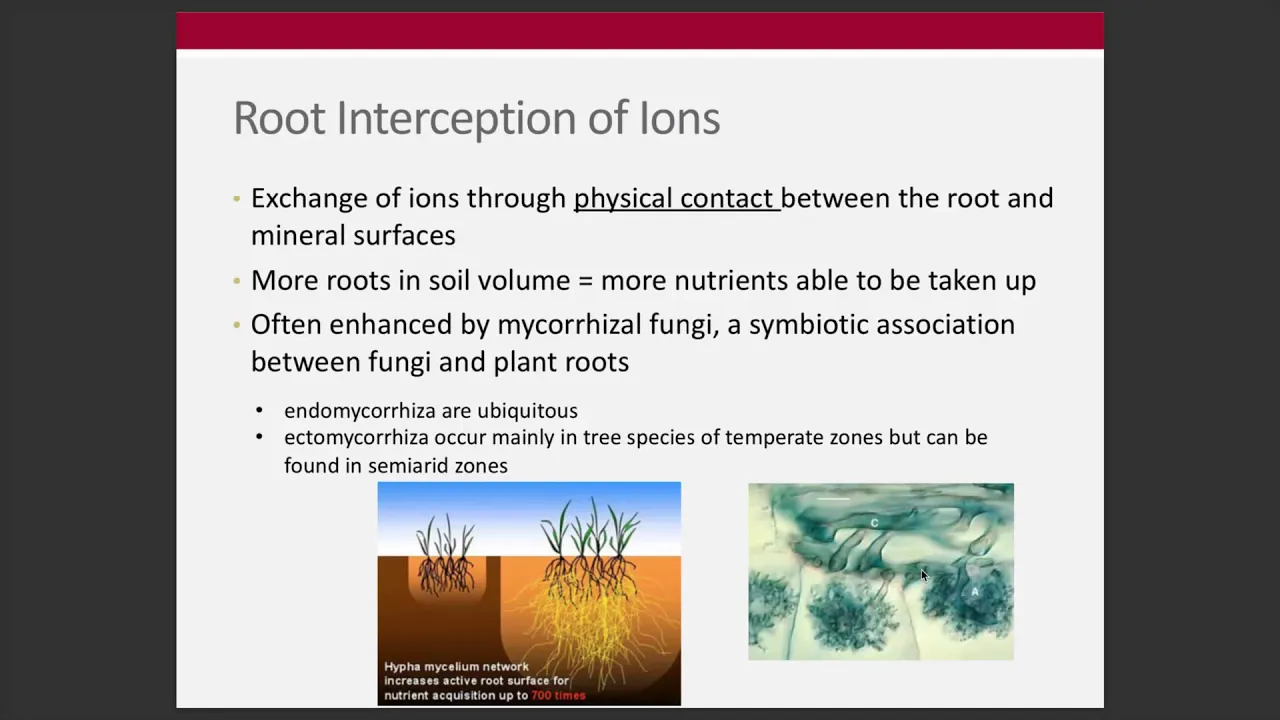












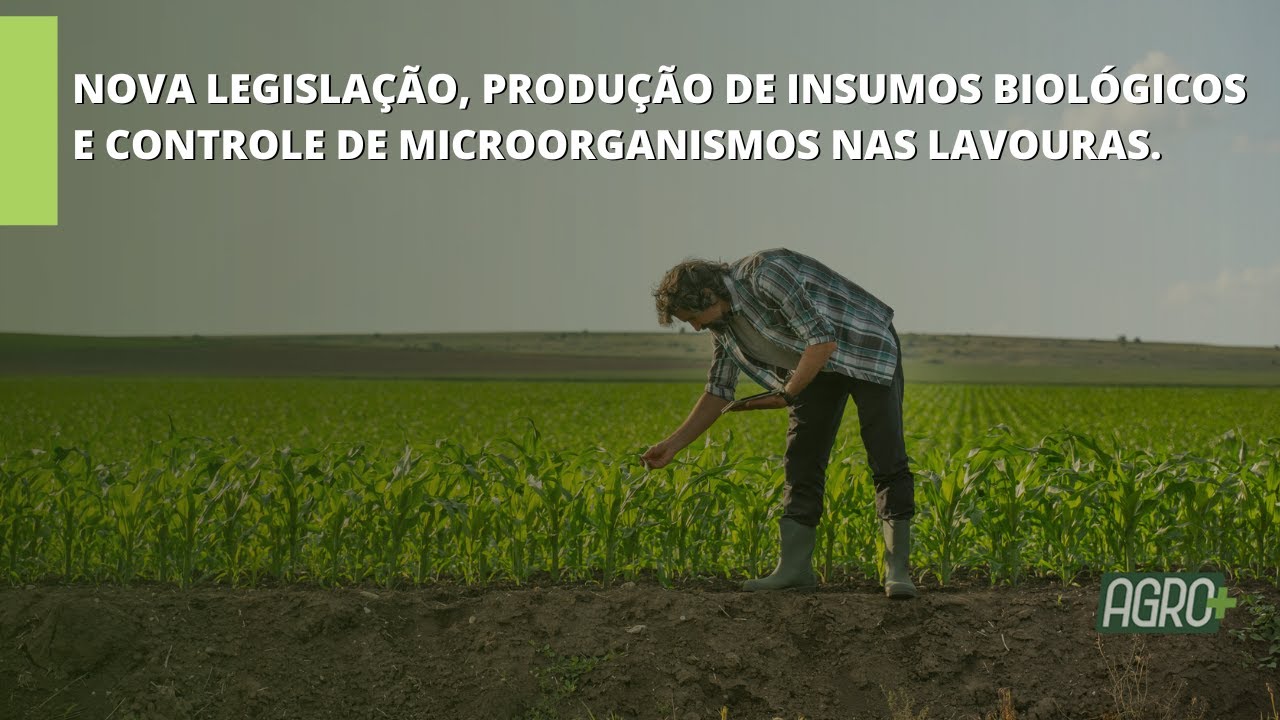

Soil biology, specifically the balance of bacteria, fungi, protozoa, and nematodes, is essential for plant health and productivity. Plants release specific sugars and compounds (exudates) to attract beneficial bacteria and fungi that build soil structure and cycle nutrients. Different plants require different fungal-to-bacterial ratios: early successional plants like brassicas need bacterial-dominated soils, while highly productive grasslands require equal fungal-to-bacterial biomass. Inorganic fertilizers are salts that kill beneficial soil biology, creating dependency and environmental harm. Compost and compost teas can restore soil biology, with properly inoculated compost increasing yields by 50-1000% while reducing input costs. Healthy soil biology also suppresses diseases and pests by covering plant surfaces with beneficial organisms, eliminating the need for pesticides.
Soil Profit: Boosting Fertility via Biology
Added:awesome and off we go go ahead everybody here this is great it's always those fun starring sings corrected 80 90 people hundred one hundred and fifty is great double dose of Matt powers all right awesome well glad to hear everybody coming in welcome back to sustainable design master class but we're gonna get started any second just let us know tell us on a chat box below where you're coming in from I'm coming from Berkeley California right now Neely in Utah there on Utah all right Elaine's better her homeland in Corvallis and Matt you're in what crazy town you were in Washington it's a qua Issaquah nice like that name so it sounds like we have people coming from Georgia Sweden Pennsylvania Cyprus UK Tennessee Croatia Colorado really rural Colorado from Daniel Medford Oregon in Jersey oh man this great literally it's like you'd probably like s'matter the globe with everybody and we get someone here poland alabama tennessee is great so cool well i hope you learn who's coming for the first time one of our webinars before eating in for the first time Julianne saying it's her first time Jay saying me Jay Valencia cool side has saw in first timer Yvonne first timer Sarah first time went great this is awesome a lot of first time folks here that's right and for folks who are the first time this would be great it's gonna really get all overview of so many examples of restoring and biology at whole bunch of different scales and if you're interested in more we'll have we have a bunch of other webinars will send you afterwards just in case if you want to learn more but this is gonna be a great presentation all that Neal introduces they design master class Matt your map our good friend Matt powers is gonna ensure silane and then the lanes gonna get started and she's gonna blow our minds now real quick though you make sure to turn off your distractions turn off your cell phones throw your Instagram your snapchat just snap your phone in half snap it like a twig cuz you want to be present you want to absorb this this juicy flow of information so make sure to do that Matt probably can't throw his phone away he's got an iPhone x2 valuable so yeah be present and you know excited to get started here yeah oh yeah we're gonna go for about an hour and a half with the lane then we have Brian beg here he's a homesteader who used the lanes methods on his five acres he start his journey as a life install consultant he's got a mind-blowing example he's going to talk about along with telling us about an opportunity to learn from Elena with her classes and then we're gonna do Q&A for as long as it takes afterwards so should be an exciting opportunity to learn so Neil wants you to take it from take it from there Thanks welcome everyone to sustainable design master class Raleigh and I are the cofounders of this webinar series we've been going for about two and a half years this is our fifth webinar with a lane we tend to do these almost every three or four months it seems like but it's it's new stuff every time that the background information tends to be just solid soil science but then we get into really great case studies and examples of people have put them stuff and put this stuff into practice and so we're excited to have all of you on especially for those of you who are coming to us for the first time because this is what we do we talk about regenerative agriculture and ecology and soil science and all this stuff and we try to find the best people in the world who are practicing this using this as their profession whether they be designers or farmers or scientists or policymakers and we've got some really good stuff we're excited to have you here also excited to have matt powers back on was with us last week doing his own webinar and he's collaborated with us a great deal as well as with the lane so thank you to all of you for coming thanks Elaine for coming on again and I'm going to turn it over to Matt everybody on that cars I am a teacher I'm an author I'm a seat saver a gardener I'm a Family Guy and I wrote this this this series of books and it really was only possible with the information not only you know directly applied the direct feedback from dr. Elaine Ingham but none of this really would be possible without the discoveries that she her husband her team discovered early on like decades ago and then she took that information and developed it over time most people don't understand I mean when they talk about compost you're like oh yeah I get it you just add organic matter that's great it that that source if you follow that watershed of influence back to where it began you will find dr. Lane Ingham you will find not only like her discoveries you idiot goes all the way back to her childhood working with microscopes following in her dad's footsteps there there's an incredible story here and I've been privileged to learn about it learn from it and to benefit from it because that's what's going on we're part all the soil scientists all the people who use compost all over the world Oh a huge debt to dr. Elaine Ingham and when I started using compost you know I was studying Elaine Ingo studying Jeff Llano studying all these different things and I was using it and I was like oh yeah I get it I get I started running with it and I just did it just the way almost everyone else does and I had wild success this is what happens when you start using composting you've never used it but it wasn't uniform I then steered towards the things that were favored by the composting method I was you know using but it wasn't sophisticated and so I didn't have an understanding instead I did what farmers but doing forever right they just kind of steered him grow these ones I guess you know what I mean and it wasn't this sophisticated understanding and I've spent years learning with dr. Elaine Ingham understanding the underlying causes the the microbiology that influences it and it's clear to me that if you want to understand what really needs to happen next you need to understand it on a holistic level and that means micro to macro and you only get that when you get that micro to and so it it's this missing piece in the understanding the physicists this is sophistication that is missing from always back to our gardeners and they're like yeah no this was a good tomato year do they know why was it because that they did their compost with this ingredient this year this they don't know why they have no idea and for people who are commercial farmers people who are raising stuff that's going to be medicine for people with it's herbal or something else this is critically important to soil understanding it micro to macro and that's you know that's what's so exciting about dr. Landingham because she not only can take you of micro to macro she can put it in words that everyone can understand and then apply it to their specific sites their specific zone there's no one like this because she's lived it she's seen it go from the micro to the macro she's seen it go from her child and understanding working with with animals working with farmers working with plants and soil all the way to that that macro level to the most sophisticated level so if you were to learn from anyone on soil life on microscopy on on composting there is no one that I recommend higher than the source and that is dr. Elaine Inga take it away okay thank you very much man there are one market we're just gonna make sure can everyone see and hear that presentation just give me someone let us know in that come in and then we will get totally started I'll turn I'll turn off my silly stupid webcam okay great yes yes we've got a lot of yeses they can hear us they can see Russ Russ beer coming back and see Russ alright only you're all gets okay thank you very much Raleigh should I turn my webcam off as well or you'll go we definitely want your webcam on that is okay oh darn you're gonna be able to watch me all the way through so here we go the webinar so I'm going to be talking about some new examples we of course have been training advisors through the soil food web environment celebration Institute training advisors to be able to go out and work with people and bring them along hopefully just as fast as I would be able to do that with anyone and so we have accumulated a lot of good success stories from our advisors that are have been in training they finished their final project which is to take a area where they've got dirt where through chemical applications through too much tillage through fire through devastating disturbances in the systems they that biology and the soil has been destroyed so now how do you put it back as rapidly as possible and typically within a very short period of time because you want to get good yields you want to exit the weeds you want to get rid of the diseases in the pests just as fast as you possibly can so now you can have good yields and so a number of examples from our advisor trainees where they are doing exactly that and typically it takes some only one growing season to be able to do that transition from dirt back into soil because of course soil is dirt with the biology with the organic matter that's necessary to support these communities of microorganisms that support your plant so next slide if you would please rally and here we go the soil food web when we're going through this system of course everything starts back there with the Sun so you can look in the upper left-hand corner of this diagram there's the Sun photosynthesis occurring in the plants but most of the photosynthetic material the sugars that are made as that process of fixing sunlight energy you making carbon chains out of the carbon in carbon dioxide making those sugars most of those sugars from photosynthesis will actually go down into the root system of the plant they will be released into the soil and the plant puts out different kinds of sugars different kinds of cakes and cookies if you will into that soil to grow the specific bacteria and the specific fungal species that the plant needs to do all the beneficial things that this food web in the ground can do for that plant so it's going to grow specific bacteria that form micro aggregates start building structure they're going to put out exudates kicks and cookies to grow the fungi that will build the macro aggregates which allows water to infiltrate into your soil if you don't have good water infiltration you have to start thinking about getting the structure built in the soil and that's all about bacteria and fungi as the initial steps in that process fungi build macro aggregates from the micro aggregates that the bacteria make so we've got to have both of them depending on what plant you're trying to grow we have to have a different balance of fungi to bacterial biomass in that soil depending on what stage in succession the plant is that you want to grow so if you're going very early successional old brassicas very early successional grass species you want quite bacterial dominated as we get a little more fungi growing in that soil then we're going to be setting the stage to grow mid successional things like the rye grass or lettuce carrots tomatoes potatoes things in that mid successional stage as we keep as the as the plant keeps putting out more and more foods to grow more and more fungi because succession is occurring we're moving from earlier successional plants into later successional so let's say now we're going to row crops when we're growing highly productive grasslands we need an equal balance of fungi to bacteria as we're increasing or as nature increases that fungal biomass in the soil and now that we're understanding that we have to be helping nature do that because human beings have been destroying this system for so long that we have to get busy helping nature to build rebuild that soil for us to grow plants in so as that fungal biomass comes along what you see is that all the weedy species cannot grow anymore they either cannot germinate they cannot compete with your crop plants in the conditions that you've developed by getting this biology back into the soil the weeds can't survive and we go into why that is understanding what is it that makes nitrate in soil versus what makes ammonium in the soil the soluble inorganic forms of nutrients that your plant needs to take up and of course it's not just nitrogen that your plant takes up it's all those other nutrients it's you know nitrogen phosphorus magnesium calcium sodium potassium iron zinc you know all of the however many essential nutrients anybody wants to tell you about your plant needs them all just like you do and so you better be growing plants with all the nutrients in it for you to be able to obtain the nutrients that you require to make you healthy so going through this successional process we really have to understand what's that ratio of fungi to bacteria and have you made the biology in your soil such that you're going to be selecting or the plant you want and against everything you don't want so we help you a great deal understand the details of managing that you're going to make compost to have that source of the bacteria and the fungi okay so is that all you need no we have to make sure that those root feeding nematodes are not present those are the bad guy nematodes so if you look in that second trophic level in this picture up at the top of that column are the roots idioma toads how do you select against the diseases and the pests and the problem organisms well you have to make the conditions in your soil such that there's plenty of oxygen coming from the above ground down into the soil where water is infiltrating properly where roots can grow as deep as they possibly can so that all of those nutrients of the bacteria and fungi are going to supply will be plant available so we have to build a structure so we need the bacteria and the fungi micro aggregates macro aggregates have to build that so water can easily move through your soil and not get hung up anytime you have a compaction layer in your soil water moving through that soil oxygen moving through the soil the roots of your plants going through that soil are gonna stop there that compaction layer um so we have to be able to recognize where those compaction layers are and we're gonna have to send the microorganisms to the rescue build that structure so then oxygen water your roots microorganisms the air robic microorganisms can grow as deep down into that soil as your root systems require and people are usually amazed when they go through the online courses and they find out how far down into the soil the roots of healthy plants actually have to go so we'll go through all of that information help you understand how that works so going back to the bacteria and fungi let's move on to the third trophic level why are the protozoa important why are the beneficial nematodes the bacterial feeders the fungal feeding nematodes why are they so beneficial to your plants why those micro arthropods so beneficial to your plants because they eat the bacteria and fungi that are accumulating the nutrients from your sands your stilts their clays your rocks and your pebbles it's really critical for everyone to understand this and you know I can't help but mention it I can't help but go through this because you have to understand that you have no need for inorganic fertilizers when you're trying to grow plants healthy plants and inorganic fertilizers are the opposite ends of the scale every single inorganic fertilizer is a salt and it kills the biology in your soil way before it kills your plant it's going to kill your beneficial bacteria and the fungi protozoa and nematodes micro arthropods and you can't cycle nutrients back into a plant available form then anymore so you can see what the chemical companies have been doing they've been trying to convince you to put on massive amounts of inorganic fertilizers all these different kinds of salts you know lime gypsum ammonium nitrate phosphate mineral nutrients soap o mag all of these different things you know potassium and stuff in order to make certain that you are going to stay addicted to their drugs you have to buy their inorganic fertilizers so how do you stop how do you get off of that addiction you need to put this biology back into the soil you got to get enough in the right balances and that's where we help you learn how to make compost and then make certain that the balances are correct so you won't have weeds so your plants will be protected from diseases and pests and so there's another thing that this biology does is completely cover all the surfaces of your plants so that no disease-causing or pest organism can even find your roots they can't find the above-ground party for your plant the because the chemical signals the volatile organic compounds are no longer made and they just fly right past if they do land there is a good thick layer of these beneficial organisms growing and that disease or pest organism can't even get close to any of that plant tissue so no more disease is no more pests you don't have to be using those pesticides how much money could you save if you don't have to be buying pesticides or inorganic fertilizers so these are the lid this is the list of all of the benefits that you can get from a healthy food web from getting the proper balances of bacteria fungi protozoa and nematodes micro arthropods a higher level predators as well and again we go into detail on this in the online courses and so you know we've only got an hour half to go through a lot of really good examples here and I want to get to those examples so those of you who yeah it seems like I'm kind of leaving things out boy this seems rather magical please take the online course so you can get the information that you need so you really understand how nutrient cycling occurs the plant puts out the exudates the cakes and cookies to wake up the bacteria and fungi that will go out and make the enzymes to pull those nutrients into the bacteria and fungi well your plant can't get nutrients from bacteria and fungi so you have to have predators the protozoa the nematodes the micro arthropods to eat the bacteria to eat the fungi and because the nutrient concentration in bacteria and fungi is so much greater than what any of those predators require that the predator has to release the excess nutrient the nitrogen phosphorus sulfur magnesium calcium sodium potassium iron zinc boron all of those things are going to be released in the proper balances and in the lorry form for your plant to take up there's absolutely no reason to put any inorganic fertilizer back into your soil your soil the sand silt clay rocks and pebbles the organic matter have thousands tens of thousands of years of nutrients there's no reason for you to be putting inorganic fertilizers on unless you really like giving your money away to the chemical companies so all of the benefits of course aren't just nutrient cycling but we also suppress diseases we hold in the bacteria and fungi when your plants aren't growing bacteria and fungi are still in the soil doing their thing but they're now just holding keeping in place maintaining all of the nutrients up here right where the roots will grow when you plant them in your beds when you plant them in your agricultural fields because these bacteria and fungi protozoa nematodes micro arthropods are still working and functioning when the rains pouring down in the springtime or in the fall or if you're in a very wet part of the world even in the summertime you're not gonna have leaching you're not going to have Unruh runoff erosion doesn't happen working with Henriques shravan up in near seattle showing that a 45-degree slope that was starting to slip slide down the hill go out there put on the proper biology and immediately tie things back into place oh you better make the red compost you better have an understanding of what has to be in there and that's where your microscope comes in you can check and you can make certain that you've got the organisms to do all these beneficial things and that you've got the balances of the organisms as well so suppress disease don't need pesticides how much is that going to save you on an annual basis retaining nutrients so you're not losing them every single inorganic fertilizer that is applied is applied at high concentrations because they know that you're going to lose eighty scent of it all that stays in that system on average in general is gonna be 20% think of that price tag 20% of that money is only staying in your soil the rest of it is leaching out and where's it going it's destroying water quality the thing that's going to take out humanity on this planet is a lack of clean water not a lack of food we make more than enough food to feed everybody on this planet feed everybody a good diet okay we're not so good on the distribution end of it now the concentrated in the wealthy and all that but we grow enough food to feed everybody but we don't have enough clean water that's what's going to take us out so we have to stop allowing leaching of 80 percent of the inorganic fertilizers that are applied to agricultural fields to homeowner lumps things like that yeah it's a got to get over that got a new cycle nutrients make them available to your plant if there are toxins being produced in anaerobic conditions where you've got that compaction layer the compaction layer is anaerobic and there are very toxic things made in any anaerobic condition so when somebody wants to talk to you about anaerobic teas are good for your plants no not if it's a healthy plant doesn't mean it doesn't want it and it's actually harmful Oh what if you have a sort of sick plant okay then the toxins in that anaerobic tea and an anaerobic compost may killed pathogens and so you'll see a positive response but now once you've gotten rid of those bad guys how are you gonna maintain the good so you got to have the compost you've got to have the organisms to go back into that soil build structure hold your water all these good things that we've already talked about so if I could have the next slide quick overview of the last webinar so many of the things that I was just talking about all the nutrients that plant are in the soil the problem is we've killed the biology through tillage the use of inorganic fertilizers through the use of pesticides and the biology has got him it's not soil it's dirt so we have to put the biology back through the use of compost compost extracts teas you know why have all of these things well different people you know want to apply this biology out in different ways so compost is a solid it's the best way probably to get the whole diversity and all of the foods out but sometimes it can be difficult so instead let's turn that compost into a liquid form either is an extract that goes on your soil inject it into the soil put it on the soil surface but make sure that biology starts moving down through your soil how hard did the biology go well that's what your microscope is for you can't manage things if you can't measure them so let's get that ability to know where the microorganisms are and which ones because that's critical for you to start making a profit as you're trying to farm so a tea compost teas were actually going to wake up all these organisms and get them to grow really fast so that they will stick to the leaf surfaces and the underside of the leaf and to the flowers and to the seed as it's been said to the fruit as it starts to grow we have to make sure that those organisms instantaneously stick to those surfaces so then they will protect your plant from all the diseases and pests and problem organisms so nutrient cycling disease suppression building structure in the soil we just have to get the biology back in there so industrial traditional agriculture they've degraded soil for thousands of years and as a reference see David Montgomery's book called the dirt called dirt the erosion of civilizations that goes through every single civilization on the planet before us they are all wiped out they all fail because they destroyed their soil and turned it into dirt so we can't be repeating that if you don't go back and look at history you are doomed to repeat that history so please let us stop now by everybody's starting to understand what biology does for you and thus along the fact that we must nurture it not destroy it nukem approaches to doing things are really really stupid so plant diseases passed virus weeds are merely symptoms of dirt how you turn your dirt back into soil well we're going to go through some examples and hopefully you'll get lots of good ideas but remember it goes back to the biology in your soil disturbances compaction tillage these things fire excuse me fire these things the story the biology and so we have to stop using those and last there's just no other choice tillage is a tool in your toolbox and sometimes under very rare and unique conditions tilling is a good idea but most of the time 99% of the time you're going backwards faster then you're going forwards it may be more convenient but how convenient is it to have to be putting out applications of pesticides every week yeah so we need to understand what we have to get back into the soil and why these kinds of management practices really are not a good idea so large scale land restoration restores the life in the soil so we got to use that starting material that's in your natural systems there is the inoculum of all your beneficial organisms so that you can grow whatever kind of plant you want to grow wherever you want to grow it if we understand exactly what you want to grow we can pretty much grow anything okay I'll give you that we will probably never grow at the North Pole there are some limitations we have to have soil first of all and it can't be frozen so there are a few limits but for the most part if we really understand the conditions and we understand what your plant requires and we can get the biology back into that soil and the proper balances you're going to be able to grow sustainably we're gonna sequester carbon every second of every day in your soil which is something you cannot do in dirt next slide so what we're gonna actually go over but we're going to be talking about succession what do I mean when I say that we're gonna touch on composting compost teas to help you understand where all this biology comes from and a little bit of a hint hopefully to convince you to go to the online courses and take the online courses but as Rolly said we really want to start with the life in the soil so you understand all the basics and then we go to the practices how do you make certain that this compost this extract this tea these liquid forms of compost how do we make sure that the biology that your plants need are in that those materials so what are the ideal conditions then we have the case studies from the farmers and and then of course we will encourage you to take the online courses I do want to point out that we will give you a password for those courses that will last a whole entire year because we realize that sometimes they get really busy and you mean to be doing the lectures every day you mean to be watching the videos every day but you know life time just gets by yeah and you know if you don't manage to get everything watched in a year just give us a call and we'll extend the password for you so we really you to understand and use this information because we all have to work together to prevent us from destroying the habitat on this planet that supports human beings next slide please so this is an overview of succession what do we mean when we say succession most people look at plant succession what they can see above ground but now let's correlate that with what's going on underneath the surface of that soil so getting these two things together at the same time so when we're looking at the extreme left hand side of this picture you can see where it's better soil nothing growing on there the only thing that will be present in that bare soil is bacteria and you really are not going to grow anything if you have no nutrient cycling in that soil so bare dirt I know okay it's got some bacteria in in there but it's not really soil if you have just bacteria or nobody home so it's very very very difficult to have any good kind of plant production if you're in there dirt solely bacterial dominated you have to start seeing some fungi starting to grow and so here's where weeds come in weeds come into bear soil when there's just you know a little bit of a life in there to get going with and so that very first weed puts root systems down at least there's a little cellulose at least there's a little fungal food in those weeds and so see where Mother Nature has taken every bit of soil productive ecosystem on this planet was once upon a time their soil and the first thing that came in were these weedy species they don't put much effort into the roots they don't do a lot of nutrient cycling but at least organic material is coming into that system that will grow both bacteria and fungi so we start to see a shift we start to see those really early successional weedy species arrive and then we go a little bit later we get different kinds of weeds more productive weeds the dandelions the thistles the composites show up almost people are going to think those are weeds they're horrible I've got to get rid of them and though way we get rid of them is to push that fungal biomass let's put in plants that will put more effort into that root system so now we're going to go through those early successional annual species the brassicas the bromes the Bermuda grasses the not so wonderful you can't keep animals alive on a pasture of those kinds of plants but now they look green they look pretty and they are establishing more fungal biomass so you can see that nature is pushing this system to the more productive more productive more productive by ever increasing that fungal biomass look at the ratios on the bottom lines of this underneath the picture now we start off with bacteria at a thousand micrograms no fungi fungal the bacterial ratio point zero five yeah you're growing weeds here and that's it even with a fungal the bacterial ratio of 0.1 you're still mostly grown weeds so now get that fungal biomass up a little bit higher so 0.35 hundred micrograms of bacteria 150 micrograms of fungi and now we're growing brassicas we're growing those early successional crop plants if you will move on to the mid successional grasses so potato and tomato the Solanaceae the lettuce carrots those sorts of things fungal bacterial biomass ratio between 0.3 and 0.7 and so building that fungal biomass building structure in the soil bill being on disease protection by the time we're two row crops we needed to be an equal balance of fungi to bacteria so let's say 500 micrograms of bacteria 500 micrograms of fungi move over into the highly productive grasslands we're on the side of you know 600 micrograms of bacteria 3,000 micrograms of fungi in our orchard systems 400 micrograms of fungal a bacterial biomass 10,000 micrograms of fungal biomass old growth forests 75% of the volume of one gram of soil and an old-growth highly productive some of the greatest rates of plant increase plant production on an annual basis in these old-growth cedar forests and three-quarters of the weight of a gram of soil a teaspoon of soil is fungal biomass the USDA will tell you that's not true because the USDA works with agriculture they don't look at for us they have no idea of the end of this successional process so can we get soil that is more fungal absolutely nature's been doing it for the last oh I don't know billion years or so so she's had a little practice so we want you to understand that what is the plant you want to grow so you can pretty much go in here in this successional chart and figure out what the plant is that you want to grow where does it occur in the successional process and then you can figure out what your fungal to bacterial biomass ratio ought to be so let's say you want to grow mint all right where is mint found in this successional process go out into the real world and where does mint occur in the real world where do you find it so it's found in meadows it's usually found in fairly wet areas around the edges of where the soil is maintaining moisture early in the spring not all through the year early in the spring especially and so we're looking at something that that for mint we want something between 0.3 and 0.5 fungal the bacterial biomass ratio go into the soil where mint is thriving on its own with no inorganic fertilizers no pesticides no need for support take some of that soil and look at what the bacteria are what the fungi are with the pro so and what the nematodes are and then you know this is what your crop of mint wants what it requires what if you want to grow blueberries so where do you find blueberries in the real world yeah in the edges of forests so fungal bacterial biomass race you'll find in this picture that ratio down there in the bushes so 600 micrograms of fungi of bacteria and 3,000 micrograms of fun shot you have to have mycorrhizal fungi on the root systems of blueberries so you've got to find some iroquois michael Raizel inoculum to put on and no that's not for sale any place on the market that I know of you're gonna go I have to go out into an existing blueberry area and collect some of those root systems that have the microwave sunshine well how do you know that there are microarrays of fungi on there you're gonna have to use a microscope and so you need an epi fluorescent shadowing microscope to be able to see those to know that you've got a good inoculum that you've pulled out you only have to be putting a lid all tiny bit of that root system into each planting hole so figuring out what your plant needs and then let's figure out where your soil where your dirt is that what's present in your dirt so what do you have to fix so you go out and take a sample of your agricultural soil and you take it to your microscope and all you see in there is bacteria so what kind of plants are you selecting for when the only thing present in your soil our bacteria yeah you're in trouble you're growing a whole boatload of weeds which is why you have to use those herbicides that's why you've got disease and insect and everything else problems so how do you now move your dirt into a healthier condition so you don't have to use these toxic chemicals to try to your plant to grow so you're gonna men want to make compost you're gonna want to make things that have the biology required so here's a table for you where we're looking our early in succession all the associated factors that are controlled by the presence of the biology in your soil when you have strictly bacteria it's very easy to be in anaerobic conditions no structure no bacteria no fungi no structure oxygen cannot get into that soil water can't and so all these consequences going down the line vegetation soil structure nutrient status looking down the left-hand column of this table really summarizes for you what's going on when you're dealing with dirt only bacteria how about bare soil where yeah we got a little bit of fungi but not much how about weeds so weeds are the things that start to tell you that things are getting at least you got some biology in that soil but not nearly balanced correctly next slide so next slide do you want to go on the the row crops or the or the did you history yeah just keep going yeah so here's where we're looking at early successional always talking about Bermuda and bromes vegetables early successional grasses you know we can just go through you know we kind of went through them really fast but we have these tables and you can you get them from the online courses so really letting you know exactly what's going on would you look at the biology in your soil and you can tell what kind of plant that soil that balance of bacteria fungi protozoa and nematodes what are you selecting for in this soil is that what you want can you get a saw that's to fungal well if you're trying to grow brassicas yeah you can get a soil that's too fungal and your plants are not going to do well what if you're trying to grow blueberries and all you have our bacteria yeah you're in trouble so figure out what is in your soil and then figure out what the plant you want to grow needs and then use compost compost teas and extracts to put that biology in and get it growing next slide so when we're looking at some work by Renauld Flores his company's name fluorescence systems were looking at the yields where he's comparing three different scenarios so let's quick go through these scenarios up at the top of the table so he's looking at total Dale's days in the field so a little bit of how long it takes to grow these crops the crop name so you can say these are see these are a lot of vegetables scenario one is where he's using the chemical system so the typical chemical agricultural system scenario two is where he's using municipal waste compost not what I would consider compost I really think of this material that you get from most composting operations that are present that's not really compost it doesn't meet the definition of compost other than it's been brought up to weigh high temperatures and it's been turned once a week whether the the organic material need to be turn it turned or not which means that it went anaerobic it it's putrified along about day three before it ever got close to being turned lots of toxic chemicals lots of of nutrients under anaerobic conditions you lose your nitrogen you lose phosphorus you lose sulfur good luck growing plants with this stuff it's more likely to kill your plants than it is to benefit your plants and then scenario 3 is where this compost was made with proper biology in it so that third title is microbiological inoculation and compost and so looking at these different scenarios when you compare the difference between the inoculated the good compost with a proper biology as compared to the conventional system you can see the increases in yields seventy three percent eighty seven percent one hundred and nine percent and this is in the first growing year this is where you're working on getting the biology to the right place every year you want to get it closer and closer what we've seen at the experimental farming in California is on the first year that we put crops into the ground no biology plus biology that the plus biology increased in yield by on average 50 percent over the 30 different crops that we were growing 50 percent increases in yield in the second year where the biology got even better in the plus biology side we increased yields by 300% and in some cases a thousand percent so what's it going to be this year yeah stay tuned we'll let you know so you can see these differences the last column in this one the pink column is the percent difference in scenario two with a questionable compost versus the third scenario one so you can look at those different comparisons picture from Renauld gorgeous the plants every one of us would want to be having yields that look like this next slide so potatoes I love the I love it when somebody puts an e on the end of potato okay so Portuguese so let's see scenario three here's the plus biology with the full diversity of the beneficials versus scenario one which is no input and scenario two which is putting in commercial compost you can see with some scenario one that there's a lot of disease there's a lot of problems the sizes of the potatoes are all much much smaller with the commercial compost this was not a good compost this did not contain the biology that you want and the difference between scenario one and scenario two is minimal so getting the nutrients dealing with the diseases and paths these are our expected benefits and we're showing time and time and time with all of the SFI advisors as they were doing this work they're getting these same kinds of results so next slide if you would please we can want to do nutrient concentrations that's a something that I want to continue to do so we would have nutrient information this shows the difference in the biology when we're looking at scenario one versus two versus three you can see that we have really high levels of bacteria in scenario one and two and much lower in the proper balanced compost that fungal the bacterial ratio is much more fungal but it still needs to be increased these are potatoes potatoes require something that's more like a point seven and you can see that third row down is that fungal the bacterial biomass ratio it's really horrific and so scenario one and of course the yields weren't good the soil was compacted ciliates and retreating number toads were present good indicators of anaerobic conditions compacted conditions in that soil scenario to the fungal de bacterial ratio was point zero seven it's at that point one three in the scenario three and look at a difference we were just in the last slide we were looking at that difference in yield and appearance and improvement reduction in diseases and pests and size of the potatoes were better so this is the kind of data that we want to help us understand how far have we come along how much more work do we need to do well even with slight improvements in the biology in your soil you're going to be getting increases in yields of 50 to 100 percent keep going next slide and of course if you talk with Renauld he can go over some of these results with you so here's from his onions where he's you know here's the scenario three with a proper biology over on the left hand side scenario one with no no biology added into the system and then the commercial compost where clearly the commercial compost had some diseases in it and so you're harming your plants more than you're helping if you don't understand the biology that this plant requires and that there were some specific onion pathogens in that mmm putrified organic matter I myself I would not contaminate the term compost by calling that material compost it's detrimental if you're not checking it and making sure that the beneficials are present in that compost so next slide onion yield results when we're looking at the actual biology so again looking at that fungal to bacterial biomass ratio scenario one with no added biology in it really bad what does onion require well onion is earlier successional than potatoes are so potatoes need around a point seven point eight whereas onions they're down around a point five so again we're not the improvement in the biology and these soils isn't complete but he is getting significantly better results when you're looking at a fungal the back to your Obama s ratio point zero zero four there's almost no fungi in there no beneficials in there to speak of scenario two with the not so wonderful mmm putrid organic matter point zero six well it's better than no biology but you can see where you would sometimes have not a negative impact versus where good compost with the right biology was added much closer to the desired level but there's still some more improvement that will occur so next slide please assuming you're all looking at all of the rest of these tables and having fun ferreting out little facts and information but you know I I'm talking to it on so we've got to get going so this is with with celery and again look at the size of the Reed ball there's really huge difference in these three different management's and it's extremely visual you can see the benefit we don't have the yellowing leaves we don't have the shorter stem so a lot more production where we have the proper biology so let's keep going you see the fennel yep so here's the fennel same sort of thing you the the data are on the bottom underneath the picture so we're we're looking at the size of the base how much larger it is where we have all the proper biology not nearly the size significantly less and diseased roots on the fennel with scenario one and they were scenario two with the not so wonderful organic matter again diseased root systems so 140 grams sellable weight with biology and half of that in the control just about half with that not so wonderful organic matter so next slide think will be the biology in those systems okay so there is information from an old he is just finishing up his certification so with those kinds of data and the biology information it's gonna get that certification and so he's already set to start working with other people who want help going through these kinds of conversions of their dirt back into soil now we're going to shift to grasses parks pastures so equal biomass of fungi two bacteria kind of systems so next slide we're gonna be looking at the compost tea trials at a dairy that we were where we worked at in New Zealand in this what they did was half of the farm stayed in the conventional chemical application mode half of the herd stayed on that half of the property the other half of the herd stayed on the other half of the properties so this is like a three hundred hectare dairy lit in half so 150 hectares on one side 150 hectares on the other in an acre on each side the grassland was fenced off so we could measure the increase in yield and we could get a nutrient concentration in this plant material so next slide try to hurry through this just a little bit inside those one acre areas the grass was mowed every time the there was enough grass to mow and we collected it all weighed at all and then dude nutrient concentrations I'm that half of the farm we applied three applications of compost tea and foods well the foods are the new foods that you put into the compost tea to grow the organisms and at a very low concentration you know 150 litres per hectare which is what about 50 50 liters per hectare so very small amount 10 gallons per acre applied every four weeks starting in October so October 1st November 1st December 1st January 1st it's just three applications every four weeks so October 1st November 1st December 1st only those three applications were applied to all of the pasture on the + biology part of the farm the other part of the farm was conventionally fertilized with urea at the rate of 75 kilograms per hectare which is more or less 75 pounds per acre of urea every six to eight weeks at a total of 450 pounds per acre through the whole entire growing season which I know seems a little bit hi but that's normal rates that's what is recommended for that part of the world and then of course so PO mag was applied if I remember correctly that's a was something like fifteen pounds per acre you know at industry maintenance because they do have a problem with magnesium that's all for typically in these soils so putting on SOAPnet so comparing the results from these two different kinds of management's next slide shows that the total dry matter was a full ton greater where the compost he was applied now I do want to say that for a whole entire year before we went into the plus biology treatment absolutely no inorganic fertilizers no pesticides no nothing no herbicides were applied on the plus biology side and yet the quality of that hay was significantly better there was significantly less weed in this additional higher yield by an entire ton through the that three months of testing as compared to the chemical side so what does that tell you about what to the pesticides in the inorganic fertilizers do to select for or against the problem plants that you don't want so next slide should be looking at yes a lot of clover was coming up and of course the the veterinarian for the farm was very concerned it was actually extremely concerned that as all this clover was starting to grow on the plus biology side that that would cause an incredible amount of bloat in the animals we had no bloat at all on the plus biology side even though we increased the percent of clover from almost not visible to being 50 percent of the stand quite visible we had no bloat no problems with the animals on the plus biology side the place we still had they had bloat there was still a problem of the digestive system of the animals was over in the in the chemical side in the conventional management system well urea if it's eaten by the cows causes serious bloat problems in the animals now one thing I did not mention in this tree in this experiment was all of the animals had facial eczema we tried to split it so that there was the same amount of eczema and same degree of severity and the know biology versus the plus biology so the herd was split up on that basis so facial eczema was equal on both sides facial eczema is a muscle wasting problem of the muscles in the face and the jaw and as the disease progresses basically all of the muscles in the jaw region atrophy they stop working and the jaw the animal falls off and of course if you can't eat you're gonna die so it was a horrible problem in New Zealand when we first started working there and you know I was like that I'm not a veterinarian I don't have any idea of you know what animals need so that's why we made sure that we had an equal amount of eczema on both sides so next slide just to let you know that we were starting off with that condition so this is the next example coming up but I want to finish up with the nutrient concentration in the plant material on the plus biology side was massively increased and high levels of selenium and one other nutrient I'm not going to remember much higher in the plus biology side is compared to the no biology side because the no biologist I did not contain any detectable levels of those nutrients all the animals on the + biology side recovered from facial eczema none of the animals on the conventional side recovered and what that tells you is that on the conventional side the plants are not eating it not getting the nutrition that they require from that soil and so the animals were dying they were suffering from a mineral deficiency as soon as you put the biology back into the soil the plants are going to get all the nutrients all of the minerals that they require for the animals and for you to get the nutrients that you require so now let's go on to this example from camperdown compost in Australia this was an area where all of these growers were well really close to bankruptcy they were about to go under and so they were quite willing to try something anything and when we suggested that we would take all of their waste manure from their manure lagoons turn it into really good compost with all the right biology and then they could use that compost to go out onto their fields and you can see on the in these pictures you can see examples of what these pastures look like after a very short few number of applications compost going out with compost extracts as well you can see what the pasture looks like on the far left you can see the amount of clover that was coming up in here and again same story the veterinarian was just oh my god you're gonna lose all kinds of animals no we didn't lose any of the animals because it's the chemical high levels of conventional chemical affinity riyals going out that that's what's causing the bloating problem not the appearance of or lack of clover that's not the problem there the guys in the middle we're looking for nodules on the root systems of the clover and there were thousands of good nodules fixing nine to gensou the clover was putting nutrients into the into the clover people often get that wrong that nitrogen fixation is going to be putting nutrients into the soil not directly the plants going to get nutrients going to get that nitrogen from the nodule only after the bacteria forming that nodule has made all the protein that those bacteria require then they give to the plant the plant doesn't release that out into the soil the plant uses all that extra nitrogen to grow more plant bigger and more beautiful taking up more space and of course the cows love it they absolutely adore good clover that is functioning normally and not stressed so the animals are all healthy healthy they're increasing yields he heard side sighs they're not having to put any inorganic fertilizers no urea no cell foam AG none of the typical things that you have to add into an pasture in order to make it grow you just gotta get the biology back the third picture over on the right-hand side is a picture of the neighbor as compared to the plus biology neighbor was putting on inorganic fertilizers the neighbor has not been able to graze that pasture because he's not getting enough growth whereas on the plus biology side it's been grazed seven times since the season started so who's gonna make money here who's gonna be able to pay all their bills when we first started with these growers they were going bankrupt by the time we were saving them they didn't have to spend on the veterinarian bills they didn't have to spend on the inorganic fertilizers they didn't have to spend for the pesticides for all of the growth hormones and all of the chemical things that they were told thank you we're going on and they could graze more animals they all increase their herds eye size they were making money and I love it when you're working real hard with these guys and after the second year what do they do with all that money that they're making they don't pay us more they go and put a swimming pool in oh well they deserve it so next slide so some of the results you know when we first started working with them they would have to resew their pastures every year or every two years and because the cows when they were grazing in the conventional system the roots were so short the compaction was right up there at the surface of the soil so that when the animals took a mouthful you know wrap their tongues around the grass and pull they were losing plants roots and all so they had massive bare spaces in their pastures they were losing nutrients they were losing soil and so they were reselling their seed every year or two which is enormous cost to them nitrogen use was reduced in the first year some of them were kind of like Oh can't quite let go of our fertilizers so they only went half way well ultimately if they went a whole hog they said we saved the growers $200,000 in the first growing season if they still wanted to put onion organic fertilizer it took a year only reducing their costs by a hundred thousand and then in the second year they would typically reduce the fertilizer by another 50% and by the third year they were saying why am I wasting my money get rid of this inorganic fertilizer stuff it's not needed so they didn't have any diseases no insect pressures there their fertility increases increased their stocking rate increased they bought more animals or they kept their furs and raised them and of course they're micro Raizel fungi increased from 4% in the chemical world to 87 percent and mycorrhizal fungi go out and collect at the request of the fun of the plant mycorrhizae fungi go out pull nutrients from the santel clay rocks and pebbles bringing them back and trade the plant those mineral nutrients that the plant requires for photosynthate from the plant so huge improvement the first year we worked with people I think there were three or five I think there were three in the first year there were five growers in the second in the third year it was 75 because the information started getting out to all the dairyman in South Australia and by the next year we were working with 275 people and you know it's at the place where camperdown compost usually the guys working they're just they won't even answer you in the beginning of the growing season because they're just too busy there they have just too many clients so go work for them if you have that information if you have this knowledge about the biology and how to improve it because they've got clients that they need they have people helping them next slide okay specialty crops people often you know look at you know we work with a large acreage huge size farms fine we can do large size we can do small size and every size in between so we have been working with cannabis and with hemp what is the proper biology what is that balance of fungi - bacteria protozoa nematodes that you need for cannabis are you trying to grow the you know the THC or you trying to grow the medicinals when we're dealing with herbs of any kind how do you increase the medicinal quality of that plant as opposed to when the conventional chemical system where you're just not makin the medicinal material you got to get the right biology in there and is it going to be something that's more bacterial or fungal or more you know I do how much nutrient cycling do you have to have so these are some of the questions that we're working on we have quite a few experiments going right now with cannabis where we're looking at if you're trying to produce something a high in THC or if you're trying to produce something that's high in medicinals and of course most people are choosing the disa mills because you make more money that way and so we know what that ratio needs to be and we're even getting into the point where for different cultivars of cannabis what is the proper ratio so doing that kind of work bamboo you know flowers so when looking at the lavender they're cocoa tea fiber I was just up at a tea plantation not yesterday but the day before looking at their production and kind of going through all of their tea bushes and going you've got so much disease in here let's let's get out here with the proper biology and fix this right now because you don't want to be having that reduction in yield if you don't have to suffer that reduction in yield so next slide nextslide Jose come up you know yeah I think I'm just really my computer this is Corvallis and Comcast so orchards and forests compost compost trees you know we try to we have a typical routine here's what we do in the first year and then we see how much the biology comes along in the right direction all of these situations that we're looking at here require fungal dominance so whether we're looking at banana or we're looking at pineapple or we're looking at avocado or just mature forest systems they need to be fungal and so let's get that proper compost out there let's get the understory so that the understory plants here are also fungal dominated because then they will maintain the proper biology so that as soon as this plant starts growing your crop plant starts growing at the beginning of the growing season immediately they're into maximum mode whereas you know you'll be put something into the area below your plant that is more of a bacterial or you know like a point five ratio of funds out of bacteria 0.8 that's not really helping your plants well it's better than bare soil that's for sure but it's not helping your crop plant as much as you would want so we've been doing work here for a number of years if I can have the next slide I believe we have oh this is Christmas tree where we were working with a grower that had needle cast problems so it's a fungal disease they had the chemical treatment so one of the rows would be chemically treated the other would be plus biology in the first growing season we didn't see much difference but look at below ground look at the root systems so said the picture to the right hand side you can tell immediately which one had the compost tea which had proper biology being put into that root system versus the chemically grown one where those roots are long and they're searching and they're desperately trying to find the nutrients that they require you look at the root system and the one on the left and you know massive amount of small root tips they're taking up all the nutrients in the next growing season the plants on the left-hand side grew two years worth in there so in their third year they grew twice as high as the chemical ones and the fourth year of production again they did two years worth of increase so I believe it was six years the six to eight years the six at six years the the ones on the left could be sold it could be cut and sold as mature Christmas trees whereas it took another four years for the chemically grown ones to reach the stage reach that sellable stage to go out on the market so of course these people went crazy they no longer had needle cast they didn't have the weeds in the system they could sell their product at half the amount of time and they were beautiful trees now notice I don't have pictures of the next stages because once these guys figured out that this was for real they wouldn't let us have the pictures because they didn't want anybody else to know how it was we were achieving this kind of growth so next slides composting systems you know it doesn't really matter whether you're doing small piles like the top picture or large scale massive amounts of compost being made we can help you out both sides we just have to get the right biology and to get the right biology we need to have a diversity high diversity of food resources going in here high diversity of the sets of organisms into these piles small-scale for gardeners large-scale you name it we can help you out and the commercial end or the homeowner end no good compost should look nice dark brown like in the bottom picture yes it's a commercial operation nice dark brown color people often look at the steam coming up off that wind row and go oh my gosh your compost is burning no that's just steam the steam is generated anytime the temperature in your compost pile is more than fifteen degrees higher than the ambient temperature outside it's just telling you you've got nice toasty warm compost so do you have the biology and this or not and that's what the whole compost class is about is to help you understand small-scale or a large-scale how to produce the compost that has the organisms in it that you need to get back into your dirt so you can convert your dirt back into soil so of course a good compost is worth its weight and planting them because I'm much money can you make if you can increase your yields by three hundred to a thousand percent so let's do it while reducing costs at the same time next slide compost tea systems our compost extract we're going to turn the compost into a liquid form and you know which kind of tea brewer do you wanna buy you want to buy something where the volume of extract or tea that you're producing is what you're going to need to put out on your fields now you are probably not going to be applying compost tea or extract to all of your fields all in one day so work it out where it's you know how much am i applying each day for two days or three days and reduce the size of the equipment that you have to have we want to work with you pretty closely on what's the kind of equipment that you need to have for the production that you want to have and how much are we gonna have to work really really hard to do that conversion of the biology and your soil conversion with the biology in your dirt into soil and and so here's where we've got to get kind of one-on-one what do you want to do with the plants that you want to grow what's in your soil to begin with so we make this conversion as rapidly as possible no human beings we are so subject to this idea that if a little is good more is better so instead of only putting a tablespoon of fish hydrolysate into my tea I'm gonna put a gallon into my compost tea well you just destroyed it all because it's gonna go anaerobic microorganisms start growing really really fast on all that good juicy protein and sugars and wonderful stuff and they just start growing so fast that they use up the oxygen faster and you can possibly pump it into your tea brewer so we want to work with you and make sure that you understand the pitfalls why this is so good and where it is you can mess up really freely too heavily and you know just throw your hands up and say this compost tea stuff doesn't work at all I'm gonna show all this stuff and go back to the chemical system I'll call it sin when you're having those kinds of problems or hopefully learn from the very beginning of how to avoid these particular traps next slide monitoring biology with a microscope you can't manage if you can't measure so how do you know you have the biology that you need to have microscope and there I am staring through the microscope this is I don't have to be all dressed up in a way you know Lam sued I don't have to have a respirator on my face I need a pipette I need a stirring spatula I have to have a few test tubes that's all you need typically you know you're making a compost tea you just walk outside with your pipette pull a sample from your tea brewer put a drop on the microscope slide the rest of your sample goes back into the tea brewer and you walk back to your microscope cover your drop with a cover slip on the microscope and there I am determining whether this compost is ready to use this compost tea is ready to use or not it takes you five seconds well you've got to be trained to recognize what you're looking at so when you look at the creature in that lower picture is that a good or is that a bad guy should I be feeling good that I'm seeing this organism or should I be very afraid and we got to teach you that we've got a teach you what the bacteria look like with a good guy bacteria with the bad guy who are the good guy punch I blow up to the back I fun shy look like what do good guy protozoa look like what to the bad what are the good name of toads or the bad name or totes the you know all of that you then learn what management you should be doing when you're seeing what's lacking in your soil when you see what's lacking in your compost I don't have to fix that too so you can get the biology back into your dirt and turn it back into soil so you can reduce your costs you can be making a lot of money so that's the microscope class we have microscope classes at the farm but I don't like to teach people just about the microscope because then you don't know why these kind of bacteria or these kind of fungi are good or bad or indifferent you need to know how to interpret the information that you're seeing so go through the life in the soil class how to make Campos how to make compost tea and extract and that's why we teach you the measuring methods at the end because then you really understand why it's critically important for you to be able to have this way to measure what's going on how can you figure out what's going on if you just oh it's trick I'm gonna wave my hands over this and I'm gonna say yeah this is very bacterial dominated ooh you're gonna have to work really hard with me to get that fungal compost up or you know wave their hands and oh yes we did a great job working with you they lots of fungi in there really could you demonstrate next slide please so here's an example from Shan Plath working in South Africa and so Raleigh am I going through this there's somebody else gonna go through this oh okay well if you want me to go through it I can't really depends on what you'd rather do it supple you feeling really bored listening to me come on if you're boring type in one no love there you do it what does everybody think I think people would probably want to hear you talk about okay right am i right I won't hear more Evelyn o Eveline not bored yeah yeah yeah okay so thank you so Shane is one of our soil food web advisors he's in training he's just finished up this work in on his farm where banana is the main crop but he's got a number of other vegetable kite types of crops and so he did this work in both the banana as well as in his vegetables and so finishing this up he's got the biological data he's got you know here's the plant production so this is good example of the kind of project we would want you to do meet the requirement to be billed as a soil food web consultant soil life consultant so Shane started out suffering a lot of Lawson and so you can see what the banana plants looked like the left-hand side and it's got the little title in there struggling plans December of 2015 and as an organic grower he was very frustrated he wasn't making very good crops not very good production all kinds of diseases and pests and just not getting what he wanted so he was thinking about going back to the conventional system because you know you gotta make money well that's the problem with organic world they don't explain exactly why it is that organic agriculture works and it's all about the biology in the soil if you really do organic agriculture correctly if you really have the patience if you let things get kind of bad and then the biology starts coming in on its own it will eventually you know how long is it gonna take mother nature to get this biology back it could take or three years or ten years or a hundred years so a lot of organic growers just they don't have that kind of time to wait for mother nature to get around to it there's no source of good biology anywhere near their farm so it doesn't matter how much organic matter you get on the soil surface it doesn't matter that you're doing Oh everything you think is right how do you know whether you've got the biology ya microscope so he was thinking about going back to the chemical system and he really didn't want to do that he knew the dangers and he understood the problems with those toxic chemicals so his farm the farm workers were in jeopardy and he just hated to so he started looking around and he came across the work that I was doing and did took the classes and started to follow this process of getting the proper biology back into the soil and so really started working on it in 2016 so here you are in June of 2017 which of course is harvest time in the part of in South Africa and you can see his bananas look at the difference so the next slide that goes a little bit more into the story of this so you can you can read his story up there he was making compost because in the organic world you were supposed to make compost as the means of fertilization but they don't tell you how to make it properly so it smelled really bad it was anaerobic when you have all kinds of fly larvae being laid in the compost and you can see fly larvae in the putrified organic matter it's not really compost that's actually conditions where you're making some very toxic materials you're making a lot of acetic acid - way too acidic you're producing alcohol and that will kill the root systems of your plants if you put it out and they're still alcohol in the compost or remember that the organisms in an anaerobic situation even though you may fluff it even though you may mix that got oxygen in there the alcohol dissipated but now you put that anaerobic material on to the surface of your soil the anaerobic organisms in that material are going to immediately started making alcohol and other toxic materials so it can be very detrimental putrified organic matter is very detrimental to the plant so you would seen a lot of disease he was seen a lot of damage he was putting on potassium sulfate which to me is like how can that be out organic potassium sulfate is assault what's natural about that blood meal la Haine what's natural about that gypsum those are both salts manure well what's the quality of your manure you really need to compost any manure so you get rid of the human pathogens and you get rid of the salt concentration that quite often comes in come commercially produced common ores or horse manures see your wood chips yep but with a cedar you've got to make certain that the cedar volatile organic carbons evolved off because those are antimicrobial agents so you've got to make sure the smell from any wood chip is gone before you actually use it so he's using all these materials not being successful so I found my work now and started to learn next slide started to learn how to who change his production you know there is December 2015 does that look like a banana plantation that's pretty horrific isn't it you know and here we are then in June of 2017 hugely increased yields got rid of the diseases in the past's well he's not come as far as he can come this will continue to increase over the next several years when we were working in Australia we had several banana growers that we were working with but the one that comes to mind for me is Graham it in Coffs Harbour can't remember his last name right off the top of my head but when I went out to visit him first and I looked out at his production field I didn't even recognize that those were bananas because they were even shorter than what Shane was showing is showing you here in December of 2015 to me the little banana plants look like something from outer space had no idea what those plants were because they were so deformed they were so unhappy they were so unhealthy so got them to start making really good compost yes they were organic but they weren't making the compost right got that through that information through to them take all of the grass away from the base of the tree we move all of the weeds and put in a good inch inch-and-a-half if you can manage it two inches a really good extremely fungal compost as you possibly can get it and within one growing cycle all of the diseases the past's the beetles eating their way through the base of the trees gone and they started producing bananas again so I have pictures of the base of the hill looking up at the top of the hill through the banana plantation where you could very clearly see the farmhouse up at the top of the hill and six months later taken a picture from exactly the same place looking up towards the top of the hill and you would never know that there was a house up there because the bananas came back they had beautiful bunches of bananas it's just gotta get the proper biology back into that soil stop killing it and even in the organic world we will kill things so gotta get got to get that part of organic pulled back around so people understand what's important next slide please monitoring critically important now what's on the grass so you look at them harvesting the grass and you know they needed a lot of tonnage so they actually took one of their fields in order to grow the green plant material to have to put into the compost yards their initial inoculum they started in the small piles that you see on the lower picture on the left they started making the inoculum of these organisms to go into their larger windows that they could be using in some of their production as well excuse me and then here's our Turner and you can see the wind grows nice tall piles you just have to be sticking your hands into it you got to be measuring temperature you want to be measuring oxygen you want to make certain as you're turning that there are no horrific smells happening yep steam on the bottom no worries about steam it just means the temperature in your pile is much higher than the outside temperature and there's a little bit of moisture in the air so Shane started learning how to make better and better compost started improving his fungal inoculum didn't have anaerobic conditions anymore so they were applying at a rate of one to ten tons per hectare so you're looking at half a ton per acre depending on what was missing in the soil cuz as you've got that microscope you know what's missing in your soil and so you know how much of your compost to be putting on next slide if you would please so I like his Turner that's a nice over the rail version so Shane and 25 workers that he trained you had you know Brewers large sized Brewers so he could be making enough to apply on all of his acreage because he wanted to get that biology turned around and get to the end of the process as rapidly as possible he put out a fair amount of compost heap so 150,000 liters of compost tea every two days per hectare I assume to very rapidly get the leaf coverage well how do you know if you've got the lead leaf coverage you need microscope take a look at it Shane is saying cleaning the Brewers was the most challenging part well you know I it's me and my high pressure washer I would probably just you know put additional hoses bibs on that thing so that when the compost tea is out you get a high-pressure wash all of these tanks at the same time and get rid of any biofilms any material that's not completely washed out at the bottom of the tank so you could very rapidly so there are ways to do that much more automatically so you can see is sprayer in the bottom left and you want to make certain that you've got the mist coming up from the bottom and covering the bottom of the leaves the leaf material on the bottom is where most of the diseases and the pests are going to establish you don't see them other predators don't see them and so you've got to make sure that you're covering the bottom of the leaf even more than the top and then you can see on the bottom right how much improvement and banana production has occurred because the biology has been applied next slide Jane also noticed a huge increment increase in the thickness and density of the root hairs lots more small fine feeder roots starting to happen at the very bottom you can see that fungal hypha you can see that those white strands that's what you want to see you want to see that really good thick rhizome morph material occurring and that's gonna let you know that your root systems are finally happy when once again building structure is another really important thing that you've got to have both the bacteria and the fungi present to build a structure so oxygen and water and the root systems that bananas will go deep working with the guys at coffs harbor in australia they first believed that the root systems of bananas were just up here on the surface that they didn't go down into the soil at all no that's because they've they had a really terrible compaction layer in that soil it was it was just awful and so of course the root systems couldn't go down they were restricted to this little tiny layer of soil at the surface of this of their system whereas when we came in and we covered that all with really good compost around those trees those root systems immediately just boom when for deep they don't want to blow over in hurricane they don't want to be ripped out and taken away so you know wind is yeah kind of a driving force and we don't want that to be happening so you gotta get those root systems going down into the soil I think the last time I talked with Graham and his farm director they were noting that the root systems on the bananas we're down at 10 feet so healthy soil when your roots can start going down that deep next slide if you would so some pictures then of you know their production so you can see there the plants in their greenhouse let's get a potting mix that you're making have the really good biology in it so your plants come to the field with the proper biology around them you apply that pop proper biology into the planting hole you make certain on the mycorrhizae fungi are in your potting mix so when they their plants come out to the field they already have the mycorrhizal fungi on them and so all of these steps that you want to think about ever improving that fungal to bacterial biomass ratios so banana it's a glorified grass so most of the time we're looking at banana as having a fungal the back to you about mastery show some around maybe two to five that's what we want to achieve Shane was getting the back to y'all ratios going from zero no fungi at all in his original dirt then he started working with and so in this first year he got that fungal back to your ratio to a point three five huge improvement but not yet there where we need it to be of course you gotta have the protozoa you better have some good guy now it's not the bad guys so moving things along in the right direction compost extracts teas microscope because he's got to know the good guys are there and that you're actually improving them in your soils next slide I love all the pictures in here of Shane's improved production and it applies not just to his bananas but to the spinach and the green beans and the ginger so it's great to have Shane show you the pictures of his ginger as it improved through that growing season and then think about the fact that not just the end he's not got everything to where it should be he still has more improvement well as he improves this biology in the soil he's gonna get greater yields less problems with it so he's only going to improve his yields and the amount of money that he's making is just going to get better and better and better next slide tada pretty pictures of bananas so I don't know Rolly did he tell you what those two different banana boxes were was well I think the first one is just example of the healthy bananas coming into the supermarket and the you know bananas act that checkout counter you know they're they're unblemished they're looking great and these are high-priced organic bananas you know it's like when you own a supermarket and you see the quality of bananas it's great he was just saying he was just he was getting a much like a great prices organic bananas are in huge demand they're they're not grown a lot and especially South Africa's because they're so hard to grow that's why is you know he's been trying this process for years because the demand was high for organic bananas there in South Africa yeah that was just showing like these are such high-quality high-quality bananas compared to other ones you can find in the supermarket so which which agricultural field do you want no-brainer so isn't that the last slide for me that's it I mean this is a good opportunity if you want to take a bath we'll learn bathroom break free please go go eat lunch but this is great like so Brian's come out really soon he's coming from a regenerative agriculture homestead background and to share his story but first I want to learn more about what Shane said like I talked with Shane a lot about it and his hard to reach out to him tea vanilla season but what he said he was so interested to share really wanted to share it because this saved his farm you know this is 1500 hectares this is a huge area and it could have collapsed in a year but by by using this practice he was able to turn this around in a year while while being a full-time farmer while taking these online classes he was able to use this information and get massive results on it's fun it was mind-blowing and just seeing just how fast things can turn around and this can apply anywhere anywhere that's gonna play and he said you know I like to give God all the glory for what's been achieved on the family farm which could have not been possible with the help of dr. Elaine Ingham and the environmental celebration team so that's some great words end on by Shane and now I want to turn it over to an amazing homestead farmer Brian vague and his journey to become a laughing the soil consultant and helping other farmers do the same thing with proven production on their farms look mines up there can you see here me yeah can everybody see in here Brian fine yep everybody can see ok guys thanks so much for joining us appreciate your time man sure so um thank you for letting me share my story so I am Brian Bank and I'm a homesteader at least this is kind of how I started my journey and I just want to share a little bit about my story and how I got where I'm at so start off I did grow up on homestead when I was a child my parents raised animals we grew orchard crops we had vegetables they were very much into let's grow the food that we're going to to eat and sustain ourselves and with that my parents were very conventional you know they they used of fertilizers and herbicides and pesticides and fungicides you know from every symptom there was a side to be able to use to be able to try to solve it and you know it was a lot of work I remember as a kid one of the things I actually hated about the homestead it was amount of wheat oh my gosh my full Meads constantly when I was a kid and it was one of the the things have kind of turned me off about home study in one sense but years later my wife and I get married and we're talking about where we want to live and it just seemed like a natural fit I wanted to go back to the home sane lifestyle so 14 years ago my wife and I bought a five acre plot of land in Northern California and we started to build our homestead and you know you kind of use what you know oh right so I started down the whole conventional path of getting fertilizer and putting this side and for whatever symptom of problem and I just was not happy with the results it's in year after year it just degraded and it was more work and the quality of the food was less and less and less and so I you know we just needed to figure out a better way and so we started looking at you know reading about permaculture and and other you know methodologies and I feel like I have kind of a kindred spirit with Matt or at least a similar story which is you know I came across the idea of permaculture design science and some of the other you know talking about soil biology and I started to apply those practices and in some cases got great results in other cases didn't get goobers check out the opposite of and what was really lacking and I'm the type of person that has to know the why is something happening and how is the mechanisms that are causing these things to to come about and I couldn't find it it was missing to me and that was the major sensor frustration and I came across a video that dr. King had put it was a video of her doing a talk and it just seemed to make so much sense when she was going through and talked about the high the how's and the whys and and I it just something snapped inside of me I said this is definitely something I can relate to and and that's why I went ahead and took the classes and and with that decided to actually transform my life as well from not just the point of getting the knowledge in a plane to my homestead but wanting to change careers and actually go into helping other people either individuals or farmers you know convert or transform from conventional styles of farming or growing to the biological means and methods and it's it's been a fantastic journey so far next slide so this is our homestead and when we first built our homestead you know we went the whole conventional route we had a front you're in a backyard and we put a lawn and on the left-hand side is a picture of our lawn and it was really all the top so I was scraped off with a bulldozer it was down to pretty much bedrock and a little bit of soil but but you know the maintaining that lawn was always just a source of irritation to me because it required so much fertilizer and it had so many different diseases and pests and so forth and when we went down the permaculture rau okay let's let's change that lawn into a food forest and so we went through the process of you know adding mulching and organic material and planting the plants and then taking the information that we learned from lains courses and creating compost and compost tea and you know this is a four year evolution in this backyard or food forest and we went from pretty much dirt really awful awful dirt to just a thriving ecosystem with fruit trees and berry plants and herbs and some annual vegetables and flowers and I mean we're a little bit over 50 species of plants and just that very small area but once we we got the soil biology right and we're able to really make plants thrive all of our pest problems went away it was just an amazing transformation it's one of those proof positive things in your mind you know when you can see the results and you know why it's working it just really affirms okay I'm going down the right path all right next slide so with that you know one of the things I think I've walked away at this point is that I'm confident that I can transform my salon my plants because I see it I see it in both the the nutrient value of my plants I see it in the production the growth the bigger the reduction of pests and so forth but I'm also confident now that I have the the tools and the knowledge to be able to help other people transform their soil you know from dirt to soil and make their plants thrive and grow and you know ultimately for me this is transformed my life I mean it really has it's opened up new avenues of thought as well as also new opportunities for me to be able to provide in existence so it's just been absolutely a fantastic journey going through this ok so that's my story so I'd like to talk about the classes so next slide okay so dr. M has put together a really fantastic series of classes I can't tell you how much I've appreciated the learning the house and the Y's in the way that the classes are structured it's it's one to give you the foundational knowledge you know the help you understand why this you know nutrient cycling work the way it does what is the soil food web to the practical applications of of actually making compost in creating compost teas and then using a microscope to be able to tell you know is a very analytic tool just say am I going the right direction or I'm not in the right direction and you know going through Shane's story forehand you can see you know that practical application which you start to get it right it really does make a huge difference okay so let's talk about the classes in themselves next slide so the first class that I recommend for everybody to take is the life in the soils class this is really the the foundation of understanding this is going to help ground you into understanding what is the you know soil food web what is the difference between dirt and soil it's something that you know you need to understand how does nutrient cycling work you know why is important to have the different types of bacteria or diversity of bacteria and fungi and then the protozoa and the nematodes and micro arthropods you know what is their role in this whole nutrient cycling paradigm and then what's the interaction between the plants and the soil biology it's a very important understanding to to gain and getting that foundational knowledge then helps you get to the practical so the life in the soil class especially for this webinar I know there's a semester going on typically it's 1997 but for this for the folks in webinar you have a limited amount of time to sign up but it's $997.00 huge savings okay next slide please so then we get into the practical application aspects of the classes so there's the the composting class you know one it's it's good understanding what is good compost what makes up the compost but how do you do it you know there's different composting methodologies there's thermophilic composting there's static piles there's firma composting when should you use one of the other and if you do choose to use one of those what is the process to actually make good compost then there's the compost tea so you made this fantastic compost but now you want to refine it even more you want to be able to you know really boost up the biology before you place it out into your fields or you want to you know really push the fungal the bacterial biomass ratio so you're gonna use certain food sources to be able to generate you know fantastic compost tea that kind of meets the the needs that you're trying to apply and so there's the whole process of what is brewing actually do and how to do it what cut for psa's should you add how much compost should you add why is it important to clean your Brewer and all those other good aspects about maintaining your brewing environment and then the lastly is that the microscope class and so this really is one if you never use a microscope in your life that's okay you know Elaine goes through and talks about the what is a microscope why do you have to have a certain type of microscope with the different parts of a microscope but then getting into once you start used in Mexico what is the biology that you're looking at is it good badge biology where's the bad biology are the conditions aerobic or the anaerobic and so these classes again for the webinar typically as a total they're three thousand dollars sorry let me take you the real sub here real quick I feel like it's a my Marco Rubio moment okay and so you have three thousand dollars typically for the class for all three these classes most apiece but for the seminar here it's five hundred ollars individually and or fifteen hundred dollars as a bundle and if you go to the next slide there is the bundle classes which is what I took you know the life in the soils the composting class the compost tea class and the Mexico class typically they run you know five thousand dollars for all of those classes but again with the webinar it's 2497 so fantastic given like I said these are classes that are transformational transforming not only the soil and your plants but in my case it transformed my life so next I please and what this is money-back guarantee so you know if you're unsatisfied with the classes and you can reach out to dr. Ingham and and the environmental salvation Institute talk about that but you know what I tell you what when you start going through these classes and you recognize the amount of content and the knowledge that you can gain from it it is worth every single penny that I spent for it for sure next slide please and so in order to take advantage of the specials for the you know as part of this webinar there's a discount code it's our W April and expires may 1st so you have a few days to to be able to get that in but I would like I said highly highly suggest for those of you that really want to learn this this is a fantastic set of classes to be able to get there and with the classes you know one is to get knowledge you know some of you might just talk with the classes King your foundational knowledge learn how to apply and that's great and some of you may decide become soil life consultants and take the knowledge even to a step further and learn how to be able to apply this not to your own environment but also to help others so really I think I am done all right thanks so much thanks so much Brian that was awesome thanks for sharing your story about your homestead and in going through classes cassettes someone who people want to get in on us because they see the potential of it I have you know I I took the classes too I'm on the microscope part but man it was just the first time I saw them doing compost tea was just so mind-blowing because I thought this is this is such a simple process you know get that get those ratios right and compost then you can brew them in the compost tea then you can apply them on the garden it's so awesome because you know in my little backyard garden I have to go out and buy bags and bags of compost when I was still building it one like I can build one pile and do that whole area and make a compost tea and then I just it just scaling and then there were suppose like you mermaids no scalable and and you're saying it's like a force multiplier on your homestead where you know compost tea mixed with all these awesome plant guilds and compost that you know what every age ratio like a Tunde acre that's not a lot in like a backyard or five acres you know special easily yeah okay folks we'll now we're on the Q&A session so oh let me uh let me get a lane back on here okay she was chewing on a granola bar so I kind of near there for a second yeah just click your webcam button and you should pop back up okay I'm gonna do that in a minute the person who there was another person who had this room space for three o'clock and I didn't think we were gonna go that long and guess what we did so I've gotta move out someplace else hopefully where I'm not going to bother anybody else during the next half hour 45 minutes where we do some Q&A okay awesome well you know if there's some basic questions that Neal and I can get to before Lincoln join us there huh ask away like cuz I've gone through to the microscope class Neil's Neil's been in this too but yeah we got this great got forty people on the line well wall lane is moving well she's relocating containers behind the scenes okay yeah here's here's one from Cisco I guess the asking if I take all the courses from Elaine from Seoul classes how long did it take to get through all of them you know honestly like the life in sauce class that's that's like 16 lessons that are an hour long you know being safe you could get through I add so it took me about two months but some people can go through them like that you know if you get this information if you already been saying this for a few years you know you could take you know a class a month or less so you know they generally it took me about four to five months to go through most of them but yeah you can you can move through him really quick I was I was jumping through life in the soil and compost could be pretty fast but it depends on how much time you you want to dedicate to it but I think the quickest you could do would probably be a couple weeks and more likely like six to eight taking it easy yeah and I mean but that's like Shane was saying that in between running a 1,500 hectare farm humans doing these class you know classes at night you know - zipping through them like one or like two or three a week until he got them and implementing that within the course of a year so even if you're in this crazy hectic schedule you can find the time for it even though it's it's alright thing the same support I'm so damned if the I can't find the time to know anything it's about how you can use it here's a question answering what's real doing overseas oh I'm sure that's a whole we've got a whole series on what Neil's doing overseas terraforming series yeah I don't think we should talk about what I'm doing overseas today yeah definitely Eleni it can you hear and I can hear you can you hear me okay great you having this good angle you're looking down yeah we're all like toddlers looking up and hearing simulated questions this is great you know we got a lot of questions so we'll try to get to them as many as we can yeah me not might not be able to get to them all so thanks for the folks who asked questions earlier and say it until now okay so this is from Katie this I know a lot of people ask this of about manure basically about manure she's asking can you make good compost using manure from cows that are getting D wormers and other medications from the commercial dairy for instance so yeah you will want to avoid that manure that has dewormer so for about a week after an animal has been giving I have a slow connection I mean so forth so for about a week um after a animal has been given an dewormer you want to avoid their manure or you're gonna have to let that manure age with summonin ocula of really good organisms before you would use it and that means it's no longer high nitrogen so avoid any manure that has dewormer medicine that they've given the animal alright fair enough answer okay so this is from Niko he's asking what do you think about eeehm effective microbes products how useful are they oh I think you may have had that audio issue I she's got I think Bluetooth headphones and sometimes they they like automatically sync yeah so you might have to do the the plug out plug-in thing or whatever you did before Zeus from peen peen phone shark he's asking can you the compost tea microscope glasses if you don't have access to lens like I've got I believe got a backyard and I've been doing it and I mean sometimes that's that's a benefit like you know you could have a park and you know you get on such a small scale you don't have it's like the ability to make mistakes is more lenient so if you're going out this and buying a five you know thousands of dollars on a compost Turner you probably want to do that on the smaller scale first so it having a large land axis is not a requirement for it Elena okay so her audio is still there okay oh man this would be a fun question she'll she'll pop in if not I can switch to her a computer microphone I really want to get to this one will really it's gonna ask how would you implement these practices to promote soil health on a large scale fifty thousand acres plus range land use for cattle grazing what's that Elaine are you back on trying try speaking you're not yet alright let me try me oh is that her no no come on I had some thoughts about this large grazing operation though because I think generally the the the method of dispersal you're gonna have for any sort of increasing soil biology where your grazing is likely going to be the cows themselves especially at that sort of scale you know you've already got the animals doing so much of that function for you they're digesting all the grass they've got the bacteria rich environment in their stomach and then they're the grasslands have evolved with those cattle or rather with something like those cattle and so it's I think we've seen lots of examples not necessarily with Elaine and compost tea is where properly managed cattle have improved soils a great deal just because of the increasing health of the grassland so I don't know would you want to over that much space it would require harvesting so much material it would be a big operation for sure it's just gonna be costly on that sort of size especially when you already have you know biological organism doing so much of that work for you one thing that we do have you know we just made a 20 minute little mini documentary about an example in Australia you know these are several thousand hectare dairy farms in Australia and what she's showing up by the end of when when they showed a few examples on those as few hectares of dairy farms or as a few thousand hectares a hundred and I think it was ended up being 275 more dairy farmers signed up to do this this compost biological restoration as well so that just shows you it's like that's why camperdown compost is she's saying they're so busy because so much land acreage that they can do these processes on because you know if you can graze your animals once a season versus ten times a season with biology that's going to be hugely hugely impactful even though gosh that's that's that's quite a challenge challenge of scale fifty thousand acres but you know I think Elaine has shown that that kind of scale is possible let me let me type I'll post that video in the chat box so when you have time you can watch that yeah all right I'm gonna take the questions that I can take and we're gonna get our lane back in here yeah yeah so we had that one from Jay in New Mexico question I don't know if everyone else can read where he says he's got someone using high nitrate water for a week in New Mexico and what are the consequences for that and it's I typed in that it's gonna depend on the mode of irrigation but as well as that water management but when you've got water with that's highly saline that's sitting on top of your land through whether you're doing center pivot irrigation or flood irrigation or an even drip over time you're gonna increase the salinity of that land and I mean it may be that this guy intended is won't be able to grow wheat anymore he'll have to do barley or something because what we can't take the salt and this is exactly what happened this has happened in lots of places but the most famous example is with the Mesopotamians do you know invented irrigation and they would flood irrigate their wheat fields and over a couple hundred years in their case because they were using your water they destroyed that lands ability to produce anything and that's why most of Iraq is now a desert you know thousands of years later was the Mesopotamians destroyed that lands capacity too far yeah here's actually a Brian can you hop on I think a few of these you might be able to answer because you're you're in life in the Soyuz consultant I think a lot of these are directed at homes homestead on a homestead but you know termal or medium scale here's one from Liz she's asking what if an animal has been eating high pesticide GMO alfalfa or composting non-organic straw I've seen people's gardens get destroyed by non-organic straw does proper composting counteract the pesticides a proper composting will help chill aid or isolate out some of those compounds you know the bacterias start to break them down and then the the fungus help to finish you know and my mom said I typically tried to avoid made non-organic meth you know composting materials like straws or Hays and that type of thing but I've also gotten sources I did not know yeah I have to you know question if they would be organic or not um you know so the preference would be yes try to find stuff that is not you know has the pesticides or manures from where cows have been eating you know material that has flowed pesticides but if that's your only option then you just you may not get as high quality compost to start with but at least you can start to make compost if it's you know spot where it's just laden with with you know pesticides and fungicides and so forth you know one way to do this is take the material build a compost pile get your microscope out and then see the results if you know you manage the the temperature you know you manage the moisture correctly but the the quality your compost is just very subpar or seems to be like the biology is not taking then you probably have a problem with inputs that you're using so the best way I think the answer the question is if that's the only access you have of only material that you can use or it's such a cheap material that you want to try to use it build a compost pile get out your microscope and take a look and see if you really are able to you know create the compost that you desire nice awesome okay so I'm Brian hopefully cool like there's we might direct a lot more questions at you if that's all right okay so they'll be a few questions about a lot of people have small-scale stuff small gardens and anyone do this on a smaller farm real quick before I go and hop in a lane there is I guess Comcast exploded their internet over there so I'm gonna try to hack some crazy way to her to get back in through hotspots sure but for those of you who are curious about you know replays and handouts and the classes it's all below in the chat box and the handouts that you can download the presentation there's a PDF file you find the offer it's a word file and and the discount code and the link is in the chat box below so all of those things are below and also pay attention to inboxes you're going to get the replay email sent to you right after this as soon as it's downloaded hopefully tonight maybe tomorrow morning along with the names of the winners of the way because one of you guys has won a compost class which I'm gonna I'm gonna tease you all I'm gonna tease you wait wait to announce it over email so that'll be fun but here we go Brian's gonna answer some awesome questions about compost yeah once you start the one just you know look through the questions and there's pick the the ones that you want to answer yes so the point by Rocklin she says I have a series although me it's scrolling for me so let me get it up here Rosalynn ass I have had a series of unsuccessful thermophilic compost due to them being overrun with mold Oh science fungi which might why might this be happening how can we encourage the beneficial fungi while discouraging the harmful funshine alright so typically the harmful fund guy the pathogens the umma sites are going to exist be in anaerobic conditions so the key thing here is make your pile robic so alright what does that mean and how do I get there so when you're doing a thermophilic pile I guess we good thing to think about there mcphillip pile is you're managing multiple things you're managing temperature and you're managing moisture over a period of time right so we use a series of tools like a composting thermometer to be able to tell what the temperature is and we also used you know I use my hands to be able to turn the level of moisture you get to get a hydrometer and get more specific but we kind of a methodology that we use where after a period of time that a pile has been at a certain temperature we'll want to turn that pile and we'll want to make sure that the the temperature doesn't get so high that which means the biologist really really made exploding and consuming all the oxygen and then turning anaerobic so we're monitoring the temperature of our pile over to a specific period of time and then when the pile has gone through that phase of temperature over the time frame we're going to turn it and make sure that we add air back into the pile and you'll find when you're doing a compost pile that the the temperature is really hot in the center of the pile and cooler around the edge of the pile so we want to make sure that all the material actually gets into that hot Center so we have a very specific way that we actually turn compost piles so that we can ensure that all parts of the compost pile have gone into that hot Center alright so if you think you got your temperature right over the period of time the next thing is to make sure you check your moisture and so you know we're shooting for about 50 percent moisture inside those papayas and if your moisture is too high you know you get above 50 percent then you might be going anaerobic because it is not enough oxygen being able to get into the pile if you get your temperature too low I'm sorry if your moisture too low then you don't have enough moisture to actually drive the biology and the biology will go dormant and typically that means your your temperatures are going to fall off so now we added the the moisture part of it into the equation if we got that right and the temperature and the time then the next thing I would look at is what are the materials that you're using so when you build a therm like a compost pile you're going to be looking for you know a certain amount of high nitrogen to a certain amount of green material to a certain amount of what we call brown or woody material and once you've got your ratios correct then you're gonna want to be able to mix them very well so you don't have spots of the pile that have a whole bunch of high nitrogen and all those spots that have just fully wooded no material if you don't have it mixed well then you're gonna get hot spots and anaerobic conditions and you can actually breed a lot of those you know uma sites or disease-causing fungi or pathogens so part of this is just really learning what is the appropriate way to actually run a thermophilic pile so a lot of considerations that you have to to you know think through but once you get the methodologies down and you get your recipes down then it becomes pretty easy you know now making thermophilic compost piles is just kind of second nature you get a kind of an instinctual feel for it okay so Roslyn I hope I answered your question okay all right Lane update the people the court in space they were lame they they kicked her out and well not kicked her out they said the internet was disabled so she's driving home right now she'll be back in about 15 minutes but luckily we got a lot of questions we can answer and then Elaine will be back on but yeah I think Brian um but there's a ton of questions um let me just grab another one and if either you were Neil can also help me be you know oh yeah don't want to be cured I would talk about to run from a man Emanuel Ax she's asking I have a small garden about 100 square meters I built raised beds and I'm looking to establish a food forest type of polyculture with guild planting herbs etc a mulching was a long question yeah immanuel immanuel you got to you got to phrase it as a question if it's like a long paragraph or that we can't we can't really answer it so you need to phrase your statement as so there you go so Anthony's asking what worms help with that compost issue brian is speaking on so worms you know I'll find it in a lot of my you know thermophilic piles when it's in the process that means thermophilic know your your worms going to avoid that pile because you know the temperatures get up to 160 165 degrees Fahrenheit and most worms are just really gonna try to leave but I'll find some my piles that when I actually get to the maturing part of it then some worms will come back in either there were eggs that were already in there that still made it through the the thermophilic process and then they were able to to you know explode into the pile great if I see worms in my my thermophilic piles as they matured no problems at all but then there's also a vermicompost E which is actually to using worms to actually do the composting process and it's different from thermophilic thermophilic you know there are some advantages as far as being able to knock out disease-causing pathogens so that that temperature that we're running at you know 160 degrees Fahrenheit a lot of cases will actually destroy some of the bad pathogens and in some of your static piles of vermicompost you don't necessarily you're going to get rid of all those and also if you had a lot of seeds in your vermicompost and you may not get rid of all those so you may have some sea contamination that's there but with with vermicompost you know I think worms of our fantastic source they they in their guts they will foster both fungi and bacterial and you usually get a pretty good fun little bacterial bio mass ratio so if you get worms in your compost pile and when it's done not a problem if you have vermicompost E and you're really using worm to do composting I think that's fantastic as well okay great he's kind of follow up it's how much time does it take to make good compost so I would say that it's about I don't know a six to eight week process to go through the thermophilic from when it's you first start it's going to go very very hot you're going to turn it a number of times and then it will eventually slowly come back down to ambient temperature and that's about that six to eight week period of time but the composter that's that point is not an you know really finished it's usable you're gonna find a lot of good biology and you'll find some good fungal sources but you know typically I'll put my compost to bed and it may mature it and so there's there's a care to the finished product if you just put your finished compost down the pile and let it dry out well then all your biology is gonna go dormant so you have to really monitor and maintain your finished compost but I find in a you know dr. M also expresses this as well that six months is when you're kind of at the peak so six months from start doesn't make it a compost pile to the you know of the you know six months later that thermophilic pile tends to have the best diversity of biology counts and so forth but I have also used some of my compost you know that's been a year old and still is giving me fantastic results it's not just cuz it was when it was six months but it's still useful at year cool here's another question kind of the follow-up to that from jay valencia he's asking can i turn a piece of sandy New Mexican soil possibly into a veggie farm quarter acre to an acre you sure can yes in fact Elena has a couple of good examples in the in the course where you know they were in Florida I think and they were putting a golf course in on pretty much sand there was not much else but sand in that soil and you will find that if you could add some organic matter when you're planting in your plants and then you're adding your compost and what compost itself will add organic matter and you had your compost teas that the plants themselves as they're going through the process they're putting that organic matter into that soil and so they really in in some sense are transforming or terraforming the environment that they're in to make it suitable for them to be able to grow but the key to that though in order to allow the plants to be able to do that is to make sure that you have the right biology so you have fungal and bacterial and all the different protozoans and so forth so yes you can plant in sandy soil you can plant in heavy clay soils you can plant in very silty soils it's just you you may have some different management practices when you first put it in versus those of different environments but it is extremely possible in fact it's very practical to use the soil biology methodologies to to plant in those environments that seem to be a little bit more than extreme size of the soil types cool he's one from Gordon asking any merit in spreading compost on a row crop before it is fully mature and let it finish while on the soil before it has gone through that thermal phase your broker Brooke what can you say one more time okay any merit in spreading compost on the road crap before it's fully mature and let it finish on the soil I mean you'll get some benefit you'll have some biology that's there and organic matter that will break down I'm necessarily convinced that you'll have the full benefit of having a matured set of compost so if it's still the thermophilic face I don't think I would put that on my plants you know it's you know especially if it's in the thermic filling process and you spread it out you're gonna really take away its ability to to run the biology at that high temperatures or the quantities of biology so I would wait until you at least had got your compost down to ambient temperature before you applied it but it's long as kind of an ambient temperature and you apply it it's still not with that six month period of time yes you'll still find benefit as long as it's good compost cool so Igor can one inoculate the bad compost with my trike with right microbes to make it better so yeah it's a good question I I tend to think the lane actually talks about this in the classes as well you could take compost maybe go anaerobic or that putrified organic material and so forth but we compost it don't necessarily ply it out there and just put a knock them on there take the compost add it as a woody material into your compost pile and have it go through the thermophilic process again you want to kill out the pathogens you want to be able to change it from an anaerobic condition to an aerobic condition at that point then then you should be good to go now there may be you know if it's some chemical nation or why it was that we get some compost they actually had dies they'll and all kinds of crazy stuff to it but you know try it run through a thermophilic process and if you're able to get the compost to work and you can look in a microscope and see that it actually has created a biology desire then yeah you should be good to go awesome yeah go ahead oh I thought Neda was trying to say something maybe it wasn't about that New Mexico question mostly because I tend to be against irrigation whenever possible we had we had a really good webinar with a mesquite farmer who was he was in New Mexico right Raleigh yeah rest in peace mark mark Moody yeah mark Moody was a he was farming mesquite trees and had the ability to plant stuff in between them but didn't choose to because of his water situation but he was making good money off of that farm and it was all tree crops it was a lot and he was doing that work as a guy with some with some handicaps but that may be one that may be one for you to look at Jay we've got it in our archive just food for thought it'd be worth looking at awesome sure and I think you know an advantage of going you know with the soil biology route in those really sandy soils the sandy soils a lot of times they drain really fast they don't retain very well and once you start to change and add that organic matter into the soil then your water retention goes up by a lot in fact you know you can get 50 percent 75 percent better water at 10 just by having a lot more organic matter in the soil in creating those your building structures you just have sand in there but you start to build those aggregates that I was talking about earlier which was you know the other the bacteria starts to make those micro aggregates the fungi goes in there and makes them the macro aggregates those aggregates themselves become very good sources to be able to hold and retain with the place like that is having the organic matter in the first place yeah it's uh that's been a perennial issue for me is that we had no organic matter to start off with and we either had to truck it in from up the mountains where it's greener or we are just growing it ourselves and then we have a certain amount of dead wood and plant stuff that we had to get going initially and that that we can then further process yeah and hopefully it's a snowball after a while because then once you are able to start growing more organic matter you can start adding that back into the soil and start you know letting it build on top of itself tough to do for a start though yeah you know I think this is a question I mean both you guys can answer it but Mary Ann saying thanks for this enlightening webinar wonder what your thoughts are on how to get farmers to adopt regenerative associ capturing that you have the soil organic carbon capturing practices large scale yeah I think there was a couple questions that were in that that same thread and you know I think the some of the challenges that we find in the biological methodology is just getting the information out there you know most of the the informational sources that farmers typically tend to go to either through their county extensions or through the universities and so forth are really beholden to the chemical and agricultural industrial complex right and so a lot of the information that the farmers are getting is is in that that realm but I think as some of these farmers are really getting to the you know like Shane getting push to the edge of saying you know how can i I'm gonna lose my farm unless I do something different and those are the farmers that that tend to convert I think easier where they're like okay and then they see the results and then often running and I think more of those farm I think it's going to be a snowball in that sense as well more farmers will start paying attention to other farmers that are having successes and then recognize there is a different route a different way to be able to do this and I think also we've got to do a lot of work in with getting the universities the accounting extensions the government organizations to recognize and understand the the value and the benefit of this type of work it's starting to happen but I'd say there's there's resistance for sure and brings it about sorry Rolly keep going oh no way I mean you know you don't know about these examples like junk like giant this is a giant banana farm that you would only assume is you know couldn't possibly sustain its sustain itself you know it's a monoculture but yet by using that soil biology right he's able to really keep up like get far beyond that the chemical agriculture guys by doing this which is just so mind-blowing and it just needs to be recognized but I think there's a lot more sure but I you know I think it is something like the webinars that you guys are posting here this is a way to for people to be able to get information and start to understand so you know the more of this that happens the more that people share with other folks you know they say hey I just took this one you should check this out the more that you know people will become educated on this topic awesome well yeah glad gods like him then checking not so far is their quick heads up to for folks here Elaine's she's driving back right now to get back to her house to set up again but there will be another Q&A with Elaine on Monday so like the the course offer goes till Monday night and then she's going to be back again on Monday I think afternoon same time to answer some questions so if you feel like oh man I didn't get my questions answered that'll be another opportunity to come back give your questions answered then we'll send you the link in in the replay email and you'll just write your questions ahead of time that will be make sure it's easier to answer so here's I wonder if we because we're coming up on 150 minutes now we're at two and a half hours yeah um it might be worthwhile to delay until Monday um well like here's the thing I I can keep going like nil if you want to roll but we still you know people will people can exit out if they want to right now thank you 50 people are yeah yes if we want to wait till Ling its back on that's that's totally cool I'm fine with it and thank you folks for sticking around for more than three hours now no it's it's two and a half hours but still you guys are taking the time out of your day to learn these processes which can really expand so many people's lives so many practices so so thank you thank you for taking your time to learn about this for you're interested in this because you know we're all so squeezed for time if you can find that time to invest and something that has so much payoff in the soil you know there's so much dividends so thanks again for joining I I'm grateful to be here with you all I mean 500 people showing up to a webinar about soil science it's mind blowing compared to what you you know we're normally doing with our time this I'm always just blown away pretty long tails yeah yeah I know so here's one from Katie the Brian thing is another one you can take it's seems to be relaying samples monocultures are not an issue with plant health would you rather would you get a greater result again with multi species or with use of compost does that compensate for the lack of plant diversity so a lot of people are asking about you know how like okay does this process help with plant diversity or you need to make different composts for if you're using like an agroforestry system there's a few folks asking about that so I'll give some opinion and I'd be very curious to see how a lien potentially would answer this question as well but you know I believe that you know diverse ecosystems and this is some you know my you know fostered knowledge on the permaculture side of the house is you can definitely get better plant bigger growth and so forth in those diverse environments were using a lot of edge now the question is why don't we create food like I create a food forest in my backyard you know it is by far the most productive piece of land that I have in my my homestead and I think it's due to the diversity that's there that the plants really do help you know foster a soil biology environment that's very diverse and very accessible to all the plants out there but why don't we do that on a massive scale and I think there's a lot of permaculture lists are trying to figure that out how do we make a design science and incorporates those techniques unfortunately for a lot of farmers right now there's still the mechanized type of infrastructure that they're using and the way that they build their markets to be able to sell their products and so forth are kind of in that monoculture space so can we do much better with the biological means than conventional in a monoculture environment yes I mean I think that the the proof is there we're having a lot of farmers that have that kind of success could we get more you know production out of an acre of land if we went really diverse you know how to a whole bunch of different types of plants and on a monoculture type of scenario I would think yes you could but you need to change your management practices you would have to change you know how you would actually be able to do your harvesting and so forth and I think there's a lot of permaculture that are trying to just figure that out today so now I guess maybe not quite a yes/no answer but but I think that's why that a lot of farmers still are in that monoculture space and why the soil biology still does help so tremendous amount oh that's okay yeah please there first of all the most productive land of the most productive agricultural land is small scale human managed stuff like Brian's homestead it's much more productive per acre than any large farm that you'll find but the reason that that's possible is because of the intense human management that happens there and so the the scale that you're looking at is a huge issue compared with the when you take that banana plantation and you look at the reduction in pesticides the reduction in herbicides the reduction in fungicides as well as the reduction in runoff that will be happening when it rains there's no question that that sort of monoculture that's based on any healthy soil is vastly superior to a more mecca where actually an equally mechanized monoculture that's based on those inputs one because it reduces his expenses - it increases his resilience to a certain degree and three because you don't have all of those toxins running off when it rains so it's definitely a step in the right direction whether or not he could introduce you know a secondary or a tertiary crop into that system comes down to his ability to manage and to have the right people in the right know-how and the more diverse you get on a large-scale system it tends to be the more expensive things are and I found this on on my farm in Saudi Arabia where we hi Elaine it's good to have you back we don't hear you yet we don't all must be booting up because there's always that wait time when you show up and then the little voices you are in the webinar yeah but it's way harder to harvest the more diverse you get and so there at some point there's a trade-off between the logistics and the Finance of it and the diversity part certainly a more diverse farm is going to be more resilient because if one crop fails you've got a bunch of others to substitute for you but it comes down to the numbers and the logistics on that yeah hey you seen actually started to do some of that when he made just everything between his ginger plantains he was putting you know spinach and a few other crops you know trying to have multiple crops in the same area which is fantastic yeah yeah we were gonna have chain on like unfortunate was a bit too late they're in South Africa but that's a bit like doing the morning I think yeah the most challenging thing is I initially start out with 50,000 tons of compost here that's a huge number but by making better compost you know and shrank to well yeah four thousand but that was great Ike honest one on Iran there I forgot what I was talking about that I got to duck out but thanks to everyone the 240 of you that are still on that's awesome I am gonna be back for the QA on Monday I think I also I have some meetings in San Francisco I'll be attending but I should be able to pop in at least but thanks to you Brian for being on it was great to hear your story and we figure it out with the lane today will we'll get to it on Monday all right so I'm alpha thanks Gail Jonas and positive technical magic towards the language can you figured out oh I'm seeing some pop up I think she'll she might be good here in a second but we'll continue to answer questions as long as people are here will any questions wait let me go back to questions here we go so here's a there's a few question about compost tumblers and Alain and sit in the class that she's talking about this is not a good system to use compost tumbling is potentially not doing the process right so Brian what was your experience like why do you saying like compost tumbler is a bad idea yeah and I think you were talking about the handheld or the device you stood in your backyard and you time a little every so often type of thing right I I I personally have not used a tumbler but I have family members who have and a lot of the times my impression of those tumblers is they don't allow for good oxygen that the cocoa very anaerobic in there and you're also not turning the pile based upon that kind of time and temperature and moisture you're just arbitrarily turning that that compost in the in the tumbler so it for me doesn't give me the right feedback you know I like to be able to stick my thermometer in check the moisture and then turn it in you know typically in the thermophilic pile you're going to turn your pile on average five times you know that's kind of you try to shoot for if you turn it less than five times you may not get everything the hot center if you're turning it more than five times you probably have too much of a nitrogen source that's caused you to turn that much and you're also you know not allowing the fungi to really establish you very well because you're turning it so much and I think in those tumblers that might be a disadvantage for the fungi as well that if some bees out there tumbling it every single day you're not allowing things to the fungus to really start to establish okay so Elaine this is this for you if you can hear me so it sounds like I can't turn you on it says your audio is off so maybe if you plug out if it's USB plug it out and plug back in or connect it log out and log back in cuz maybe that will help it kind of automatically get your your audio synced so you can hear me that's my advice till then we'll continue to answer questions till Alain one day will become unmuted I know it's frustrating for a lot of folks is it there's burning questions the answer or light like what do i do on my 32 thousand acres of pot leaf please Alayne you're the only one can help okay oh that's a good one dang it I'm gonna ask if she has to be unmuted yes she is on niether right now she's I guess the headphones are having trouble yeah okay is there a way to connect those who are attempting to increase the scale do you mean Tara do you mean connecting people who are doing large-scale soil restoration yeah give me give me a bit more context below if you're still there okay so here's the here's a follow-up from Lucas for you Brian I agree with Brian but I would add diversity of plants with maintaining a strong biomass and that diversity of soil microbes on long term scale kind of a long question university plants to hold certain ecosystem functions would you keep we keep a diverse set of microbes Alive's you have more in so you have more intervention work to do every season maintain a healthy diversity which creates resiliency resiliency is climate change is key do you agree so about diversity helping your soil biology eccentrics sure you know one of the things we're always trying to strive for when we're making compost or we're really what we're trying to strive for when we're looking at the soil is do we have the right amount of diversity of microbiology to really foster the plant health and bigger that the plant needs and some things are gonna find when when you go through the lifeless soils class is you're gonna learn about this interaction about the plants and how they work with the soil biology so in many cases that the plants are going to push out food resources into the soil and so you're gonna ask yourself this question why would a plant go through all this effort to create all this energy you know sugars proteins amino acids and so forth and then push that that out into the soil I mean what would be the purpose of that and really it's to feed the microbiology in the soil and really what the planet is asking for in trade is saying I'm going to push food resources out and try to grow this biology with the same aspect I don't want to be able to get nutrients back because the plants have a much more difficult time mining the soil for the nutrients that it needs to use to sustain its life it's very good and convert and making carbon it can take co2 with photosynthesis and boom you got lots of carbon well I can push those carbon sources out into the soil and having a diverse set of biology means that when the plan is gonna push out next dates it may say you know what I'm getting ready to go to fruiting and I need copper so before I start to put on fruit I'm going to start to try to feed the microbiology in the soil that is really good at mining copper and so it's going to try to increase that nutrient cycling for the nutrients that it needs if the biology is not there and it's not diverse enough it's pushing out those x days it's not necessarily all the copper that it needs or the melindam or whatever the micronutrient that it needs at that time frame so by having a diverse set of biology you know available to the plant that at different times in the plant's life cycle its able to foster the biology than it needs get the nutrients that it requires and then grow and and do its lifecycle so I hope that answered the question but diversity of biology in soil is very very key and you know when my food for example I use where you know I have a diverse set of plants those diversity' plants are also helping feed a diverse set of biology that's there and maintain that that large diversity in mono cultures it's a little bit more difficult to do but you know that's why we make compost and compost teas and really try to to foster in creating that soil biology and and after a while it's when you get the organic matter in there and you get the biology to establish then year after year as long as you're made practices are good your need to add additional compost compost he should decline or diminish so Tara so connecting with other large farmers one thing that's immediately you can do with this is everything that's gonna be sending out its gonna be a chat log so you can look at the chat log in and find all these people who are like I have a question about 35,000 acres mm you know dairy farm 10,000 acres whatever like you can look at the chat log and you can see their email and you can essentially email them right through the chat log when we send that out to you with the replay another thing is environmental celebration is - I think they do logged some of these things and you can reach out to Carol Rollins or their support team Jennifer and environmental celebration Institute and they might help you connect but you know a lot of this you know it's it's tough because it's not like this immediate network you know because you can join Facebook groups but sometimes people are just posting about but you want to you know if you want to reach out someone to directly this this chat log might be a great resource to find people who are here who are interested in it because you know there's 500 people in here and maybe a third of those are farmers that are doing the same thing you are so check for that chat log later and Tony's saying how many countries are on here participating from yeah there's all over the world Saudi Arabia Australia US UK Canada everybody's on here every country it's all represented yeah look in the chat log because some of these guys are talking about Australia in here yeah I know we I wish I could have some big networking like a mapping like okay oh you're gonna Australia boom you go New Zealand oh go to us maybe that's coming one day and maybe they can mastermind to one thing I would add just that to the comment that Tara made about how you connect you know farmers together you're one of the functions of US soil life consultants what we're trying to do is actually a you know we're trying to get connections with farmers so that we can help you know them transform from conventional to biological but one of the ways we do that is actually good different into groups you know the county extensions a lot of you know in our area the counties put on different groups or sessions for farmers and trying to get ourselves to be able to talk and friend those folks and you know get the base set of knowledge that people start to understand that there's a different options is it is a key thing so I think the more soil life consultants that start to really come online and start to get engaged more with their local environments and trying to make those connections the more this is going to grow okay I'm trying to help Elaine at the same time sure sure so slow so I see Lucas had follow-on he said yeah sorry I badly put earlier what I mean is monoculture can work with addition of good biology on the long term due to lack of plant diversity inlay and nitrogen fixers dynamic accumulator Sectary plants et cetera diverse systems can keep the diverse set of biology alive yeah I think diverse systems are much just like I said much better able to foster and maintain their diversity biology monoculture you struggle a little bit more and that's where you have to really pay a lot more attention to your management practices making sure you don't tell making sure that you do leave you know residue on the soil so that it can break down and add organic material and feed them the the microbiology when you don't have plants that are in a productive or an active phase you know if you're talking about annuals you may not have anything in the soil the timeframe we talking about perennials there are periods of dormancy versus periods of activity so yes all right yeah man there's no worst day for tech okay okay this is the situation everybody comcast and the entire in the entire area is down in all of Corvallis so from the co-working space to her house Comcast essentially went down so she's having a hard time unless she has a hot spot so she says tell anyone I'm very sorry about not being all to do the Q&A so I apologize folks if you had questions for Elaine you come back Monday we'll definitely answer to him a longer session than we normally do again apologies sometimes things happen that you can't control and Comcast goes down in the whole town but yeah again I see people here I know we're Susan Cousineau is a rock star with soil biology and and definitely ask again on Monday Elaine's come on so Brian can you take a few questions while I talk to him you bet so there was a question here from Karen which said how does your system compared to a mulching system like the Paul gouges back to the eating garden or Rousseau's a mulch so I actually you know like the back that you can garden from Paul I use wood chips a lot as far as a mulching material especially for new environments like if I'm gonna put a new orchard in or I'm gonna put a new garden bed in and so forth I will use wood chips as a mulch quite a bit and you know Ruth's outs idea here with the the hay mulching is still you're adding residue on top of the soil that allows then the biology there to consume it transform it to break it down and make it available to plants so yeah mulching is a major component of what I do in fact that food forest I was mentioning I grow some specific plants just for mulching there's plant called a Jerusalem artichoke which is really it's a tuber in the ground it grows a you know six foot tall stock kind of looks like a sunflower and I grow those because they will grow a lot of biomass that I can chop I can drop I can add it on my soil freeze another one that I use a lot as well and it is another fantastic mulching plant so one of the things I yeah I think it's a good methodology is fine sources of mulching that you can put on but then also grow mulches that you can chop and drop and also use living mulches so some of the work that lanes been doing at the research farm is looking at different types of ground covers that you can plant in annual gardens that provide that kind of mulching experience so one it's not bare soil so you know evaporating moisture out the plants themselves keep kind of a human lair at the soil level so that it doesn't evaporate nearly as much and the plants themselves are also in this cycle of growing to dying back running and dying back in the root level and that's still adding more organic material into the soil so as long as you're not growing plants that really compete at a root level like very competitive and try to choke out or compete plants living mulches are a fantastic thing to use as well there was a question up here from Igor that I wanted to address do you have an update yeah so Elaine just wants to thank everybody for showing up again you'll will have a link to another just kept check your replay email because we'll send you a link to Monday Q&A session for folks who you know have burning questions that they want to answer to Elaine join us again on Monday it's going to be the exact same time as this and you'll get questions and Brian thanks man thank you for sticking around for so long and answering questions that wasn't part of the original deal that because imagine if there's a room with like two like taking out was a big shoes to fill in for that's for sure but I you know I thank you for having me here and I like I said I wanna be able to try to get the word out as much as anybody so and share my knowledge so if I'm able to do that then fantastic yeah awesome well how about this one sir a few more questions answer the ones you want to do and then there might cut the recording like you find everybody back on Monday for another session more how's that they weren't afraid all right all right so um eager had one a question in here it said is there any type of bedrock which is intrinsically lacking some nutrients and therefore couldn't be available to plants even with the right soil biology and so the answer that question is no and that shocked me actually when I went through the life in the soils class you know dr. Hume was going through and looking at a breakdown of mineral content of soils around the world and and some soils are lacking or have much different proportion of certain minerals than others so you may say wow this this soil has almost no calcium in it and but this other circle has a ton of calcium and it could be the same as iron or copper and molybdenum whatever the mineral components are but then you look at another side-by-side comparison of what did the plants required during their life cycle and even though the calcium in one soil may have been very very very low it's still enough calcium and that's the the soil to be able to to drive the the functions of the plant and so the the the long answer the question is is I think we're lobbying we're getting to is do you need to add amendments do I need to add you know rock dust or some other mineral components because my soul is lacking I did a soil chemistry and it says you're way below average on calcium mmm that doesn't necessarily work out that way it may be very low on soluble calcium or exchangeable calcium but the mineral components there and if you've got the right soil biology it will mine that calcium from the soil so there is not known to be a soil that's out there that doesn't have the necessary ingredients to support life which means that you shouldn't have to be adding you know these mineral components as long as you've got the right biology to be able to mine those nutrients to the soil that's a point of link keeps hammering home again and again and again because it's just so important to understand that the biology will unlock these nutrients it's not going to be some additional amendment it's going to be repairing the biology protozoa and nematodes fungi and bacteria are gonna unlock that biology for your plants it's it's so good it takes so long for me to get these things to my fix thick skulls I threw it it's like oh why didn't I realize this before just no one's human stuff it's it's great well people are teaching it but you know you got it you gotta hear it so many times before you actually understand Wow here we go certification process question Lucas so is that some Brian the certification process certification process is fantastic and I'll tell you it's intense you know I think dr. Ingham and Carolyn have really put together a program that pushes the soil life consultants to really prove their mettle it's not uh you know just an easy pass through hey you took the classes now you just do a project and off you go there's a lot of interaction that you have to work with a mentor you have to be able to prove out you know part of the way the certification process works is there's multiple steps the first step is you have to prove that you can make the compost and so you've got to be able to do all the data collection and prove that yeah you can source our materials you know how to mix your piles you know how to actually get the right moisture and you can create a compost pile that has the right type of biology to continue to really accelerate plant growth step 3 in the process is to go through and make good compost team so it's it's great you make good compost but now you have a whole different practical application making good compost tea and there's things you have to pay attention to it's not just as easy as have some water and a brewer throw to compost and some food resources and voila 48 hours later you've got antastic compost tea there's a lot of understanding about what kind of comfortables to you trying to brew or how are you trying to fine tune for the type of plant that you're gonna be putting this into and so part of the certification process you need to be able to prove out that you have that capability to be able to do that work and then the last part of the certification process is to actually do a project where you're going to to actually transform a plot of land from something that was either conventional or you know maybe wasn't didn't have oil biology and that you were able to apply your compost your compost teas and the right management practices to be able to change from maybe dirt or very poor soil to something that is thriving with the right levels of biology and you know it's it's really really good that they make us go through that because ultimately all those so that you go through to get to that end point or all the things that you're going to do for your clients anyways and so you need to make on fidence to be able to go into your clients and tell them yeah I I can do this and and and let me look at your environment and I have all the right tools available to me to be able to tell where you're at today and I can tell you where I we want to be and then we can monitor that and show your clients that yeah we were able to move you to the right direction and and I find with most of my clients that I have you know this for reports you know all the microbiology analysis and all that kind of stuff to do this whole yeah well I can find the compaction layers that's all good they liked it to know that information but when they see their plants produce twice the amount of volume and they do a Brix measurements on their tomatoes and go wow you're these tomatoes are twice as sweet as the other tomatoes to them that's how they communicate with their customers right it's the food that they grow and so yeah it's it's um it's a it's a it's a fantastic process to go through and it is a no joke thing either it it's well worth the effort that you put into it so let me answer that cool great so why don't you pick the the last question unless that was the last question oh are you going are you doing this full-time okay yeah so my stories I'm almost done with my my certification I am so you know at the very tail end of my projects I've already finished my final project I'm just putting the data together and actually ready to submit my project just a personal part about my life is that I've worked in the high tech industry so Oh for the last 20-some odd years and I am this year will be retiring from the high tech industry and running our soil biology consulting business full-time I'm already doing it part-time and boy it's a lot of work you know to try to maintain full-time job and do the soil biology consulting aspect as well but I cannot wait actually to retire from my current position and do this actually full-time it is absolutely a passion for my for me and then following us how long did it take for me to go through the certification process I've been at it from the start when I took classes to this point now it's been about 2 and 1/2 years for me I know other people who have gone through it's faster especially on people that that work maintain at Homestead and doing you know a nine-to-five job all that kind of stuff and I know people that are writing about the same level three years through the certification process so it's really up to you as far as how much work you put into it just know that you'll probably need at least a year in the certification program because you have to do a project which means you're typically starting you know then fall and you're going through the winter and spring and you're moderate through the summer time frame so it's usually a year to go through your project yeah you show a project and you know that your skills are at the point you could replicate this anywhere before they consider you know recommending you to somewhere else but you know like Vivian had a same story like she went through the classes but you don't have to want to become a consultant go through the classes like Shane just was like this is gonna hugely useful farm and so bam it's like the perfect marriage like and that was like Charlie we've had the same story you know that 50/50 hectare peanut farm but you know working full time you know working on this farm full-time taking classes on the side and implementing is as fast as he could because you know it's like okay this has potential because what do I have to lose what do I have to lose by doing this ya know I'm learning it's like icing man this is so cool it's like the potential is there even on the back yard I could do it in my neighborhood I could grow like pumpkins and squash on the side of like all these areas simply by you know repairing the soil biology and you know examples why she did about compaction and pests and and toxic chemicals it's great it's just awesome learning about all this stuff well well Brian if you got to get going I totally understand you are champ for three hours I appreciate your time appreciate you help me answer some questions I made one of my first back yard piles and I asked him some questions about it I was like where do I get organic alfalfa but he he was like get beer mash and that was that was a good idea yeah yeah bearish is great.i the so many craft brews at least in California and I know pretty much the United States they've really taken off but it's a byproduct of the brewing process just they have all the spent grain and it's a fantastic high nitrogen source mmm nice I wish I can answer something like Jane Valenti on the slightly slippery on a slight slope be property in New Mexico with the burn and Swale along with basic roof harvesting a water help should I pond up the lower points of the hill and pump it up and around yeah there's a lot lot to that for sure that question water management yes whales are great you know moving water from the top and let it you know penetrate into the soil and have that water plume underneath you know move down through that slope is fantastic so anytime you get water up the top and then have it again absorb and move down through is great but the way to also you know enhance that even more is making sure you have a lot of good organic matter in the soil so that those aggregates can actually hold and maintain that that moisture so but that night question definitely is something that would take a little while to unpack yeah it's like an a grain mash be used instead of manure in addition to I so I will make compost with manure and I will make compost without manure because there's certain clients that are doing market gardens and they're very concerned that they don't want to manure sources and so your mash is a fantastic and to be honest with you I find that the beer mashes is equally as good as the you know chicken manure where are the manure sources I've been using so awesome yeah that was one thing Elena Riley Ryan if you got it going I totally said just click file and then leave webinar and then you leave on my stick around five more minutes okay thank you everybody I appreciate the time and hopefully I'll see some of you guys as colleagues in the soil life consultants if not enjoy the classes so yeah awesome like will send Brian's old texts Brian's email too if you want to get a hold of them and website if you got one so I put it in anything I have a Facebook it's sprouting so well and from the Facebook account has my email eldress and so you can get well attached that will be a picture of you and we got click is picture appreciated by everybody thank you everybody yeah carpet gown you can totally get Brian's information and what else was I gonna you
Up Next
Invisible Architects: Mycorrhizal Fungi and Ecosystem Health
@BellMuseum
19.7K views•2018-04-18
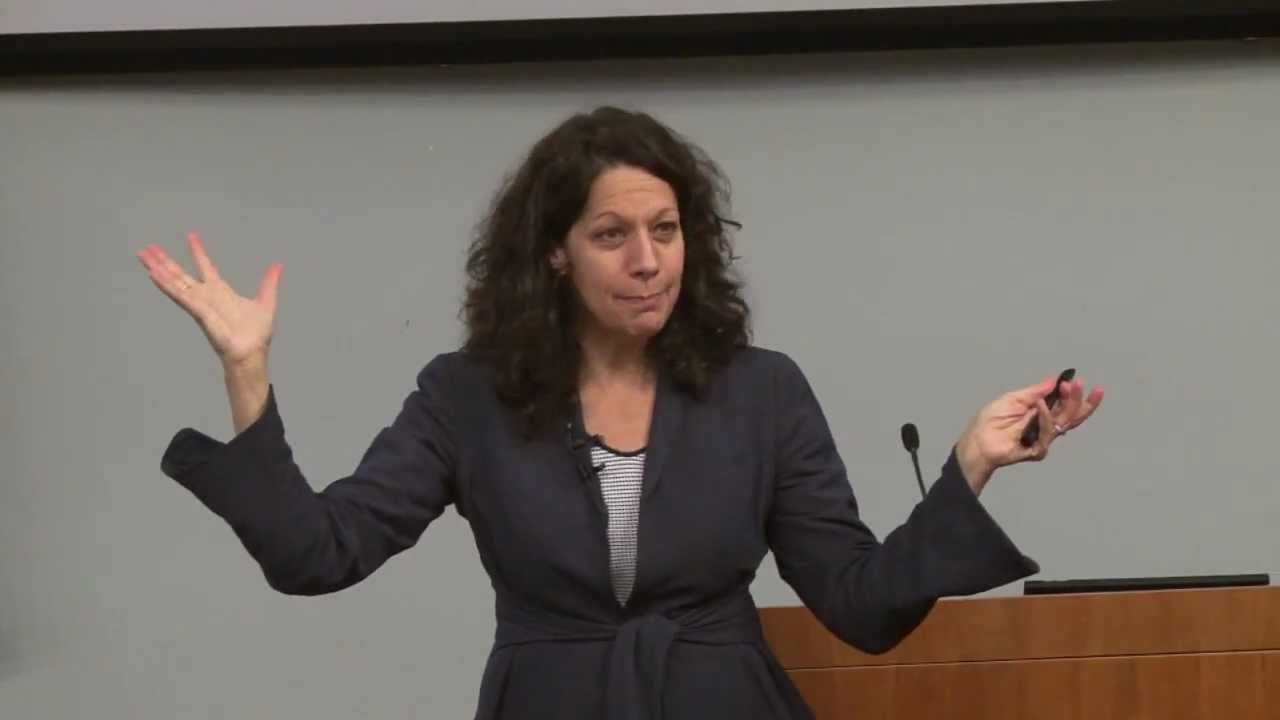
Bacterial Communication: Quorum Sensing and Biofilm Formation Explained
@JHUAAP
12.6K views•2011-06-28

Enteric Nervous System Explained: The Gut's Brain | Neurobiology Lecture
@alumniu6029
438 views•2018-09-12

Bacteriophages: Earth's Deadliest Killers and Future Antibiotics
@kurzgesagt
34.6M views•2018-05-13
Related Study Plans & Knowledge Roadmaps
Structured learning paths in Biology