






















![[풀버전] 반드시 알아야 하는 '마켓 사이클의 법칙' / 하워드막스 투자와 마켓 사이클의 법칙 / 박성진 대표 [리딩방 Reading room]](https://i.ytimg.com/vi/1zd4EgGNxsY/maxresdefault.jpg)
![주가가 현실과 다른 이유가 이겁니다...사이클을 이해하고 인정해야 합니다/ 하워드막스 투자와 마켓 사이클의 법칙 / 박성진 대표 (2부) [리딩방 Reading room]](https://i.ytimg.com/vi/T6H5YAJ3dYY/maxresdefault.jpg)











The bullwhip effect is a supply chain phenomenon where small demand fluctuations at the retail level cause progressively larger fluctuations at upstream levels (wholesale, distributor, manufacturer, and raw material suppliers), resulting in increased inventory, overproduction, and inefficiencies throughout the supply chain. This effect occurs due to factors including lack of communication, lead time variability, inaccurate demand forecasting, excessive discounts and promotions, large order intervals, safety stock requirements, and price fluctuations. The effect can be mitigated through strategies such as demand-driven enterprise approaches, collaborative planning forecasting and replenishment (CPFR), improved order planning, and enhanced information technology integration. The bullwhip effect most severely impacts raw material suppliers, as they are furthest from the consumer and bear the brunt of distorted demand signals.
Understanding the Bullwhip Effect in Supply Chain Management
Added:today we are going to have a discussion on bullwhip effect which is also known as snowball effect or forester effect wool whip effect occurs when a small increase in demand at a downstream channel distorts upstream material requirement due to forecasting and material ordering variability this results in increase in inventory placement orders at each level becoming larger than actual demand requirements or you can say bullwhip effect is a phenomena in which a small fluctuation in demand at the retail level can cause progressively larger fluctuations in demand at the wholesale distributor manufacturer and raw material supplier levels for example let's consider a retail a retailer that who sells on an average of 10 ice creams per day in the summer season following a heat wave the retailer's sales increase to 30 units per day in order to meet this new demand the retailer increases their demand forecast and places an increase order on the wholesaler to 40 units per day in order to meet the new customer demand levels and to buffer any potential further increase in demand this increase the final wave in the exaggerated demand being driven down the supply chain the wholesaler noticing this increase in demand from the retailer may then also build an incremental increase into their forecast so generating a larger order on the ice cream manufacturer rather than ordering 40 units to be manufactured the wholesaler may order 60 units from the manufacturer this will further exaggerate the demand down the supply chain and so creates a second wave of demand increase the manufacturer also feeling the increase in demand from the wholesaler may also react to the increase by increasing their manufacturing run to 80 units this creates a third wave in the exaggerating of demand the retailer may run out of stock during the heatwave while the manufacturer is producing new stock and may take the option of switching to an alternative brand to meet customer demand this will then create a false demand situation as sales appear to slump to next to nothing so the retailer may that not place further demand for the original ice cream brand even though the manufacturer has increased their production runs alternatively if the weather changes and the end consumers slow down on purchasing ice creams this could result in an overstock situation across the supply chain as each year of the supply chain has reacted to the heat wave sales and increase their demand this is an example of the waves and troughs in the bullwhip effect in short bullwhip effect occurs when the consumer's demand forecast is 10 units the retailer orders 15 units in case demand increases the distributor orders 20 units the manufacturer buys material to make 40 units to lower costs result between 1 and 10 units will be sold and 40 units have been manufactured that will not go to the market in the short term and the problem compounds if the difference between actual demand and available stock throughout the supply chain continues to widen month on month this mismatch can result from inventory problems and over production equipment rental overruns or extra staff hours if the downward estimate is wrong it can result in stock break that leaves the e-commerce business out of stock it can also cause low production periods for manufacturers and logistical delays affecting end consumers this is what happened in international trade in 2021 which led to a shortage of electronic electronic products such as graphics cards computers or game consoles such as playstation 5.
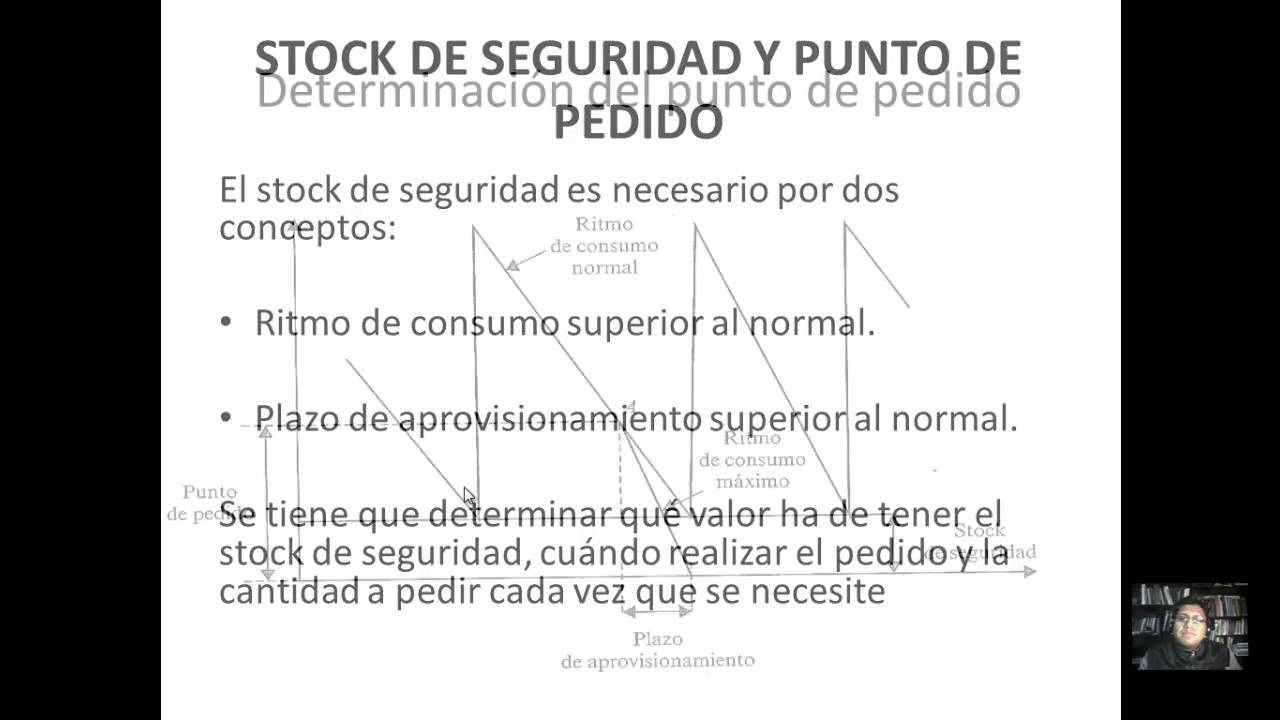
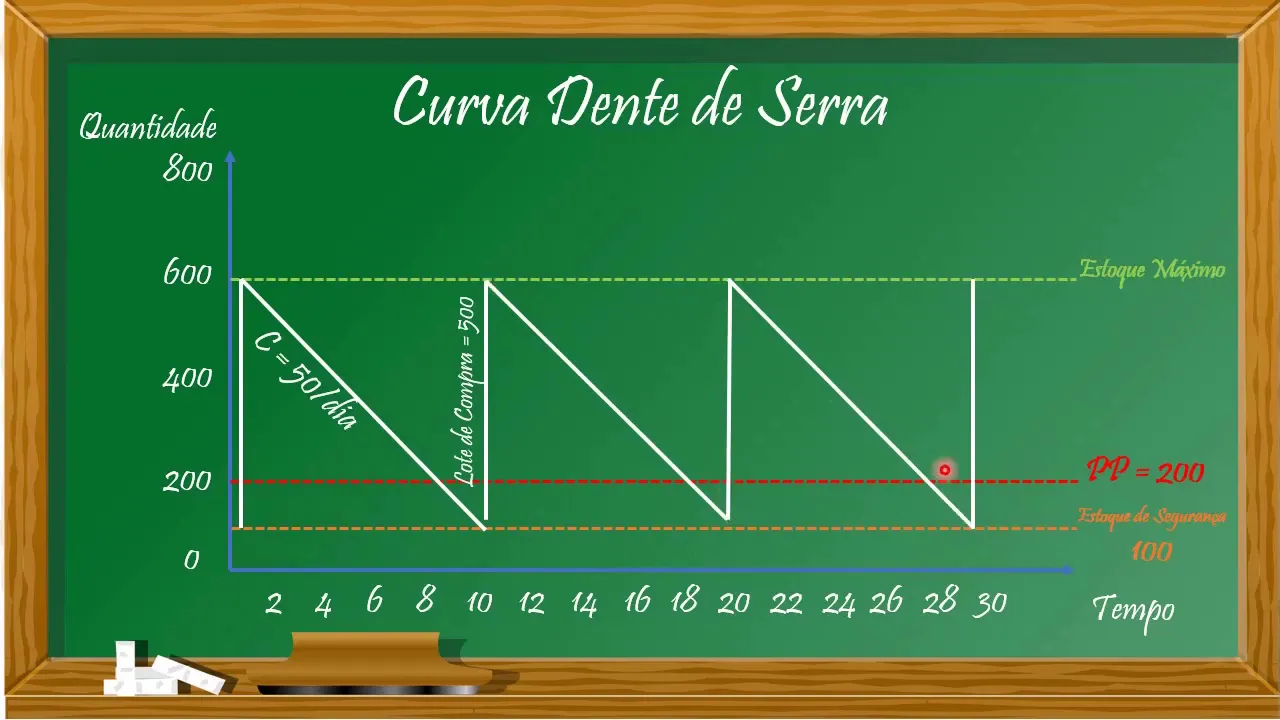
causes of bullwhip effect there are number of causes of the bullwhip effect in the supply chain but we are going to discuss few of them number one lack of communication one of the most common causes of the bullwhip effect is a lack of communication both internally and along the supply chain sharing information regarding shifts in demand issues with production and upcoming sales are key in avoiding issues your ability to fill orders relies entirely on maintaining a good flow of information since information provides you visibility due to an availability availability of accurate information every channel partner makes his own assumption of what the demand and supply will be like and places or larger orders to be able to supply in case of increased demand this leads to higher orders being placed upstream number two lead time lead time is one of the most important aspects of inventory control and directly impacts your ability to meet customer demand calculating lead time and planning accordingly ensures you avoid losses and can fulfill orders however if there is an issue anywhere along the supply chain lead time increases for each remaining step this makes it difficult to meet customer demand and causes greater inventory level fluctuations incorrect demand forecast demand forecast is complicated and requires setting and analyzing a wide range of inventory kpi and e-commerce kpis any mistake along the way can lead and to an inaccurate forecast this in turn leads to an inability to meet demand or too much sitting inventory there are also many external factors that can cause your forecast to be incorrect regularly conducting an inventory audit and reviewing and updating your forecast is the key number four too many discounts and promotions discounts and sales offer create a boom and bust cycle for products which lead channel partners to place higher orders orders upstream this make each one to assume and stock higher holding and rationing the retailer or distributor sometimes creates an artificial scarcity of for a product anticipating a price hike or a price reduction for the product as a result the customer tends to pay more or less than the original price of the product in such case bullwhip effect is visible in terms of excess inventory poor customer service and others large orders when channel partners place very large orders over longer intervals demand information travels slower giving less information upstream and larger quantities convey misleading ideas of demand safety stocks safety stock is the extra products ordered in anticipation of an increase in orders although they perform a useful function they must mirror expected demand price fluctuation distributors often provide discounts and coupons to their customers for the purpose of increasing the demand such activities result in price fluctuations which causes the customer to buy more than required or to wait for a favorable price before reordering or buying this yields temporary benefits for one player in the supply chain but creates the bullwhip effect and increased cost stream how to avoid bullwhip effect the bullwhip effect can be mitigated through multiple strategies we are going to discuss some of them a demand driven enterprise strategy a demand driven enterprise reduces the bullwhip effect by eliminating the forecast and using actual customer orders to drive production and distribution companies produce only sub-assemblies and modules and finished products are delayed until received of the customer order products are built or assembled upon received of customer orders and component demand is then pulled throughout the supply chain a demand driven enterprise strategy permits companies to substitute real information in place of a forecast and actual demand is shared throughout the supply chain it allows all the upstream participants to better anticipate incoming customer orders and it moves a push pull front rear closer to the customer this permits final product smd to be performed at postponement center collaborative planning forecasting and replenishment cpfr is used by a supplier and a customer to create a combined plan with a goal of meeting customer demand and having an integrated supply chain network cpfr integrates processes between both parties helping to synchronize actual demand product forecasts and production it electro it electronically exchanges point of sale data pos schedules promotions demand forecast and inventory between both parties this result in reduction in the bullwhip bullwhip effect enhanced visibility and velocity early problem detection and improved overall customer satisfaction improved order planning the unsung hero of inventory management is order planning accumulate as much data regarding inventory levels and demand trends to order the optimal amount of each product you should also factor in any safety stock needed and any upcoming sales or seasonal demand shifts for inventory reduction using demand planning software is a great way to optimize your order planning use of information technology to avoid the bullwhip effect it can be used to gather integrate and report logistical data to show actual supply chain activity and avoid the bullwhip effect that occurs when partners forecast with incomplete data where does the bullwhip effect have its greatest impact though the bullwhip effect can negatively impact any stage of the supply chain it most often has the greatest impact on raw material suppliers since they are the last in the supply chain bullwhip effect originates from the downstream and consumer level at consumer level and it gets it gets bigger and bigger after after passing through each echelon since all the intermediaries in a supply chain keep a buffer stock to handle unseen demand suppliers are lost in the chain so they are the ones who bear the significant brunt of the bullwhip effect in the end i would like to conclude my discussion by sharing an example of semiconductors at the end of 2020 semiconductors were suddenly in short supply bleeding at chips powering the latest smartphones gaming consoles and 5g modems as well as older models running cars and household appliances could hardly be found at any price goldman sachs estimates at least six 169 industries faced disruptions as a result of the shortages all this began with the relatively minor bump in consumer demand brought on by the pandemic first consumer spending tanked then a few months later demand for all kinds of chip heavy gadgets rose unexpectedly as people set up home offices or sought out electronic diversions the companies that built those devices then sent a wave of semiconductor orders rippling up the supply chain which quickly overwhelmed the few chip foundries that manufacture virtually all of the world's computer chips shortages ensued viewers if you find value in this video please consider subscribing to my channel and pressing the bell icon thank you you
Up Next

Veeqo Walkthrough: Free Shipping and Inventory Management
@MyAmazonGuy
9K views•2024-07-11

Triumph of Orthodoxy Icon: Byzantine Art & History Explained
@BenCallan
2.1K views•2024-08-06

FastAPI vs Flask vs Django: Choosing the Right Python Web Framework
@TechWithTim
302.5K views•2024-05-26

Game of Thrones Opening Credits: A Cinematic Analysis
@gameofthrones
46.3M views•2011-04-18
Related Study Plans & Knowledge Roadmaps
Structured learning paths in General & Interdisciplinary Studies