















Different drugs affect the brain by manipulating neurotransmitter systems: cocaine blocks dopamine transporters causing overstimulation, marijuana removes inhibitory neurotransmitters allowing dopamine release, heroin mimics natural opiates to flood the synapse with dopamine, ecstasy reverses serotonin transporters creating excess serotonin, and methamphetamine forces dopamine out of vesicles and pumps it into the synapse; these mechanisms explain why some drugs are more addictive than others, with those directly targeting the brain's reward pathway being particularly potent.
Drug Mechanisms and Brain Chemistry: University of Utah Mouse Party Explained
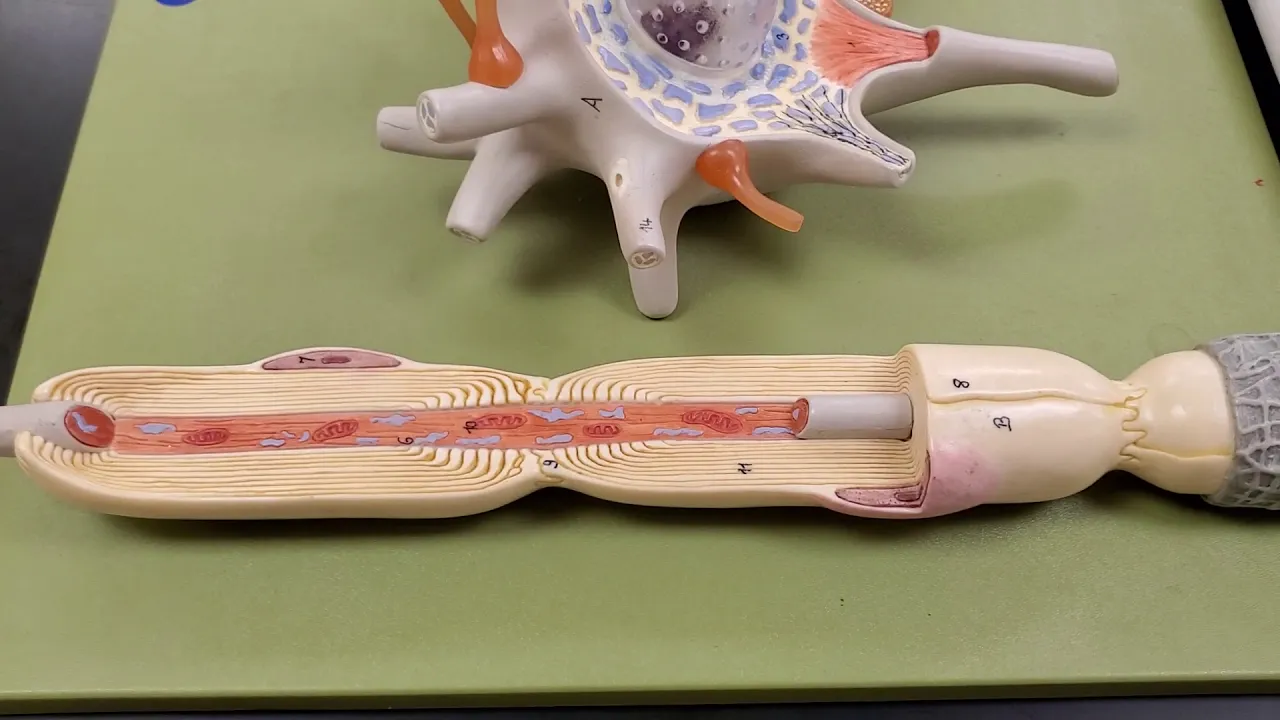
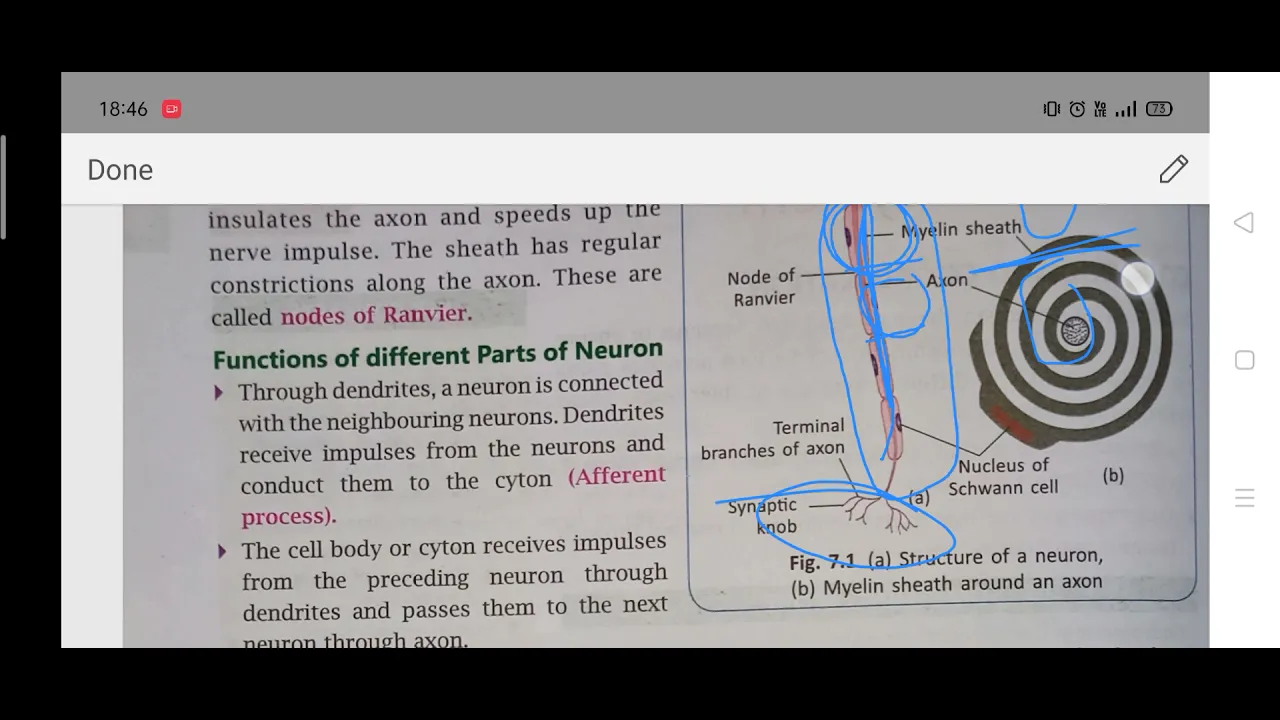
Added:Basic structure of a neuron, including axons, dendrites, and the synaptic cleft.
The process of synaptic transmission, specifically how neurotransmitters are released, cross the synapse, and bind to receptors.
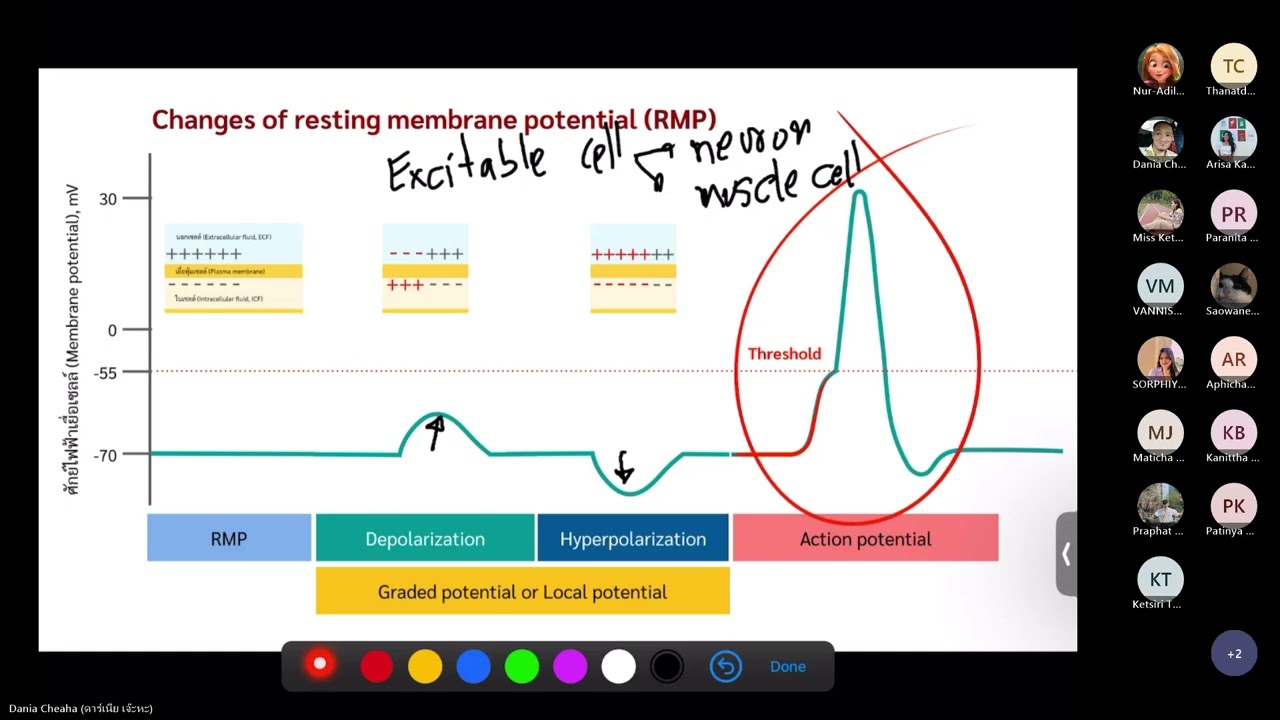
The primary functions of key neurotransmitters, such as dopamine, serotonin, GABA, and glutamate.
The concept of the brain's reward pathway (mesolimbic pathway) and its role in reinforcing behaviors.
The cellular mechanisms of tolerance and dependence, including receptor up-regulation and down-regulation.
Pharmacological interventions for substance use disorders, such as the use of agonists, antagonists, and reuptake inhibitors.
The long-term cognitive and structural impacts of chronic drug abuse on the prefrontal cortex and decision-making.
How neurobiological insights into addiction influence public health policies, treatment models, and harm reduction strategies.
180 views2likes14:58Original Release: 2020-04-20
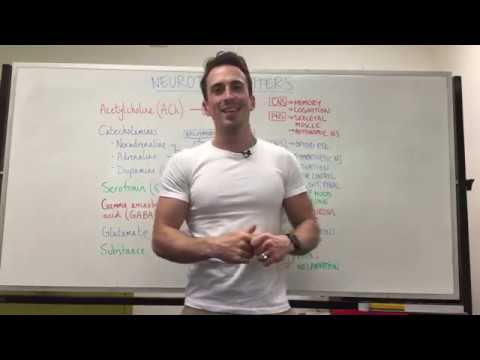
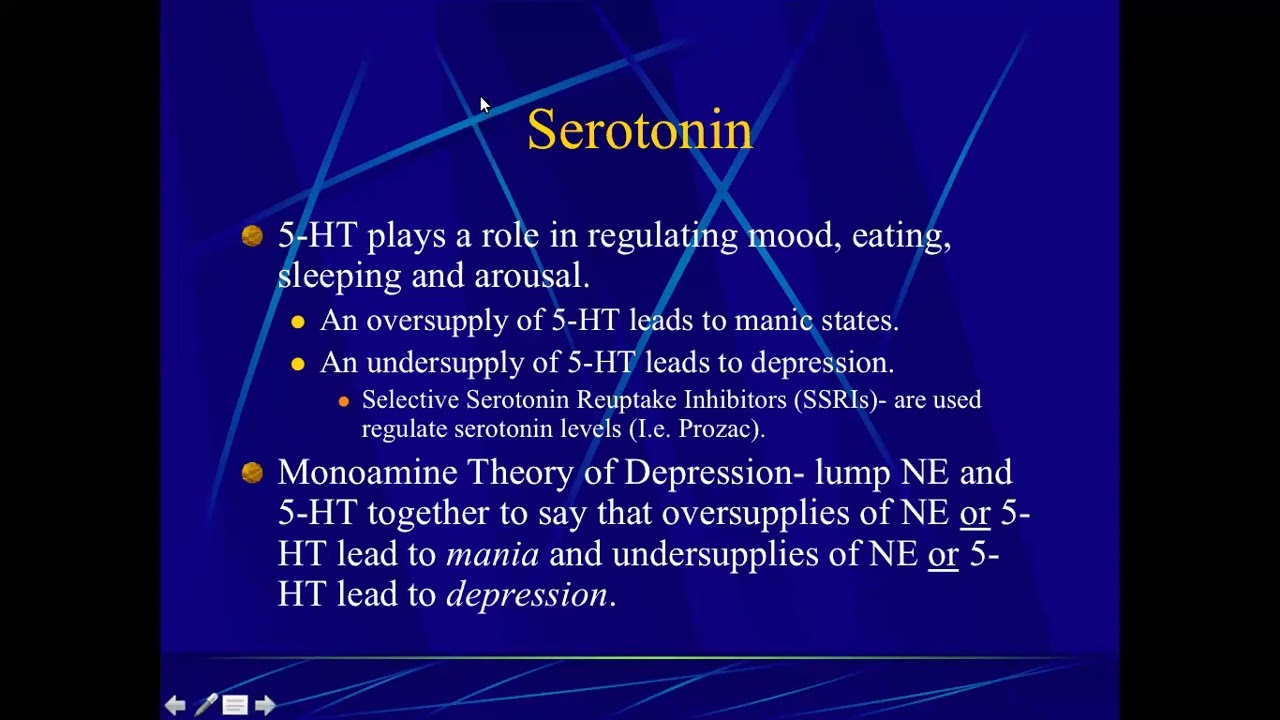
hey AP euro crew I think I might be upside down here I'm trying to there we go mr. walz we're here I'm gonna this is the second part of the are drugs discussion and I'm gonna try and walk you through I'm gonna walk you through something that doesn't need a walking through it's a program that was created by the University of Utah it's called Mouse Party and it enables me to take a mouse and that is high on a recreational drug put him in a little sofa or couch or chair or whatever and it will analyze the chemical processes that are occurring with each of these drugs so without further ado let me show you there is mouse party ok and as you can see Mouse party comes with some I guess I would call it stoner music which I guess is appropriate so let's take a look I'm gonna try to keep the volume up so you can hear this is an amazing program and this is all available to you learn doc genetics dot u dot edu you can just type in mouse party B will I'm sorry did I say dyu Oh Utah I'm I'm sorry you've got people I know that that BYU things kind of an insult anyway you can just type in University of Utah Mouse party and you'll be able to do this at home if you have a flash player so let's start taking a look see if you notice I can control a hand here let's grab this guy cocaine Mouse let's put him in the chair [Applause] [Music] dopamine transporters are responsible for removing dopamine molecules from the synaptic cleft after they have done their job okay there we go so you can see take a look at this you have your dopamine receptors which we've been talking about a bit you have your dopamine neurotransmitters here this this drawing or this cartoon is a little better than any of my drawings but you should be familiar with this with the synaptic region here this is the small space between the neurons let's continue okay plots these transporters leaving dopamine left as a result dopamine binds again and again to the receptors over stimulating this out dopamine binds again and again to the receptors overly stimulating the cell like other drugs cocaine concentrates in the reward pathway however it is also active in the part of the brain controlling voluntary movements this is why cocaine abusers are fidgety and unable to be still nice you see what a good job Utah does with this let's move on he's dumped there dump them out okay ecstasy Mouse is coming [Applause] [Music] before marijuana enters the system inhibitory neurotransmitters are active in the synapse these neurotransmitters inhibit dopamine from being released okay so you're gonna you're gonna see in a couple of these drugs there is an inhibitor released first hey that doesn't mean we're not going to see dopamine again when activated by the body's own native cannabinoid called Ananda bhai's cannabinoid receptors turn off the release of an auditory neurotransmitters without inhibition dopamine can be released okay so what's happening is you have these can abort can't I'm sorry cannabinoid receptors will turn off the inhibitory effect and then it will flood the system with dopamine THC the active chemical in marijuana mimics an and abide and binds to cannabinoid receptors inhibition is turned off and dopamine is allowed to squirt into the synapse an and abide is known to be involved in removing unnecessary short-term memories it is also responsible for slowing down movement making us feel relaxed and calm unlike THC an and mind breaks down very quickly in the body that explains why Ananda mine doesn't produce a perpetual natural high okay Ananda Meyde okay this is why people who smoked a lot of marijuana have short-term memory issues yeah so we're you know when we take a look at this remember that marijuana is a hallucinogen and hallucinogens do not become fizzy on logically we don't develop a physiological dependence but we can develop a psychological dependence and that is primarily due to something like this becoming we get this feeling of calm from the marijuana therefore we can develop a psychological dependence towards that feeling of calm but your body does not need marijuana after marijuana use it does not incorporate it into its normal physiology before heroin enters the systems inhibitory neurotransmitters are active in these again you'll see the inhibitory neurotransmitter going in there preventing the dopamine from being released however when the body's natural opiates activate opiate receptors the release of inhibitory neurotransmitters is shut down without inhibition dough before could be released there's there you see just you know they do such a good job with this but there's your dopamine receptor your dopamine the neurotransmitter is coming out and occupying the receptor area and what we have is a very addictive process and you will see why in a moment heroin mimics natural opiates and binds to opiate receptors turning off dopamine inhibition dopamine is allowed to flood will synapse producing immediate feelings of sedation and why being so neurons with opiate receptors are in part the brain responsible for the transmission of pain signals stress response and emotional attachment our bodies opiates are natural painkillers effective when we have sustained massive injury this is why Morphy a drug related to heroin is used as a painkiller okay so the opioids these are natural painkillers opiates are natural painkillers and these are the kinds of things that you will see if you go to a hospital you may be hooked up to intravenous morphine which is an opioid they they are very addictive because the body develops a very strong physiological addiction to these particular opiates [Applause] serotonin transporters are responsible for removing serotonin molecules from the synaptic plant after they have done their job good so we're gonna now with ecstasy we're gonna be looking at serotonin in fact ecstasy is more readily taken up than serotonin itself see how the ecstasy by mimicking the serotonin is going to be able to be taken up into the transporter area now watch what happens this interaction with the transporter becomes temporarily confused and starts to do its job in Reverse the transporter starts transporting serotonin out of this out the excess serotonin becomes trapped by a synaptic life as a result it binds again and again to the receptors over stimulating this out there you go so it's been the drug there's been a disguise put on like an agonist goes in there and start sending new messages and that new messages act in reverse pump out serotonin it then starts binding and binding and binding and they're thereby creates that sense of euphoria ecstasy effects serotonin pathways responsible for mood sleep perception and appetite ecstasy also indirectly interacts with a reward pathway the excess serotonin stimulates a milder release of dopamine allow the reward pathway giving ecstasy slightly addictive properties okay one more I want what do you see Megan [Music] [Applause] dopamine transporters are responsible for removing dopamine from the synaptic cleft because method mimics don't mean it is taken in to the south by the dopamine transporters very similar process to the ecstasy process that the agonist mimicking the dopamine getting pulled in and then they can start rewiring the process once inside to sell meth enters the dopamine vesicles forcing the dopamine molecules out the excess stroke of made in the cell causes the transporters and start working and reverse and actively pumping dopamine out of the cell and into the synapse the excess dopamine becomes trapped in the synaptic cleft as a result it binds again and again to the receptors over stimulating this out very similar process to the ecstasy process meth is highly addictive because it works directly on the brain's reward pathway making the user feel intense pleasure and exhilaration and that is that therein lies the you know not only is it a dopamine response which is very addictive but it acts directly on our reward pathway which makes it pretty much second to none in emotional in the feeling part of this they which makes it both very psychologically and physiologically addictive okay so there you have it's Sciences okay so there you have mouths party there they are all hanging out once again if you want to play with this you go to learn genetics dot Utah edu content addiction mouse or just type in mouse party now the reason I went through this whole thing with you is because you need a Flash Player and I don't know if your computer's have Flash Player so I kind of went through it but if you do have a Flash Player you know go to Utah and and play with this the article I give you this week will be an article that I choose because it deals with psilocybin and suicide them research so anyway enjoy hope you're doing well and upside down and I miss you hope everybody's doing great we'll see you soon I hope oh no I guess we're not we aren't coming back to school that's kind of bumming me out but it's offered for good reason we don't we don't want to get back too early but I miss you and I hope this these videos helped a little I hope that my daily lectures are helping a little and any questions 24 our office hours you just email me
Up Next

33:01
Adolescent Brain Development and High-Speed Internet Pornography Effects
@YourBrainOnPornYT
249.4K views•2013-05-17
21:55
Deciphering Neural Circuits Controlling Anorexia in Mice | Richard Palmiter
@AllenInstitute
2.3K views•2011-10-10

4:10
Vagus Nerve (CN X): Anatomy, Nuclei & Functions Explained
@Alilamedicalmedia
305.2K views•2022-10-31
13:03
How Exercise Benefits Your Brain: Science Explained
@TED
11.4M views•2018-03-21
Related Study Plans & Knowledge Roadmaps
Structured learning paths in Neuroscience
neuroscience
Appetite Regulation: Brain Circuits & Hormones
01Foundations of Endocrinology and Brain Anatomy
02Introduction to Energy Homeostasis
03Peripheral Signals: Leptin, Ghrelin, and Insulin
+ 2 more learning modules
14h5 modules
Explore Roadmap
neuroscience
Neuroeconomics: Value, Risk & Brain Mechanisms
01Foundations of Neuroscience and Brain Anatomy
02Introduction to Neuroeconomics and Subjective Value
03Dopaminergic Prediction Errors & Reinforcement Learning
+ 3 more learning modules
18h6 modules
Explore Roadmap
neuroscience
Spatial Navigation: Cells, Grids & Brain Maps
01Foundations of Brain Anatomy and Memory
02Place Cells and Head-Direction Cells
03Grid Cells: The Brain's Coordinate System
+ 2 more learning modules
12h5 modules
Explore Roadmap
neuroscience
BCIs: Neural Decoding & Prosthetic Control
01Neuroscience Foundations: How the Brain Signals Intent
02Signal Acquisition: Recording the Brain's Activity
03Neural Decoding: Translating Brain Waves into Data
+ 2 more learning modules
25h5 modules
Explore Roadmap