










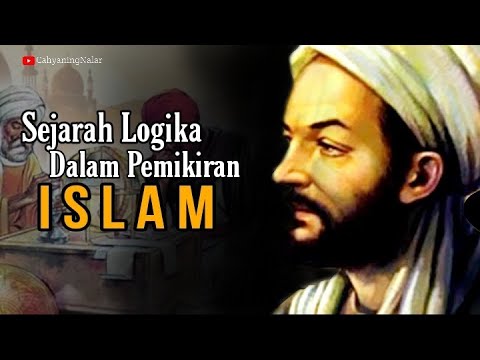


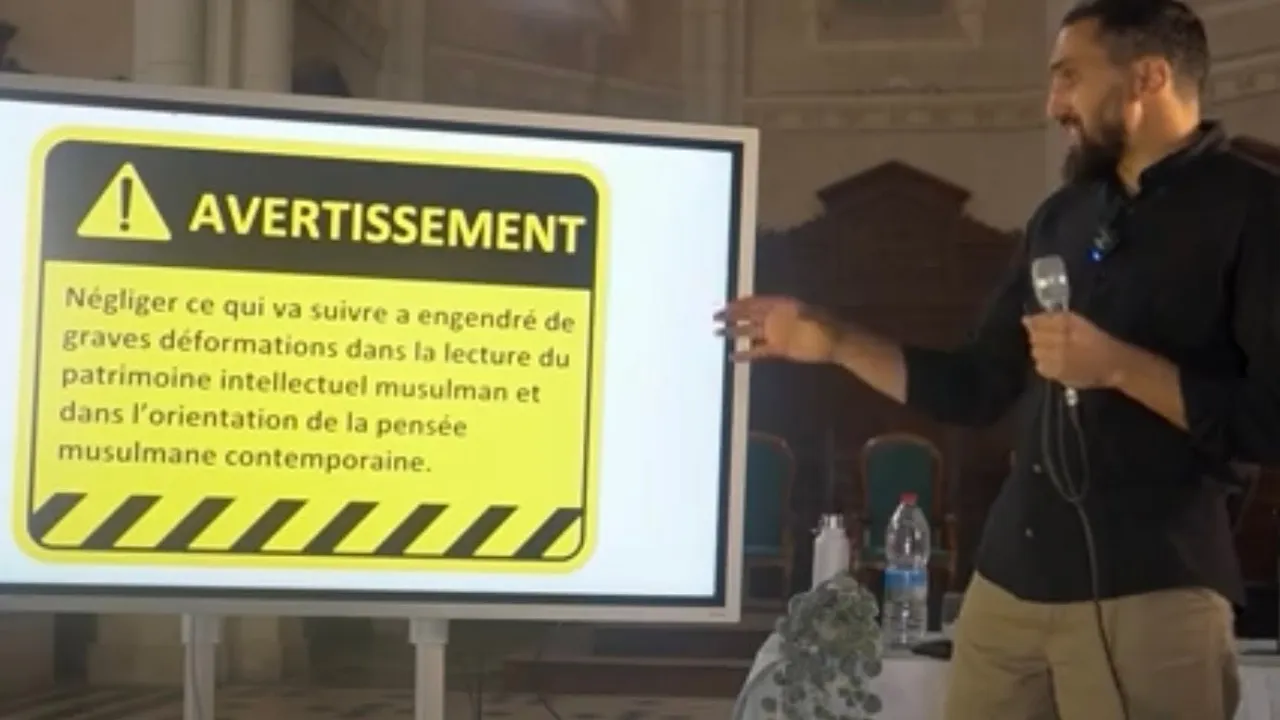



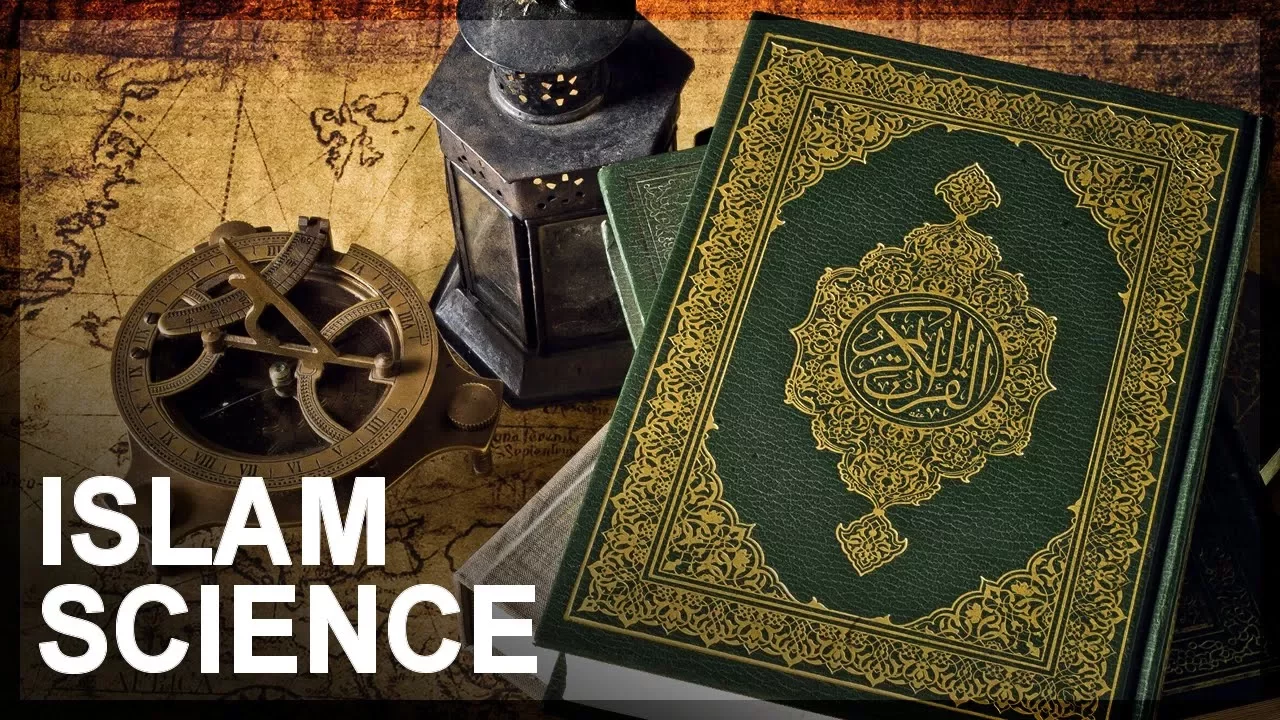







The Abbasid Empire (8th-13th centuries) became a global hub for scientific advancement through the Translation Movement, which systematically translated Greek, Chinese, Sanskrit, and Persian texts into Arabic, establishing Arabic as a major scientific language and fostering an intellectual revolution that produced groundbreaking contributions in mathematics, astronomy, medicine, and philosophy, exemplified by institutions like the House of Wisdom and scholars such as Al-Karaji, Ibn Hayyan, and Al-Farabi.
Science in Islam: The Mu'tazila & Free Will | Historical Analysis
Added:An overview of the Islamic Golden Age, particularly the Abbasid Caliphate, to understand the cultural and scientific context of the era.
Basic tenets of Islamic theology (Kalam), specifically the foundational debates surrounding the nature of God, divine justice, and revelation.
The core philosophical debate between free will (Qadar) and predestination (Qada) in early Islamic thought.
The historical significance of the Greco-Arabic translation movement, which introduced Aristotelian logic and Greek philosophy to Islamic scholars.
The rise of the Ash'arite school of theology, which developed as a major counterpoint to Mu'tazila rationalism and shaped orthodox Sunni thought.
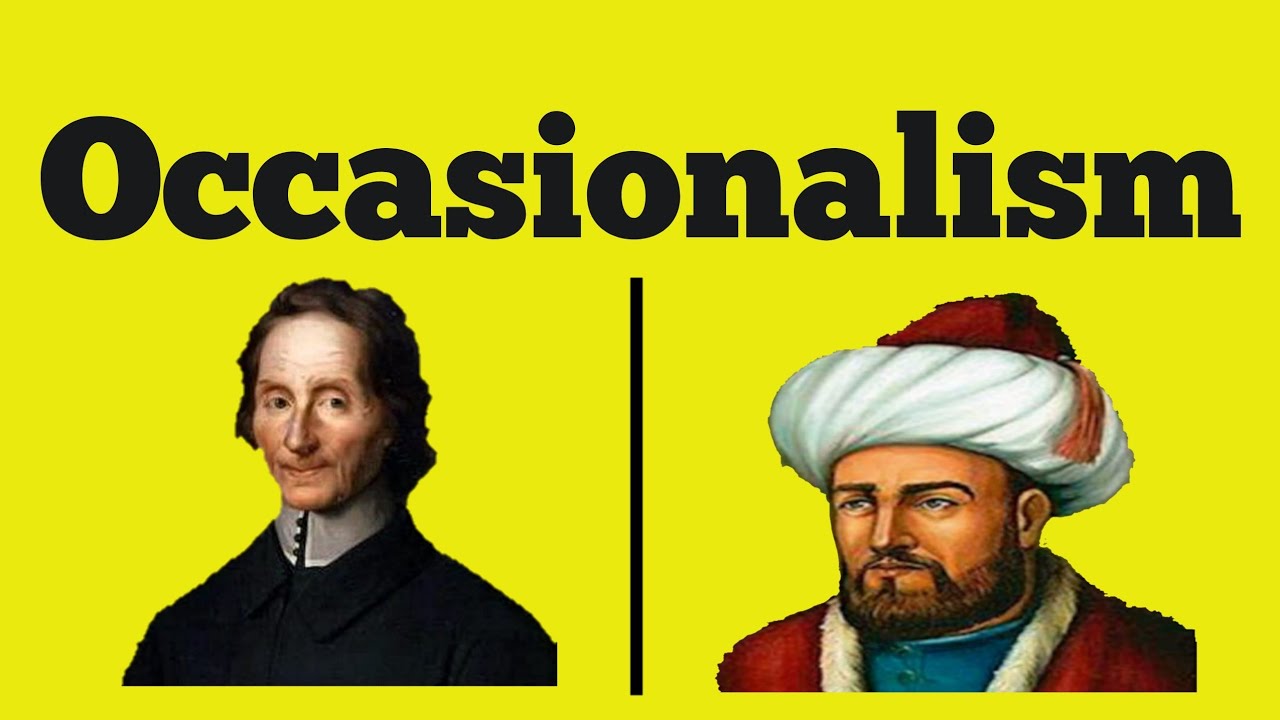
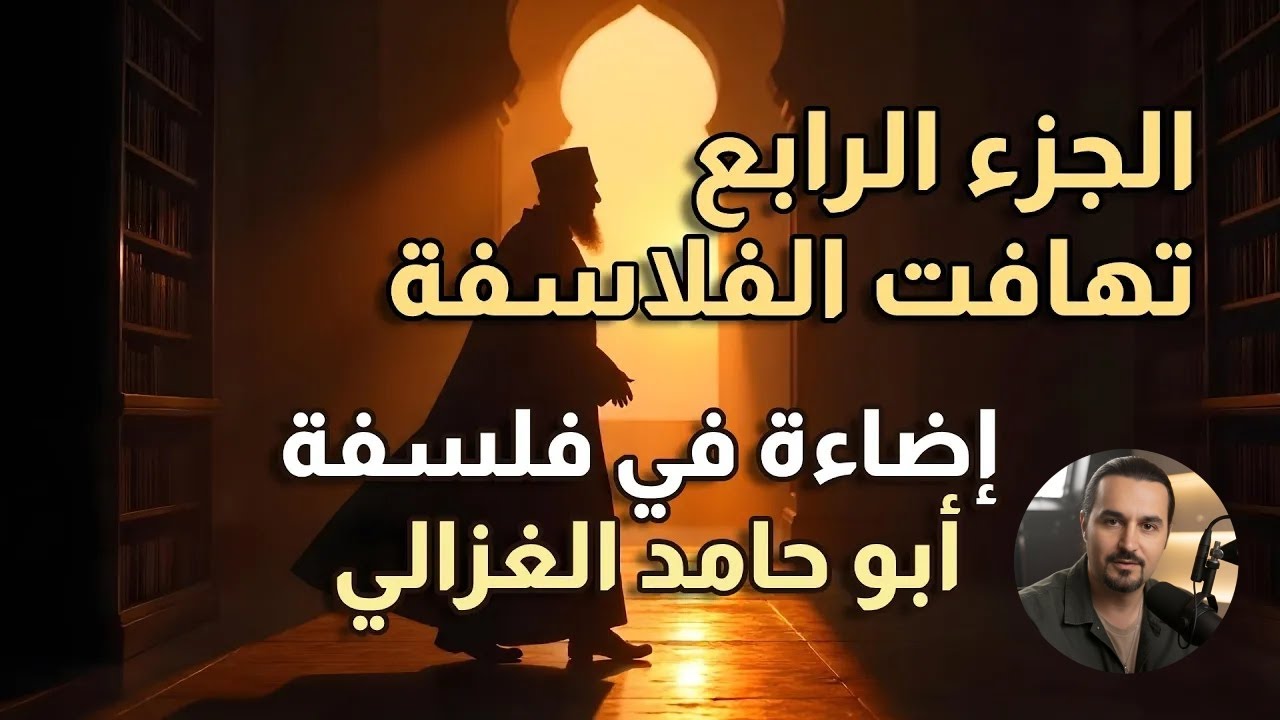
The philosophical implications of 'Occasionalism' (as articulated by Al-Ghazali) on the concept of natural causality and scientific inquiry.
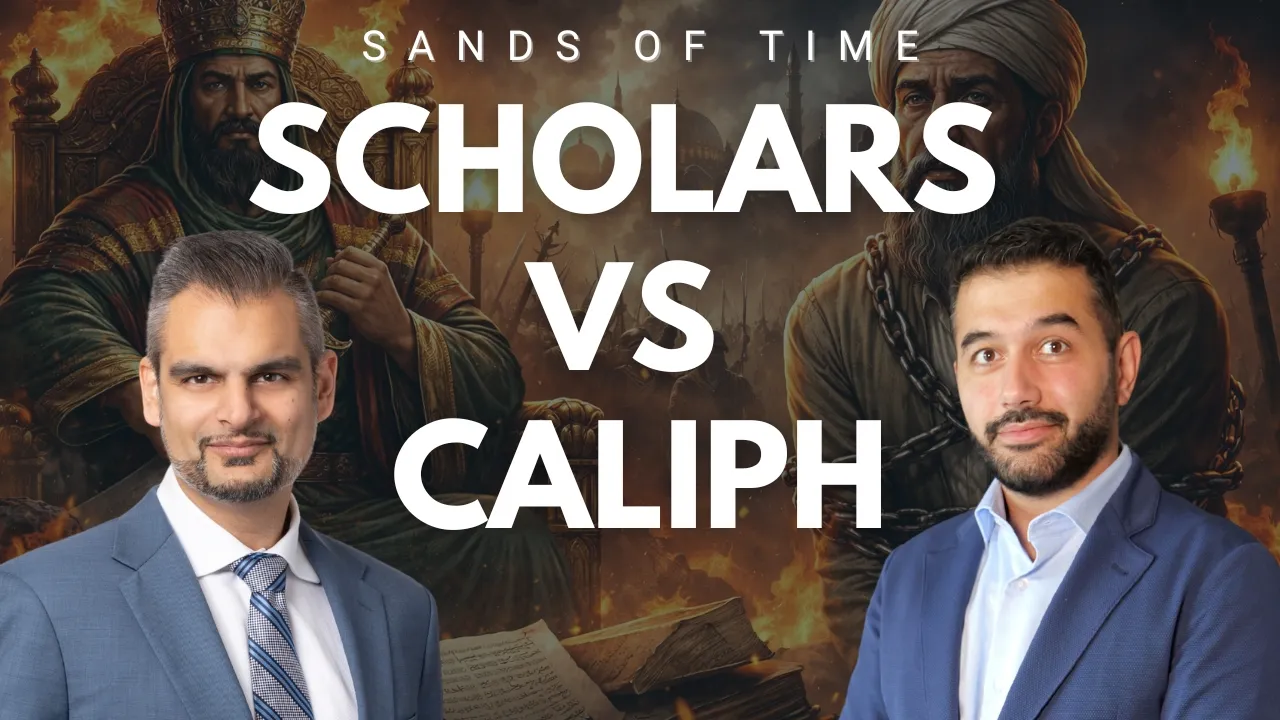
The historical event of the 'Mihna' (the theological inquisition) and how the state-enforced Mu'tazilite doctrine affected religious and political authority.
A comparative analysis of Islamic rationalism with Western Scholasticism (such as the works of Thomas Aquinas) regarding the reconciliation of faith and reason.
164.9K views5.6Klikes13:21Original Release: 2017-05-01
with about 1.6 billion adherence Islam is the second largest religion on Earth yet its followers represent less than 1% of the world's scientists only a handful of people from Muslim majority countries have won Nobel prices in science however up until the Mongol Siege of Bagdad in 1258 Islamic science was the most advanced in the world in comparison with the past the modern disparity is staggering thus to understand the present day lack of scientific accomplishments we must explore the past in this first installment of a new series we will go over the rise and decline of Islamic attitudes towards science my name is Shan and welcome to Caspian report if you want to support more original content like this visit patreon.com/lenguin and Europe traded along ancient routes and exchang goods for coins materials and other products the most valuable commodity was silk it was so precious that it was often used as an exchange currency silk was a luxurious item that universally represented power and wealth it was so valuable that the world's largest trading route was named after it the Romans and Persians had explored the Silk Road and constructed the required infrastructure to support and facilitate the incoming trade however since both sides had been preoccupied with war and conflict the full potential of the Silk Road never materialized in the 8th Century the absit dynasty overthrew the umat nobility and inherited the Roman and Persian Empires just like that the Arabs came in possession of an Empire that stretched from the Iberian Peninsula to the fringes of of China and India the absence of old political barriers enabled Commodities and ideas of former civilizations to spread and interact with each other as Caravans traveled along the Silk Road they exchanged Egyptian glass Persian saffron powder turkoman stallions Tamil steel Chinese lacare and Porcelain and much more at the heart of the Silk Road was the Abid Empire meaning if the Romans wanted to import Gujarat the sandalwood or Nubian slaves they had to travel along the abisi checkpoints to cope with the surge in Commerce the abits founded New centers of trade cities along the Silk Road flourished such as balk Samaran tabis and more it is in this era of history that the lavishly wealthy and diverse city of M became known as the mother of Earth meanwhile its competitor Ray nowadays located within ton was referred to as as the Gate of Commerce yet Perhaps the city that stood out most was Bagdad Al mansur the second khif of the Abid Empire had built the city at the site where the Tigris and Euphrates rivers were at their narrowest Crossings it was such a success that the khif proclaimed bhad as his Capital instead of Damascus on that account the new capital grew into a Metropolitan Center with parks bathouses bazaars mosques schools courts forums and even hospitals public life in the city was surging by the end of the 10th Century Bagdad would become the largest city on Earth As Cities flourished in private Enterprises a hunger for knowledge fine craftsmanship and exotic foods surged throughout the abset realm it was one of the earliest forms of globalization people wanted to wear new clothes take T different foods and display exotic items one of these exotic Commodities was Chinese paper which proved to be exceedingly useful for the vast Abbasid Imperial bureaucracy so the rulers set up paper mills in cities such as bashra Alexandria and Bagdad and over time writing materials became more affordable and more available subsequently the availability of paper encouraged recordkeeping banking poetry R and even scholarship as literacy increased and books became a common item it was no longer required to conduct manual labor to ensure a livelihood Scholars could make a wealthy living by writing new ideas and books as a result an intellectual Revolution ignited and the market for information surged since the Opposites had started out as a Persian nationalist Revolt the dynasty shared many of the sasan its Traditions including maintaining a vast Imperial Library thus the availability of cheap paper contributed to the expansion of the Imperial library of Al Rashid the khif employed Scholars to translate Greek Chinese Sanskrit and Persian works in the field of physics chemistry mathematics astronomy philosophy geography and other faculties into Arabic advances in technology helped to solve everyday problems for instance the study of astronomy and trigonometry helped to determine the direction to Mecca the times for prayer Etc technological process also improved engineering techniques and even sparked an agrarian Revolution as Scholars worked tirelessly to translate every available scientific text the abits without even realizing it had successfully globalized knowledge eventually this massive undertaking would become known as the translation movement and it established Arabic as a scientific language of antiquity as the movement gained momentum the Abid Empire which was already known as a military economic and cultural Powerhouse also became an intellectual Haven to that end ambitious Scholars who sought peace and stability for their research immigrated to the Islamic world one such family was the barmakids dynasty from bul the household of Buddhist Origins became known for their patronage of Physicians and the study of medicine another dynasty was the bku a Christian family of Surgeons who helped translate these arrian and sanate studies either way from Italy and Scandinavia to China and India if you wanted to pursue science the Abid Empire was the place to be the Quest for scientific achievements EX accelerated during the reign of al- Mamon the seventh abased ruler he converted bad's Imperial Library into the house of wisdom and thus established a formal institution of learning he also placed the physician iban isak in charge of the translation of foreign scripts Ian isak was such an accomplished translator of Greek knowledge that he is often referred to as the shikh of translators in any case the House of Wisdom was the most ambitious ious educational undertaking since the foundation of the Library of Alexandria it was the Silicon Valley of the abits and it ushered in the Islamic golden age as time passed more state funded centers of learning or madrasas were established in the realm cities such as nishapur bukara and Kabul became centers of learning with the right people in charge the accumulation of knowledge flourished some of the great minds of this era include Al karisi who combined The Works of Greek and Indian Scholars and made enormous contributions to the algebraic method and Ian hayan who made his renowned accomplishments to Alchemy and strongly influence the course of European chemistry this was also the era of el tabari who wrote the historical Chronicle of the history of prophets and Kings which serves as a crucial source for the history of the Middle East other important figures from this era include the Banu Musa brothers who made mechanical devices and worked on the foundation of geometry woman too searched in The Sciences take Al Al asabi lbna of Cordova and al- Mahan Lee who all exceeded in mathematics in any case as the abids came in contact with Greek philosophy Indian numeral system Persian rule of law and other Chinese and Roman studies the scholars became genuine students of Socrates Aristotle Plato toomi brahmagupta sushruta and others it wasn't long before Persian and Arab Scholars adapted foreign ideas and improved on those Concepts one example was the assimilation of neoplatonic philosophy and aristotlean metaphysics in the Islamic context by elinda who is unanimously hailed as the father of Arabic philosophy the translation movement is mostly lost in the modern educational curriculum but it's an acknowledgment that the receptiveness of the Muslim rulers and Scholars to foreign ideas was the primary Catalyst that paved the way for the Islamic golden age as the assimilation of knowledge ignited a trend towards aristotelianism and neoplatonism a new Collective of Scholars emerged its students were known as the mutaz elites and their Doctrine was mostly based on Ancient Greek philosophy but adjusted within Islamic context a prime contention of the mutasa belief was that the metaphysical World which includes objects and properties space and time cause and effect could be used to understand not just the physical world but also the nature of God and Creation in other words its members were United in their conviction that it was necessary to give a rationally coherent account of Islamic beliefs what's more is that the group did not necessarily use the Quran and the Sunnah as the only sources of understanding they believed that human existence was not predetermined and that humankind made decisions independently of God's will as such the mutaz elites believed in absolute Free Will nowadays it is difficult to imagine this because the modern situation differs so greatly from the past however at the time rational mutaz ISM was the universal doctrine of the Muslim communities in fact the mutasa Creed was so appreciated that the opposite rulers formally enforced it but it is easy to get away with the glory of the past the truth is the Islamic golden age was a time of prosperity and growing divisions rebellions broke out in Persia and North Africa it was a time in which minorities such as Christians Jews and Shia Muslims would treated with tolerance and at times repressed it was an era in which the global economy prospered due to the slave trade as well as the Silk Road at the time human trafficking was endorsed by every civilization on Earth the Turks were a group of people that were particularly in demand in the slave markets originally from Central Asia the Turkish people were valued for their intelligence and bravery in sequence with their archery and horsemanship Traditions it made them superb soldiers and diplomats for their valuable skills the Turks were enslaved transported to the Middle East and placed in the Royal courts and armies of the Abbasid Empire while the scholars were busy as simulating knowledge Turkish mercenaries often referred to as mamluks had climbed the ranks of the Abid Army by the 9th century some Turkish mamluks commanded entire armies While others were entrusted bodyguards for local rulers and dynasties it would not take long for the Turks to realize that they could just seize power for themselves but this and more we will explain in the second episode in the rise and decline of Islamic attitudes towards science this was a caspan report by m shiran i want to thank our contributors on patreon for their support YouTube doesn't monetize sensitive topics and videos so it really is patreon that allows us to continue our research and work and if you want to be part of that progress visit patreon.com/crashcourse
Up Next

5:39
Size Effect in Nanomaterials: Melting, Diffusion, Solubility Explained
@swarupraju
9.6K views•2016-05-19

12:54
Triumph of Orthodoxy Icon: Byzantine Art & History Explained
@BenCallan
2.1K views•2024-08-06

9:49
FastAPI vs Flask vs Django: Choosing the Right Python Web Framework
@TechWithTim
302.5K views•2024-05-26

1:42
Game of Thrones Opening Credits: A Cinematic Analysis
@gameofthrones
46.3M views•2011-04-18
Related Study Plans & Knowledge Roadmaps
Structured learning paths in General & Interdisciplinary Studies
general-studies
Elevator Engineering: History, Physics & Cities
01From Hoists to Safety Brakes: The Dawn of Vertical Lift
02Hydraulic vs. Traction: The Engineering Physics of Elevators
03Modern Speed, Safety, and Algorithms
+ 2 more learning modules
12h5 modules
Explore Roadmap
general-studies
Rubber: Material Science, History & Geopolitics
01Origins of Natural Rubber & Mesoamerican History
02The Chemistry of Natural Rubber & Vulcanization
03The Geopolitics of the Rubber Boom & Colonization
+ 2 more learning modules
12h5 modules
Explore Roadmap
general-studies
Containerization: Evolution, Logistics & Trade
01Ancient Trade & Bulk Cargo: Amphorae to Barrels
02The Industrial Revolution & Cardboard Packaging
03The Containerization Revolution: Malcom McLean
+ 2 more learning modules
12h5 modules
Explore Roadmap
general-studies
Textile Tech: Evolution, Labor & Global Impact
01Pre-Industrial Textiles: Handloom & Cottage Industry
02Mechanization: The Spinning Jenny to the Power Loom
03The Factory System & Global Labor Transformation
+ 2 more learning modules
10h5 modules
Explore Roadmap