





![Gênios da Ciência - Einstein E=mc² [HD]](https://i.ytimg.com/vi/j8e703RHCa4/maxresdefault.jpg)





















Nuclear weapons derive their destructive power from nuclear fission, where unstable isotopes like uranium-235 or plutonium-239 absorb neutrons and split into smaller atoms, releasing enormous energy, additional neutrons, and gamma rays; when enough fissile material reaches critical mass, a self-sustaining chain reaction occurs that can be controlled for peaceful energy production or uncontrolled for explosive weapons, with effects ranging from immediate radiation and thermal blast to long-term fallout depending on detonation altitude and weapon design.
How Nuclear Weapons Work: A Comprehensive Guide
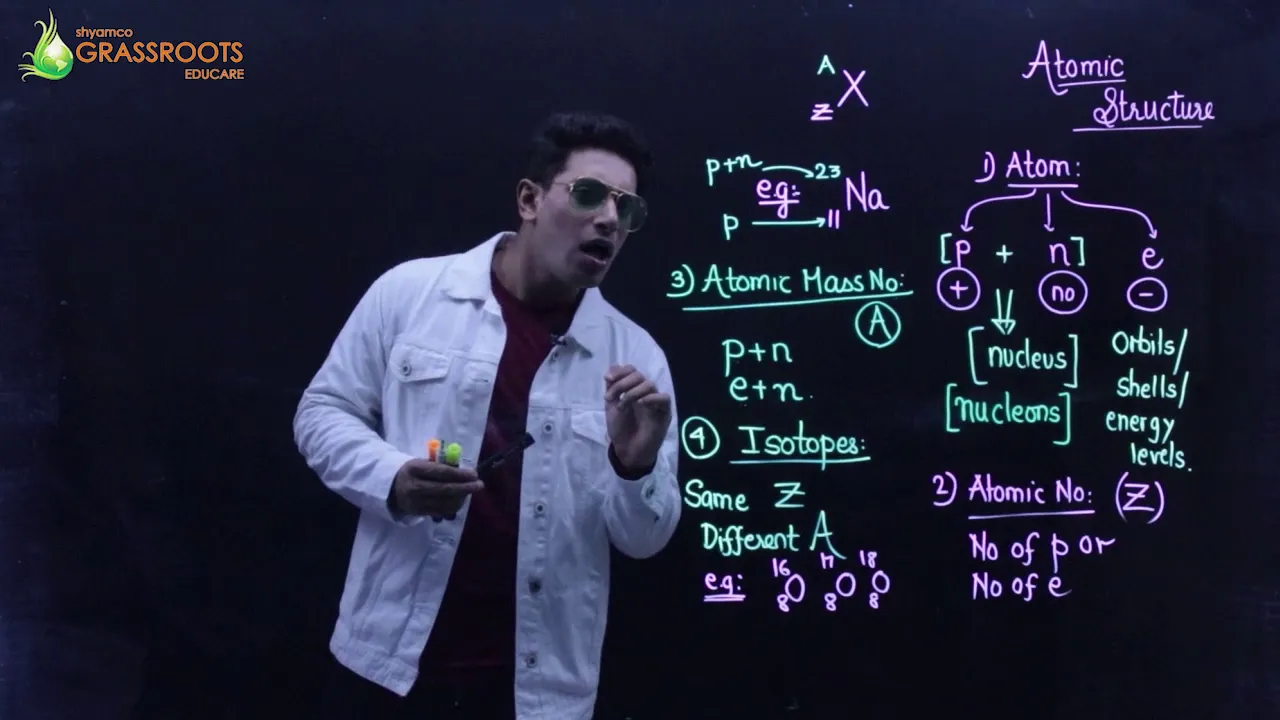
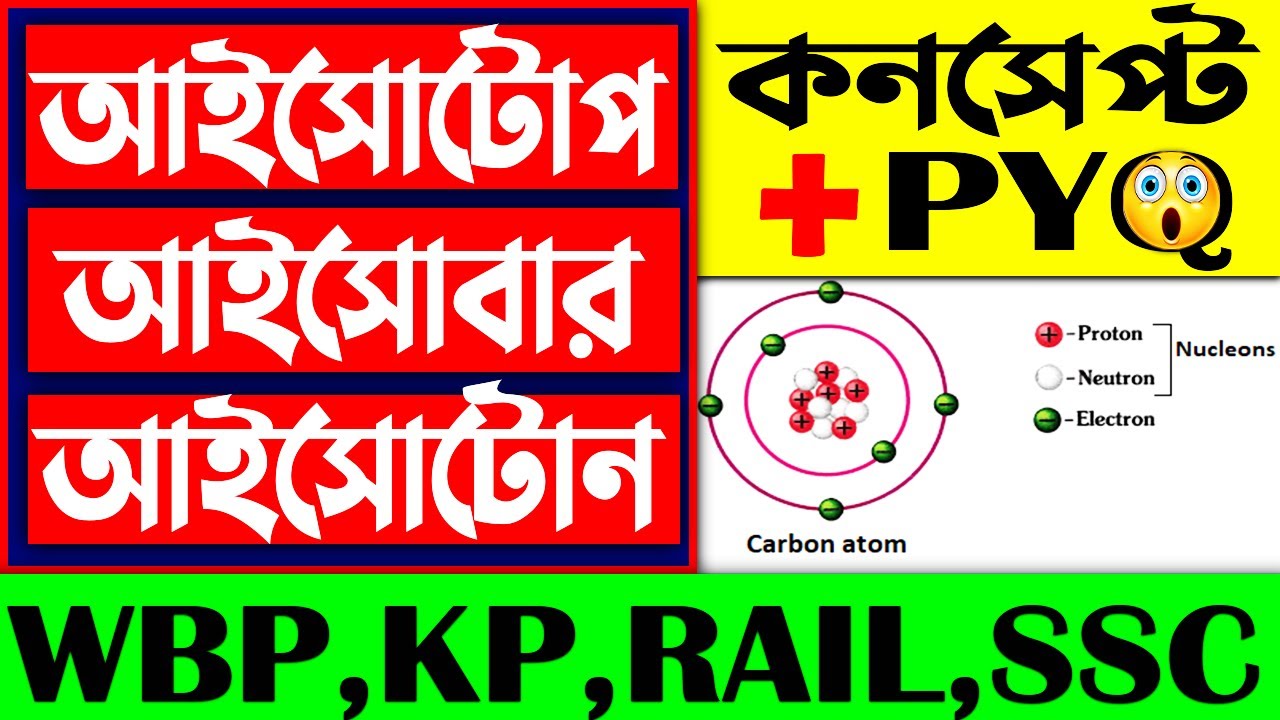
Added:Basic Atomic Structure and Isotopes: Understanding the components of an atom (protons, neutrons, and electrons) and the differences between isotopes such as Uranium-235 and Uranium-238.
Einstein's Mass-Energy Equivalence (E=mc²): Comprehending how tiny amounts of mass are converted into immense energy, which is the foundational principle of nuclear reactions.
Nuclear Binding Energy and the Strong Force: Grasping how atomic nuclei are held together and the conditions under which splitting (fission) or combining (fusion) them releases energy.
Introduction to Radioactivity: Familiarity with the concepts of radioactive decay, half-lives, and the difference between alpha, beta, and gamma radiation.
Nuclear Non-Proliferation and Geopolitics: Analyzing the history of nuclear deterrence, international treaties (like the NPT), and the role of the IAEA in monitoring nuclear programs.
Controlled Nuclear Fusion and Fusion Reactors: Investigating how scientists attempt to harness fusion for clean energy production, including technologies like tokamaks and inertial confinement.
EMP Hardening and Infrastructure Protection: Studying the engineering standards and technologies used to protect electrical grids and telecommunications from electromagnetic pulses.
Radioactive Waste Management and Decommissioning: Exploring the scientific and political challenges of long-term nuclear waste disposal (e.g., deep geological repositories) and warhead dismantlement.
339K views20.6Klikes45:38Original Release: 2022-10-28
how do nuclear weapons work so I was born in the 1970s and I grew up during the Cold War I was in the third grade when the TV movie The Day After premiered on ABC and I remember how freaked out the teachers were the next day in school now based on my YouTube analytics 60 of my viewers have no memory of a world under Soviet communism they grew up in a world that was free from the possibility of nuclear war so all this talk about nuclear weapons well for anyone over the age of 45 this is really nothing new now that doesn't mean I want it to happen but this Specter of nuclear conflict is just a little more familiar to me than to most of my viewers so let me give you a primer on how nuclear weapons actually work if you know how they work and some of the countermeasures of dealing with these weapons it might help you get over your fear in this video I'm going to cover how a nuclear weapon Works weapons affects radiation the difference between tactical and strategic Warheads employment and delivery and electromagnetic pulse so let's get started with nuclear weapons 101 now if you want to use this for a class or for a presentation the entire slideshow you're going to see is available on my website so it all starts with radiation now I know this can be a scary word but we deal with radiation all the time radiation is all around us light is a form of radiation if you get a dental x-ray that's radiation fly across the country you're exposing yourself to radiation got granite countertops they emit radiation eat a banana it's got Trace Amounts of potassium 40 which is radioactive don't be afraid of radiation but you should have a healthy respect for it enough radiation can hurt you now there are ways to counter radiation with things like time shielding and distance but we'll get to that later right now we're going to go back in time to some high school science here but I promise you it'll be worth it remember protons neutrons and electrons from high school science protons are subatomic particles with a positive charge neutrons are subatomic particles with no charge and electrons are subatomic particles with a negative charge this is a hydrogen atom it is one of the most abundant elements in the entire universe and it's composed of two subatomic particles one proton and one electron the electron orbits the nucleus of the atom which in this case is just a proton or maybe the electron doesn't actually orbit quantum mechanics is kind of weird but for the sake of explaining radiation let's just say it orbits now if I add another proton two neutrons and an electron to hydrogen I get another element called helium that's the superlite gas it goes into party balloons balloons float because our atmosphere is mostly oxygen and nitrogen these two elements are heavier than helium if we add another proton and neutron and electron we get another element called lithium and we can kind of keep doing this at least for a little while every time we add a proton we get a new element but if we add a a neutron we don't get a new element our element doesn't turn into something new instead it turns into a Frankenstein's monster of an element and we call this new configuration an isotope well technically everything's an isotope but these new Isotopes are unstable so let's go back to hydrogen because I want to show you something funny that happens when we only add neutrons to the nucleus of hydrogen if we add another Neutron to this particular nucleus it becomes deuterium if we add another Neutron it becomes something called tritium you know how some watches or gun sights glow well that's tritium making it Glow and it glows because of something called beta Decay and that's our first type of radiation okay so here's what happens with beta Decay this extra Neutron in tritium makes it very very unstable nature hates instability but nature has found a way to return things to stability if you have too many neutrons once in a while a neutron will just Decay into a proton and that process a beta particle or really an electron is released and now you have a new isotope in this case helium-3 and a rogue electron that's going faster than a football kick by Justin Tucker like nearly the speed of light now this electron doesn't have a lot of mass but it's going extremely fast so it can cause a lot of problems for you if you get in its way materials like your clothes can stop beta particles but unfortunately your mucous membranes like your eyes can't this is bad so if you ingest or inhale something that's emitting beta particles you can basically get a sunburn but inside your body now tritium decays with a half-life of 12.3 years that means if I have a cup full of tritium after 12.3 years half of it will have decayed into helium-3 and the other half will still be tritium this is why older watches or gun sights with tritium inserts don't tend to be as bright as newer watches or gun sites it's just simple Decay every 12.3 years you only have half of it left and this goes on and on and on until there's none left that's radiation in a nutshell you have an unstable isotope it decays in order to reach stability thereby releasing radiation now I covered beta radiation first but that's because I wanted to kind of get you used to the high school chemistry and physics that we're going to be using as we move further there are other types of radiation like Alpha Gamma and neutron radiation and I'm going to cover those as they come up so now let's take a look at how a nuclear bomb actually works this is uranium I've omitted the electrons for clarity specifically it's an isotope of uranium called uranium-238 it has a half-life of 4.468 billion years it's got 92 protons and 146 neutrons uranium-238 is naturally radioactive because of all those extra neutrons but it's Radioactive in a different way than tritium in uranium-238's quest to become stable it emits something called an alpha particle does this look familiar we've just seen it it's helium alpha particles are are just helium without the electrons now alpha particles are fairly big and traveling somewhat slow like five percent the speed of light alpha particles can be stopped by your clothes your skin and even a sheet of paper you still don't want to ingest any though that's one of the reasons that alpha particles are so dangerous they have no electrons so when they enter your body they steal some of yours and to make things worse alpha particles are seven thousand times heavier than beta particles a beta particle is like getting hit with a softball an alpha particle is like getting hit with a Miata so alpha particles are the second type of radiation eventually uranium-238 keeps decaying into different elements and Isotopes until its final form of lead Now uranium-238 isn't all that useful in fact it's not particularly reactive but when you mine uranium a small percentage roughly 0.72 percent is another isotope of uranium and called uranium-235 it's missing three neutrons but boy what a difference those three neutrons make pay attention to this it's going to be important later those three missing neutrons make uranium-235 hungry for stray neutrons when uranium-235 absorbs a stray Neutron it becomes so unstable that it splits into well usually barium 141 and Krypton 92 although it can be different elements this is called nuclear fission notice how I say absorbs and split when it comes to nuclear fission I don't say break apart a rogue Neutron does not necessarily break apart an atom the way a shotgun breaks apart a clay pigeon the atom absorbs the neutron becomes unstable and splits and when it does this an enormous amount of energy is released as well as two or three additional neutrons and a very short wavelength high energy wave called a gamma ray the neutrons that are released when an atom splits are the Third Kind of radiation and the gamma rays that are emitted from this splitting process are The Fourth Kind of radiation these gamma rays by the way are similar to the x-rays that you get at a dentist's office now when a uranium atom splits and releases neutrons all of those free neutrons might get sucked into the other atoms of uranium-235 and then those release more neutrons which in turn hit more uranium-235 and so on and so on you see where I'm going now not every Neutron is going to find another atom of uranium to 35 but if enough do that's called a chain reaction and it generates an enormous amount of radiation and thermal heat now if you take chain reaction and control it so those flying neutrons don't get out of hand then you can use all of that heat to boil water you turn the water into steam you use the steam to run a turbine and that's how you generate money but if you take enough uranium-235 and put it in one place at one time you'll have a critical mass the reaction will become self-initiating and self-sustaining and with a little bit of tweaking you can get this reaction to go out of control into something that's super critical and now you have a bomb okay quick story in the late 1930s on the eve of World War II the U.S was full of European scientists who had fled the rising tide of Nazi Germany physicist Leo silhart and Albert Einstein wrote a letter to President Roosevelt notifying him of the potential for an atomic weapon advising him to start stockpiling uranium and warning him that Germany had stopped exporting iranium from Czechoslovakia and was probably hard at work on a bomb this spurred the development of the Manhattan Project which is widely regarded as a secret project to build a nuclear bomb but it's really the story of how to enrich uranium remember a few minutes ago when I said small percentage roughly 0.72 percent is another isotope of uranium called uranium-235. it's missing three neutrons but boy what a difference those three neutrons make pay attention to this it's going to be important later it's later now in order to make the critical mass of uranium-235 you have to somehow separate it from the surrounding uranium-238 this is a process called enrichment and 90 of the funding for the Manhattan Project was geared toward producing enough uranium-235 fissile material needed to make a bomb at the time there were a couple of ways of doing this you could turn the uranium into a gas and push it through a semi-permeable membrane you could also spin it in a centrifuge the heavier uranium-238 would get stuck to the sides of the centrifuge the lighter uranium-235 would kind of stay in the middle you need about five percent of uranium-235 to make the fuel for a nuclear reactor you need about 80 to 90 percent of uranium-235 to make a bomb now the first type of bomb that was dropped not tested dropped was a special type of design called a gun type design the bomb nicknamed little boy essentially took a hollow subcritical cylinder of uranium and fired it at high speed toward a plug of uranium that plug contained just enough enriched uranium to become super critical in fact the physicists who designed the little boy bomb didn't even bother to test it they knew it would work because you can't cheat physics put enough uranium 235 in one place and you get a critical mass the little boy bomb that was dropped on the city of Hiroshima Japan caused about 140 000 casualties the explosive power was estimated at 15 to 16 kilotons oh by the way a nuclear warheads explosive power or yield is often described in terms of kilotons or megatons a kiloton is defined as 1 000 tons of TNT dynamite one kiloton of dynamite should make about a 8.46 meter cube so if the little boy bomb was made of TNT it would have been a cube roughly 34 meters long and 25 meters high it would look like this on a basketball court but there was a problem it took a long time to diffuse uranium through gas or spin it through centrifuges and the invasion of Mainland Japan was scheduled for November 1945. so the Manhattan Project was in a race with the land invasion of Japan an invasion which could cost between 1.7 and 4 million U.S casualties but remember when I said a couple minutes ago that only five percent of the fuel in a nuclear reactor was the good fissile uranium-235 and the rest was the useless uranium-238 well it turns out that uranium-238 isn't all that useless see with all those neutrons bouncing around sooner or later one is going to hit a u-238 isotope and merge with it turning into u-239 u-239 is really unstable with a half-life of 23 minutes then it goes through beta Decay a neutron turns into a proton shoots out a beta particle and now you have neptunium-239 this isotope has a half-life of 2.356 days and then it goes through beta Decay again now you've got plutonium that's right you get plutonium for free in a nuclear reactor but sometimes there's a cost to free you see neptunium-239 doesn't just Decay to plutonium it decays when isotope of plutonium called plutonium-239 now we want this plutonium-239 because it's a relatively stable isotope pure plutonium-239 has a half-life of 6561 years with deltonium-239 decays it produces one alpha particle which is of course helium and it becomes uranium-235 remember alpha particles are stopped by your skin so plutonium is actually fairly safe to handle as long as you're not breathing it in but the problem is that while it's in the reactor if the plutonium-239 gets hit by another Neutron it has about a 25-ish percent chance of absorbing that Neutron and becoming plutonium to 40. plutonium 240 has a tendency to spontaneously fission releasing neutrons and not just two ish neutrons like uranium does we're talking a 90 chance of releasing three neutrons and the longer you leave the plutonium-239 and the reactor the greater the chance that it's going to change into plutonium to 40. and it's essential possible to separate the good plutonium-239 from the bad plutonium-240. so if you have a gun type design the plutonium 240 will be kicking out so many neutrons that the bomb will start to undergo fission before all the material is in one place this is called a fizzle you'll still get an explosion but it's not the optimal yield so a different method was needed enter implosion the second bomb used against Japan was called fat man the design called for 6.4 kilograms or about 14 pounds of plutonium and that was small enough to carry around just like this but the plutonium core was surrounded by a tamper of uranium which is essentially a neutron mirror that tamper was surrounded by explosives that were designed to produce a perfectly spherical shock wave upon detonation the shock wave compresses the tamper and the pit of plutonium the ball of compressed plutonium passes critical mass aided by that uranium reflector that's bouncing neutrons off itself and back into the plutonium now you have a bigger explosion and it's cheaper to make the fat man that was dropped from the city of Nagasaki Japan had a yield of about 25 kilotons but we didn't stop there the reactions were actually blowing themselves apart before they could use all of the plutonium so if there was a way to inject neutrons into that situation more of the plutonium would be used up the explosion would be more efficient and yield would increase so do you remember back in the first part of this video where I talked about deuterium and tritium Well turns out if you take deuterium and tritium and push them together under enormous heat and pressure they'll fuse into helium and one extra Neutron so if we make our plutonium pit Hollow and inject it with these hydrogen Isotopes the implosion of the conventional explosives will cause the plutonium to go critical just like before and stuck in the center under all of this heat and pressure is the sleeve of deuterium and tritium they start fusing together into helium and sending out neutrons reacting with the plutonium that was missed in the first critical reaction they get fission and then Fusion which drives more fission so oftentimes this is called a fission fusion fission or a boosted atomic bomb now modern nuclear weapons take this one step further okay homophobic plutonium tritium deuterium injection tamper but then there's this second charge which is basically a core of lithium-6 deuteride which is basically a lithium isotope combined with deuterium and all of this is surrounded by uranium-238 or uranium-235 so here's how this works the first atomic bomb ignites and we get fission fusion fission now the x-rays and gamma rays emitted from this first reaction are focused on the secondary charge this secondary is actually crushed by the x-rays and gamma radiation of the primary now you think it'd blow itself apart but X-rays and gamma rays travel at the speed light so they reached a second device a lot faster than the shock front of the explosion or even the neutrons that are being released all of this X-ray and gamma-ray Energy starts to crush this second device this lithium-6 deuteride absorbs the neutrons from its container of uranium this causes the lithium-62 to write to split into tritium and helium and hey remember that deuterium that was mixed in with the lithium now we've got deuterium and tritium Under Pressure I think we've seen this movie all of that deuterium and tritium start fusing so now you've got Fusion again and all of those neutrons that are released are being absorbed by the uranium casing so now you get fission again so now you've got a fission fusion fission fusion fission bomb now we're not just talking yields in kilotons we're talking yields in megatons our blocks of TNT aren't the size of the basketball court they're the size of the stadium these isotopes of hydrogen the tritium in deuterium make all the difference you don't just have a bomb you have a hydrogen bomb so now I want to talk about the effects of nuclear weapons now the problem in talking about the effects of nuclear weapons is that nuclear weapons affects vary based on the size and type of bomb so in this example I'm going to base everything off of the Hiroshima bomb the little boy bomb which was between 15 and 16 kilotons mainly because we have a lot of data for that now the three main effects of a nuclear bomb are ionizing radiation thermal effects heat and pressure or blast to start the first effects are immediate radiation this comes in the form of x-rays gamma rays and neutrons now quick note x-rays are produced when electrons strike a Target or an electrons rearrange within an atom gamma rays originate when an atom split X-rays and gamma rays are similar but gamma rays are rays of a much higher frequency the x-rays which are essentially the same kind of x-rays you get when you break a bone are mainly stopped by the atmosphere this causes a lot of heat and Fireball but we're going to get to the fireball in a second let's just focus on the radiation first well the x-rays are being stopped by the atmosphere the gamma rays keep going at the speed of light until they are slowed down by something solid water concrete lead now gamma rays don't make things radioactive remember neutrons make things Radioactive in fact we irradiate food with gamma rays all the time all of the meat that flies onto the International Space Station is irradiated with gamma rays to kill bacteria so the astronauts don't get a foodborne illness but the gamma rays kill this bacteria by knocking electrons out of orbit in the Target atoms living creatures which have cells that are constantly dividing can't survive this Onslaught this is one of the reasons why those with cancer get radiation therapy sometimes radiation is horrible for fast dividing cells like cancer now following this gamma radiation are neutrons although they're traveling a lot slower between one and nine kilometers per second and they're pretty dangerous as well mainly because neutrons have the tendency trons can actually make you Radioactive in fact after the Hiroshima and Nagasaki bombings some of the structural steel inside buildings became radioactive cobalt 59 is often found in structural steel and when exposed to neutrons from these bombs some of the cobalt 59 became Cobalt 60. Neutron radiation is also very hard to stop but several feet of concrete can stop it and soak in water now measuring radiation is kind of weird because there are many different ways of measuring radiation sievert gray REM rad this actually all came up during the whole Fukushima nuclear accident in Japan different reporters use different terms and a lot of that came from how journalists from different countries viewed radiation journalists from countries that had nuclear power but no nuclear weapons tended to measure radiation in sieverts which is the international unit countries like the United States tend to measure Expo closure in rem or Redken equivalent man after the German scientists who discovered x-rays the main reason for this is the fact that much of what we know publicly about nuclear weapons comes from U.S data during the 1950s and 1960s when we used to test weapons and measure their effects in rem and the U.S just never switched over to sieverts because even making a small mistake in unit conversion of REM deceiverts could be bad when dealing with radiation for as much of the rest of the world is used to nuclear power not nuclear weapons so they can kind of start from sieverts without having to worry about conversions during this portion I'm going to talk in rem because that's how I think feel free to perform the conversions if you need to now the energy that a radioactive Source can deposit into living tissue is called Rad or radiation absorbed dose sometimes we just call it R now the SI version is called a gray a red and gray aren't exactly equal but they both measure the amount of energy deposited and matter think of it like pushing on a block of material but with radiation now granted the radiation coming from a source might not move you you weigh a lot more than a one pound dumbbell but the radiation is playing Havoc with the electrons in your body and knocking them out of the park like Barry Bonds all of these missing electrons are going to cause cellular damage especially in rapidly dividing tissue all of the cellular damage means that cells just don't reproduce as well or do their jobs at best worst case they become a Frankenstein's monster sell and become cancerous this is why people with radiation sickness see their hair fall out and have gastric problems hair is a rapidly dividing cell and so are the cells in your digestive system and rapidly dividing cells are affected first so the rad is exposure to radiation but what you absorb is the REM and different types of radiation are worse than others alpha particles are 20 times more damaging than gamma rays so your radiation absorbed dose can depend on the kind of source so let's talk about radiation sickness for a moment and the various levels of radiation exposure that are considered safe note that there is a difference between absorbed equivalent and effective dose absorb dose is the raw energy that's deposited equivalent dose is calculated for an individual organ and effective dose is for the whole body so these next examples will be effective doses so just by flying across the country from New York to California you're exposed to about five milligram while in the plane mainly x-rays while you're up in the air there's less atmosphere to protect you now that five milligram is still less than you get from one chest x-ray which is about 10 milligram radiation workers such as people who work in nuclear power plants or nuclear medicine are only allowed to be exposed to five REM not millarem REM per year and oftentimes it's much less than that now the dose makes the poison things like flying or working a nuclear power plant are incredibly safe heck even nuclear power plants have contests to see who can come up with a way to get the lowest dose of radiation when performing a task but nuclear weapons are a different animal you're more likely to encounter higher doses of radiation in a nuclear weapon than you ever would in normal life now between 20 and 100 REM you're going to get a temporary loss of white blood cells white blood cells are always regenerating and remember radiation is bad for anything that's living and dividing rapidly so you're going to have a lowered resistance to infection between 100 and 200 REM you're going to get mild radiation sickness uh vomiting diarrhea reduction and resistance to infection in about a couple of hours between 200 and 300 Ram you're going to have serious radiation sickness all of the above plus damage to your bone marrow about 10 to 35 percent of the population who is exposed to this amount of radiation will probably not survive and die within a few days or weeks over 400 RAM and you're pretty much going to be a casualty in a few days now there is no cure for radiation sickness yes people can take potassium iodide but that's mainly for exposure to radioactive iodine that's mainly found in nuclear accidents now there is a drug called diethylene triamine pentaacetate or dpta it's an injection which bonds to the radioactive isotopes and helps flush them out of your body through urination but there is a hard time limit to dppa intervention and this is is the kind of intensive care that most people probably won't get if thousands of people are waiting for medical treatment for the most part all the doctors can do is make you comfortable maybe give you a painkiller and push fluids maybe you live maybe you don't the aftermath of a nuclear attack when hospitals are overwhelmed with casualties if you've absorbed a lot of radiation you probably won't live past a few days or a few weeks now I have to talk about air burst and surface burst for a moment because they're going to have two different kinds of effects an air burst is detonated over top of the target this destroys the target with thermal and blast effects the immediate thermal and blast effects will be stronger if the weapon is detonated in the air a surface burst destroys the target with thermal and blast effects too but we detonate the weapon on the surface of the Earth this would be done to destroy any kind of hardened command and control centers or any kind of hardened silos if the weapon is a Surface burst or the fireball of an air burst touches the ground all of that debris from the explosion is going to be irradiated and sucked up into the rising superheated air oh that debris then floats along for a little while and falls back down to earth this is known as Fallout and it's a long-term danger but for all intents and purposes Fallout is only a problem when the fireball touches the ground if you are far from a nuclear explosion and survive the Heat and blast Fallout is your next concern now as crazy as this all sounds fall isn't as bad as it seems if you have protection the initial hour of a nuclear explosion The Fallout will be emitting about a thousand REM per hour this is deadly after two hours it'll be down to about 480 REM per hour after seven hours it'll be down to a hundred REM per hour then after 48 Hours it'll be down to 10 REM per hour it's called the 710 rule for every seven-fold increase in time after the detonation there is a tenfold decrease in the radiation rate if you can stay indoors protected in a basement in a parking garage you stand a very good chance of living through the event you still don't want to breathe in any of the particles once you get outside but one problem at a time here there are ways to prevent radiation exposure either from immediate radiation or Fallout and they are time shielding and distance time just reduce your exposure to radiation by limiting your time outside or near the source of radiation or once you're inside don't go outside again unless it's for very short periods shielding if you're outside find shelter if you can't find shelter right away cover yourself with a blanket until you can then ditch the blanket before you go inside if you have a house with a basement go go for it same thing in an apartment building go to the basement go to the underground parking garage put as much shielding between you and the outside as you possibly can in an apartment building with no basement the middle part of the building is safer from Fallout just stay away from the windows if you were outside Fallout and you're able to do so take take shower and discard your clothes in a shielded area when you shower don't use conditioner it can trap radioactive particles in your hair it actually decontaminate things like vehicles and equipment by washing them but that's something for professionals to do don't try it at home now I want to discuss distance and radiation now this kettlebell represents some kind of radioactive Source if I stand over here I'm only getting hit with a few of the gamma rays from the decaying Source but if I get closer to the source I get hit by more this is called the inverse Square law double your distance from the source and the radiation goes down by a factor of four so stay away from radioactive sources once you go outside that might be puddles of water radioactive sources will flow into that water and collect in puddles and once the puddle is dry avoid that spot as well if you do go outside wear a mask and some kind of eye covering even a paper mask and a pair of goggles or glasses with side shields would help only bring what you absolutely need with you because remember anything you bring with you can become ionized and you don't want to bring that radiation back in the shelter with you I also wouldn't eat any animals that came from a contaminated area even things like drinking milk from a cow that's been eating radioactive grass can pass the isotope to you and now the stuff is inside your body where you really don't want them to be now one interesting thing to note is as the size of the bomb increases the distance the ionizing radiation travels doesn't really increase a lot so a bomb that's double the size doesn't have double the ionizing radiation that goes twice as far now if you are close enough to receive any of this immediate radiation which in the case of Hiroshima would have been about 1.2 kilometers you've got a real problem but only for a couple of milliseconds Because unless you're in a bunker underground you're going to get incinerated and then blown apart remember all of those x-rays that flew off the electrons in the initial reaction well they're all hitting the air and heating it up that's the initial flash that you see all of that intense heat creates a fireball that moves out from the center of the blast the heat creates a pressure wave so if you're close to the center of a blast you've got a problem unless you're deep underground you're probably not going to survive the radiation the thermal effects and the blast if we're talking about a Hiroshima type bomb as you move out from the center of detonation the pressure of the blast is about 20 psi large reinforced concrete buildings will be severely damaged or completely destroyed this will go on for about 380 yards or 350 meters the people in this Zone will likely sustain fatal injuries mainly from the blast wave or from collapsing buildings now as we move further from detonation you're going to start to enter a zone that reaches about one mile or 1.7 kilometers this is where you're going to have moderate blast damage it's also the area we're going to see partially collapsed buildings and people with major Burns the people in this area have the kind of injuries that would normally be survivable in peace time with hospitals and firefighting apparatus destroyed many of these people will not get the help that they need as we move out further to about three miles or 4.52 kilometers you'll see light blast damage and Flash Burns a lot of the people here might get hurt from flying glass when they see the flash go to a window and get hit by all the flying glass you might also see injuries from car accidents after people are Blinded By The Flash and wreck their cars now this is just a 15 to 16 kiloton weapon that was used in Hiroshima modern weapons can be bigger or even smaller and the blast or thermal effects will scale proportionally although the immediate ionizing radiation won't now I want to talk about the difference between tactical and strategic Warheads there's really no specific tonnage or yield delineation between tactical and strategic tactical weapons tend to be smaller and are intended for Battlefield use and maybe under the control of a local Commander after permission from political leadership is given strategic weapons are under the direct control of the country's political leadership and are mainly intended for large economic military or infrastructure targets but in terms of yield the little boy bomb that destroyed the entire city of Hiroshima would probably be considered a tactical weapon today now there's two basic uses for nuclear weapons counter force and counter value now I need to invoke The Very Bad Things rule here and I need to tell you to put away all of your morals and values for a second like in the Christian Slater movie Very Bad Things we have a 105 pound problem that needs to get moved from point A to point B so we're just going to look at nuclear weapons from the standpoint of Battlefield and strategic utility Now counter Force means you're attacking your enemy's ability to actually wage war we're talking about proof concentrations military manufacturing shipbuilding embarkation ports and your adversaries nuclear weapons facilities like missile silos and command and control centers and if you think about it from a purely utilitarian standpoint a tactical nuclear weapon is an excellent choice to use against a high-value naval Target like an aircraft carrier or Command Center that's deep underground in fact during the late 1950s and early 1960s both the U.S Army and the Marine Corps change their tactics to reflect Atomic Warfare the Marine Corps realized that mass amphibious invasions would be a great Target for nuclear weapons so they just pivoted to the develop the capability to assault from dispersed ships using helicopters the Army came up with the pentomic Army which is kind of like a reinforced division with its own integrated nuclear capability now let's talk about counter value counter value focuses on economic and population targets back in the 1950s we're talking about attacking cities and Industry these days I believe counter value might also include targets that simply didn't exist in the 1950s or even the 1980s 140 million Americans go to Walmart to get their groceries every week Walmart has a data center in Jane Missouri that controls everything from forecasting to the music inside the stores take out the data center or the nuclear weapon and now you have a major problem with people trying to buy food Azure and AWS data centers would be excellent targets as well since many businesses rely on them for storage and operations odds are that these counter value weapons will be significantly large larger in the hundreds of kilotons and far more devastating to the targets on the ground but these weapons are useless without delivery so let's talk about Delivery Systems now the original method of delivery came from plain old gravity bombs that fell from aircraft eventually ballistic missiles were created that could reach targets from further and further away we even put ballistic missiles on submarines and these missiles could be launched underwater as technology advanced we came up with MERS or multiple independently targetable re-entry Vehicles this meant that one missile could carry multiple Warheads along with some decoys in case the adversary had anti-missile defenses bruised missiles were developed that could give additional flexibility in attacking targets because these missiles could be directed where to fly nowadays Hypersonic Glide vehicles are the next big thing because they move very fast and can theoretically maneuver around threats on their way to the Target I want to touch on electromagnet magnetic pulse for a moment all nuclear weapons emit an electromagnetic signature when a nuclear weapon is detonated in the atmosphere the gamma rays ionize air molecules the electrons that are cut loose from this ionization are caught in the Earth's magnetic field and start to spiral down toward the poles this along with the spinning of electrons essentially acts as a generator and electromagnetic energy in the radio frequency is released this is the em in EMP these radio waves will move until they find an antenna and the U.S power grid with its 160 000 miles of copper wire is basically the biggest antenna you can imagine now back in 1962 America actually detonated a nuclear weapon in space during the starfish Prime test just to see what would happen and we knew there was going to be EMP we just didn't know how much the weapon was launched from this island in the Pacific and the result of pulse blew out street lights in Honolulu 500 miles away needless to say we were surprised and in a way it's a good thing we didn't test this in a higher latitude because the magnetic field lines that have more curvature and any portion of the U.S Mainland that was in sight of that would have had a front row seat to the EMP party now the truth is that we really don't know how EMP would affect modern electronics and the modern power grid does have safety precautions against more frequent surges of EMP we call it lightning lightning strikes the U.S 40 million times a year and we're doing pretty okay so while EMP effects might be a great way for a lazy Rider to conveniently bring a story down to pre-industrial times its effects on the ground might not be as dramatic we just don't know so now you know how a nuclear weapon works you know that radiation isn't the Boogeyman and you can deal with it if you know how you know that if you're outside of the blast and Thermal Zone and you stand a good chance of surviving if you keep your head about you and take shelter you also know how weapons are delivered and why they might be used and what for and you know that that P is a really kind of an unknown factor in all of this if there's one thing I want to leave you with it's this don't be afraid of radiation but have a healthy respect for radiation if you keep in mind time shielding and distance you will have all the tools you need to deal with the threat now this script took me about 80 hours to research and write this was passed through a number of physicists and a number of Military Officers but any mistakes are my own that being said I want to thank a couple of people uh Lieutenant Colonel Michael kopecky of the U.S Air Force uh Chief Warrant Officer three Zolo uh Michael the chemist Jake hekla a PhD candidate from UC Berkeley Jacob Palmer and many other physicists and officers who wanted to remain anonymous thank you so much for contributing to this video and thank you so much for watching a short time ago an American airplane dropped one bomb on Hiroshima and destroyed its usefulness to the enemy that bomb has more power than 20 000 tons of TNT the Japanese began the war from the air at Pearl Harbor they have been repaid many fold and the end is not yet with this bomb we have now added a new and revolutionary increase in destruction to supplement The Growing Power of our Armed Forces in their present form these bombs are now in production and even more powerful farms are in development it is an atomic bomb it is a harnessing of the basic power of the universe the force from which the psalm draws his power has been loosed against those who brought War to the Far East we are now prepared to destroy more rapidly and completely every productive Enterprise the Japanese have in any City we shall destroy their docks their factories and their Communications let there be no mistake we shall completely destroy Japan's power to make war it was to spare the Japanese people from utter destruction that the ultimatum of July the 26th was issued at Potsdam their leaders promptly rejected that ultimatum if they do not know accept our terms they may expect a reign of Ruin from the air the like of which has never been seen on this Earth behind this Air Attack will follow sea and land forces in such numbers and power as they have not yet seen and with the fighting skill of which they are already well aware we have spent more than two billion dollars on the greatest scientific gamble in history and we have won but the greatest Marvel is not the size of the Enterprise its secrecy or its cost but the achievement of scientific brains in making it work and hardly less marvelous has been the capacity of Industry to design and of Labor to operate the machines and methods to do things never done before both Science and Industry work together under the direction of the United States Army which achieved a unique success in an amazingly short time it is doubtful if such another combination could be got together in the world what has been done is the greatest achievement of organized science in history
Up Next

13:03
Verlet Integration Explained: Physics Simulation Coding Tutorial
@codingmath
67.5K views•2015-02-28

12:53
21cm Hyperfine Transition in Neutral Hydrogen: Radio Astronomy Basics
@AaronRobertParsons
12.4K views•2011-10-13

32:32
NMR Spin Physics I: Zeeman Effect, Resonance Condition & Larmor Frequency
@nptel-indianinstituteofsci8064
2.3K views•2024-01-17

27:14
Entropy and the Second Law of Thermodynamics Explained
@veritasium
27.5M views•2023-07-01
Related Study Plans & Knowledge Roadmaps
Structured learning paths in Physics
physics
Nuclear Physics (Decay, Fission & Reactors)
01Atomic Structure and the Binding Force
02Radioactive Decay and Half-Life
03Nuclear Fission Mechanics and Chain Reactions
+ 2 more learning modules
12h5 modules
Explore Roadmap
physics
Soft Matter (Polymers, Colloids & Rheology)
01Foundations of Soft Matter & Thermal Forces
02Polymer Physics and Macromolecules
03Colloids, Surfactants, and Self-Assembly
+ 2 more learning modules
38h5 modules
Explore Roadmap
physics
Analytical Mechanics: Lagrangian & Hamiltonian
01Mathematical Foundations: Calculus of Variations
02From Newtonian Mechanics to Constraint Dynamics
03The Principle of Least Action & Lagrangian Mechanics
+ 3 more learning modules
28h6 modules
Explore Roadmap
physics
General Relativity (Spacetime & Cosmology)
01Foundations of Relativity: Special Relativity
02The Geometry of Spacetime: Equivalence Principle & Curvature
03Einstein's Field Equations: The Mathematics of Gravity
+ 2 more learning modules
55h5 modules
Explore Roadmap