
















Radiolabeling involves incorporating radioactive isotopes into pharmaceutical compounds for medical imaging and therapy, with three main approaches: (1) Technetium-99m labeling, where the metal's tendency to lose seven outer electrons creates a stable +7 oxidation state that must be reduced using stannous chloride before complexation with ligands like MDP or HMPAO; (2) Radio metal labeling, where transition metals like gallium, lutetium, or actinium (+3 oxidation state) bind to chelators on larger molecules such as peptides or monoclonal antibodies; and (3) Halogen labeling, particularly fluorine-18, which uses nucleophilic substitution to replace leaving groups on precursors. Each method requires understanding oxidation states, reducing agents, ligand chemistry, and quality control to ensure safe and effective radiopharmaceuticals for clinical use.
Radiolabelling Basics for Nuclear Medicine Physicians
Added:are doing a basic ebony of radio labeling and like I said we're covering technician 99m labeling with metals and labeling with halogens and then I have a short conclusion I guess I hope it's not a confusion so we have to look at chemistry a little bit in this lecture so um I will dive into the chemistry like I said we are recording it so it will be made available online I guess I will just load it up on my YouTube channel and make it open access for everyone and then we can have a look at the chemical principles behind radio labeling um since these lectures are for nuclear medicine physicians I'm not going to like really advanced level but it's I guess a little bit more advanced than what should be expected of nuclear medicine physicians so I will also highlight some uh principles that you can study for the taste so that you don't feel overwhelmed by all the chemistry some of this chemistry took me a really long time to understand my research season technician and rename chemistry and honestly I'm still learning every day somewhat more about the chemistry behind all of these so I try to keep it simple and easy to explain my problem with technetium chemistry is that it's really simple when you are in the clinic so you can take out a kit from the shelf and you can throw in your particular diet and your label and then it works and you go on but if it doesn't work then it's quite uh tricky to sort out what's going on or even if you do research it's really very elegant and complex chemistry and I think we underestimate poor technician quite a lot whereas your gallium and your metal radio chemistry it's a bit easier to explain and also easier to do researching to make a new compound but it's very tricky in the clinic so sometimes in the clinic the the metal chemistry just keeps on failing and you also have to understand what that could be so you should never under you should have a bit of knowledge about chemistry if you want to work with these radionuclides I think that's the bottom line so let's continue so firstly we are going to talk about technetium and keep in mind that Rhino chemistry has some similarities so these two are kind of outliers in the metals that you can use for radio labeling um they're not exactly the same and and that's why we do so much research on uranium currently because we would really like to do a therapeutic radio pharmaceutical also from a generator system the generators like I said last week or are quite similar um but the chemistry is the same but also not so it's like me and my sister we're from the same family we have the same ideas and background and and whatever but you should you cannot underestimate maybe if you um ask us the same question we will not always give the same answer and that's basically how technician and minimum chemistry works so technician um I have to go into some uh electrons and remember this is electron so this has nothing to do with the nuclear properties so I think very early on let's get the laser pointed sorted so we are not focusing on this nuclear Port which gives the radioactive or or Decay properties we are focusing now on the electrons on the outside and these are the ones that you use for chemistry so you use this part for chemistry and then in the nucleus you have the nuclear effects so the Magnesium has a outer shell that contains um seven electrons which is easily loses to go into the plus seven oxidation state so it really wants to look like Krypton so if you go back to your periodic table you will see here is technician and it would really like to use all of lose all of those electrons to go to Krypton because in nature everything wants to be more stable or have less uh well do less effort so the noble gases are like lazy chemicals they don't want to react with everything and they just are there so technician would ideally also be lazy so it will easily lose those seven electrons to go to the plus seven oxidation state and this is really how you get it out of the generator so the most stable state of technetium is protected and it's in the plus seven state so if you look at the molecule it's a plus seven technician with a minus four oxygen four oxygens which comes to minus eight and that's why that molecule is also charged with a minus and that's how it gets put on this column or you know the molybdenum is -2 on the column like we talked last week so the minus one of the technetium after the Decay it's very nice it comes easily off the column okay so I'm saying a lot of things now I think important to remember is that it has an outer electron shell that readily loses seven electrons to become the stable protect which you can elude out of the generator in your sideline and this is really how you get it out of the generator it's stable in water it's not fully ready very active it's radioactive but it's not chemically active and you cannot really do anything with it unless you manipulate it further and in this case um you will be able to use it in in nuclear medicine procedures so first you have to understand how the by distribution of the element itself is in the body so it is in the body if you inject it or or inhale it or anything like as per technical tight so it always has this association with the oxygen and um it's by distribution is similar to iodine and chlorine ions because it can yeah it has the same radius as well as the same chemical um the minus charge so it is falsely diffused to the interstitial space and have some slower uptake by different organs and those are mostly of course the stomach or the gastrointestinal tract so it can be secreted secreted by mucous cells as similarly to iodine minus and then also it can be an analog to hydrochloride secretion and there is a little um yeah figure of how that looks um so it is secreted as hydrochloric acid will be and behaves the same in the body and that's why it is in the castle intestinal tract there are area that you would often see is like iodine where it's a negative charge and it gets taken up by this salivary glands as well as the um thyroid and that it's also important to remember that it is like iodine but it doesn't act like iodine because it's not the same element so it doesn't undergo oxidation and organification okay so it's via that active transport method we talked about last time the sodium iodide supporter will also take a particular type because it cannot see the difference but it doesn't go into further metabolism in the thyroid so this is how particularly that looks but this is not how we want to use technician this is not the only way we want to use the protagonitate so now we have to do different things in order to make it chemically active so that weeding can do other procedures and in this case I put a picture of system maybe there and this is the molecule or the only molecule I will basically discuss today for technician labeling just as an example and then it can go to different areas and it has a whole different whole body distribution so if you label in the clinic and you do your particular type and you convert it to system maybe and you do your scan and you didn't do any quality control which I strongly say never do that but anyway you haven't done your itlc so you don't know your labeling efficiency but you suddenly see a lot of gas mutational tract and thyroid and it looks more like this instead of the whole body distribution that you would expect for system maybe I know often for system maybe maybe it's not the best example because we just look at the heart only and we focus on that view but your whole body kind of can give you also an indication of how pure your compound was now the absolute worst thing is to have say a a series of patients that was getting um bone metabolism agents like mdp and then you suddenly see a lot of these pictures and you see no bone uptake and as a pharmacist OR technician you don't want to be in that situation where you have to go then say oh you know what the labeling went wrong and our patient is indeed the surrogate for quality control because we can see on the images that it's not good however I also strongly recommend if you are the technician in charge or the pharmacist that you go regularly for your patient's scans go see what is the outcomes and see if you can spot any um deviances of what you expected and also do quality control after the fact that we will in essence call Quality Assurance so usually it's good to also see the scans after it and not just you know assume everything is going well they sometimes subtle differences that you can pick up so back to the electrons of technetium so we have lost the um yeah we have we will lose this outer shell electrons like we said for particular to become Krypton and now we have to put those electrons back if we want to be able to use this technician I told you that um technician is now in a lazy state it looks like a noble gas it will not help us any any way with the chemistry so we have to put some electrons back and that's why we have 10 chloride or Stannis chloride is the other name or any other um reducing agent in the technician kits these are primed specifically at the right concentrations so that the chemistry works so you have a Optimum amount of this reducing agent that will make sure that your technesium is at the stated it's active so Stannis chloride is a really nice element it loves to give away electrons it really likes it so it will give two electrons to another element and based on the amount of the sun is chloride in your mixture you will I reactivate the technician so let's just recap again I'm going to repeat myself quite often you get technician in its normal state but it loses all of its outer Shelly electrons to become particulated that is the stable radio nucleite or sorry not Stables stable element that you get out of the generator and now we want to reactivate it by adding more electrons from your reducing agent okay so again it's not stable we add some more electrons by your reducing agent which is your stannous chloride so in this case you can see that there was seven electrons lost and now I'm adding back six with my Stannis chloride and now there is some spaces to fold for the outer shell I want to fill the 4D and 5 is to become stable again um and that we do by adding your ligands in this case it is system EB which has these six ligands to add and you can see one two three four five six ligands are added and they contribute to fullness outer shell and now you can see all of these are nicely filled so just to recap we had nothing because it is in its um stable element form coming out of the generator we add electrons by your reducing agent 10.
and then your molecule that you add to your mixture to label your vector in this case system may be is adding more electrons to make it stable so it's both the molecule and your stylus chloride that contributes to make all of these electrons in the outer shell full and then you have a stable molecule that you can inject into your patient so how does it look in the radio Pharmacy this is a very important figure that I like to ask because it says a lot it says what's what goes on with your labeling um mechanism and what can go wrong so you have your particularly that comes in your coordination state of seven which is your um not so useful form you reduce it with 10 to add more electrons and then you reduce form in this case has a coordination state of one and you can add all of your six system maybe ligands and you get your technician system Maybe if you add more air to the mixture so if the person drawing up the doses is uncareful and they add some oxygen while they take up the dose it removes some of the um the tin in the the mixture so there's always an excess um just to keep the molecule a bit more stable and that is then um the oxygen that's introduced remove some of these extra electrons that the tin would like to give and it moves the technician back to this coordination State seven and then when you inject it into your patient you will see free protect me type so all the things that can be harmful for this mixture that will lead in Freeport technitate is if there is still little thin in the kit due to the manufacturer this is a failure to reduce others electrons that you need for the labeling if there is technician 99 because she didn't elude your generator in the last 24 hours and there was a buildup of this technician 99 it's the same element as technetium 99m and will chemically react the same so it will also use up your tin or if your tin is reduced by air introduced during the procedure just as a side note water is not good for this as well so water forms 10 hydroxide colloids it's also something that we use as a radiopharmaceutical by the way these 10 colloids so it water reacts with the stem forms colloids little particles and in this technician 99m likes to stick on these particles and then form correlates so that's also something we don't want so very important the stability of the oxidation state of the chemical here at the end depends on the environment so the amount of air and the tin so actually it's about the 10 in this mixture as well as the type of ligand some are more stable than others really important to know this is the oxidation States so this is what oxidation state we want here in the end for labeling to take place with the molecule in this one acid system may be so it would be coordination State one as you can see here down below and then particularly that is in coordination State plus seven as we discussed one that's not really that active so this is an important um table just to know with which radio Pharmaceuticals in the clinic you will struggle and with which you can easily label it also ties into the question say you have maybe a older generator or a generator that has not been eluted the past 24 hours this technician 99 builds up which one could you still label and maybe have a successful labeling and which one should you stay away which of these kits are more susceptible to the amount of tin and which of them or not so the really stable form s our technician plus seven as we discussed as well as technician plus four so technician plus four is also another state that technician likes to take on really relatively easily compared to the others so by preference plus seven and then plus 4 and then the risk comes so if you are working and labeling on a regular basis you will see here that the ones that you often struggle to label with is actually plus five or maybe plus three and plus one so those are the states that you really have to fine-tune the available reducing agent and um to make sure that the reaction um is complete and actually happens or the radio pharmaceutical is stable so it comes to you as no surprise that technician plus five you have candidates like hmpao and Mac free and tetraphosphamin and then also at plus one is system maybe and sometimes dmsa also depending might give you some issues whereas you rarely see mdp or dtpa or pyrophosphate fail in the clinic so this is why and that's why I say it's important to understand the chemistry so just to highlight again the technician 99 compound is stabilized by the thin in your mixture and the ligand so this is the one leg of the maybe so it's not system maybe this is just maybe and it forms system maybe with um technician then in the middle and it's a mixture of the thin amount as well as the ligand that finally stabilize your molecule in the correct geometry as well as um charge and all of those nice things and um the contents of a technician kit of course is your reducing agent and your ligand you have a buffer to adjust the pH as well as the stabling agent so this can be antioxidants and so forth and then you freeze dry it and then in the end you use it in the clinic really elegant system fine tune to Perfection you really have problems in the clinic and it's just really easy to use your QC I'm not going to go too much in depth because there will be another lecture on quality control but you um spot your radio pharmaceutical on your instant finlayer tomography ah itlc instantly hair chromatography strip and then you can develop it in acetone and siren is normally the most often used systems for technicides based radio Pharmaceuticals your protecting date goes to the front in acetone as well as saline your colloid stay at the bottom and your area pharmaceutical depending will be um split between the two and then you can calculate the amount of radio um chemical Purity you have really easy to do doesn't take a lot of time and I think it's really critical to perform this then just as a final um wider look at how technician works so you have your uranium in the reactor you um bombarded with neutrons it splits you get my leptinium 99 and a lot of other radionuclides it is isolated shipped into a capsule placed into the generator you elude and then you can make mini radio Pharmaceuticals out of this one source which makes technicians still the most used and amazing radionuclide in my opinion okay great that was all I wanted to say about technician because you can go on for hours and days and years and like I said I'm still learning more as we go on but I think that's just the basic knowledge that you should have so next up we will go to all the metals so um I'm going to use gallim as an example but it also works for all of these others so you would see Leticia actinium we might just touch on them a little bit terbium is now the new up and coming radionuclide zirconium used for monoclonal antibodies Atrium has been there for many years for therapy Scandium very rare but is also used indium have been used quite a lot in the past late basements all of these are used in a similar fashion so this is actually a really large part of nuclear medicine um going forward so this is Radio metals and it's a transition radio metals that we are looking at as well as the actinides and lanthanites so again we have gallium radio um metal and this is how it looks when it's not labeled and it's in its gallium citrate form and inject it into the patient but this is not useful for us maybe one or two um things that you can image with it and can be of interest like infection or inflammation but we really want to incorporate it in a radio pharmaceutical and then see some useful images so this could be the same patient this is a labeling that for instance failed or didn't happen and this is the free radionuclide and this is one where we coupled it to prostate specific membrane antigen a peptide targeting prostate cancer so you can see how useful it would be to be able to incorporate it in many different molecules all of these radio Metals often is used for peptides why because peptides are larger molecules and as you can see this part where you need the molecule board that you need to label the radio metal is quite large so if you have a small molecule as you would have had with technetium this key later what we call that traps the radionuclide is too big and that influences the biodistribution of the molecule so substantially that it's not really useful so you need bigger molecules for the radial metals to be able to follow the molecule and not the labeling part okay so always peptides monoclonal antibodies bigger molecules so the radiopharmaceuticals for Metals is uh um and here I have a Leticia example is basically a biological Vector that targets a receptor or enzyme so we no longer image processes like perfusion or um yeah maybe bone metabolism or these things we are more focused on receptors or enzymes so we are going on molecular level and looking at the disease on molecular scale so you have your radionuclide which is your radioactivity Source you have something called a chelator which stands for the word claw it catches like a claw it catches the radio metal so it's a very specifically designed chemical that is a claw that catches your radioactivity this is coupled through a Linker it's just like a chain to your vector that is biologically active so this is a peptide targeting a receptor examples of prostate specific membrane antigen for the psma receptor or maybe octreotide which is a peptide based pharmaceutical out there for neuroendocrine tumors that targets the somatostatin receptor they put on the Linker and the claw and you can now label it with any radial metal you want like luteum gallium all of those things so it can be for therapy or Diagnostics and we go into the concept of pheronautics which I also have a separate lecture on so for instance you can see the chemistry is much easier in this case you have a gallium illuate coming from your generator or you have maybe a radio nuclide coming from the reactor or the cyclotron in a plus free state so it's charge plus three which is perfect to go into this claw or cavity so it's just making associations with all of these oxygens and hydroxy groups and the nitrogen groups on this molecule it's perfect design chemistry so we don't need to worry about the chemistry as much as we do with um technician but there is some few critical aspects you have a metal in here so it should be free of any other metals so we have to always purify our Alouettes or our sources of radionuclides to make sure that we only have one metal because as gallium is a metal with a three plus charge so is iron iron so it's um fe3 Plus or you have other metals like zinc and those things and you have to remove it from your Source because all of these Metals will go into this chelator these chelators are non-selective for the metals that we use so all of the metals can actually mess up your labeling okay so that's the one very important thing to remember we always have to purify the radionuclide source that it's only one metal you have to label at a certain pH because these metals are only soluble at certain pH ranges for gallium it's um three to five pH three maybe a little bit lower two to five but if you have a basic solution with your gallium it's insoluble and it forms colloids so the wrong pH metal contamination all of that can cause poor labeling then you have to also heat up your mixtures for certainly layers there are modern chelators designed to not cause this but you have to add some kinetic energy into the reaction to label so if you do not label for long enough time or at the right temperature your labeling will also fail very interestingly after the labeling has been formed these are extremely stable and you don't have problems in the uh when it's injected into the patient with stability you also have some methods to purify so this is Radio labeling with Metals in a nutshell good so pH is important like I said so you have different species so you can see gallium o H4 minus is colloids so when your pH of your labeling mixture is um too high you will get colloids here the three to seven is normally the range where we try and then lower it's also giving you some problems the edge is important now here I just added three radio labeling methods for you that you can have a look at the first one is gallium the second one is Leticia and the last one is actinine it shows examples that I had and added for interest just to show you if you can label gallium you can label the tissue and you can label actinium with DOTA based chelators there is also a million other chelators on the market and each of them have their own characteristics so when you design a new radio pharmaceutical give somebody that knows how to a call but if you have a DOTA 4p for instance fibroboss activating protein targeting radio pharmaceutical you can label this guy with gallium luteum and actinium it's no problem so you Elite your illusion from the generator in this case scallium or you can get it from a cyclotron you have some purification or concentration process you add this to a vile Con in this case I'm having psma 11 or 4B or whatever buffered to four pH four um so buffering is the process of changing the conditions in the vial from acidic to more basic or neutral but here we have a slightly acidic condition it has your peptide in and then you add your gallium you label by incubating for in this case five to ten minutes at room temperature you can post purify and then you have your final buffering phase to neutral pH new QC this is how very easy the labeling method is when you label in the clinic your problems will often be metal contamination from a source if you use metal needles if your generator leaks too many metals and you cannot remove everything by pre-perification if some of the water or acid or stuff that you use have some metal contaminants in this is all things that would influence your labeling with these um radionuclides metal contamination is your biggest enemy lutetium very easy you add your lutition you buffer to five with sodium acetate buffer you add some radio protection if you want or not antioxidants you incubate for 60 Minutes post purify and you have your electrician um radio pharmaceutical and indeed actinium that we all hear about at these conferences everybody's running around about it I have some strong opinions but anyway actinium is also very easy to label my experience was actinine was Leticia was the easiest actor name was still relatively easy I had more problems with gallium than the other two um and that was because it came from a generator and the generators was always giving us some trouble so actinium it sounds amazing you see all these results but it's relatively easy to make in the radio Pharmacy you just add it incubated and in you have your radio Pharmaceutical you of course always have to do QC like I said you can maybe make a kit I've made many um I've been part of the process to design gallium kits just for psma and data date labeling the idea was to make it as easy as technician you just you add buffer ligand and a stabilizing agent freeze dry and now you can add your Leticia your gallimo your actinium and label or one pot synthesis there is some itlc methods for you if you write the test I think you should maybe memorize this it's also very easy methods also just Spot Run the itlc strip and then you just evaluate it we will definitely have a lecture on quality control in the radio Pharmacy I don't know when I scheduled it yes that's lecture number 19.
and then finally I want to go into the halogens because this lecture wouldn't be complete if I don't touch on fluorine 18 iodine and astatine I'm going to focus today on fluorine 18 but you all know iodine and mibg for instance and then astatine is also a therapeutic alphaimeter that is out there very difficult to work with as these elements go heavier on this list the more difficult they are to label so I'm just going to have three slides on flooring 18 I'm not the expert I have to say my expertise is mostly in um generator based systems and metals I think um you get two types of radio chemists the metallic ones and then the halogen ones so I am not but I can tell you the basics so modern radio chemistry mostly have a nucleophilic fluorination where your nucleophile in this case your fluorine attacks your molecule and then you have a leaving group that leaves the molecule and now you have your fluorine Incorporated okay so your fluorine attacks your molecule there is some other um living group that is kicked off if I can say it in that layman's terms and then your fluorine is there so it's basically a substitution there is two options in the modern um manufacturing line it's either direct labeling where you have your full molecule and that's mostly for maybe smaller molecules like fdg or so on where you have a living group so you're fluorinating attacks here the chloride chloride comes off and your fluorine is Incorporated in this molecule and this radiopharmaceutical is complete or you have click chemistry where you make a small molecule by this method and then you have a larger molecule and you just combine the two in the end so because fluorine 18 has a half-life of 110 minutes the radioactive of life you cannot have very long synthesis methods so you will have to have just one step in the end to incorporate your fluorinating in the molecule so either you have an Easy Living group and you finally just replace the fluorine or you have a fluorine 18 compound that you click onto your bigger compound I hope that makes sense okay so um I just have here the production method of sdg to show you how that would work um so you have this starting molecule and you will see that these oxygen groups are protected because we only want the reaction to take place here so we predict the rest of the molecule so this is a precursor that you can buy you first have a very nice leaving group there's some sulfur to oxygens and a carbon fluoride here you want this to leave so your fluorinating attacks here it's um split off this leaving group that is really happy to go and then you have um fluorine 18 molecule that looks like ftg but it still has these protective groups on You de-protect by a strong base or an acid and then you finally have your fdg molecule so it's really a simple method and it's really well designed and thought out and works really well so I have another synthesis here it's more um extreme but you guys don't need to to memorize this at all for the exam so you will have your precursor um and then you have the purification of your fluorine 18 that you dry and then um you add your precursor here why did I add it in here okay so you have your fluorine 18 production method here in the beginning you purify your fluorine 18 on a cartridge so that you make sure you only have fluorine 18 and what other any other um halogens or stuff that can influence your labeling method you dry your fluorine 18 and purify it further then you add your molecule you will see it as also a protective step this oxygen group here is also protected it also has a nice living group so in this one step you make a fluorinated Intermediate by having the fluorine substitute this leaving group it's the same as 50g and then you add also your acid and then your D prediction take place and then you have your if miso in this instance um then you have to verify it through multiple steps so make sure you remove all of these contaminants um some of them are part of the fluorine 18 production process some of part of this production method there is also some uh harsh solvents that you cannot inject into humans that are not safe so you have to do a lot of QC and in your final formulation is also adjusted to pH for injection and then you go to Quality Control there's also a nice pharmacopoeia methods for for all of these foreign but then also recently in the last few years and also where I work currently they um actually decided why didn't we make um fluorine 18 a metal so this is the last method I want to discuss you have aluminum and you reacted to a four in 18 and then you get the aluminum flora and three plus molecule and as we know three plus and chelators works really nice um so then you have this um metal-like halogen that replaces gallium so then you label your fluorine your gallium compounds that you would usually label with gallium you can now label with aluminum fluoride it's a really nice method it works really well and here is a reference that you can read up on it more if you ever have a cyclotron I really suggest you look into this method so it's really easy and it has good yields and yeah not going to go into more depth on that so I think we have made it to the end of the lecture I thank you for all your patience final word is that there is three different labeling methods so yes therefore in 18th um chemistry is very intricate but these come normally in fully automated systems so you get your aluminum fluoride from the cyclotron it goes into this fully automated robotic system and you don't really need to do a lot so um also very very little can go wrong and you cannot really uh Tinker or change the chemistry as much it's just a straightforward robotic synthesis process whereas with your gallium you can go into semi-automation Automation and kit vials and all of them have pros and cons so all of these um so if you look at the basic technician labeling you have a kit your actual technician it's very um elegant the chemistry and then if you go into the more advanced ones most often you will find that they actually have automation systems to make it easier in the clinic but you still need to understand how these work and what is the chemistry behind it so I hope I gave you some better insight into the chemistry as always you guys can WhatsApp me email me with any questions um yeah and then housekeeping so there is my email addresses again my personal cell phone number and I'm also on LinkedIn if you want to get hold of me we have a test in October for 50 marks I will make it like early October so you can join also let me know if you want to join how many of you want to join final test in November 100 marks this is like a mini exam for the registrars and then um we still have class another 23 are planned and the next set of lectures are radiation safety and waste management and then we start into the more pharmacology and clinical things like bone metabolism and Cardiology I hope you found this interesting and I want to thank you for your attention okay thank you okay thank you
Up Next

Approach to Altered Mental Status: Delirium, AMS Evaluation
@StrongMed
51.2K views•2022-03-09

Graphic Medicine: Comics for Collaborative Healthcare Communication
@nationalpatientadvocate
189 views•2023-12-04

Technetium-99m Generator: Molybdenum-99 Production & Quality Control
@nuclearmedicinesnacks4682
4.7K views•2022-11-28
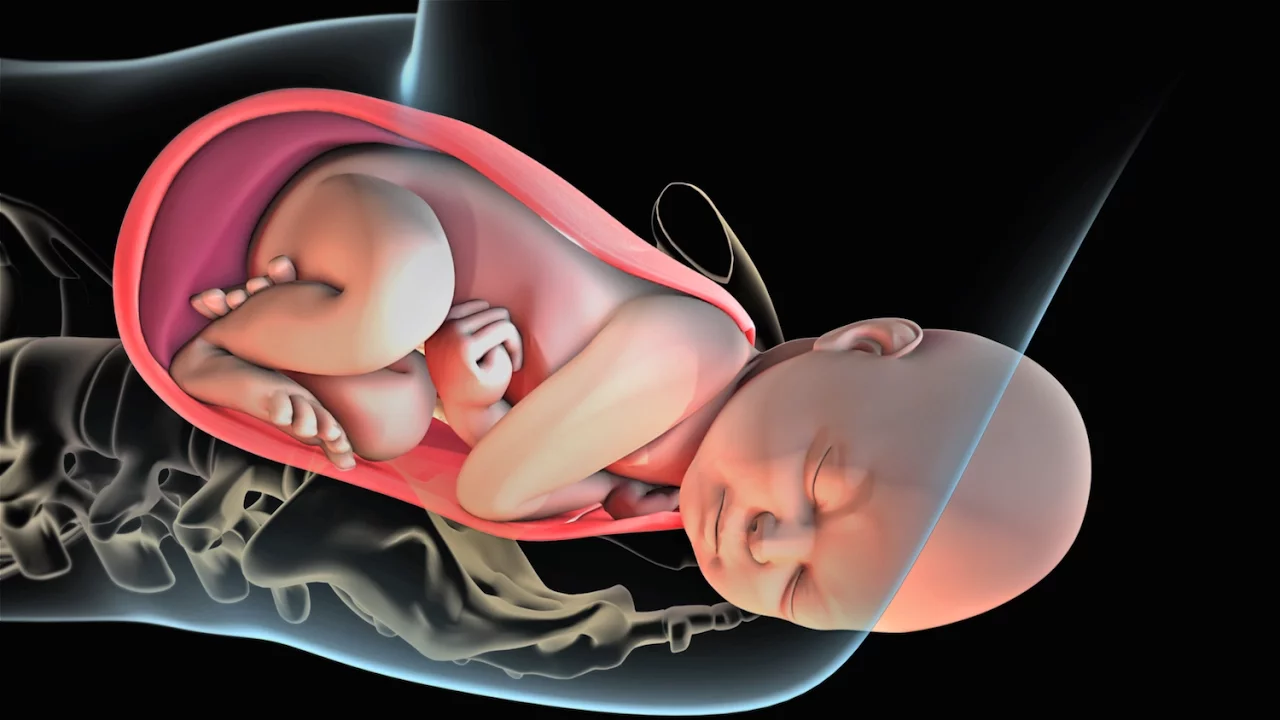
Stages of Labor and Vaginal Birth | Childbirth Animation
@nucleusmedicalmedia
52.1M views•2017-08-18
Related Study Plans & Knowledge Roadmaps
Structured learning paths in Medicine