











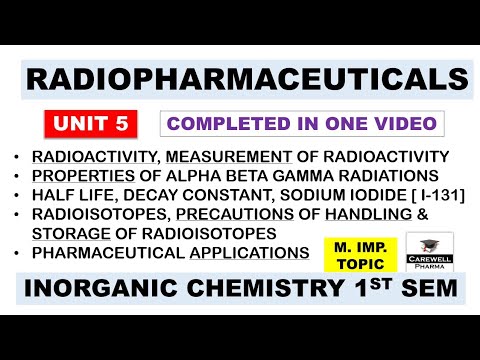


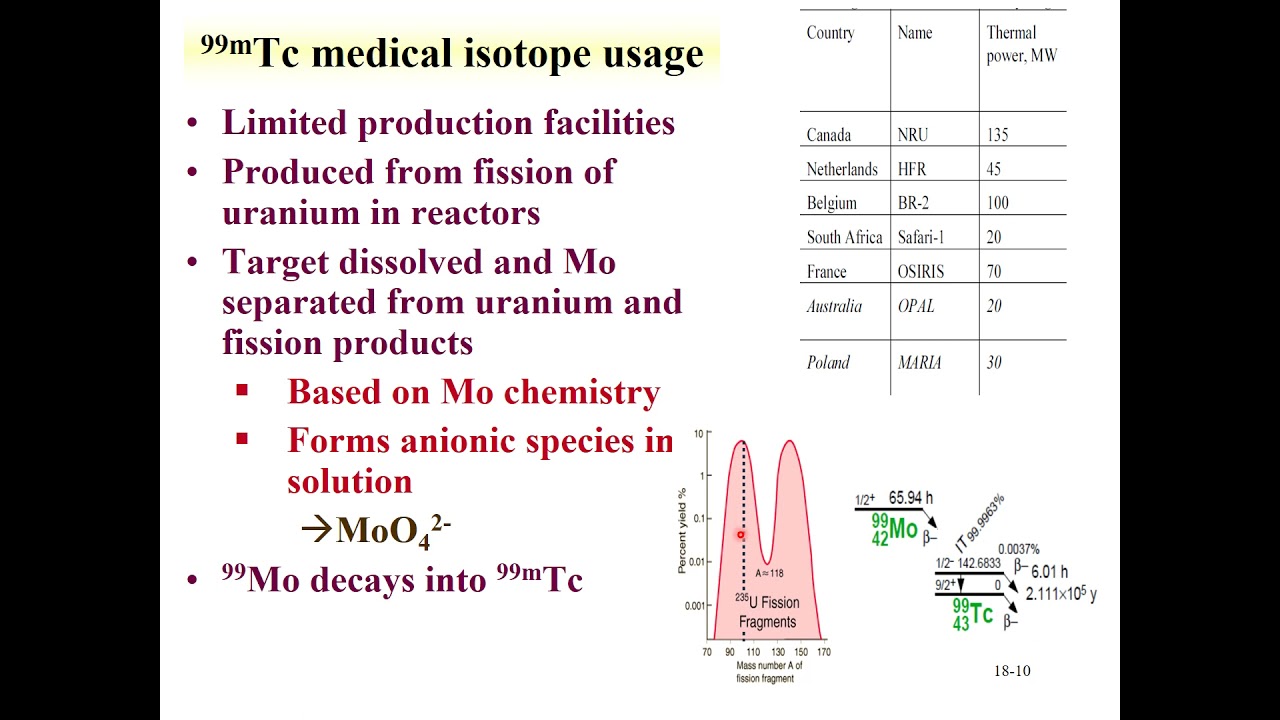



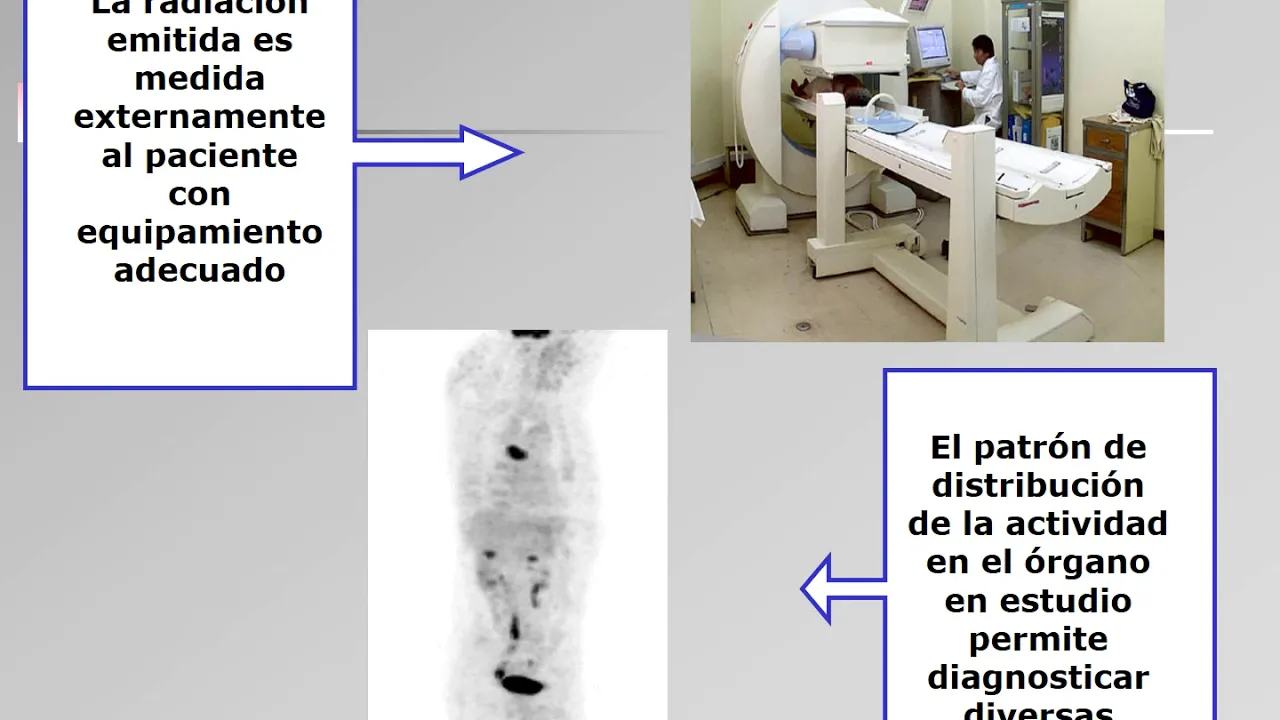








A molybdenum-99/Tc-99m generator produces technetium-99m (half-life 6 hours) for clinical radio-pharmaceuticals through the decay of molybdenum-99; optimal elution occurs every 24 hours for maximum yield, and quality control includes ITLC analysis, pH testing (neutral range), molybdenum breakthrough measurement (<0.015 μCi per MBq), and visual inspection behind lead shielding to ensure the eluate is sterile, pyrogen-free, and suitable for direct clinical applications like thyroid imaging and organ scanning.
Technetium-99m Generator: Molybdenum-99 Production & Quality Control
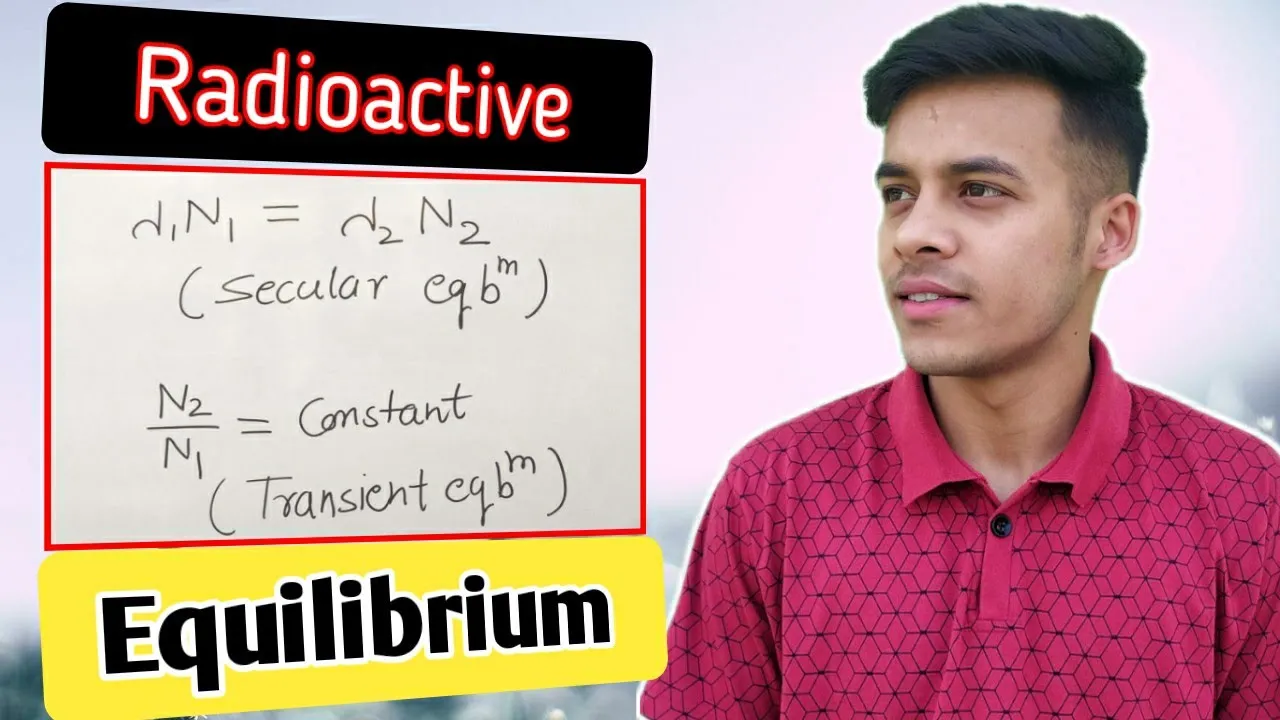
Added:Fundamentals of radioactive decay, including parent-daughter isotope relationships and the concept of transient radioactive equilibrium.
The physics of nuclear isomerism, specifically understanding what a 'metastable' state (like the 'm' in Technetium-99m) represents and how gamma decay occurs.
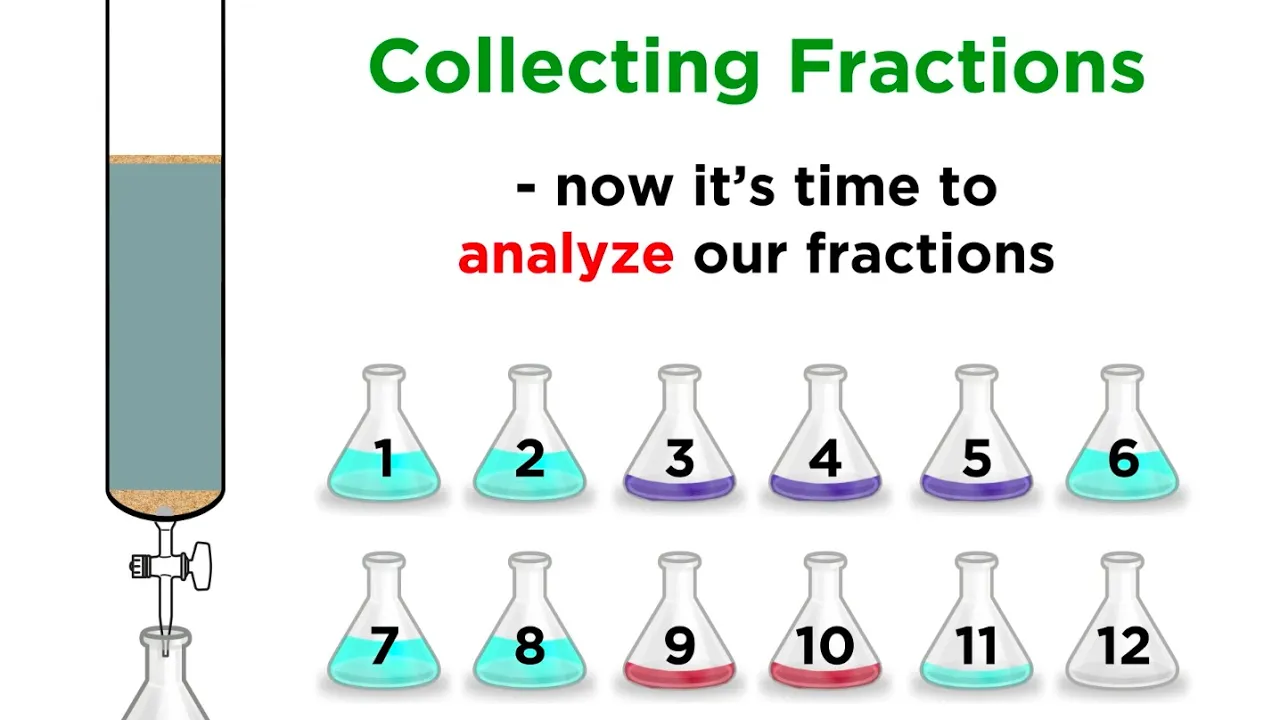
Basic chemical separation techniques, particularly column chromatography and ion-exchange principles which are used to separate different elements.
An introduction to nuclear medicine, including the role of radiopharmaceuticals as diagnostic tracers rather than therapeutic agents.
The coordination chemistry of Technetium-99m, including how 'cold kits' (ligands like sestamibi or MDP) are reconstituted to target specific organs.
Clinical applications and imaging modalities of Tc-99m radiopharmaceuticals, such as SPECT (Single-Photon Emission Computed Tomography) scans for cardiac or bone imaging.
Radiation safety, dosimetry, and quality assurance protocols (such as determining radionuclide purity, chemical purity, and radiochemical purity) in a clinical radiopharmacy.
Alternative production pathways for Technetium-99m and Molybdenum-99 to address supply chain vulnerabilities, including cyclotron and linear accelerator-based methods.
4.7K views58likes7:57Original Release: 2022-11-28
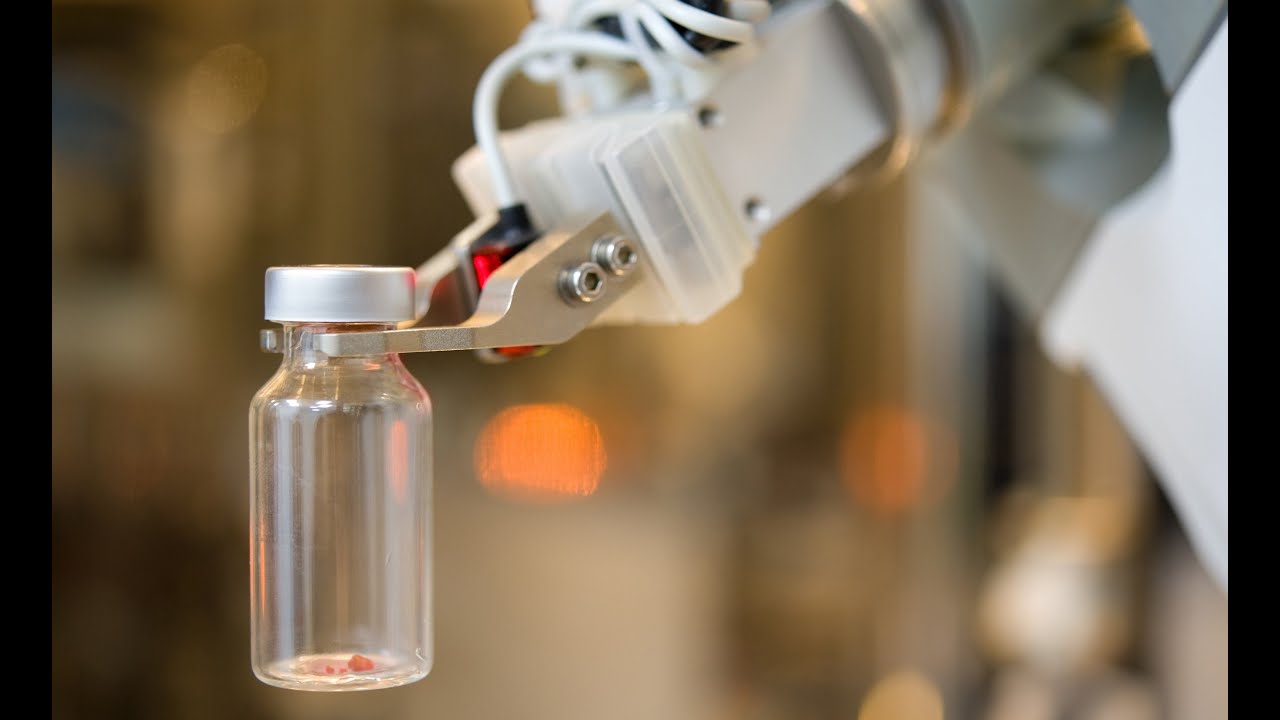
I'm a leptinium 99 because the technician 99 M which we use for the production of radio Pharmaceuticals in the clinic it has a very useful decay of 65.9 hours so the generator scan lost for up to two weeks best use within one week this is the inside of the technician 99m generator with my leptiness alumina column close Potter is protecting the stationary phase do not leak out you have an inlet needle of your sodium chloride that you add the element and then you have a vacuole that pulls through the alien through the column also through a 0.22 micrometer filter to sterilize the whole setup is shielded by let you link to protect the operator from exposure technician 99 in ingraph is a more technical topic but basically the technician 99m is formed by the care of the maleblinum it is directly linked to the amount of molybdenum 99 still available to VK so over time the amount of technician 99 in produced will be lower it is not dependent on the illusion so you cannot if you elude more it was still produced as a same amount but when you removed all the available technician 99 in from the generator and it has to build up by molyptian MDK before you have enough as you see here if you don't why wait till the proper illusion time you will get less yield than when you weigh the 12 or 24 hours for illusion so you can elude your molybdenum 99 generator more than once per day but usually after 24 hours you get the most seal that it can offer at that point in time when you do your illusion you have to do certain quality control this includes instant finlayer tomography to make sure that it's only technetium 99m and not colloids which is Tiny level crystals or impurities that would get stuck at the origin where your you do a saline itlc with your free participate on your technician going to the soul in front and your colors or other impurities sticking at the bottom you also do visual inspection um in a safe way behind the lead Shield you measure your radioactivity yield your generator should provide you with a predictable amount of radioactivity you test your pH it should be more in the neutral to six five range do a minion breakthrough if you go back you would see that the generator column is made of alumina and you don't want the aluminum to go through so it's a color romantic taste where you taste a little bit of aluminum also you measure your molyptian and Breakthrough by first shielding your Alouette it will then um stop the technician 99 M raise form going through and then you can just measure your molybdenum race which can still grow through a quarter of an inch of lid and then you subtract that amount from your overall amount and calculate the percentage of lifting and breakthrough you should not have more than 0.015 kilo Packer roll per 1 megapixel of technician when you make your technician kit Stitch it is a iaea operational level 2A when you make it up or you compound it so it should happen in a laminar airflow with properly trained personnel this is the example of a generator that has been eluted I'm just showing you quickly how it's done so first you would put your element which is your sodium chloride and 0.9 percent then you put a vacuum boil on where you pull the yellow end through the column by the vacuum it should be a sterile and be vacuum properly to work if you can't elude then your vacuum well most often have a problem so it's being creating a pressure gradient that pulls the element foreign [Music] and can be incorporated in the radio Pharmaceuticals to monitor all areas of to the human body gastrointestinal cancer liver heart brain thyroid unit not going to go into depths here but the cold keep chemistry has a correct amount of 10 into reduce so the technician comes out in a coordination instead of seven it's reduced with 10 giving electrons to something that is useful it's incorporated into a radiopharmaceutical at the right oxidation state and then testability depends on the chemical environment and the type of illegal he's the generator an ideal generator it does Supply radio element in a chemical useful form it has filters built inside the elevated steel and pyrogen free it is robust and the separation of the total minor nuclei is very predictable you can store it at room temperature it's properly shielded steady and compact shipping and the elite is physiologically acceptable so you can use it for its own procedures like thyroid Imaging or ventilation Stakes here is a reference that I used please comment down below if you have more questions
Up Next
12:36
SPECT vs PET Imaging: Basic Concepts in Nuclear Medicine
@georgschramm-molecularimag1057
653 views•2021-04-03

48:47
Graphic Medicine: Comics for Collaborative Healthcare Communication
@nationalpatientadvocate
189 views•2023-12-04

43:17
Radiolabelling Basics for Nuclear Medicine Physicians
@nuclearmedicinesnacks4682
1.6K views•2023-08-09
3:05
Stages of Labor and Vaginal Birth | Childbirth Animation
@nucleusmedicalmedia
52.1M views•2017-08-18
Related Study Plans & Knowledge Roadmaps
Structured learning paths in Medicine
medicine
Abnormal LFTs: Diagnostic Workup & Pathology
01Liver Anatomy and Basic Physiology
02Introduction to Liver Function Tests (LFTs)
03Hepatocellular vs. Cholestatic Patterns
+ 3 more learning modules
12h6 modules
Explore Roadmap
medicine
Analyzing Blood Smears: RBC, WBC & Platelets
01Introduction to Blood Components & Smear Preparation
02Normal Morphology of Blood Cells
03Erythrocyte Pathologies & Morphological Variants
+ 2 more learning modules
12h5 modules
Explore Roadmap
medicine
Mechanical Ventilation: Waveforms & Alarms
01Anatomy and Physiology of Breathing
02Introduction to Mechanical Ventilation & Core Modes
03Ventilator Settings and Waveform Interpretation
+ 2 more learning modules
12h5 modules
Explore Roadmap
medicine
Neuro Exam: Localization & Stroke Syndromes
01Foundations of Neuroanatomy and Vascular Supply
02The Neurological Examination: Step-by-Step
03Principles of Neurological Localization
+ 3 more learning modules
18h6 modules
Explore Roadmap