







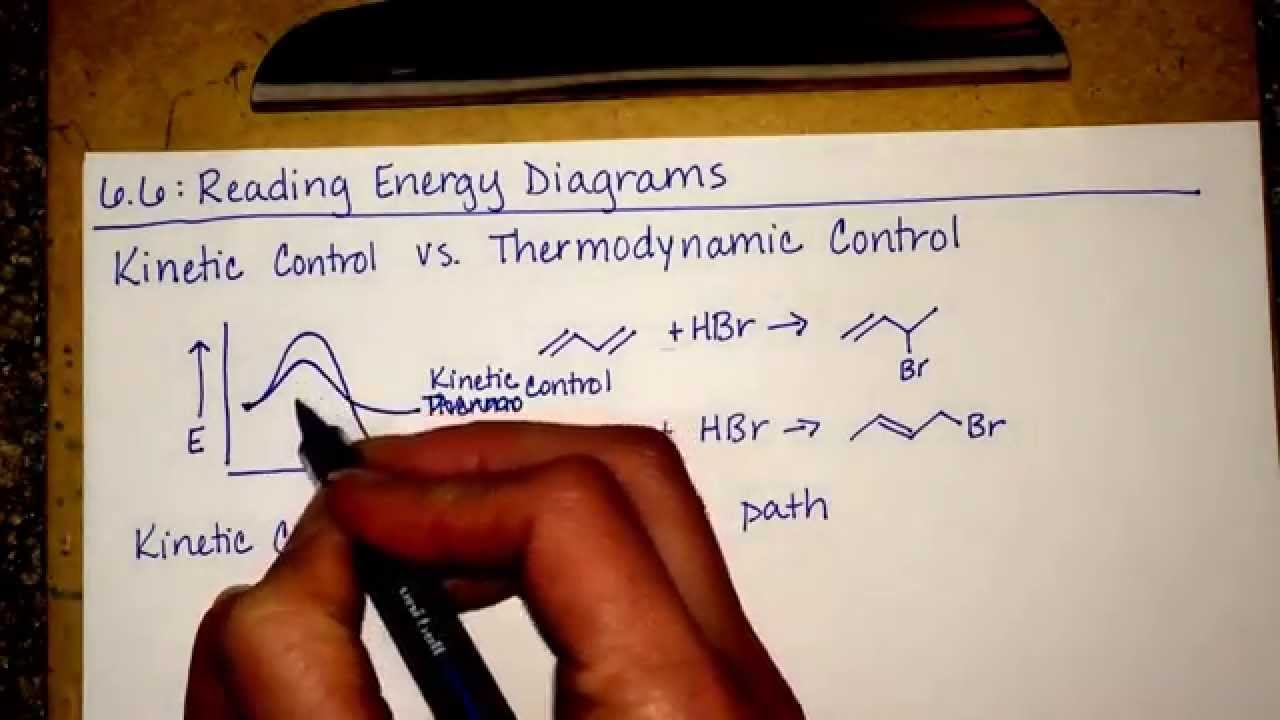











The electro-inductive effect represents a revolutionary approach to controlling chemical reactivity by immobilizing molecules on electrodes and dialing in electronic effects through applied voltage, rather than synthesizing new functionalized molecules. This method offers continuous control (unlike Hammett's discontinuous sigma parameters), eliminates side reactions from functional groups, avoids solubility issues, and enables temporal variation of catalyst properties during reactions. Proof-of-principle studies demonstrated that applying positive potentials accelerates reactions while negative potentials slow them down, covering the entire Hammett space within approximately 600 millivolts. This technology enables reaction orchestration through voltage sequences, where different steps of multi-step reactions can be optimized independently by switching potentials, potentially enabling new catalytic reactions and chemo/stereoselective transformations that conventional functional groups cannot achieve.
Reactive Intermediates in Chemistry: DelocChem Virtual Meeting
Added:hello and welcome to the recording of the virtual meeting dealer cam on synthetically useful reactive intermediates i was delighted to host this meeting with three amazing speakers and generally amazing scientists on the 20th of june in 2020 i'm glad that we have been and you are now by watching this part of the global push towards a more sustainable scientific exchange with reduced amounts of unnecessary travels first up we have private servicemen who studied chemistry at the university of then moved on to do his phd with frank meyer in gottingen in 2009 he moved as a postdoctoral fellow to the university of british columbia to work with michael fraser there and then returned to germany to do his habitation which he finished at the heidelberg university in 2018 where he is now still a independent research group leader he's mainly working on novel phosphate ligands especially in conjunction with early transition methods i hope you'll enjoy his talk stage he was jorgen thank you for being here all right so first of all sorry that i don't have a camera connected i um left that actually at the university and i don't have a built-in one in my laptop and i am in the reactive intermediate session and we will hear about reactive intermediates and the red line sort of through the talk uh we'll focus on the chemistry of diphosphine or tolerance so these are these molecules over here and as we will see we will hear from pincers to carbenes all the way to organic materials so first of all i would like to start with a very brief introduction on how or why people would be interested in diphosphinotolenes why we are interested in these and for that i have to look into a broader picture namely the in in broader phosphine ligands in particular diphosphine ligands the one with large bite angles trans-spinning phosphine or large wide-angle phosphines and you probably are familiar with all of the ones you see in the top row maybe not the middle one but at least sound force and dppe derivatives and yes they have this large byte angle some of them close to 180 degrees but there's a very important feature that is also a present in most of these uh large big angle phosphines and that's that interaction with some central element in that bridging unit and that links the two phosphines and here it's the oxygen coordinating to the rhodium or here's the iron which may coordinate to the palladium and hear you since you probably won't even expected a first glance the agostic interaction with the iridium here and of course these interactions all of them they modulate the electronics at the metal and in few of the wide use of all these species it's actually surprising that the ligands in the lower row these three they haven't been used that widely and it's surprising because the bridge elements here are fairly simple that doesn't mean that the ligands are simple to make but the bridge elements themselves like the benzene alkene alkyne it's simply unsaturated organic molecules that modulate the electronics of the central metal and that one here is particularly underdeveloped these diphosphinotolene ligands so basically this one researcher from japan he japan he prepared a rhodium and an iridium complex of this type and it hasn't been yet used in catalyst and of course you should ask the question or you may ask the question why is that so there is there might be a nice modulation of the metal but of course we all know that alkynes are substrates as well and there are whole books about the chemistry of alkanes and that's actually what was observed here so when when they prepared in the oil group here in 2012 prepared their rhodium one species and heated that up they observed the typical cycloaddition chemistry of alkynes and they isolated that cyclobutadiene species here so that probably explains why this ligand hasn't been more widely used but you may of course think about ways to correct that and we start here with these rhodium complex somewhere in the middle ground so that species was assigned to a rhodium one oxidation state with a coordinated alkyne as a two electron donor coordinated and of course you can think how you can circumvent the alkyne taking part in catalysis and one way is to go all the way to that end which means you sort of remove the alkyne that they of course you make it less activated in that stage but eventually you will end up with the alkyne simply as a space holder that's probably not what you want otherwise you could also use other building blocks you want that interaction um and the interesting way to go here is not to bring the alkyne away from the metal and make it a less activated alkyne but bring it even closer and when you bring it even closer the alkyne will be more strongly bound to the metal in the sense of an oxidative addition and that way you might hope for and that's what we were hoping for that it doesn't take part in a in a reaction anymore and you can even go to these ones species which the alkyne so it's a metallocyclopropane then and it can serve as a four electron donor so you can even imagine that one being a 2p aromatic system and the way you got to do that is you have to actually go to the early metals where these oxidation states are easily accessible two higher oxidation states and these are all known for forming very stable metallocyclopropane derivative so that's where we started with our chemistry so these are pretty reactive molecules titanium in the oxidation state two vanadium in the oxidation state two and molybdenum in the oxidation state two that one is not that reactive it's co stabilized by the other twos you actually need a ligand uh to stabilize them and you see that at the reaction temperatures you need to keep it at low temperature all all the time until you isolate these complexes and once you isolate them you see uh it fits to the title of the seminar series d log cam so this is a perfectly delocalized backbone here it's nearly planar in both cases so you arrive at titanium-4 or vanadium-4 d1 species here you see a deviation from planarity you have that bowl-shaped structure but this is mainly to the coordinated co we can also make that complex without the co and you will have a perfectly flat backbone which is best described as a metallocyclopropane so of course the question arises are these complexes still reacting at the alkyne at the coordinated alkyno metallocytoprotein and the answer to that is no so it actually works so these these are now ligands they are not fancy substrates anymore and they don't react that that alkyne coordinates alkyne moiety and these you can for example show by simply coordinating isonitrile isonitriles are known to insert in metal alkyne bonds in that case it won't insert it simply coordinates you can alkylate them and this is particularly surprising the alkylation it works cleanly takes part only at the metal no attack at the alkyne if you react the free ligand with that particular lithium alkyl you actually observe addition of the lithium alkyl across the cc triple bond and sure enough you also can reduce and now you will see that the backbone flattens in completely no cc coupling at the alkyne it's metal based reactivity so and i would like to focus a little bit more in on the group five chemistry so because this reaction actually is particularly surprising as i said you take the free ligand reacted with the alkyl lithium alkyl and you observe direct attack at the alkene and i'm going down the the row here to niobium and tantalum those complexes here in the five oxidation state after these sort of oxidative addition and so you end up with perfectly diamagnetic compounds d0 configured again these flat backbone and once you isolated these species so you still have to keep it at low temperature while you make them but once you isolated the complexes they are fairly stable and once again you can isolate them and when you alkylate the same precursor as we saw for vanadium you straight go to the alkydine species so the tantalum c double bond here and once again this species is fairly stable you can heat that up 70 degrees remember this was the conditions where the rhodium species in one hour underwent the cycloaddition chemistry the cyclobutadiene here 24 hours you can use that in in catalysis and of course only one more percent of this catalyst and of course after 24 hours you can add some more substrate it still is alive the complex you will still go on with the polymerization reactions so these concepts worked you can stabilize usually rather reactive fragments by coordinating the alkyne to them of course there are borders of stability and this one of these borders we discovered when we looked at into hydrogenation reactions so this is pretty tough to hydrogenate naphthalene derivative it works but only with 30 percent yield so of course we post the question what's going on there if we run it longer yields won't improve if you add more catalysts colorless loading leads will improve slightly but not dramatically and we figured out that after three days you or after one day so after in these conditions basically you have more than 50 percent conversion already to that tantalum 5 5 complex so here we reach the borders of stability no cyclo propane anymore no metallocyclopropane but a metallocycle propane so that underwent hydrogenation here and we arrive at that particular tantalum tantalum complex and that one is not active so if you isolate that one it's not active in the hydrogenation catalysis and i will have a closer look briefly on that species it's a very interesting species fairly reactive the it has over only six hydrides three in the bridge one tantalum equipped with two hydrides another one with one and they are basically they are aligned along these three axes in the coordinate system and it is to my knowledge the only tantalum hydride which actually appears or one of the hydride appears in the negative region so tantalum hydrides usually appear in the positive region here or here but this particular hydride which is moved in between the two phosphines within the same plane it appears the negative region so that compound is particularly interesting on its own but we are of course working on isolating or trying to get a grip on on these species which we believed are the active species in catalysis particularly that one by increasing the steric bulk so these complexes we are still working on isolating this really reactive species by installing other molecules here but overall these motifs are stable with exception of that tantalum species so we were going from that middle ground here to that side and of course to prove the principle you should actually go the other way and that's what we did we also checked what's going on the other way if we actually move the metal or we use a metal in that block that we we should end up with a pretty activated alkyne which will undergo a reactivity at the alkyne and rhodium that was the work by always so we decided of course to move one step further and go to palladium also interesting in terms of catalysis and sure enough what we observed when we reacted with various palladium cereal precursors it doesn't need to be the dba species here but we react them one-to-one it also can be a phosphine stabilized palladium zero and what we get is these palatal species here and along with palladium black and this is true for almost every palladium zero species there's just one exception that we discovered so far and i will show that in in just a few seconds but usually you end up with that palatal species you can of course also make the pincer type complexes so the precise analog of the rhodium species that was known but you have to uh pay attention with the precursors you use actually you need to have a precursor with just one chloride coordinate to the palladium and a non-coordinating counter ion so you can access these pincer type species you have to handle them with care as soon if you have excess halide around in solution like if you simply add palladium dichloride acetonitrile to the precursor you will end up with a binaural palladium complex you observe straight carbo pollination and yeah you see the two crystal structures of course once you have that one this fairly reactive intermediate you can quench that with excess chloride ppm chloride you will go here interestingly you can go back so cleaving the ccl bond covalent ccl bond is possible with silver pf4 good i mentioned that there is one exception in the palladium zero precursors and this exception is shown here it's the isonitrile coordinated species but you have to be careful with the stoichiometry you need to use two equivalents to have a to get a clean reaction and what you get is that a unique palladium one palladium one uh diamond so there are numerous palladium one dimers but uh usually they are halide bridged and that one is one of the only ones out there which is bridged by an alkyne in that particular fashion so with the palladium two palladium atoms and the two carbons of the alkynes close to be in plane so it's there's of course a slight twist in there you see that c2 symmetry the axis reaching through that to the spot of my laser pointer now and the electronic structure is also best described as shown in this lewis formula here so you have a double bond in the backbone as indicated by ibo analysis and you also have this metal metal bond here so we are currently still working on on reactivity studies this species for example reacts with co and we are pretty confident it can use it in decarbonilative coupling reactions but we stumbled across something actually more interesting and so that one had to wait a little bit because what we found is that reaction here and you react that precursor with all palladium chloride you end up at that particular species and of course a lot of questions arise so basically what happened the phosphine of the own ligand it attacked at the alkyne so it bite in its own back similar to the chloride attack here it's just not externally attacking the alkyne but it's internally attacking the al-qaeda you will arrive at that structure um and then of course there's a lot of questions uh associated with that structure reversibility like we saw in that case what is this dotted lines actually so i didn't tell you yet but what what what represented is it a carbine or what is that um is it more general is it limited to palladium how does that react and i'm going to focus in on on these two questions what is it and is it more general and answering the second question first is it more general the answer is yes it is so basically it's all these red elements here in the table they form species of that kind of gulf going from hafnium over molybdenum till gold three here in that corner and when you look at that yeah picture that emerged from um our screening studies you can already guess that these pieces in the middle of the block here they are more stable we get for example for group six we can isolate all all these uh species for all the triad while for gold let's say we really have to struggle to get that species it's only available for gold three so and you see in these two rows here we had a long we needed a long time to actually um access two species but we finally managed to get the zinc compound and the atrium compound both shown down here it's all crystallographically characterized of course and i will come back later to these two species shown here but at first we should answer the question what's the principle behind it so are we just dumping some precursors which we have sitting around the lab on that on that ligand no we are not there's a logic behind and i would like to explain this logic uh on a little manganese example here so what you basically need is a metal precursor which has two open coordination sites and they need to be strictly cis positioned to one another and there shouldn't be a third one in the next position otherwise you will access pencil type species but if you have exactly two open coordination sites then like in that example for that manganese species shown on here where you can replace the two proteins you can form a species coordinate by one one of the phosphines and the alkynes and you can rewrite that in a very fancy way i admit that it's a fancy way to rewrite the alkyne that probably does not or most likely does not play a role in the ground state uh excited states can be a dicarbonoid but the ground state for sure not but it's it's a good way to visualize what's going on so the phosphine here the free one can actually attack at that p orbital of the of the we envision it as a carbine for now and when we envision that we arrive at least at a reasonable first assumption for what these dotted lines mean so one resonance structure to represent these dotted lines is the one shown here good once you have this one resonance structure it's the one in the middle here you can of course think about a lot of others for example these mesoionic ones uh carbine one or these uh pineal resonance structure and we have crystal structures of all of or most of these species at least one example for each group here and when we analyze the elliptic bond lengths these these pc bond lengths here and compare it to the one over here we find that these elliptic bond here is in the range of a typical single bond while the cc bond here that one here is in the range of a typical double bond so basically you can take out these two resonance structures right from the beginning and you have to focus in on these two these are on basis of crystallographic data the most reasonable ones so what is it mesoionic carbene or phosphindolium with iron though these are the two resonant structures which are remaining from our analysis and to answer that question i brought a few examples a little bit of everything i have to mention it's a zero metal here haftium it's a 4d6 and a 3d 10 in the thing so we have d0 d6 d10 3d 4d5 d and we can start a closer analysis and i would like to begin with the molybdenum in the middle ground so 46 and we know already single bond here double bond here all we don't know is what is about that dotted line here and of course you can have a look at mo's nbos nrt ibo analysis and what you actually see in these analysis is you have a sigma symmetric bond single bond and you have sort of a pi back bonding interaction actually two of them which can be described also as 3 center for electron bonds but of course what you don't know yet is is that the back donation well you might estimate from the ibo output where these orbitals are localized but there's another way to do that um this is energy decomposition analysis and here you see a child the deformation densities in the eda and of cv analysis and you see the charge flow from red to blue so from the d orbital to the carbine c and there's a nice paper by by frankie recently detail giving details on how to distinguish these on basis of that numbers and it really is the meso ionic carbine structure which we have and this is valid for most of the or all of them in the middle of the periodic table so once you go to the very end or very access to the early transitional or late transition metals it's less clear to distinguish between both of them you in the ibos you only see the sigma interaction energy decomposition analysis well you see hyper conjugative stabilizations here which is common from either from the sulfides or from the chloride so this is the same complex here but you observe the same in the half million chloride a hyperconjugative interaction with the carbine which is also found in nhcs but on basis of that you should not judge on it what's a good way to do it is topological wave function analysis so quantum theory of atoms and molecules here badass analysis and you can have a look at these bond critical points and there's a lot of values associated with that i just brought two of these values and the positive laplacian here and where it's located closer to the metal which is it is common also for vinyl sinks um but this picture here is in favor of the meso ionic carbine structure slightly at least so we can conclude that basically all over the block the meso ionic structure is is the favorite one good i promised you that i will come back to the edges because we're talking about reactive species and the atrium and the sink these are the particular reactive ones you really need patients to isolate them you need to keep these complexes all the time at low temperature you need to keep them away from donor molecules um and the problem with these two species is the phosphine the second phosphine here let's focus over here it's more clear that phosphine is decorated in solution so for sink in the solid state it's still bound to the metal but only in the solid state in solution that's d-coordinated and for atrium situation is even worse it's even called d-coordinated in the solid state so you have only that mesoionic carbene bond attached to the metal and the phosphine is actually dangling and this is what happens if you don't keep them at low temperature or you don't keep donor solvents away so this will turn nice and green in both cases and based on these d-coordinated phosphine you can already assume what may have formed so starting again here from our proposal how to how to form these species and focusing in on that equilibrium where the phosphene may dissociate in solution you of course end up with the problem as the phosphine can attack again and yet at the empty p orbital of these carbonyl carbon here and that will eliminate the the metal and you will end up with a dielect type structures and indeed these green solutions are the thigh ellipse here and this you can make more easily even without the catalyst then you need to heat it but you can also use sink or atrial mist catalyst to arrive at these deep green solutions and i think i don't want to go into much detail about the aromaticity and resonance structures just one brief word or one brief sentence so this is the most likely resonance structure which also reflects the calculated and the crystal structure distances so you see that one here it should be an aromatic bond c2 c7 it's 1.44 so there's there's it speaks for this allelic or bent spence answer anion structures um in these molecules so these are deep green species you have to keep them away from chlorinated solvents you have to keep them away from acetone or you will arrive at addition products and the title of that slide doesn't really fit it's a air sensitive compound so it's not real a material so we decided to make it a material by oxidizing it and you have to do that in that particular case it works for the fenugreek as well for the isopropyl i'm going to focus in on the isopropyl it works best in in two steps so you can first oxidize to the monocation it's not shown over here but it's the structure over here with just one chloride counter ion you get a nice epr signal but it's still air sensitive so still not what an organic chemist considers a proper material but you can also doubly oxidize it then in the second step and you will end up with a bright yellow air stable powder soluble in water it has a nice blue green fluorescence and that shown here not only for the isopropyl version but also for the feneral version here with our equals fennel so the uncharged stylet the monocation and the die cut ion and they are all still here under the uv light you only see the uh dicationic species um and what's particularly remarkable they have a pretty decent quantum yield in water so 74 in water that makes the species interesting not only for organic materials in the sense of orthogonal solvent deposition of multi-layered devices but it also makes them very interesting for biological applications and that is actually currently supported by the vector foundation and with that i would like to sum up i'm already briefly or shortly over time so we have seen that these species with the right strategy you can convert them to very stable pccp pincer type complexes which you can heat up to 70 degrees for hours and use them in rom catalysis no decomposition if you heat these species up just in the absence of a metal or in the presence of zinc or so you will end up at these dye elites which then you can oxidize to the materials and there's a really nice chemistry of meso ionic carbines where i didn't tell much about catalysis yet but we are examining these species and reversibility of this bond so it's a new class of meso ionic carbines and we also found a new motif in palladium one palladium one chemistry which we are going to exploit hopefully in in catalyst soon and with that i have to not only thank the vector and the dfg for uh giving the financial support but also all the people who actually did the work and the collaborations and of course you for your attention and that i'm stopping and i'm open for questions of course great thank you joachim for this nice walkthrough all of transition metal chemistry basically um yeah please post questions in the q and a section and use the raise your hands button if you have a question uh apart from that i was wondering could you you're working with like both ends of the transition metal rows there yeah could you give people a short overview about it how different how it is different to work with the early transition method as opposed to late stage later once yeah yeah so well the very the very first difference for a phd student entering the topic is probably and a reaction goes wrong that sometimes is the case it turns black for the late transition metals so probably people working with late transition metals have observed that you get a black mirror of some elemental metal depos depositing sometimes nice nanoparticles so reduction to the metal that happens in late transition metal chemistry it usually does not happen in early transition metal chemistry so if your reaction fails your reaction usually turns white and this is because of the high stability of hydroxyl uh anions oxides and halides so you favor the higher oxidation states and that's basically the the major difference um the higher oxidation states these are the favored ones in in the in the early transition metals while the lower ones are more favored for late metals and this favoring these high oxidation states in particular in combination combination with oxo ligands or oxide derivatives makes this these yeah compounds of early transition metals very sensitive to watch water so you have to keep water out at all stages which also limits uh somewhat in in the catalysis you can choose so you should not aim for catalytic applications that liberate water when working with early metals while this is not a big issue in the in the most late metals of course there are this is very general speaking here um you usually these tolerate water more easily in terms of oxygen sensitivity you can you should not distinguish they are for both of them for early and for late uh they are very oxygen sensitive uh species but aqueous sensitivity um it's it's a real problem in in the early methods yeah all right cool thanks very much and we are still missing our first speaker so we'll sadly have to have to continue our schedule for now and hope i can reach him in the meantime i'm not sure what's happening there sorry about that but correct we next up have a mookie bike from the chryst a second okay um all right so moving bike was was born so you and grew up in germany actually he speaking german perfectly fine we had a little chat in german earlier um after he started studying chemistry or studying in dusseldorf he moved on to the unc chapel hill to obtain his phd there in 2000 in 2003 he started as in his independent career at the indiana university bloomington and later returned home after 12 years to korea became professor the kaist and associate director of the institute for basic sciences and he's doing pretty cool uh computational molecular modeling and also actually experiments and some really nice physical chemistry that we're going to hear about today stay just use milky thanks for being here all right thank you very much for the introduction and thank you for having me it's a little after midnight here so i'm gonna try to um to stay awake here i think i'm i'm gonna do okay all right let me um see if i can share my screen okay almost it almost feels uh weird to be talking to a mostly uh german audience in english because um okay all right let me see can you see my screen can you see it moving yes perfectly fine okay all right so what i thought i'll tell you a little bit about this [Music] work that we have started doing earlier i know this audience is mostly organic so i'm going to talk about the new effect that we discovered that i termed electro-inductive effect a new way of controlling chemical reactions as as florian has already indicated i was these are my live stations it's a little bit unusual so i'd like to share that with you uh for a few minutes i was born in 1970 and then i spent the first 10 years in korea in seoul and then 1980 i moved to germany because my whole family moved there so i was 10 years old and so i spent the next 15 years in um in germany in the area of dusseldorf where i i also did my undergraduate work and in 1995 i moved to the united states to do my phd and i posted at columbia university in new york and then in 2003 i became an assistant professor at indiana university in bloomington and i was promoted to associate tenured there and i was basically ready to retire in the united states um although i was born in korea uh i didn't really have a lot of connections to korea and i didn't really particularly feel korean if i had to pick a country that i would call home would probably be germany because i spent of course the most my most uh important years of my life there so i spent so um as you can see in this i spent 10 years in korea 15 in germany 20 years in the united states and then in november 2015 i moved back to uh to korea because kais made me an offer to be a professor here at kaist in dejan where i have been since so i've been a little over uh or almost five years here so i wanted to take a minute or two to tell you about uh the institute for basic science because this is a little bit new kais so this stands for korea advanced institute of science and technology it's a technical university and uh the and it's it's been around for a while so many of you may know this institute but this institute for basic science which is actually a new uh entity uh it's going to be interesting for many of you are in science and who are actually moving forward because um this is i think the flagship of the korean development in science as you might have noticed uh while the united states and and europe uh has been cutting funding into sciences and things have been stagnating a little bit china and korea has been growing aggressively and uh today korea actually invests about five percent of our gdp into research and development which is um almost twice of what uh germany and the united states and all the other countries actually do so germany is i think at one point eight percent or two percent or something like that the united states is at about two percent korea is at about five percent uh which is a little over the um over two twice of what the government invests and the ibs so institute for basic science is actually one of the beneficiary of this new policy and it's meant to be the korean version of um the um let me get my screen here okay so the ibs is uh meant to be actually the korean version of the german max punk institutes and for some many of you who are aware of actually the privileges that the mpis enjoy we actually get to have most of those it's a little bit different than the mpis but uh we we get most of the benefits of the mpis they really wanted to create a dream institute for scientists they're envisioning three to four directors in each institute and about five junior groups um within an institute but the directors basically have a lot of freedom to do whatever they want basically um which is exactly the system at the the mpi the total funding for each center is about 10 million per year and it's guaranteed for 10 years and there are no proposals no restrictions on research direction there are no short-term benchmarks and it's intended to be continued indefinitely so this sounds like on some serious commitment and it is right so each director and an associate director is envisioned to have 10 postdocs and 30 graduate students and they are supposed to pursue basic research without any limitations for need or for or any kind of justification currently there are about 30 ibs centers six of six of which are in chemistry and the budget of the whole whole thing that's about 30 and then some of these centers actually have heavy equipment needs uh like um some of those physicists actually need gigantic instrumentation so their budget is actually a little bit larger than ours so overall the budget in 2019 was 477 billion korean won so that's about 406 million uh us dollars uh between the 30 centers so this is actually really a serious commitment and so in the last five years i've been able to i was lucky to recruit actually a pretty large group so i want to do the acknowledge of my students first these are actually my graduate students these graduate students in gray are alumni so these are students that i had over there 12 or 12 or 13 years that i or yeah 12 years in the in you know united states and these are now mostly my korean graduate students that i recruited over the last four and a half years so i have a group of about 40 people people now okay so enough of the introduction i wanted to actually talk about that i'll talk about the science and i started out thinking because um the government was telling me i can do basically what i ever want to do um i wanted to think about something that's a little bit more fundamental uh many of you who may be familiar with some of my publications know that i'm actually a big i'm actually a computational chemist and i'm very much interested in electronic structure and reaction mechanisms and so what uh what joachim just talked about is basically actually what i've done in the united states thinking about actually the bonding about actually uh transformation of ligands redux known innocence and all these things were actually what i've been doing in the united states and that's still what i actually continue to do i mean but this project is something that i started with a handful of students and i said i said let's do something completely different and let's more fundamentally think about how we control chemical reactions and we can of course talk about chemical reactions and the way chemists control chemical reactions without looking at the hammock parameters and here i actually post you show a picture of lewis hammond who introduced this concept to us that you can use functional groups to control chemical reactivity now this has been known forever lewis uh hammett didn't invent this but he was the guy who actually kind of brought order to the system and actually provided a framework in which you can think about it and when you actually what he has done is he's basically shown that you can take a very simple reaction any kind of reaction and by changing the electronic structure by decorating these reactive cores with electron donating or electron withdrawing groups you can actually change the the the rate of her chemical reaction and so this is actually the famous plot and he published this in jax in 1937.
and so to be just on the same same foundation let's actually look at actually a simple reaction that we're all familiar with and that is um something like a palladium zero catalyzed aerial halide bond activation right so this is actually what we would call an oxidative addition where we are starting with palladium zero and we're gonna make two palladium carbon palladium iodide bonds so basically we're going to need four electrons to do this two electrons are going to come from this bond so where we envision this uh aryl halide bond being cleaved leaving behind basically on on iodide minus and a phenol plus and the iodide minus of course can act as a lewis base to donate into this palladium center to make this palladium iodide bond now this is a standard lewis acid lewis base type of interaction no no change in oxidation state yeah the fennel plus of course now needs to use the blue electrons there's electrons that were localized on the on the metal first and now they become actually uh shared between the metal and the carbon and because carbon has the high electronegativity formerly those two electrons belong to the carbon so when you do the oxidation state count you will actually get palladium two for this species and this is an oxidative that's what we call an oxidative addition and if you apply hemet's principles to this reaction you could envision taking one of these phosphines triphenylphosphine for example and if you're replacing the parent position um if you decorate them with electron donating or electron withdrawing groups right which hammet has shown us to actually uh quantifies in uh in his sigma parameters then what you see is of course that when you put electron dotating groups on these positions because you're doing an oxidative addition the reactions usually come up become faster on the other hand if you actually place electron don't withdrawing groups like cf3 at these positions the oxidation or the oxidative component of oxidative addition becomes more difficult and so the reaction slows down right so when you do the hammered plot you're going to see a negative slope okay so what we actually uh find from this is ligands will electron donating groups enhance the rate of oxidative addition this is easy to understand okay so this is actually just one example i could actually go on to show you many many examples where people have used functional groups to control chemical reactivity right and reaction rates now i wanted to think about this thing that we've been doing for 100 years now and critically evaluate is this really the best way to do this right is using functional groups like these to control chemical reactivity that i just discussed is this really the best way to do this and i would actually claim it's not why not you know there are many reasons why this is actually a pretty stupid way of controlling chemical reactivity number one turing is necessarily discontinuous what i mean by that is if you look at actually the sigma parameters they're necessarily going to be gaps right so if you look actually for example this amine and this methoxy there's actually a quite a jump in in electron donating ability what if you wanted something in between right of course there are functional groups that will have a sigma value between those two but you would actually have to find them first so that's actually not really uh very convenient substituents of course not innocent what i mean by that is when you take these acid chloride that we list with a sigma value zero um 0.61 we list them because you know hammond fountain to be in the list but they're really not very helpful because acyl chloride is a highly reactive so if you put this on as a functioning group you don't really you don't really have to worry about the reaction that you're studying because you'll get side reactions because of the acyl chloride these substituents often change solubility of the molecule so they crash out and then you are screwed every molecule must be prepared this is a nightmare called synthetic reality in chemistry yeah so if you want to of course study these the reactivity molecules you need to make dozens and dozens of these molecules and i don't know how many how much time we as a chemical community have spent and how much time we are actually still spending and how much time we will be spending in the future to make functional uh functionalized derivatives of a reaction that we want to study just to understand the chemical reactivity now you might actually say well what i just described is called chemistry yeah so can we do better than this and here is actually what we thought we should try and i call this the electro-inductive effect it sounds like an word that you should know but it's uh i made it up right so if you do on google search on electro inductive effect you'll find actually one hit and that's actually a chem archive paper that i uh submitted a year ago that i posted uh in this archive to just communicate preliminary results um i need to uh i was reminded by somebody that i should actually um make clear that i did not invent the word electro i didn't invent the word inductive and i didn't invent the word effect yeah so if you do a google search on electro inductive um you know separate words you will find electro-inductive industries which is actually apparently a company that might makes trans uh transformers right so so that's not what i'm claiming i'm claiming that with that that the the effect that i'm about to describe is actually what i made up right i don't want to claim credit for um stuff that i didn't do okay so here's the idea instead of making a new molecule could we immobilize the parrot molecule onto an electrode yeah like here so you have the reaction inside you have a ligand if we could immobilize this thing onto an electrode could we dial in then the inductive effect through voltage okay so imagine this reactive cell would be the palladium set that i was talking about and this ligand would be the phosphine and we attach just an electrode and by applying a voltage can i mimic the reactivity change at the reaction center that we have usually probe by functionalizing yeah by applying on voltage why we would want to do this is actually you know obvious now because electro-inductive effects are continuous the problem that i described to you that there are there are gaps between the sigma values uh is not going to be here right you can you can change the voltage continuously we can change it by very small amounts right so we can do to do whatever we want to want to do there so if this worked there would be no laborious synthesis of derivatives we would actually make just basically one core we could attach to the electrode and we could probe for the reactivity of this inductive groups very easily what is very exciting is we could actually vary the catalyst property as a function of time so temporal variation of catalyst property would be possible because usually the way we are doing chemistry now is you prepare catalysts with the functionalization that we actually went through and then you run a reaction yeah and that catalyst has to be in the reaction from the beginning to the end it will not change this chemical property in the middle of the reaction but with this new technology we should be able to actually make the catalyst electron rich at the beginning of the catalytic cycle and then make it electron poor towards the end of the caloric cycle because we can change the the voltage and we can easily invent actually on um on voltage cycle or voltage sequence like we we program uh pulse cycles in nmr um and and that will allow us actually to change the catalyst property over time experiments that we have done actually show that the entire hermit space yeah between t-butyl and and try floral method or whatever so these uh the entire hammock space uh can be covered by about 600 millivolts okay so what that means is um we're currently limited actually the amount of voltage that we can apply is limited by solvent reduction solvent oxidations or other redox reactions of the of the substrate so realistically the actual wind operational window that we have available is about two to three volts okay um and so since the hammock space is only covered by 600 millivolts what this means is we should be able to make super electron donating or super electron withdrawing groups and actually study their effects on the on on this catalyst there are no side reactions they are of course going to be side reactions but what i mean by this is there are no side reactions due to the acyl chloride story where you place something where you wanted to actually change the chemical reactivity instead what you have done is you introduce a reactive function group okay so we are not going to do any of this then also no solubility issues because um the the catalyst is already immobilized yeah and that of course leads to also operational advantages like uh separation of catalysts and and product is going to be easy you pull this the electrode out okay so does this work right uh it uh i'm i'm i hope that i've convinced you that this is actually an interesting idea to try so does this work it looks too good to be true yeah okay so we need to do a proof of principle study and my group decided that we want to actually go back to the 1937 paper of hamid because hammer do you realize was a great chemist of course right and so he has used actually 39 different reactions to derive his sigma parameters and these 39 reactions were hand picked you know they are not as sensitive they're not too slow but they're not too fast yeah they're easy to measure they're easy to handle and so we thought those that's actually a great point for us to start so we went through all 39 uh reactions and one reaction actually caught our eye immediately and that is actually this simple reaction where you start out with a benzoic acid and then by exposing it to a base you do a hydrolysis so this is an uh this is of course this is an ester so this is a saponification reaction this is a reaction that we that many of you have done actually as undergraduates right you take an ester base hydrolyze uh hydrolysis to regenerate actually carboxylate plus um the uh the alcohol uh and so since we are we are generating and carboxylate here if you put function groups here on r that it's actually electron donating then what you're going to get is you're going to you're going to slow down the reaction that's actually exactly what hammond saw and so when you do on hammock plot what you'll find is that electron donating groups uh actually slow down the reaction where electron withdrawing groups by stabilizing the product here accelerate them okay so my two student june and junghi looked at this reaction and so here's what we're doing we actually have the small vial where we're going to actually try to do this um saponification reaction we of course need to somehow covalently attach now the carboxylate or the the ester to uh to an electrode and we chose to just use a gold electrode okay uh this is the world electrode that we use um and i went down to one of our electrochemists and asked them i wanted to use on gold electrodes so what should i do and they told me okay the way we usually do this is you you take them on on a small piece of glass and then you put titanium dioxide on the surface because titanium dioxide is is the glue to attach a very thin layer of gold right so you can make gold electrodes uh by by doing that right and then gold actually sticks to the titanium dioxide but it doesn't stick to the um to the um to the to the glass surface so then you actually get uh you can make very cheap gold electrodes we tried that we are uh we are horrible experimentalists it didn't work for us right in the middle of the reaction the gold foil would come off and it was a major pain in the ass so i told my students you know what why don't we go down to the jewelry store of which we have many in korea uh and have them just give us a gold bar right the gold bar is not gonna it's gonna be a little bit more expensive than than this other thing but uh how expensive can it be and uh that b then we are not going to have any problems with the gold foil coming off and this is such a gold bar it's actually a centimeter white uh about two millimeters thick and it's about i think about what is this about 10 centimeters long okay so this is what our gold or jewelry store it's not even very pure gold it's a normal gold that uh jewelry store stores use and then my students uh made this very unsophisticated way this is just basically a copper wire and this is basically scotch tape tape it yeah to just attach the um [Music] the copper here and then we have roughened this area here where what we're going to do is we're going to actually make actually the file version of the of the reactor a wider file version because if you have a file it will self-assemble on cold surfaces and will make a very stable very well-defined self-assembled monolayers okay so we know how to do this now so we actually get them in there and then here's the ester and what we're going to do is we're going to expose it to hydroxide okay so potassium hydroxide solution we started with actually a very diluted potassium hydroxide solution but we figured out very quickly that this thing is very solid it's very robust so we actually increase the potassium hydroxide solution to a three molar potassium hydroxide solution this is now a very concentrated potassium hydroxide solution we uh chose we settled on uh 50 degrees celsius and steering it over overnight for almost a day um and then in water on the vigorous steering and so we're going to watch actually the samponification reaction and what we're going to do is you're going to apply three different potentials minus 250 millivolts plus 250 millivolts and just no potential at all that's open circuits potential okay so there we're going to apply these three different potential conditions and what you're expecting to see is actually carboxylate formation with the butanol formation and so what we are expecting of course is that this reaction should be enhanced by electron withdrawing groups so we're expecting this plus potential should accelerate this reaction you know whereas the minus potential should slow it down do we see that we need to monitor the reaction progress of course and that's actually very convenient that this um this ester here has actually um a very convenient peak in the um surface aroma spectroscopy okay so surface enhanced raman spectroscopy is really great for this because we of course have a gold surface um that is actually a great surface for um for source uh and so we can clearly see actually this ester related peak at around um 1700 wave numbers and so we're going to monitor that p so here are the other results before hydrolysis we clearly see uh the ester intact yeah so if we apply no potential and cook this thing for for a day almost all of its it's uh almost all of it is gone right if you apply 250 millivolt it's actually gone completely actually if we apply 250 millivolts we don't even have to wait a day it's gone within within an hour or two okay most remarkably if we apply a minus 250 millivolt potential that ester peak is still there after a day now um at the beginning i couldn't believe this right because after all what you're doing is you're taking an ester we're exposing it to one three molar potassium hydroxide solution yeah i might actually ask how in the world can an ester survive this right it's 50 degrees and so i had my student run this experiment for a week right and it's still there okay and after a week if we now actually uh switch off that potential then of course it's gone within a couple hours okay i was very um amazed and so we thought well this maybe maybe we found something here maybe this is actually really interesting um should we publish this i told my students of course we are catalysis group i like catalysis i said you know let's do catalysis okay let's show that we can do catalytic reactions with this and the immediate idea is of course let's immobilize the catalyst onto the gold electrode and two it gets activity that's of course the most obvious strategy to go well we quickly found that the gold electrode is not ideal for this why not number one the thiols of course the thighs when they onto the surface become actually thiolates yeah s minus yeah um and so when you charge up the surface yeah at around 450 millivolts um and so this number is actually for our um file but depending on what file you're using that number can be somewhere between 300 and 700 graven 700 millivolts so at some point when you apply a negative potential the self-assembled motor layer will actually come off right so they will just you know the the uh electrostatic repulsion between the thiolate and the negative surface will at some point overcome actually the autophilicity of the thio and so you will just lose your self-assembly molar layer another serious problem is that even if you if you roughen the surface and you make actually a complete coverage of the surface you've seen actually how little that surface is that i showed you on the gold bar the catalyst concentration the effective catalyst concentration that we can get into uh into a reaction vessel is too low right because gold the gold surface just not big enough the obvious solution to this is obviously to go to a carbon electrode and then attach the catalyst actually covalently because carbon electrode surfaces can be gigantic but now that's immobilization is of course possible but it's non-trivial and we cannot do a surface enhanced raman spectroscopy to test this so we said you know this is this is a this is a tough problem to solve and one day we've been uh agonizing about this and one day my student comes comes to me and says well uh we don't think we don't think we um we have to solve this problem they said because if we want to do a catalytic reaction and we want to convince organic chemist that this is useful for anything uh what is the reaction that we should pick now the palladium kind of suzuki mirror cross coupling will probably be one of the top choice top choices for this yeah because it's very robust it's very useful right industry runs this reaction all the time right nobel prize was given for this this is actually a great reaction to do and so my student says well of course the the way this works is of course that you start out with actually an aerial bromide for example an aerial halide but aerobromide is a good substrate and then you actually have this boronic acid variant yeah and then what you're doing is um with palladium um in solution what you're doing is you're doing the oxidative addition that we just talked about to activate actually this uh this aero helite bond first that's actually the first step the first step is oxidative addition and then um so so that's actually what it is you do actually oxidative addition to bring the palladium in here and then the next step is transmittation to actually activate this actually boron carbon bond to actually place two phenyl moieties on palladium and then what you do is reductive elimination to make the carbon carbon bond and you reform pallium zero and then you actually made the biphenyl and this pallium zero can actually now start um start another reaction my student says well instead of actually worrying about immobilizing palladium why don't we mobilize the aerial bromide within thial at the end because then we'll have a one layer on the on the gold surface and when we do the first step oxygen addition then we actually have the palladium two on there and even though we don't really know the mechanism exactly right so the actually you know when i started this i thought those whose give me a cross coupling must be understood completely right so i you know i thought that mechanism is actually settled i have discovered now it's actually not right it's there there's still uh quite a quite a lot of disagreement but it appears that everybody agrees that the first step of the suzukimura is the oxidative addition antioxidant addition with aerobromide everybody seems to agree it's not rate determining okay so and that's really fast so we are i think okay what we can do is we can immobilize the uh aerial uh aerobromide through the style into a gold electrode if we expose it to palladium in solution the palladium will actually become polymer 2 and then immobilize on the electrode and since the next step either transmittation or the reactive elimination is really determining we should see a difference in rate if we apply a voltage okay so we are encouraged by this so we actually looked at the resonance drama spectroscopy of the substrate alone and we can clearly see the aromatic peep in the surface here and there is actually the aerobromide peak and there is actually the sulfur peak there okay so then we feel now actually for reference we actually make the um the biphenyl and then we can see this still does the same thing but we see now uh a new peak appearing for the second arrow and that's a little bit uh a little bit higher uh in in wave numbers than the original peak okay so we know what what to look for so this is actually what we ended up doing we actually have now the aerobromide immobilize on the on this on the surface we add the palladium um uh to the to the um solution and then we at this time we're going to probe four different uh conditions minus 150 millivolts zero so that's open circuit potential uh plus 150 millivolts plus 300 millivolts okay and the reaction conditions are the the standard suzukimura conditions there's palladium and we add actually some phosphorus ligands to it so nothing nothing special here the other results with the we see the starting material so i told you actually here's the the the phenol vibration and then when we now at the beginning when we started this we didn't actually know what to expect we didn't know whether uh the negative potential should actually make the reaction faster or the positive potential we didn't know we just wanted to look at it so it actually turns out when you have the starting material and you apply 300 millivolts we get a little bit of product okay and so we are measuring after i think uh 12 hours okay 25 degrees celsius 12 hours after 12 hours and 300 millivolts we are seeing a little bit of product with 150 millivolts we see a little more with zero we see even more and with minus 150 millivolts we see most okay so what we found is that the plus potential inhibits the reaction and minus potential enhances the reaction and it actually turns out that this is exactly what uh john hartwig reported many many years ago by actually just doing doing a very similar palladium catalyst camera and then using um bromide aerobromides where he actually had replaced actually at this position with various functional groups so we are reproducing the same trend that uh hardwick actually saw um so the most important i mean i don't even want to get into what this actually means for the uh for the zuzia mirror cross coupling reaction even though we could we could actually think about what this means for the mechanism but that's not the point here the point is that this experiment shows that even for a catalytic reaction applying a potential we can control the rate of the reaction okay all right okay so we had two to the two examples we wanted to submit this really as quickly as possible i was afraid that i would get scooped because i knew this was actually a big deal so i wanted to publish this sign in science and so last year we uh submitted these two results so the suzukimira and actually the um esther simplification reaction we wrote that up and actually submitted to chem archives this is actually this new uh new thing new manuscript depositing system that um that the american chemical society has so that came out um in the spring of last year and uh so we actually have added one more reaction that i'll i'll tell you about uh and we submitted to science and now uh it took us a year and a half because the reviewers actually really liked it but they wanted us to do some more stuff so we did so now it's it now uh as of actually three weeks ago so uh the paper has been accepted we're now doing we're improved we're making the figures now a little fancier so that science will like it so within the next month or two maybe two months or so uh this should come out in science so last thing i wanted my students to show me before we submit this to science is i wanted to uh to show that we can actually change the potential in the middle of the reaction and control chemical reactivity that way oh there's a okay there's a question how is the reactivity on gold surface compared to those ones in solution um well the re so the reactivity trend is the same yeah but of course when you mean how is the reactivity on the gold surface uh compared to solution in terms of yield the problem that we have now is of course that the gold surface has has a very low concentration yeah so i've shown you that the reactivity trends are exactly the same right so we can reproduce john hartwick's uh hammett um study on the suzukimura but what we cannot show you right now is of course this is a proof of principle study at the moment we cannot uh look at yield yet because i can't just get enough stuff in there right so if we have time we have actually some new ideas and we have new results where we actually we think we have solved that problem but uh so that's actually carbon electrode we found a way of actually using a carbon electrode to immobilize and get a lot of stuff in there now right uh but but those are you know how this the reactivity in general compares to to uh to solution that's actually study is actually forthcoming right okay all right let me okay so i wanted to show okay there's a lot a lot of questions um i can um i have about five minutes or so to to finish this story let me actually finish that and then we can we can get into questions okay all right so uh the last part that's actually in the science paper is i wanted to actually switch potentials and see whether we can do this and this looks this reaction looks a little bit constructed because it is but bear with me so the first the reaction that we came up with where we wanted to show the switching of potential in the middle of the reaction is actually a dcc coupling reaction where this is actually a diacycle hexocarbodynamic coupling reaction the reaction is very simple we start out with actually a carboxylic acid and uh in the presence of actually this dcc this diacyclohexyl carbon diomede we can actually couple this on this carboxylic acid with an amine um in this condensation reaction the way this actually works is the first step is the carboxylic acid attacks actually this carbide image to make actually this attack first and then the amine actually attacks this carbon here right now this is actually now you see this is actually a nucleophilic attack onto this carbon first and then next step it's actually on a nucleophilic attack of this amine to uh this carbon yeah so the first step electron donating groups on this carboxylic acid should actually increase the nucleophilicity of this carboxylic acid and that should actually enhance the first step yeah and then in the next step however having actually electron donating groups on this on on this component is going to be bad for the reaction because now this carbon here needs to act as an electrophile yeah and so the idea is now it would be great if actually this moiety would be attached to something that's electron withdrawing to actually do this to make this reaction work we actually figured out that without any without any gold surface if you just have an alkyl carboxylic acid with an amine and dcc in there this reaction actually needs 16 hours and actually 50 degrees to finish we wanted to see can we actually switch the potential in the middle of the reaction and make this reaction happen at room temperatures and sure enough what we can do is we can attach actually this carboxylic acid to the gold surface we apply actually on a negative potential first minus 300 millivolts uh um and then what we see actually is within something like five minutes we can actually see the surface covered with this stuff okay it's a very clear signal of actually this attack forming and then if you actually keep the potential at minus 300 millivolts nothing happens it sits there and just stares at us for all day now what we do is we switch actually to minus 300 millivolts and then we see actually a new signal that we actually now um have assigned actually to this species where of course this uh this attacks here this tcc actually takes this oxygen with it right goes away and then you make this part and so uh with this um switching we can complete this um entire reaction within something like 30 minutes okay all right so there are mo the the reviewers the science uh reviewers actually made made us actually work this out in much greater detail so when the paper comes out we have done many many much much more work on on this uh potential switching okay let's uh i don't want to summarize i'll just tell you what we can do with this where we're going with this i'm trying to take this actually to gas phase catalysis all right so the idea is we'd actually have a surface that we can charge up and we'd actually have catalysts actually on the surface why gas phase catalysis because the induction window is going to be gigantically wide and this gas phase catalysis is usually very difficult to control right so we think actually we can make some some some impact there this is really asking for flow reactors because the catalyst is of course already immobilized so we can imagine making small modules where we can actually put this into flow reactors that would also mitigate or actually help with this with this concentration problem i told you the concentration issue on the on the surface is actually serious if we actually have flow reactors that would actually solve a lot of that problem so we're actually looking very heavily into flow reactors this a reaction orchestration that i talked to you about through voltage sequence we have shown one case where we can actually switch the potential in between uh to make this work i'm very excited about about this because that will get us i think into an entirely new area of catalysis because you realize the best catalyst and not the catalysts that do step one very very well right because then usually a catalyst that does oxidative additions very well is usually horrible at doing reactive elimination so the best catalyst that we have currently available is usually something that makes actually something in between right it's not the great catalyst for tradition it's not a great catalyst for reductive illumination but it's the best uh at doing both with this new technology with this reaction orchestration we don't need that we can actually you know just make actually the first step highly efficient and then usually we'll be stuck but we can switch the potential to actually drive the second second reaction i can spend the next 10 years of actually exploring this chemo region and stereo selective reactions where people have shown that we will change the function groups and actually change the the uh the electron density at the reaction center that you can actually change chemo region stereo selectivity right we can actually just go and actually look at all of those right by switching a potential imagine a reaction where you would actually have one catalyst if you want the r product you you you know apply pop negative potential if you want the the s product you just apply a negative potential would that be great i'm quite excited about the super election donating and civil electron withdrawing groups because we can actually do this new catalytic reactions conventional function groups will not allow okay so uh this is my group um that's i'm right here uh this is actually uh you know what kais looks like uh and that's a bridge that we have it uh in dejan and that's some some buddhist temple okay i think i have 10 minutes left and i'll um start answering um uh your question thank you very much very cool thank you okay yeah we do have two questions in the chat or in the q a section yeah so one question that some somebody had asked is in which quantities are you already working so with the gold electrode we've calculated that the um uh that the concentration is in the uh in a picomolar right so that's of course completely unacceptable so that's actually the picomolar concentration is good enough for the uh proof of principle but it's not going to be good enough for the uh for for real things now what i um what we've been working on now is actually making a carbon-carbon bond right on the surface and so we can use now and we have actually figured out a way of doing that now so we can get now about um uh what is it we calculated about we are now at about 0.1 micromolar that's still low i know but it's actually much better than pico motor right so so now uh if we take so what we've been doing now uh is um if we put actually a catalyst on there that is highly active yeah and we found few examples okay i'm not going to tell you now here because it's not published yet but we found we can actually put some transition metal catalyst on there um at concentrations of micro molar or where we can get yield and we can show the first preliminary results that you show that we can actually do it so that's actually forthcoming probably by end of end of the year okay right i was wondering about the linkers um do you think you can take rather long linkers without actually breaking the bonds or would you imagine how high would you have to go with voltages if you needed a c4 c6 link or something like this until it actually shows influence at the end of the great question so what you're asking of course is the linker is going to be actually a big issue can you see my screen yes okay um so another study that uh so i've i've now put something something like 25 students on this yeah um and so what what are what i'm going to do about here the linkers go of course critical yeah so some of the questions that we're exploring is um the the so i've shown you examples with these uh this uh uh this aromatic aromatic linkers um and we chose that of course because the inductive effect is of is expected to be maximized through this uh um aromatic ones um we are actually of course looking at the aliphatic ones right so when i when i showed you the dcc coupling there actually the carboxylic acid was actually on an alkylic linker and we can see already that the mitigation of inductive effect is much much less pronounced so the aromatics are of course better yeah some of the questions we're studying again is actually what about uh having the same thing with two or three linkers yeah so uh is this additive if you actually had another software group here yeah at the not only at the prior position but at meta positions or if you actually instead of having only one sulfur linker what about having two what about having three right so of course with uh functional groups if you actually have three methyls you these these inductive effects are additive yeah is this additive here we don't know we are trying no right and then of course the other question that we uh we need to actually do is we need to be a little bit careful here because sometimes actually if the linker is too long the the the attached molecules may be wrapped around and actually get contact to the surface yeah so of course that is okay later if the reaction works but at this study state at the state where we want to study this mechanism we don't want the linker to be too long that it wraps around and actually just lies flat on the surface yeah so so so those things we have to study okay there's another question that says uh do you also take german phd students of course i love german phd students so my group is gigantic we are still looking for students so if any one of you actually have have interest coming to korea to work for me uh as a phd student or as postdoc or whatever uh you know i'm very open to this email me and we can actually talk about very good i'm just getting someone a job right now nice um yeah i was thinking in a certain direction due to my own research would do you think we one could possibly attach say both ends of a more or less linear molecule like could we possibly investigate something like push push or pull pull effects on allenes if we attach them on both sides to your surface oh absolutely absolutely so so of course you know um we're uh we're at the very beginning right because this is a new way of actually just i mean i'm not inventing this right because this is basically the molecular version of the stark effect right so physical chemists have known for a long time that when you change the voltage the electron density on the surface changes and the chemistry on the surface changes so all i'm doing here is i'm attaching a molecule to the surface and i'm actually constructing the stark effect analog on on a molecular level right and so uh any kind of the games that we play right so one thing that we are also excited about that we're actually looking at is since i'm an inorganic chemist by by by training or by by feeling or whatever can we actually control the electronic structure of the transition metal right by applying voltages of course we can we know that we can actually i can i should be able to do cross spin crossovers if you can imagine having a transition metal that actually has a high spin if you change the voltage you're basically doing the same thing that people have been doing by functionalizing their ligands so at some point you should be able to actually trigger spin crossovers another thing that we're exploring is could we actually change could we attach uh an iridium or some um some organic dye yeah that that emits light yeah onto a surface and change its color we should be able to because you know that you can take this iridium ephemera pyridine compound yeah uh that are usually uh red and if you put actually method groups at the right position this thing turns blue yeah can we do that now that would be really neat because then you wouldn't actually need to we could actually i mean i'm in korea after all yeah samsung is desperate for new devices to make actually displays you know why do we have to have red green blue dots can we not have one and then actually apply a control voltage to change its color so that would be a completely new design of an oil led device we're looking into that so so so there are of course many many applications for this very cool thank you very much so then we would head on to the next point thanks for your talk it was amazing all right thank you very much guys right so we still couldn't find stephen hashmi sorry about that what will happen is i will i will see that i get him to to take the talk as video and send an email out to you so you can watch it on demand then now our schedule is a bit shortened that's why i would just go with five minutes break now before we uh head on to our last speaker instead of the 15 minutes and then we we will finish at five past seven see you again in five minutes guys right welcome back then let us get to our last speaker that is uh john vince john did his phd in neilberg with professor gardner you can start your video now yeah cool a phd in professor goddess group in heidelberg and then moved on to a short postdoc with rebecca merlin and carla carter firmi before joining the the department of molecular imaging at the union hospital of oil and now moved on and is an expert sales manager in a german pharmaceutical company where they commercialize radionuclides to provide cancer cancer patients with good treatments and now he's going to talk a bit about the chemistry involved in nuclear medicine i'm looking forward to that stage 0 yeah thanks very much for the introduction uh just a short question did you say we will continue on five past seven because i was expecting to start now hopefully everybody in the audience is up to that and everybody can hear and see me uh i wanted to say in five minutes sorry okay five past seven okay so um thanks very much um as this field is relatively unusual um wait a second i'm going to at the laser pointer as this field is relatively unusual i want to share share my experience i got for the last two years in this business um because working as a chemist in a hospital is not so common and i want to share the experience i made in the last two years with you so before i started in this business i knew a little bit about about diagnostic imaging to get anatomical information you can use x-ray uh for getting a bone scan for example ct is also possible to get a view into the organs and the tissue mri is also possible for me it was always just the hydrogen nmr in the body and also ultrasound is possible but all these diagnostic techniques are only used for anatomical information and not for molecular imaging and for molecular imaging um i want to point out one important nobel prize in 1943 for the use of isotopes as medical tracers to study chemical processes so as radioactivity is the most sensitive way to measure and you can use pico molar quantities to measure exactly so this nobel prize could be seen as kind of of the use as of radioactivity as kind of a gps tracer in for detecting chemical processes or metabolic processes if you're done if you have a look on the radioactivity um gamma quant is emitted and um yeah this could be seen if you not only have one nuclei if you have more nuclei you can detect every rdk selectively and afterwards you can get an image if you attach the nuclei to the human body you can make molecular imaging and what is the most commonly used technique is the so-called spec spec stands for single photon initial computer tomatography so it's a combination about a molecular imaging technique and a ct for the ct you get a scan of the body and the patch shows you exactly where that radioactivity is the gamma quants get emitted by the nuclei which is at the beginning in a kind of excited state um you know these images from uh uv vis or from phosphorescence spectroscopy but the only difference is here we are talking about a nuclei and the energy is much higher when the excited states relaxes to the ground state the most commonly used isotope is technician 99 it has a metabolic metastable state this is called an isomeric state then it decays by emission of a gamma point with 143 uh kilo electron volt and then it can be detected in the body what is also possible is the so-called positron emission chromatography pet in combination with the tt you again get the information about tissue and in this case you have a radioactive decay from element a which has a half-life independently but it's a mid it emits my radioactive decay a beta boss particle which is a positron and ends in the element b beta plus stands for a positron and this is the counter particle to the electron and uh whenever it collides to an electron uh and then any election is observed and elision means transfer from energy to air from mass to energy um whenever counterparticle antiparticle and the particle collides so in this case as they have the same mass they can be uh emitted uh two posit two photons are emitted with the same energy in this case it's 511 kilo electron volt and the ninth thing is they are emitted in an angle of the um 180 degrees so if you have a positron emitting particle uh you always have two photons that are emitted so the resolution is much higher than compared to spect and the most important uh radionuclide used so far is fluorine 18.
so uh here i have kind of a timeline that could also be seen as the content of my talk um first in the 1930s um by the invention of the cyclotron and 10 years later by the invention of the nuclear reactor the uh stage was open for radionuclide production and since then chemists and radiochemists were able to isolate a ray of different radionuclides and use them in nuclear medicine and with these isotopes also just corresponding scanners could be used so as we are talking as it's a chemical talk i will focus on the middle part of the slide so where do we start normally the chemist starts with the periodic table in our case or in the case for a radiochemist on the periodic tables so-called carcinogen cleat chart what you have here is a list of all the isotopes that are reported in literature so far and the first thing that's obvious is the color code the color code stands for the nucleate mode at the k mode and uh blue ones are electron emitter uh red ones are positron emitters and yellow ones are alpha particle emitters so um whenever you have a defined um starting point with the parent nuclide it's like playing chess on the nucleus chart so uh you decay as long uh or till um you end up in a black in a stable look like in the end so um whenever i will be talking in this talk about cold and hot chemistry cold is just not it's not correlated to the temperature it will be just that we are talking about non-radioactive material and this is where normal chemical chemistry starts and what we know from uh yeah i think everybody from nmr spectroscopy we have fluorine for example and we have tin and in both cases we have different distribution of isotopes in case of fluorine we have only one stable isotope um this is fluorine 19 with hundred percent naturally abundance in the black field the number below the isotope number is always the naturally abundance in percent in case of tin we have 10 stable isotopes and this is also well it's not a problem for the chemistry but we will see when we do nmr spectroscopy in case of fluorine all our atoms are nmr active in one and a half aspen of a half and in the case of tin we only have 150 and 117 and i think 119 is um nmr active so also in cold chemistry isotope distribution is important and it's even more important in the field where i work now and what's also important is um that all or what also is possible we have stable radioactive uh elements on the earth the most the heaviest atom we have is uranium and um what you can see here um the black number in the black field is the naturally abundance in percent so most of the uranium is uh uranium 238 um but it's also but also um uranium 235 is available the reason why i mentioned it is because this is the starting point for the first isotope i'm going to talk about this is technician we need for that uranium 235 and what we have to do is we have to enrich it a little bit and in the nuclear reactor we have to add to the nuclei as a neutron so whenever you can see this kind of notification it's a nuclear reaction on the first side you have what you add it's in neutron and the next thing that happens is fission so it's the nuclear kind of explodes and you have many many many many decay products and in this product we have about five percent of molybdenum 99 whenever you have a radioactive element the number below the isotope is the half-life in this case it's a half-life of 66 hours what can we do with this so-called mutton look light we can um isolate it oxidize it and bring it on the aluminum oxide resin and there it stays fixed and what happens then as it decays by emitting an electron to the technician 99 meter stable compound then you have in on the resin per technique and both elements are in a so-called secondary equilibrium so that means whenever all the time when you have when the mother nuclei has a longer half-life than the daughter you uh will have kind of an equilibrium at a certain time so when we just have a look on the activity of the mother nuclei we have a normal as expected radioactive decay and when we separate those two elements at the beginning the technician activity will increase over the time and at about 24 hours we have the same activity of the daughter um compared to another nuclide and this could be used for building a generator but what are we talking about at the beginning we have only monitorm after 24 hours we have a certain amount of technician this is not as strongly bond as the molybdenum to the resin so we can elute simply by flushing with sodium chloride solution and we can use the activity for chemistry what happens next and the next day we can uh do the illusion again we have less activity than the day before because it's radioactive and yeah so on and so on so every day we will get a little bit less activity and uh the problem is at the end uh we have after four uh five days of the we have only about 20 of the starting activity so those generators could only be used for one week anyway they are commercially available supplied all over the world and this is absolutely daily business in nuclear medicine so what about the chemistry as there is no stable isotope of technetium available most of the microscopic models were done with uranium some of them with manganese but most of the things were done with rhenium so nmr spectroscopy x-ray structures mass ir whatever you do from normal cold chemistry was employed and investigated with rhenium oxidation states from -1 to up to 7 for reducing as we are starting with paratechnate we always have to reduce it and normally thin chloride is used for that because it's selective sensitive and non-toxic and as you know from coordination chemistry sulfur oxygen nitrogen phosphorus carbon monoxide so also isomorphous id are used for ligands um just to mention a few a few drugs um in blue these are the um these are brand names um as here we have a neutral five coordinated technician peroxide complex um this is used for brain perfusion uh also cardio light i think this is the most prominent one it's a cationic complex and here you have an edta derivative called dtpa this is an anionic uh compound used for kidney centrography um the nice thing about technician chemistry is that it's almost quantitative you don't have byproducts you simply take the leading starting material reducing agent and you add the solution and that's the reason why uh so-called cold kits are used for the synthesis um so you have all the starting material in a while you simply elude the sodium pertagnate solution into that while shake and for quality control you tune to an uh performance radio tlc and then you are done so that's pretty cool and um from the homepage of the international atomic energy agency i took this overview of what kind of organs or metabolic systems could be investigated i don't want to discuss all the things in details because it's not really interesting for us everything is based on a kit synthesis so you simply add the solution from the uh generator and then you are done that's pretty cool but the chemistry or the important part for the chemist is not taken on site so i would say the preparation is done on site in the hospital but the chemistry is more or less done in a pharma company or the university so the second and in my opinion more important part for us as chemists are deposit from emitters um those are the rats here on the periodic table and the production could be seen as again as playing chess on the nuclear charts so what we are going to going to do um as you have a positron emitter you have to have a nuclei more or an um overview of protons so we have to add protons to the nuclei and whenever we are doing nuclear reactions we want to start at a defined starting point otherwise we get a mixture of all the isotopes as i mentioned in the beginning fluid 18 is the most important pet tracer and for that we need oxygen 18. if we have a look on the natural abundance of egg oxygen oxygen 60 is more than 99 percent available in the in the nature so we have to do an isotope enrichment at the beginning this is performed by destinating water over years and then you can in enrich oxygen 18 water and then you can isolate it from this crude so this is really expensive but it's really important because otherwise when you are doing this reaction adding a proton or get loss of a neutron with oxygen 60 you will end up with a fluorine 16 which is not useful for that so what where do we do that oxygen 18 enriched water is commercially available it's expensive but you can buy it so you simply irradiate it in your hospital where do you do or where do you get the protons in a so-called cyclotron this is a relatively big or small device it has about the same size like a big nmr device um quite expensive about 101 million dollars but used in i think every bigger hospital so this is where we get the protons from and the most important uh isotopes for pet spectroscopy are fluid 18 and carbon 11 and those are the two isotopes i'm going to talk about so for fluorine 18 as i mentioned already um there are as i mentioned the first production route from oxygen 18 um what you do is you start with oxygen eight in water you radiate with root protons and then you get fluorine in this solution so you have about one milliliter of oxygen water with a few atoms pico molar amounts of fluorine and you want to separate them and this could be done by a anion exchange qma stands for quarter quarter ammonium exchange resin so you simply flash your whole uh produced uh solution through this resin and then you can recycle all the old oxygen or 18 water and to isolate the fluorine anion from the from this resin you have to elude with an aqueous solution of potassium carbonate then you can add a crypto fix uh to the in acetonith nitrile to the solution and then you need to get rid of the water that's why you can use acetonitrile because it's a tropic distillation in the end so at the end you have a highly uh reactive fluent anion um yeah this is the one root the second root what's also possible is to start with neon 20.
that's uh naturally abundance at not more than 90 so you don't need an isotope enrichment and you irradiate with deuterons that's also possible with so-called low energy uh cyclotrons by losing an alpha particle you get fluent 18 as well the difference is you don't get it as an anion you get it as fluid gas but it's so reactive that it will react and stay on on the surface so you have to add a cold carrier fluorine 19 gas and then in the end you end up in an helium matrix with a mixture of f 18 f and f 19.
when we now compare these two roots um the first one is a more efficient nuclear reaction so you can in a shorter time produce more activity it's high specific because you don't have to add a carrier compare compared to the second route here you have fluorine gas which is pretty cool because it's open for various transformation as it's an electrophile you will always lose 50 percent of the activity which is a big drawback and with the high reactivity you have a slow selectivity and adding a cold carrier will also occur with the lower specific activity which will or which is really important for the clinical use but anyway both production view routes are used and um i want to show you where the first and the most important drug in the pet business is fdg this is um through this oxy glucose where you have a kind of a sugar which uh or which is because where the uh the oxide or age group is exchanged where this fluid um at the beginning this was also performed by fluorine gas and we had here a double bond but it was really really unselective and then in uh the greatest improvement was to use the crypto fixed version of uh of the fluid and since then you simply have this sn2 reaction and a protected minus precursor and after deep protection with sodium chloride you get rid of all these protecting groups and then you have the sugar so what is done is simply as sn2 reaction this is was improved in 1968 but it's still present and this is done all over the world i think every day um yeah the yields are between 50 and 80 depending on the synthesizer in 35 minutes you can do the reaction so that's really really efficient that that's the reason why um this is the most common f18 drug that is used here i want to show you two more examples just uh what is possible aliphatic substitute a nucleophilic substitution is also possible and it's also possible to make aromatic substitution a nucleophile substitution that's pretty important and i will come to that later again the second truck and this is my favorite one is f dopa um it's a amino acid which could be used for detecting various transformations in the brain mostly for alzheimer's disease but also for amino acid metabolism for example so what is used oh i have a question here ah i will answer that later um the um yeah what's what what starts is yeah here you start with an electrophilic substitution with this tin precursor this is quite toxic and the yields aren't that good and it's the electrophilic part but this was the first time before it was possible to make this f dopa and derivative and in the end you have to get rid of these um these protecting groups by adding hpr or hi which is not really good for uh uh here which is uh not really good for daily business or routine production so you need to handle uh fluent gas i already mentioned this is problematic a few years later um the new wood nucleophilic root was investigated in this case you can start with a khf the first part is the nucleophilic aromatic substitution followed by a reduction of the ketone of the aldehyde then hbr addition and then you need an asymmetric alkylation this is done by a in the presence of a chiral phase transfer catalyst and this is really not useful for uh for a routine production anyway it was possible to synthesize this this molecule and from that point i think the best improvement was done and this is my personal favorite reaction so you start with this nitro group as and at the arrow you do a nucleophilic aromatic substitution with k buff then you add mcpba you oxidize this aldehyde and then it rearranges and after the deep protection with hcl you get the unprotected females anyway also you are using the nucleophilic root which leads to a high specific specific activity it was not possible to make it for the uh automize production because there were with every step there's uh potential to fail and that's why it's not used in daily business so far but it's not only organic chemists that were interested in making these kind of transformations here are some of i would say highlights from organometallic chemistry um in 2011 the richter crew published this palladium iv complex that was really interesting because here it was possible to exchange this pyridine derivative to this fluorine ion and by adding this palladium ii complex it was possible to make hearing reductive elimination um under quite ambient conditions and then you can could isolate these kind of um yeah fluorine aerial compounds the problem here is uh palladium 4 is really really sensitive and you have to work under absolutely anhydrous conditions so it is interesting but only from the academic side of you one year later the same group published these nickel complexes and they are really really interesting because this nickel 2 complex is stable you can normally isolate them by a column chromatography so they are air stable they are not water sensitive and the nice thing is it was possible to use aqueous through an 18 for the activation and then you simply get a reductive elimination of these compounds um that's pretty cool aqueous medium nickel 2 is really stable but so far i have never seen it in clinical use could be by the um toxic nickel by-products i don't know so far it has not been used for clinical application right now and just uh two months ago in when there was a nature publication where they used um this precursor this uh boronic acid and in the presence of this copper catalyst with a tea buff they were able to make a nucleophilic aromatic substitution followed by a deep protection of the protecting groups and then you end up with f dopa and as described in this publication um they were able to make a simple automatization of this hdl hcld protection is also possible for a daily production under gmp conditions so i'm looking forward to see this application in a routine business in the future i think this is could be really really promising so just so far i just wanted to give you an overview of fluorine 18 chemistry as not every drug is containing a fluid atom sometimes it's also necessary to change the isotope and the second isotope i want to talk about is carbon 11.
carbon 11 is produced by irradiation nitrogen gas with protons by losing an alpha particle you get power carbon 11.
nitrogen 814 has a natural abundance of 99.7 percent so you don't need isotope enrichment and uh in the ciphertron it depends on what is also present in ppm quantities if you have hydrogen you will end up with methane if you have oxygen you end up with carbon dioxide carbon dioxide can be uh the gas phase trans reduced on a nickel catalyst to methane and from this point um it's also possible in the gas phase with pneumonia on the platinum catalyst to end up with hcn which is a valuable precursor also it's really toxic but from that point you can do various transformations for amino acid or whatever carbon dioxide is more common more important and the chemistry is diverse i would say you can activate them uh carbon 11 uh carbon dioxide with grinder reagents it's also possible to uh reduce them in the gas phase on a molybdenum catalyst to carbon monoxide from there you can think about various transformation with transition metals and it's also possible to oxidize it with chlorine and then you end up with phosphine which is also really reactive and the use for precursor when you're walking working in the lab it's normally the best to start with methanol so what you can do is you can bubble the carbon 11 in the thf solution or in diethyl ether solution of lithium aluminum hydride and then you end up with methanol and from there you add hi and you get a methyl iodide and this is the most commonly used uh alkylating agent in the carbon 11 field what is also possible is the gas phase transformation at high temperature with iodine and this root is normally done um for the standard protein production so you start with carbon 11 oxy dioxide reduce it to methane and then you do the gas phase reaction and this takes about 12 minutes so we are talking about a nuclear within half-life of 20 minutes so you are already losing by um preparing to precursor a lot of radioactivity so you have to be really fast afterwards um and then another important transformation of methyl iodide is the reaction to methyltryphlate this could be done just by taking the gas flow of this product through a silver trifle column this takes a few seconds and increases the activity in the factor about 10 10 000 so sometimes this really makes sense and on the next slide i want to show you a few examples that are used in daily business in the hospitals the first is the pittsburgh compound here the challenge is um these are all products with the alkylation of methyl iodide or methyltriphalate the challenge is always to differentiate between other polar groups here that's the phenol group that's also a nucleophile in case of choline um this was used for a detection of prostate cancer you also have two different potential nucleophiles um but no problem to handle with uh with the good synthesizer and the last example here is neptunium this is used for amino acid metabolism and detection of brain tumors and the selective alkylation of the sulfur is performed by starting with a cyclic cyclic starting material at the beginning and then you get this exclusive alkylation of the at the sulfur atom it's also possible to do um palladium chemistry cross-coupling reactions um when you start with a thin precursor you can do silly reactions if you start with the boronic acid here is just an example where you can do a microwave this is the suzuki coupling so this is also possible and it's also possible to make nickel chemistry but all these i would say nickel cattle or transition metal catalyzed transformations are so far on an academic interesting level not yet for routine or daily routine business in the hospital but i think this everything with transition methods could be really promising and the last part i want to talk about are metal radionuclides um i already showed on the um on my timeline scale that a gallium is a really important radionuclide and this is commercially available on an generator device so where we when we start we start with gallium 68 this is naturally abundant we irradiate it with protons in a p2m reaction and then we have germanium 68 this is the mother nuclide it has a half-life of 270 days and um this is done by a high-energy cyclotron so it's not not a reaction that has to be done on the in the hospital this has is performed all over the world and then you can isolate the germanium packet on different metal oxides normally tin oxide or every metal four plus oxide thinkable and then a generator is built where you can elute the gallium frequently so the big advantage of these generators is that illusions could be done three times a day and they normally have a shelf life of about a year so you buy it only once and then you can do everyday synthesis with gallium but not only uh yeah and you can do a pet analysis without the cyclotron because you don't have to have the cyclotron on site the next isotope i want to uh present is leticia because the tissue is the most important uh therapeutic nuclei at the moment we start with eternium 176.
it just has also to be isotope enriched and then we irradiate in a nuclear reactor with neutrons and we get lost of a gamma point and then we have which happen 177 this has a half-life of two hours and decays to luticium which has a half-life of seven hours so you get an enrichment of seven days and in the end you only have to separate the starting material from product and you can recycle the isotope enriched starting material the separation of the tissue into turbine is really really challenging and that's why only one company so far is able to provide it on the market and uh at the moment it's available as android seem better it's one molar lution 177 chloride in hcl and you can simply buy it and you don't have to produce it on site what's also possible is targeted alpha therapy for that you need alpha emitting particles color code yellow and the mother nuclide for that is uranium 233 um this was produced uh after world war ii in the time of the cold war for uh building bombs and in the 90s uh the russians and the americans decided to separate the thorium from these stockpiles and this is also the mother nuclide for building the generator of an actinium generator here we go and now atenum is available as a tiny chloride or actinium nitrate if you are interested in how such a generator looks like there's a nice um youtube video from oakridge navratil national lab where they perform these separations um just google milk interforum cow and then you can if you have 10 minutes over i highly encourage you to have a look on this youtube video so now what uh why do we use these um radionuclides we are not doing catalysis so the only thing we are the only recommendation of an of a ligand we have is to form stable complexes um and that's why we used simplest or if you have a look on a organic chemistry textbook metal organic chemistry textbook the first ligand you might have will be seen is the dota ligand and this is a really high stable complex so for physiological conditions we need a lot k which is higher than 19 and um i had a look on the um dynamic database for stability constants and when we have a look gallium is over it leticium with nearly 24 is also over it for actinium i didn't find any data but um or any reliable data they are not here but i've seen a phd thesis where it was calculated at 20 so it was also a little bit uh beyond it's it could be used i know that but i don't have the perfect um data for that the reason why i mentioned iron here as well is because iron impurities are the most problematic in this field so the chemistry we are doing normally is uh under in aqueous condition so oxygen is no problem and um but the problem is any iron impurity because you cannot use we are working mostly in acidic conditions one molar hcl for example and if you're using metal spatula or needles for example you will always generate three uh iron ions and they are um yeah compar compa in comparison to your desired radionuclide and yeah that's the reason why you have to use metal free or work under metal-free conditions so yeah dota is the ligand of choice for all these kind of transformations and here are two examples of biomolecules that are currently used on the left side we have dota talk this is used for the detection of neural endocrine tumors and on the right side we have the psmia 617 this was invented in heidelberg in the decaf set and this rare derivative is selective for detecting prostate or going to the surface of prostate um tumor cells so um both are used for detection with gallium and sometimes used with actinium affiliation is not working but retention is the radionuclide of choice for um for cancer therapy and um for both peptides um there are clinical trials running phase three this is the last clinical uh phase before market authorization in case of teaching dota talk it's called the complete study and the vision trial is for the location 177 and psma so both products will be on the market and they seem to be game change changes in oncology so this is really um really important field for also treating cancer and not only detecting it and here on my last slide i tried just to summarize this is just just a few radionuclides that are only used for therapy not nothing organic just uh therapeutic radionuclides and uh yeah you will you see um it's not only iodine or um technician what is done in nuclear medicine it's way more and in the future it will become even more that's why we need chemists in nuclear medicine as well so um yeah if you have any questions i will have a look now and try to answer them feel free to contact me we are linked in and yeah thanks for your attention very cool thank you john yes we do have three questions in the q a section poor enjoy is thanking you for the great presentation and it's wondering if as a salesman you mostly deal with commercial business and supply aspects is it actually an advantage to be to have a chemical background in such a job on a daily basis yes it is at the moment i'm all mostly talking to technicians they have absolutely no idea why they should uh should use under metal-free conditions or work under metal-free condition it's really important to have this background when you're working in research for sure and then in sales it's always good to know what you are talking about we are not only selling um selling this radioactive stuff it's you have a normal sales guy does not has never been in the lab so they do not know how to start hplc to do uh to measure the ph value for example it's to have this background is really really really uh really good and makes you really valuable in a sales team i would say good um we also have martin dietel asking what do you exactly you're you're working at all okay so he had been working in room but i had to elaborate on the research that you did before on the work that he did before uh i was at in the morning i was doing ftg synthesis for the daily business and then also research i've done that quite a lot it was a mixture i have i've done mostly synthesis um but also research so one also important uh isotope is zirconium and as you know the economy is not forming methods free blast complexes therefore dota could not be used and that's the reason why research is ongoing on this field as well this was i think a part of the half of my day the research carbon 11 and siconium was uh were the isotopes i was working with and the rest was daily business mostly lotistion labeling for treating prostate cancer very good and next yeah yeah next up we would have a question of how would a typical work day look in the life of a a chemist in nuclear medicine and i think that's pretty closely related to what we had right now yeah but uh five o'clock in the morning that's i think um really important point to mention because normally um the physicians want to start at about eight o'clock and the synthesis should have been done by them so normally it could be not for the chemist but for the technician but as in the public sector most of the time um the founder the funding is quite limited also the chemists or the i would say the people with higher salary have to do the synthesis so um you can calculate if you want to start in this business most of the synthesis are done before eight o'clock in the morning yeah how long would they usually be active so you you need to prepare everything before the patients arrive here um for carbon 11 you can at maximum use one synthesis for two patients if you are doing fluorine 18 for example fdg is done once a day could be used for the whole day the same for technician they do one synthesis a day um for gallium within half-life of 68 minutes it always depends on the starting activity but uh in gallium you can use maximum three patients and the measurement is about 30 minutes so uh every four hours you have to do it um yeah you have to redo restart a new synthesis and in most cases time management is the most important part for in nuclear medicine not only for the chemists so for the whole sector time management is really really important because you first normally you start with two gallium patients in the morning then you have the fdg synthesis then the next gallium patient and the carbon 11 patient um will be measured so it's it's quite uh you need a sophisticated supply chain okay very good um i just got noticed from stephen harshny he apologizes his internet is absolutely not working this afternoon or this evening sadly let's see if we can get a video of that and then there's one last question was which is a very good closing remark so anybody who's ever been to one of my meetings lives will know that it's i'm notorious for bringing freebie and wine to those and paul is asking if there will be any alcoholic beverages after the session but sadly i cannot deliver them digitally yet technology is just not there yet sorry about that all right this was the recording of the virtual meeting dealer cam i hope you enjoyed the video and stay tuned for the announcement of next year's dilocam thanks bye
Up Next

How to Sound Like Mozart: Composition Techniques Explained
@NahreSol
152.7K views•2022-08-20

Triumph of Orthodoxy Icon: Byzantine Art & History Explained
@BenCallan
2.1K views•2024-08-06

FastAPI vs Flask vs Django: Choosing the Right Python Web Framework
@TechWithTim
302.5K views•2024-05-26

Game of Thrones Opening Credits: A Cinematic Analysis
@gameofthrones
46.3M views•2011-04-18
Related Study Plans & Knowledge Roadmaps
Structured learning paths in General & Interdisciplinary Studies