







![Mega Drive Longplay [228] Dr Robotnik's Mean Bean Machine](https://i.ytimg.com/vi/a-1b3IA2ujA/hqdefault.jpg?sqp=-oaymwEmCOADEOgC8quKqQMa8AEB-AH-BIACwAOKAgwIABABGFAgZShIMA8=&rs=AOn4CLCLluSdKT5FYheU0JZeg0oMpsPR7A)












![The Perfect Home - Alain de Botton [episode one]](https://i.ytimg.com/vi/80fb7Lt0z58/hqdefault.jpg?sqp=-oaymwEmCOADEOgC8quKqQMa8AEB-AHOBYACkAOKAgwIABABGFkgcigXMA8=&rs=AOn4CLB0OSfaUt8xtFdjmpd7qQ2CPmZMvQ)

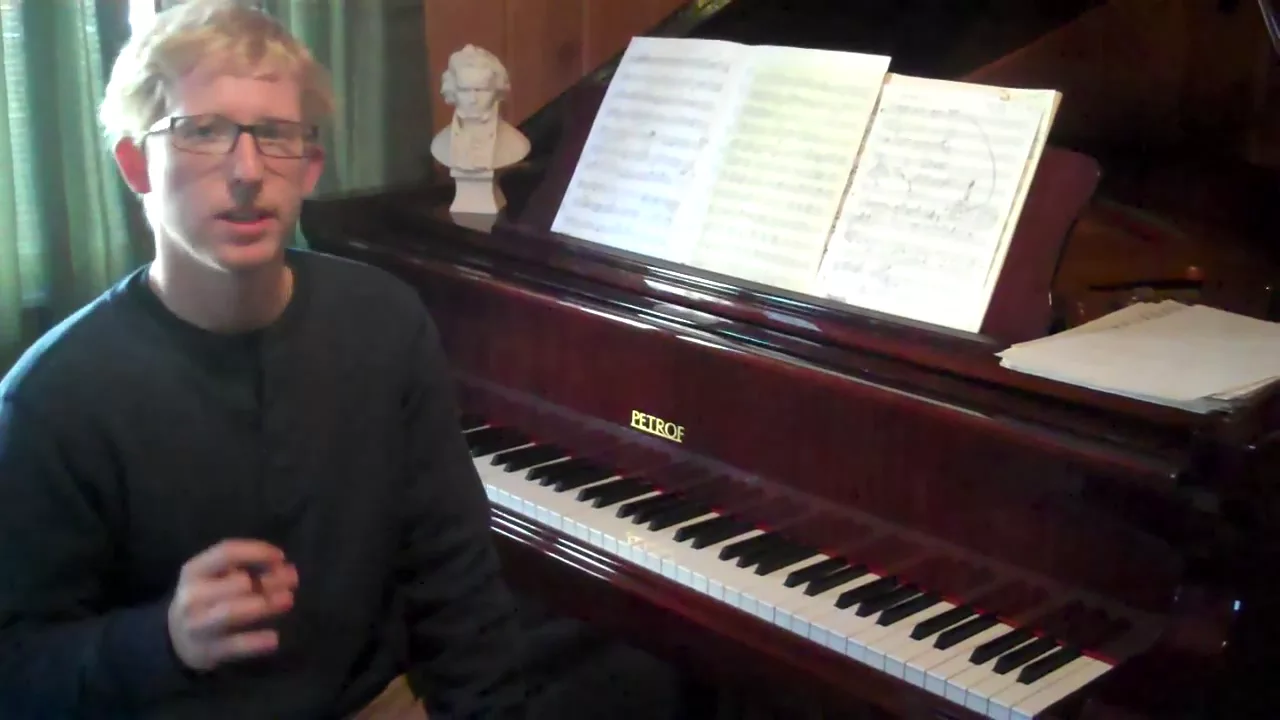
Mozart's distinctive musical style can be identified through several key characteristics: the frequent use of Alberti bass patterns (broken chord accompaniments), call-and-response phrasing that creates conversational dialogue, theatrical and bouncy energy in melodies, and adherence to classical forms such as sonata-allegro structure with clear primary and secondary themes. These elements work together to create the recognizable 'Mozart sound' that makes his music instantly identifiable.
How to Sound Like Mozart: Composition Techniques Explained
Added:Basic Music Theory & Harmony: Familiarity with diatonic scales, key signatures, and functional harmony (particularly tonic, subdominant, and dominant relationships).
Classical Texture & Accompaniment: Understanding of homophonic texture and common Classical keyboard accompaniment patterns, such as the Alberti bass.
Phrase Structure: Knowledge of standard musical phrasing, including antecedent and consequent phrases (period structure) typical of the Classical style.
Thematic Variation: A basic understanding of how a simple, familiar melody can be ornamented, rhythmically altered, or harmonically recontextualized.
Sonata-Allegro Form: Studying the larger architectural structures of the Classical era to scale up short-form variations into full-length movements.
Classical Orchestration: Learning how to arrange and distribute keyboard-based Mozartian textures across a string quartet or chamber orchestra.
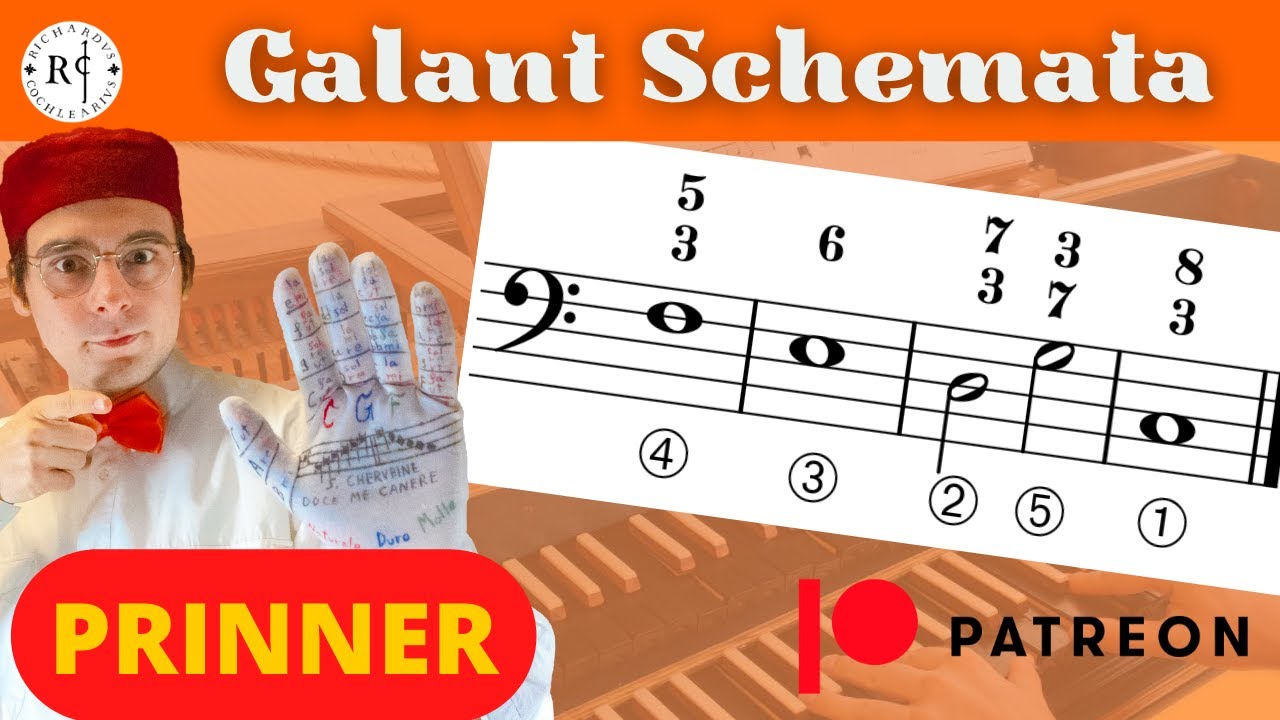
Galant Schemata & Partimento: Exploring the historical training methods and structural patterns (like the Prinner, Romanesca, or Fonte) that 18th-century composers used.
Comparative Pastiche Composition: Applying similar reverse-engineering techniques to adapt melodies into the styles of other iconic composers, such as J.S. Bach, Beethoven, or Chopin.
152.7K views8.3Klikes13:49Original Release: 2022-08-20
what makes mozart sound like mozart and when you do recognize his music what are you actually listening to in this video we're going to try to answer this very question by reverse engineering his music and applying his compositional techniques to the tune happy birthday to try to see if we can imitate mozart's style this is part of an ongoing series where i investigate the styles of famous classical composers so do subscribe and check out those other episodes if you're interested in this topic so wolfgang amadeus mozart or as he was formerly baptized johannes christos thomas wolfgangus theophilus mozart is indeed one of the most famous composers of all time he lived a brief but brilliant 35 years from 1756 to 1791 and in this time he created beloved works such as his requiem in d minor [Music] his c major piano sonata and his symphony in g minor many revere him others not so much i think mozart especially in his later years was not a very good composer too many of his works sound like interoffice memos his life and personality has been turned into one of the most entertaining biographies and his name has become synonymous with the words genius and child prodigy with all of this exposure i bet you think you can recognize his style right away i certainly did but now i have some second thoughts before we get started let's play a quick game i'm going to play three excerpts for you try to guess if each one was written by mozart or not [Music] so of those three there was only one written by mozart and that is the middle one the fugue the first one was actually written by a.i [Music] i think it sounds pretty legit at this point we composers should be a little afraid for jobs but there are some clues near the end that give it away for me it doesn't resolve here even though it can it doesn't really feel like a cadence but still ai is getting there so this view was indeed written by mozart it's k401 and this sounds a lot like baroque music with heavy influence from js bach and this last one here is something that i wrote using the star spangled banner theme [Music] using some of the concepts i'm about to cover in this video i'm drawing my notes from mozart's piano sonatas because he wrote so much music i have to narrow this down somehow while i do this i want to take a moment to thank henley verlag the sponsors of this video this is extremely exciting for me because i've used henley scores for as long as i can remember this represents only about a third of my collection and even in a world where we're using ipads all the time which by the way they have a beautiful digital collection there's so many good things that i could say about the format the feel the paper the quality is so high so much research goes into making these editions a reliable source for us to study the scores of these great composers and by the way something that i think is quite important is to not be afraid to get in there and break in your scores by making markings not being afraid to use ink and colored markers so i basically went through these sonatas and marked up a bunch of segments that i thought represented this typical mozart sound the best one thing you can't go wrong with when it comes to mozart's style is the alberti base it's basically a pattern that's applied to a cord or really any other variation of that i would bet that if i scroll through these pages randomly and stop at any two pages there is a two out of three chance that there will be some form of alberti base [Music] another one just for good measure i promise you that none of this was rigged so let's start off with that alberti base onto [Music] happy birthday this is an express road into the sound world of mozart but we're only 70 of the way there the remaining 30 percent is very difficult in my opinion so call and response is so important it's really speech-like and it's a part of dialogue a lot of his lines a lot of his melodies and a lot of his temperament can be related to opera [Music] so this is kind of a comic opera maybe but i want to make it a little sweeter [Music] for this to really turn into something that's call and response we need two parts [Music] maybe closer we need a scale pattern that is staggered somehow [Music] maybe so we want to repeat this twice because mozart has this formula that he uses all the time he presents an idea then he repeats it with or without variations [Music] ah not quite we're already starting from a point where the melody the theme sounds like it's already been decorated so let's pull back a little and then from there i think we have more room to add variations we can gather a lot of clues from his theme and variations we can see exactly how he decorates lines and chords [Music] not quite there yet but we're getting closer [Music] now a very important ingredient is the right temperament i find that a lot of his music carries this playful confidence to it i think it comes from this theatrical quality so let's add in some lines that have this sort of bouncy energy to them [Music] even when the music is more somber or fiery there's this mannerism that's attached to it that makes it almost feel like you're wearing a costume and you're on stage and you're acting out this part just so that our ears don't lose track of the theme let's take a fragment of it and use it to create this little interjection and mozart always switches gears it's a form of contrast and also different characters coming in and out [Music] so from here let's switch gears maybe another imitation thing here now a very important thing is to have form most of his piano sonatas follow either a sonata allegra form minuet in trio form rondo form demon variations and he doesn't veer away from this too much here's an example of one of mozart's primary themes and here is the secondary theme in the key of the dominant so in order to follow the sonata a labor form we need a second theme and i'm going to choose a minor for that and that comes from happy birthday not quite maybe that what i love about mozart's music is that once you're immersed in his sound world he makes it so that every musical event every chord change every new idea is quite dramatic when he presents something new there's weight to it and that's why a simple [Music] diminished chord resolving is so dramatic and i'm going to insert something like this let's add in a little turn here now comes the fun part the development where we can go to different key centers a lot of times there's this stormier quality here and there's a lot of tension a lot of conflict so here i think i'm using too many notes that is probably enough not quite i want to use this pattern because i think it is very dramatic you see it in a lot of passages it's really reminiscent of strings that's a bit straightforward we need suspensions this and then intervals that then resolve something like that and also i'm turning this into of course a sequence and this is an easy way to transport this material through different keys and from here my job is to wrap up the development section in a way that makes our ears anticipate the return of the two themes so basically have our ears ready primed to return back to where we started so with these things in mind i went ahead and finished the arrangement and now i'd like to finally present to you my arrangement of happy birthday in the style of mozart [Music] so [Music] so [Music] so now it's your turn let me know in the comments below how close you think i got to mozart's style and what you think was missing let me know let's educate each other so that i can take notes thank you so much again to henley for sponsoring this video thank you to my patrons on patreon and for you all for watching and subscribing make sure you check out these videos covering the styles of other famous classical composers and i'll see you in the next video
Up Next
11:10
Merging Corporate Cultures: Lessons from the Dell-EMC Acquisition
@themusecareers
480 views•2019-12-24

12:54
Triumph of Orthodoxy Icon: Byzantine Art & History Explained
@BenCallan
2.1K views•2024-08-06

9:49
FastAPI vs Flask vs Django: Choosing the Right Python Web Framework
@TechWithTim
302.5K views•2024-05-26

1:42
Game of Thrones Opening Credits: A Cinematic Analysis
@gameofthrones
46.3M views•2011-04-18
Related Study Plans & Knowledge Roadmaps
Structured learning paths in General & Interdisciplinary Studies
general-studies
Elevator Engineering: History, Physics & Cities
01From Hoists to Safety Brakes: The Dawn of Vertical Lift
02Hydraulic vs. Traction: The Engineering Physics of Elevators
03Modern Speed, Safety, and Algorithms
+ 2 more learning modules
12h5 modules
Explore Roadmap
general-studies
Rubber: Material Science, History & Geopolitics
01Origins of Natural Rubber & Mesoamerican History
02The Chemistry of Natural Rubber & Vulcanization
03The Geopolitics of the Rubber Boom & Colonization
+ 2 more learning modules
12h5 modules
Explore Roadmap
general-studies
Containerization: Evolution, Logistics & Trade
01Ancient Trade & Bulk Cargo: Amphorae to Barrels
02The Industrial Revolution & Cardboard Packaging
03The Containerization Revolution: Malcom McLean
+ 2 more learning modules
12h5 modules
Explore Roadmap
general-studies
Textile Tech: Evolution, Labor & Global Impact
01Pre-Industrial Textiles: Handloom & Cottage Industry
02Mechanization: The Spinning Jenny to the Power Loom
03The Factory System & Global Labor Transformation
+ 2 more learning modules
10h5 modules
Explore Roadmap