
















When merging two companies, successful cultural integration requires creating a 'third company' that combines the best elements of both organizations rather than imposing one culture over another; this involves surveying employees to identify shared values, empowering people to feel they've chosen to join rather than been forced into the new culture, and fostering adaptability and continuous learning among employees to help them thrive through the transition.
Merging Corporate Cultures: Lessons from the Dell-EMC Acquisition
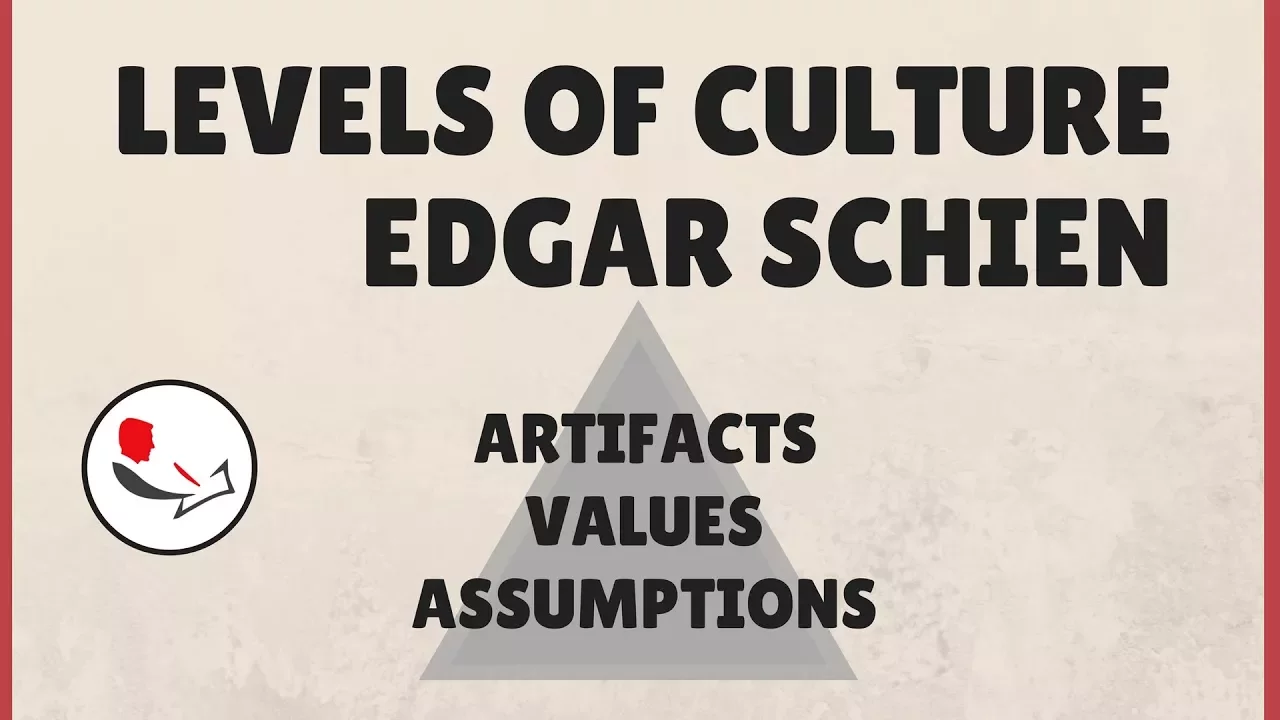
Added:Fundamentals of Organizational Culture: Understanding models of corporate culture (such as Schein's Three Levels of Culture) and how norms and values drive employee behavior.
M&A Basics & Strategic Drivers: Knowing the strategic motivations behind large-scale mergers and acquisitions, including market consolidation, technology acquisition, and synergy capture.
Change Management Theory: Familiarity with frameworks for organizational change, such as Kotter's 8-Step Change Model or the ADKAR framework, to understand how transitions are managed.
Corporate Backgrounds of Dell and EMC: A baseline understanding of Dell's direct-to-consumer/PC legacy versus EMC's enterprise storage and high-touch B2B business model.
Post-Merger Integration (PMI) Playbooks: Developing practical frameworks for executing structural, operational, and cultural alignment following a mega-merger.
Cultural Due Diligence: Learning how to assess cultural compatibility and identify potential friction points during the pre-deal due diligence phase of M&A.
M&A Talent Retention Strategies: Exploring specialized compensation, leadership alignment, and communication strategies designed to retain key talent during corporate upheaval.
Comparative Analysis of Failed Mergers: Studying high-profile M&A cultural failures (such as AOL-Time Warner or DaimlerChrysler) to contrast with the Dell-EMC success story.
480 views6likes11:10Original Release: 2019-12-24
Marie Moynihan: This isn't one person taking over the other.
This is something that we all want together.
People have jumped on the bus because they haven't felt pushed onto the bus.
Kathryn Minshew: Hello and welcome to The New Rules of Work.
A podcast from The Muse where we explore the changing landscape of work and the dynamic between employers and talent.
I'm Kathryn Minshew, CEO and cofounder of The Muse, and our episode today is a deep dive into a topic I think that many of you will have experience with at some point in your career, M&A, short for mergers and acquisitions.
Or what happens when a company changes ownership.
Mergers and acquisitions have been on the rise in the US since 1985 and in the most recent full year for which there's data, which is 2018, there were nearly 15,000 deals.
Now, every merger or acquisition is a little bit different, but one thing that they all have in common is they have a major impact on their employees.
Kathryn Minshew: Each deal raises questions like, will the offices be relocated?
Will teams be consolidated?
Will roles and responsibilities change?
And even after you answer all of the organizational instructional questions, the biggest ones left is how do you merge two cultures into one.
Kathryn Minshew: I'm really excited today to take you behind the scenes of one of the largest mergers and acquisitions in the history of the technology industry.
When Dell Technologies acquired data storage company EMC for $67 billion in 2016.
Many of our listeners probably think of Dell as a PC company, but they still created a new company focused on providing broad technology solutions for companies.
And also required combining two organizations with more than 150,000 employees.
It was a massive undertaking and I'm excited today to talk with two of the people who made it happen.
Marie Moynihan and Brent Amundson lead the talent acquisition team at Dell Technologies.
Marie, Brent, I'm so excited to have you both with us.
Kathryn Minshew: And Marie, I want to start with you.
You oversaw the merger of Dell and EMC as talent teams.
How did you approach merging the two cultures?
Marie Moynihan: Yeah, look, great question.
I mean it was a mammoth undertaking and it's impacted everyone, you know, from the top to the bottom of the organization.
I mean the good news I think was that there were some very kind of strong cultural attributes that were similar in both organization.
And that's certainly helped.
Things like very strong focus in both orgs, on customer, you know, putting high integrity, focused on people development, et cetera.
So those kind of common platforms where there, which would certainly help.
Marie Moynihan: But there were also differences.
You know, Dell kind of came from more of what I would call the efficiency tradition, you know, pretty flat or fast moving, very data-driven, an ability to kind of make decisions quickly, move on and iterate from there.
That was the kind of prevailing culture.
EMC on the other hand was more, I would say of an engineering tradition, focused on innovation, bringing sort of best in task premium technology.
And by its nature there was a kind of a slower pace of decision making, probably more hierarchical.
Marie Moynihan: So really what we were trying to do from age or point of view was trying to get, create a third company, you know, which was not one or the other, but really tried to take the best of both.
And we were fortunate in having Michael Dell being a founder led company kind of leading the charge on that and saying this is not about making EMC Dell or Dell EMC, this is about creating a new company, you know, a third culture if you like.
So we went out as HR organizations do and surveyed everybody and we got a huge response.
Marie Moynihan: We got like 75,000 team member responses to that survey and we asked them just one or two very simple questions.
You know, things like the main question being really to select your top five cultural statements that you thought would be most critical to delivering results for the future and winning, et cetera.
And what was fascinating is that when we got the results, but when we analyze them the same top five out of about 23 came back from the legacy Dell people as from the legacy EMC people.
So that was hugely helpful in creating what I call this third company culture because we were saying, look, everybody wants this.
This isn't one person taking over the other.
This is something that we all want together.
So that was really the basis of how we created our culture, our values.
Marie Moynihan: And you know, I think, people have sort of jumped on the bus because they haven't felt pushed onto the bus.
Kathryn Minshew: I love that you gave them a third path forward.
You know, so often when we hear about M&A, about mergers and acquisitions, it's framed in terms of survival.
And instead it sounds like you really focused on trying to make sure that your employees felt empowered.
And so Brent, along those lines, as you think about how you worked with Dell's current employees, prospective employees throughout the acquisition, can you offer some tips for anyone listening about how not just to survive a merger but actually thrive through one?
Brent Amundson: So I think it's a great question asking how to thrive through a merger.
I personally been through a number of mergers, acquisitions and divestitures and I would say that what makes people successful is the ability to be flexible on their personal style and approach on process and procedures and just in general on being open to new things.
The people who have not quote unquote survived over time are those who are really unable to adapt and really be flexible and understand that there are different ways of doing things and there are different cultures.
So people who can adapt themselves in their style and their approaches and being open to new things will probably be much more successful and thrive through an acquisition.
Brent Amundson: One of the best things we did when we did the Dell and EMC merger was we said we're creating a new company, this Dell Technologies concept.
So both sides, both legacy companies had a bunch of good things that they did that we brought into the new organization and said there's probably a third way to do it.
That's a blend of the two or the best practices of each one.
And so a lot of people were able to kind of latch onto that and go, it's not a them versus us type of situation.
This is where we are together.
This is us.
Kathryn Minshew: Well I only have one more question because I know we're getting tight on time and I wanted to just zoom out a little bit and go very broad here.
And both of you have such impressive careers and talent acquisition you have met, engaged with, hired so many people over the years.
I'd love for anyone listening to just close by asking you, when you think about the highest performing people that you've ever worked with, what sets them a part?
And what advice might you give to someone listening who aspires to be best in class at what they do?
Brent Amundson: So when I think about the people I've worked with who've been most successful and what sets them a part, I mentioned this earlier, but the ability to flex and adapt your style, your approach, the way you think about things throughout your career is really, really important.
Even if you stay at an organization a long time, that organization is not static.
It doesn't stay the same as it once was.
And so the people that I view as most successful are able to continually evolve themselves and grow their skills, their experience, and their ways of thinking to be most effective.
Brent Amundson: The second attribute that I would say is important is the ability to be transparent.
Transparent in how you do your work in sharing your successes and failures with others and in listening to others.
That's one thing we found within talent acquisition here at Dell Technologies is we try to build a spirit of transparency and collaboration among the whole team.
And I think it's been really effective and so the people who lean into that tend to do really well in my opinion.
Marie Moynihan: I think the other thing that I notice sets people a part is that kind of maniacal focus on adding value to customers.
And sort of focusing on the end result of what they're doing versus the activity.
A lot of people get caught up in activity, but really it's about the end value of what they're doing and the people I see that standout have that focus.
Marie Moynihan: I think the other thing is courage and that sort of willingness to call things as they are and then push through the obstacles.
Focus on solutions, push through obstacles.
And I'd say lastly that feeling that you haven't arrived, that you're always looking to be better.
Always looking for feedback to improve yourself and the things that you're doing.
You know, I honestly find that to be one of the differentiating factors of longterm high performance.
Kathryn Minshew: No, I love that.
And you haven't arrived and frankly for most of us there's always more to learn and always more to grow and that's such a powerful mindset to have regardless of how experienced you are.
Kathryn Minshew: We're out of time, but thank you both so much for joining.
Marie, Brent I really enjoyed the conversation.
I appreciate the time and honestly, it was fascinating to get a peak through your eyes inside such a large merger and particularly to hear some of the things that worked as you're helping everyone co-create the new culture together.
Kathryn Minshew: For anyone listening who's interested in learning more about what it's like to work at Dell, check out jobs.dell.com.
Marie and Brent are active on LinkedIn as well and you can find them there.
Check out the show notes for their names and thank you for listening to the New Rules of Work.
Kathryn Minshew: The Muse is the best place to research companies and careers more than 75 million people each year trust The Muse to help them win at work.
From finding a job, to building the skills to help them grow and advance.
Organizations use our platform to attract and hire talent by providing an authentic look at company culture, workplace, and values through the stories of their employees.
Speaker 4: You've been listening to the New Rules of Work.
To learn more about this episode and to research companies and jobs, visit TheMuse.com.
To ensure you never miss an episode, subscribe to the show in your favorite podcast player.
If you have any questions for the muse or for host, Kathryn Minshew, feel free to reach out to press at themuse.com.
Thank you for listening.
Until next time.
Up Next

34:20
Enterprise Architecture for Post-Merger Integration Success | Webinar
@SAPLeanIX
1.6K views•2021-03-29

12:54
Triumph of Orthodoxy Icon: Byzantine Art & History Explained
@BenCallan
2.1K views•2024-08-06

9:49
FastAPI vs Flask vs Django: Choosing the Right Python Web Framework
@TechWithTim
302.5K views•2024-05-26

1:42
Game of Thrones Opening Credits: A Cinematic Analysis
@gameofthrones
46.3M views•2011-04-18
Related Study Plans & Knowledge Roadmaps
Structured learning paths in General & Interdisciplinary Studies
general-studies
Elevator Engineering: History, Physics & Cities
01From Hoists to Safety Brakes: The Dawn of Vertical Lift
02Hydraulic vs. Traction: The Engineering Physics of Elevators
03Modern Speed, Safety, and Algorithms
+ 2 more learning modules
12h5 modules
Explore Roadmap
general-studies
Rubber: Material Science, History & Geopolitics
01Origins of Natural Rubber & Mesoamerican History
02The Chemistry of Natural Rubber & Vulcanization
03The Geopolitics of the Rubber Boom & Colonization
+ 2 more learning modules
12h5 modules
Explore Roadmap
general-studies
Containerization: Evolution, Logistics & Trade
01Ancient Trade & Bulk Cargo: Amphorae to Barrels
02The Industrial Revolution & Cardboard Packaging
03The Containerization Revolution: Malcom McLean
+ 2 more learning modules
12h5 modules
Explore Roadmap
general-studies
Textile Tech: Evolution, Labor & Global Impact
01Pre-Industrial Textiles: Handloom & Cottage Industry
02Mechanization: The Spinning Jenny to the Power Loom
03The Factory System & Global Labor Transformation
+ 2 more learning modules
10h5 modules
Explore Roadmap