![Zwarcie [RS Elektronika] #51](https://i.ytimg.com/vi_webp/K7FXOI_N7Rs/maxresdefault.webp)
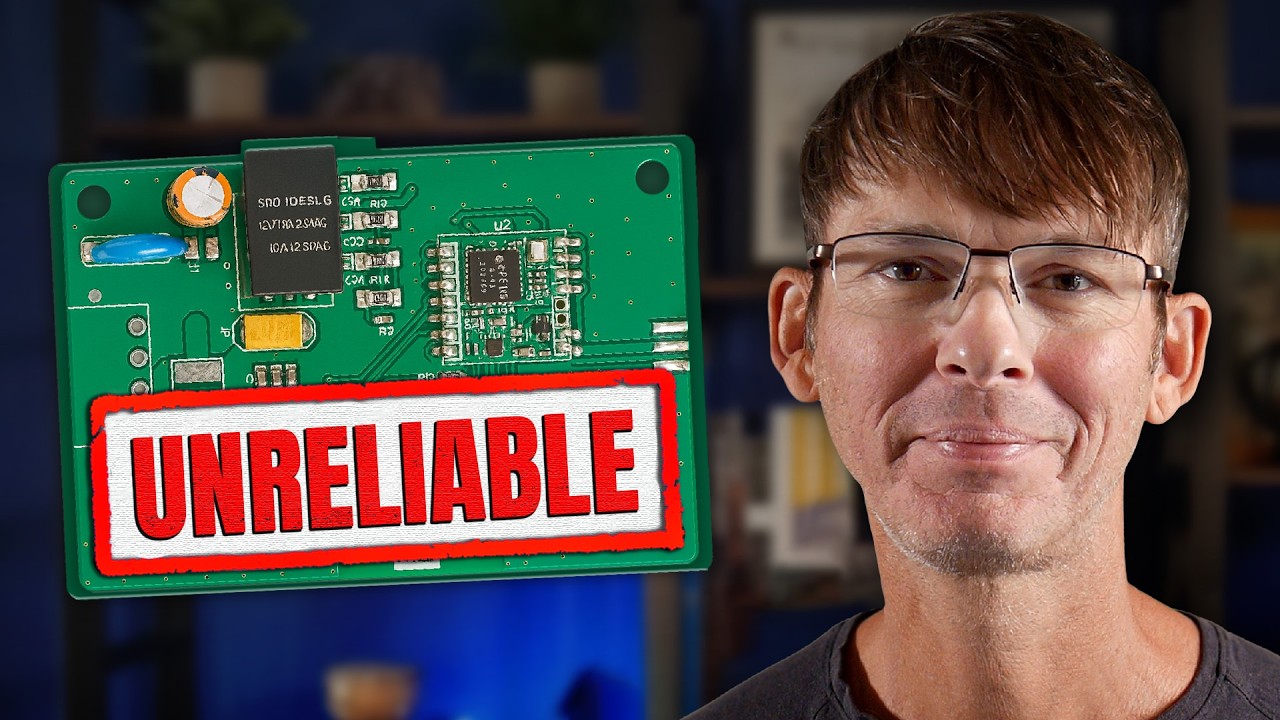
















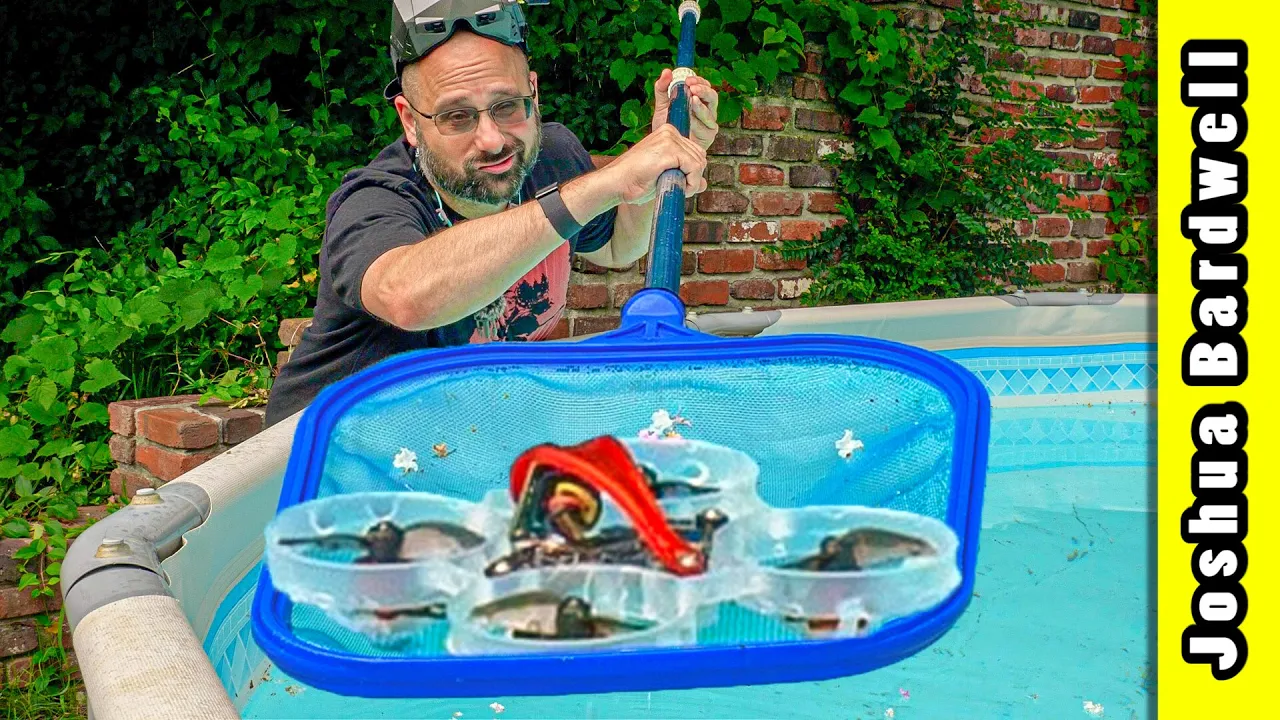








This video compares three waterproofing methods for electronics: nail polish (quick and easy for small projects), silicone sealant (effective but messy), and potting compound (professional-grade for complex projects). All three materials successfully waterproofed ESCs while maintaining adequate heat transfer, with nail polish best suited for simple, small circuits and potting compound recommended for mechanically stressed applications.
Electronics Waterproofing: Materials and Heat Transfer Analysis
Added:Basic understanding of printed circuit board (PCB) design and how environmental factors like moisture and dust cause electrical shorts and corrosion.
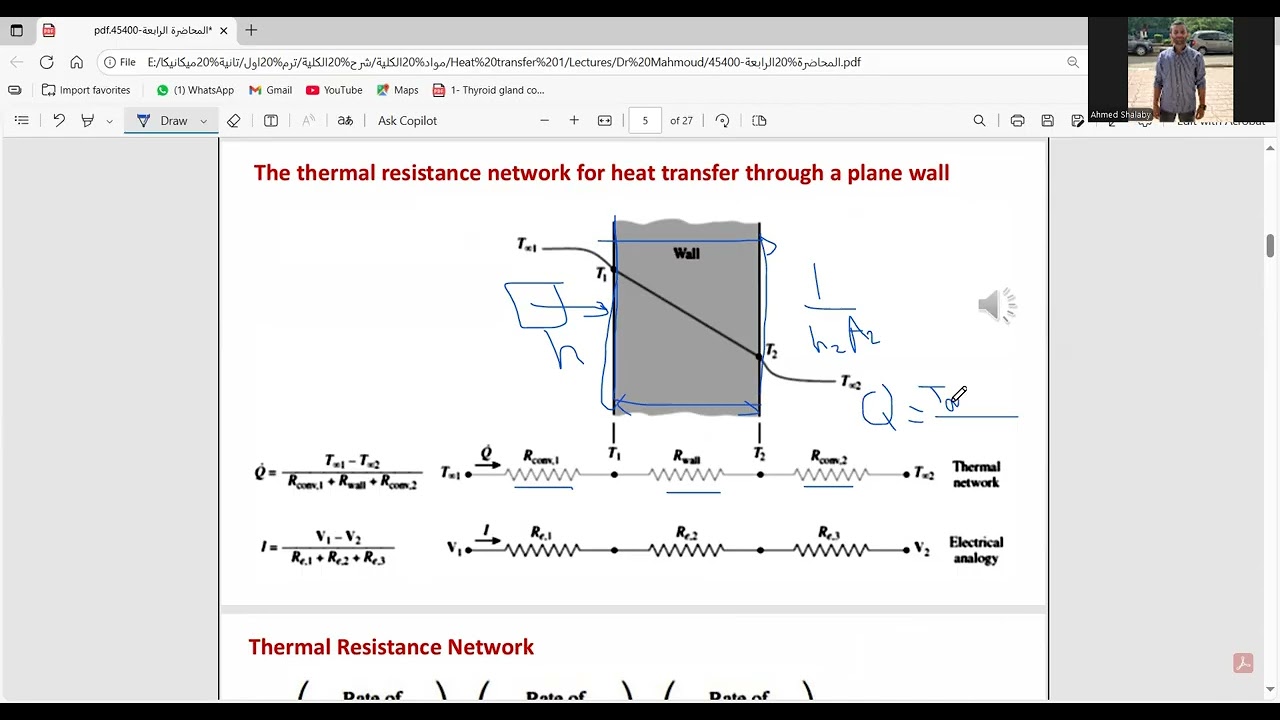
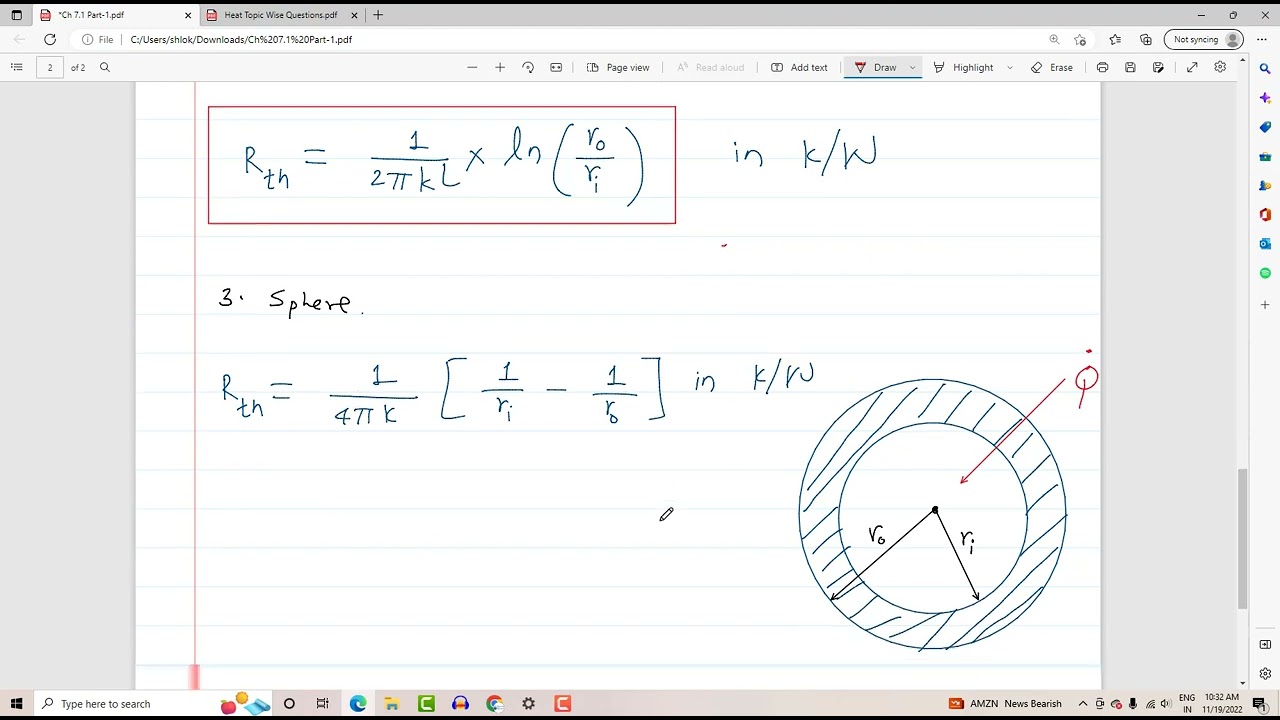
Fundamentals of heat transfer mechanisms, specifically thermal conduction, convection, and the concept of thermal resistance.
The principles of Joule heating, explaining why electronic components generate heat during operation and why dissipation is necessary.
Distinction between electrical insulation and thermal conductivity, including how materials can block electrical current while still allowing heat to pass.
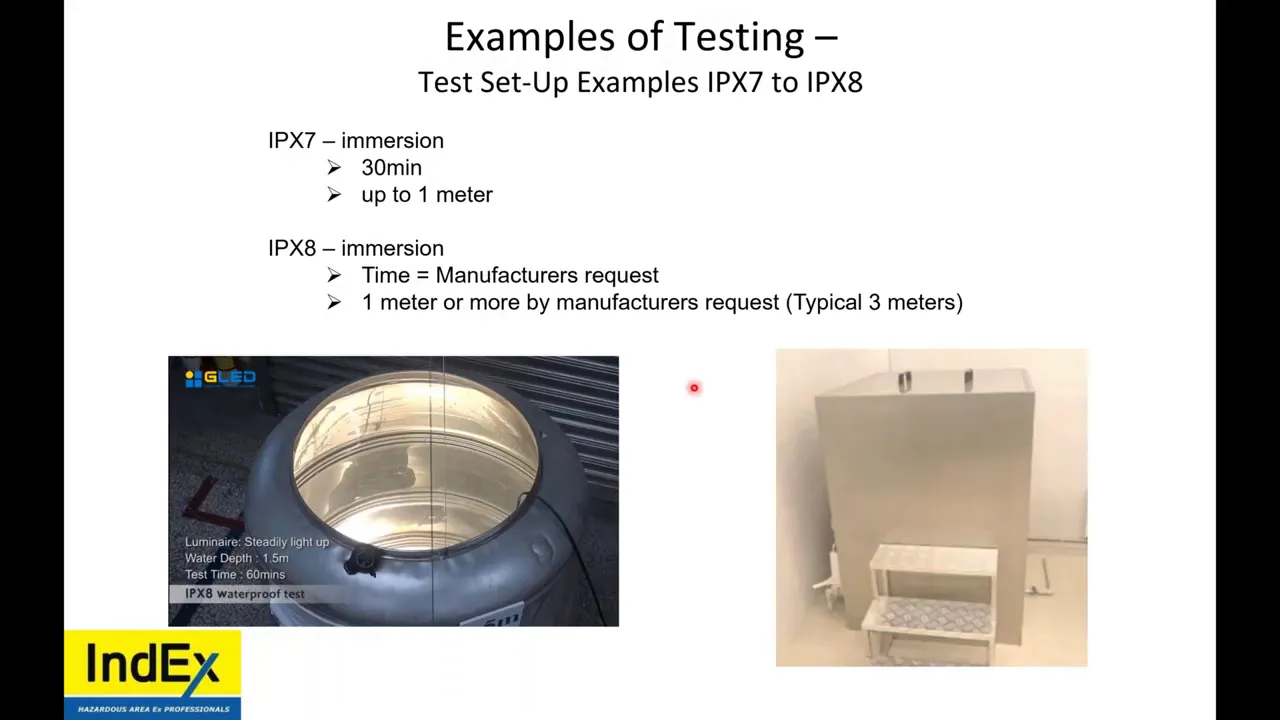
Study of industry-standard Ingress Protection (IP) ratings (such as IP67 and IP68) and the testing procedures used to certify electronic enclosures.
Advanced conformal coating techniques, including the application and properties of polyurethane, acrylic, and vapor-deposited Parylene.
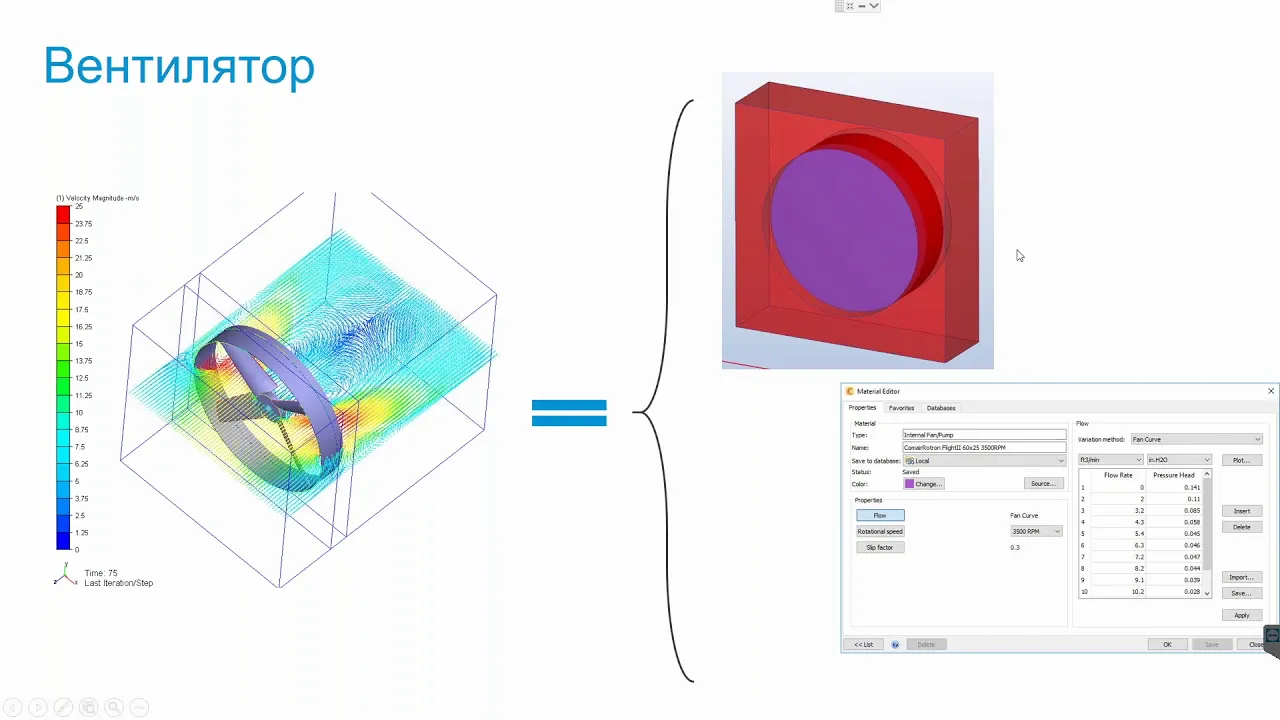
Application of Computational Fluid Dynamics (CFD) or Finite Element Analysis (FEA) software to simulate thermal profiles in encapsulated electronic assemblies.
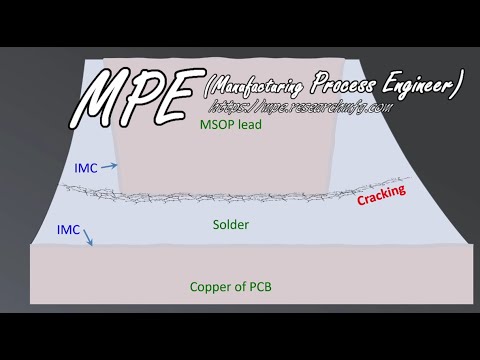
Exploration of reliability engineering concepts, such as thermal cycling, outgassing, and the mechanical stress caused by Coefficient of Thermal Expansion (CTE) mismatches in potted systems.
1.8M views29.9Klikes7:49Original Release: 2017-12-23
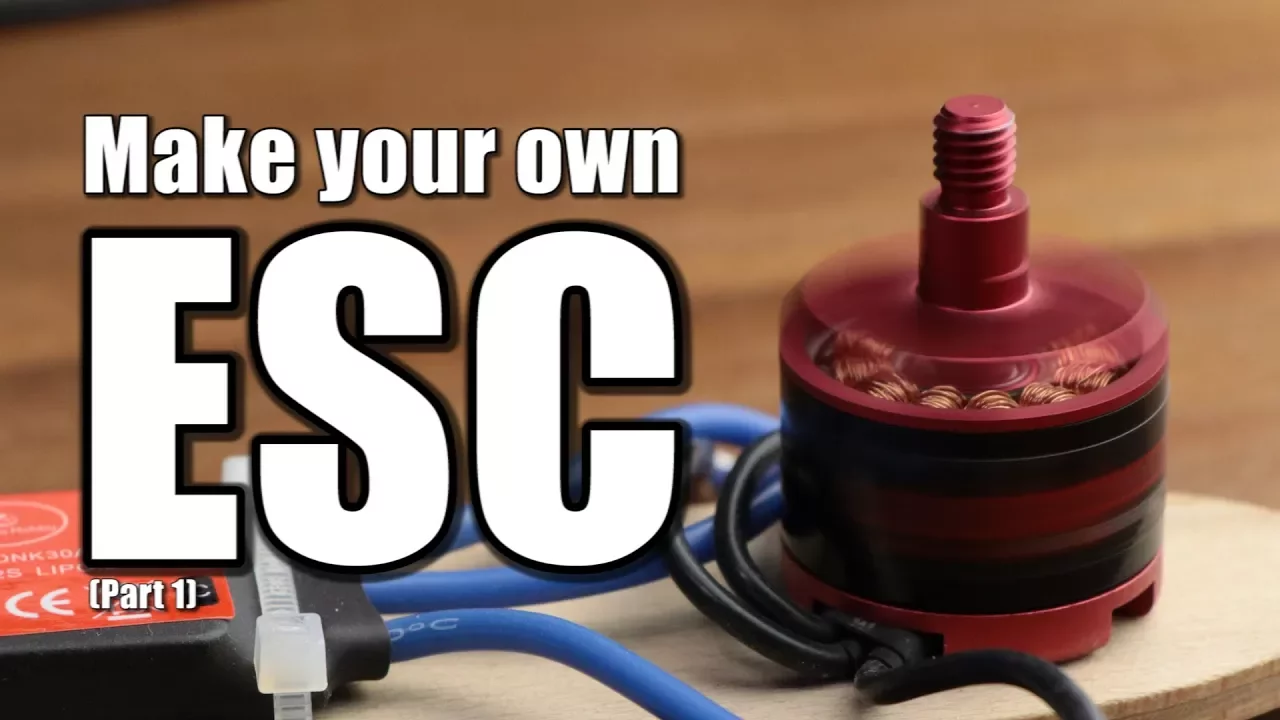
In a previous video I demonstrated how tap water reacts with electronic circuits Along the way We concluded that an Arduino Pro Mini board will not work reliably under water without the help of a protection against the water That is when I coated the Arduino in an unknown substance which was actually just plain old nail polish After letting a dry it protects the circuit from the water, and thus it functions without a problem For simple and small circuits. This method is suitable and seems to not influence the electrical connections negatively But let's say we have an ESC that we want to operate underwater now in case you don't know and ESC is an electrical circuit that connects in between a BLDC motor and a power source and controls the revolution speed of the motor according to an input signal Here it is not only important to protect the electrical connections from water, but also guarantee that the coating material Can handle the heat transfer from the heatsink.
So in this video we are going to test out nail polish Silicon and potting compounds to see which material is best suited for this job Let's get started This video is sponsored by JLCPCB a manufacturer of quick PCB prototypes for 10 years Upload your Gerber files to get high quality PCBs for ridiculously low prices and make your projects look more professional To start this experiment, I unpacked three identical ESC whose label and heat shrink tubing I removed afterwards To make sure they all work properly I connected each to motor and a power source and utilized my homemade ESC tester to see whether they would all work, which they did So I got myself a few type K thermocouples Which are basically just two metal wires connected together in one point in order to create a voltage difference proportional to the temperature And secure them to the heat sinks of the ESC's we've kept on tape by utilizing the compatible thermometer circuits we can easily measure the temperature of the heat sink Which went up to twenty seven point five degrees Celsius after letting the motor rotate for around ten minutes with an input signal of one point five milliseconds This will be our reference temperature for later For the first test I went with the nail polish, which does work on one side without a problem But it should be fairly obvious That this methods bring some problems when it comes to completely capsule aiding the ESC plus its heatsink But anyway after I then submerged the ESC and connected the input signal and power I noticed that the ESC still worked without a problem But while adding the motor rotate for ten minutes. I also noticed that it speeds was fluctuating and ubbles were produced by the ESC Those were all not positive signs but the motor still rotate is successfully for ten minutes while the ESC reach a temperature of twenty point six degrees Celsius and After repeating the test in air the ESC reached the temperature of twenty eight point two degrees Celsius not as low as without the coats, but that was to be expected The important question is how will the other two materials perform?
To find that out I use the sheet of rigid foam on which I mark the outlines for all the pieces of two cuboids in which the ESC's would fits then I cut out all the pieces with a box cutter and used hot glue to connect them to one another And I made sure to use plenty of hot glue in order to guarantee that the constructions were waterproof Once that was done. I prepared a tube of high-temperature silicon and covered the bottom of the first cuboid with it afterwards I press the ESC into it and then buried it underneath another layer of silicone And while that was drying I got myself the two components for the potting compound Which is the stuff that manufacturers usually utilize to waterproof electronics or hide their circuits from your sights I doubt that many peers can read the German warning text on the bottles so let me summarize it be super careful when dealing with the stuff and Protective gloves and glasses are mandatory For my mixture I utilized shot glasses to measure four centiliters of component B And eight centiliters of component A which I then poured into a small silicon bucket after mixing the two components together for three minutes with a plastic steerer at the speed of 450 rpm I let it sit for around 2 minutes And then poured it into the second cuboid in which I positioned the ESC beforehand Now after one day of waiting the silicone and the potting compound were hardened But it was quite obvious that there was something wrong with the silicone So I tried to free the rigid foam pieces from the silicone which revealed that the inside was still liquids Which forced me to add a bit more silicone and wait for another day after repeating this process a second time the silicone coats was finally complete and after reattaching the motor Submerging the silicone covered ESC and powering it all it looked like everything still worked flawlessly So I repeated the same temperature measurement under water and in air Which ultimately delivered values which were pretty close to the previous ones Not bad To finish this experiments I freed the putting compound from the cuboid walls which was this time a lot easier to accomplish The result of the potting compounds were certainly not perfect but nevertheless it looked quite fascinating and After once again reattaching the motor and power and submerging the ESC it turned out to work just fine as well The last thing to do was to repeat the by now well-known temperature measurement Which also delivered values pretty similar to the previous ones?
So all in all the three methods are capable of waterproofing electronics while simultaneously featuring sufficient heat transfer capabilities Personally though I would recommend nail polish for small and mechanical unstressed projects since it is so quick and easy to use and putting compounds for more complex projects since it is truly the professional way of waterproofing electronics and can also withstand a lot of mechanical stress silicon though was a bit too messy for my taste and its due to its viscosity here rather difficult to apply evenly and with that being said you should now have a good idea of how to waterproof electronics effectively If you liked this video don't forget to like, share and subscribe Stay creative and I'll see you next time
Up Next
5:34
Max485 RS-485 Module Tutorial: Arduino Differential Serial Communication
@ke6chris
16.3K views•2020-01-24

12:54
Triumph of Orthodoxy Icon: Byzantine Art & History Explained
@BenCallan
2.1K views•2024-08-06
9:52
DIY BLDC Motor Driver ESC Design with Arduino and L6234
@greatscottlab
1.8M views•2017-08-06

1:42
Game of Thrones Opening Credits: A Cinematic Analysis
@gameofthrones
46.3M views•2011-04-18
Related Study Plans & Knowledge Roadmaps
Structured learning paths in General & Interdisciplinary Studies
general-studies
Elevator Engineering: History, Physics & Cities
01From Hoists to Safety Brakes: The Dawn of Vertical Lift
02Hydraulic vs. Traction: The Engineering Physics of Elevators
03Modern Speed, Safety, and Algorithms
+ 2 more learning modules
12h5 modules
Explore Roadmap
general-studies
Rubber: Material Science, History & Geopolitics
01Origins of Natural Rubber & Mesoamerican History
02The Chemistry of Natural Rubber & Vulcanization
03The Geopolitics of the Rubber Boom & Colonization
+ 2 more learning modules
12h5 modules
Explore Roadmap
general-studies
Containerization: Evolution, Logistics & Trade
01Ancient Trade & Bulk Cargo: Amphorae to Barrels
02The Industrial Revolution & Cardboard Packaging
03The Containerization Revolution: Malcom McLean
+ 2 more learning modules
12h5 modules
Explore Roadmap
general-studies
Textile Tech: Evolution, Labor & Global Impact
01Pre-Industrial Textiles: Handloom & Cottage Industry
02Mechanization: The Spinning Jenny to the Power Loom
03The Factory System & Global Labor Transformation
+ 2 more learning modules
10h5 modules
Explore Roadmap