
![THIS IS GETTING WEIRD | Danganronpa 2: Goodbye Despair [P28]](https://i.ytimg.com/vi/1jnOWmfh7xw/hqdefault.jpg)








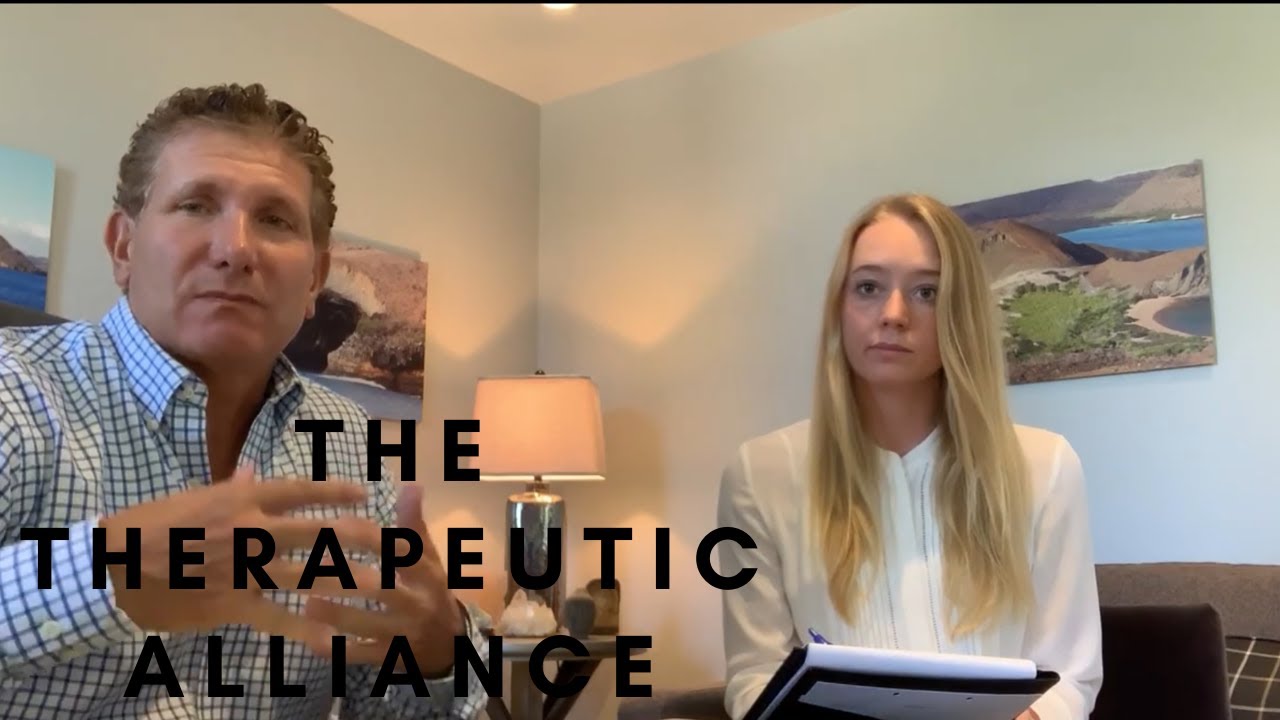
















Clinical communication can inadvertently trigger negative patient outcomes through 'language traps' such as using minimizing words like 'just' (e.g., 'just breathe normally'), 'normally' (e.g., 'normally I would expect...'), and 'try to' (e.g., 'try to relax'), which create implicit judgments and anxiety; therapists should use positive assertions, acknowledge patient experience, and frame information in hopeful terms to avoid nocebo effects while still providing accurate information.
Nocebo Effects & Clinical Communication in Massage Therapy
Added:Understanding the basic distinction between placebo (positive expectations yielding positive outcomes) and nocebo (negative expectations yielding negative outcomes) effects.
Familiarity with the biopsychosocial model of health, which explains how psychological and social factors influence physical pain and healing.
Basic concepts of pain neuroscience, specifically the difference between nociception (sensory detection of harmful stimuli) and the subjective perception of pain.
Foundational principles of therapeutic communication and the role of the therapeutic alliance in manual therapies.
Practical application of positive framing and cognitive reframing techniques to describe physical findings without inducing patient fear or anxiety.
Advanced study of Pain Neuroscience Education (PNE) to effectively explain complex pain mechanisms to clients using empowering language.
Integrating trauma-informed communication practices and active listening into clinical intake and assessment protocols.
Evaluating the ethical implications of informed consent, clinical suggestion, and managing expectation-induced side effects in physical medicine.
2.1K views16likes1:13:36Original Release: 2018-01-29
greetings this is Chris Moyer and I'm coming to you from Denver Colorado this is the massage therapy journal Club and I'm joined by Terry Rowan coming to us from Guelph Ontario how are you doing Terry I'm doing okay thanks for joining us let me tell you a little bit about Terry she's a registered massage therapist working in Ontario it's an interest in helping people understand the how and why of manual therapy she's a recreational runner with academic interests in training and recovery and then also in helping patients maximize training resiliency in addition to that she teaches infant and baby massage to help caregivers bond with children through touch she's a graduate of ICT cacao College in Toronto holds a general certificate with the College of massage therapists of Ontario and is a member of the registered massage therapists of Ontario she also has bachelor's degrees from Trent University and from Queen's University that's quite a background cherry a lot of training a lot of varied interests there so you've got the athletic part you've got the infant massage you've got the background in education I just learned talking with Terry before we went live that she has some experience teaching Latin in high school and you know that's actually relevant to what we're going to talk about today since we're gonna be talking a little bit about the nocebo effect so that's Latin only yeah so what is it okay so let's start there what exactly does that mean in Latin oh why it's in the article and now you're testing me my instructor with my Latin teacher would be horrified if she knew that I didn't know that right off the top of my head it means to harm yeah you're being too modest you know so we are looking at this article today entitled just breathe normally and it is by a psychologist named Paul Schenk and it appeared in the American Journal of Nursing in 2008 and Terry helped us select this article because of an interest in communication particularly in clinical communication and this article outlines some of the ways in which clinical communication might go wrong and how to avoid having that happen this is a little bit different from our other episodes or other episodes up till now have focused on research articles and here we're focusing on a professional practice article which i think is a good extension for this feature how should we start discussing this Terry what would you like me to say just know we can jump in wherever we want I mean a little outline of the article I mean he introduces this concept of language traps is what he's calling them he says the he's identified six different ways that he thinks clinical dialogue can go wrong specifically ways in which the treatment provider might unknowingly we cause negative outcomes in a patient and he attaches this to the nocebo effect which would be the other side of the coin of the placebo effect so we're all aware of the possibility that elements of treatment that are not necessarily the active ingredient can still influence a patient or recipient when that happens in a good way or a favorable way we tend to think of that as the placebo effect I got it I have to do it because you told me our Latin teacher what does placebo mean in Latin oh that it's from the word to please yeah yeah I shall please something like that so treatment pardon Blackey oh I think would be the verb I please yeah so when the when the inadvertent effects are when the contextual effects and you and I might you know we can go on a tangent if we want to talk about you know how how placebo and nocebo effect should even be defined because I I have some opinions on that I'm sure you do too was one of the things I actually really liked about this article was to be honest I didn't know a lot about the history of nocebo like what it actually really did what its true definition was or where it had come from or even the you know he article did a good job of laying out here are sort of three different ways that this this could be a contributing factor which was not detail that I think I fully and completely understood at the time so that was an interesting good good yeah let's say what those three ways are he says you know he introduces the concept of the nocebo effect and I'm actually gonna I'm actually gonna add a piece of information here I'm terrible at self-promotion I should mention the article we're discussing you can access it through my patreon account there's a link to my patreon account in the description below the video on youtube so you can go there and you can read this article it's very short and easy to read while you're at the patreon site if you're feeling it you can become a patron of this feature so there is the self-promotion and in this article he says that there's three ways that a nocebo effect can happen I says it can happen by a provider sending a negative message to the patient or recipient by a patient in their social milieu receiving a negative message from another patient or by a patient receiving a secondary game secondary gain is that something you're familiar with this concept of secondary game yeah and that was the one that I didn't had never really factored in to you as a nocebo I think I just thought of it as something separate and distinct from from that yeah I'm with you it's not the first thing I think of when I think of most evil effects but then when he mentions it that way it's kind of like oh I can see that fit and for viewers who are maybe not familiar with the concept of secondary this is the possibility that when someone is sick or injured obviously you don't want to be sick or injured however in some cases you benefit in certain ways by being sicker so for example if you need treatment you then receive attention from people people may need to do things for you because you're currently unable to do them for yourselves for yourself and these serve as rewards and in some cases it's possible that these secondary gains can cause the person's illness or injury to be extended or at least their behavior of the behaviors that go along with being sick or injured might be extended that can be a little bit of a controversial topic but that's the that's the possibility so it's interesting that that might induce nocebo effects or that that yeah might reinforce a nocebo pattern but in the current article he's focusing on the first of these that a treatment provider in communicating with a patient or recipient might say things including inadvertently unwittingly that impact the patient's in a negative way you agree with that that's what he's focusing on yes yeah right okay so you know what else was interesting is he mentions you know he does clinical hypnosis and he draws from his experience on hypnosis a couple times in the article did you find how did that strike you that possibility that there's insight to be gained from that for me it was a little bit I don't know if off-putting is the right word but it was part of probably the one part of the article that I was like I don't really quite I don't know enough about clinical hypnosis I guess to feel like it was a positive contribution to the article for me I don't know enough about the evidence of behind clinical hypnosis I don't and I had a hard time I maybe because of that not having that background knowledge I had a hard time making the connection between some of the stories that were or you know the tidbits that were being shared from hypnosis based sessions the the link to the rest of the narrative was kind of tenuous for me I guess I can see how that would be possible that you would that it would strike you that way I'm you know I'm and I'm a psychologist and I'm not trained in clinical hypnosis but I've worked alongside people who are proponents of it and who do it my way of thinking about clinical hypnosis is that it is just a particular technique for persuasion that maybe works well with some people I think there might be some interesting links actually between massage therapy and hypnosis in that both are techniques that are well I'm going to over generalize now with massage massage can be done for many reasons and in many ways so I'm gonna I'm gonna generalize here I mean both are techniques where relaxation might be emphasized and an internal focus might be promoted and a kind of persuasion is taking place where the person receiving treatment is being encouraged and persuaded often in a gentle way to experience what's going on and to kind of go with the flow in the present moment and in these ways I think there might be some interesting parallels between hypnosis and massage does that line up with the way you think about massage or sure I would say it's probably not the first time that I've had a personal private thought about whether or not it might be interesting for instance to play hypnosis tapes and live sessions like what would the effect of that might be it's it's certainly crossed my mind on more than one occasion as to what that what's that result might be obviously not something I'm about to make my patients guinea pigs but um but I have certainly had that thought there's a really interesting thing yeah that's really interesting I've never thought about that possibility that you know how I mean take it even further I'm now imagining like a laboratory study in which massage recipients are under hypnotic suggestion I wonder wonder how that would differ from other massage I wonder if it would enable people to be even better recipients of massage or whether it might interfere that's that's really interesting to think about because I think that I think the ability of massage to induce meditative or even trance-like states is a really interesting topic I don't think wonder if the flipside would be interesting as to whether or not people would be better recipients excuse me better recipients of hypnosis while receiving this emotion yeah yeah or right after yeah yeah maybe sort of induces a bit of suggestibility or the potential for suggestive but yeah I think that's really interesting all right let's get on that yeah well I was just gonna get the money and we'll do this study it sounds really it's always get the money that's always the problem we got money here in Ontario it's small but we got it there's a there's a fund of some sort yeah sounds good so so in terms of verbal communication which is the emphasis of this article what what what made a particular impression on you like what about that part of the article was notable or interesting to you why don't we go that way I sorry what do you mean like what a particular sorry I just wasn't sure what you were asking was there an anecdote or where there one of the you know he identified sort of the six different language traps were there any of those that were particularly interesting that you've seen in practice or among colleagues I sort of went through them made a little bit of a few notes about each one of them and a little bit about their applicability to me or to my my practice or even massage as a whole I felt like there was a few that were useful and a few maybe that weren't so useful I think that when we're talking about we're talking about language I feel like it doesn't pertain quite so strictly at least in my practice to the act of massage I don't there are a few there are a few moments during which I might vocalize to someone during the act of massage that might contain some of these traps but it's usually more in the pre you know in an intake interview or in a post treatment interview where these might become more of an issue and I think that was one of the things that I started to think about a bit more strongly was especially around this idea of creating the anticipation or the anxiety when you say things to patients around you know that this might be uncomfortable or this might right that was the thrust of of one of those traps was setting people up to feel anxious about an intervention and I was interested in that more from the perspective of how that applies when you're trying to give informed consent to a patient about an intervention that you're about to undertake because part of our informed consent process involves making sure that patients understand a risk or side-effect of receiving a particular intervention and so how is there a way to go about allowing that patient to understand the risk or a side-effect without inducing this potential anxiety around this intervention so I agree everything you're saying kind of lines up with the way I was thinking about this too in fact I was in without even sort of examining it I was thinking a lot of this would apply to me what happens before massage and what happens after massage during the massage that this stuff is probably not as relevant because you're not going to frequently be talking although there might be specific exceptions that all make sense so you know thinking about an intake interview or thinking about the instructions or just banter that you have with someone before the massage starts you know there's all kinds of opportunities there to you know make mistakes in terms of language and now the part you mentioned I wonder if you can give a specific example of that you're mentioning that you know there's an emphasis in Ontario on informed consent and that the way that you approach that you know there's the potential for inducing those SIBO effects if one's wording or delivery isn't good could you maybe give us an example of how this might come up sure like we we have a template here for informed consent that we're taught as students which some of us later on in our practices perhaps become either a more sloppy about it or be if we don't become sloppy that it might become a bit more compact about it in terms of how we deliver that to a patient but like I said a portion of that is that we are expected to convey convey a side effect and a risk or about could you give a specific example of a side effect or a risk that a recipient would need to be informed about sure so if you were going to it would depend on the technique that you were going to perform because prior to that conversation you're obviously explaining to the patient this is the area that we're going to treat these are the techniques that I'm going to use to perform that treatment and these techniques carry these risk and side effects so it's kind of technique dependent but this isn't one that I use personally in my practice but if you're going to use let's say a friction massage technique which is quite I think quite invasive you might need to let them know that there might be just comfort associated with that treatment there might be bruising associated with that treatment there might be you could damage other tissue as a result of that it more invasive technique and so there's an expectation that you will tell the patient that okay so if Asajj therapist is about to use a technique that has some risk of causing some discomfort okay so it might be you know you described a friction technique and we can't even imagine other things where for for clinical reasons it's determined that you know working this area a little harder or in a way that it's going to induce some discomfort is worth doing clinically I'm with am I correct so far yes okay so then the the issue in relation is paper becomes how to communicate that to the person like what wording should one use what are your thoughts on that right personally I I thought about this in terms of the informed consent and I did not find a way out of this dilemma necessarily I the way that I kind of I don't know that I can specifically say related to that piece of informed consent that I can find my way out of it for me personally in my conversations with patients what I tend to say to them is and I say this to everyone that I treat I do not believe that Messala should be a painful experience I say that to pretty much everyone that I treat that's kind of my flip side of it as a way of saying you know I even if I'm going to do techniques that might be more invasive I still don't think there should be pain associated with that so I sort of maybe back my way out of it I don't know but I also just don't tend to use those techniques which makes it a complicated conversation for me right it's it's not I don't see the value and some of those more invasive approaches so it's not something I've even had to really think too long and hard about okay well in that case we can think of a different example because it might be nice to put some of these in the practice or to think about how one yeah wording you know are there other things that you know maybe maybe someone's getting a massage for the first time and you've got to give them some instruction in how far to disrobe or what they can expect in terms of being dressed and draped and all those sort of things we can imagine different ways that a therapist would communicate with the person you know so let's let's concretize this you know we've got therapists a who is like there's nothing to worry about you know I've done this lots of times just Maroun disrobe and get under the sheets and when you're ready you know let me know and I'll come in so we can imagine that person and then we can imagine therapists be who says and I'm doing this off-the-cuff you know disrobe to your level of comfort you can leave as many of your clothes on as you like and see I don't do this on you know I mean I'd say that you know you're hitting on pretty much what I would say to someone which is I would like you to undress to whatever is comfortable for you I will sometimes give a bit more of a directive response or sorry a bit more of a precise direction if I feel that they need it I sometimes will say if you are comfortable um you know you remove to remove your shirt and bra or you know but I'm not prescriptive about that yeah it I think that anytime you can give somebody an instruction that you is always a positive assertion rather than a negative I think puts people in a frame of mind that I mean that would seem better generally I mean I'd agree with that I mean the in terms of his traps and maybe we should talk about those specifically you know it I'm trying to think if there ain't cases in which a positive assertion could be one of these traps right well let's say he identified six traps he says one is using the word just you know so from the title of the article he talks about getting one's blood pressure checked and the nurse says you know just breathe normally and he points out that this is a problem by saying just you kind of minimize the importance of anything else and it makes it sound as if the thing you're asking the person to do is is trivially easy when maybe you're asking them to do something they've never done before so you know I can imagine massage therapists saying you know go ahead disrobe and just get on the table and you know I'll be in the inclusion of just that just that word seems potentially negative I mean none of these things are obviously negative and that's why they're traps there are things that we might just say reflexively that serve to make the conversation more limited and more negative yeah I think the with the word just I would say massage therapists probably their most guilty and I'm guilty of this the most guilty way that they use this phrase is if they say to sit let's say to someone just relax just truly say that to patients all the time right you're you're holding someone's head in your hands and you feel that that person cannot give you the weight of their head and you say just relax and it's the it to me is I don't do it anymore because I you know one of the reasons why I was kind of also interested in this article was because I did go through a a decent extensive period of time where I did an inventory of my language that I said to patients and was very careful about listening to myself to hear what I was saying and then systematically trying to eliminate a lot of things out of what I was saying to patients and I don't do it anymore because of that so I think it's a really condescending thing to say to someone I'm glad you gave that example because now I feel like you know we were we were working to come up with an example and now I think we've got a really good one so you're you've got someone's head in your hands and and you what you would like them to do is to let go of all their muscular tension and let you hold that but you can sense they're not doing that am i clear on that so far yes exactly okay and by saying just relax it implicitly tells them you're not relaxed right yes if you say just what you're judging them yeah what you're really saying is is you're not relaxed now you're doing this wrong yes please do what I'm telling you whole bunch of implicit demands and and a bit of negativity there what would be a better choice of words to communicate what you intend to communicate and I think just quickly I think this discussion links number 1 and number 3 together so number 3 was try right this idea of trying so somebody might say just relax but somebody else might say try to relax right and I think that those two things very similar sometimes they can be very similar right so trying to think about what I do say I probably use some of the suggestions from try which is probably why I'm linking them is I might say please give me the weight of your head but sometimes that's what I say you know that's the only other version of that I can think of yeah that's better probably my way out of it sorry yeah I mean I'm trying to imagine my own language in that situation I'm trying to imagine how I could say it as effectively as possible or can you like to phrase it as a question can you give me the weight of your head as a way of maybe asking them to experiment with the way in which that they might make that happen I'm wondering I'm wondering if it would be good to give the person from like you know they're not just say like to say just relax or to say try to relax you know all we've identified a bunch of problems with that but another problem with that is that it's binary the person is either relaxed or they are it's implicit and so you might invite the person you know relax your head into my hands as much as you're able or as much as you like and that opens the door for them to do that and also it takes away sort of being judged as to whether they're not doing it enough you're letting that yeah you're telling them to whatever degree they're able to do it is collect and I think that that was part of its not no it wasn't part of the just yeah it was part of number three of tribe was also this idea that when you say to someone try to do this that what the person might hear probably in some subconscious way is that you think they're gonna fail at it possibilities that they're not gonna be able to do it at first you're asking you to do this but really you think there's no way I'm gonna do this I don't know if you'll be able to do it but yeah so when you say to someone try to relax I wonder some if that might be also what people hear is there's a judgment thereof like you don't think I'm really gonna be able to do this yeah which then has the paradoxical effect of interfering with relaxation you can actually get them going in the wrong direction because now the people am i not relaxing correctly I thought I was relaxed does this person think I'm doing this wrong so yes why should judging me get me out of here hurt this is all that stuff so good good we're right on it yeah that's so interesting I'm wondering also in this example we're thinking of and you know I think I know the answer to this before I say it but do you ever find yourself then encouraging and rewarding the person so you know relax your head into my hands as much as you're able and then you know after that good good good job you know does that then further of your their ability to do that I find the conversation for me normally goes something like I will encourage them to give me the weight of their head the patient will often respond saying I thought that I was they will so they will say something that leads me to think that either they're not aware of what's going on in their body and so I'm asking them to draw some awareness to that and then usually then that will change so when they draw awareness to it I will be able to feel sense the change so the weight if we're talking about someone's head in my hands as example I will feel that weight change what I will usually say is something like I don't know like probably oh okay there it is like letting them know that I've sensed the change if that makes sense Oh acknowledged that's exactly the kind of thing I had in mind I just didn't phrase it as well as you just did yeah like I don't normally it's not normally like a pat on the head kind of being like good for you but it's more of just an acknowledgment that a change has happened I can feel that the change has happened you've accomplished whatever it was that we were trying to accomplish right your example is way better than than what I attempted to do and it illustrates the the idea I had in mind that just with a word you can be encouraging and also rewarding the person and it wouldn't surprise me if when you do that if you feel even more movement in that direction because now I mean that's how that's how reinforcement of behavior works the person gets something positive and they tend to go more in that direction right excellent that's cool what so we've kind of covered just and try here a bit some of the others emotions are the word normally does that one come up in massage therapy practice normally um sometimes actually now that I think about it it just occurred to me now I was looking at my notes and I didn't really have much here but just occurred to me I actually do use this word a bit and I don't know if I use it in an docetic way or not I get asked a lot as do most massage therapist I'm sure about when someone is actually on the table and and you're working someone will usually want to know what it is that you are feeling right they want to know sometimes it's in a way that is trying to solicit I don't know the people want to know like just so does it feel really bad like these are those people it's a very negative kind of thing that they're trying to elicit from you sometimes it's just like what does that feel like can you feel anything that kind of thing and I often have conversations with patients about what it is I'm looking for when I work because I'm not I'm I know enough about the limits of my palpation skills or the limits of anyone's palpation skills to know that it's not necessarily a always a good reliable source of information so I'm always quite careful about what I say to people about that but I do will usually say to them that I'm texture driven so I'm usually just looking for a certain texture I will use the phrase normally at that point normally I expect to feel nor don't laugh at this but I often ask the patient first if they're a vegetarian because the metaphor I often use is about meat right that when you touch raw meat it feels a very particular way and when you touch cooked meat it feels a very particular way right and I usually look for that sink sensation you get when you touch while you eat right your fingers kind of sink into it and so that's what I will normally say normally it feels like raw meat right so I do use that phrase occasionally when I'm not necessarily speaking about them specifically but I'm speaking about a concept that I'm comparing to or yeah I can that's the only sometimes if I'm doing an assessment to I might say normally I would expect to see this amount of range of motion and someone's neck or normally I would expect to see someone to be able to do X functional exercise or something right like so now this is interesting this is interesting for a couple reasons I'm sorry I think I interrupted you you were a little more it's okay okay it's interesting for a couple reasons I mean going to the beginning of that you say that recipients sometimes or maybe even often want to check in with you about sort of the quality of their tissues they want to know if you're finding the the knots that they feel and I know some people will you know lose their mind over me saying knots but yeah we're talking about the way the person perceives it so the recipients they want to check in with you if you can feel what what they feel in their body is that right yes why do you think they want to do that oh they're looking for validation usually they're looking for they have a sensation of something so they've come in they have this sensation of tightness or discomfort or sometimes pain they want you to it's like a form of secondary acknowledgement I guess like they're they want you to say what you came in here describing to me is very is a real thing and I can put my fingers on it and I can tell you by feeling this that that is a real thing and so you should not feel like this is all in your head you okay it's a validation right they probably want affirmation that they're in the condition they believe themselves to be sure yeah yeah and this is it's interesting that we kind of shape the conversation this way only because well first of all I think one thing to note is that in the article her sorry I said I don't know I think it's a woman who wrote this article there's something about the token of it it his beef with the use of the word normally is is that you can't measure something that you're focusing on right if you're I like explaining that right well I don't know I mean we could we could come at this concept in more than one way I think in his case he was using the example of breathing and breathing is an autonomic activity and his point specifically there was if you ask someone to breathe normally you've immediately created a paradox because it was a normal morning there's no attention derived there's no attention paid to it so once you so there's that and the second you observe something you change it like that sort of the way that I was taking that yeah I suppose that's to more generally and it would be especially true for anything that is autonomic right so when you talk about so taking the conversation in the direction of talking about someone's tissue I sort of think that's sort of something that most people don't have a lot of control over I mean they do but they don't at the same time right like they do in the sense of there are lots of things that you can do over a period of time that will change your tissue but for the very moment on that table there's really not much that you can do that's going to change that right so it seems like it's not a particularly useful thing to point out to someone I guess because it's not like they can spend five or ten seconds thinking about something and and change it like so I'm thinking about I'm thinking about this from my own clinical experience which is not Massage Therapy I mean I'm trained as a psychotherapist I haven't practiced psychotherapy in some time but and I'm thinking about a parallel situation I'm thinking about the patient who comes in and they recount their problems or their issues to you and after doing that they say or ask something about you know that asks you to reflect on their comparison to other patients or their severity right so they come in and they're like I've got problems in my romantic relationship and and my job is all messed up and I'm not sleeping and and geez doc I must be one of your worst patients huh I you know what I mean I can say what my own tendency would be there I mean it seems to me that's a balancing act and and again I want emphasize I don't know if it's the same in massage therapy so I'm gonna say what I would say and then turn it over to you and you can say how it's similar or different but it seems to me that when a person says that you know am i worse than your other patients or it's a hell of a case I'm giving you isn't it anything in that category it seems to me it's a balancing act between honoring the fact that they've just shared their condition with you and that whether whether it's severe in comparison other people or not is really of no importance their case is theirs so you've got to honor that they've got difficulties and then at the same time you need to avoid again inducing those SIBO effects like I mean what I would never do even if they were the most severe case I'd ever heard what I would never do is say you're the worst case I've ever heard right I'm never gonna say that so I might say you know well you you've presented a lot of challenges that we're gonna need to work on but you know I think I think there's a lot of potential for improvement here something like that you know balances acknowledging what's what they've shared with you but expresses hope and hopefully avoids making them feel worse is that do you think that that parallels massage therapy situations yeah I think it does I as I had mentioned earlier saying that I did go through an inventory of myself over a period of time I don't even remember how long ago Wow sir when it was but I did go through a period of time where I had a an increased heightened aware heightened awareness of what I was saying to patients to try and weed certain things out of my of my conversations and one of them was recognizing how many times I had said to someone something like oh you're right that really does feel terrible like touching someone and saying oh yeah that's really and I think that when I was newer in my career and maybe didn't have some of the knowledge that I have now I think that I believe that I was validating that and that that was something I should do that I should like you say I'm I felt like that was my way of honoring their experience right about what had brought them here and now I look back on it with horror and it was one of the first things I did go out of my way to weed out of my interactions with patients to not comment on on that and when people ask me when they're on the table I often will honestly try and find a way to not answer I'm trying to think if I've had this conversation recently with someone and what I said but I I think I tend to try and push the conversation in another direction whether that's to tell them a lot of times I'll tell people that it doesn't matter that's sometimes what I'll say to people is you know it doesn't really matter what this feels like to me it matters to me what it feels like to you right is this is this uncomfortable is this an area of tenderness or pain for you is this the area where you feel a sensation of tightness you know it what I can feel is irrelevant right it's this your body and you're having the experience of your body so I sort of try to steer it away that way I think so if I can I think you're illustrating an important principle but I think it's actually even more positive than you're saying so it's not tearing them away or that you're avoiding or that you're not answering it seems to me that what you're really intending to do is to keep the importance on their own experience including a present focus so if they say oh my god are my shoulders can you feel how tight my shoulders are you know instead of saying yes or no or something like that you're saying you craft a response that that emphasizes that were really matters is how it feels to them yes I would say that that's a okay that is a good one okay so I mean if we were doing it right now I'm your massage recipient and you're just getting started working on my shoulders and I say Terry can you feel how messed up things are in my shoulders what would you say I would probably sit probably say like does that feel to you like the area that it is causing you discomfort or is that the area that you were telling me about previously or you know just probably get them to think less about what it is that I'm doing and more about are you having the experience now that is why you're here right yeah sometimes I do still revisit make not making judgments but like sometimes I do sense something that I think is unusual and I will still bring it up I will say what does that feel like to you mm-hmm I still don't make it about what I've discovered I don't sort of say oh that feels really not so nice there I'll say you know what does that feel like to you and if they say feels fine I'm like all right moving on say no more like don't don't bring up right don't don't fix what isn't broken right but the the sixth of his traps was around expert assertions and directives and this is actually there's a table in the article that gives examples of these yeah you're gonna talk about that one yeah I I didn't I'm just looking at the article here and I had a few comments on it that weren't necessarily super specific to massage but I'm sorry I was about to say I can think of an example that I've heard people say that is specific to massage in this table so the table were looking at you know he shows language incorporating a negative suggestion and then you know better one with a positive suggestion so the example he gets from medicine is here's your pain medicine he sees that as slightly negative because there was an emphasis on pain he suggests that a better way to word that would be here's some medicine to help you get comfortable I think in massage and it might and more here in the States them in Canada maybe I'm wrong about that and I think it might happen more with new therapists than with more experienced therapists but we've all read about or heard examples where a therapist concludes the session and they're talking with the recipient and they say now you you you may be stiff for a few days or you know you might you know you you might feel some soreness in an hour you might feel some soreness tomorrow as a way of explaining how their body might respond to massage and that seems to me like that would fit right in this table have you heard of these have you encountered this kind of example yeah for sure um I think it's something that I don't know if it tends to be something on the way out of a massage for us here or something we sometimes cover in our informed consent when we're talking about as we touched on earlier risks and side effects is this idea that there might be this post massage soreness or whatever we want to call it so yes certainly it is something that a we were taught to address with patients and be that people do address with patients I don't say again because it's not my style to use either invasive techniques or techniques where I would expect that to be a result I don't typically cover it with my patients but it absolutely is something that does get done here so given it's a possibility I mean forgetting for a moment the fact that your your present style of working is very unlikely to bring about that effect which is important but I mean let's set that aside for the moment and let's realize that some work mine and do some soreness and it's always a possibility even with general work so what kind of things should a therapist be saying to someone rather than now you might feel some soreness tomorrow yeah that's a tough one I am Not sure that I can think of it I feel like this is something I would need to give more thought to you in terms of how I would face this but like how to turn that II and turn that from a negative statement into a positive statement because the focus on that one does seem to be around discomfort and soreness and I'm not sure how you could properly advise somebody about that without using those words I can think of one or two ways I mean one way would be to finish on a positive so if you felt it necessary to address this so let's start there if it's necessary to say to the massage recipient but they might feel some soreness I think the way to do it would be to say now you might feel some soreness but that's not necessarily a bad thing this is part of the process of your body recovering or this is part of the process of your body getting increased flexibility and processing the work that we did today now I might not be technically correct there but the point I'm trying to illustrate is that it can be framed in a positive way or can be more it was part of a positive go ahead and the writer of this article would say that you just used the word but appropriately okay I thought I made a mistake I thought you were gonna say no he does go out of his way to say that there are times because that was also one of the traps is using don't and but and there are times when using but can be good and saying you might have some soreness but it's separate statements from each other right where it it is interesting it so often does signal something negative is about to come you know wine the class I love you but you know and that what came before it is what comes what came before it is not related to what came after it and so by saying yes and so by saying but in that instance I think you're creating that separation of saying this this is a possibility but and then by you sort of divorced them a little bit right so you you might have some discomfort but the more important thing is that you're gonna graduate a feeling better okay yes yeah the other you there's the other classic thing that we get I think more down here in the states than in Canada but maybe I'm wrong which is the directive you know now drink make sure you drink eight glasses of water me that falls in this category forgetting the fact that that it's almost certainly wrong or unnecessary for getting that fact I mean it's a it's a directive it's let's say what's wrong with that let's just cover the whole thing Arup it's like no remember to drink your eight glasses of water today what's wrong with this well there are some people here in Ontario that would say that part of what might be wrong fourth is that it might be out of our scope of practice that it constitutes nutritional advice and that is outside of our scope of practice so that is I would say when you're going to go on the scale of wrongness would be at the top of the scale wrongness like the most serious or aegis events would be doing something that's outside of your scope of practice the other I mean again apart from evidence approach those drink when you're thirsty right there's there's nothing happening physiologically during this process that should mean that you should have to consume so how about the implicit messages so I mean I agree with you there's probably no physiological reason the person's gonna need a lot more water but given given what we're interested in today is is the implicit communication and the possibility of a nocebo waters what are some of the implicit messages that come along with now be sure to think eight glasses of water Dave any thought I would they've for me the association with that would be that a newest in my body just happened yeah right yeah because for me personally I associate consuming water with strenuous because the more I'm most likely to drink what a time when I'm doing some sort of strenuous activity so I would think my body has just undergone some strain of some sort so that would be my first I know that my my thought process does not go here because not susceptible to this understanding but I know there are some people who think you know immediately think about some kind of toxin situation where I've had this massage and stuff has been released in my body now that I need to get out of there and lest it kill me I don't know what do you think he's gonna happen with that but so I'm sure that there are some people who may go that way and I'm sure there are still some massage therapists military who tell their patients that unfortunately that that's why they need to drink those eight glasses of water I think it communicates the likelihood that the massage was some kind of ordeal and then it's an ordeal that's ongoing and the person's body and that's something like really abnormal has happened and yeah I think I think all of that and I think I think being aware of that general principle is important that that treatment providers not be inducing this idea that you've been through an ordeal or we've done something abnormal I mean obviously if you've got information that they need you need to communicate that and however it seems to me that these cases are really much more about the therapist trying to find a way to feel important or to feel powerful than they are you know even if it's at the expense of the patient of the recipient rank I just had a thought that just slipped my head something that you said just like two sentences three sentences ago triggered something it literally just left my brain well maybe we'll come back sorry it was going to be amazing whatever your massage training include any coursework or exercises around verbal communication or were you just expected to figure that out or pick it up on your own okay that's an interesting question trying to it's a bit of a stretch for me that was like 2009 to 2011 so we definitely talked about communication ways of like all that I would say most of the stuff we got was related to things that you already knew if you had any sort of training from some kind of like I don't know anyone who's ever taken a of course on how to be interviewed for a job you know those kinds of things so things about around how to how to have positive body language when you're having a conversation with someone I would say the focus tended to be more on that how to present yourself as open how to present yourself as you know just simple things don't cross your legs don't cross your arms like all of those kind of basic things we certainly did not talk about no Civic language absolutely one nine percent we did not again I'm very I feel very confident in saying that yeah I would in fact I don't ever remember the phrasing I didn't learn the from left school so that was not was ever I think I had some concepts in my head about about it about I think I understood that what you say what you do things that may or may not be present in your space can have that effect but I didn't have anything to pin it on I didn't have a word to call it I didn't know that it was a thing I just thought it was something I had a vague understanding about interesting so even even though the massage education that you get there in Toronto either you get there in Ontario is some of the most comprehensive that we're aware of you didn't have any specific curriculum on this that's interesting definitely was not something that came up yeah interesting interesting so there probably is uh-oh I mean I'm just thinking I understand that we're not now I speak also from coming from someone who has a private college education versus we do have community colleges here in Ontario that deliver massage therapy curricula and their curriculum may be different so it'd be interesting to I do know some people who are teaching in that system it'd be interesting to know if they are approaching any of that from a different view but a nice emphasize that point only because there's certain extent very similar in the u.s. a lot of the private colleges thrust is on getting you through your certification Asia nation involves a lot of when you're talking about communication you're talking about a template of communication right these are the things that they want to secure you say I mean okay there was a lot of room for nuance in that so the emphasis is on content when I do her address correct yeah and you can often watch people during a practical examination at school you know when they're going through their informed consent with their hand on it beside they know there's ten points they have to cover and they're ticking them off on their fingers right because they know that there's there's someone with a clipboard ticking those things off have they have they asked all of these ten points that are necessary to complete this task right so you end up with a lot of people who give and informed consent that sounds very rote it's not very not very natural which is also not a nice way to interact with a patient right and then I did remember what it was I was gonna talk about it was totally a somewhat totally unrelated but when it was about the expert conversation we were having about this expert assertion that we were talking about the I think the part that I attached I had to sort of clinically-relevant ways that I was looking at that expert assertion was this idea of the story that this person was telling about what happens when a provider refuses to believe something that they see right it was this story about the woman who had multiple sclerosis that was symptom free but all right imaging was saying otherwise and this provider said there's no way you can be feeling this good with an MRI like this yeah except we hear this all the time right like this is I undo and I really sort of I think connected to the person writing this article saying that it took them weeks to repair the damage that this patient felt as a result of hearing not I repair a lot of that damage in my practice from other providers and from physicians and it sometimes relates to what another provider or physician has said to them so they come to me they repeat this language to me and then I try not to have a look of horror on my face and then I try to undo it or I see it sometimes with people who come to present to you an x-ray or an MRI report which we sometimes receive where they've interpret this for them and they are internal [Music] narrative related to this may not be related to the reason as to why they're there right or may or may not be related to the painful problem and so I really sort of resonated with that and think the I don't know if it's the flip side of it but also sort of in conjunction with that conversation is a conversation that some of my colleagues and I have had a number of times this idea of how do you how do you have a conversation with a patient knowledgeable and sound like you are confident in what you're saying but you are not using terms that might be no seebik so sometimes arthritis is a good example of that right is it seebik to tell a patient you have arthritis as far as I'm concerned right or is it better to say you know to come up with a way to say that that's maybe just more descriptive of a symptom or more right as opposed to as opposed to you know like degenerative disc disease as the other one right like it dad that's a diagnosis right so for me that you have a degenerative disc disease based on this MRI report that's no seat pick but I've had a lot of other colleagues say well no I want to convey to them that I understand this diagnosis and in the way that becomes an expert assertion right now I am by that's right so I don't think there's a problem I mean if I can jump here I don't think there's a problem with expertise all by itself so the examples you're giving I mean one thing is is is you know I see so many massage therapists on forums and such quick to note you know we're not in a position to diagnose and it sounds like out disregarding that you know you you might you might even receive information from the person themselves or from their physician or their surgeon or whatever that they have let's keep using the example arthritis you know can you can you discuss that with the person be factually correct and still avoid inducing nocebo effects and maybe even induce placebo effects so I mean I think there are some ways to open that door you know okay you it may be true that your rheumatologist has diagnosed you with arthritis but that doesn't mean that the course of this illness is known or that doesn't mean that you're going to have severe joint pain or you know okay you've been diagnosed with arthritis but the treatments that we're going to do may help to stave that off a great deal you know I think there's ways to finish that in a way that's positive or that's at least hopeful while still being accurate I mean you don't want to be like how arthritis is no big deal or I don't even but you have arthritis if there's evidence that they do right so I mean you can't lie to them or you you certainly don't want to do that but opening that door up to you know positive possibilities and again you can't lie there either you can't get we're gonna fix you all up you're gonna be fine but you know doing it in a measured way that I think the massages we give you are likely to you know help you be comfortable or however liable to help you avoid a lot of discomfort with this condition um if that example in the article was just so alarming and I think it illustrates so many interesting things where this neurologist you know is looking at the person's MRI that the patient is saying I feel pretty good and the neurologist says you can't possibly feel good given what I'm seeing in this brain image right I mean that's wrong on like four or five different levels it seems to me and I when I read that you know like I said I really resonated with me because I hear this in practice all the time patients coming to me with other pride not quite as horrible things to me yeah given patient we have read my patients which is that's the worst of this I've ever seen or yes you have the tightest blah blah blah well treated right they come to me with some version of that but I but I wondered after I read it giving this physician the benefit of the doubt it was weird attempt again at validation really define I'm the odds here look you feel great this says otherwise right like I wondered if it was just a weird way of my back saying you before you I think you're being very hopeful there I mean I I don't think it is that I mean I saw an example and I think these things do happen I know they happen in medicine where you know that that neurologist is more focused on his expertise and the day that he is seeing and that he understands contrary to what the patient is reporting I mean it is possible for there to be damage showing up in an image and for the person to not be experiencing deleterious effects from it and he's just skipping over that and he's making it about him he's making it about his expertise he's I think you know it's somebody who has two things in front of them right they have some what they are going to call objective information which is a scan and they have this person in front of them somebody who can only think of the one thing right they've if this MRI are not trained to listen to what you're saying to me right so I'm telling you what I'm seeing and and you're telling me this other information that doesn't compute and so I given the role that I play I choose to ignore this and focus on this right all that and then there's even a level beyond that which if you think about it is just absurd because in that in that example the only person who knows how the patient feels is the patient the patient's literally cannot be wrong on this you have the physician saying you're wrong I'm looking at your brain and I can see you don't feel the way you're telling me which it's just you know is absurd so you know I think I think that we get the same thing here with and it's what I try to get my patients to understand when they come to me with an MRI report or an x-ray report is to say you need to understand that the person who read this MRI a lot of times they didn't even talk to the patient right like it's a doctor in his home office who gets you know 500 of these to read over a period of time and pumps out his report right so it's like looking at it's it's like someone looking at a photograph and explaining it to you in words right that's all you're getting you're getting nothing else you're just getting a a pure description of this is what I'm seeing and is it what I would expect to see you or not it right it's completely separate from like you say how you're feeling what is your experience of this right it doesn't factor that in at all and yet people are so about rolling that MRI into their narrative of whatever it is that way more weight than their own body experience like you're saying like you know now that you're mentioning it I think we might see this general problem increase as as neuroscience becomes a bigger and bigger field that gets reported in the news more and more I mean neuroscience is a great thing it's terrific it's going to get more and more powerful scientifically and medically in the years to come without a doubt and yet there's sort of this fetishization of what it is and what it can do and people lose sight of the fact that it's not it can't get it a person's subjective experience it's not the same as psychology there's so much that it can't do there's so many ways for it to be interpreted incorrectly that yeah I think we're gonna increasingly see people get even more and more hung up on what brain imaging actually tells us versus what its limitations are even as the technology gets better it's always going to have certain limitations and unfortunately it does also seem to be in the hands of journalists these days to talk about it in for one and it's sexy and it's exciting and it's always right themselves and yeah yeah we're just gonna see more and more of it and I mean it's a good thing in some respects but I think it's I think it's gonna be a bad thing in some some respects as well because as you were saying earlier for a lot of people all for everybody to some degree it's it's very hard to bridge the knowledge that we have between the physical stuff and what we experience phenomenologically and there's always going to be a gap between those two things I don't know ever seen ridged in our lifetimes we might see that gap narrowed a bit but we're never going to see it pull in conclusively so yeah it's easier for people to focus on the meat and it's harder for them to focus on what's happening phenomenologically for people it seems less real even though in some cases it's it's the realest most important thing well um this has been a good discussion I mean I think this is a good article and I think that that as I expand this feature I think finding articles about professional practice to sort of compliment the articles that we focus on that are research articles is going to be a good way for this to go so I want to thank you for helping us select this article and for participating today thanks for having me my pleasure really appreciate it so that will wrap it up for today Thank You teri for joining us from the terrific nation that is Canada there's a bunch of us down here who are a little jealous of you folks overseas for a number of reasons it's you know jealous right now because it's really really snowing right now what was that yeah I mean I'm enjoying the sunshine here in Denver but anyway thank you very much for joining us and let's do this again sometime that's it thanks
Up Next

1:30
Fluent Aphasia (Wernicke's Aphasia): Speech & Comprehension Impairments Explained
@Tactustherapy
4.5M views•2015-09-08

48:47
Graphic Medicine: Comics for Collaborative Healthcare Communication
@nationalpatientadvocate
189 views•2023-12-04

10:28
Neuroanatomy: Central and Peripheral Nervous System Divisions Explained
@AKLECTURES
136.2K views•2014-09-20

3:05
Stages of Labor and Vaginal Birth | Childbirth Animation
@nucleusmedicalmedia
52.1M views•2017-08-18
Related Study Plans & Knowledge Roadmaps
Structured learning paths in Medicine
medicine
Abnormal LFTs: Diagnostic Workup & Pathology
01Liver Anatomy and Basic Physiology
02Introduction to Liver Function Tests (LFTs)
03Hepatocellular vs. Cholestatic Patterns
+ 3 more learning modules
12h6 modules
Explore Roadmap
medicine
Analyzing Blood Smears: RBC, WBC & Platelets
01Introduction to Blood Components & Smear Preparation
02Normal Morphology of Blood Cells
03Erythrocyte Pathologies & Morphological Variants
+ 2 more learning modules
12h5 modules
Explore Roadmap
medicine
Mechanical Ventilation: Waveforms & Alarms
01Anatomy and Physiology of Breathing
02Introduction to Mechanical Ventilation & Core Modes
03Ventilator Settings and Waveform Interpretation
+ 2 more learning modules
12h5 modules
Explore Roadmap
medicine
Neuro Exam: Localization & Stroke Syndromes
01Foundations of Neuroanatomy and Vascular Supply
02The Neurological Examination: Step-by-Step
03Principles of Neurological Localization
+ 3 more learning modules
18h6 modules
Explore Roadmap